
Natural Remedies for Pain Relief: Your Complete Guide to Drug-Free Comfort
Understanding Pain and Why Natural Remedies May Help

Pain is your body’s alarm system — a signal that something needs attention. Whether it’s a dull ache that lingers after a long day, the sharp reminder of an old injury, or the persistent discomfort that comes with chronic conditions, pain affects nearly every aspect of daily life. According to the American Chronic Pain Association, up to 30% of adults experience chronic pain lasting longer than 12 weeks.
For many people, the standard approach to pain management has centered on pharmaceutical solutions. While medications certainly have their place, a growing body of research suggests that natural remedies for pain relief may offer effective support — often with fewer side effects and a more holistic approach to healing.
The science behind natural pain relief is fascinating. Many natural remedies work by addressing the root causes of pain rather than simply masking symptoms. Anti-inflammatory herbs may help reduce the swelling that triggers pain signals. Mind-body practices can retrain your nervous system’s response to discomfort. And emerging therapies like PEMF (Pulsed Electromagnetic Field) technology may support your body’s own healing processes at the cellular level.
What makes natural approaches particularly appealing is their potential to work together. Unlike isolated pharmaceutical interventions, natural remedies for pain relief often complement one another — creating a comprehensive toolkit you can customize to your unique needs. A combination of dietary changes, herbal support, gentle movement, and therapeutic technologies may provide more meaningful relief than any single approach alone.
In this guide, we’ll explore the most promising evidence-informed natural remedies for pain relief — from time-tested herbs to cutting-edge wellness technologies. Whether you’re looking to complement your existing pain management plan or explore gentler alternatives, you’ll find practical, actionable strategies you can start using today.
Anti-Inflammatory Herbs and Spices for Natural Pain Relief
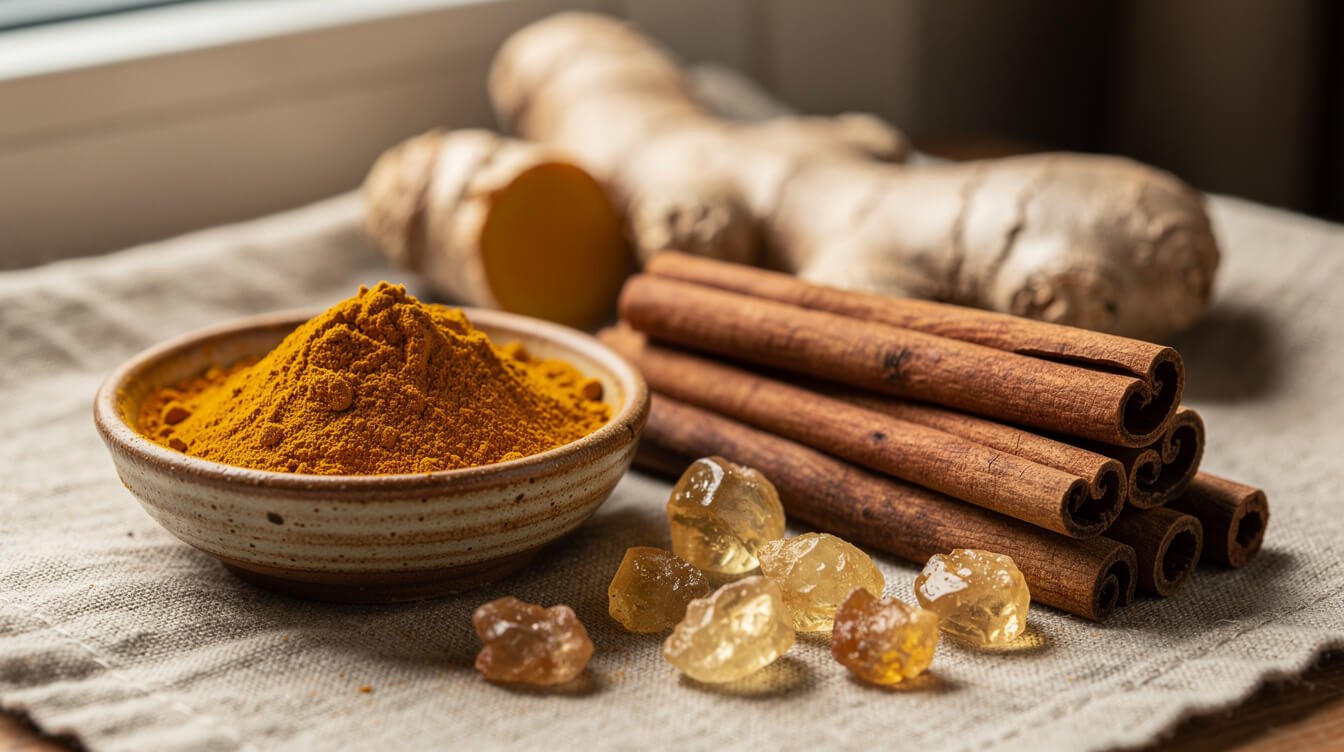
Nature’s pharmacy is remarkably well-stocked when it comes to pain-fighting compounds. Many of the herbs and spices sitting in your kitchen cabinet have been used for centuries in traditional medicine systems — and modern research is increasingly validating what our ancestors knew intuitively.
Turmeric: The Golden Powerhouse
If there’s one natural remedy that has earned its place in the pain relief spotlight, it’s turmeric. The active compound curcumin has been extensively studied for its anti-inflammatory properties. Research published in the Journal of Medicinal Food suggests that curcumin may be as effective as some over-the-counter anti-inflammatory medications for managing joint discomfort — without the gastrointestinal side effects.
For optimal absorption, pair turmeric with black pepper (which contains piperine) and a healthy fat like coconut oil or olive oil. This simple combination may increase curcumin bioavailability by up to 2,000%. If you’d like to dive deeper into this remarkable spice, our complete guide to turmeric benefits covers everything from dosing to delicious golden milk recipes.
Ginger: More Than a Kitchen Staple
Ginger contains compounds called gingerols and shogaols that research suggests may help inhibit inflammatory pathways in the body. A systematic review in the journal Pain Medicine found that ginger supplementation may reduce muscle pain and soreness, particularly after exercise. Fresh ginger tea, ginger supplements, or even ginger compresses applied topically have all shown promise in traditional and clinical settings.
Boswellia: The Ancient Resin
Also known as Indian frankincense, boswellia has been used in Ayurvedic medicine for thousands of years. Modern studies suggest that boswellic acids may help block enzymes involved in the inflammatory process. Research in the Indian Journal of Pharmaceutical Sciences indicates that boswellia may be particularly helpful for joint comfort and mobility.
Devil’s Claw and White Willow Bark
Devil’s claw, a plant native to southern Africa, contains harpagoside — a compound that research suggests may help reduce discomfort associated with back pain and joint stiffness. White willow bark, meanwhile, contains salicin, a compound similar to the active ingredient in aspirin. Both herbs have a long history of traditional use, and contemporary studies continue to explore their potential for natural pain management.
Essential Oils for Topical Relief
Certain essential oils may provide localized comfort when applied topically (always diluted with a carrier oil). Peppermint oil contains menthol, which may create a cooling sensation that helps distract from pain signals. Eucalyptus oil has been traditionally used for its potential anti-inflammatory properties. And lavender oil may help promote relaxation, which can be particularly beneficial when pain creates tension throughout the body.
Movement and Mind-Body Practices for Pain Management

It might seem counterintuitive, but one of the most effective natural remedies for pain relief is gentle, intentional movement. When pain strikes, our instinct is often to rest completely — but research consistently shows that appropriate movement may actually help reduce pain intensity and improve function over time.
Yoga and Gentle Stretching
Yoga combines physical movement, breathwork, and mindfulness — making it a triple-threat approach to pain management. A study published in the Annals of Internal Medicine found that yoga may be as effective as physical therapy for managing chronic lower back pain. The key is choosing gentle, restorative styles (like yin yoga or chair yoga) rather than vigorous flows that could aggravate existing discomfort.
Even simple daily stretching routines of 10-15 minutes may help maintain flexibility, reduce muscle tension, and improve circulation to areas that need healing support.
Meditation and Mindfulness-Based Stress Reduction
Your brain plays a central role in how you experience pain. Mindfulness-Based Stress Reduction (MBSR), developed by Jon Kabat-Zinn at the University of Massachusetts Medical Center, has been extensively studied for chronic pain management. Research suggests that regular meditation practice may actually change how the brain processes pain signals — not eliminating the sensation, but reducing the suffering associated with it.
Even 10 minutes of daily meditation may help. Body scan meditations, where you bring gentle, non-judgmental awareness to each part of your body, can be particularly helpful for chronic pain conditions.
Tai Chi and Qigong
These ancient Chinese movement practices combine slow, flowing movements with deep breathing and mental focus. Research published in the British Medical Journal suggests that tai chi may be beneficial for managing pain associated with osteoarthritis, fibromyalgia, and chronic lower back conditions. The gentle, low-impact nature of these practices makes them accessible even for people with limited mobility.
Breathwork for Pain Relief
Your breath is one of the most powerful — and underutilized — tools for managing pain. Deep diaphragmatic breathing activates the parasympathetic nervous system (your body’s “rest and restore” mode), which may help reduce muscle tension and lower stress hormones that can amplify pain perception. Techniques like box breathing (inhale for 4 counts, hold for 4, exhale for 4, hold for 4) can be practiced anywhere, anytime pain flares up.
Grounding and Earthing
Emerging research suggests that direct physical contact with the Earth’s surface — known as grounding or earthing — may have anti-inflammatory effects. A study in the Journal of Inflammation Research found that grounding may help reduce inflammation markers and support recovery from muscle soreness. Walking barefoot on grass, sand, or soil for 20-30 minutes daily is one of the simplest natural remedies for pain relief you can try. Curious about the science? Our complete guide to grounding benefits explores the research in detail.
Frequency-Based Therapies: PEMF and Terahertz Technology for Natural Pain Relief

While herbs and movement practices have centuries of tradition behind them, some of the most exciting developments in natural pain relief come from modern wellness technology. Frequency-based therapies represent a fascinating intersection of physics and biology — using electromagnetic fields to potentially support the body’s own healing mechanisms.
PEMF (Pulsed Electromagnetic Field) Therapy
PEMF therapy delivers low-frequency electromagnetic pulses to the body, which research suggests may help stimulate cellular repair processes. The FDA has cleared PEMF devices for certain medical applications, including bone healing and post-surgical pain management. Studies published in journals like Pain Research and Management suggest that PEMF therapy may help reduce pain intensity and improve function in conditions ranging from osteoarthritis to fibromyalgia.
What makes PEMF particularly interesting as a natural pain relief approach is its non-invasive nature. The electromagnetic pulses pass through clothing and skin, potentially reaching deep tissues without any chemical intervention. If you’re curious about how this technology works, our in-depth guide to PEMF therapy for pain covers the science, research, and practical applications.
Terahertz Frequency Wellness
Terahertz (THz) technology represents the next frontier in frequency-based wellness. Operating at frequencies between microwave and infrared on the electromagnetic spectrum, terahertz waves may interact with biological tissues in unique ways. Early research suggests these frequencies may support cellular vitality and promote a sense of wellbeing. Our complete guide to terahertz therapy explains the emerging science behind this innovative approach.
For those exploring frequency-based approaches to natural pain management, the OlyLife Tera-P90+ combines both PEMF and terahertz technologies in a single smart therapy system — offering a convenient way to experience these complementary frequencies at home.
Red Light and Infrared Therapy
Photobiomodulation — the use of specific wavelengths of red and near-infrared light — has gained significant research attention for pain management. Studies suggest that these light wavelengths may penetrate skin and tissue, potentially stimulating mitochondrial function and supporting the body’s natural inflammatory response. Our guide to red light therapy benefits explores how this technology may complement other natural pain relief strategies.
Acupuncture and Acupressure
Traditional Chinese Medicine has used acupuncture for thousands of years to manage pain by stimulating specific points along the body’s meridians. Modern research, including a major meta-analysis published in the Archives of Internal Medicine, suggests that acupuncture may be more effective than sham acupuncture for conditions like chronic back pain, osteoarthritis, and headaches. For those who prefer a needle-free approach, acupressure applies firm finger pressure to the same points and may offer similar benefits.

Experience Natural Pain Relief at Home
The OlyLife Tera-P90+ combines PEMF and terahertz frequency technologies to support your body’s natural comfort and recovery — all from the comfort of home.
🎁 Get a Free Wellness Gift
Enter your name and email below to receive a special wellness gift from OlyLife — absolutely free!
Dietary Approaches to Natural Pain Relief

What you eat can profoundly influence inflammation levels throughout your body — and since chronic inflammation is a key driver of many pain conditions, your diet may be one of the most powerful natural remedies for pain relief available to you.
The Anti-Inflammatory Diet
An anti-inflammatory eating pattern emphasizes whole, nutrient-dense foods while minimizing processed items that may promote inflammation. Key components include:
- Fatty fish (salmon, sardines, mackerel) — rich in omega-3 fatty acids that research suggests may help reduce inflammatory markers
- Colorful fruits and berries — packed with antioxidants and polyphenols that may combat oxidative stress
- Leafy greens (spinach, kale, Swiss chard) — excellent sources of vitamins and minerals that support the body’s natural anti-inflammatory processes
- Nuts and seeds (walnuts, flaxseeds, chia seeds) — provide plant-based omega-3s and magnesium
- Extra virgin olive oil — contains oleocanthal, a compound that research suggests has anti-inflammatory properties similar to ibuprofen
- Whole grains — fiber-rich foods that may support gut health, which emerging research links to systemic inflammation
Looking for delicious ways to incorporate these ingredients? Our anti-inflammatory foods recipes guide features over 15 meals designed to taste amazing while supporting your body’s natural comfort.
Foods That May Worsen Pain
Just as certain foods may help reduce inflammation, others may contribute to it. Research suggests limiting:
- Refined sugars and high-fructose corn syrup — may trigger inflammatory responses
- Processed and ultra-processed foods — often contain additives that may promote inflammation
- Excessive alcohol — may increase inflammatory markers and interfere with sleep quality
- Trans fats and refined vegetable oils — may disrupt the body’s inflammatory balance
- Excessive red meat — some studies suggest high consumption may be linked to increased inflammatory markers
Key Supplements for Pain Support
While whole foods should always form the foundation of an anti-inflammatory diet, certain supplements may provide additional support:
- Omega-3 fish oil — research suggests 1,000-2,000mg of combined EPA and DHA daily may help manage inflammatory responses
- Magnesium — this essential mineral plays a role in muscle relaxation and nerve function, and many adults don’t get enough through diet alone
- Vitamin D — studies have linked low vitamin D levels to increased pain sensitivity; consider testing your levels and supplementing if needed
- Collagen peptides — emerging research suggests collagen supplementation may support joint comfort and mobility
Hydration and Pain
Dehydration may actually worsen pain perception. Water helps cushion joints, transport nutrients to cells, and flush out inflammatory waste products. Aim for at least 8 glasses of water daily, and consider adding lemon or cucumber for extra anti-inflammatory benefits. Herbal teas — particularly ginger, turmeric, and chamomile — count toward your daily fluid intake while providing additional anti-inflammatory compounds.
Frequently Asked Questions About Natural Remedies for Pain Relief

What is the strongest natural pain reliever?
Research suggests that curcumin (from turmeric) and boswellia are among the most studied and potentially effective herbal pain relievers. However, the “strongest” natural remedy depends on the type of pain. For muscle soreness, topical arnica and magnesium may provide quick relief. For joint discomfort, turmeric and omega-3 fatty acids show strong research support. For nerve-related pain, some people find relief with alpha-lipoic acid or capsaicin cream. A holistic wellness approach that combines multiple natural strategies often yields the best results.
Can natural remedies replace prescription pain medication?
Natural remedies should complement — not replace — medical advice without consulting your healthcare provider. Some people find that incorporating natural approaches allows them to gradually reduce their reliance on conventional medications (under medical supervision), while others use natural remedies alongside their prescribed treatment plan. Always discuss changes to your pain management routine with a qualified healthcare professional.
How long do natural pain remedies take to work?
This varies significantly depending on the remedy. Topical treatments like peppermint oil or arnica cream may provide noticeable comfort within minutes. Dietary changes and herbal supplements typically require 2-4 weeks of consistent use before you may notice meaningful differences. Mind-body practices like meditation often show cumulative benefits — the more consistently you practice, the more effective they may become at managing pain responses.
Are natural pain remedies safe for everyone?
While generally well-tolerated, natural remedies can interact with medications and may not be appropriate for everyone. Turmeric, for example, may interact with blood-thinning medications. Willow bark should be avoided by people with aspirin sensitivity. Always consult your healthcare provider before starting any new supplement, especially if you’re pregnant, nursing, or taking prescription medications.
What lifestyle changes support natural pain management?
Beyond specific remedies, several lifestyle factors may significantly influence pain levels. Prioritizing quality sleep (7-9 hours nightly) is essential, as poor sleep can amplify pain perception. Managing stress through meditation, breathwork, or time in nature may help reduce muscle tension and lower stress hormones that worsen pain. Regular gentle movement — even 20 minutes of walking daily — helps maintain mobility and promotes the release of endorphins, your body’s natural pain-relieving chemicals. And don’t underestimate the power of social connection — research suggests that strong social support networks may actually help reduce pain perception.
Can inflammation from diet really cause pain?
Yes, research increasingly supports the connection between dietary inflammation and pain. The foods you eat directly influence your body’s inflammatory response. A diet high in processed foods, sugar, and refined carbohydrates may promote chronic low-grade inflammation throughout the body, which can manifest as joint stiffness, muscle aches, and increased pain sensitivity. Conversely, an anti-inflammatory dietary approach may help reduce these symptoms over time.
Final Thoughts: Building Your Natural Pain Relief Toolkit
Living with pain doesn’t have to mean choosing between pharmaceutical solutions and simply enduring discomfort. The world of natural remedies for pain relief offers a rich, evidence-informed landscape of options — from ancient herbal wisdom to modern frequency-based technologies.
The most effective approach to natural pain management is typically a personalized combination of strategies. You might start your day with an anti-inflammatory turmeric latte, practice 15 minutes of gentle yoga, incorporate PEMF therapy sessions, and wind down with a magnesium-rich Epsom salt bath. Over time, you’ll discover which combination works best for your unique body and situation.
Here are some practical steps to get started today:
- Start with one change — don’t try to overhaul everything at once. Pick the remedy that resonates most with you and commit to it for two weeks.
- Keep a pain journal — track your pain levels, what you ate, how you moved, and what remedies you tried. Patterns will emerge that guide your approach.
- Consult your healthcare team — share your interest in natural approaches with your doctor. Many physicians now embrace integrative pain management strategies.
- Be patient and consistent — natural remedies often work best with regular, sustained use rather than sporadic application.
- Listen to your body — your body’s signals are the best guide to what works for you.
Remember, the goal isn’t to find a single magic solution — it’s to build a comprehensive, personalized toolkit that supports your body’s natural ability to heal and find comfort. Every small step you take toward natural pain management is a step toward greater wellbeing and vitality.