Terahertz Therapy: Your Complete Guide to THz Frequency Wellness
If you’ve been exploring natural wellness therapies, you may have come across terahertz therapy — an emerging approach that uses gentle electromagnetic frequencies to support your body’s natural healing processes. While the science behind terahertz technology has existed for decades in medical imaging and research, its wellness applications are now gaining mainstream attention among health-conscious individuals seeking non-invasive, drug-free approaches to everyday wellbeing.
In this complete guide, we’ll walk you through everything you need to know about terahertz therapy — from the science behind THz frequencies to practical ways you can incorporate this innovative technology into your daily wellness routine. Whether you’re curious about how terahertz waves interact with your cells or you’re ready to explore at-home terahertz devices, this guide is your starting point.
What Is Terahertz Therapy and How Does It Work?

Terahertz therapy is a form of frequency-based wellness that uses electromagnetic waves in the terahertz (THz) range — specifically between 0.1 and 10 THz on the electromagnetic spectrum. This places terahertz waves in a unique position between microwave radiation and infrared light, occupying what scientists have traditionally called the “terahertz gap.”
What makes terahertz frequencies particularly interesting for wellness applications is their relationship with water molecules. Your body is approximately 60-70% water, and terahertz waves resonate naturally with the hydrogen bonds in water molecules. When THz frequencies interact with the water in your cells, they may help support normal cellular vibration patterns — much like tuning an instrument back to its optimal pitch.
The Electromagnetic Spectrum: Where Terahertz Fits
Understanding where terahertz waves sit on the electromagnetic spectrum helps explain why they’re considered safe for wellness use:
- Radio waves — longest wavelength, lowest energy (used in communication)
- Microwaves — used in cooking and radar technology
- Terahertz waves — the “sweet spot” between microwaves and infrared
- Infrared — thermal radiation we feel as heat
- Visible light — the spectrum we can see
- Ultraviolet, X-rays, gamma rays — ionizing radiation (higher energy)
Crucially, terahertz waves are non-ionizing, meaning they don’t carry enough energy to break molecular bonds or damage DNA. This is one of the key reasons terahertz therapy has attracted interest from wellness researchers — it operates in a frequency range that can interact with biological tissue without the risks associated with ionizing radiation.
The Science of Cellular Resonance
Every cell in your body vibrates at specific frequencies. Research published in the Journal of Infrared, Millimeter, and Terahertz Waves suggests that healthy cells maintain consistent vibrational patterns, while cells under stress may exhibit altered frequencies. Terahertz therapy works on the principle that applying frequencies in the THz range may help support the body’s natural cellular resonance — a concept sometimes called bioharmonic entrainment.
Think of it like this: when you strike a tuning fork near a guitar string tuned to the same note, the string begins to vibrate sympathetically. Similarly, terahertz frequencies may resonate with the water molecules and proteins within your cells, potentially supporting normal cellular function and communication.
Potential Benefits of Terahertz Therapy

While terahertz therapy is still an emerging field, early research and practitioner observations suggest several potential wellness benefits. It’s important to note that these are areas of active investigation, and individual experiences may vary. Here’s what the current evidence and clinical observations suggest:
Circulation and Blood Flow Support
One of the most commonly reported benefits of terahertz therapy is its potential to support healthy blood circulation. Practitioners and users frequently observe that areas treated with THz frequencies may show improved microcirculation — the flow of blood through your smallest blood vessels (capillaries). Better microcirculation may help deliver oxygen and nutrients to tissues more efficiently while supporting the removal of metabolic waste products.
This is particularly relevant for people who spend long hours sitting, those recovering from physical activity, or anyone interested in supporting their body’s natural circulatory processes.
Cellular Health and Recovery
Research from the Proceedings of the National Academy of Sciences has explored how terahertz radiation interacts with biomolecules, including proteins and DNA. While this research is still in early stages, it suggests that THz frequencies may influence cellular processes at a fundamental level — potentially supporting the body’s natural repair and recovery mechanisms.
For wellness enthusiasts, this translates to a therapy that may complement your body’s existing healing capabilities, particularly after physical exertion, stress, or the normal wear and tear of daily life.
Comfort and Relaxation
Many users of terahertz therapy devices report a soothing warmth during sessions, similar to the gentle heat experienced during red light therapy or infrared sauna sessions. This warming sensation is produced by the interaction of THz waves with water molecules in the body’s tissues, and many people find it deeply relaxing.
The relaxation response triggered during terahertz sessions may also support healthy stress management — an essential component of any holistic wellness routine.
Immune Function Support
Some preliminary studies have investigated the relationship between terahertz frequency exposure and immune cell activity. While definitive conclusions require further research, the intersection of frequency-based therapy and immune support represents one of the most promising areas of terahertz investigation.
The theory suggests that by supporting optimal cellular communication and circulation, terahertz therapy may indirectly create conditions that support your immune system’s natural function. This aligns with the broader understanding in integrative wellness that whole-body approaches — rather than isolated interventions — tend to produce the most meaningful results.
Terahertz Therapy vs Other Frequency-Based Wellness Therapies
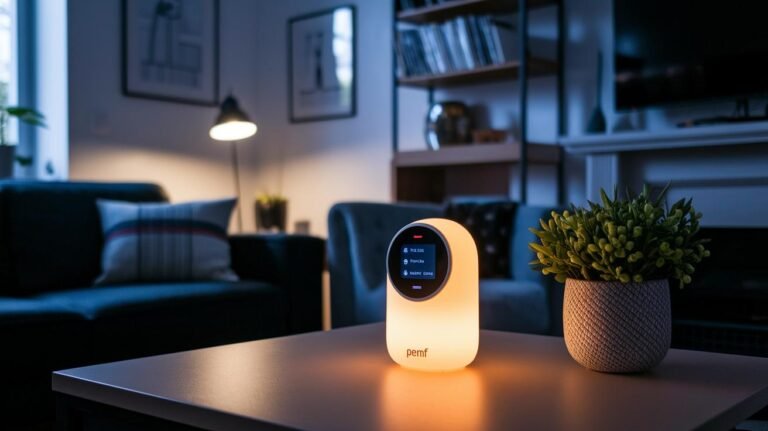
If you’re already familiar with therapies like PEMF, red light therapy, or bioresonance therapy, you might be wondering how terahertz fits into the broader landscape of frequency-based wellness. Here’s how these approaches compare:
Terahertz Therapy vs PEMF (Pulsed Electromagnetic Field) Therapy
PEMF therapy uses low-frequency electromagnetic pulses (typically 1-100 Hz) to stimulate cellular activity and support tissue health. Terahertz therapy operates at dramatically higher frequencies (0.1-10 THz) and interacts with the body differently — primarily through resonance with water molecules rather than electromagnetic field stimulation of cells.
The exciting development: Some advanced wellness devices now combine both PEMF and terahertz technology in a single system, offering the benefits of low-frequency cellular stimulation alongside high-frequency molecular resonance. This dual-frequency approach represents the cutting edge of at-home frequency wellness.
Terahertz Therapy vs Red Light Therapy
Red light therapy (photobiomodulation) uses specific wavelengths of visible and near-infrared light (typically 630-850 nm) to stimulate mitochondrial function and cellular energy production. While both therapies are non-invasive and non-ionizing, they work through different mechanisms:
- Red light therapy targets mitochondria (the cell’s energy factories) through photon absorption
- Terahertz therapy targets water molecules and cellular structures through frequency resonance
Many wellness practitioners suggest that these therapies may complement each other beautifully, addressing cellular health from different angles. If you’re already using red light therapy, terahertz therapy may add another dimension to your frequency wellness practice.
Terahertz Therapy vs Infrared Therapy
Infrared therapy uses heat to penetrate tissues and promote relaxation, circulation, and recovery. Terahertz therapy operates at frequencies just below infrared on the electromagnetic spectrum, and while it does produce gentle warmth, its primary mechanism is frequency resonance rather than thermal heating.
The key distinction: infrared therapy works primarily through heat transfer, while terahertz therapy’s potential benefits are thought to come from its specific frequency interaction with biological molecules — particularly the hydrogen bonds in water.
Quick Comparison Chart
| Feature | Terahertz Therapy | PEMF Therapy | Red Light Therapy | Infrared Therapy |
|---|---|---|---|---|
| Frequency Range | 0.1-10 THz | 1-100 Hz | 430-770 THz (visible light) | 300 GHz-430 THz |
| Primary Mechanism | Water molecule resonance | Electromagnetic field stimulation | Mitochondrial photon absorption | Thermal heating |
| Penetration Depth | Up to 20-30 cm | Full body | 2-5 cm | 2-7 cm |
| Sensation | Gentle warmth | Tingling, pulsing | Mild warmth | Direct heat |
| Non-Ionizing | Yes | Yes | Yes | Yes |
| At-Home Use | Yes (handheld devices) | Yes (mats, pads) | Yes (panels, wands) | Yes (saunas, wraps) |
How to Use Terahertz Therapy at Home

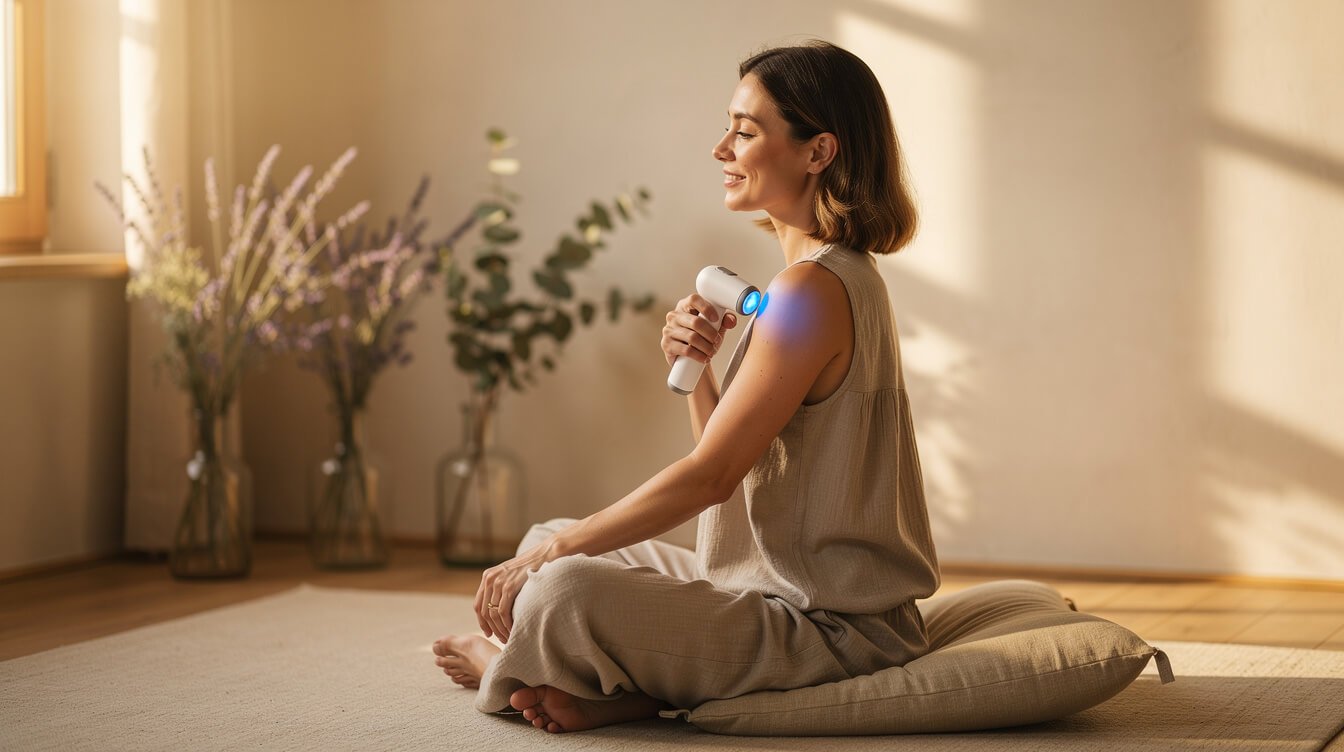
One of the most exciting developments in terahertz therapy is the availability of handheld, at-home devices that put this technology directly in your hands. Unlike many frequency-based therapies that require expensive clinic visits, modern terahertz devices are designed for safe, convenient home use.
Understanding At-Home Terahertz Devices
Consumer terahertz therapy devices typically resemble a handheld wand or blower that emits THz-range frequencies. Many modern devices combine terahertz technology with other complementary frequencies — such as PEMF (pulsed electromagnetic fields) — to create a multi-frequency wellness experience.
When choosing a terahertz device, look for these key features:
- Frequency accuracy — the device should emit verified terahertz-range frequencies
- Safety certifications — look for devices with documented safety testing
- Multiple settings — temperature and intensity options allow you to customize your experience
- Build quality — a well-made device will last longer and perform more consistently
- PEMF integration — combination devices offer broader frequency coverage in a single tool
Suggested Session Protocols
While individual needs vary, here are some general guidelines that practitioners commonly recommend for at-home terahertz therapy sessions:
- General wellness maintenance: 15-20 minutes per session, 3-5 times per week
- Post-exercise recovery: 10-15 minutes on targeted areas, within 2 hours after physical activity
- Relaxation and stress support: 20-30 minutes in the evening, combined with grounding practices
- Targeted comfort: 10-20 minutes on specific areas of discomfort, 1-2 times daily
Getting started tip: Begin with shorter sessions (5-10 minutes) and gradually increase duration as you become familiar with how your body responds to terahertz frequencies. Many users report that consistency matters more than session length — regular shorter sessions may be more beneficial than occasional long ones.
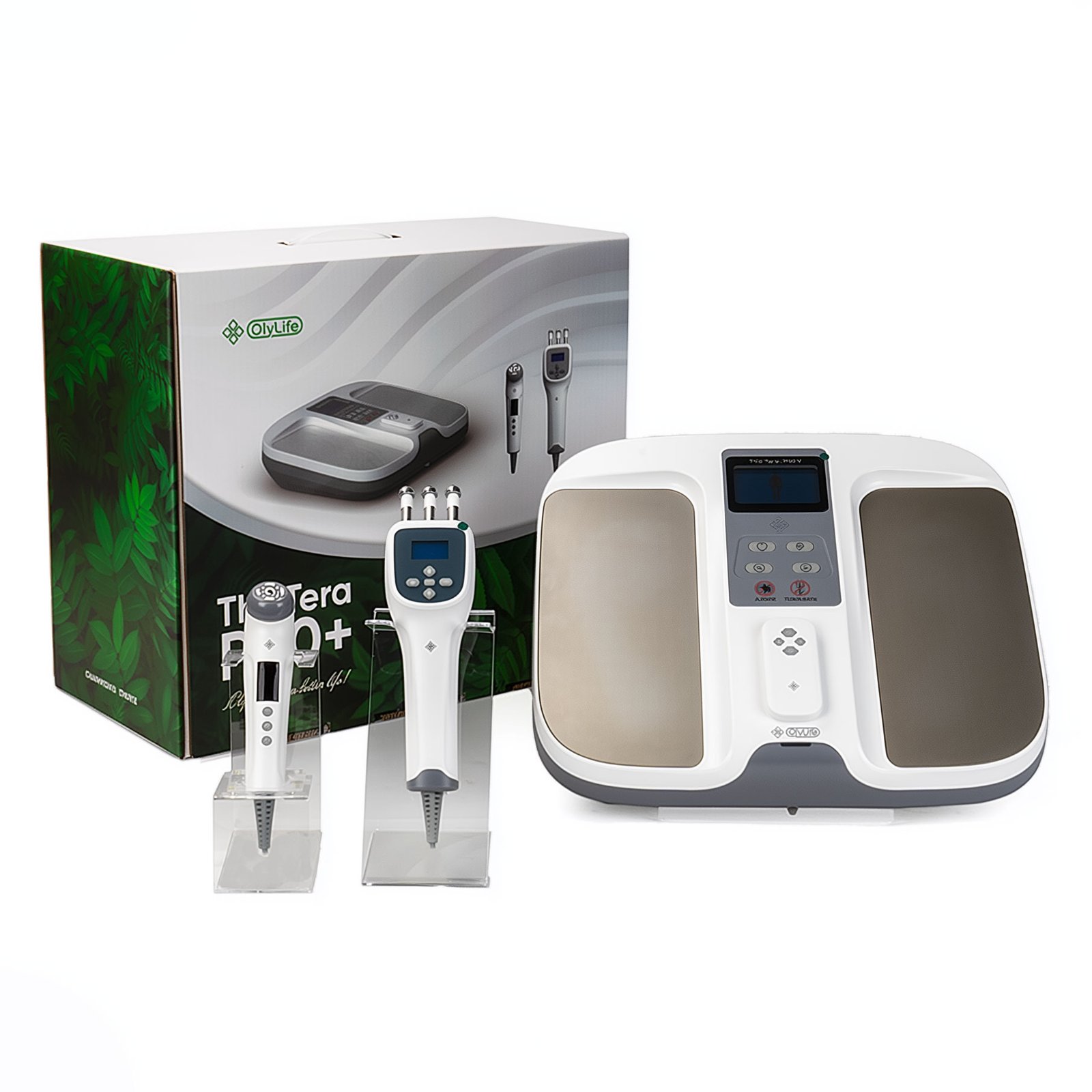
If you’re ready to explore terahertz therapy at home, the OlyLife Vitality Wand combines terahertz and PEMF technology in a single handheld device — making it an excellent entry point for anyone new to frequency-based wellness. For a more advanced experience, the OlyLife Tera-P90+ offers the complete smart PEMF and terahertz therapy system.
Best Practices for Safe Use
- Stay hydrated — since terahertz waves interact with water molecules, proper hydration may enhance your experience. Drink a glass of water before and after each session.
- Keep the device moving — don’t hold a terahertz device stationary on one spot for extended periods. Gentle, continuous motion helps distribute the frequency exposure evenly.
- Listen to your body — if you experience any unusual sensations, reduce the intensity or take a break. Wellness therapies should always feel comfortable.
- Maintain your device — follow the manufacturer’s care instructions to ensure optimal performance and longevity.
- Pair with complementary practices — many users find that combining terahertz therapy with practices like sound healing, stretching, or breathwork enhances their overall experience.
🎁 Get a Free Wellness Gift
Enter your name and email below to receive a special wellness gift from OlyLife — absolutely free!
Is Terahertz Therapy Safe? What You Should Know

Safety is naturally one of the first questions people ask about any new wellness technology, and terahertz therapy is no exception. Here’s what the current research tells us about the safety profile of THz frequencies:
Non-Ionizing Radiation
As mentioned earlier, terahertz waves are non-ionizing — they don’t carry enough energy to break chemical bonds or damage DNA. This places them in the same general safety category as radio waves, microwaves (at much lower power), and visible light. A 2021 review published in PMC (National Library of Medicine) examined the biological effects of terahertz radiation and confirmed that at the power levels used in therapy devices, THz exposure does not produce the harmful effects associated with ionizing radiation like X-rays or gamma rays.
Reported Side Effects
Most users and practitioners report that terahertz therapy is well-tolerated with minimal side effects. However, some individuals may experience:
- Temporary warmth or flushing in treated areas — this is normal and typically subsides quickly
- Mild fatigue after initial sessions — as with many wellness therapies, your body may need time to adjust
- Increased thirst — related to the interaction with water molecules; easily addressed by staying hydrated
- Temporary skin redness — usually resolves within 30-60 minutes after a session
These effects are generally mild and short-lived. If any sensation persists or feels uncomfortable, discontinue use and consult a healthcare professional.
Who Should Exercise Caution
While terahertz therapy is generally considered safe for most adults, certain individuals should consult their healthcare provider before use:
- Pregnant or nursing individuals
- People with implanted medical devices (pacemakers, insulin pumps)
- Individuals with active bleeding disorders
- Those undergoing active cancer treatment (consult your oncologist)
- Children under 12 (limited research in pediatric populations)
Important note: Terahertz therapy is a wellness modality, not a medical treatment. It is not intended to diagnose, treat, cure, or prevent any disease. Always consult with a qualified healthcare professional before beginning any new wellness practice, especially if you have existing health conditions.
Experience Terahertz Therapy at Home
The OlyLife Tera-P90+ combines smart PEMF and terahertz technology in one powerful system — bringing professional-grade frequency wellness into your daily routine.
Frequently Asked Questions About Terahertz Therapy

How long does it take to notice effects from terahertz therapy?
Individual experiences vary significantly. Some users report feeling a difference — particularly in relaxation and comfort — after their very first session. For broader wellness benefits, most practitioners suggest consistent use over 2-4 weeks before evaluating your experience. As with most natural wellness practices, patience and consistency tend to produce the most noticeable results.
Can I use terahertz therapy alongside other wellness practices?
Yes! Many users combine terahertz therapy with complementary practices like grounding (earthing), meditation, aromatherapy, and nutritional support. Terahertz therapy works through a unique mechanism (frequency resonance with water molecules), so it generally complements rather than conflicts with other wellness approaches. Some advanced devices even combine terahertz with PEMF technology for a multi-frequency approach.
What’s the difference between a terahertz wand and a terahertz blower?
These terms are often used interchangeably. Most consumer terahertz devices use a blower-style design that directs THz-frequency emissions toward the body while producing gentle warmth. The “wand” name reflects the handheld form factor, while “blower” describes the air-based delivery mechanism. The key distinction to look for isn’t the name but the quality of the device — specifically its frequency accuracy, build quality, and safety certifications.
How often should I use a terahertz therapy device?
For general wellness maintenance, most practitioners suggest 3-5 sessions per week, with each session lasting 15-30 minutes. There’s no strict rule — some people use their device daily as part of their morning or evening routine, while others prefer 3-4 times per week. Start with shorter sessions and build up as you learn how your body responds.
Is terahertz therapy the same as far infrared therapy?
While terahertz frequencies sit adjacent to infrared on the electromagnetic spectrum, they are distinct technologies. Some terahertz devices incorporate far infrared elements, but true terahertz therapy operates at higher frequencies (0.1-10 THz) compared to far infrared (around 300 GHz). The primary mechanism differs too: terahertz waves resonate with water molecules, while infrared primarily provides thermal energy.
Can terahertz therapy help with specific health conditions?
Terahertz therapy is classified as a wellness modality, not a medical treatment. While research continues to explore various applications, no specific health claims can be made. What many users report is general improvement in their sense of wellbeing, comfort, and relaxation. For any specific health concerns, always work with a qualified healthcare professional.
Embracing Frequency Wellness: Your Next Steps

Terahertz therapy represents one of the most exciting frontiers in natural wellness technology. By working with your body’s natural frequency patterns — particularly the resonance of water molecules that make up the majority of your physical being — THz therapy offers a genuinely novel approach to supporting everyday wellbeing.
As you consider whether terahertz therapy might be right for your wellness journey, here are some practical next steps:
- Educate yourself — you’ve already taken a great first step by reading this guide. Continue exploring reputable sources about frequency-based wellness.
- Consider your wellness goals — think about what you’re hoping to achieve, whether that’s better relaxation, recovery support, or general wellness maintenance.
- Choose quality equipment — if you decide to explore at-home terahertz therapy, invest in a well-made device from a trusted brand with proper safety documentation.
- Start slowly — begin with short sessions and build up gradually, paying attention to how your body responds.
- Be consistent — like most wellness practices, terahertz therapy tends to be most beneficial when used regularly over time.
- Combine with complementary practices — pair your THz sessions with healthy hydration, grounding practices, and other natural wellness habits for a holistic approach.
The journey toward optimal wellness is deeply personal, and there’s no one-size-fits-all solution. What terahertz therapy offers is another powerful tool in your natural wellness toolkit — one rooted in fascinating science and growing practical application. Whether you’re a seasoned wellness enthusiast or just beginning to explore frequency-based therapies, the world of terahertz is well worth discovering.
Your body has an remarkable capacity for balance and self-renewal. Sometimes, all it needs is a little frequency support to help it do what it does best — heal, restore, and thrive.