Terahertz Therapy Safety Guidelines For Home Use Safe
Can you safely use terahertz therapy at home, or should you stick to clinics? You can try it at home, if you’re careful. Terahertz therapy (low-energy electromagnetic waves that often feel like a gentle hum or warm touch) is usually low risk, but safety steps matter.
Start with trusted, certified gear from a reputable brand and look for third-party testing or lab reports. Read the user guide and stick to the manufacturer’s rules, don’t tinker with settings or use DIY devices. Oh, and plug into a proper charger; overheating usually comes from bad batteries.
Keep intensity low and session times short. Hold the wand about 8-12 inches from your skin, like you would a hair dryer, and move it slowly over the area, don’t hover in one spot. Think of it like warming your hands over a mug of tea: gentle and steady.
Protect your eyes and avoid aiming the device at them. Wear protective eyewear if the manual recommends it, and stop immediately if you feel pain, sudden head pressure, dizziness, or a skin burn that doesn’t fade. Also pause if you’re pregnant, have a pacemaker or other implanted device, or are unsure, check with your healthcare provider first.
Do quick device checks before each use: inspect for cracks or loose parts, make sure vents and ports are clean, and update firmware if the maker provides updates. Start with the lowest dose and a short timer, then slowly increase only if you feel fine.
Want a neat little tip? Keep a kitchen timer nearby so you don’t lose track of time. Start slow, pay attention to how your body responds, and you’ll gain calm, clear confidence with home terahertz therapy. Breathe.
Quick-Start Safety Summary for Home Terahertz Therapy
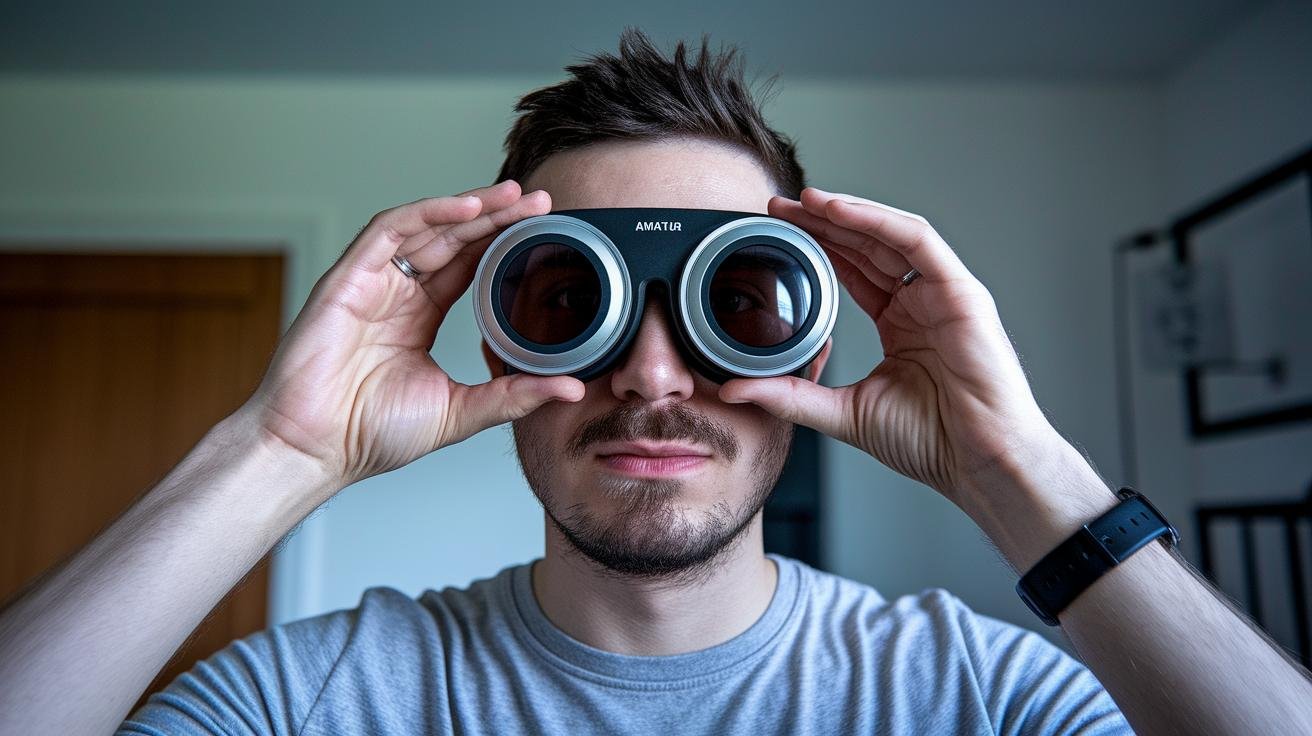
Quick safety tips for using terahertz therapy at home. Terahertz therapy (low-power electromagnetic waves in the terahertz band) often feels like a gentle hum or warmth, so take these precautions before you begin.
-
Choose a certified home-use terahertz device with third-party frequency testing (independent lab verification of the device frequencies). See Section 2 for device certification.
-
Start at the lowest intensity and raise it slowly while you watch for warmth, redness, or unusual fatigue. Basic terahertz dosing steps are in Section 3.
-
Keep the wand 8 to 12 inches from your skin to limit surface absorption and heat. Think of it like holding a hair dryer a few inches away. Section 3 explains positioning and stands.
-
Limit sessions to 10 to 30 minutes total, with about 1 to 5 minutes per area. Stop use if skin shows prolonged redness or any blistering, and follow the duration guidelines in Section 3.
-
Always wear the supplied protective eyewear and any shielding accessories that come with your device. Eye safety and contraindication details appear in Section 5.
Have questions or feel unsure? Pause, check the manual, or consult a professional. Read the full safety guidelines in the linked sections for device setup, exposure limits, protective measures, and contraindications for your home-use terahertz device today.
Regulatory Standards and Certification for Home Terahertz Devices
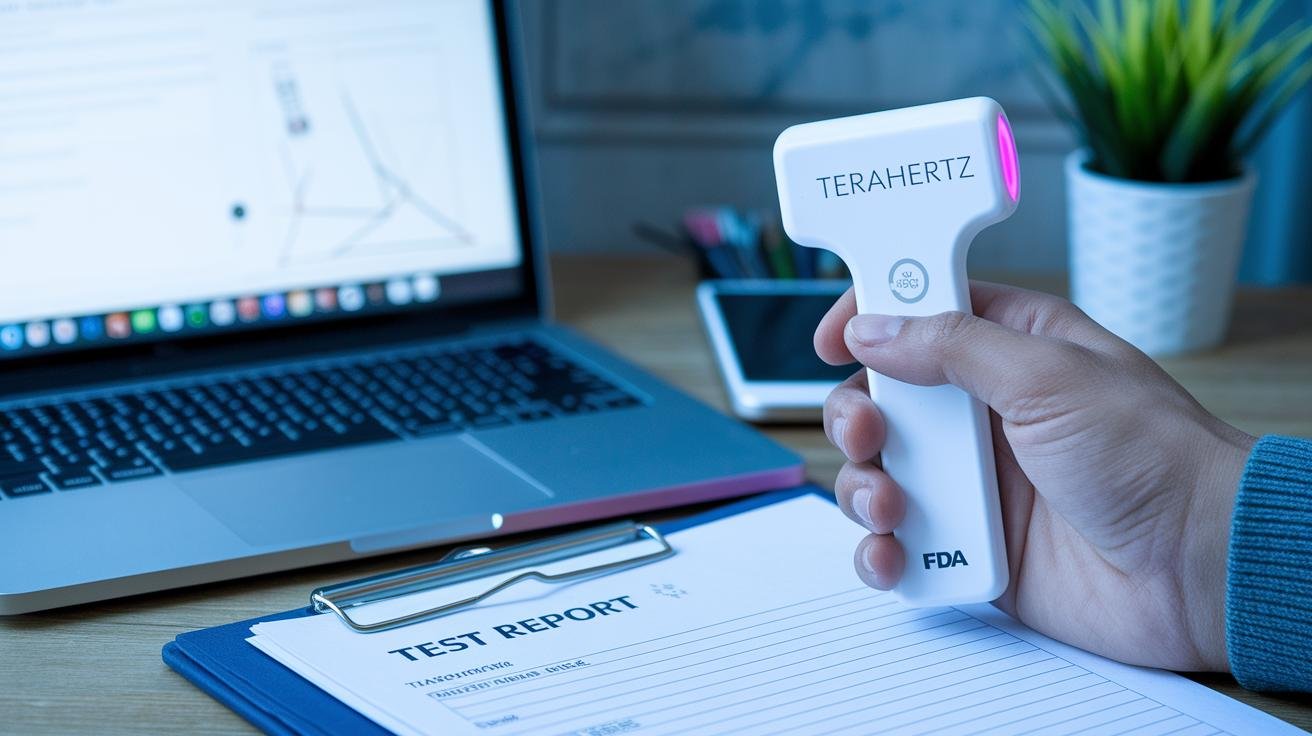
Regulatory rules for terahertz therapy devices change depending on where you live, so don’t trust marketing alone. Read the labels and ask for documents. The big players to know are the U.S. Food and Drug Administration (FDA) for marketing and safety, the European CE process and MDR (Medical Device Regulation) for electrical and medical conformity, and international standards like IEC 60601 (safety for medical electrical equipment). Exposure limits for non-ionizing radiation are often guided by ANSI standards such as ANSI C95.1 (2005) and ANSI Z136.1 (2007).
Most consumer terahertz wands on the market are sold as wellness gadgets, not as FDA-cleared medical devices. So when a product promises healing, be cautious. Have you ever wondered if that warm, humming sensation is true terahertz energy or just infrared heat? Good question. Lab reports help answer it.
| Region / Agency | Key Standard or Mark | What it covers | Device implication |
|---|---|---|---|
| United States (FDA) | FDA oversight; ANSI C95.1 | Marketing claims and guidance on non-ionizing exposure | Home terahertz devices are usually sold as wellness items, not FDA-cleared medical devices |
| European Union | CE marking; MDR if medical | Electrical safety, electromagnetic compatibility, and stricter medical device rules when a treatment is claimed | A CE mark suggests conformity; making medical claims triggers tighter review |
| International | IEC 60601; IEEE/ANSI exposure guidelines | Electrical safety for medical equipment and exposure limits for non-ionizing fields | Useful benchmarks for makers and testing labs |
| Independent testing | Third-party lab reports | Verified frequency range, power density (mW/cm²), and emission composition | Shows if a device emits real terahertz or mainly infrared heat |
Before you buy a home terahertz device, ask the seller for certification and independent frequency testing. Look for lab reports that list the frequency range, power output, and exposure data. Think of power density like the brightness of a light , the numbers tell you how intense the emission really is.
Oh, and here’s a neat trick: ask for the spectrum graph in the report. It makes it obvious whether the output is true terahertz or mostly near-infrared. Simple, but effective.
If you want to compare safety against global norms, check the IEC 60601 summary and the ANSI exposure guidance mentioned above. Then, if anything feels unclear, request clarification from an independent lab or a consumer safety group. Careful. Breathe. You’ve got this.
Safe Exposure Protocols: Dosage, Distance, and Duration
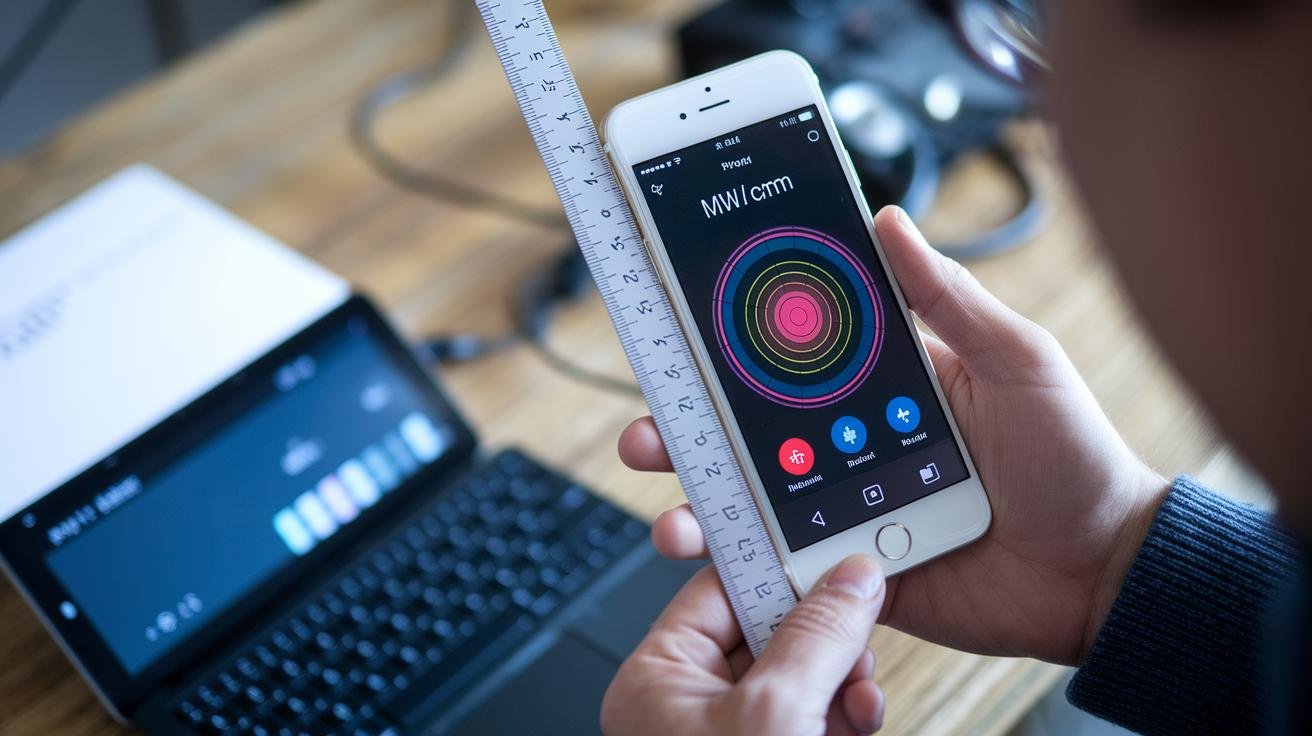
Start every session at the lowest power setting and only raise it if you don’t feel any warmth, notice redness, or feel odd fatigue. Follow the device manufacturer’s instructions and your local exposure limits. Specific power-density guidance is in the Regulatory/Standards section.
Dosage and Power Output Control
- Watch mW/cm² (milliwatts per square centimeter) readouts when your device shows them, and follow the device’s dosimetry (dose measurement) chart for total cumulative dosing.
- If your device doesn’t display power, increase output in small steps, log the time and settings, and check your skin after each change. Oh, and keep a simple log, time, setting, how your skin felt.
- Start with low-frequency (lower pulse rate) and low-power combos. Raise settings slowly. Stop if you feel a gentle warmth turning into heat, see redness or blistering, or feel unusual tiredness.
Proper Distance and Positioning
- Keep a non-contact gap of 8–12 inches (20–30 cm) between the device and skin.
- Hold the wand perpendicular to the skin so coverage is even.
- Use a stand or mark the spot with tape to repeat the same position each time.
- Never point the beam at the eyes. Wear the supplied protective eyewear and use any provided shielding.
Session Duration and Frequency
Limit treatments to 1–5 minutes per targeted area, and keep total session time under 30 minutes. Avoid treating the same spot more than 2–3 times a day. Watch the treated area for 24–48 hours for any adverse reactions.
If redness persists, blisters form, or you feel unusual fatigue, stop treatment and contact the manufacturer or a qualified clinician.
Device Setup, Calibration, and Routine Maintenance

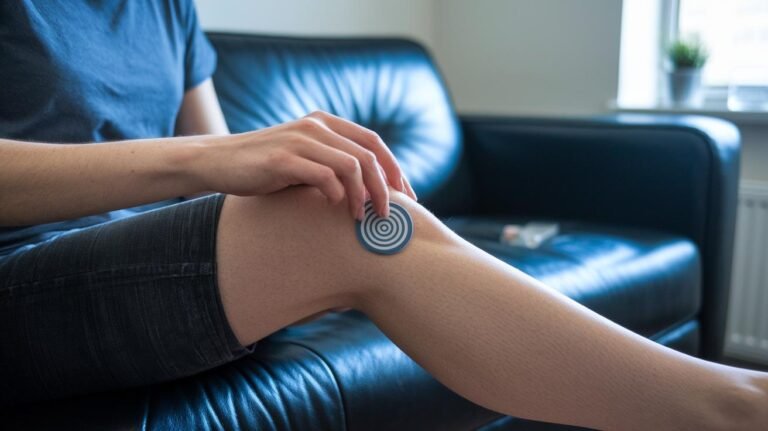
Start with a calm, simple setup so the device works reliably and feels safe to use. Unbox it on a clean surface, check that cables and connectors look intact, and do a small skin patch test for 1–2 minutes to see how your skin reacts. Relax. Breathe.
Pre-use inspection checklist:
- Check the power cord, plug, and any removable parts for frays or loose fittings.
- Make sure vents are clear and there’s no debris near the emitter.
- Verify indicator lights and basic controls power up.
- Run the built-in self-test if your model has one.
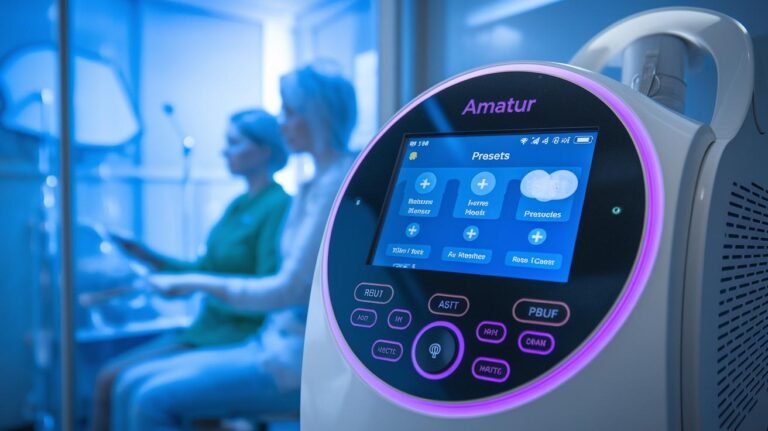
Calibration and regular performance checks keep home use safe. When you first power the unit, follow the manufacturer’s calibration steps: zero the output displays, run any diagnostic modes, and log the baseline mW/cm² readout (milliwatts per square centimeter, a measure of output intensity). Repeat these checks every month, and always after a drop, bump, or firmware update (firmware is the device software that controls how it runs).
Keep a software update schedule. Apply firmware updates on the manufacturer’s recommended timeline, then reboot so settings fully take hold. If an update changes dosimetry charts (dosimetry means the recommended dose settings), treat the device like it’s new: recalibrate and do another skin patch test.
Cleaning is simple and gentle. Use a soft, non-abrasive cloth with mild soapy water or a 70% isopropyl wipe for exterior surfaces. Avoid letting liquids enter vents or ports. Oh, and here’s a neat trick: wipe away from ports so any stray moisture heads outward.
Quick maintenance checklist:
- Wipe exterior surfaces.
- Inspect connectors and cables.
- Tighten any loose screws.
- Run a short output test to confirm normal function.
Basic troubleshooting: stop use if the output is erratic, the unit gets unusually hot, or error codes won’t clear. Power-cycle the unit, check connections, consult the manual, then contact support if the problem persists. Have you tried that simple restart? It helps more than you’d think.
For full calibration and cleaning instructions, see the Terahertz Therapy Device User Guide.
🎁 Get a Free Wellness Gift
Enter your name and email below to receive a special wellness gift from OlyLife — absolutely free!
Protective Measures and Contraindications for Home Terahertz Therapy
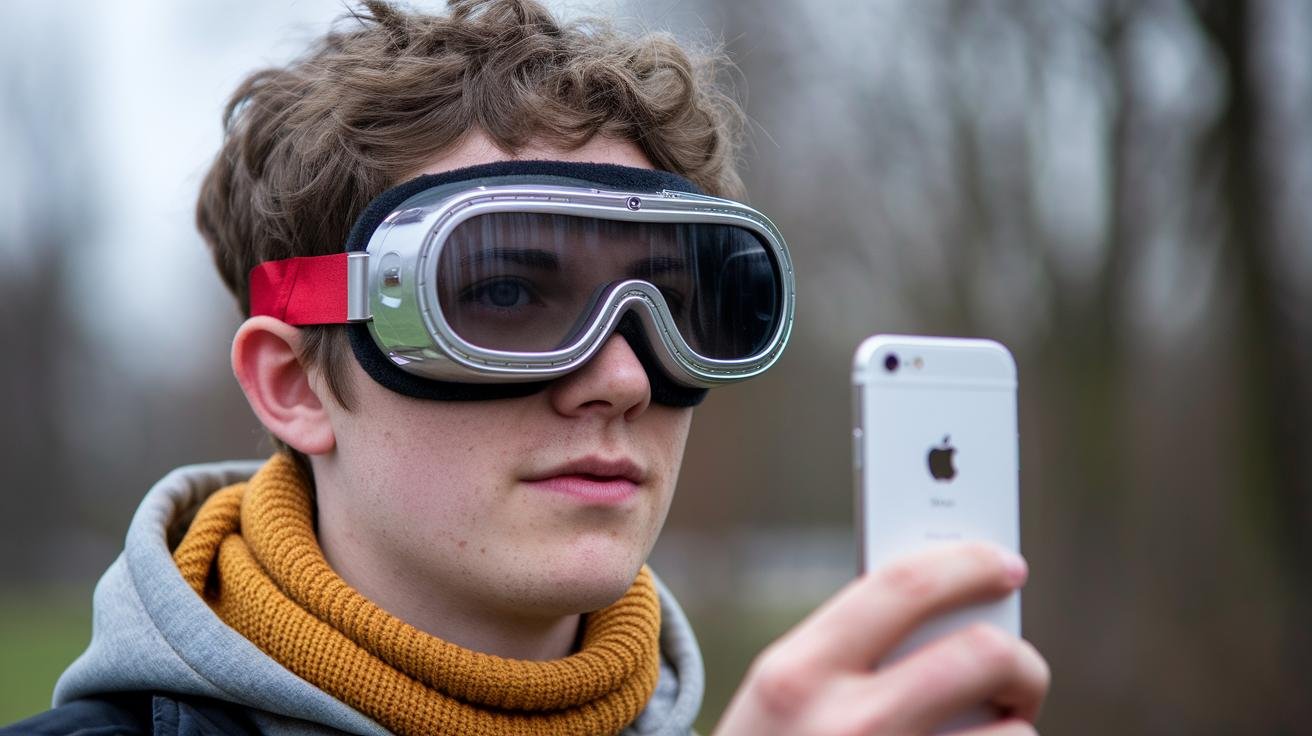
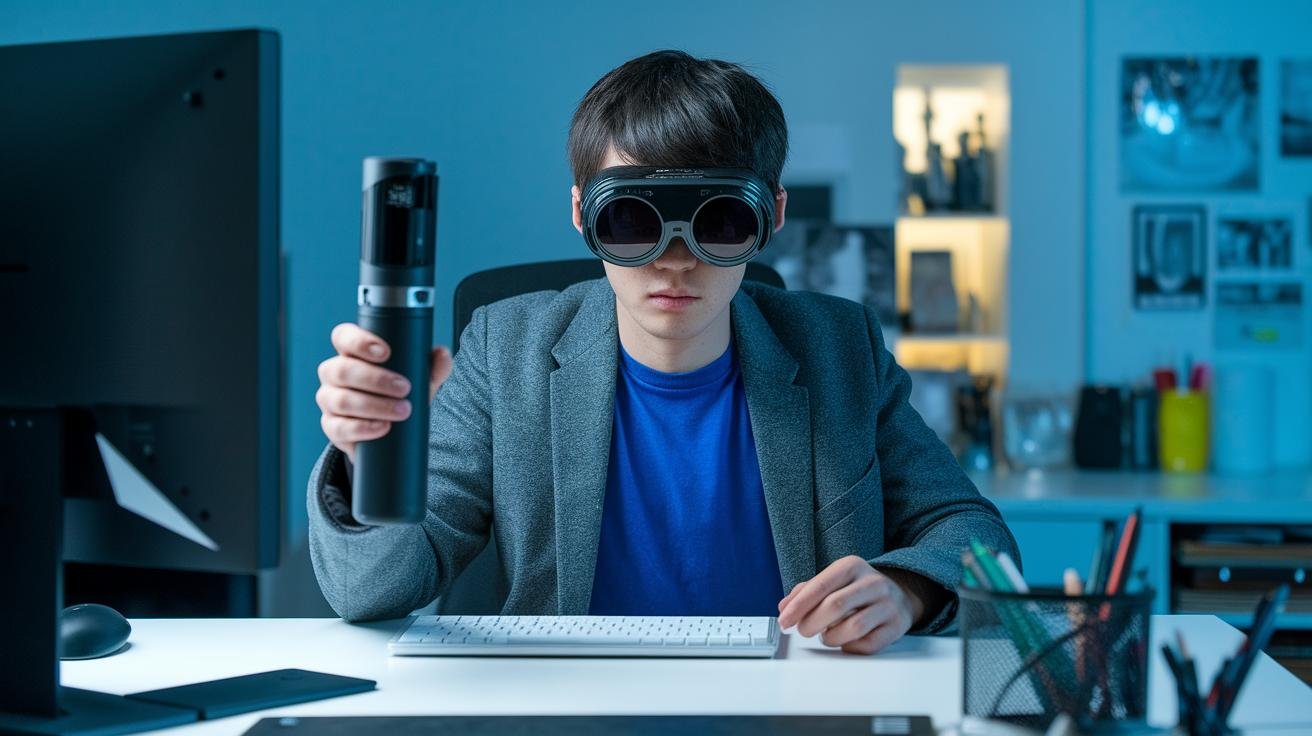
Protective eyewear is non-negotiable. Put on the supplied goggles and any shielding accessories every time you use the device to block stray beams and protect your eyes.
Check your skin temperature before, during, and after each session. Use a fingertip test or a handheld infrared thermometer (a device that reads skin temperature from a short distance). If you feel unexpected heat, see lasting redness, or notice blistering, stop the session, cool the area with a cool compress, and rest. If blisters or persistent pain appear, seek medical care.
High-risk groups and contraindications:
- Pregnancy safety: If you’re pregnant or nursing, avoid terahertz sessions or talk with your clinician first.
- Pacemaker safety and implant interaction: People with pacemakers or electronic implants must get medical clearance before using terahertz therapy.
- Photosensitive conditions: If you have photosensitivity or take medications that increase light sensitivity, don’t use the device.
- Child use guidelines: Not recommended for children under 16.
- Cancer treatment: If you’re undergoing active cancer treatment, consult your oncologist before trying terahertz therapy.
Keep clothing light over treated areas so skin can breathe and you can easily check temperature. Start with short, low-intensity sessions (5–10 minutes) and watch for any reaction. Wait, let me clarify: if you’re unsure about a condition or an implant, pause and get professional advice rather than guessing.
Oh, and here’s a neat trick , after your first few sessions, write down how your skin felt and any changes you saw. It makes it easier to spot patterns. Next, follow any device-specific instructions and contact a clinician if anything worries you.
For full protective gear specs and clinical contraindication details, see Section 5.
Terahertz Therapy Safety Guidelines For Home Use Safe
Keep an eye out for quick signs during or after a session: temporary redness, a local warm feeling, mild tiredness, or unusual tingling. If you notice any of these, stop the session and check the skin right away. Have you ever felt a tiny buzz and wondered if it was normal? Often it is, but trust your instincts.
If the device gets too hot or shows strange messages, use the emergency shutdown right away. Press the stop or power-off button, or unplug the unit if that is safest. If it won’t power down, hit the emergency stop, move the device a safe distance away, and leave it off while you assess the area. Call for help if you feel unsure.
Prevent skin burns by stopping exposure at the first sign of persistent redness or heat. Cool the spot with a cool, damp cloth; do not rub. If blisters form or pain lasts, seek medical care and avoid putting on unknown creams. Better safe than sorry.
If something unusual happens, jot down the date, session length, intensity level, distance from the skin, and any symptoms you felt. Take clear photos of the area and snap the device display or any error codes. These notes and images help support teams troubleshoot faster.
For device errors, try a safe power cycle: turn the unit off, unplug it for 30 seconds, then restart. Check cables, vents, and the firmware version (the device software). If the same error keeps showing or skin reactions continue, stop using the device and contact the manufacturer with your notes and photos so they can advise next steps.
Terahertz Therapy Safety Guidelines For Home Use Safe
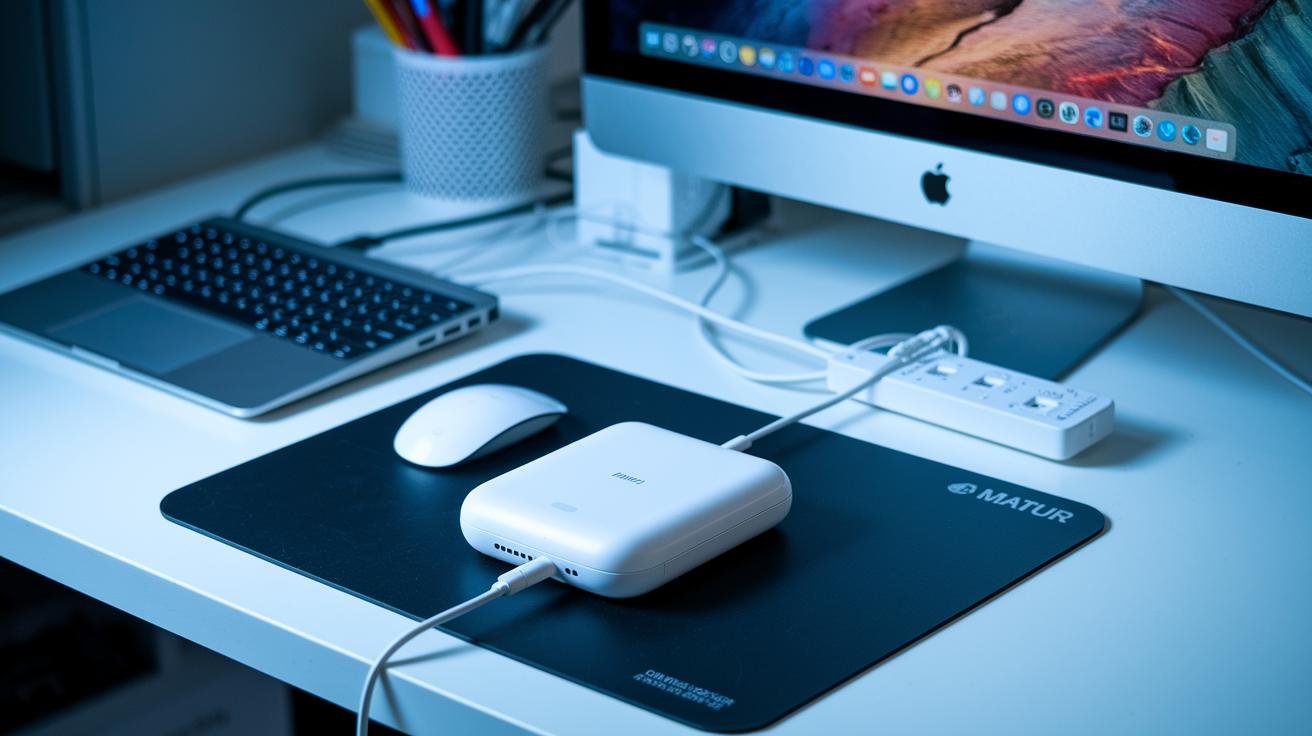
Terahertz therapy uses very high frequency electromagnetic waves. Treat your device like a small appliance that gives off a gentle hum and a bit of heat. These tips help you enjoy safe, comfy sessions at home.
Place the device on a stable, nonconductive surface. Think wood, a sturdy table, or a ceramic tray. Keep it away from water and anything that could catch fire. Give the unit a few feet of clear space so air can flow around it and heat can disperse.
Check the wall outlet before you plug in. Match the outlet voltage to the label on the power supply. Use a grounded three-prong circuit and a good surge protector to cut the risk of electrical spikes. Look over cords and plugs for frays or loose connections before each session.
Mind nearby electronics and crowded power strips. Electromagnetic interference (EMI) can affect sensitive gear like routers or medical devices. Keep the terahertz unit a safe distance from laptops, speakers, or monitoring equipment. Don’t run the power cable across walkways. Trip hazards lead to pulled plugs and knocked-over devices.
If your unit has shielded cables or a grounding lug (a place to attach a ground wire), follow the manual and use them. Wait, let me clarify: grounding helps keep stray currents away, so it matters.
Keep vents clear and the room gently ventilated while the unit runs. Let the device cool between sessions so fans and heat sinks can do their job. Overworking them shortens their life. In truth, a short break can make a long difference.
Set up an ergonomic spot for hand-held use. A supportive chair, a device stand at a comfortable height, and a table to rest your forearm make sessions easier. Tiny changes like seat height or wrist support help prevent fatigue. Use a phone timer to keep session lengths consistent.
If you smell burning, see smoke, or notice sparks, unplug the device immediately. Stop using it and contact the maker or support team. Don’t try to fix electrical faults yourself.
Do regular checks: test grounding, replace worn surge protectors, and keep cables tidy. These simple habits cut down on surges, trips, and EMI risks. Relax. Breathe. Safety helps the therapy work better.
Final Words
We covered quick-start safety prompts, regulatory marks and device checks, exposure limits for distance, duration and power, setup and calibration, protective gear and who should avoid treatments.
We then walked through monitoring, emergency shutdown and home electrical tips.
Pick a certified device and begin at the lowest intensity. Keep the 8–12 inch gap and limit session time. Wear protective eyewear, run routine calibration checks and use the emergency shutoff if something feels off.
Follow these terahertz therapy safety guidelines for home use, then relax and let gentle pulses support recovery, better sleep and less muscle tension. You’ll feel calmer and ready for the day.
FAQ
Is terahertz therapy safe and how does terahertz affect the human body?
Terahertz therapy is safe when used within recommended limits and with protective eyewear; it mainly produces superficial warmth, temporary redness or mild fatigue, and does not cause ionizing damage to deep tissues.
What are the disadvantages of terahertz?
The disadvantages of terahertz include limited skin penetration, potential for warmth or redness, contraindications with pregnancy and electronic implants, lack of FDA clearance for medical claims, and need for certified devices and careful dosing.
Which hand do you wear a terahertz stone on?
The terahertz stone is worn on whichever hand feels best; many people choose the dominant hand for frequent contact or the non-dominant for subtle balance, with no clinical requirement.