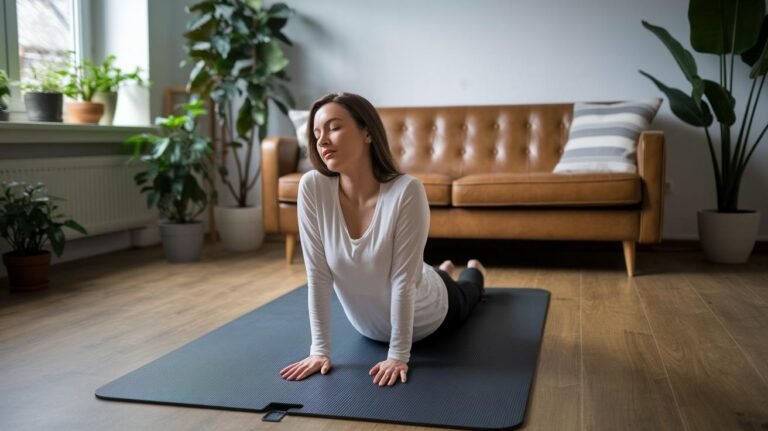
Grounding Benefits: Your Complete Guide to Earthing for Natural Wellness
If you’ve ever felt an inexplicable sense of calm while walking barefoot on a beach or standing in dewy morning grass, you’ve experienced something your body instinctively craves — a direct connection with the Earth. The practice known as grounding (or earthing) isn’t just a feel-good moment. A growing body of research suggests that these grounding benefits may extend far beyond relaxation, potentially supporting everything from reduced inflammation to better sleep and lower stress hormones.
In our modern world of rubber-soled shoes, concrete floors, and screen-filled days, most of us have lost daily contact with the Earth’s surface. The result? Some researchers believe we’re missing out on a fundamental source of wellness that humans enjoyed for millennia. In this comprehensive guide, you’ll discover what grounding actually does to your body, the evidence behind its benefits, and practical ways to reconnect — whether you live near open meadows or in the heart of a city.
What Is Grounding and Why Your Body Craves Earth Connection

Grounding — also called earthing — is the simple practice of making direct physical contact with the Earth’s surface. This can mean walking barefoot on grass, standing on soil, wading through a stream, or even using specially designed indoor devices that replicate the Earth’s electrical connection.
The concept is beautifully straightforward: the Earth carries a subtle negative electrical charge, with a vast reservoir of free electrons on its surface. When your bare skin touches the ground, your body absorbs these electrons through a process called electron transfer. Think of it like plugging your phone into a charger — except you’re the device, and the Earth is your power source.
A Practice as Old as Humanity
For most of human history, grounding wasn’t a “practice” — it was simply life. Our ancestors walked barefoot, slept on the ground, and spent their days in direct contact with the Earth. It’s only in the last few centuries that synthetic shoes, elevated buildings, and indoor lifestyles created a barrier between our bodies and the planet’s surface.
Today, the Environmental Protection Agency estimates that Americans spend roughly 90% of their time indoors. That’s a dramatic departure from how humans lived for thousands of years — and some researchers believe this disconnection may be contributing to the rising rates of chronic inflammation, sleep disorders, and stress-related conditions we see today.
Grounding vs. Grounding Techniques in Mental Health
It’s worth noting that “grounding” in wellness has two distinct meanings. Physical grounding (earthing) refers to connecting your body with the Earth’s surface — which is the focus of this guide. Psychological grounding techniques are mindfulness exercises used to manage anxiety and dissociation. While different in approach, both practices share a common goal: bringing you back to the present moment and restoring a sense of balance.
The Science Behind Grounding Benefits: How Earth’s Electrons Support Your Body

The science of grounding centers on one fundamental concept: electron transfer. The Earth’s surface maintains a negative electrical charge, generated by thousands of lightning strikes occurring every minute around the globe and by solar radiation interacting with the ionosphere. This creates an inexhaustible supply of free electrons on the planet’s surface.
The Electron Transfer Mechanism
When your bare feet (or any part of your skin) touch the Earth, mobile electrons flow into your body. These electrons are powerful antioxidants — they can neutralize reactive oxygen species (free radicals) that drive chronic inflammation. A landmark 2015 review published in the Journal of Inflammation Research (Oschman et al., cited over 250 times) described this mechanism as a potential “missing link” in understanding many chronic diseases.
Here’s what the research suggests happens when electrons flow from the Earth into your body:
- Free radical neutralization: Electrons pair with unpaired electrons on free radicals, effectively disarming them before they can damage healthy tissue
- Blood viscosity changes: Studies using zeta potential measurements show that grounding may reduce blood viscosity, potentially improving circulation
- Cortisol rhythm normalization: Research indicates that grounding during sleep may help resynchronize cortisol secretion with its natural 24-hour cycle
- Autonomic nervous system shift: Measurements suggest grounding promotes a shift from sympathetic (“fight or flight”) to parasympathetic (“rest and digest”) nervous system dominance
What the Research Shows
While the research base is still growing, several published studies offer promising findings. A 2023 review in Biomedical Journal of Scientific & Technical Research (Koniver, cited 45+ times) found that “grounding is not only anti-inflammatory and stabilizing, it boosts mood and energy levels as well, and can work in conjunction with any therapy, medication or supplement.” The key takeaway from the current literature is that grounding may support the body’s natural healing processes — though more large-scale clinical trials are needed.
7 Evidence-Based Grounding Benefits You Should Know About

While researchers continue to explore the full scope of grounding benefits, several areas have shown particularly promising results in published studies. Here are the seven most well-documented benefits of regular grounding practice.
1. May Reduce Chronic Inflammation
Chronic inflammation is increasingly recognized as a root driver of many modern health conditions, from joint pain to cardiovascular concerns. Grounding research suggests that the Earth’s electrons may act as natural anti-inflammatories by neutralizing free radicals at the site of tissue damage. Thermal imaging studies have documented visible reductions in inflammation markers after grounding sessions — sometimes within just 30 minutes of direct earth contact.
If you’re interested in other natural approaches to supporting a healthy inflammatory response, turmeric and ashwagandha are two evidence-backed botanicals worth exploring alongside your grounding practice.
2. May Improve Sleep Quality
One of the most consistently reported grounding benefits is better sleep. A controlled study published in the Journal of Alternative and Complementary Medicine found that participants who slept grounded reported significant improvements in sleep quality, reduced nighttime pain, and decreased stress levels. The proposed mechanism involves cortisol — the body’s primary stress hormone. Research suggests that grounding may help normalize cortisol’s natural rhythm, promoting deeper, more restorative sleep cycles.
3. May Lower Stress and Anxiety
Multiple studies have examined grounding’s effects on the autonomic nervous system — the system that controls your stress response. Findings suggest that even brief grounding sessions (as short as 10–15 minutes) may shift nervous system activity from the sympathetic (stress) mode to the parasympathetic (calm) mode. Participants in these studies often report feeling noticeably calmer, more centered, and less anxious after grounding. For additional stress-management strategies, our guide to meditation benefits offers complementary approaches.
4. May Support Cardiovascular Health
Research published by cardiologist Dr. Stephen Sinatra found that grounding may reduce blood viscosity — essentially making blood less “sticky” and improving its ability to flow smoothly through vessels. A 2013 study documented significant changes in zeta potential (a measure of red blood cell surface charge) after just two hours of grounding, suggesting improved blood flow that could support overall cardiovascular health.
5. May Reduce Pain and Speed Recovery
Athletes and exercise enthusiasts have taken particular interest in grounding’s potential for recovery. A study on delayed onset muscle soreness (DOMS) found that grounded participants experienced reduced pain markers and faster recovery compared to ungrounded controls. White blood cell counts and pain perception measurements both showed favorable changes in the grounded group, suggesting that grounding may support the body’s natural recovery processes after physical exertion.
6. May Boost Mood and Energy
Beyond measurable physiological changes, grounding practitioners consistently report improvements in mood and energy levels. While these subjective benefits are harder to quantify in clinical settings, they align with the documented nervous system changes. When your body shifts from stress mode to calm mode, it naturally frees up energy that was being consumed by the stress response. Many people describe feeling “recharged” after grounding — a description that may be more literally accurate than they realize.
7. May Improve Immune Function
Emerging research suggests that grounding may modulate immune function by reducing the chronic inflammatory state that suppresses optimal immune response. By neutralizing excess free radicals, grounding may allow the immune system to function more efficiently — responding appropriately to genuine threats rather than staying in a state of constant low-level activation. While this area needs more research, preliminary findings are encouraging.
How to Practice Grounding: 6 Methods From Beginner to Advanced

One of the most beautiful things about grounding is its simplicity. You don’t need special training, expensive equipment, or a gym membership. Here are six practical methods, ranging from the most accessible to more intentional practices.
Method 1: Barefoot Walking (The Classic)
The simplest and most intuitive grounding method is walking barefoot on natural surfaces. Grass, soil, sand, and unpainted concrete are all conductive surfaces that allow electron transfer. Start with just 10–15 minutes in your backyard, a park, or at the beach.
Best surfaces for grounding (ranked by conductivity):
- Wet grass or sand (highest conductivity)
- Moist soil or earth
- Dry grass or sand
- Unpainted concrete or brick
- Ceramic tile on a ground floor (moderate)
Surfaces that DON’T ground you: Wood, rubber, plastic, asphalt, sealed/painted concrete, and any elevated floor above ground level.
Method 2: Water Grounding
Water is an excellent conductor. Swimming in a natural body of water — the ocean, a lake, or a river — provides full-body grounding. Even wading in a stream or standing in the surf at a beach delivers significant electron transfer. This explains why many people feel so rejuvenated after a day at the ocean — it’s not just the fresh air and sunshine (though those help too).
For a home-based approach, try soaking your feet in a basin of water placed on the ground outdoors. Adding a pinch of mineral-rich salt can improve conductivity, though you’ll want to consider how that might affect your magnesium and mineral balance.
Method 3: Garden Grounding
Gardening with bare hands in soil is a powerful — and productive — grounding practice. Digging, planting, weeding, and harvesting all keep your hands in direct contact with the Earth for extended periods. Many avid gardeners describe the meditative calm they feel while working the soil, and science may now explain why.
Method 4: Forest Bathing With Grounding
The Japanese practice of shinrin-yoku (forest bathing) pairs beautifully with earthing. Find a quiet forest trail, remove your shoes, and walk slowly through the woods. The combination of barefoot grounding with the phytoncides (airborne plant compounds) in forest air creates a synergistic wellness experience that addresses multiple pathways simultaneously.
Method 5: Grounding Meditation
Combine mindfulness with physical grounding for a deeply restorative practice. Sit or lie directly on the Earth — grass, sand, or soil — and practice mindful breathing or meditation. Focus your attention on the sensation of your body touching the ground. This dual approach addresses both the physiological benefits of electron transfer and the psychological benefits of mindful presence.
Method 6: Intentional Outdoor Movement
Yoga, tai chi, or gentle stretching performed barefoot on grass adds a movement dimension to grounding. These practices emphasize body awareness and deliberate connection with the Earth, amplifying both the physical and mindful aspects of grounding. Morning sessions are particularly powerful, combining grounding with exposure to natural morning light that helps regulate your circadian rhythm.
🎁 Get a Free Wellness Gift
Enter your name and email below to receive a special wellness gift from OlyLife — absolutely free!
Indoor Grounding: Staying Connected When You Can’t Go Outside
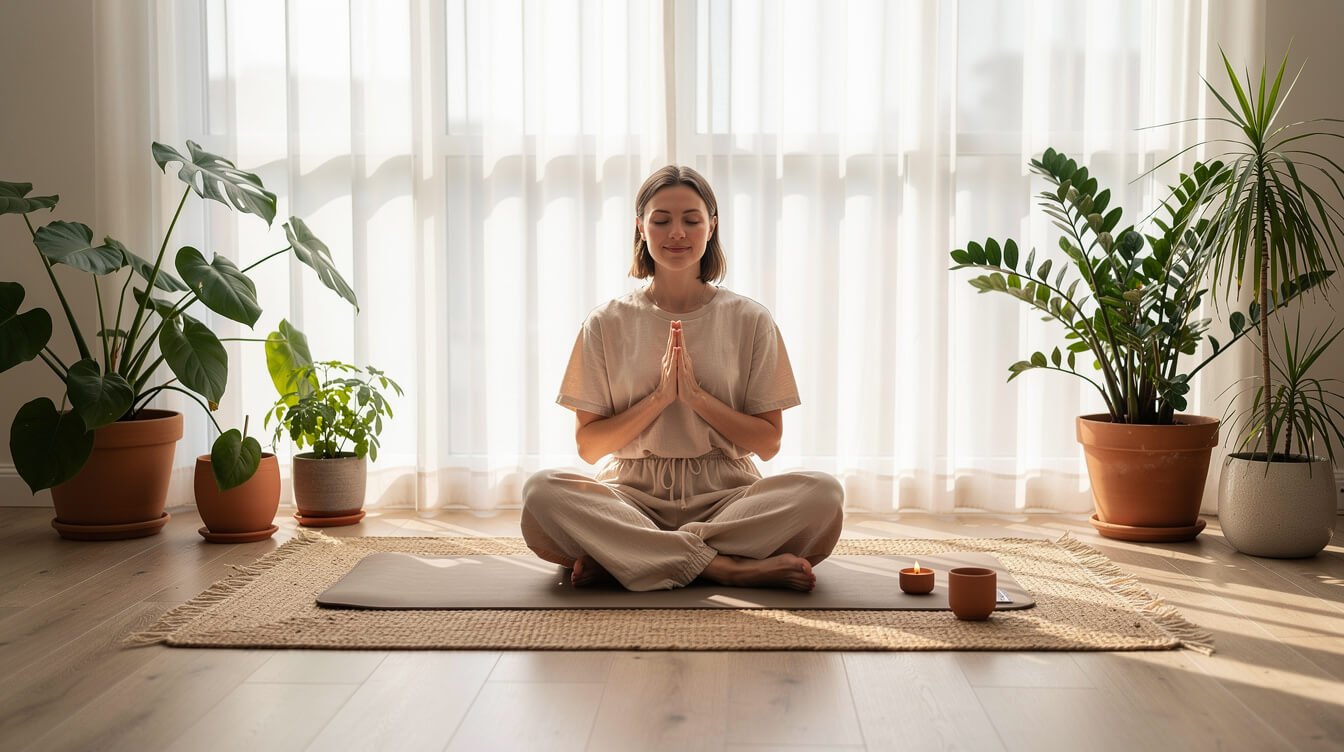
Weather, location, and lifestyle don’t always cooperate with barefoot outdoor time. The good news is that several options exist for grounding indoors, allowing you to maintain your practice year-round.
Grounding Mats and Sheets
Grounding mats are conductive pads that connect to the grounding port of your electrical outlet (the third “round” prong). They create an electrical path between your body and the Earth’s surface via your home’s grounding wire. You can use them under your desk while working, on your bed while sleeping, or on the floor during meditation or yoga.
Grounding sheets work on the same principle but cover your entire bed, allowing you to ground throughout the night. Given that we spend roughly a third of our lives sleeping, nighttime grounding may be one of the most efficient ways to accumulate grounding time.
Grounding Patches and Bands
Conductive patches can be applied directly to areas of concern — such as a sore knee or tight shoulder — and connected to a grounding cord. These targeted applications focus electron transfer to specific areas and are popular among athletes and those managing localized discomfort.
Complementary Wellness Technologies
For those interested in enhancing their wellness routine beyond traditional grounding, technologies like PEMF (Pulsed Electromagnetic Field) therapy work on related principles. While grounding connects you to the Earth’s natural electromagnetic field, PEMF devices deliver targeted electromagnetic frequencies that may support cellular health and recovery. Many wellness practitioners find that combining grounding with PEMF therapy creates a comprehensive approach to electromagnetic wellness — addressing both the passive (grounding) and active (PEMF) sides of the equation.
If you’re curious about exploring this synergy, the OlyLife Tera-P90+ combines PEMF and terahertz frequency technology in a single smart therapy system — a natural complement to your grounding practice.
How to Build Your Daily Grounding Routine

The most effective grounding practice is one you’ll actually do consistently. Here’s how to build a sustainable routine tailored to your goals and lifestyle.
Grounding Protocols by Goal
For better sleep: Ground for 20–30 minutes in the evening, ideally barefoot on grass or using a grounding mat. Pair with dimmed lighting and a screen-free wind-down ritual. Some practitioners sleep on grounding sheets for continuous overnight contact.
For inflammation support: Aim for 30–60 minutes of grounding daily, preferably in the morning when cortisol naturally peaks. Consistency matters more than duration — daily 30-minute sessions appear more beneficial than occasional longer sessions.
For stress relief: Take 10–15 minute grounding breaks throughout your day. Step outside barefoot during lunch, or use a grounding mat under your desk. Brief, frequent sessions may be more effective for stress management than a single long session.
For exercise recovery: Ground for 20–30 minutes post-workout. If possible, do your cool-down stretches barefoot on grass. Athletes who ground after training often report reduced soreness and faster return to baseline.
For general wellness: Start with 15–20 minutes daily and gradually increase. Morning grounding combined with gentle movement (barefoot yoga or stretching) is a popular and effective approach.
A Sample Weekly Grounding Schedule
- Morning (10–15 min): Barefoot coffee or tea time on grass or patio. Simple, sustainable, and sets a calm tone for the day
- Midday (5–10 min): Barefoot walk during lunch break, or desk time on a grounding mat
- Evening (15–20 min): Garden time, barefoot stretching, or grounding meditation before bed
- Weekend bonus: Extended nature session — beach walk, forest bathing, or gardening
Tips for Building a Consistent Practice
- Stack it with existing habits: Drink your morning coffee barefoot in the yard. Meditate on grass instead of your couch. Walk your dog barefoot on the grass section of your route
- Start small: Even 5 minutes of barefoot time is better than none. Build gradually as the habit takes hold
- Keep it seasonal: In warmer months, maximize outdoor barefoot time. In colder months, use indoor grounding tools or walk barefoot on cool mornings
- Track how you feel: Keep a simple journal noting sleep quality, energy, and mood. Many people notice shifts within the first week
- Make it social: Invite friends or family for barefoot walks. Grounding is even more enjoyable as a shared experience
For a holistic wellness morning routine, consider combining grounding with other evidence-based practices like dry brushing (which stimulates the lymphatic system) and hydrogen water (which provides antioxidant support). Layering multiple gentle wellness practices creates a synergistic effect that supports whole-body health.

Enhance Your Grounding Practice With PEMF Technology
The OlyLife Tera-P90+ combines PEMF and terahertz frequency technology to deliver targeted electromagnetic wellness support — the perfect complement to your daily grounding routine.
Frequently Asked Questions About Grounding Benefits

How long does it take to feel the effects of grounding?
Many people report feeling calmer and more relaxed within 10–15 minutes of barefoot earth contact. Sleep improvements are commonly noticed within the first few nights of regular grounding practice. Longer-term benefits like reduced inflammation markers may take several weeks of consistent daily practice to become apparent.
Can I ground through concrete?
Yes — but only if the concrete is unpainted, unsealed, and sits directly on the Earth (ground floor). Concrete is a conductor because it contains water and minerals. However, painted, sealed, or elevated concrete blocks electron transfer. Asphalt does not conduct and will not provide grounding benefits.
Is grounding safe for everyone?
Grounding is generally considered safe for most people. However, if you take blood-thinning medications, consult your healthcare provider before beginning a regular grounding practice, as some research suggests grounding may affect blood viscosity. People with open wounds on their feet should also exercise caution when walking barefoot outdoors.
Does grounding work through shoes?
Standard shoes with rubber or synthetic soles block electron transfer entirely. However, specially designed grounding shoes with conductive soles (often made with carbon plugs or copper inserts) allow some degree of grounding. Leather-soled shoes, when worn on damp surfaces, may also provide limited conductivity.
Can I ground while swimming?
Absolutely. Natural bodies of water — oceans, lakes, rivers, and streams — are excellent grounding surfaces. Salt water is particularly conductive. Swimming pools may provide some grounding depending on their setup, but natural water bodies are preferred.
How is grounding different from red light therapy or PEMF therapy?
While grounding connects you to the Earth’s natural electromagnetic field through direct contact, red light therapy uses specific wavelengths of light to support cellular energy production, and PEMF therapy delivers targeted electromagnetic pulses. All three approaches work through different mechanisms but share a common philosophy: supporting the body’s natural healing processes through physics-based, non-invasive methods. Many wellness practitioners combine all three for a comprehensive approach.
What’s the best time of day to ground?
There’s no single “best” time — it depends on your goals. Morning grounding pairs well with cortisol management and circadian rhythm support. Evening grounding may help with sleep. The most important factor is consistency: regular grounding at any time is more beneficial than sporadic longer sessions.
Final Thoughts: Reconnecting With the Earth for Holistic Wellness
In a world that moves faster every year, grounding offers something rare — a wellness practice that costs nothing, requires no training, and connects you with something far older and wiser than any app or supplement. The growing body of research on grounding benefits suggests that this ancient, instinctive practice may support our health in ways we’re only beginning to understand.
Whether you start with five barefoot minutes in your garden tomorrow morning or invest in a grounding mat for your bedroom, the key is simply to begin. Your body evolved in constant contact with the Earth. Perhaps it’s time to honor that connection again.
As with any wellness practice, grounding works best as part of a holistic approach — combined with nourishing food, regular movement, quality sleep, and stress management. It’s not a miracle cure, but it may be one of the simplest, most accessible tools available for supporting your body’s natural capacity for balance and healing.
Ready to explore more ways to support your natural wellness journey? Browse our collection of holistic wellness solutions designed to complement practices like grounding, meditation, and mindful movement.