21-Day Anti-Inflammatory Diet: Your Complete Plan (+ Printable PDF Guide)
If you have been searching for a 21 day anti inflammatory diet you can actually follow — not just a vague list of “good” and “bad” foods — you are in the right place. This guide gives you a complete, day-by-day plan for three full weeks, along with shopping lists, meal-prep shortcuts, and honest, evidence-informed context about what an anti-inflammatory way of eating can and cannot do. Everything here is designed to be practical, flexible, and easy to save or print as your own PDF.
Chronic, low-grade inflammation is one of the most talked-about topics in modern wellness — and for good reason. Research suggests that the foods we eat every day may influence the body’s inflammatory balance over time. A structured three-week reset is a gentle, realistic way to build habits that may support how you feel day to day. Let’s walk through it together.
A quick, honest note: this article is for general education only and is not medical advice. An anti-inflammatory diet is not a treatment or cure for any disease. If you have a health condition, take medication, or are pregnant, please talk with your doctor or a registered dietitian before making big changes.
What Is an Anti-Inflammatory Diet?
Inflammation itself is not the enemy. It is your body’s natural, protective response — the way your immune system rushes to heal a cut or fight off a cold. This kind of acute inflammation is short-lived and essential. The concern is chronic, low-grade inflammation: a persistent, simmering state that researchers have associated with everyday modern living — highly processed diets, ongoing stress, poor sleep, and too little movement.
An anti-inflammatory diet is not a strict, branded “program.” It is simply a pattern of eating that leans heavily on whole, colorful, minimally processed foods — the same foods at the heart of the traditional Mediterranean way of eating. Think vegetables, fruit, olive oil, fatty fish, nuts, seeds, beans, and herbs and spices, with far fewer refined sugars and ultra-processed products.
The goal of a 21 day anti inflammatory diet is not rapid weight loss or a dramatic “detox.” It is a realistic reset — three weeks to crowd your plate with foods that research suggests may support a healthier inflammatory balance, while gently reducing the ones that may work against it. Twenty-one days is long enough to notice how you feel, build a few lasting habits, and discover meals you genuinely enjoy.
How the 21-Day Anti-Inflammatory Diet Works
Rather than demanding perfection on day one, this plan builds gradually across three weeks. Each week has a gentle focus, so the changes feel sustainable instead of overwhelming.
- Week 1 — Ease in & add. The focus is addition, not restriction. You will crowd your plate with more vegetables, fruit, fatty fish, and healthy fats. Simply adding more anti-inflammatory foods naturally leaves less room for the rest.
- Week 2 — Build & swap. Now you start making mindful swaps: whole grains in place of refined ones, water or herbal tea in place of sugary drinks, olive oil in place of processed oils. Your palate begins to adjust.
- Week 3 — Lock in your habits. By the final week, the patterns feel more natural. You focus on consistency, variety, and finding the handful of meals you will keep long after the 21 days are over.
The plan below is a flexible template, not a rigid rulebook. If a dinner does not appeal to you, swap it for another day’s meal. If you are vegetarian, lean on the beans, lentils, tofu, eggs, and Greek yogurt throughout. The best anti-inflammatory diet is the one you can actually stick with.
Foods to Embrace on an Anti-Inflammatory Diet
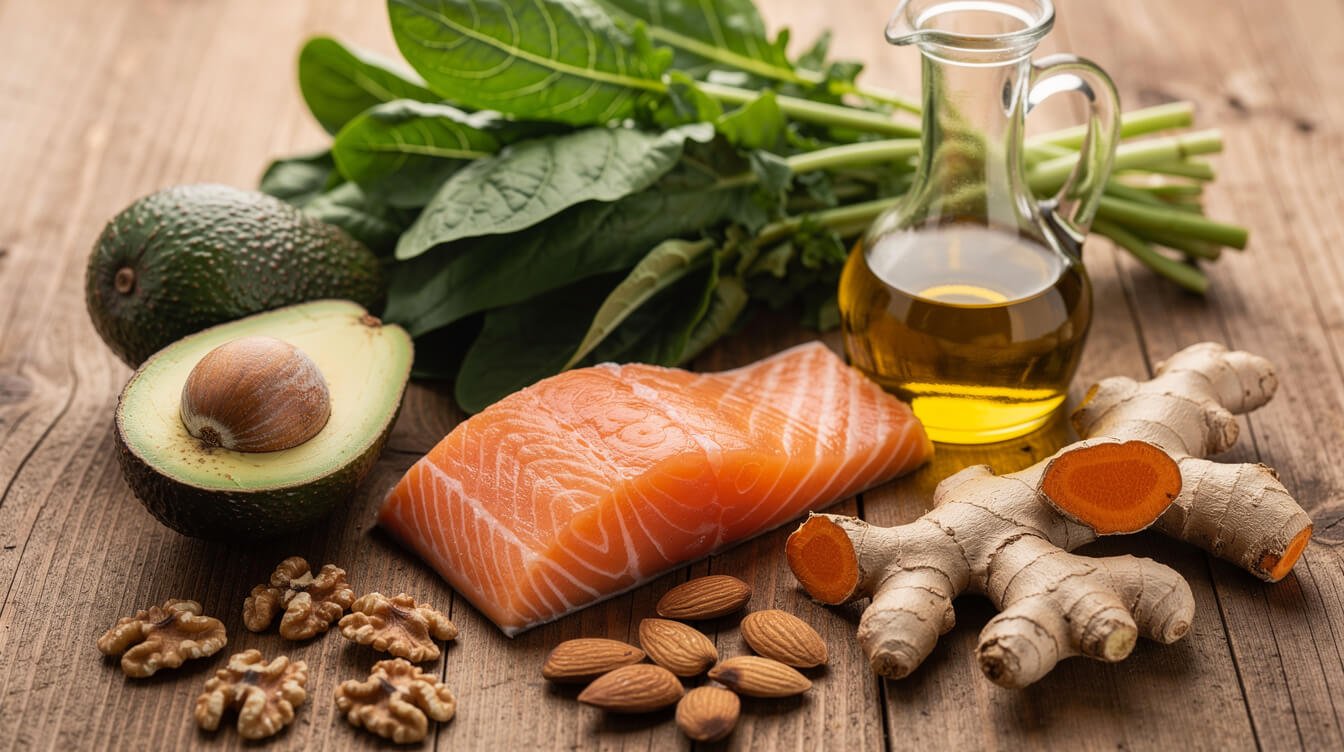
These are the stars of your plate for the next three weeks. Aim for as much color and variety as possible — different plant pigments deliver different beneficial compounds.
Vegetables and leafy greens
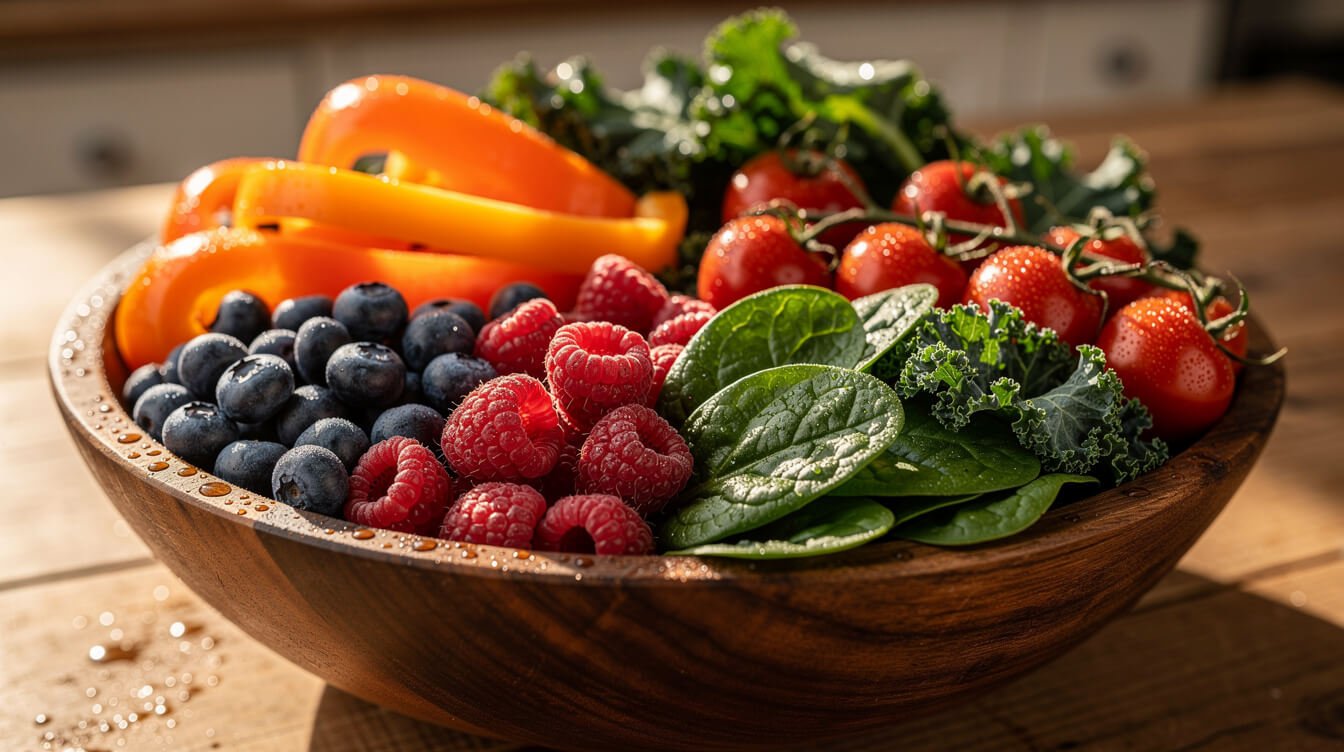
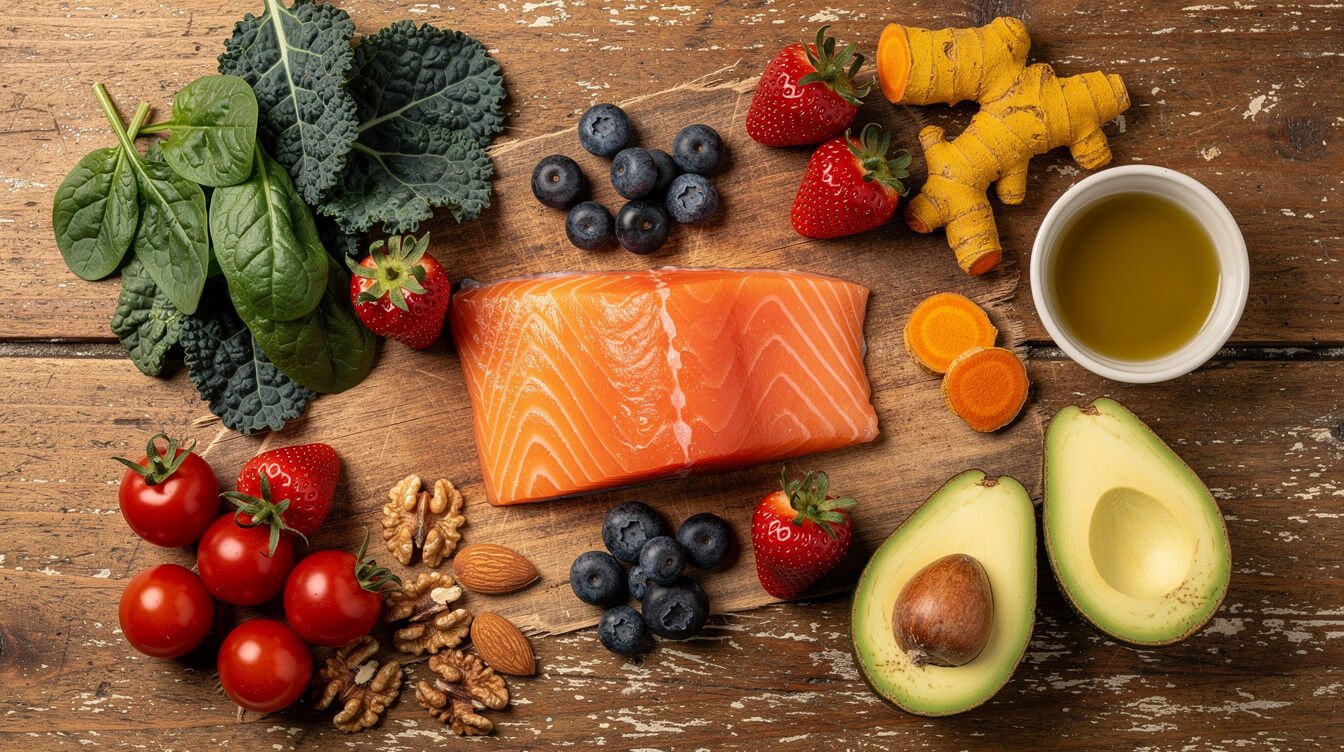
Spinach, kale, broccoli, bell peppers, tomatoes, carrots, beets, and dark leafy greens are rich in antioxidants and fiber. Aim to fill half your plate with vegetables at lunch and dinner.
Fruit, especially berries
Blueberries, strawberries, raspberries, cherries, oranges, and apples are naturally sweet and packed with polyphenols — plant compounds research suggests may support the body’s antioxidant defenses.
Healthy fats
Extra virgin olive oil, avocados, nuts, and seeds provide monounsaturated fats. Olive oil in particular is a cornerstone of the Mediterranean pattern and contains compounds studied for their anti-inflammatory properties.
Fatty fish and lean protein
Salmon, sardines, mackerel, and trout are rich in omega-3 fatty acids, which are among the most well-researched nutrients for inflammatory balance. Round things out with beans, lentils, eggs, tofu, and skinless poultry.
Whole grains, herbs, and spices
Oats, quinoa, brown rice, and barley offer steady, fiber-rich energy. Turmeric, ginger, garlic, cinnamon, and green tea have all been traditionally used in wellness traditions and are now studied for their beneficial plant compounds. You can read more in our guide to turmeric and its wellness benefits.
Foods to Reduce (Not Fear)
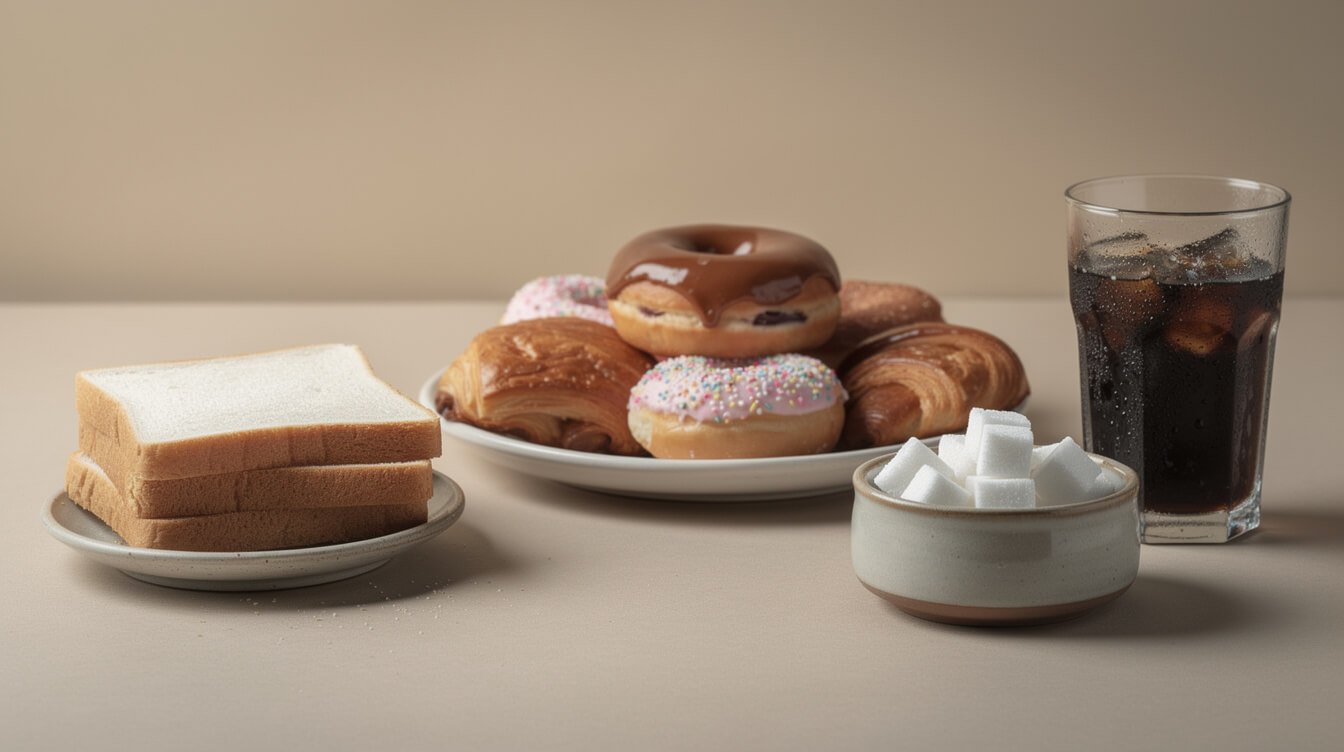
No single food is “forbidden,” and the occasional treat will not undo your progress. The aim over these 21 days is simply to reduce the foods most often associated with chronic inflammation, so the nourishing foods have room to shine.
- Refined sugars and sugary drinks — sodas, sweetened coffees, candy, and many packaged desserts.
- Ultra-processed foods — chips, instant meals, processed snacks, and most items with long ingredient lists you cannot pronounce.
- Refined carbohydrates — white bread, white pasta, and pastries made with refined flour.
- Trans and heavily processed fats — deep-fried foods and products made with partially hydrogenated oils.
- Processed and excess red meat — bacon, sausage, and deli meats; keep red meat occasional.
- Excess alcohol — if you drink, keep it moderate, and consider a break during these three weeks.
If a sensitive stomach is part of your picture, our gentle guide to natural relief for stomach pain pairs nicely with this reset.
Your Complete 21-Day Anti-Inflammatory Diet Meal Plan
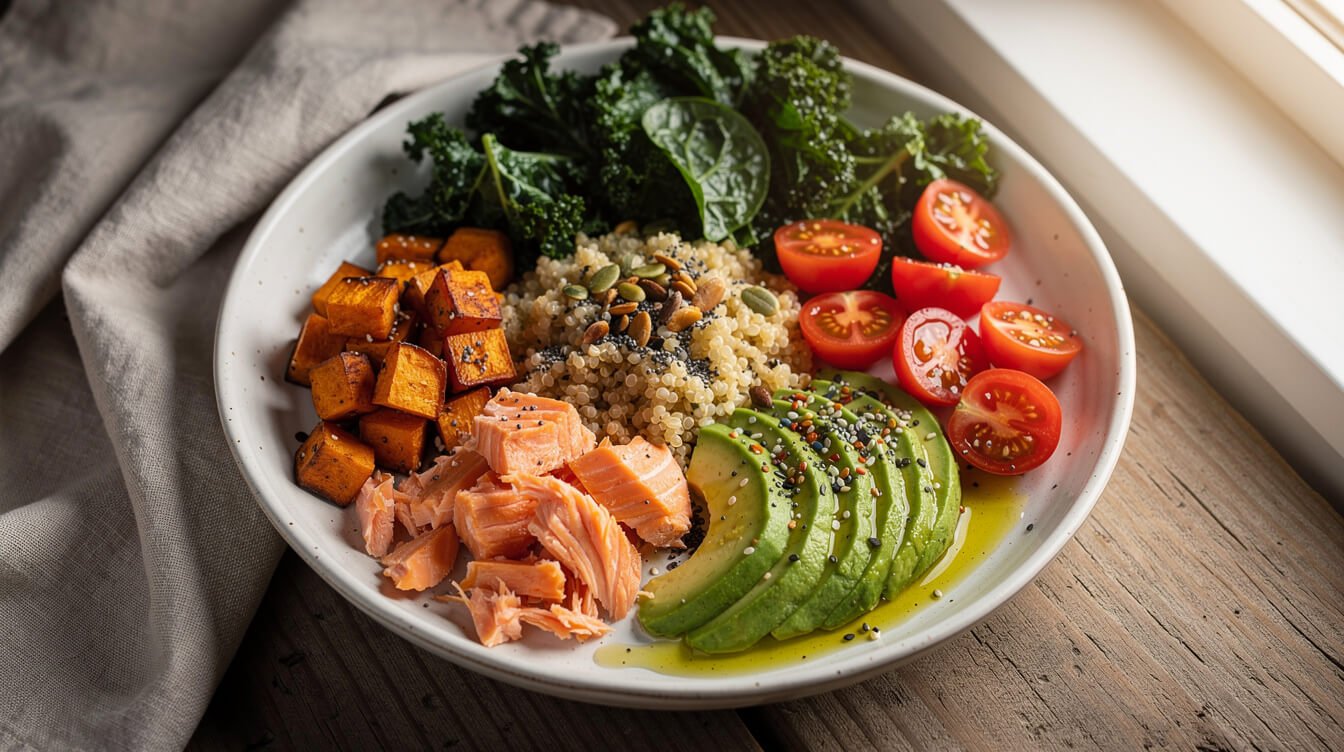
Here is the heart of this guide: a full, realistic plan for all three weeks. Most other “21-day” articles stop at three or seven days — this one gives you every day. Meals are simple, repeatable, and built from the foods above. Feel free to swap days, double up dinners for leftovers, and adjust portions to your own appetite and needs.
Week 1 — Ease In & Add
| Day | Breakfast | Lunch | Dinner | Snack |
|---|---|---|---|---|
| 1 | Oatmeal with blueberries, walnuts & cinnamon | Big mixed-greens salad with chickpeas, tomato, avocado & olive oil | Baked salmon, roasted broccoli & quinoa | Orange & a handful of almonds |
| 2 | Greek yogurt with strawberries & chia seeds | Lentil & vegetable soup with a side of greens | Grilled chicken, sweet potato & sautéed spinach | Apple slices with almond butter |
| 3 | Veggie omelet with spinach, tomato & peppers | Quinoa bowl with roasted vegetables & tahini | Baked trout, brown rice & steamed green beans | Carrot sticks & hummus |
| 4 | Smoothie: spinach, berries, banana & flaxseed | Tuna salad over mixed greens with olive oil | Turkey & vegetable stir-fry with brown rice | Handful of mixed berries |
| 5 | Oatmeal with raspberries, pumpkin seeds & ginger | Chickpea & roasted-veg wrap (whole-grain) | Baked salmon, quinoa & roasted Brussels sprouts | Greek yogurt with cinnamon |
| 6 | Avocado on whole-grain toast with egg | Big Mediterranean salad with white beans & feta | Lentil curry with turmeric & brown rice | Walnuts & an apple |
| 7 | Greek yogurt parfait with berries & granola | Leftover lentil curry with greens | Grilled shrimp, zucchini noodles & cherry tomatoes | Green tea & a small handful of nuts |
Week 2 — Build & Swap
| Day | Breakfast | Lunch | Dinner | Snack |
|---|---|---|---|---|
| 8 | Chia pudding with blueberries & almonds | Salmon & avocado salad with olive oil | Baked chicken, roasted root veg & quinoa | Pear & a few walnuts |
| 9 | Oatmeal with grated apple, cinnamon & seeds | Minestrone soup with beans & greens | Grilled mackerel, brown rice & steamed broccoli | Greek yogurt with berries |
| 10 | Green smoothie with kale, pineapple & ginger | Quinoa tabbouleh with chickpeas & parsley | Stir-fried tofu & vegetables with brown rice | Carrot & cucumber with hummus |
| 11 | Veggie scramble with mushrooms & spinach | Big salad with sardines, olives & tomato | Baked salmon, sweet potato & asparagus | Orange & pumpkin seeds |
| 12 | Greek yogurt with raspberries & flaxseed | Lentil & spinach soup with whole-grain bread | Grilled chicken, farro & roasted peppers | Apple with almond butter |
| 13 | Overnight oats with cherries & walnuts | Mediterranean grain bowl with hummus & veg | Shrimp & vegetable skewers with quinoa | Handful of mixed berries |
| 14 | Whole-grain toast, avocado & poached egg | Leftover grain bowl with extra greens | Baked white fish, brown rice & green beans | Green tea & a square of dark chocolate |
Week 3 — Lock In Your Habits
| Day | Breakfast | Lunch | Dinner | Snack |
|---|---|---|---|---|
| 15 | Smoothie bowl with berries, chia & coconut | Salmon, quinoa & roasted-veg bowl | Turkey chili with beans, tomato & peppers | Apple & walnuts |
| 16 | Oatmeal with blueberries, ginger & seeds | Big kale salad with chickpeas & avocado | Baked cod, sweet potato & broccoli | Greek yogurt with cinnamon |
| 17 | Veggie omelet with peppers & spinach | Leftover turkey chili over greens | Stir-fried tempeh & vegetables with brown rice | Carrot sticks & hummus |
| 18 | Greek yogurt parfait with raspberries & nuts | Lentil & vegetable soup | Grilled salmon, quinoa & asparagus | Orange & almonds |
| 19 | Chia pudding with strawberries & flaxseed | Mediterranean salad with white beans & olives | Grilled chicken, farro & roasted vegetables | Pear & pumpkin seeds |
| 20 | Green smoothie with spinach, berries & flax | Quinoa bowl with roasted veg & tahini | Baked trout, brown rice & sautéed greens | Handful of berries & nuts |
| 21 | Whole-grain toast, avocado & egg | Big mixed salad with salmon & olive oil | Celebration grain bowl: your favorite meal from the plan | Green tea & dark chocolate |
Drink plenty of water throughout the day, and enjoy herbal teas or green tea freely. If you feel hungry between meals, reach for more vegetables, fruit, or a small handful of nuts — hunger is not the goal here.
🎁 Get a Free Wellness Gift
Enter your name and email below to receive a special wellness gift from OlyLife — absolutely free!
Weekly Shopping Lists & Meal-Prep Tips
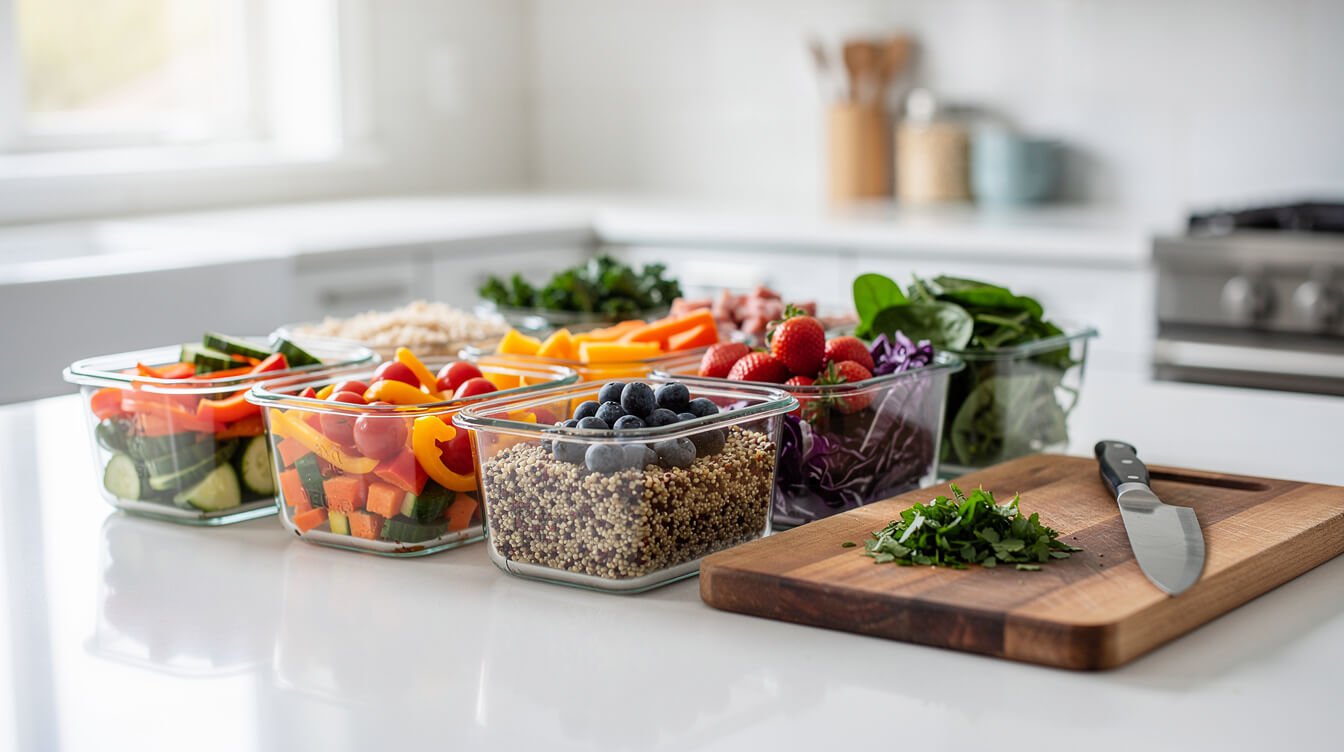
A little preparation is the difference between a plan that lasts three weeks and one that fizzles out by day four. Here is a simple weekly staples list to build each shop around.
- Produce: leafy greens, broccoli, peppers, tomatoes, carrots, sweet potato, onions, garlic, avocados, berries, apples, oranges, lemons, fresh ginger.
- Protein: salmon or other fatty fish, chicken, eggs, canned beans and lentils, tofu or tempeh, Greek yogurt.
- Pantry: extra virgin olive oil, oats, quinoa, brown rice, whole-grain bread, nuts, seeds (chia, flax, pumpkin), herbs, spices (turmeric, cinnamon), green tea.
Three habits make the whole plan easier:
- Batch-cook a grain and a protein. Cook a pot of quinoa and bake a tray of salmon or chicken at the start of each week for fast assembly.
- Pre-chop vegetables. Twenty minutes with a knife on Sunday turns weeknight dinners into five-minute jobs.
- Keep snacks visible. A bowl of fruit on the counter and pre-portioned nuts make the easy choice the healthy one.
If you enjoy a structured reset, you may also like our honest take on a full-body cleanse and natural detoxification, which explains how your body’s own systems do the real work.
Beyond the Plate: Lifestyle Habits That May Help

Food is powerful, but it works best as part of a bigger picture. Research suggests that several everyday habits may support the body’s inflammatory balance alongside an anti-inflammatory diet:
- Move gently and often. Regular, moderate movement — walking, swimming, yoga, cycling — is consistently associated with better inflammatory markers. You do not need to train hard; consistency matters more than intensity.
- Protect your sleep. Poor sleep and inflammation are closely linked. Our guide to improving sleep quality naturally is a perfect companion to this reset.
- Manage stress. Chronic stress keeps the body in a heightened state. Breathing practices, time in nature, and gentle routines all help. Our look at the gut-brain connection explains why calm and digestion are so intertwined.
- Stay hydrated. Water supports every system involved in recovery and digestion.
Many people who care about inflammation and recovery also explore supportive wellness practices and tools. At OlyLife we focus on gentle, evidence-informed approaches to everyday wellbeing — you are always welcome to explore our wellness collection for ideas, with no pressure to add anything to your routine that does not feel right for you. If your interest is joint comfort in particular, our evidence-informed overview of natural therapy for pain is a thoughtful next read.
How to Save This 21-Day Anti-Inflammatory Diet as a PDF
Want a copy on your phone or fridge? You do not need a special download — you can turn this page into your own clean PDF in seconds:
- On a computer: press Ctrl + P (Windows) or Cmd + P (Mac), then choose “Save as PDF” as the destination.
- On a phone: use your browser’s Share menu and select “Print” or “Save as PDF,” or simply bookmark this page.
That gives you the full 21-day meal plan, shopping lists, and tips to reference anywhere — no email sign-up required.
Frequently Asked Questions
How long does it take to notice results on an anti-inflammatory diet?
Everyone is different. Some people notice they feel more energetic or less bloated within a week or two, while other changes are subtler and build over time. Three weeks is enough to establish habits and observe how your own body responds — think of it as a starting point, not a finish line.
Can I lose weight on the 21 day anti inflammatory diet?
This plan is designed around nourishment and inflammatory balance rather than weight loss. That said, because it naturally reduces ultra-processed foods and added sugar while increasing fiber and whole foods, some people find their weight settles in a healthier direction. Any changes depend on your overall calories, activity, and individual body.
Is the anti-inflammatory diet safe for everyone?
The whole-food foundation of this plan is widely considered healthy, but individual needs vary. If you are pregnant, managing a medical condition, taking medication, or have food allergies, please check with your doctor or a registered dietitian before starting.
Do I have to follow the plan perfectly?
Not at all. This is a flexible template, not a test. Swap meals freely, adjust portions, and allow the occasional treat. Consistency over three weeks matters far more than perfection on any single day.
What can I drink on an anti-inflammatory diet?
Water is your best friend, and herbal teas and green tea are excellent choices. Coffee in moderation is generally fine. Keep sugary drinks and excess alcohol to a minimum during the 21 days.
Final Thoughts
A 21 day anti inflammatory diet is not about restriction, willpower, or chasing a number on a scale. It is a warm, practical invitation to eat more of the colorful, whole foods that research suggests may support your body’s natural balance — and to notice how good that can feel. Three weeks is just long enough to build momentum and uncover a handful of meals you will happily keep forever.
Start where you are, be kind to yourself on the imperfect days, and let the habits grow at their own pace. Your body does remarkable work every single day; this plan is simply a way to support it with a little more color, calm, and care. Here’s to feeling your best — one nourishing plate at a time. 🌿