
Trực giác của bạn thực sự đang mách bảo điều gì?
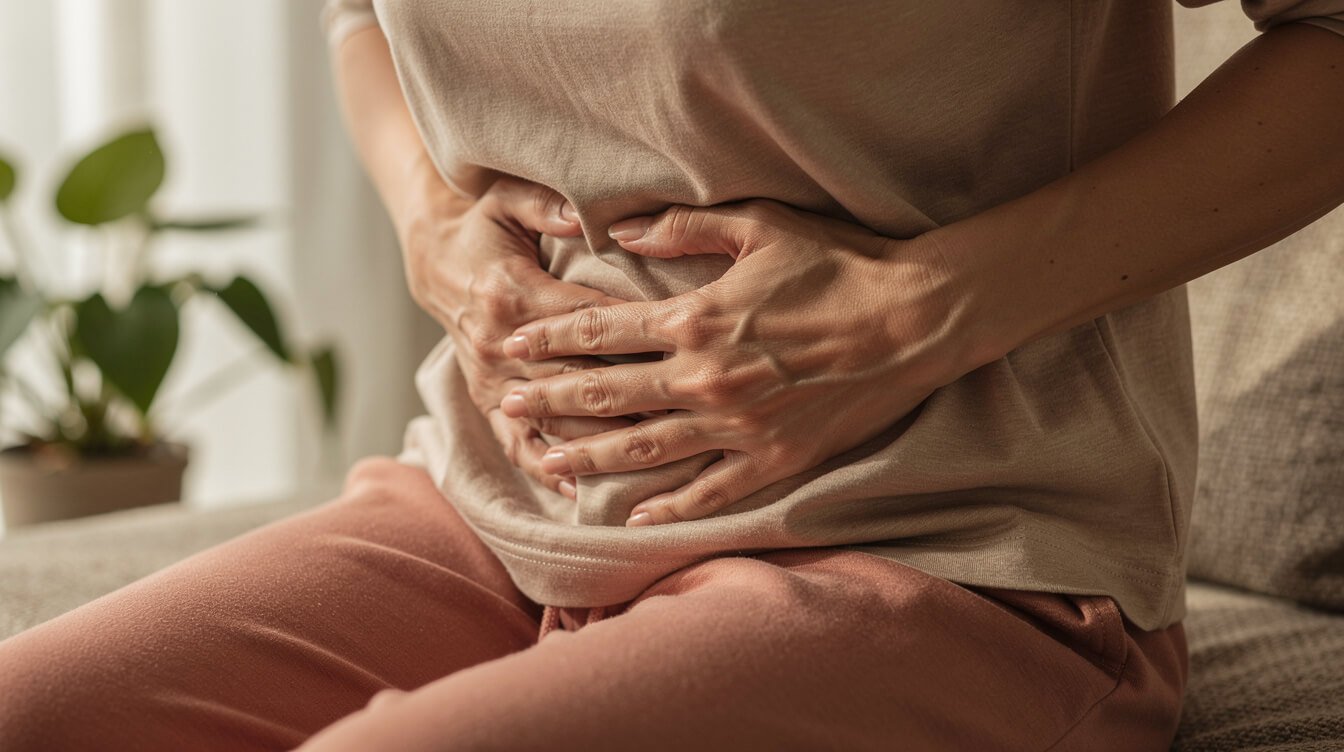
Hệ tiêu hóa của bạn không chỉ đơn thuần là tiêu hóa ly sinh tố buổi sáng. Thường được gọi là “bộ não thứ hai” của cơ thể, hệ tiêu hóa chứa khoảng 70% hệ miễn dịch, sản sinh phần lớn serotonin và liên tục giao tiếp với não bộ thông qua một mạng lưới rộng lớn các dây thần kinh và tín hiệu hóa học. Khi có vấn đề xảy ra trong hệ sinh thái phức tạp này, các dấu hiệu của sức khỏe đường ruột kém có thể xuất hiện ở những nơi bạn không ngờ tới — từ làn da đến giấc ngủ.
Điều khó khăn là gì? Nhiều người sống chung với các triệu chứng về sức khỏe đường ruột trong nhiều tháng, thậm chí nhiều năm mà không hề liên hệ chúng với hệ tiêu hóa của mình. Tình trạng mệt mỏi dai dẳng, mụn trứng cá khó trị, hay những thay đổi tâm trạng bất thường đều có thể bắt nguồn từ sự mất cân bằng đường ruột. Hiểu được những dấu hiệu cảnh báo này là bước đầu tiên để bạn cảm thấy khỏe mạnh hơn.
Trong hướng dẫn này, chúng ta sẽ cùng tìm hiểu 10 dấu hiệu quan trọng cho thấy hệ tiêu hóa của bạn có thể cần được chăm sóc, khám phá mối liên hệ thú vị giữa ruột và não, và chia sẻ những bước thực hành bạn có thể thực hiện ngay hôm nay để hỗ trợ sức khỏe tiêu hóa một cách tự nhiên.
10 dấu hiệu của sức khỏe đường ruột kém mà bạn không nên bỏ qua
Cơ thể bạn có khả năng gửi tín hiệu đáng kinh ngạc khi có điều gì đó không ổn. Dưới đây là 10 dấu hiệu cho thấy sức khỏe đường ruột của bạn có thể cần được chăm sóc thêm.
1. Đầy hơi và chướng bụng kéo dài
Thỉnh thoảng bị đầy hơi sau bữa ăn no là hoàn toàn bình thường. Nhưng nếu bạn thường xuyên cảm thấy khó chịu vì quá no, chướng bụng hoặc đầy hơi — đặc biệt là khi chế độ ăn uống của bạn không thay đổi — thì hệ tiêu hóa của bạn có thể đang gặp khó khăn trong việc phân giải thức ăn một cách hiệu quả. Điều này thường cho thấy sự mất cân bằng trong hệ vi sinh đường ruột, nơi một số quần thể vi khuẩn phát triển quá mức và tạo ra khí dư thừa trong quá trình tiêu hóa.
Những món nên thử: Hãy ghi nhật ký ăn uống đơn giản trong hai tuần để xác định các thói quen ăn uống. Ăn chậm và nhai kỹ cũng có thể giúp hệ tiêu hóa xử lý thức ăn dễ dàng hơn.
2. Thói quen đi tiêu không đều
Cho dù đó là táo bón mãn tính, tiêu chảy thường xuyên, hay sự thay đổi thất thường giữa hai tình trạng này, những thay đổi trong thói quen đi tiêu là một trong những dấu hiệu trực tiếp nhất cho thấy hệ tiêu hóa không khỏe mạnh. Một hệ tiêu hóa hoạt động tốt thường tạo ra những lần đi tiêu đều đặn và thoải mái. Khi hệ vi sinh đường ruột bị rối loạn hoặc niêm mạc ruột bị kích thích, thời gian vận chuyển thức ăn qua ruột và độ đặc của phân có thể thay đổi đáng kể.
3. Mệt mỏi không rõ nguyên nhân
Nếu bạn ngủ đủ giấc nhưng vẫn cảm thấy mệt mỏi vào buổi chiều, thì hệ vi sinh đường ruột có thể là nguyên nhân. Nghiên cứu cho thấy rằng sự mất cân bằng hệ vi sinh đường ruột có thể cản trở quá trình hấp thụ chất dinh dưỡng, khiến các tế bào thiếu năng lượng cần thiết. Thêm vào đó, tình trạng viêm mãn tính mức độ nhẹ bắt nguồn từ đường ruột có thể gây áp lực liên tục lên nguồn năng lượng dự trữ của bạn. Một nghiên cứu cho thấy gần một nửa số người bị mệt mỏi mãn tính cũng có các triệu chứng của hội chứng ruột kích thích.
4. Dị ứng và không dung nạp thực phẩm
Việc xuất hiện các phản ứng mới với những thực phẩm mà trước đây bạn vẫn dung nạp tốt là một triệu chứng điển hình của sức khỏe đường ruột. Khi niêm mạc ruột bị tổn thương — một tình trạng đôi khi được mô tả là tăng tính thấm thành ruột — các hạt thức ăn lớn hơn có thể tương tác với hệ miễn dịch theo những cách gây ra đầy hơi, đau đầu, phản ứng da hoặc khó chịu về tiêu hóa sau khi ăn một số loại thực phẩm nhất định.
5. Thường xuyên thèm đồ ngọt
Đây là một phát hiện bất ngờ: cơn thèm đường và tinh bột chế biến sẵn mãnh liệt thực chất có thể do vi khuẩn đường ruột của bạn gây ra. Một số loài vi khuẩn phát triển mạnh nhờ đường, và khi chúng chiếm ưu thế trong hệ vi sinh vật đường ruột, nghiên cứu cho thấy chúng có thể ảnh hưởng đến cơn thèm ăn của bạn để duy trì nguồn cung cấp thức ăn cho chúng. Giảm lượng đường tiêu thụ dần dần có thể giúp cân bằng lại hệ vi khuẩn có lợi.
6. Các vấn đề về da không khỏi
Các bệnh như mụn trứng cá, chàm, trứng cá đỏ và vảy nến đều được liên kết với sức khỏe đường ruột trong các nghiên cứu mới nổi. Mối liên hệ này nằm ở tình trạng viêm nhiễm — khi hàng rào ruột bị tổn thương, các tín hiệu viêm có thể lan truyền qua đường máu và biểu hiện trên da. Nếu bạn đã thử mọi phương pháp điều trị tại chỗ mà không có kết quả lâu dài, có lẽ bạn nên xem xét đến sức khỏe bên trong cơ thể — theo đúng nghĩa đen.
7. Thay đổi cân nặng ngoài ý muốn
Tăng hoặc giảm cân mà không thay đổi chế độ ăn uống hoặc thói quen tập thể dục có thể là dấu hiệu của sự mất cân bằng đường ruột. Một hệ vi khuẩn đường ruột không khỏe mạnh có thể làm suy giảm khả năng hấp thụ chất dinh dưỡng, điều chỉnh lượng đường trong máu và lưu trữ chất béo một cách hợp lý của cơ thể. Một số loại vi khuẩn đường ruột nhất định có liên quan đến việc tăng tích trữ chất béo, trong khi những loại khác có thể hỗ trợ quá trình trao đổi chất lành mạnh hơn.
8. Rối loạn giấc ngủ
Hệ tiêu hóa của bạn sản sinh ra khoảng 95% lượng serotonin trong cơ thể - chất dẫn truyền thần kinh giúp điều chỉnh chu kỳ giấc ngủ và tâm trạng. Khi sức khỏe đường ruột bị suy giảm, quá trình sản sinh serotonin có thể bị ảnh hưởng, dẫn đến khó ngủ, ngủ không sâu giấc hoặc thức dậy không tỉnh táo. Nếu bạn đang gặp phải các vấn đề sau: các vấn đề về giấc ngủ cùng với các triệu chứng khác trong danh sách này., Trực giác của bạn có thể là một yếu tố đáng để xem xét.
9. Thường xuyên ốm đau hoặc hệ miễn dịch suy yếu
Vì một phần quan trọng của hệ miễn dịch nằm ở đường ruột, môi trường tiêu hóa bị suy yếu có thể khiến bạn dễ bị cảm lạnh, nhiễm trùng và các bệnh theo mùa hơn. Nếu bạn dường như dễ mắc phải mọi bệnh tật và mất nhiều thời gian hơn bình thường để hồi phục, đó có thể là một trong những dấu hiệu tinh tế của sức khỏe đường ruột kém.
10. Thay đổi tâm trạng và chứng sương mù não
Lo lắng, cáu gắt, khó tập trung và cảm giác “mờ mịt đầu óc” khó chịu đều có liên quan đến sức khỏe đường ruột thông qua trục não-ruột. Dây thần kinh phế vị — một đường dẫn truyền thông tin chính giữa ruột và não — mang tín hiệu theo cả hai hướng. Khi hệ sinh thái đường ruột mất cân bằng, những tín hiệu này có thể bị gián đoạn, có khả năng ảnh hưởng đến sự minh mẫn và sức khỏe tinh thần của bạn.
Mối liên hệ giữa ruột và não: Hệ tiêu hóa ảnh hưởng đến tâm trạng của bạn như thế nào

Mối quan hệ giữa ruột và não bộ là một trong những lĩnh vực nghiên cứu sức khỏe thú vị nhất hiện nay. Các nhà khoa học gọi đó là... trục ruột-não — một mạng lưới giao tiếp hai chiều kết nối hệ thần kinh trung ương với hệ thần kinh ruột (mạng lưới các tế bào thần kinh nằm dọc theo đường tiêu hóa).
Đây không chỉ là lý thuyết suông. Ruột của bạn chứa hơn 500 triệu tế bào thần kinh và sản sinh ra các chất dẫn truyền thần kinh như serotonin, dopamine và axit gamma-aminobutyric (GABA) — tất cả đều đóng vai trò quan trọng trong việc điều chỉnh tâm trạng, phản ứng với căng thẳng và chức năng nhận thức. Khi hệ vi sinh đường ruột phát triển mạnh, các chất truyền tin hóa học này sẽ lưu thông trơn tru. Khi bị rối loạn, các tín hiệu có thể trở nên lộn xộn.
Nghiên cứu cho thấy một số chủng vi khuẩn đường ruột có lợi có thể hỗ trợ sản xuất các chất dẫn truyền thần kinh điều chỉnh tâm trạng. Đó là lý do tại sao một số nhà nghiên cứu bắt đầu gọi các chủng probiotic cụ thể là "psychobiotics" - các vi sinh vật có thể ảnh hưởng tích cực đến sức khỏe tinh thần thông qua con đường ruột-não.
Điều này có ý nghĩa gì đối với bạn trong thực tế? Điều đó có nghĩa là việc hỗ trợ sức khỏe đường ruột không chỉ giúp tiêu hóa tốt hơn mà còn có thể giúp bạn suy nghĩ minh mẫn hơn, tâm trạng ổn định hơn và cảm giác bình tĩnh hơn. Những thói quen đơn giản như... vận động nhẹ nhàng thường xuyên như đi bộ Và bài tập hít thở sâu đã được chứng minh là hỗ trợ sự kết nối giữa ruột và não từ cả hai phía.
Các loại thực phẩm có thể hỗ trợ sức khỏe đường ruột tốt hơn
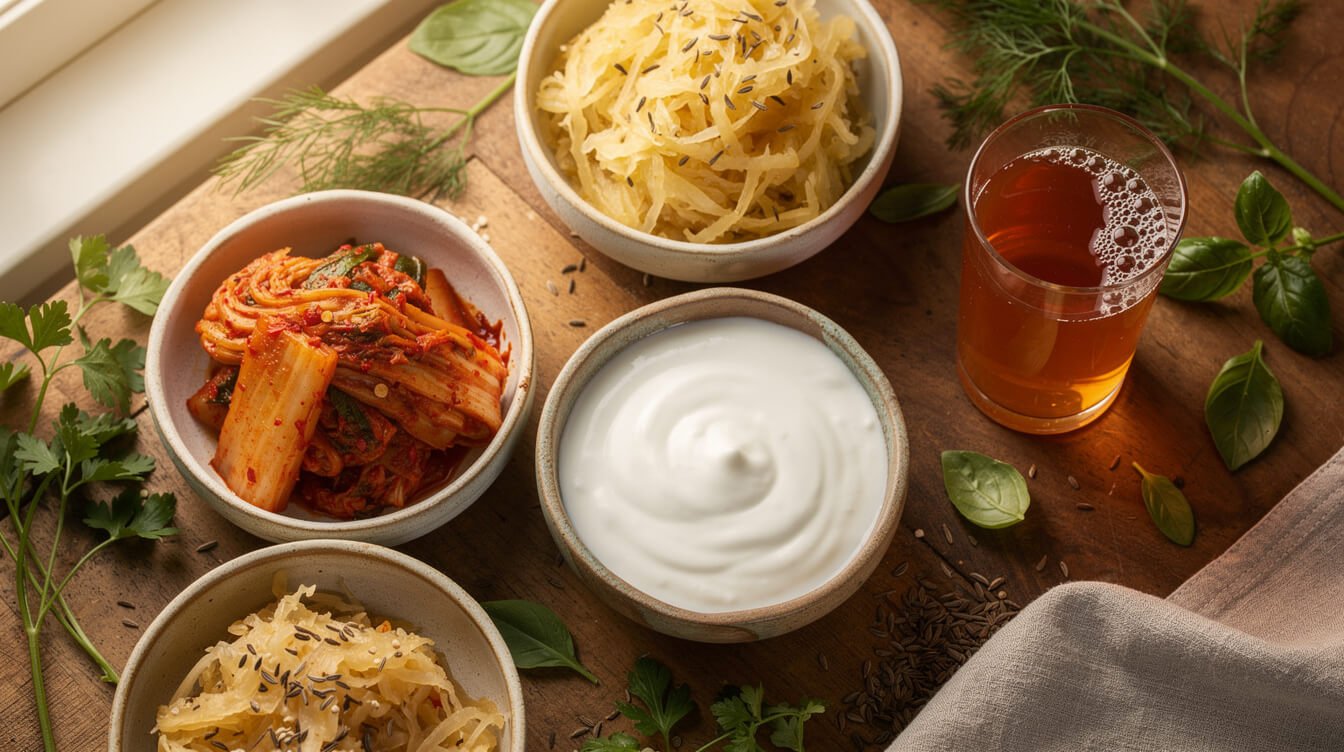
Một trong những cách hiệu quả nhất để hỗ trợ sức khỏe đường ruột là thông qua chế độ ăn uống. Chế độ ăn của bạn ảnh hưởng trực tiếp đến thành phần hệ vi sinh vật đường ruột — và tin tốt là những thay đổi tích cực có thể bắt đầu chỉ sau vài ngày điều chỉnh lựa chọn thực phẩm.
Thực phẩm giàu lợi khuẩn
Men vi sinh là những vi khuẩn có lợi sống giúp bổ sung và đa dạng hóa hệ sinh thái đường ruột của bạn. Một số nguồn tự nhiên tốt nhất bao gồm:
- Da ua Chứa các vi sinh vật sống có hoạt tính (kiểm tra nhãn)
- Kefir — một loại đồ uống sữa lên men có vị chua nhẹ với nhiều chủng vi khuẩn khác nhau.
- Dưa cải bắp và kim chi — rau củ lên men truyền thống giàu vi khuẩn Lactobacillus
- Kombucha — Trà lên men cung cấp cả lợi khuẩn và các axit hữu cơ có lợi
- Miso và tempeh — Các sản phẩm đậu nành lên men phổ biến trong ẩm thực châu Á
Để tìm hiểu sâu hơn về cách kết hợp những thực phẩm này vào chế độ ăn uống hàng ngày, hãy tham khảo hướng dẫn của chúng tôi về... Những thực phẩm lên men tốt nhất cho sức khỏe đường ruột.
Thực phẩm tiền sinh học
Trong khi men vi sinh bổ sung vi khuẩn có lợi, prebiotic lại... cho ăn Các vi khuẩn có lợi đã sống sẵn trong ruột của bạn. Hãy coi chúng như phân bón cho khu vườn bên trong cơ thể bạn. Các nguồn prebiotic tuyệt vời bao gồm:
- Tỏi và hành tây — giàu inulin và fructooligosaccharide
- Chuối (đặc biệt là những quả hơi xanh) — chứa tinh bột kháng
- Măng tây và atisô — giàu chất xơ prebiotic
- Yến mạch — Cung cấp chất xơ beta-glucan hỗ trợ vi khuẩn có lợi
- Hạt lanh — cung cấp cả chất xơ prebiotic và axit béo omega-3 chống viêm
Thực phẩm chống viêm
Viêm ruột mãn tính có thể làm tổn thương niêm mạc ruột và phá vỡ hệ vi sinh vật đường ruột. Các loại thực phẩm có thể giúp làm dịu tình trạng viêm bao gồm:
- Nghệ — Chứa curcumin, chất mà nghiên cứu cho thấy có thể hỗ trợ phản ứng viêm lành mạnh. Tìm hiểu thêm về Vì sao nghệ có thể là đồng minh chống viêm mạnh mẽ nhất của tự nhiên?.
- Gừng — theo truyền thống được sử dụng để làm dịu các triệu chứng khó chịu về tiêu hóa
- Cá béo — Cá hồi, cá mòi và cá thu cung cấp omega-3 giúp duy trì tính toàn vẹn của hàng rào bảo vệ đường ruột.
- Rau lá xanh — Giàu chất xơ, vitamin và các hợp chất thực vật nuôi dưỡng vi khuẩn đường ruột.
- nước hầm xương — Chứa collagen và axit amin có thể hỗ trợ phục hồi niêm mạc ruột
Các loại thực phẩm nên hạn chế
Cũng giống như một số thực phẩm tốt cho hệ tiêu hóa, một số thực phẩm khác có thể gây mất cân bằng:
- Thực phẩm chế biến sẵn — thường chứa chất nhũ hóa và phụ gia có thể phá vỡ hàng rào bảo vệ ruột.
- Đường dư thừa — Nuôi dưỡng các vi khuẩn có hại và có thể thúc đẩy viêm nhiễm
- chất tạo ngọt nhân tạo — Một số nghiên cứu cho thấy chúng có thể làm thay đổi thành phần hệ vi sinh vật đường ruột.
- Uống quá nhiều rượu — có thể làm tổn thương niêm mạc ruột và làm giảm sự đa dạng vi sinh vật.
🎁 Nhận quà tặng chăm sóc sức khỏe miễn phí
Hãy nhập tên và email của bạn bên dưới để nhận quà tặng chăm sóc sức khỏe đặc biệt từ OlyLife — hoàn toàn miễn phí!
Những thói quen hàng ngày giúp đường ruột khỏe mạnh hơn

Ngoài chế độ ăn uống, thói quen sinh hoạt hàng ngày cũng đóng vai trò quan trọng trong việc hình thành sức khỏe đường ruột của bạn. Dưới đây là những thói quen dựa trên bằng chứng khoa học có thể hỗ trợ sức khỏe hệ tiêu hóa của bạn.
Luôn giữ cho cơ thể đủ nước.
Nước rất cần thiết cho mọi giai đoạn tiêu hóa — từ việc phân giải thức ăn đến việc đẩy chất thải qua ruột. Mất nước có thể làm chậm thời gian vận chuyển thức ăn trong ruột, gây táo bón và làm giảm lớp màng nhầy bảo vệ trong ruột. Hãy cố gắng uống đủ nước đều đặn suốt cả ngày thay vì uống một lượng lớn nước cùng một lúc. Uống đủ nước có thể hỗ trợ sức khỏe toàn thân. theo nhiều cách hơn bạn tưởng.
Hãy vận động cơ thể thường xuyên.
Các nghiên cứu đã chỉ ra rằng tập thể dục vừa phải có tác động tích cực đến sự đa dạng của hệ vi sinh đường ruột. Bạn không cần phải tập luyện cường độ cao — ngay cả việc đi bộ 30 phút mỗi ngày cũng có thể hỗ trợ tiêu hóa và nhu động ruột khỏe mạnh. Vận động thường xuyên cũng giúp kiểm soát căng thẳng, vốn có tác động đáng kể đến sức khỏe đường ruột.
Ưu tiên giấc ngủ chất lượng
Mối quan hệ giữa giấc ngủ và sức khỏe đường ruột là mối quan hệ hai chiều. Ngủ không ngon giấc có thể làm rối loạn hệ vi sinh vật đường ruột, và sự mất cân bằng hệ vi sinh vật đường ruột có thể làm rối loạn giấc ngủ. Hãy cố gắng ngủ đủ 7-9 tiếng mỗi đêm, duy trì lịch ngủ đều đặn và cân nhắc một thói quen thư giãn trước khi đi ngủ để hỗ trợ cả sức khỏe đường ruột và sức khỏe tổng thể của bạn.
Quản lý căng thẳng một cách khéo léo
Căng thẳng mãn tính là một trong những nguyên nhân gây rối loạn chức năng đường ruột thường bị đánh giá thấp nhất. Khi bạn căng thẳng, cơ thể sẽ chuyển hướng các nguồn lực khỏi quá trình tiêu hóa, và các hormone gây căng thẳng như cortisol có thể trực tiếp làm thay đổi quần thể vi khuẩn đường ruột. Các phương pháp như hít thở sâu, thiền định, yoga nhẹ nhàng, hoặc đơn giản là dành thời gian hòa mình vào thiên nhiên có thể giúp làm dịu cả hệ thần kinh và hệ tiêu hóa của bạn.
Hãy thận trọng khi sử dụng thuốc kháng sinh.
Mặc dù thuốc kháng sinh đôi khi cần thiết về mặt y tế, nhưng chúng không phân biệt giữa vi khuẩn có hại và có lợi. Nếu bạn cần dùng thuốc kháng sinh, hãy nói chuyện với bác sĩ về việc hỗ trợ hệ vi sinh đường ruột của bạn trong và sau quá trình điều trị — ăn các thực phẩm giàu probiotic trong thời gian hồi phục có thể giúp khôi phục sự cân bằng nhanh hơn.
Khi nào cần tìm kiếm sự trợ giúp chuyên nghiệp

Mặc dù nhiều triệu chứng về sức khỏe đường ruột có thể được cải thiện bằng chế độ ăn uống và lối sống, nhưng một số trường hợp cần được bác sĩ chuyên khoa thăm khám. Hãy cân nhắc tham khảo ý kiến bác sĩ nếu bạn gặp phải các triệu chứng sau:
- Các triệu chứng dai dẳng kéo dài hơn hai tuần mặc dù đã thay đổi chế độ ăn uống.
- Có máu trong phân hoặc chảy máu trực tràng không rõ nguyên nhân
- Giảm cân ngoài ý muốn đáng kể
- Đau bụng dữ dội hoặc ngày càng trầm trọng
- Khó nuốt hoặc ợ nóng dai dẳng
- Tiền sử gia đình mắc ung thư đại tràng hoặc bệnh viêm ruột.
- Các triệu chứng ảnh hưởng đến chất lượng cuộc sống hàng ngày của bạn.
Một chuyên gia chăm sóc sức khỏe có trình độ có thể thực hiện các xét nghiệm thích hợp — bao gồm phân tích phân, xét nghiệm máu hoặc chẩn đoán hình ảnh — để loại trừ các bệnh lý tiềm ẩn và giúp bạn xây dựng kế hoạch điều trị cụ thể.
Nhớ: Chăm sóc sức khỏe đường ruột không phải là hướng đến sự hoàn hảo. Đó là việc thực hiện những cải thiện nhỏ, đều đặn để hỗ trợ khả năng tự nhiên của cơ thể trong việc tìm lại sự cân bằng. Những thay đổi nhỏ, được duy trì theo thời gian, thường mang lại kết quả ý nghĩa nhất.
Câu hỏi thường gặp về sức khỏe đường ruột

Cần bao lâu để cải thiện sức khỏe đường ruột?
Nghiên cứu cho thấy những thay đổi trong chế độ ăn uống có thể bắt đầu làm thay đổi thành phần hệ vi sinh đường ruột của bạn chỉ trong vòng 24-48 giờ. Tuy nhiên, những cải thiện đáng kể và lâu dài thường cần 2-12 tuần nỗ lực kiên trì. Hệ sinh thái đường ruột của mỗi người là độc nhất, vì vậy hãy kiên nhẫn với quá trình này và tập trung vào sự tiến bộ đều đặn thay vì sự thay đổi chỉ sau một đêm.
Liệu chỉ riêng căng thẳng có thể gây ra các vấn đề về sức khỏe đường ruột?
Đúng vậy, căng thẳng mãn tính là một yếu tố được chứng minh rõ ràng góp phần gây ra rối loạn chức năng tiêu hóa. Căng thẳng kích hoạt phản ứng "chiến đấu hay bỏ chạy", làm chuyển hướng lưu lượng máu và năng lượng khỏi các quá trình tiêu hóa. Theo thời gian, điều này có thể làm thay đổi quần thể vi khuẩn đường ruột, tăng tính thấm của ruột và làm tăng độ nhạy cảm với các triệu chứng khó chịu về tiêu hóa - ngay cả khi không thay đổi chế độ ăn uống.
Việc bổ sung men vi sinh có đáng dùng không?
Việc bổ sung men vi sinh có thể hữu ích cho một số người, đặc biệt là trong hoặc sau khi sử dụng kháng sinh, hoặc khi nguồn men vi sinh từ thực phẩm bị hạn chế. Tuy nhiên, không phải tất cả các loại men vi sinh đều giống nhau — các chủng khác nhau phục vụ các mục đích khác nhau. Nói chung, tốt nhất là nên tham khảo ý kiến của chuyên gia chăm sóc sức khỏe để được tư vấn về các chủng cụ thể dựa trên nhu cầu cá nhân của bạn. Bất cứ khi nào có thể, việc bổ sung men vi sinh từ các nguồn thực phẩm nguyên chất như sữa chua, kefir và rau củ lên men sẽ mang lại thêm nhiều lợi ích dinh dưỡng.
Dị ứng thực phẩm và không dung nạp thực phẩm khác nhau ở điểm nào?
Dị ứng thực phẩm kích hoạt phản ứng của hệ miễn dịch và có thể gây ra các phản ứng nghiêm trọng như nổi mề đay, sưng tấy hoặc sốc phản vệ. Mặt khác, không dung nạp thực phẩm thường là vấn đề về tiêu hóa - cơ thể bạn gặp khó khăn trong việc phân giải một loại thực phẩm cụ thể, dẫn đến các triệu chứng như đầy hơi, chướng bụng hoặc khó chịu. Không dung nạp thực phẩm phổ biến hơn và liên quan trực tiếp hơn đến sức khỏe đường ruột, trong khi dị ứng thực phẩm cần được chăm sóc y tế.
Sức khỏe đường ruột có ảnh hưởng đến làn da của bạn không?
Ngày càng có nhiều bằng chứng ủng hộ điều mà các nhà nghiên cứu gọi là “trục ruột-da”. Khi chức năng hàng rào ruột bị tổn hại hoặc hệ vi sinh vật đường ruột mất cân bằng, các tín hiệu viêm có thể lan truyền khắp cơ thể và góp phần gây ra các bệnh về da như mụn trứng cá, chàm và chứng đỏ mặt. Hỗ trợ sức khỏe đường ruột thông qua chế độ ăn uống và thay đổi lối sống có thể bổ sung cho quy trình chăm sóc da của bạn từ bên trong ra ngoài.
Tập thể dục có giúp cải thiện sức khỏe đường ruột không?
Tập thể dục đều đặn, vừa phải đã được chứng minh là làm tăng sự đa dạng của hệ vi sinh vật đường ruột — một dấu hiệu của sức khỏe tiêu hóa tốt. Các hoạt động như đi bộ, đạp xe, bơi lội và yoga có thể đặc biệt có lợi. Tuy nhiên, tập thể dục quá sức có thể tạm thời gây căng thẳng cho đường ruột, vì vậy sự cân bằng là chìa khóa.
Lời kết: Trực giác của bạn rất đáng tin cậy.
Nhận biết các dấu hiệu của sức khỏe đường ruột kém là bước đầu tiên để cảm thấy tốt hơn — không chỉ về mặt tiêu hóa, mà còn về năng lượng, tâm trạng, làn da, giấc ngủ và sức sống tổng thể. Hệ thống đường ruột của bạn có khả năng phục hồi đáng kinh ngạc, và với sự hỗ trợ đúng cách, nó có khả năng tự chữa lành và cân bằng lại một cách đáng kinh ngạc.
Hãy bắt đầu từ những gì bạn đang làm. Có thể điều đó có nghĩa là thêm một phần thực phẩm lên men vào chế độ ăn uống hàng ngày, đi bộ 20 phút sau bữa trưa, hoặc đơn giản là uống thêm một ly nước mỗi sáng. Những bước nhỏ, đều đặn này có thể tạo ra hiệu ứng lan tỏa tác động đến mọi khía cạnh sức khỏe của bạn.
Cơ thể bạn vẫn luôn giao tiếp với bạn. Giờ bạn đã biết cách lắng nghe nó.