
Nếu bạn đang tìm kiếm một phương pháp bền vững để cải thiện thể lực mà không cần phải gắng sức quá mức, Lợi ích tim mạch vùng 2 Có lẽ đây chính xác là điều bạn cần biết. Phương pháp tập luyện nhẹ nhàng, ổn định này đã tạo nên một cơn sốt trong giới chăm sóc sức khỏe — và có lý do chính đáng. Nghiên cứu cho thấy rằng tập luyện ở cường độ thấp hơn thực sự có thể mang lại những cải thiện sức khỏe lâu dài hơn so với việc liên tục vượt quá giới hạn của bản thân.
Cho dù bạn là người hoàn toàn mới bắt đầu hay đã tập luyện nhiều năm, việc hiểu về tập luyện Vùng 2 có thể thay đổi cách bạn tiếp cận vận động, phục hồi và sức khỏe tổng thể. Trong hướng dẫn này, chúng ta sẽ tìm hiểu cardio Vùng 2 là gì, tại sao nó hiệu quả, cách tính vùng tập luyện cá nhân của bạn và cách xây dựng một thói quen bền vững hỗ trợ các mục tiêu sức khỏe dài hạn của bạn.
Tập luyện tim mạch vùng 2 là gì và tại sao nó lại quan trọng?
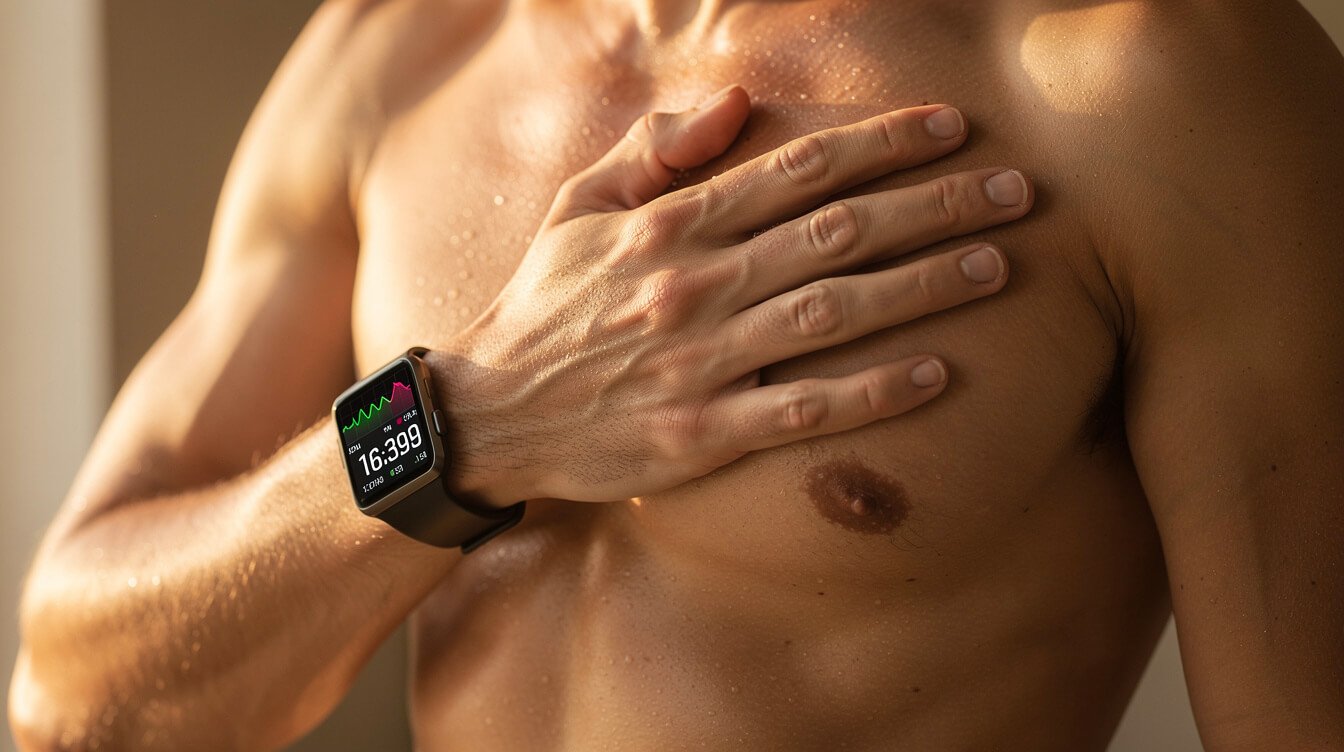
Phương pháp luyện tập theo nhịp tim chia cường độ tập luyện thành năm vùng, mỗi vùng tương ứng với một tỷ lệ phần trăm nhịp tim tối đa (MHR) của bạn. Vùng 1 là cường độ nhẹ nhất — giống như đi bộ thư giãn. Vùng 5 là chạy nước rút hết sức mình, đến mức bạn gần như không thể thở nổi. Vùng 2 nằm ở mức 60–70% nhịp tim tối đa của bạn., thể hiện nhịp độ tập luyện thoải mái, dễ trò chuyện.
Dưới đây là tóm tắt nhanh về năm vùng nhịp tim:
- Vùng 1 (50–60% MHR): Hoạt động rất nhẹ nhàng, giống như một cuộc đi bộ thư giãn.
- Vùng 2 (60–70% MHR): Với nỗ lực vừa phải — bạn vẫn có thể trò chuyện trọn vẹn.
- Vùng 3 (70–80% MHR): Nỗ lực vừa phải — việc nói chuyện trở nên khó khăn hơn
- Vùng 4 (80–90% MHR): Nỗ lực cao độ — chỉ có thể sử dụng các cụm từ ngắn.
- Vùng 5 (90–100% MHR): Nỗ lực tối đa — việc nói chuyện là không thể
Điều làm cho Vùng 2 trở nên đặc biệt là nó nhắm mục tiêu vào... hệ thống năng lượng hiếu khí — con đường trao đổi chất sử dụng oxy và chất béo làm nguồn nhiên liệu chính. Khi bạn tập luyện ở cường độ này, cơ thể bạn sẽ đốt cháy chất béo hiệu quả hơn, loại bỏ chất thải chuyển hóa và sản sinh năng lượng ở cấp độ tế bào. Đây là cường độ mà ty thể — nhà máy năng lượng của tế bào — hoạt động tốt nhất.
Các vận động viên ưu tú trong các môn thể thao sức bền đã hiểu điều này từ nhiều thập kỷ trước. Nghiên cứu cho thấy rằng lên đến 80% huấn luyện sức bền chuyên nghiệp Điều này xảy ra ở Vùng 2, với chỉ 20% ở cường độ cao hơn. Quy tắc “80/20” này hiện đã lan rộng vào lĩnh vực thể dục thể thao, và những người tập luyện hàng ngày đang khám phá ra điều mà các vận động viên đẳng cấp thế giới đã biết từ lâu.
7 lợi ích của việc tập luyện tim mạch theo vùng 2 dựa trên bằng chứng khoa học đối với sức khỏe của bạn
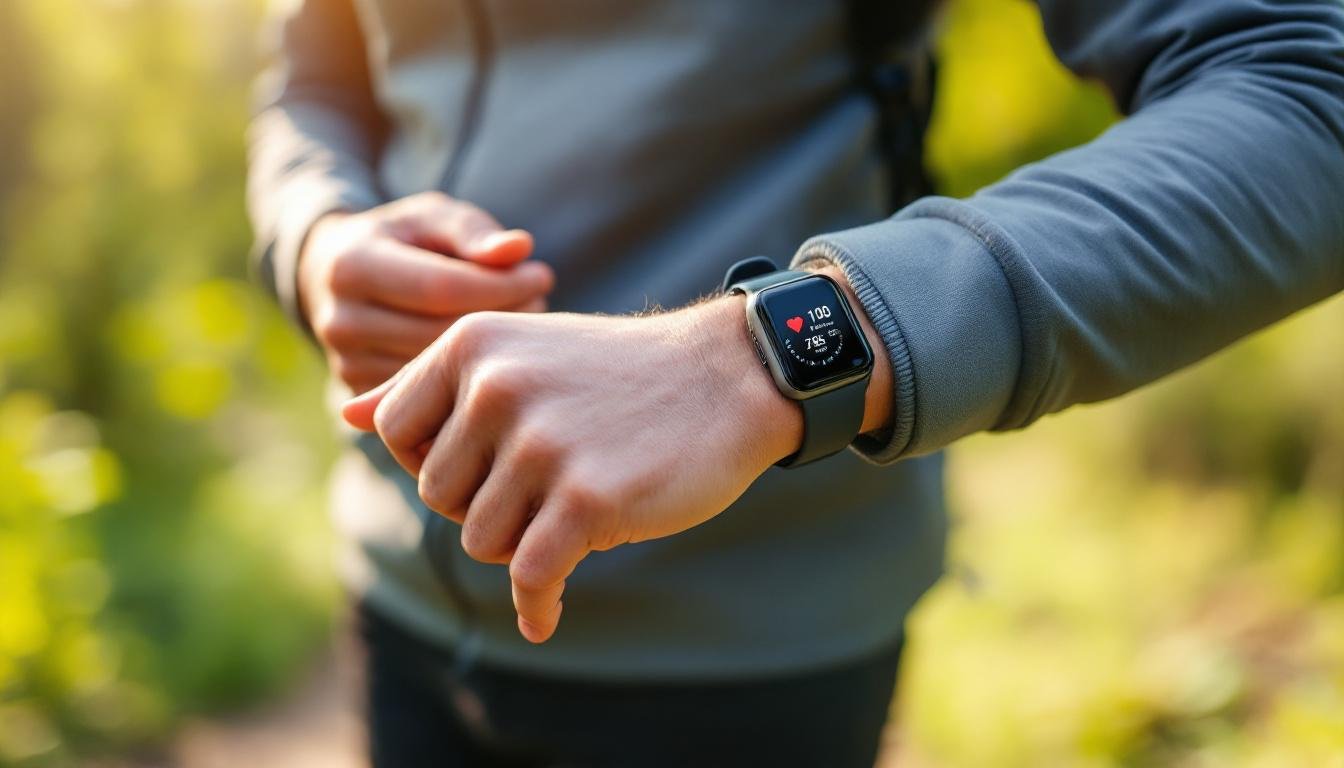
Các nghiên cứu khoa học đằng sau phương pháp tập luyện Zone 2 hé lộ một loạt lợi ích sức khỏe đáng kể. Dưới đây là những gì nghiên cứu cho thấy hình thức tập luyện nhẹ nhàng này có thể hỗ trợ:
1. Tăng cường chuyển hóa chất béo
Trong quá trình tập luyện ở Vùng 2, cơ thể bạn chủ yếu dựa vào... quá trình oxy hóa chất béo Sử dụng chất béo làm nhiên liệu thay vì glycogen (carbohydrate dự trữ). Theo thời gian, việc tập luyện Zone 2 đều đặn sẽ giúp cơ thể bạn trở nên hiệu quả hơn trong việc tiếp cận và đốt cháy lượng mỡ dự trữ. Sự thích nghi về trao đổi chất này — đôi khi được gọi là “tính linh hoạt trao đổi chất” — có thể hỗ trợ duy trì vóc dáng khỏe mạnh và năng lượng bền vững suốt cả ngày.
2. Sức khỏe và quá trình sinh tổng hợp ty thể
Có lẽ lợi ích thú vị nhất là những gì xảy ra ở cấp độ tế bào. Tập luyện vùng 2 kích thích quá trình sinh tổng hợp ty thể — Việc tạo ra các ty thể mới trong tế bào cơ của bạn. Nhiều ty thể hơn đồng nghĩa với khả năng sản sinh năng lượng hiệu quả hơn. Nghiên cứu cho thấy điều này cũng có thể hỗ trợ quá trình lão hóa lành mạnh, vì sự suy giảm ty thể có liên quan đến nhiều vấn đề sức khỏe liên quan đến tuổi tác.
3. Sức mạnh tim mạch
Tập luyện ở Vùng 2 có thể giúp tăng cường cơ tim, cải thiện thể tích nhát bóp (lượng máu được bơm mỗi nhịp tim) và hỗ trợ huyết áp khỏe mạnh. Theo thời gian, nhịp tim lúc nghỉ ngơi của bạn có thể giảm xuống — một dấu hiệu cho thấy hệ thống tim mạch của bạn đang trở nên hiệu quả hơn. Nếu bạn quan tâm đến các cách khác để hỗ trợ sức khỏe tim mạch, hãy tham khảo hướng dẫn của chúng tôi về... đi bộ mang lại lợi ích cho sức khỏe Bài viết này đề cập đến một phương pháp dễ tiếp cận khác để cải thiện sức khỏe tim mạch.
4. Cải thiện khả năng đào thải lactate
Vùng cường độ 2 nằm ngay tại vị trí của bạn. Ngưỡng lactate cơ bản — điểm mà cơ thể bạn vẫn có thể loại bỏ axit lactic nhanh bằng tốc độ sản sinh ra nó. Tập luyện thường xuyên ở điểm này sẽ cải thiện khả năng xử lý và loại bỏ axit lactic của cơ thể, điều này có thể dẫn đến hiệu suất tốt hơn trong các hoạt động cường độ cao và phục hồi nhanh hơn giữa các lần tập.
5. Điều chỉnh lượng đường trong máu tốt hơn
Các nghiên cứu mới nổi cho thấy rằng việc tập luyện thường xuyên ở Vùng 2 có thể hỗ trợ độ nhạy insulin và chuyển hóa glucose lành mạnh. Bằng cách cải thiện cách cơ bắp sử dụng glucose và hiệu quả phản ứng của tế bào với insulin, loại hình tập luyện này có thể đóng vai trò hỗ trợ cho sức khỏe chuyển hóa — điều đặc biệt quan trọng khi chúng ta già đi.
6. Giảm nguy cơ tập luyện quá sức
Một trong những lợi ích thiết thực nhất là tính bền vững. Vì Vùng 2 tạo ra áp lực tương đối thấp lên khớp, cơ bắp và hệ thần kinh, bạn có thể tập luyện thường xuyên hơn mà không bị kiệt sức, mệt mỏi và nguy cơ chấn thương như các bài tập cường độ cao. Điều này làm cho nó trở nên lý tưởng để xây dựng một nền tảng vững chắc. cách tiếp cận toàn diện đối với sức khỏe Bạn có thể duy trì nó trong nhiều năm.
7. Sức khỏe tinh thần và giảm căng thẳng
Các bài tập nhẹ nhàng, nhịp nhàng ở Vùng 2 có thể kích hoạt hệ thần kinh phó giao cảm của bạn — chế độ “nghỉ ngơi và tiêu hóa” giúp chống lại căng thẳng mãn tính. Nhiều người cho biết tâm trạng được cải thiện, lo lắng giảm đi và sức khỏe tốt hơn. chất lượng giấc ngủ Sau khi kết hợp các buổi tập Zone 2 thường xuyên. Không giống như tập luyện cường độ cao, vốn làm tăng đột biến cortisol tạm thời, Zone 2 thường giúp bạn cảm thấy bình tĩnh và tràn đầy năng lượng.
Cách tính nhịp tim vùng 2 của bạn

Việc tìm ra phạm vi Zone 2 cá nhân của bạn khá đơn giản. Dưới đây là hai phương pháp đáng tin cậy:
Phương pháp 1: Công thức dựa trên độ tuổi
Cách tiếp cận đơn giản nhất sử dụng công thức kinh điển:
- Tính toán nhịp tim tối đa ước tính của bạn: 220 trừ đi tuổi của bạn
- Tìm mã 60% của MHR của bạn: Đây là tầng Khu 2 của bạn
- Tìm mã 70% của MHR của bạn: Đây là trần nhà Khu vực 2 của bạn
Ví dụ cho người 40 tuổi:
- Nhịp tim tối đa: 220 – 40 = 180 nhịp/phút
- Khu vực 2 Tầng: 180 × 0,60 = 108 nhịp/phút
- Trần khu vực 2: 180 × 0,70 = 126 nhịp/phút
- Phạm vi Vùng 2: 108–126 nhịp/phút
Dưới đây là bảng tham khảo nhanh theo độ tuổi:
- 30 tuổi: 114–133 nhịp/phút
- 35 tuổi: 111–130 nhịp/phút
- Tuổi 40: 108–126 nhịp/phút
- 45 tuổi: 105–123 nhịp/phút
- Tuổi 50: 102–119 nhịp/phút
- 55 tuổi: 99–116 nhịp/phút
Phương pháp 2: Bài kiểm tra trò chuyện
Nếu bạn không có máy đo nhịp tim, thì bài kiểm tra nói Điều này chính xác đến bất ngờ. Trong quá trình tập luyện ở Vùng 2, bạn sẽ có thể:
- Có thể trò chuyện trọn vẹn mà không bị hụt hơi.
- Nói chuyện trôi chảy bằng những câu hoàn chỉnh
- Cảm giác như đang làm việc nhưng không hề căng thẳng.
- Hít thở chủ yếu bằng mũi.
Nếu bạn có thể hát dễ dàng, có lẽ bạn đang ở Vùng 1. Nếu bạn chỉ có thể hát được vài từ giữa các nhịp thở, bạn đã chuyển sang Vùng 3 hoặc cao hơn. Điểm lý tưởng là có thể nói chuyện nhưng không muốn đọc thuộc lòng một bài diễn thuyết dài.
Máy đo nhịp tim và thiết bị đeo được
Để theo dõi chính xác nhất, hãy cân nhắc sử dụng máy đo nhịp tim đeo ngực hoặc đồng hồ thông minh thể dục. Máy đo nhịp tim đeo ngực thường chính xác hơn trong khi tập luyện so với các cảm biến quang học đeo ở cổ tay, mặc dù các đồng hồ thông minh hiện đại đã được cải thiện đáng kể. Nhiều thiết bị hiện nay bao gồm tính năng theo dõi Vùng 2, cảnh báo bạn khi nhịp tim vượt quá hoặc thấp hơn phạm vi mục tiêu.
Những bài tập tim mạch tốt nhất cho vùng 2 (vùng 2) nên thử

Hầu hết mọi hoạt động aerobic đều có thể trở thành bài tập Vùng 2 — chìa khóa là kiểm soát cường độ. Dưới đây là những lựa chọn hiệu quả nhất:
Đi bộ
Nhanh chóng đi bộ mang lại lợi ích cho sức khỏe Đi bộ là một trong những hoạt động dễ tiếp cận nhất thuộc Vùng 2. Đối với hầu hết mọi người, tốc độ khoảng 3,5–4,5 dặm/giờ trên địa hình bằng phẳng sẽ giúp bạn duy trì cường độ vận động ở Vùng 2 một cách thoải mái. Hoạt động này không cần thiết bị, không cần thẻ thành viên phòng tập thể dục và có thể thực hiện ở bất cứ đâu. Đi bộ đặc biệt lý tưởng cho người mới bắt đầu hoặc những người quay lại tập thể dục sau một thời gian nghỉ.
Đạp xe
Dù đạp xe ngoài trời hay trên xe đạp cố định, đạp xe với tốc độ thư giãn, đều đặn là một bài tập điển hình ở Vùng 2. Bài tập này ít tác động lên khớp nhưng vẫn mang lại kích thích tim mạch tuyệt vời. Hãy đặt mục tiêu duy trì nhịp đạp sao cho bạn có thể đạp một cách mượt mà mà không bị mỏi — thông thường là 70–90 vòng/phút với lực cản vừa phải.
Bơi lội
Bơi lội với nhịp độ nhẹ nhàng, đều đặn là một bài tập toàn thân tuyệt vời ở Vùng 2. Nước tạo ra lực cản tự nhiên đồng thời hỗ trợ các khớp, rất lý tưởng cho những người có khớp nhạy cảm hoặc bị chấn thương. Hãy tập trung vào các động tác bơi mượt mà, đều đặn hơn là tốc độ.
Chèo thuyền
Máy chèo thuyền mang đến trải nghiệm tuyệt vời cho toàn bộ cơ thể ở Vùng 2. Động tác kéo tác động đồng thời lên chân, cơ bụng và phần thân trên. Hãy giữ cho các động tác chèo nhẹ nhàng và có kiểm soát — nếu bạn thở hổn hển hoặc tư thế chèo không đúng, rất có thể bạn đã vượt quá Vùng 2.
Tập luyện trên máy tập elip
Máy tập elip là một lựa chọn thay thế ít tác động, mô phỏng chạy bộ mà không gây áp lực lên khớp. Nó đặc biệt tốt để duy trì vùng nhịp tim Zone 2 vì bạn có thể dễ dàng điều chỉnh lực cản và tốc độ để giữ nhịp tim trong phạm vi mục tiêu.
Sau bất kỳ buổi tập Zone 2 nào, việc hỗ trợ quá trình phục hồi của cơ thể có thể giúp tăng cường hiệu quả tập luyện. Các biện pháp tự chăm sóc nhẹ nhàng như massage và sử dụng các sản phẩm bôi ngoài da có thể giúp cơ bắp của bạn cảm thấy sảng khoái và sẵn sàng cho buổi tập tiếp theo. Gel OlyLife OptiRelax Sản phẩm được thiết kế để bổ sung cho quy trình phục hồi sau tập luyện của bạn với các thành phần thực vật làm dịu da.
🎁 Nhận quà tặng chăm sóc sức khỏe miễn phí
Hãy nhập tên và email của bạn bên dưới để nhận quà tặng chăm sóc sức khỏe đặc biệt từ OlyLife — hoàn toàn miễn phí!
Cách xây dựng một lịch trình tập luyện bền vững cho Vùng 2

Ưu điểm của phương pháp tập luyện Zone 2 là tính linh hoạt. Dưới đây là cách xây dựng một lịch trình phù hợp với cuộc sống và mục tiêu của bạn:
Dành cho người mới bắt đầu
Nếu bạn mới bắt đầu tập luyện theo chương trình có cấu trúc, hãy bắt đầu với:
- Tính thường xuyên: 2-3 buổi mỗi tuần
- Khoảng thời gian: 20–30 phút mỗi buổi
- Hoạt động: Đi bộ nhanh là điểm khởi đầu hoàn hảo.
- Tiến trình: Tăng thêm 5 phút mỗi tuần cho đến khi đạt 45-60 phút.
Dành cho người tập luyện ở mức độ trung cấp
Sau khi xây dựng xong căn cứ:
- Tính thường xuyên: 3-4 buổi mỗi tuần
- Khoảng thời gian: 45–60 phút mỗi buổi
- Hoạt động: Kết hợp hai phương thức di chuyển khác nhau (ví dụ: đi bộ + đạp xe)
- Tiến trình: Hãy tập trung vào tính nhất quán trước khi thêm thời lượng hoặc tần suất.
Lịch trình hàng tuần mẫu
- Thứ hai: Đi bộ nhanh 45 phút
- Thứ ba: Nghỉ ngơi hoặc giãn cơ nhẹ nhàng
- Thứ Tư: Buổi tập đạp xe 40 phút
- Thứ năm: Ngày nghỉ
- Thứ sáu: 45 phút bơi vòng
- Thứ bảy: Đi bộ đường dài trong thiên nhiên 60 phút với tốc độ Vùng 2.
- Chủ nhật: Phục hồi tích cực — tập yoga nhẹ nhàng hoặc đi bộ ngắn
Mẹo khi lưu trú tại Khu vực 2
Một trong những thách thức lớn nhất là đi quá nhanh. Thật đáng ngạc nhiên là việc vô tình lạc vào Vùng 3 lại khá phổ biến. Dưới đây là cách để giữ vững mục tiêu:
- Sử dụng máy đo nhịp tim với cảnh báo khu vực
- Giảm tốc độ khi lên dốc. — Độ dốc có thể làm tăng nhịp tim của bạn nhanh chóng.
- Hãy kiểm tra khả năng nói chuyện của bạn. cứ sau 5-10 phút
- Hãy chấp nhận rằng nó có thể cảm thấy "quá dễ dàng".“ Ban đầu — đó là điểm mấu chốt.
- Đi bộ khi cần thiết — Không có gì đáng xấu hổ khi giảm tốc độ xuống đi bộ trong lúc chạy.
Quá trình phục hồi của cơ thể giữa các buổi tập cũng quan trọng không kém gì chính quá trình tập luyện. Hãy hỗ trợ sức khỏe của bạn bằng chế độ dinh dưỡng chống viêm — như đặc tính chống viêm tự nhiên của nghệ — có thể giúp cơ thể bạn thích nghi và phục hồi hiệu quả hơn.
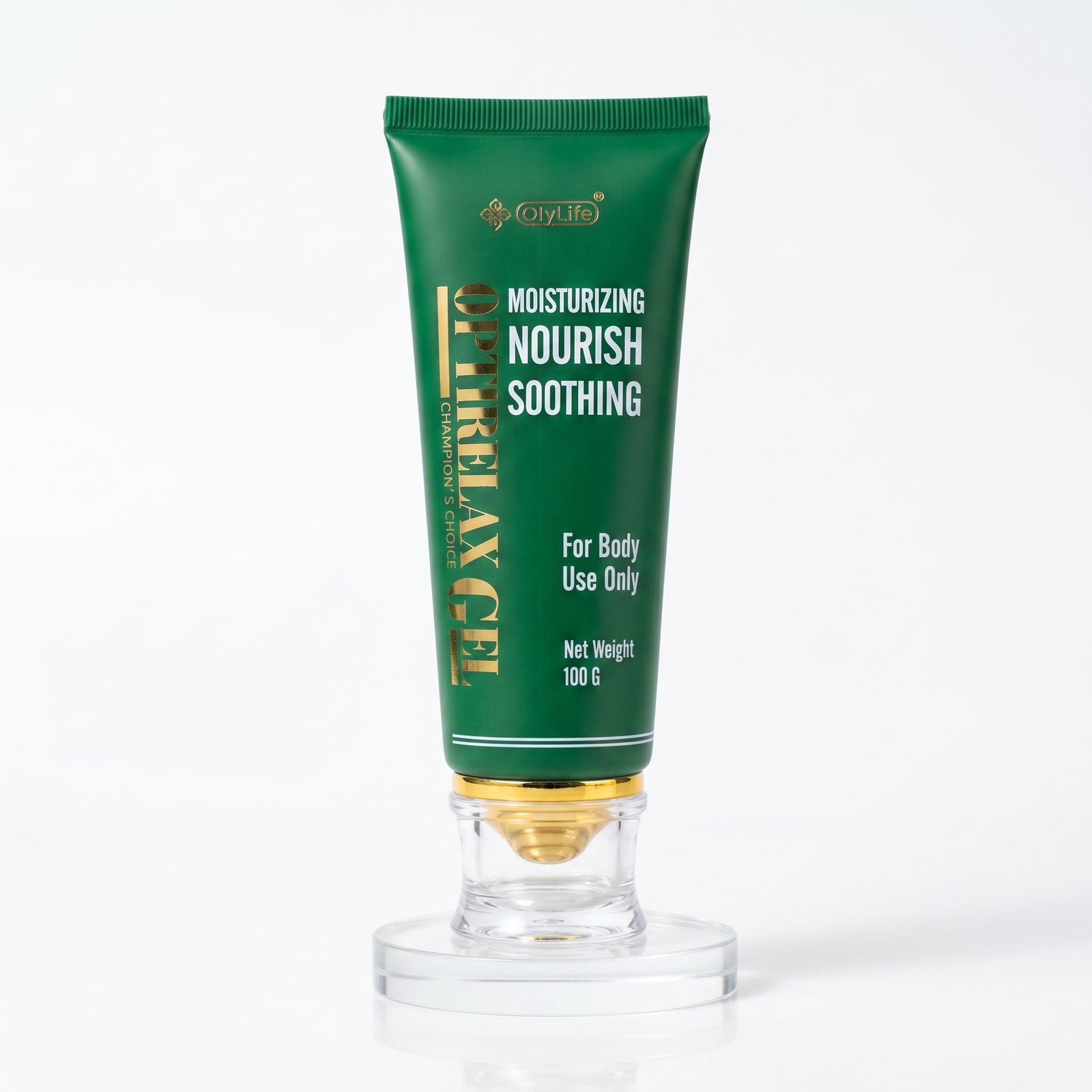
Hỗ trợ quá trình phục hồi sau tập luyện
Hãy dành sự chăm sóc xứng đáng cho cơ bắp của bạn sau mỗi buổi tập Zone 2. Gel OptiRelax của chúng tôi kết hợp các chiết xuất thực vật làm dịu giúp bạn phục hồi tự nhiên và duy trì sự ổn định trong quá trình luyện tập.
Tập cardio vùng 2 so với tập luyện cường độ cao: Tìm kiếm sự cân bằng của bạn

Bạn có thể đang thắc mắc: nếu Zone 2 hiệu quả đến vậy, liệu bạn có còn cần các bài tập cường độ cao nữa không? Câu trả lời khá phức tạp.
Phương pháp 80/20
Các nhà khoa học thể thao và huấn luyện viên ưu tú đều ủng hộ rộng rãi điều này. Mô hình huấn luyện phân cực 80/20Khoảng 80 phút/3 giây thời gian tập luyện ở cường độ thấp (Vùng 2) và 20 phút/3 giây ở cường độ cao (Vùng 4-5). Cách tiếp cận này có thể tối ưu hóa sự thích nghi đồng thời giảm thiểu nguy cơ chấn thương và kiệt sức.
Đối với người tập luyện năm ngày một tuần, điều này có nghĩa là khoảng bốn buổi tập ở Vùng 2 và một buổi tập cường độ cao hơn.
Khi mỗi phương pháp đều tỏa sáng
Khu vực 2 lý tưởng cho:
- Xây dựng nền tảng thể lực hiếu khí và sức bền
- chuyển hóa chất béo và sức khỏe chuyển hóa
- Những ngày nghỉ ngơi giữa các buổi tập cường độ cao
- Người mới bắt đầu xây dựng thói quen tập thể dục
- Sức khỏe tim mạch lâu dài
- Những người đang đối phó với căng thẳng hoặc đang hồi phục sau bệnh tật
Tập luyện cường độ cao rất lý tưởng cho:
- Cải thiện VO2max và hiệu suất tối đa
- Các bài tập tiết kiệm thời gian (20–30 phút)
- Vượt qua những giai đoạn trì trệ trong quá trình tập luyện
- Tốc độ và sức mạnh chuyên biệt cho từng môn thể thao
Mối quan hệ bổ sung
Hãy coi Vùng 2 như việc xây dựng nền móng của một ngôi nhà, trong khi tập luyện cường độ cao sẽ hoàn thiện những chi tiết cuối cùng. Nếu không có nền tảng aerobic vững chắc, việc tập luyện cường độ cao sẽ kém hiệu quả hơn và dễ gây chấn thương hơn. Hai phương pháp này bổ sung cho nhau một cách hoàn hảo khi được cân bằng đúng cách.
Tương tự, việc kết hợp các bài tập vận động với các phương pháp chăm sóc sức khỏe khác có thể tạo ra một cách tiếp cận toàn diện hơn đối với sức khỏe. Một số người nhận thấy rằng Liệu pháp PEMF bổ sung cho thói quen phục hồi của họ, trong khi những người khác khám phá các phương pháp như hỗ trợ sức khỏe đường ruột như một phần trong chiến lược chăm sóc sức khỏe tổng thể của họ.
Câu hỏi thường gặp về lợi ích của Zone 2 Cardio

Một buổi tập cardio ở vùng 2 nên kéo dài bao lâu?
Để đạt được những lợi ích thiết thực, hãy đặt mục tiêu ít nhất là... 30–45 phút mỗi buổi. Nghiên cứu cho thấy những thích nghi về trao đổi chất liên quan đến tập luyện ở Vùng 2 — đặc biệt là quá trình sinh tổng hợp ty thể và cải thiện quá trình oxy hóa chất béo — có thể trở nên rõ rệt hơn với các buổi tập kéo dài 45-60 phút. Tuy nhiên, ngay cả các buổi tập 20 phút cũng mang lại giá trị, đặc biệt là đối với người mới bắt đầu muốn xây dựng tính nhất quán.
Tôi có thể giảm cân chỉ bằng các bài tập cardio ở vùng 2 không?
Tập luyện ở vùng 2 có thể hỗ trợ quản lý cân nặng như một phần của lối sống cân bằng. Mặc dù đốt cháy ít calo hơn mỗi phút so với các bài tập cường độ cao, nhưng phương pháp này chủ yếu sử dụng chất béo làm nhiên liệu và có thể duy trì trong thời gian dài hơn. Nhiều người nhận thấy rằng sự linh hoạt trao đổi chất được cải thiện nhờ tập luyện thường xuyên ở vùng 2 hỗ trợ mục tiêu về vóc dáng của họ theo thời gian, đặc biệt khi kết hợp với chế độ dinh dưỡng hợp lý.
Tôi nên tập cardio vùng 2 bao nhiêu lần một tuần?
Hầu hết các nghiên cứu đều ủng hộ 3-5 buổi tập Zone 2 mỗi tuần Để đạt hiệu quả tối ưu, người mới bắt đầu có thể tập 2-3 buổi và tăng dần cường độ. Vì Zone 2 được thiết kế với cường độ thấp, nhu cầu phục hồi tối thiểu, cho phép tập luyện thường xuyên hơn so với các bài tập cường độ cao.
Tốc độ đi bộ nhanh có đủ để luyện tập ở Vùng 2 không?
Chắc chắn rồi. Đối với nhiều người — đặc biệt là những người mới bắt đầu tập thể dục hoặc trên 50 tuổi — đi bộ nhanh là hoạt động hoàn hảo trong Vùng 2. Mấu chốt là duy trì tốc độ giúp nhịp tim của bạn tăng lên trong khoảng 60-70 nhịp/phút. Trên địa hình bằng phẳng, điều này thường có nghĩa là đi bộ với tốc độ khoảng 3,5-4,5 dặm/giờ. Leo dốc có thể đẩy bạn vào Vùng 2 ngay cả khi đi bộ với tốc độ chậm hơn.
Nếu Khu vực 2 quá dễ thì sao?
Đây là mối lo ngại phổ biến nhất và hoàn toàn bình thường. Khu vực 2 nên Cảm thấy thoải mái — đó là điều làm cho nó bền vững và hiệu quả. Hãy tin tưởng vào quá trình. Những thích nghi về tế bào và trao đổi chất diễn ra trong quá trình tập luyện Vùng 2 không phải lúc nào cũng được cảm nhận trong khi tập luyện mà sẽ bộc lộ rõ ràng hơn sau nhiều tuần và nhiều tháng thông qua sức bền tốt hơn, khả năng phục hồi dễ dàng hơn và mức năng lượng được cải thiện.
Liệu tập luyện theo vùng 2 có thể giúp giảm huyết áp?
Nghiên cứu cho thấy rằng tập thể dục nhịp điệu đều đặn ở cường độ vừa phải — bao gồm cả Vùng 2 — có thể hỗ trợ duy trì huyết áp ở mức khỏe mạnh. Hiệu quả tim mạch được cải thiện và sự giảm hoạt động của hệ thần kinh giao cảm liên quan đến tập luyện ở Vùng 2 có thể góp phần vào những tác dụng này. Như mọi khi, hãy tham khảo ý kiến bác sĩ hoặc chuyên gia chăm sóc sức khỏe của bạn về việc kiểm soát huyết áp.
Lời kết: Tại sao tập cardio ở vùng 2 có thể là lựa chọn tập luyện thông minh nhất bạn nên thực hiện
Trong một nền văn hóa thể dục thường đề cao cường độ và sự cực đoan, cardio ở Vùng 2 mang đến một lời nhắc nhở đầy mới mẻ: Đôi khi những thay đổi mạnh mẽ nhất đến từ việc chậm lại.. Khoa học đã chứng minh rõ ràng rằng việc tập luyện ở cường độ nhẹ nhàng và bền vững này có thể hỗ trợ sức khỏe ty thể, hiệu quả tim mạch, chuyển hóa chất béo, sức khỏe tinh thần và sức sống lâu dài.
Điều tuyệt vời nhất? Tập cardio ở vùng 2 hầu như ai cũng có thể thực hiện được. Bạn không cần thiết bị đắt tiền, thẻ thành viên phòng tập hay kinh nghiệm thể thao. Chỉ cần một đôi giày thoải mái và sẵn sàng vận động với tốc độ vừa phải là bạn đã có thể bắt đầu trải nghiệm những lợi ích này.
Hãy bắt đầu từ vị trí hiện tại của bạn. Đi bộ trong 20 phút. Chú ý xem bạn cảm thấy thế nào. Từ đó, hãy tăng dần cường độ. Chính bạn trong tương lai sẽ cảm ơn bạn vì đã chọn sự kiên trì thay vì cường độ cao — và cơ thể bạn sẽ đáp lại bằng những cải thiện âm thầm, đều đặn kéo dài suốt đời.
Nhớ: Trước khi bắt đầu bất kỳ chương trình tập luyện mới nào, hãy cân nhắc tham khảo ý kiến bác sĩ, đặc biệt nếu bạn có tiền sử bệnh lý hoặc chưa vận động thể chất thường xuyên.