
If you’ve ever felt a chill run down your spine from a piece of music, or noticed your heart rate slow during a quiet moment in nature, you’ve experienced something profound — the way that healing frequency interacts with your body. From ancient Tibetan singing bowls to modern sound therapy sessions, cultures around the world have long believed that specific sound vibrations may support physical, emotional, and mental wellbeing.
Today, the concept of healing frequency is more popular than ever. With growing interest in holistic health and natural therapies, millions of people are turning to sound-based practices as a complement to their wellness routines. But what does the science actually say? And how can you incorporate healing frequencies into your daily life?
In this comprehensive guide, we’ll explore the origins and science behind healing frequencies, break down the most well-known Solfeggio frequencies, examine what research suggests about their effects, and share practical ways to bring frequency-based wellness into your everyday routine.
What Is a Healing Frequency?
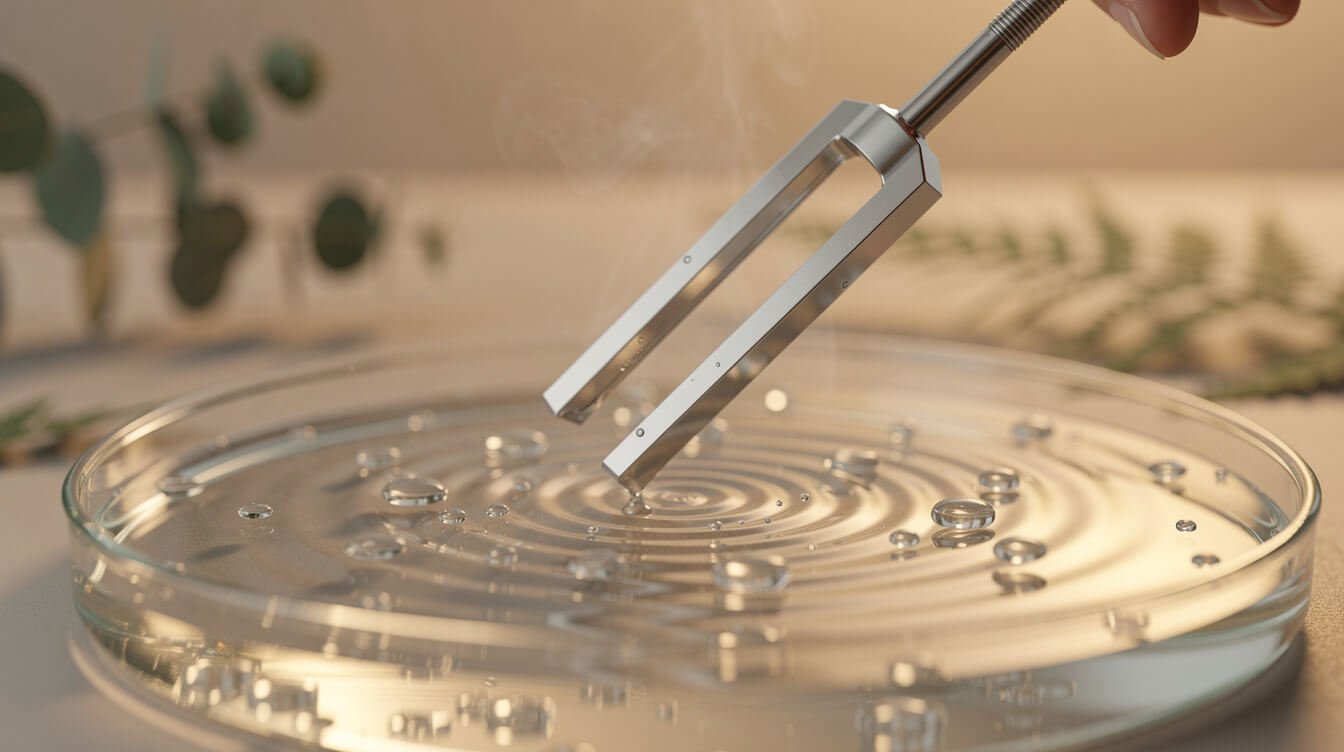
MỘT healing frequency refers to a specific sound vibration — measured in hertz (Hz) — that is believed to promote positive changes in the body, mind, or spirit. The idea is rooted in the principle that everything in the universe vibrates at a particular frequency, including our cells, organs, and tissues.
When we’re healthy and balanced, our bodies are thought to vibrate in harmony. Stress, illness, or emotional upheaval may disrupt this natural resonance. Healing frequencies aim to restore that balance by introducing specific sound vibrations that interact with the body’s own energy.
How Sound Interacts With the Body
Sound is a mechanical wave that travels through air, water, and solid materials. When sound waves reach your body, they don’t just enter through your ears — they create vibrations that your skin, bones, and organs can feel. This is why standing near a bass speaker feels physically different from listening through earbuds.
Research in the field of psychoacoustics has shown that specific sound patterns may influence:
- Brainwave states — through a process called entrainment, external rhythms may encourage the brain to synchronize its electrical activity with the frequency it hears
- Heart rate variability — certain sounds and musical patterns appear to support the parasympathetic nervous system
- Cortisol levels — several studies suggest that music and tonal therapies may help reduce the body’s primary stress hormone
- Cellular response — emerging research in vibroacoustic therapy shows that low-frequency sound vibrations applied directly to the body may influence tissue at a cellular level
The key takeaway? While we should be cautious about specific claims, there’s growing scientific support for the idea that sound — and by extension, healing frequency — may meaningfully interact with our biology.
The Solfeggio Healing Frequencies Explained

The Solfeggio frequencies are the most widely discussed healing frequencies. Originally associated with ancient Gregorian chants, these specific tones have been popularized in the modern wellness world as tools for meditation, relaxation, and spiritual growth.
Here’s a breakdown of the seven core Solfeggio frequencies and what practitioners traditionally associate them with:
396 Hz — Liberation and Grounding
This frequency is associated with releasing fear, guilt, and negative thought patterns. Practitioners connect it to the root chakra and use it for grounding practices that may help foster a sense of security and stability.
417 Hz — Transformation and Creativity
Linked to the sacral chakra, 417 Hz is traditionally used for facilitating change and clearing past traumas. Many sound therapists recommend it during meditation sessions focused on emotional healing and creative expression.
528 Hz — The “Love Frequency”
Perhaps the most famous healing frequency, 528 Hz has been called the “miracle tone” and the “love frequency.” Research suggests that this frequency may have a calming effect on the nervous system. A 2018 study published in the Journal of Addiction Research & Therapy found that 528 Hz music reduced anxiety in participants. It’s associated with the solar plexus chakra and themes of personal transformation.
639 Hz — Connection and Harmony
Associated with the heart chakra, this frequency is traditionally used to support relationships, communication, and emotional balance. Sound practitioners often incorporate it into sessions designed to cultivate compassion and understanding.
741 Hz — Expression and Clarity
Linked to the throat chakra, 741 Hz is believed to support self-expression and clear communication. It’s commonly used during practices focused on finding one’s voice and speaking with authenticity.
852 Hz — Intuition and Awareness
Associated with the third eye chakra, this frequency is used in meditation practices aimed at deepening intuition and spiritual insight. Practitioners report that it may help quiet mental chatter and enhance inner awareness.
963 Hz — Spiritual Connection
The highest of the core Solfeggio frequencies, 963 Hz is connected to the crown chakra and themes of unity, wholeness, and spiritual awakening. It’s often used at the conclusion of sound healing sessions as a way to expand consciousness.
It’s worth noting that while these traditional associations are meaningful to many practitioners, the specific chakra connections and claimed effects of individual frequencies have not been rigorously validated by peer-reviewed research. The therapeutic value of these frequencies likely comes from the overall experience of intentional listening, deep relaxation, and meditative focus rather than from the precise Hz value alone.
The Science Behind Healing Frequency: What Research Suggests

Sound healing has moved well beyond the realm of folk medicine. While the field is still young, a growing body of research supports the therapeutic potential of specific sound frequencies and vibration-based therapies.
Brainwave Entrainment
One of the most well-documented mechanisms behind healing frequency is brainwave entrainment. When you listen to a steady rhythmic sound, your brain tends to synchronize its electrical activity to match that rhythm. This principle underlies breathwork practices and meditation techniques that use rhythmic patterns to shift mental states.
Different brainwave states correspond to different experiences:
- Delta waves (0.5–4 Hz) — deep sleep and physical restoration
- Theta waves (4–8 Hz) — deep meditation, creativity, and emotional processing
- Alpha waves (8–14 Hz) — calm alertness, relaxation, and present-moment awareness
- Beta waves (14–30 Hz) — active thinking, focus, and problem-solving
Binaural beats — where slightly different frequencies are played in each ear — are one practical application. When you hear 400 Hz in one ear and 410 Hz in the other, your brain perceives and responds to a 10 Hz “beat” in the alpha range. Multiple studies have found that binaural beats may reduce anxiety and improve sleep quality.
Vibroacoustic Therapy
Vibroacoustic therapy (VAT) applies low-frequency sound vibrations (typically 30–120 Hz) directly to the body through specially designed mats, beds, or chairs. Research published in journals including Pain Research and Management và Nordic Journal of Music Therapy has found that VAT may help with pain management, muscle tension, and stress reduction.
This research is particularly relevant because it demonstrates that sound frequencies don’t just affect us psychologically — they may have measurable physiological effects. If you’re interested in how frequency-based therapies interact with the body at a cellular level, our guide to Cách thức hoạt động của liệu pháp PEMF explores a related mechanism.
Music Therapy and Stress Reduction
Broader music therapy research supports the healing potential of intentional sound. A 2020 systematic review in the Journal of Clinical Medicine found that music therapy interventions may help reduce cortisol levels, lower blood pressure, and decrease perceived pain in clinical settings.
While these studies don’t always test specific healing frequencies in isolation, they consistently demonstrate that structured sound experiences can produce measurable changes in our stress response, immune function, and emotional regulation — supporting the broader premise behind healing frequency practices.
How to Use Healing Frequencies in Your Daily Wellness Routine
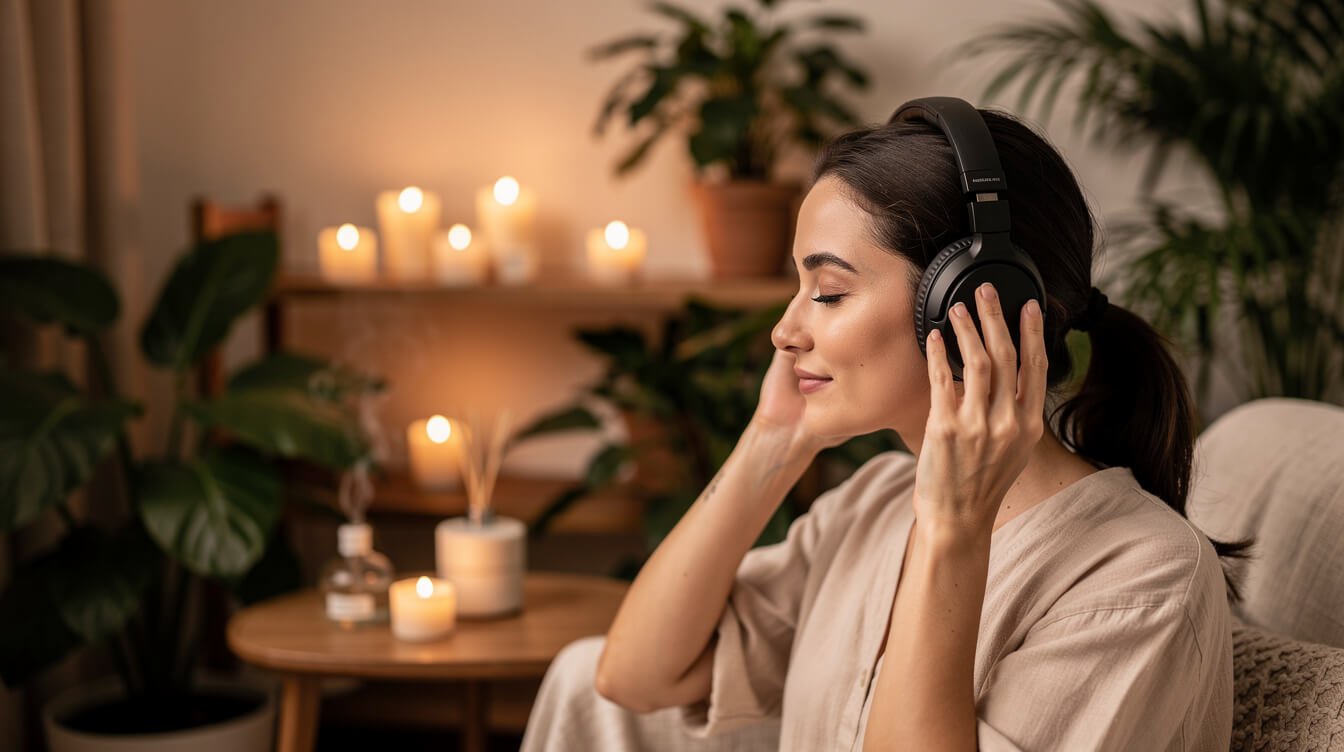
You don’t need expensive equipment or formal training to explore healing frequencies. Here are practical, evidence-informed ways to incorporate them into your life:
1. Morning Meditation With Solfeggio Tones
Start your day with 10–15 minutes of quiet listening. Choose a Solfeggio frequency that matches your intention — 528 Hz for calm and balance, or 396 Hz for grounding before a demanding day. Use headphones for the best experience, close your eyes, and focus on your breathing. This pairs beautifully with breathwork techniques for an amplified calming effect.
2. Binaural Beats for Focus or Sleep
Use binaural beat tracks during work sessions (beta range, 14–30 Hz) for enhanced focus, or before bed (delta range, 0.5–4 Hz) to support deeper sleep. Look for tracks on streaming platforms labeled by Hz range. Always use stereo headphones — binaural beats require different frequencies in each ear to create the entrainment effect.
3. Sound Bath Sessions
Attend a local sound bath or healing circle where a practitioner uses singing bowls, gongs, and tuning forks tuned to specific frequencies. These group experiences offer deep relaxation and a sense of community. If you’re new to holistic wellness practices, a sound bath is one of the most accessible starting points.
4. Background Frequency Music
Play healing frequency music softly in the background during yoga, stretching, or your daily walk. Even at low volumes, these tones may help create a calming environment that supports your parasympathetic nervous system. Many people report feeling more centered and present during movement practices accompanied by healing frequencies.
5. Evening Wind-Down Ritual
Create a nightly wind-down routine that includes 10 minutes of low-frequency sound. Combine this with gentle stretching, dim lighting, and deep breathing for a multi-sensory relaxation experience that may support better sleep quality.
6. Frequency-Based Wellness Devices
Modern technology has brought the principles behind healing frequency into wellness devices you can use at home. Pulsed electromagnetic field (PEMF) devices, for example, deliver specific electromagnetic frequencies directly to the body. Research suggests that PEMF therapy at various frequency settings may support circulation, reduce inflammation, and promote recovery. If you’re curious about the frequency ranges used in PEMF therapy, our PEMF frequency chart provides a detailed breakdown.
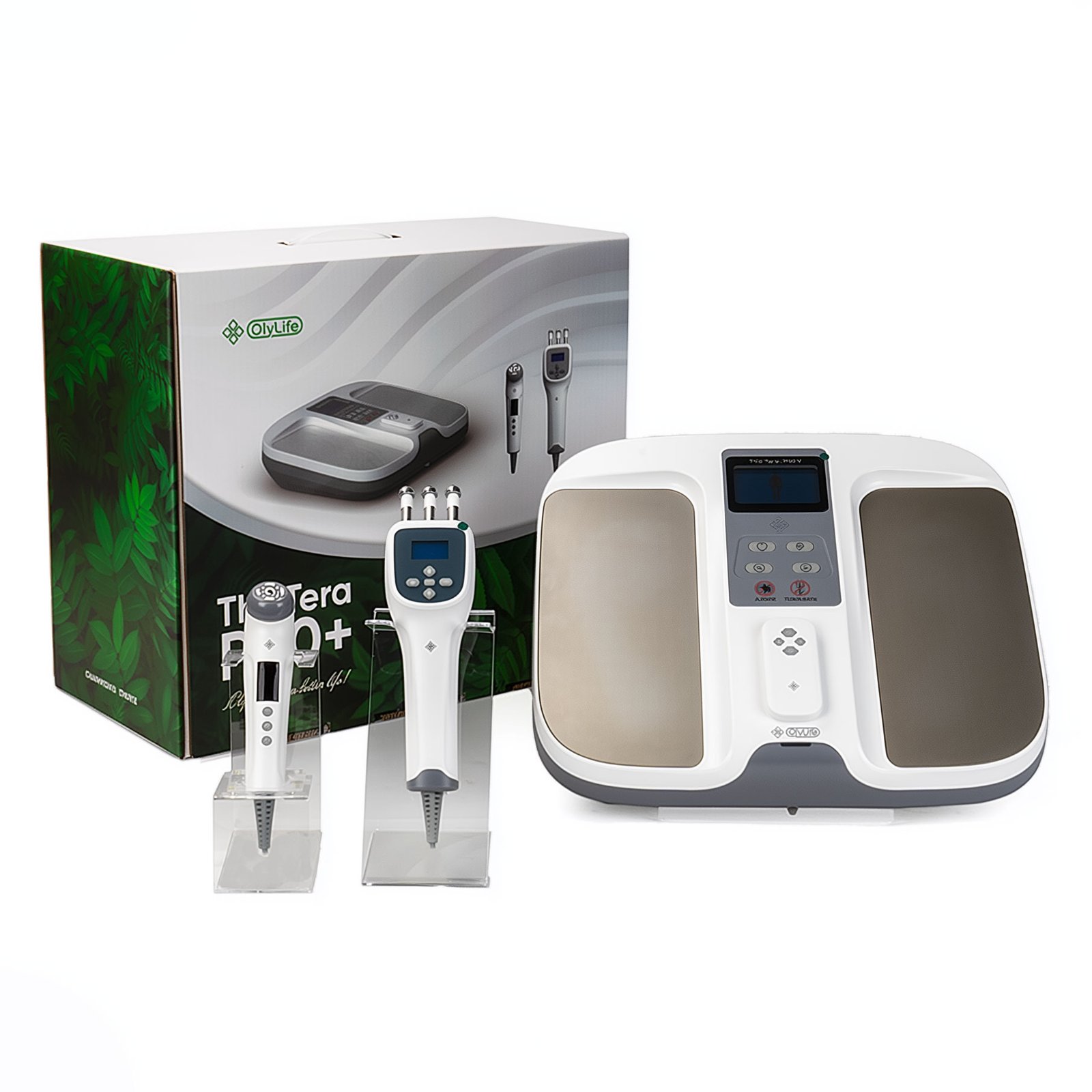
Cuộc sống Oly OlyLife Tera-P90+ combines PEMF technology with terahertz frequency therapy, offering a modern approach to frequency-based wellness that you can incorporate into your daily routine from the comfort of home.
🎁 Nhận quà tặng chăm sóc sức khỏe miễn phí
Hãy nhập tên và email của bạn bên dưới để nhận quà tặng chăm sóc sức khỏe đặc biệt từ OlyLife — hoàn toàn miễn phí!
Healing Frequency and Modern Wellness Technology
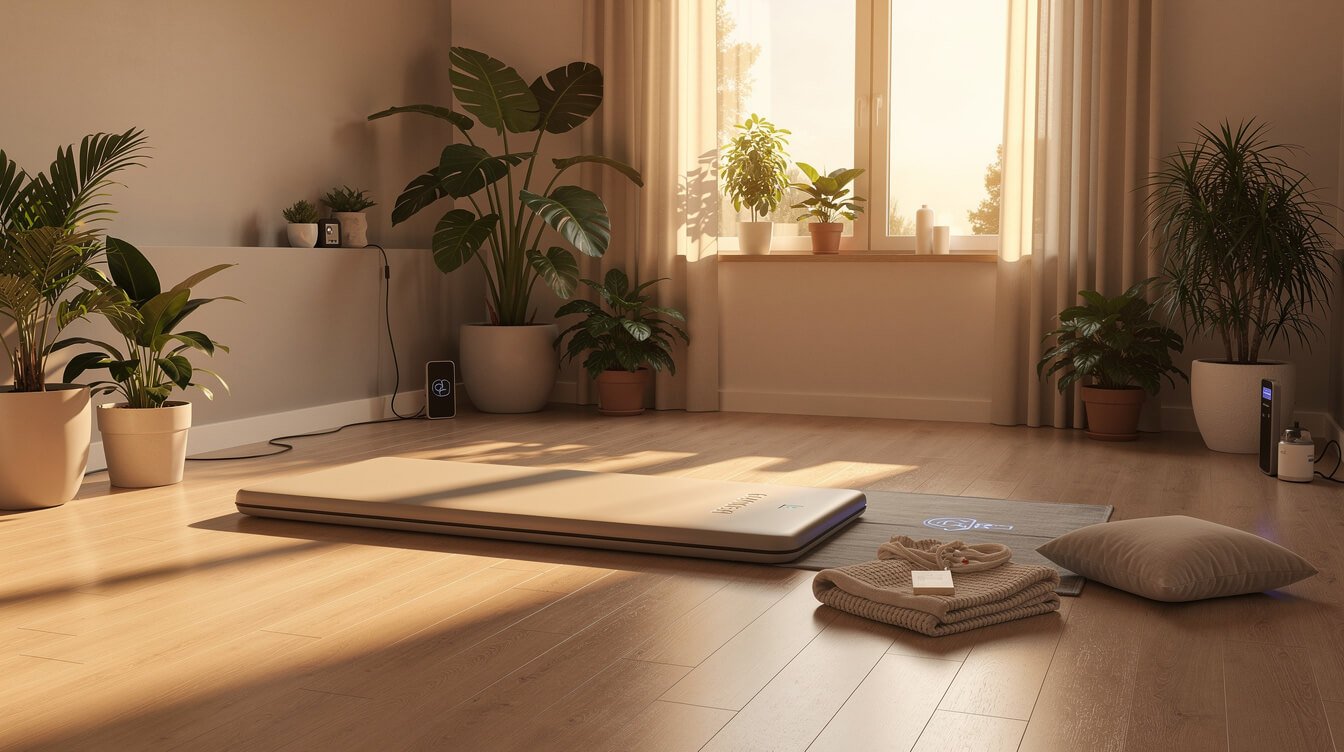
The ancient understanding that specific vibrations may support healing has found new expression in modern wellness technology. Today, several evidence-backed modalities use carefully calibrated frequencies to interact with the body:
PEMF Therapy (Pulsed Electromagnetic Field)
PEMF devices deliver electromagnetic pulses at specific frequencies, typically ranging from 1 Hz to several thousand Hz. Over 2,000 peer-reviewed studies have explored PEMF therapy, with research suggesting it may support bone healing, reduce inflammation, improve circulation, and promote cellular repair.
What makes PEMF particularly interesting in the context of healing frequency is that it operates on many of the same principles — using precise frequencies to interact with the body’s natural electromagnetic environment. The key difference is that PEMF delivers these frequencies as electromagnetic pulses rather than audible sound waves, allowing them to penetrate deeper into tissue. Learn more about the science in our guide to PEMF therapy benefits.
Terahertz Frequency Therapy
Terahertz waves occupy the electromagnetic spectrum between microwaves and infrared light (roughly 0.1–10 THz). Research from institutions in China, Japan, and Europe suggests that terahertz frequencies may interact with hydrogen bonds in water molecules — and since the human body is approximately 60% water, this has sparked interest in potential wellness applications.
Early studies suggest that terahertz exposure at specific parameters may support cellular metabolism and microcirculation. While this field is still emerging, it represents a fascinating frontier in frequency-based wellness.
The Convergence of Ancient Wisdom and Modern Science
What’s remarkable about the current moment is how ancient healing traditions and modern technology are converging. The intuition behind singing bowls, chanting, and tonal meditation — that specific vibrations can influence our health — is now being explored through electromagnetic therapy, vibroacoustic medicine, and precision-frequency devices.
Whether you prefer the warmth of a traditional sound bath or the convenience of a home-use PEMF mat, the underlying principle remains the same: your body may respond positively to intentional, calibrated frequency exposure.
Experience Frequency Wellness at Home
The OlyLife Tera-P90+ combines PEMF and terahertz frequency technology in one smart device — bringing professional-grade frequency therapy into your daily wellness routine.
Frequently Asked Questions About Healing Frequency

What is the best healing frequency for anxiety?
Many practitioners recommend 528 Hz for anxiety relief, as a 2018 study found it may help reduce stress markers. Binaural beats in the alpha range (8–14 Hz) have also shown promise for calming the nervous system. The best approach is to experiment with different frequencies during quiet listening sessions and notice which ones help you feel most at ease. Combining frequency listening with breathwork exercises may amplify the calming effect.
How long should I listen to healing frequencies?
Most practitioners suggest starting with 15–20 minutes per session. Consistency matters more than duration — a daily 10-minute practice may be more beneficial than an occasional hour-long session. As you become more comfortable, you can extend sessions to 30–60 minutes. Many people incorporate healing frequencies into existing practices like meditation, yoga, or their evening wind-down routine.
Can healing frequencies replace medical treatment?
No. While research suggests that sound-based therapies may support overall wellness, they should be viewed as a complement to — not a replacement for — professional medical care. If you’re experiencing health concerns, always consult with a qualified healthcare provider. Healing frequencies work best as one element of a holistic approach to wellbeing that includes proper nutrition, regular exercise, adequate sleep, and stress management.
Do I need headphones for healing frequency music?
For binaural beats, yes — you need stereo headphones because the effect relies on hearing slightly different frequencies in each ear. For Solfeggio frequency music and other tonal therapies, headphones can enhance the experience but aren’t required. Speaker-based listening is fine for creating a healing ambient environment. Some practitioners even argue that full-body exposure through speakers allows the sound vibrations to reach more of your body.
What’s the difference between healing frequencies and PEMF therapy?
Traditional healing frequencies use audible sound waves to influence the body, while PEMF therapy uses pulsed electromagnetic fields at specific frequencies. Both operate on the principle that precise frequencies may interact with the body’s natural processes. The main difference is the delivery mechanism — sound enters primarily through the ears and surface vibrations, while PEMF electromagnetic pulses can penetrate deeper into tissue. Many people find value in combining both approaches. Our guide to how PEMF therapy works explains the mechanism in detail.
Are there any side effects of listening to healing frequencies?
For most people, healing frequency listening is very safe. Some individuals may experience mild headaches or emotional releases during initial sessions, particularly with binaural beats. Start with shorter sessions at moderate volume and gradually increase. If you have epilepsy or a seizure disorder, consult your doctor before using binaural beats, as rhythmic auditory stimulation can potentially trigger seizures in sensitive individuals.
Final Thoughts: Tuning Into Your Natural Wellness
The world of healing frequency bridges ancient wisdom with modern science in a way that’s both fascinating and practically useful. Whether you’re drawn to the meditative qualities of Solfeggio tones, the focused benefits of binaural beats, or the emerging potential of electromagnetic frequency therapies like PEMF, there’s a frequency-based practice that may complement your wellness journey.
What makes healing frequencies particularly appealing is their accessibility. You can start exploring today with nothing more than a pair of headphones and a streaming service. From there, you might find yourself deepening your practice with sound bath experiences, dedicated meditation routines, or home-use frequency wellness devices.
The evidence suggests that our bodies do respond to intentional frequency exposure — through relaxation responses, brainwave entrainment, and potentially even at the cellular level. While we should remain thoughtfully skeptical of grand claims about specific Hz values, the broader principle that vibration and frequency may support wellness is increasingly well-supported by research.
Your path to frequency-based wellness doesn’t need to be complicated. Start with what resonates — quite literally — and build from there. Whether it’s five minutes of morning listening or a weekly sound bath ritual, every step toward intentional frequency practice is a step toward more holistic sức khỏe.