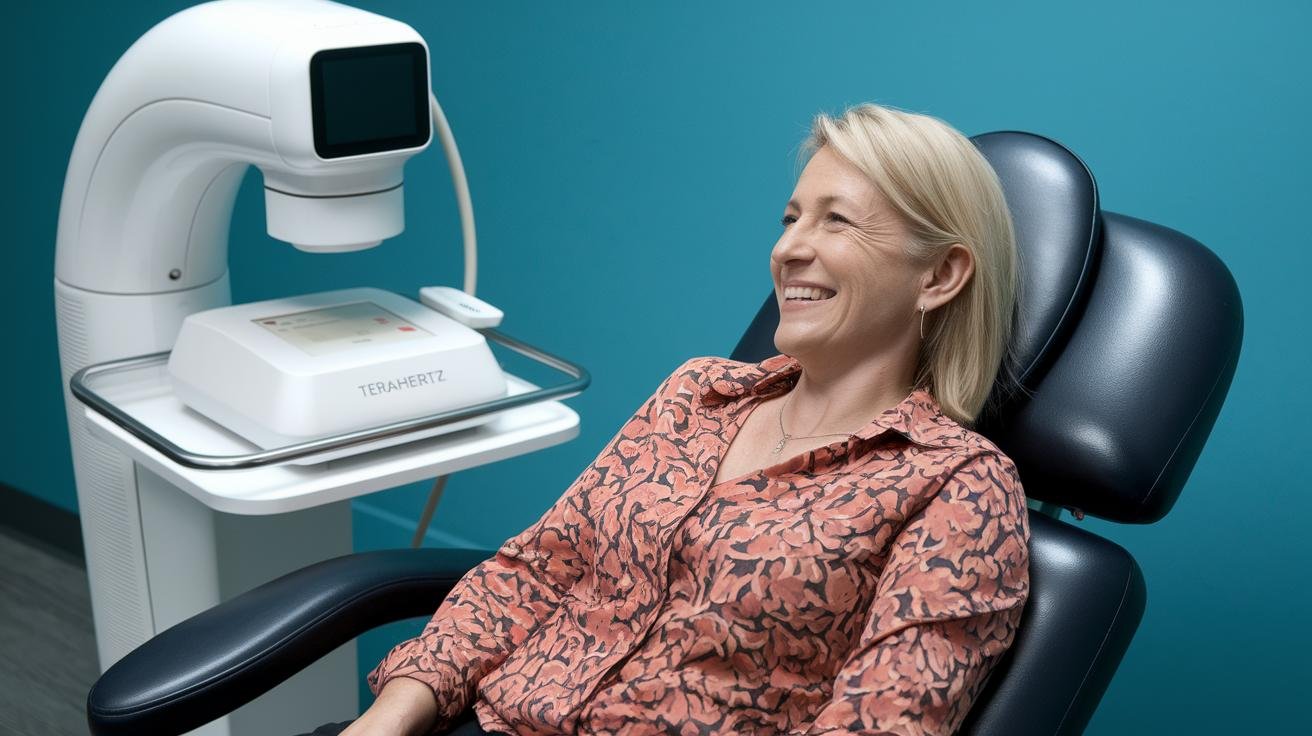
Have you ever wondered if a beam of light you can’t see is mostly harmless, or if it’s inviting invisible harm? Terahertz therapy (using terahertz waves, a band of energy between microwaves and infrared) feels more like a gentle hum of energy than a harsh beam.
Relax. These waves are non-ionizing (they don’t strip electrons or break DNA the way X-rays do). Because of that, experts generally say terahertz at low intensities seems safer than ionizing radiation.
Clinical and lab studies usually show mild, manageable effects when devices are used as directed, but long-term human data are still limited. Wait, let me clarify: that means short-term use appears okay, yet we’re still learning about long-term exposure.
My take: used conservatively, terahertz therapy seems mostly benign. Start low, notice how you feel, and check with a clinician if you’re worried.
Terahertz Therapy Safety And Side Effects Mostly Benign
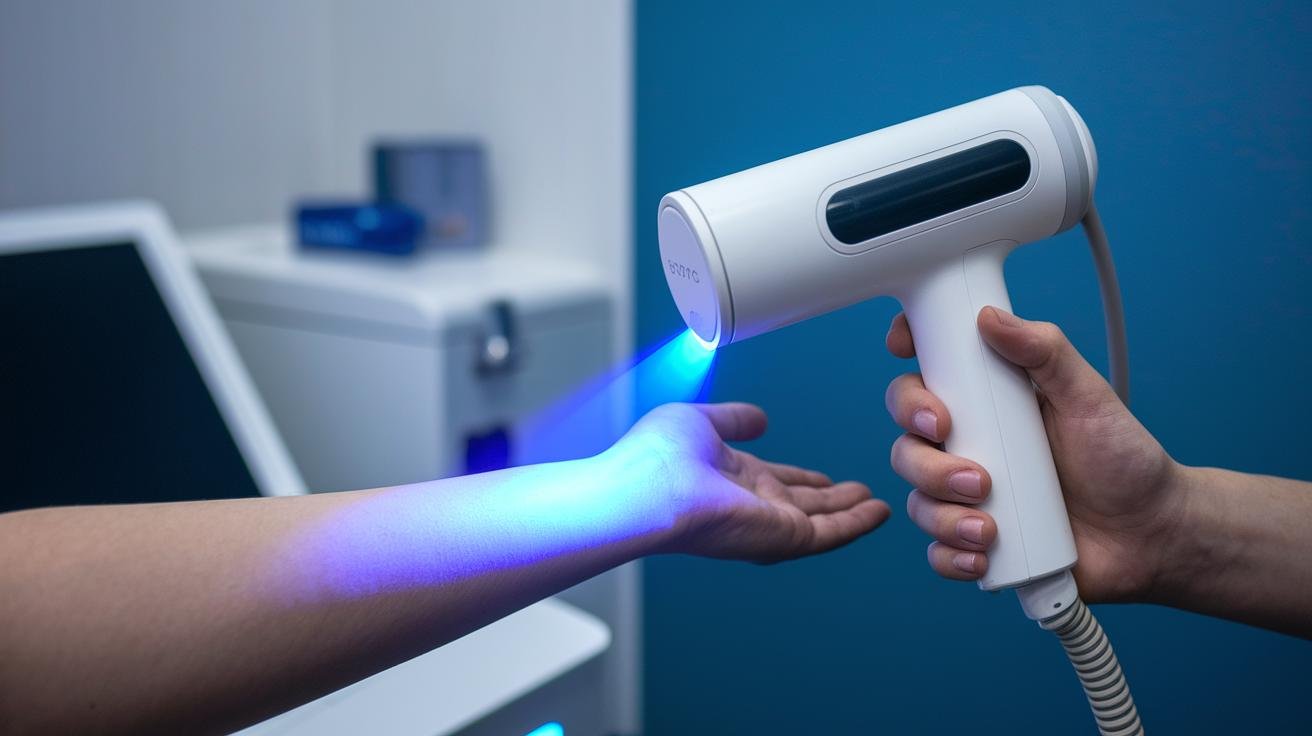
Terahertz therapy uses electromagnetic waves in the 0.1-10 THz range (terahertz = frequencies sitting between microwaves and infrared). Think of it as a gentle hum of energy rather than a harsh beam. It’s a different kind of light.
At low intensities these waves are non-ionizing (they don’t break DNA the way X-rays do). That basic difference is the heart of why terahertz therapy feels safer than ionizing modalities.
Clinical and lab studies generally show a favorable safety profile when devices are used as intended. Short exposures below about 10 mW/cm² are treated as a practical cutoff to avoid heating the skin. Controlled experiments and small clinical reports haven’t shown clear DNA damage under those limits, but human data is still fairly limited. For a focused summary of findings, see clinical evidence for terahertz therapy.
Regulators and experts often lean on broader non-ionizing radiation standards like IEEE C95.1 and ANSI Z136.1 because device-specific rules are still sparse. That helps clinicians and users compare terahertz risks to better-known options like LED or infrared therapy.
Practical safety tips:
- Start low and short. Try a brief, low-intensity session first and see how your body reacts.
- Keep a little distance from the skin when you can; it reduces heating.
- Protect your eyes from direct beams , sunglasses won’t do, follow device guidance.
- Prefer devices with third-party verification of output and clear testing data.
In truth, there’s no widespread alarm about properly used terahertz devices, but long-term, repeated-use data aren’t complete. If you’re curious or cautious, look for transparent testing, use a conservative approach, and check with a clinician if you have specific health concerns. Relax. Breathe. Start slow, and pay attention to how you feel.
Common Side Effects of Terahertz Therapy
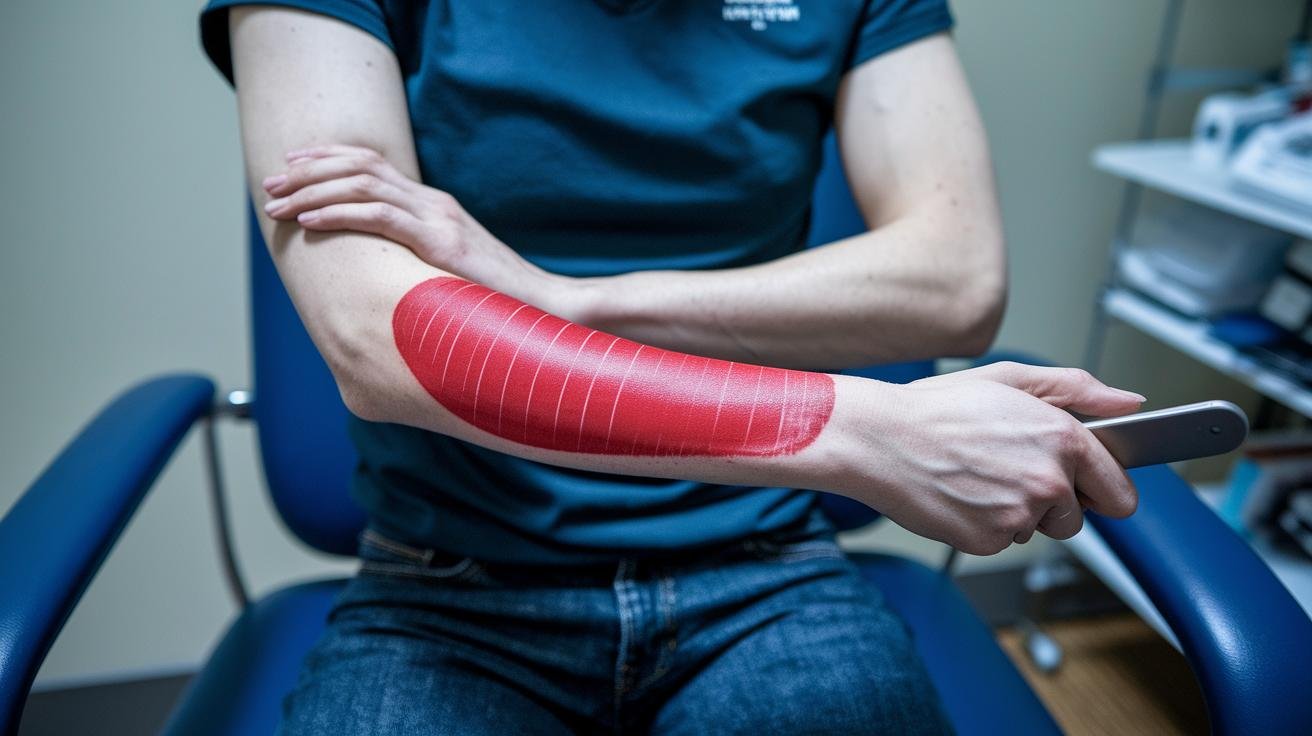
Most people have mild, short-lived reactions after a terahertz session. Terahertz waves (very high-frequency electromagnetic waves) mostly heat the skin surface, so you'll often feel a warm, local sensation that fades in a few hours. Have you ever noticed a gentle warmth after a spa treatment? It’s similar.
Thermal effects are the most common. Because the energy is absorbed in the top 1 mm of skin, longer sessions or higher intensity can cause surface redness or mild irritation. Think of it like sun-warmed skin rather than a deep burn.
There are also non-thermal responses as the body adjusts. Some folks report brief fatigue or small changes in heart rate after treatment. These usually settle in minutes to a few days as you rest and hydrate.
Eye safety matters. Direct exposure near the eyes can cause sensitivity or discomfort. Don’t look at active emitters and follow the device instructions for eye protection. If you feel eye pain or sudden vision change, stop and seek help.
Rarely, people have allergic-type reactions such as a mild rash or breathing difficulty. These are uncommon but serious. Stop treatment right away and get medical care if you have trouble breathing or a spreading rash.
| Side Effect | Typical Duration |
|---|---|
| Mild skin redness or irritation | Hours to 48 hours |
| Localized warmth or mild burning sensation | Minutes to hours |
| Mild fatigue or low energy | 1 to 3 days |
| Brief increases in heart rate or body temperature | Minutes to a few hours |
| Eye sensitivity or discomfort from direct exposure | Immediate; stops after avoiding direct beam |
| Rare allergic reactions (rash, breathing trouble) | Varies; seek medical help |
Most effects are temporary. Pause treatment if symptoms worsen, and test a small patch of skin first. Check with your clinician for anything persistent or unusual, and call emergency services for breathing problems. Oh, and here’s a neat trick: try a shorter, lower-intensity first session to see how your body reacts.
Optimal Dosage and Exposure Thresholds for Safe Terahertz Use
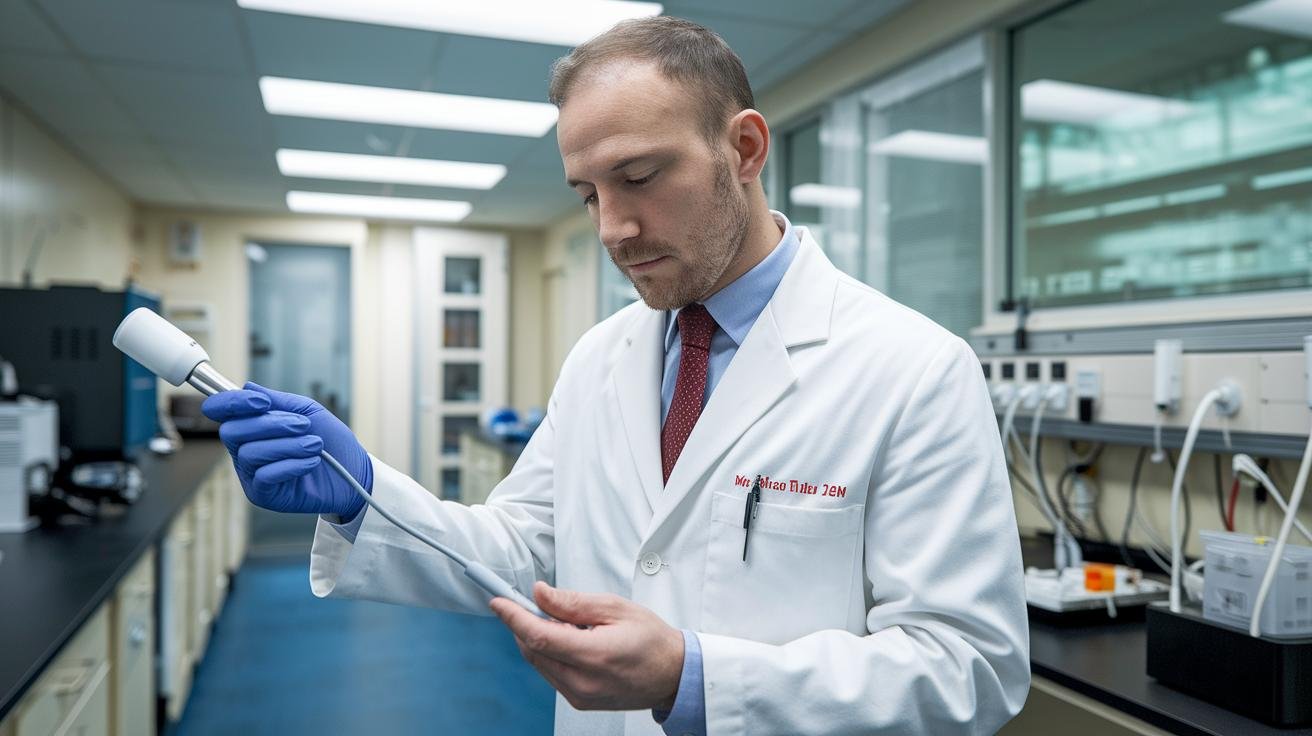
Think of terahertz sessions like a short, mindful tea break for your skin and cells. Most consumer devices work best with short, focused sessions, typically 10 to 30 minutes total, with each target spot getting about 1 to 5 minutes. New to this? Start with a gentle 5 to 10 minute trial and notice how your skin and energy respond.
Power density (power per area, measured in mW/cm²) matters a lot. Keeping the device about 8-10 inches from the skin usually keeps power density below roughly 10 mW/cm², a useful cutoff to avoid strong heating. Cross that level, or add longer exposure, and you raise the chance of thermal effects, moving toward the thermal damage threshold (the point where heat can harm tissue). So don’t ramp up intensity and time at the same moment.
Continuous versus pulsed settings change the risk picture. Pulsed modes deliver short bursts of energy and often lower the average heating, which can feel gentler on skin, like a soft pulse instead of steady warmth. Real-time temperature monitoring is helpful; a small skin thermometer or a built-in sensor can catch rising temps before a burn starts. If skin feels too warm, stop.
- Start with 5 to 10 minutes on a small test area.
- Keep 8-10 inches distance unless your device manual says otherwise.
- Treat each spot 1 to 5 minutes per session.
- Limit repeat sessions on the same spot to 2-3 times daily.
- Prefer pulsed modes for longer treatments when available.
- Use a temperature monitor and stop if skin feels uncomfortably warm or hot.
Test a tiny patch first and only increase time or intensity if comfort and skin response stay good. Simple. Predictable. Safe.
Regulatory and Professional Guidelines for Terahertz Therapy Safety

Most consumer terahertz devices are sold as wellness products and are not cleared by the FDA (U.S. Food and Drug Administration) for medical diagnosis or treatment. That means they’re often used outside of strict medical device rules, so users and clinics need extra caution.
Regulators and clinicians lean on broader non-ionizing radiation standards like IEEE C95.1 and ANSI Z136.1 to set exposure limits and safe practice. Non-ionizing radiation means low-energy waves that don't kick electrons out of atoms. Device-specific rules are still few and far between, so common standards fill the gap.
Practical safety tips
Here are simple, practical steps clinics and home users can follow to keep sessions safe. Want a quick, usable checklist? Start here.
-
Require clear standard operating procedures (SOPs) for every site. SOPs should cover device ID, pad placement, session settings, emergency stop steps, and a pre-session checklist. Example line: "Pre-session checklist – device model, emission report on file, pad placement confirmed, target time set."
-
Run routine quality assurance checks and keep a QA log. Note the date, who performed the check, and any corrective actions taken. It’s a small habit that pays off.
-
Ask manufacturers for third-party emission and power-density test reports and store those with the device records. Independent testing helps verify what the device actually emits.
-
Keep session records for every treatment: date, settings used, duration, operator, and any client-reported sensations or adverse signs. This makes trends and rare problems easier to spot.
-
Use temperature monitoring during treatment. A skin probe or an infrared thermometer can catch unwanted heating. Log temperatures when appropriate.
-
Train home users with a short hands-on demo, a printed quick-start, and a supervised first session. A simple script works well: "Place the pad here, start at low setting, stop if you feel persistent warmth or discomfort."
-
See the Optimal Dosage section for a fuller discussion of exposure thresholds, such as about 10 mW/cm² (milliwatts per square centimeter). We won’t repeat threshold claims here.
Home-use resource: terahertz therapy safety guidelines for home use – https://olylife.international/?p=1224
Mitigation Tactics and Best Practices in Terahertz Therapy Sessions
We removed the standalone checklist to avoid conflicting numbers and repeating guidance. For the single source of truth, see Mitigation checklist in Optimal Dosage/Regulatory sections. Follow the Optimal Dosage guidance, and when that differs from the device manual, follow the Optimal Dosage guidance.
A quick note about terms: terahertz (THz) therapy uses very high-frequency electromagnetic waves that can feel like gentle warmth on the skin. Have you ever felt a soft heat during a session? That’s often normal, but let’s keep safety simple and clear.
Practical safety tips and SOP items:
- Use intermittent cooling for large-area or repeat treatments. A gentle fan or cold packs work well between passes.
- Use light, breathable clothing as a superficial barrier when you don’t need direct skin contact. It helps reduce discomfort without blocking therapy.
- Collect informed consent and document it before starting. Example consent line: "We’ll try a short test and note any sensations. Do you consent to proceed?"
Contraindications (keep these together in your safety section):
- Implanted electronic devices like pacemakers or other active implants.
- Pregnancy.
- Active, broken, or inflamed skin conditions.
- Photosensitivity or a history of light-triggered reactions.
QA and recordkeeping:
- Keep a session log for every treatment. Note device settings, duration, distance and any sensations reported.
- Monitor skin temperature during longer treatments. A simple skin thermometer or infrared thermometer helps.
- Use eye protection or angle the device to avoid direct beams to the eyes. Safety first.
- Favor devices that allow independent output testing and verification.
Stopping criteria:
- Pause treatment and seek medical advice if you see persistent warmth, spreading redness, breathing difficulty, or any unusual symptoms. Trust your instincts.
- If symptoms don’t resolve or worsen, stop and refer the person for medical evaluation.
In truth, clear documentation and one authoritative guidance point keep things safe and simple. See Mitigation checklist in Optimal Dosage/Regulatory sections.
Contraindications and Special Population Safety in Terahertz Therapy

This is a short, practical summary to avoid repeating info. For the full, authoritative list see the Mitigation Tactics / Contraindications section. If you’re unsure about anything, check that entry or ask your clinician.
Key contraindications and special precautions (summary):
- Pregnancy and nursing mothers – we don’t have much safety data. Talk with your clinician before using terahertz therapy (uses very high-frequency electromagnetic waves).
- Pediatric users – safety data for children are limited. Get guidance from a pediatric clinician.
- Cancer patients – check with your oncologist before trying terahertz therapy. Treatments and tumors can behave differently.
- Electronic implants (pacemakers, neurostimulators) – need medical clearance. Devices can malfunction or heat up if they’re near the treatment site.
- Metal implants near the treatment area – metal can cause localized heating. Have a professional review your implant location first.
- Active or broken skin, open wounds, or recent procedures that compromise the skin barrier – wait at least 24 to 48 hours after chemical peels, microdermabrasion, or similar treatments before using terahertz therapy.
- Photosensitivity or light-triggered skin conditions – avoid direct exposure until a clinician clears you.
If you’re in a higher-risk group, consult a healthcare professional before using terahertz. Do a small patch test on a discreet area and watch for 24 hours before wider use. Follow your device manual closely. Stop use and seek care if you get persistent redness, breathing trouble, or any unusual symptoms. Oh, and if something feels too warm or odd around an implant or scar, pause and check with a pro.
Future Research and Long-Term Safety Considerations for Terahertz Therapy

Human long-term data for terahertz therapy (using electromagnetic waves just below the infrared range) are still thin, so it makes sense to be cautious. We need careful clinical trials and long-term follow up to know whether repeated use stays low-risk over months and years. Have you ever worried about a new wellness tool before it had enough safety data? You’re not alone.
Animal studies have shown possible protein disruption and genomic instability at high intensities, which raises real questions about dose, duty cycle (how long pulses last versus rest), and chronic exposure. That does not mean everyday, low-power sessions are unsafe, but it does mean researchers should map out safe exposure windows and watch biological markers over time. Think of it like testing sunlight: a little morning sun feels gentle, but bright midday sun can harm skin.
Next, here are practical research priorities to guide that work:
- Randomized clinical trials of terahertz therapy to test safety and measurable benefits across diverse people.
- Long-term follow-up studies that monitor skin health, immune markers, and any genomic signals for months to years.
- Meta-analyses that pool small trials and case reports to catch rare or delayed problems.
- Standardized reporting of device output, power density (watts per square centimeter), distance from skin, and session timing so results can be reproduced.
- Real-world registries to collect adverse events from both home use and clinic settings.
- Independent lab checks and third-party testing to verify emitted frequencies and power, so users aren’t exposed to unverified outputs.
In truth, until we have solid long-term human data, a conservative, watchful approach is the wisest path. If you’re using terahertz devices now, consider lower settings, shorter sessions, and staying informed as the science evolves. Relax. Breathe. We’ll learn more, step by careful step.
Lời kết
We covered terahertz therapy basics, clinical and preclinical safety findings, common short-term effects, exposure limits, regulatory notes, best practices, contraindications, and research gaps.
Start small, follow dosage guidance, watch for mild skin redness or fatigue, and use eye protection or cooling when needed. Test a small patch first and stop if anything feels off.
Overall, the balance of data and precautions helps keep terahertz therapy safety and side effects manageable, and we’re hopeful for gentle, steady recovery.
Câu hỏi thường gặp
Is terahertz treatment safe?
Terahertz treatment is generally safe when used properly because terahertz waves are non-ionizing and don’t directly damage DNA at low exposures; see clinical evidence for terahertz therapy for study summaries.
What is the side effect of terahertz?
The side effects of terahertz commonly include short-lived skin redness or irritation, mild fatigue lasting 1–3 days, localized warmth, brief heart-rate or blood-pressure rises, eye sensitivity, and rare mild allergic rashes.
What are the long-term side effects, including cancer or stroke risk?
Long-term side effects of terahertz are unclear from limited follow-up; controlled human studies show no DNA damage, but high-intensity animal work hints at possible protein or genomic changes, so more trials are needed.
Sóng terahertz tác động như thế nào đến cơ thể bạn?
Terahertz energy is absorbed mostly in the top millimeter of skin, producing localized warmth, mild surface heating, brief increases in heart rate or blood pressure, and sometimes temporary fatigue or skin irritation.
Are terahertz therapy machines regulated or approved?
Terahertz therapy machines are sold mainly as wellness devices without FDA clearance; safety guidance comes from non-ionizing-radiation standards like IEEE C95.1–2005 and ANSI Z136.1–2007, plus careful quality checks.
What do reviews say and what benefits are reported?
Terahertz therapy reviews often report perceived benefits such as reduced local pain, faster post-workout recovery, and improved sleep, though clinical evidence remains limited and varies by device and protocol.
Is terahertz safe after a brain stroke or for neurological conditions?
Terahertz safety after brain stroke or for neurological conditions is not well studied; current advice is to avoid use in high-risk cases until a clinician evaluates and clears the treatment.