Terahertz Therapy Device Preset Programs Explained Benefits
Think preset programs are just lazy shortcuts? Not at all. They’re like precise recipes that mix frequency, power, and session time so your terahertz device (it uses very high frequency energy waves) treats the right tissue layer at a safe intensity for the right amount of time.
Pick pain relief, skin care, or recovery, and the device applies matching settings, no guesswork. Think of it like setting a slow cooker to the perfect heat for exactly the right time, a mini spa treatment that’s dialed in for what you need.
This short guide shows how built-in terahertz presets work and why they matter: consistent results, safer sessions, and faster setup. Ready to find the preset that fits you and use it with simple confidence? Let’s go.
Overview of Built-in Terahertz Preset Programs

Built-in terahertz preset programs are ready-made treatment profiles that bundle frequency, power intensity, and session time into one selectable option. Pick a program for pain relief, skin care, or another goal, and the device applies the matching frequency, power, and duration so you don’t have to guess.
These presets typically cover the terahertz (THz) therapy range manufacturers find effective and safe. Lower terahertz frequencies tend to reach deeper tissues, while higher frequencies act closer to the skin surface. Power is kept within safe limits (to avoid overheating), and session times follow simple, easy-to-follow guidelines. For step-by-step operation, see the terahertz therapy device user guide.
| Parameter | Typical Range | Notes |
|---|---|---|
| Frequency | 0.1–10 THz | Lower end for deeper penetration; higher end for surface-level work |
| Power output | 10–100 mW (milliwatts) | Preset steps balance effect with safety |
| Session duration | 5–30 minutes per treatment area | Shorter for sensitive skin, longer for larger areas |
| Treatment distance | 1–3 cm from skin | Presets assume this spacing for consistent results |
| Intensity tiers | Low / Medium / High | Typical ranges: Low ~10–30 mW, Medium ~30–60 mW, High ~60–100 mW |
Presets make treatments feel consistent and repeatable. They cut setup time and lower user error, so you get a predictable match between your therapeutic goal and the right THz frequency, power setting, and session length, without extra tinkering. Oh, and a simple rule of thumb: start low, see how you feel, then step up if needed.
Clinical and Cosmetic Uses of Terahertz Preset Programs
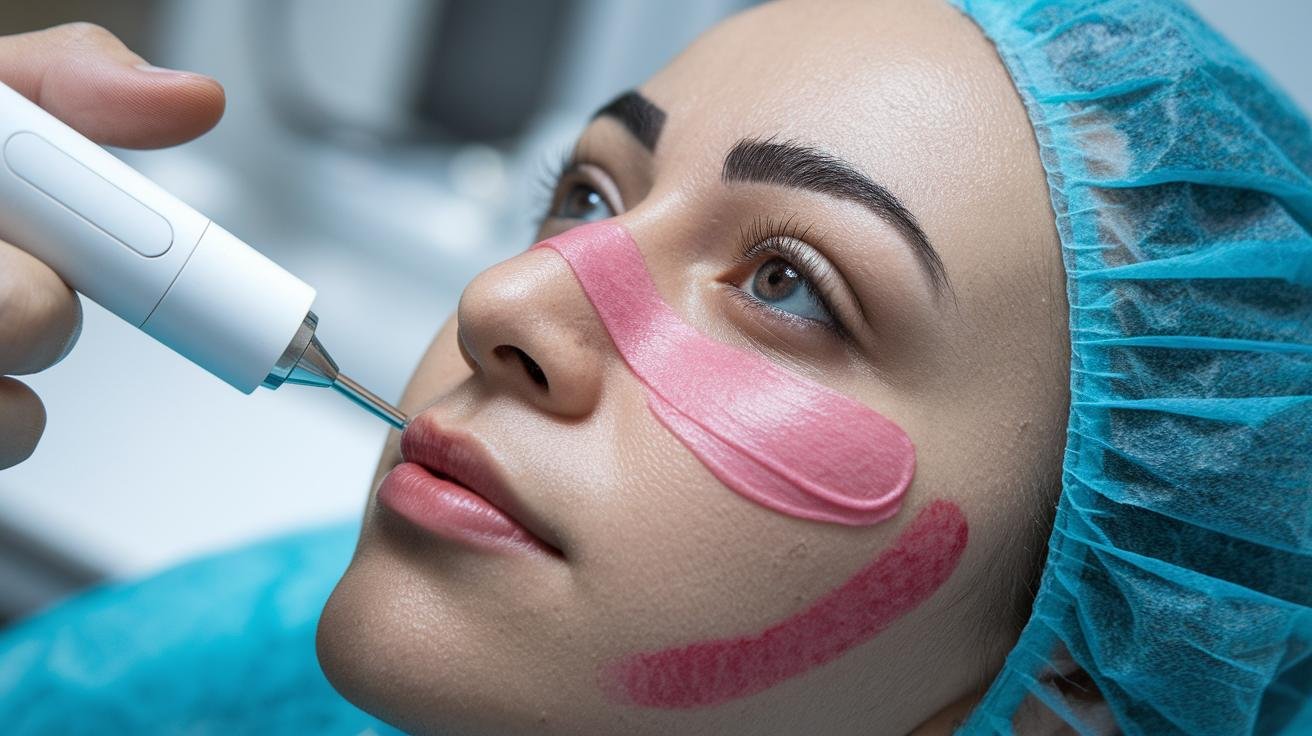
Built-in terahertz (THz) therapy device preset programs bundle frequency, power and time into ready-made options aimed at a specific goal. Think of them like playlists for your body, you pick the program and the device follows the script. They make choosing settings quick and low-stress.
Need deep pain relief? Choose the Pain Management Mode. Lower THz frequencies penetrate deeper, almost like a gentle pressure reaching into sore muscles. Want a glow or faster repair? Pick Skin Rejuvenation or Wound Healing. Higher THz sits more on the surface and works at the cellular level, like a warm sunrise waking up your skin cells. Have you ever felt tension melt away?
| Program Name | Frequency Range | Duration | Intended Effect |
|---|---|---|---|
| Pain Management Mode | 0.1–0.5 THz | 10–30 min | Deep tissue pain relief and muscle relaxation |
| Anti-Inflammatory Setting | 0.3–1.0 THz | 10–20 min | Reduce local inflammation and swelling |
| Skin Rejuvenation Program | 1–6 THz | 5–15 min | Surface renewal, collagen support and cosmetic smoothing |
| Microcirculation Enhancement | 0.5–2.0 THz | 10–25 min | Improve blood flow and oxygen delivery to tissues |
| Wound Healing Cycle | 1–4 THz | 10–30 min | Support cellular repair and speed tissue recovery |
Session length usually runs between 5 and 30 minutes per area, depending on sensitivity and the chosen program. Start with lower intensity and a shorter time, then notice how the area feels before you adjust. Short sessions first. If it feels good, you can gently increase time or intensity, presets keep that process safe and simple.
Selecting and Operating Terahertz Therapy Device Presets
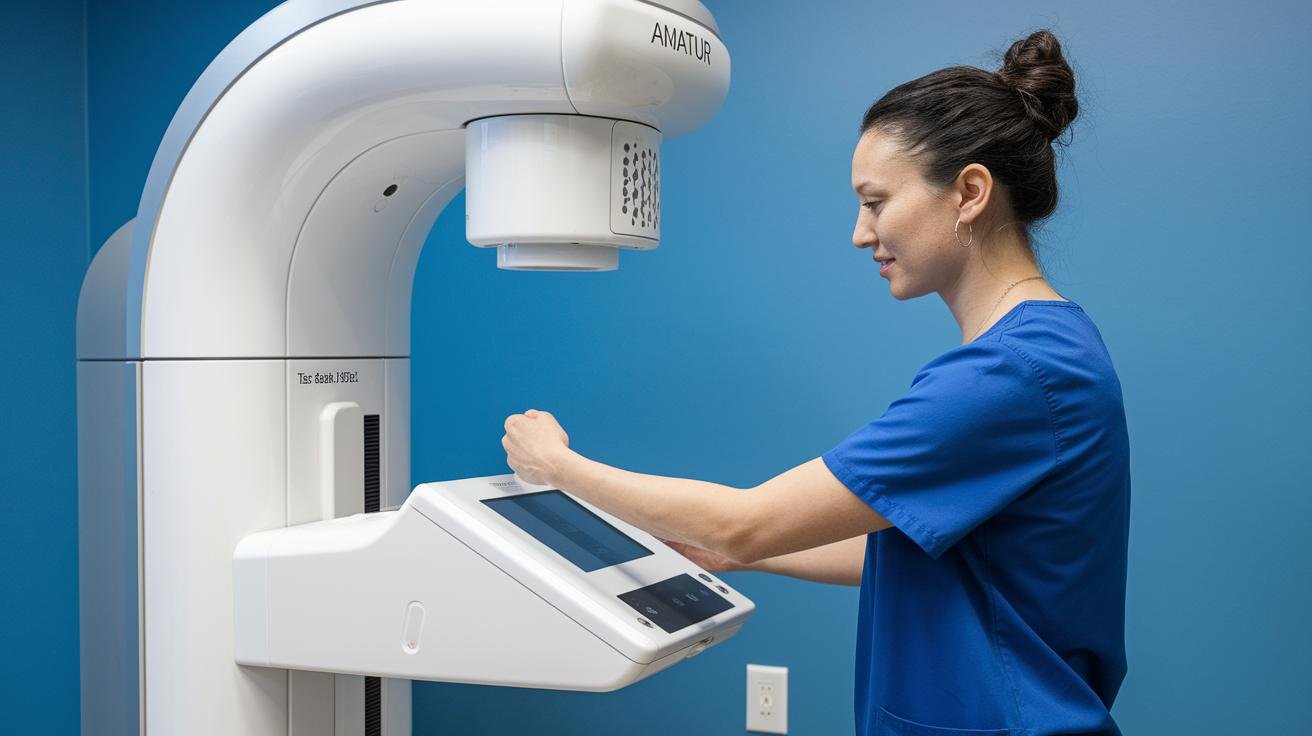
Start simple. Terahertz therapy (low-energy terahertz-band electromagnetic waves) uses presets that bundle frequency, power and time so you don’t have to guess. Have you ever wished a device just knew the right combo? These presets do most of the heavy lifting, once the unit is set up, they guide safe session length and intensity.
- Power on. Plug in or charge the unit, then switch it on and wait for the startup screen to appear.
- Warm up. Run the warm-up routine (usually 30 to 60 seconds) so the emitter steadies, you’ll often feel a gentle hum as output stabilizes.
- Calibrate. Follow on-screen prompts or the manual checklist to confirm output levels and sensor alignment. Wait, let me clarify: calibration makes sure the device delivers what the preset promises.
- Pick a preset. Use the touchscreen and the navigation guide to choose a program for pain, inflammation, skin work or microcirculation; the suggested session time shows with each preset.
- Adjust power and duration. Start low and short. Raise settings slowly only if the treatment feels comfortable and you see a positive response.
- Start the session. Hold the treatment head steady about 1 to 3 cm from the skin. Monitor skin sensation and stop if you notice irritation, excessive warmth or any unusual feeling.
Read your device manual for model-specific tips and safety limits, those details matter. Log how you feel after every session so small preset tweaks help you find your sweet spot. Relax. Breathe. You’ll get better at tuning the settings as you go.
Benefits and Safety Considerations of Terahertz Preset Modes

Terahertz (THz) preset modes are just device settings that control energy in the terahertz band (electromagnetic waves between microwaves and infrared). Think of them like different cooking settings on a stove , each one changes how the device delivers energy. They can be useful, but how they’re set matters.
Clinicians and engineers treat these modes as tools that work best when the device keeps outputs inside established non-ionizing exposure limits (non-ionizing means it doesn’t strip electrons from atoms) and the maker’s own power caps. Consensus groups like ICNIRP (International Commission on Non-Ionizing Radiation Protection) and standard test methods from IEEE and IEC guide maximum power density and safe exposure times. Those standards are the road map for measurements and safety testing.
When studies follow those preset protocols and limits, peer-reviewed trials report no lasting tissue damage. In plain terms, used as tested, these modes haven’t shown long-term harm. It’s a bit like staying in the shallow end of a pool instead of jumping into the deep part.
If a manufacturer follows the standards and publishes test results or compliance statements, that’s the clearest safety signal for home or clinic use. Look for labels, test reports, and clear power limits , they really matter. And if you have implantable electronics, a pacemaker, or you’re pregnant, ask your clinician and follow the device labeling instead of general advice. Safety first.
Terahertz Therapy Device Preset Programs Explained Benefits

Advanced terahertz (THz) devices let you pick and tweak built-in presets so each session matches the tissue you’re treating and how comfortable you want to feel. Think of the device as a gentle engine of energy meeting skin and deeper tissue, with controls that shape how that meeting feels. Have you ever wanted a repeatable routine that still fits each person? This helps with that.
The main controls are simple and purposeful: pulse width (the length of each energy burst), beam modulation (how the energy is delivered in a pattern), and power output (milliwatt levels, measured in mW). You can also make and save custom profiles so your favorite combo is ready next time, no guessing. Oh, and here’s a neat trick: start with small changes and note how the tissue responds before dialing things up.
Guided treatment mode (on-screen, step-by-step prompts) walks you through setup and timing, so you get a predictable, hands-off run when you want it. Firmware update (device software update) can add new preset programs or safety patches, so the machine evolves as protocols improve. Try guided modes for consistency, and use custom profiles when you want a personalized repeatable session.
- Adjustable pulse width (length of each burst) , fine-tune short or long bursts to create gentler or firmer cellular stimulation. Think of it like the length of a massage stroke.
- Beam modulation (patterned delivery of energy) , pick continuous, pulsed, or patterned modes to match superficial or deeper tissue needs. It changes how the energy feels, like steady warmth versus a rhythmic tap.
- Power output optimization (milliwatt, mW, level) , set safe power so you balance effect and thermal comfort; lower for tender skin, higher for deeper work.
- Custom profile creation (save-and-recall settings) , store your preferred combo of pulse, pattern, and power for consistent sessions without reprogramming.
Relax. Breathe. Log each session’s settings and tissue response so you build a small library of what works. Then, when you want predictability, switch to guided mode and let the device do the timing.
🎁 Get a Free Wellness Gift
Enter your name and email below to receive a special wellness gift from OlyLife — absolutely free!
Compliance and Maintenance for Terahertz Therapy Devices
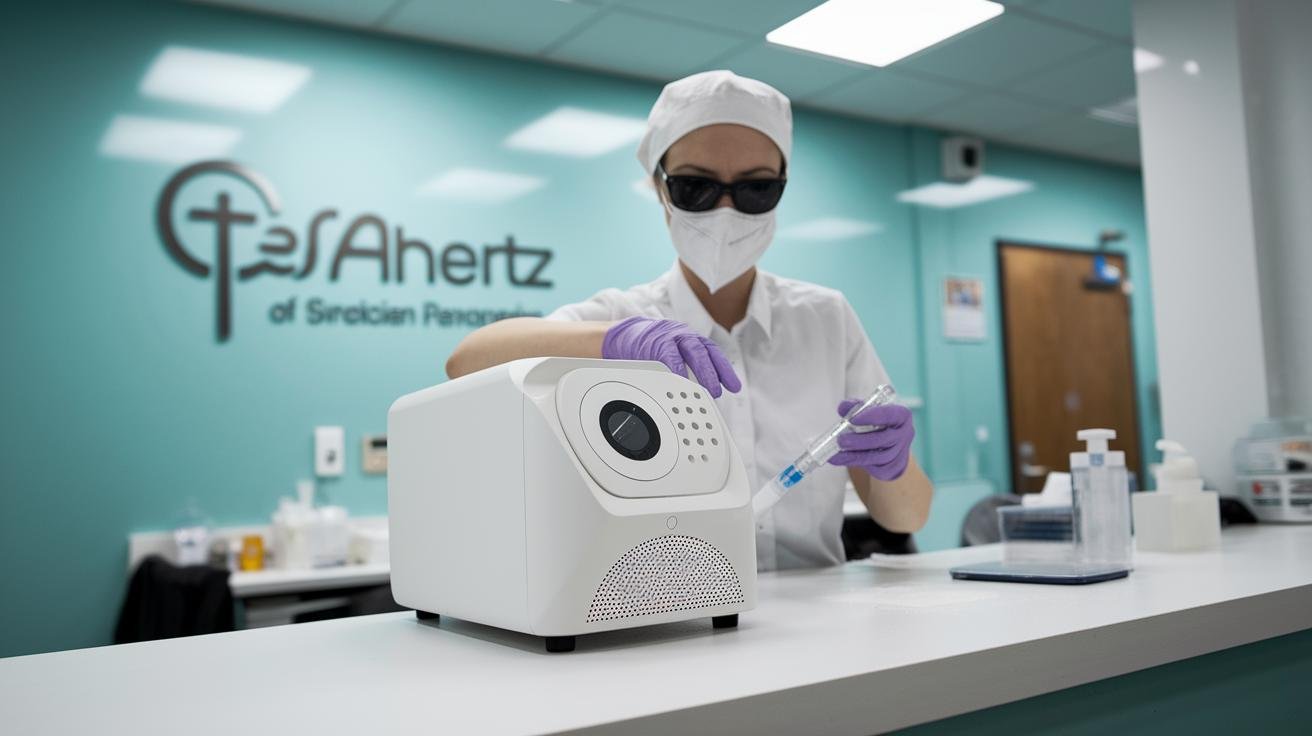
Terahertz therapy (uses very high-frequency electromagnetic waves) can be powerful, so pick devices that clearly show compliance. Look for a CE mark for many markets, ISO 13485 (a quality-management standard for medical devices), and FDA clearance where that applies. Have you ever bought gear without proof? Don’t do that here.
Make sure the device comes with test reports, clear labeling, and a readable user manual that lists emergency shutdown steps and service contact info right up front. If those documents are missing, pause and ask the manufacturer for proof before you buy.
Keep a simple maintenance plan so the device stays safe and reliable. Monthly calibration checks make sure output and sensors are where they should be. Quarterly cleaning of the treatment head helps avoid residue and keeps emission steady. Oh, and log every check and repair , that log is your safety history for reviews or audits.
- Weekly: Inspect power cords, connectors, treatment head, and housing for cracks, frayed cables, or loose fittings. Fix or remove anything unsafe.
- Monthly: Run the device calibration or self-test exactly as the manual says; record readings and compare them to the factory tolerances.
- Quarterly: Power down, then gently wipe non-electrical surfaces of the treatment head and nearby areas with medical-grade alcohol on a lint-free cloth. Never immerse parts in liquid. Let everything air dry fully before restarting.
- As scheduled: Install firmware updates and replace consumables or seals per the manufacturer. Use authorized service for repairs.
- Accessibility: Post emergency shutdown steps and the service contact near the device. Keep maintenance logs with patient session records for fast reference.
When cleaning, think of it like wiping a camera lens , precise and gentle. Use only approved cleaning agents and don’t let fluids run into connectors or openings.
If a user has implants or special health concerns, follow the device labeling and check with a clinician before treatment. Keep service contacts handy so a trained technician can respond quickly if calibration drifts or a fault shows up.
Final Words
Presets pack frequency, power and duration into repeatable programs that make pain relief, skin care, sleep support and muscle recovery easier to use.
You saw how presets map to clinical goals, how to set up and calibrate the device, what safety limits matter, and how to personalize settings while keeping maintenance up to date.
If you want step-by-step detail, check the terahertz therapy device preset programs explained section in the user guide. Oh, and try a short session tonight. You might notice calmer muscles and softer sleep, good things ahead.
FAQ
FAQ
What does terahertz frequency do to the body?
Terahertz frequency affects the body by interacting with water and molecules; lower THz penetrates deeper, higher THz targets surface layers, and it can influence microcirculation, inflammation, and cellular signaling depending on dose and time.
What are the side effects of terahertz therapy, including wands and blowers?
The side effects of terahertz therapy include mild skin redness, irritation, temporary warmth, rare burns from overheating, and increased risk for people with implants or electronic medical devices; consult a clinician for safety guidance.
What types of terahertz devices exist and how do machines, wands, and blowers differ?
Terahertz devices come as clinical machines, handheld wands, and blower applicators; they differ in power, beam shape, and treatment area—with wands for focused spots and machines for preset clinical protocols.
What benefits are claimed for terahertz blower therapy and what do reviews say?
The benefits of terahertz blower therapy often cited are improved microcirculation, pain relief, and smoother skin; reviews are mixed and largely anecdotal, with stronger evidence needed from controlled clinical trials.
Is terahertz therapy good for arthritis or stroke patients?
Terahertz therapy for arthritis and stroke shows early promise—reduced inflammation and improved microcirculation for arthritis, while stroke research is preliminary; medical supervision is advised before use in either case.
How do you measure terahertz frequency?
Terahertz frequency is measured using terahertz time-domain spectroscopy (THz-TDS), frequency counters, or spectrum analyzers, reporting results in terahertz (THz) with instrument-dependent resolution and accuracy.
Is terahertz water scientifically proven?
Terahertz water describes water exposed to THz radiation; scientific support is limited and inconsistent, with few peer-reviewed studies showing lasting, beneficial changes to water structure or health effects.
What is a terahertz stone?
A terahertz stone usually means a crystal or material claimed to emit THz frequencies; scientific backing is minimal, so treat such items as complementary objects rather than proven medical tools.