Walking for Health Benefits: Why This Simple Exercise May Transform Your Wellness
Walking may be the most overlooked wellness habit hiding in plain sight. In a world full of high-intensity workout trends and complex fitness routines, the simple act of putting one foot in front of the other remains one of the most powerful things you can do for your health. The walking for health benefits are backed by decades of research — and they go far beyond just burning calories.
Whether you are a complete beginner or someone looking to add more movement to your daily routine, walking offers something remarkable: it is accessible to nearly everyone, requires no special equipment, and delivers meaningful improvements to your heart, mind, joints, and overall quality of life. In this comprehensive guide, we will explore exactly how walking transforms your body and mind, how much you actually need, and how to build a walking habit that sticks.
Why Walking for Health Benefits Deserves More Attention

It is easy to dismiss walking as “not enough” exercise. After all, it does not come with the dramatic calorie burns of HIIT workouts or the muscle-building reputation of weight training. But research consistently shows that regular walking may be one of the single best things you can do for long-term wellness.
A landmark 2023 study published in the European Journal of Preventive Cardiology analyzed data from over 226,000 participants and found that walking just 3,967 steps per day was associated with a reduced risk of dying from any cause. For every additional 1,000 steps, the risk dropped further. That is far less than the often-cited 10,000-step goal — and it suggests that even modest walking habits deliver real health benefits.
What makes walking particularly special is its accessibility. Unlike most forms of exercise, walking:
- Requires no gym membership, equipment, or training
- Can be done at any age and nearly any fitness level
- Carries an extremely low risk of injury compared to running or high-impact sports
- Fits naturally into daily life — commuting, errands, lunch breaks, or evening wind-downs
- Delivers compounding benefits the longer and more consistently you do it
The best exercise is the one you will actually do consistently. For millions of people worldwide, that exercise is walking — and the science firmly supports that choice.
How Walking Supports Heart Health and Circulation

Your cardiovascular system may be the biggest winner when you start a regular walking habit. Walking is an aerobic exercise, which means it strengthens your heart, improves blood flow, and helps your body use oxygen more efficiently.
Lower Blood Pressure and Cholesterol
Research published in the American Heart Association’s journal Arteriosclerosis, Thrombosis, and Vascular Biology found that brisk walking was just as effective as running at reducing the risk of high blood pressure, high cholesterol, and diabetes when measured by energy expenditure. In other words, the distance you cover matters more than the speed.
Regular walking may help lower systolic blood pressure by 4 to 11 mmHg, according to multiple meta-analyses. For people managing hypertension, that is a meaningful reduction — sometimes comparable to what a single medication achieves.
Reduced Risk of Heart Disease and Stroke
The American Heart Association recommends at least 150 minutes of moderate-intensity aerobic activity per week — and brisk walking qualifies perfectly. Studies suggest that meeting this guideline through walking alone may reduce your risk of heart disease by up to 30 percent and stroke by up to 35 percent.
Walking also supports healthy circulation by encouraging blood flow to your extremities and improving the flexibility of your blood vessels. Over time, this may help prevent the arterial stiffness that contributes to cardiovascular disease as we age.
Blood Sugar Regulation
One of the most practical walking for health benefits is improved blood sugar management. A short 15-minute walk after meals has been shown to help moderate post-meal blood sugar spikes — a finding that is particularly relevant for anyone managing or looking to prevent type 2 diabetes. A 2022 meta-analysis in Sports Medicine confirmed that even brief bouts of walking after eating produced meaningful improvements in glycemic control.
If you are exploring ways to support your overall cardiovascular wellness, consider combining regular walks with other evidence-informed approaches. Our guide to PEMF therapy benefits explores how pulsed electromagnetic field therapy may complement an active lifestyle.
Walking for Mental Health and Emotional Wellbeing

The connection between walking and mental health is one of the most exciting areas of wellness research — and the findings are genuinely encouraging. Walking does not just move your body; it appears to transform your brain chemistry in ways that support emotional balance, resilience, and clarity.
Stress Reduction and Cortisol Management
When you walk, your body releases endorphins — the same “feel-good” chemicals associated with the runner’s high, just at a gentler, more sustained level. Walking also helps regulate cortisol, the stress hormone that can wreak havoc on your sleep, digestion, and immune system when it remains chronically elevated.
A 2020 study from the University of Michigan found that spending just 20 minutes walking in a natural setting was enough to significantly lower cortisol levels. The researchers called it a “nature pill” — a simple, accessible prescription for stress that costs nothing and comes with no side effects.
Anxiety and Depression Support
Research suggests that regular walking may be as effective as some pharmaceutical interventions for mild to moderate depression. A 2023 systematic review in the British Journal of Sports Medicine found that physical activity — with walking being the most commonly studied form — had a significant antidepressant effect, particularly when performed at moderate intensity.
Walking may help by:
- Increasing serotonin and dopamine production
- Reducing inflammation markers linked to depression
- Providing a sense of accomplishment and routine
- Offering social connection when done with others
- Breaking the cycle of rumination through gentle movement and changing scenery
Cognitive Function and Memory
Your brain benefits from walking in measurable ways. Regular walkers show increased volume in the hippocampus — the brain region responsible for memory and learning. A study from the University of British Columbia found that regular aerobic exercise like brisk walking appeared to boost the size of the hippocampus in older women.
Walking has also been associated with improved creative thinking. Stanford University research demonstrated that people generated more creative ideas while walking compared to sitting — a finding that might explain why so many great thinkers, from Aristotle to Steve Jobs, were known for their walking meetings.
For more ways to support your mental wellbeing through simple daily habits, explore our piece on how deep breathing may support your stress response.
Joint Health, Bone Density, and Walking for Pain Relief

One of the most common misconceptions about walking is that it is hard on your joints. In reality, the opposite appears to be true — regular walking may actually protect and strengthen your joints over time.
Walking Lubricates and Nourishes Your Joints
Your joint cartilage has no direct blood supply. Instead, it receives its nutrition through a process called diffusion — and that process is driven by movement. When you walk, the gentle compression and release of your joints helps circulate synovial fluid, which nourishes cartilage and keeps joints moving smoothly.
This is why prolonged sitting can leave your joints feeling stiff, while a walk often loosens things up. The Arthritis Foundation specifically recommends walking as one of the best exercises for people with arthritis, noting that it may help reduce pain, stiffness, and swelling.
Building and Maintaining Bone Density
Walking is a weight-bearing exercise, which means your bones support your body weight against gravity with every step. This mechanical stress signals your body to maintain and even build bone density — a critical consideration for preventing osteoporosis, especially for women over 50.
Research from Brigham and Women’s Hospital found that women who walked at least four hours per week had a 41 percent lower risk of hip fracture compared to those who walked less than one hour per week. That is a significant reduction from an activity that most people can do without any special preparation.
Managing Chronic Pain
For people living with chronic pain conditions — including lower back pain, fibromyalgia, and osteoarthritis — walking may seem counterintuitive. But a growing body of evidence suggests that gentle, consistent walking can actually reduce pain perception over time.
The mechanism appears to involve both physical and neurological pathways. Walking strengthens the muscles that support painful joints, improves circulation to damaged tissues, and may help modulate pain signaling in the central nervous system. A 2024 review in The Lancet found that walking programs were among the most effective non-pharmacological interventions for chronic pain management.
If joint comfort after your walks is something you are thinking about, natural topical support can make a difference. The OlyLife OptiRelax Gel is designed as a soothing body companion that may help ease tension after physical activity — a perfect addition to your post-walk recovery ritual.
For more on natural anti-inflammatory support, our recent article on turmeric’s potential as nature’s anti-inflammatory ally offers additional insights.
How Much Walking Do You Actually Need?

This is one of the most common questions about walking for health benefits — and the answer is more encouraging than you might expect. You do not need to walk for hours every day to see meaningful results.
The Research-Backed Minimums
Current guidelines from the World Health Organization and the American Heart Association recommend at least 150 minutes of moderate-intensity aerobic activity per week. At a brisk walking pace, that breaks down to roughly:
- 30 minutes per day, five days per week
- Or 22 minutes per day, seven days per week
- Or three 50-minute walks per week
But here is what the latest research reveals: even less than this delivers substantial benefits. The 2023 European Journal of Preventive Cardiology meta-analysis found that health benefits begin at around 2,300 steps per day (roughly 20 minutes of walking) for cardiovascular risk reduction, and around 3,967 steps per day for all-cause mortality reduction.
Walking Programs for Different Fitness Levels
Beginner (Weeks 1-4): Start with 10 to 15 minutes of comfortable-pace walking, three to four days per week. Focus on building the habit rather than intensity. Walk at a pace where you can easily hold a conversation.
Intermediate (Weeks 5-8): Increase to 20 to 30 minutes per session, five days per week. Introduce some hills or vary your pace — alternate between two minutes of brisk walking and two minutes at a comfortable pace.
Advanced (Weeks 9+): Aim for 30 to 60 minutes per session, five to seven days per week. Incorporate power walking segments, hill routes, or weighted walks (using a light backpack or hand weights). Consider adding a longer weekend walk of 60 to 90 minutes.
Tips for Maximizing Your Walking Routine
- Walk after meals. Even a 10-minute post-meal walk may help regulate blood sugar and aid digestion.
- Use a step tracker. Research shows that people who track their steps walk an average of 1,850 more steps per day than those who do not.
- Stack your walk with other wellness habits. Combine your morning walk with morning sunlight exposure to support your circadian rhythm and vitamin D production.
- Try grounding walks. Walking barefoot on grass or earth — known as earthing — may offer additional wellness benefits by connecting you with the earth’s natural electrical charge.
- Walk with intention. Practice mindful walking by focusing on your breath, the sensation of your feet on the ground, and the sounds around you. This turns a simple walk into a moving meditation.
🎁 Get a Free Wellness Gift
Enter your name and email below to receive a special wellness gift from OlyLife — absolutely free!
Walking vs Running: Choosing What Works for You

The walking versus running debate is one of the most common questions in fitness — and the honest answer is that both are excellent forms of exercise. The right choice depends entirely on your goals, your body, and what you will consistently enjoy.
Calorie Burn and Weight Management
Running burns more calories per minute than walking — roughly 80 to 140 calories per mile for running versus 50 to 80 calories per mile for walking, depending on your weight and pace. However, because walking is lower-impact and more sustainable, many people end up walking for longer durations, which can close that calorie gap significantly.
A 2013 study in Medicine and Science in Sports and Exercise found that walkers who covered the same distance as runners achieved comparable improvements in blood pressure, cholesterol, and blood sugar management. The key variable was distance, not speed.
Injury Risk
This is where walking has a clear advantage. Running-related injuries affect an estimated 40 to 50 percent of recreational runners each year, with common issues including shin splints, runner’s knee, plantar fasciitis, and stress fractures. Walking injuries are far less common — the impact force is roughly one-third that of running.
For people over 50, those recovering from injury, or anyone with joint concerns, walking often provides a safer path to consistent aerobic exercise without the elevated injury risk.
Longevity and Long-Term Health
Both walking and running are associated with increased longevity. A large study published in Progress in Cardiovascular Diseases found that runners had a 25 to 40 percent reduced risk of premature mortality. But walkers who met the recommended 150 minutes per week of moderate activity showed comparable longevity benefits.
The bottom line: the best exercise is the one you will do consistently. If you love running and your body tolerates it well, keep running. If walking is more enjoyable and sustainable for you, embrace it fully — the health rewards are substantial and well-documented.
For a deeper understanding of how different types of physical activity support your wellness journey, our article on nutrition and sleep for total body wellness explores how movement, diet, and rest work together.
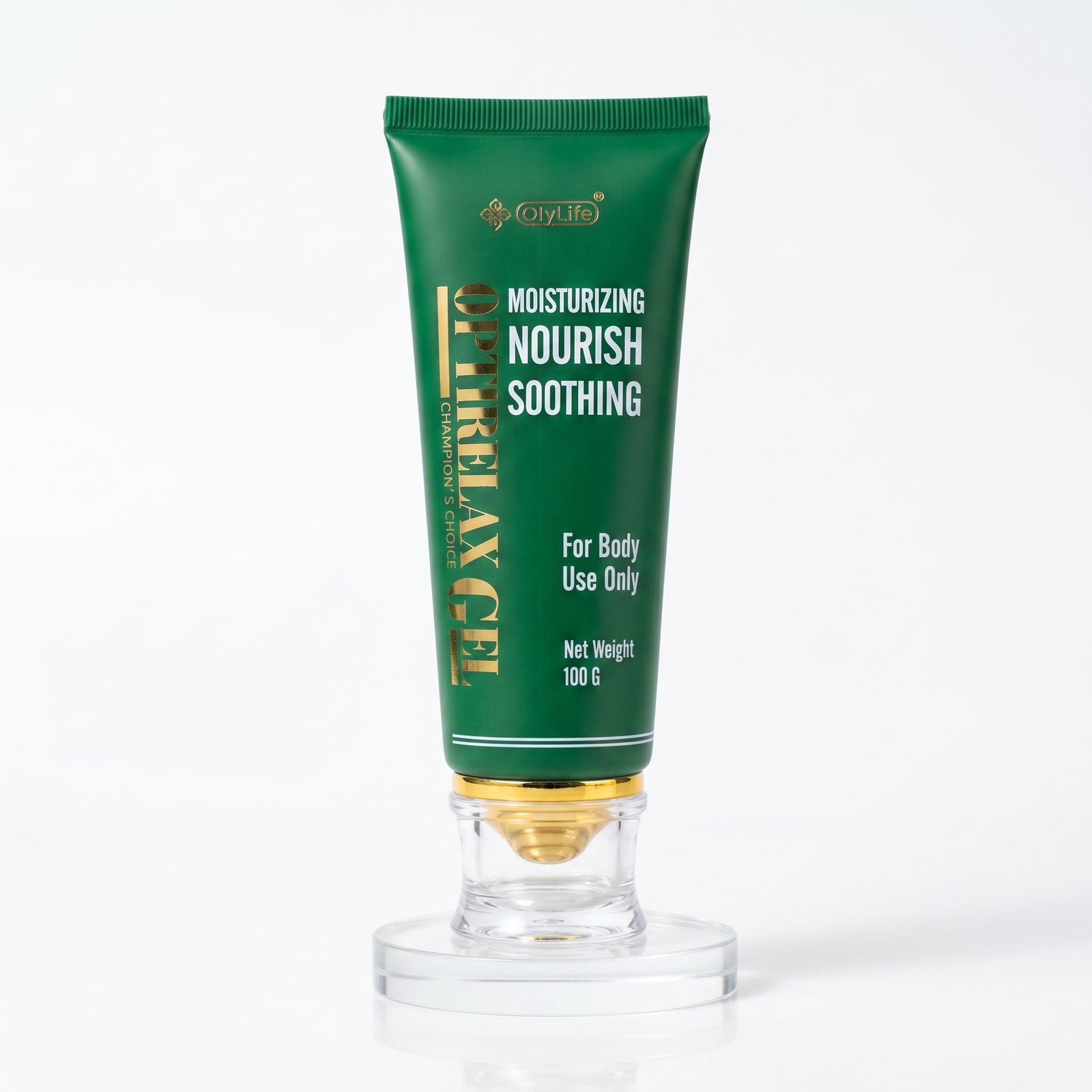
Support Your Post-Walk Recovery
OlyLife OptiRelax Gel is your Tera-P90+ body companion — designed to soothe tired muscles and ease tension after your daily walks.
Frequently Asked Questions About Walking for Health Benefits

Is walking 30 minutes a day enough exercise?
For most adults, yes. Thirty minutes of brisk walking per day meets the minimum aerobic exercise guidelines recommended by the WHO and American Heart Association. Research shows this level of activity is associated with meaningful reductions in the risk of heart disease, type 2 diabetes, certain cancers, and depression. If you can gradually increase to 45 to 60 minutes, the benefits continue to grow.
What is the best time of day to walk for health?
Any time you will consistently walk is the best time. That said, research offers some guidance. Morning walks may help regulate your circadian rhythm and improve sleep quality. Post-meal walks — especially after lunch or dinner — have been shown to help moderate blood sugar spikes. Evening walks can serve as a calming wind-down ritual that may support better sleep onset.
How fast should I walk to get health benefits?
A “brisk” pace — roughly 3 to 4 miles per hour, or about 100 steps per minute — is generally considered moderate-intensity exercise. A simple test: if you can talk but not sing while walking, you are likely in the moderate-intensity zone. Even slower walking delivers benefits, though brisk walking appears to provide the most cardiovascular improvement per minute.
Can walking help me lose weight?
Walking can contribute to weight loss, especially when combined with a balanced diet. A 155-pound person burns approximately 150 calories during a 30-minute brisk walk. While that may seem modest, consistent daily walking adds up — roughly 1,000 calories per week, or about 15 pounds per year of potential weight management benefit (assuming diet stays constant). Walking also supports weight loss by reducing cortisol levels, improving sleep quality, and moderating appetite.
Do I need special shoes for walking?
You do not need expensive specialty shoes, but proper footwear does matter. Look for shoes with good arch support, a cushioned sole, and a comfortable fit with room for your toes. Replace walking shoes every 300 to 500 miles, as cushioning and support break down over time — even if the shoes still look fine on the outside.
Is walking as good as going to the gym?
Walking provides excellent cardiovascular and mental health benefits, but it does not replace all forms of exercise. For optimal health, the ideal routine combines aerobic activity (like walking) with strength training two or more days per week. That said, if your choice is between walking regularly and not exercising at all, walking wins every time — and it is a perfectly valid foundation for a healthy lifestyle.
Final Thoughts: Your Wellness Journey Starts With One Step
The walking for health benefits we have explored in this guide paint a clear picture: this simple, ancient form of movement may be one of the most effective things you can do for your body and mind. From strengthening your heart and lifting your mood to protecting your joints and sharpening your thinking, walking delivers an extraordinary range of benefits — all with minimal risk and maximum accessibility.
You do not need to overhaul your entire life to start. A 10-minute walk today is a perfectly valid beginning. Build from there at whatever pace feels right for you. The research is clear that even small amounts of walking make a real difference.
What makes walking truly special is how naturally it fits into a holistic approach to wellness. Combine your walks with morning sunlight, fresh air, mindful breathing, or time in nature — and you have created a wellness practice that nourishes you on every level.
Your body was designed to move. Honor that design. Step outside. Start walking. Your future self will thank you.