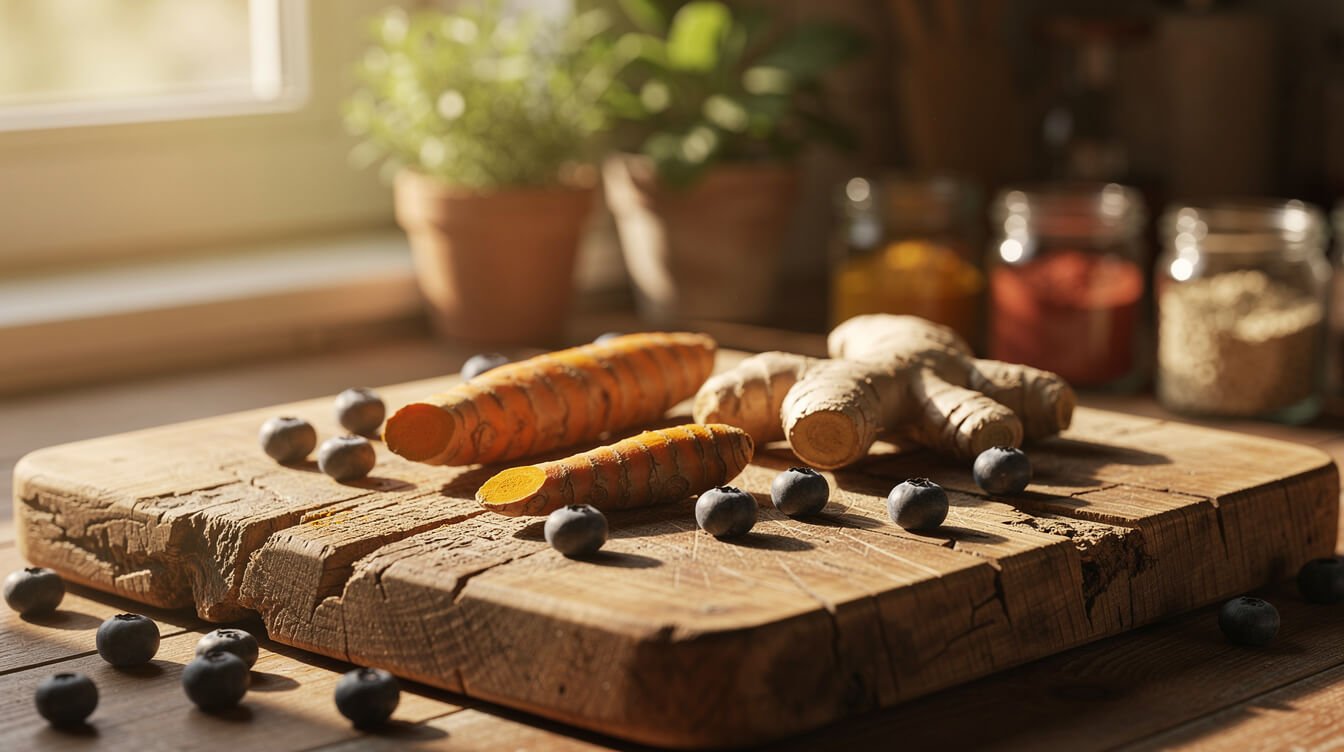
Wednesday Wisdom: 3 Anti-Inflammatory Foods You May Already Have in Your Kitchen
Sometimes the most powerful wellness choices are already sitting in your pantry. This Wednesday, let’s spotlight three everyday foods that research suggests may help reduce inflammation — one of the most talked-about factors in chronic health concerns.
1. Turmeric — The Golden Root
You’ve probably heard the buzz about turmeric, and for good reason. Its active compound, curcumin, has been studied extensively for its potential anti-inflammatory properties. A 2017 review in Foods journal found that curcumin may modulate inflammatory pathways at the molecular level.
Quick tip: Pair turmeric with a pinch of black pepper and a healthy fat (like olive oil or coconut milk). Research suggests piperine in black pepper may increase curcumin absorption by up to 2,000%. Try a warm turmeric latte as part of your evening wind-down.
2. Ginger — The Warming Healer
Ginger has been used in traditional wellness practices for thousands of years. Modern research is catching up — a 2020 systematic review in Phytotherapy Research found that ginger supplementation may support healthy inflammatory markers, particularly in people dealing with metabolic concerns.
Quick tip: Grate fresh ginger into your morning tea or smoothie. Even a thumb-sized piece may offer benefits. Bonus: ginger is traditionally used to support digestive comfort — a win for your gut-brain connection too.
🎁 Get a Free Wellness Gift
Enter your name and email below to receive a special wellness gift from OlyLife — absolutely free!
3. Berries — Nature’s Antioxidant Powerhouses
Blueberries, strawberries, raspberries — these colorful gems are packed with anthocyanins, plant compounds that research suggests may help the body manage oxidative stress and inflammation. A study in the Journal of Agricultural and Food Chemistry found that regular berry consumption was associated with reduced inflammatory markers.
Quick tip: Aim for a handful daily. Fresh, frozen, or freeze-dried — they all count. Toss them into oatmeal, yogurt, or simply enjoy as a snack.
The Bigger Picture
Chronic, low-grade inflammation is something researchers increasingly link to fatigue, joint discomfort, mood changes, and nervous system imbalance. The good news? Small, consistent dietary choices may help your body’s natural response.
These three foods aren’t magic bullets — but combined with adequate sleep, regular movement, stress management, and good gut health habits, they become part of a powerful anti-inflammatory lifestyle.
Your Wednesday challenge: Pick one of these three foods and find a way to include it in today’s meals. Sometimes wellness starts with one small, intentional choice. 🌿