Tiny fragments of plastic have quietly made their way into our food, water, air, and even our bodies. If you’re wondering how to reduce microplastic exposure in your daily life, you’re not alone — and the good news is that practical, achievable steps can make a meaningful difference. Research published in Environmental Science & Technology (2024) found that the amount of microplastics people typically consume has increased more than sixfold since 1990, making this one of the most pressing wellness concerns of our time.
In this guide, we’ll walk you through what microplastics are, where they hide, and — most importantly — exactly how to reduce your exposure at home, in the kitchen, and through the choices you make every day. We’ll also explore how supporting your body’s natural detoxification and gut health may help you build resilience from the inside out.
What Are Microplastics and Why Should You Care?
Microplastics are plastic particles smaller than 5 millimeters — roughly the size of a sesame seed or smaller. Many are invisible to the naked eye, with nanoplastics measuring between 1 and 1,000 nanometers. They form when larger plastic items like bottles, bags, and packaging break down over time, and they’re also intentionally added to some products like cosmetics, toothpastes, and cleaning agents.
What makes microplastics particularly concerning is where researchers are finding them. Studies have detected microplastic particles in human blood, lungs, liver, kidneys, and even brain tissue. Research from the University of New Mexico (2024) found concentrations of microplastic in brain tissue up to 20 times higher than in other organs.
Emerging Health Concerns
While the science is still evolving, early research points to several potential health risks associated with microplastic exposure:
- Cardiovascular health: A study presented at the American College of Cardiology’s 2025 Annual Session linked microplastic exposure to increased risk of high blood pressure, diabetes, and stroke.
- Reproductive health: Microplastics may contain endocrine-disrupting chemicals like BPA and phthalates that can mimic hormones and potentially affect fertility, according to a UC San Francisco review of nearly 2,000 studies.
- Digestive health: Research suggests microplastics may contribute to inflammation in the gut, potentially affecting your gut-brain connection and overall digestive wellness.
- Cellular damage: Laboratory studies published in Toxics (2023) have shown that microplastics can cause inflammation and cell death at the cellular level.
The bottom line? While we can’t eliminate microplastics entirely, learning how to reduce microplastic exposure is a worthwhile investment in your long-term health.
Where Microplastics Hide in Your Daily Life
Before you can reduce your exposure, it helps to understand exactly where microplastics enter your world. They’re surprisingly pervasive — and some sources may catch you off guard.
In Your Kitchen
- Plastic water bottles: A 2024 study from Columbia University found an average of 240,000 nanoplastic particles per liter of bottled water — far more than previously estimated.
- Plastic food containers: Storing food in plastic, especially when heated, accelerates the release of microplastics into your meals.
- Cutting boards: Plastic cutting boards shed microplastics with every chop. Research suggests they may release millions of particles annually.
- Cooking utensils: Plastic spatulas, spoons, and non-stick cookware release particles when exposed to heat.
- Tea bags: Many tea bags contain polypropylene, which can release billions of microplastic particles into a single cup of hot water.
In Your Home
- Household dust: Microplastics settle as dust particles from synthetic carpets, furniture, and textiles. You breathe them in constantly.
- Synthetic clothing: Polyester, nylon, Spandex, and fleece shed thousands of microfibers with every wash — and while you wear them.
- Plastic shower curtains: Vinyl (PVC) shower curtains release microplastics in warm, humid environments.
- Personal care products: Some face washes, exfoliants, and toothpastes contain intentionally added microplastic beads.
In Your Water
- Tap water: Microplastics have been detected in tap water systems worldwide, though levels vary by region.
- Bottled water: Consistently shows higher microplastic contamination than filtered tap water.
The sheer number of exposure points can feel overwhelming, but here’s the encouraging perspective: because microplastics enter our lives through specific, identifiable channels, we can address them systematically. You don’t need to tackle everything at once — even a few targeted changes can significantly reduce your total daily intake.
How to Reduce Microplastic Exposure in Your Kitchen
The kitchen is ground zero for microplastic exposure because it’s where heat, plastic, and food intersect. These changes are some of the most impactful you can make.
1. Switch to Glass, Ceramic, or Stainless Steel Food Storage
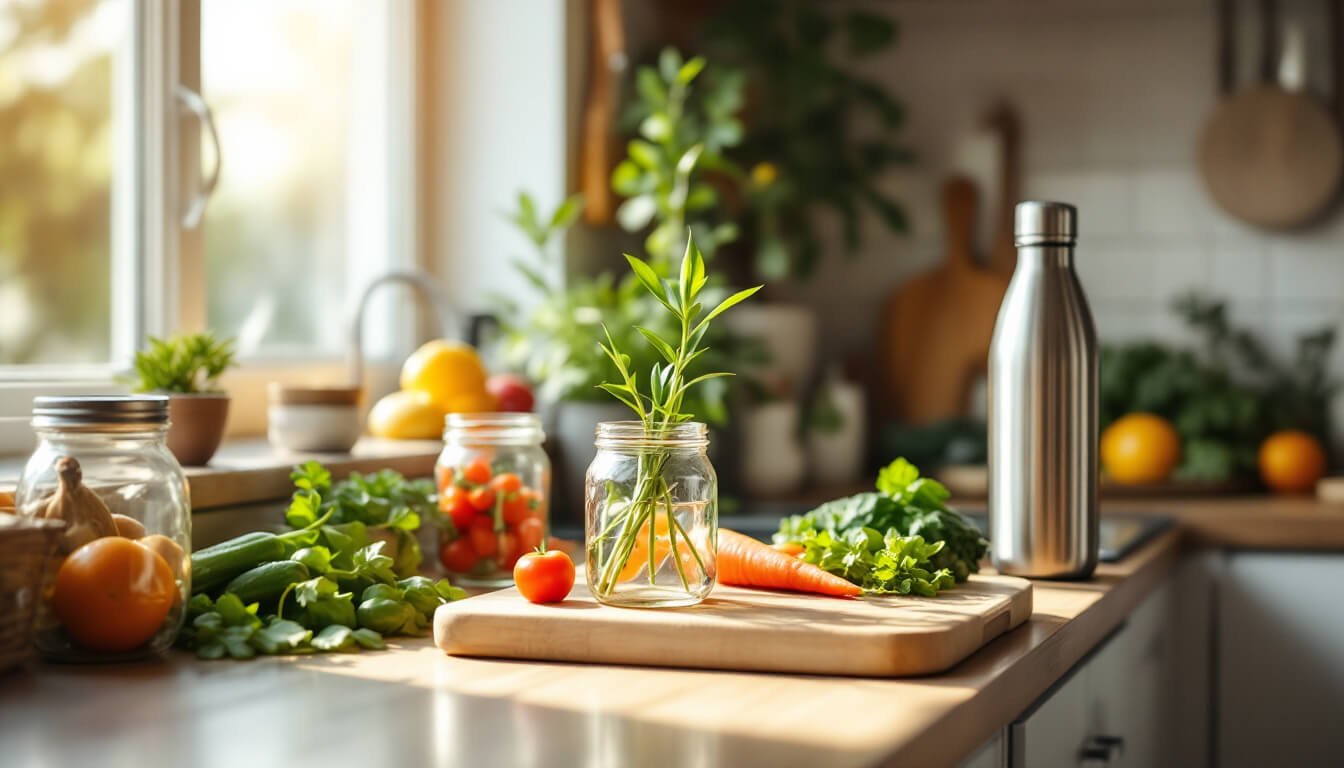
Replace plastic food containers with glass or stainless steel alternatives. This single change eliminates one of the most consistent daily sources of microplastic exposure, especially if you’ve been storing warm or acidic foods in plastic. Beeswax wraps and aluminum foil are good alternatives to plastic cling wrap.
2. Never Microwave Food in Plastic
Heat dramatically increases the rate at which plastic releases microparticles and chemicals like BPA. Always transfer food to glass or ceramic containers before microwaving. This is one of the simplest and most impactful changes you can make — even microplastics researchers consider it their number-one rule.
3. Replace Plastic Cutting Boards
Switch to wooden or bamboo cutting boards. Every cut on a plastic board releases microplastic fragments directly onto your food. Wooden boards also have natural antimicrobial properties, making them a healthier choice overall.
4. Ditch Plastic Cooking Utensils and Non-Stick Pans
Swap plastic spatulas, spoons, and ladles for stainless steel, wood, or silicone alternatives. Replace non-stick cookware (which often contains PFAS, so-called “forever chemicals”) with cast iron, stainless steel, or ceramic-coated pans.
5. Filter Your Drinking Water
Use a quality water filter that can reduce microplastic particles. Reverse osmosis systems are the most effective, but even activated carbon filters help. Avoid single-use plastic water bottles — use glass or stainless steel reusable bottles instead.
6. Watch Your Tea and Coffee Routine
Choose loose-leaf tea or brands that use plastic-free paper tea bags. For coffee, opt for a French press, pour-over, or stainless steel brewing method rather than plastic pod systems. These small rituals add up over a lifetime of daily cups.
7. Choose Less Processed, Less Packaged Foods
Ultra-processed foods packaged in plastic tend to contain more microplastics. When possible, choose whole foods, buy from farmers’ markets, and opt for products in glass jars over plastic containers. A Stanford University study (2021) published in Cell found that a diet rich in fermented and fiber-dense foods may also support the gut microbiome’s ability to handle environmental stressors — another reason to choose real food over packaged alternatives.
How to Reduce Microplastic Exposure in Your Home and Wardrobe
Your kitchen isn’t the only battlefield. The clothes you wear, the air you breathe indoors, and your daily cleaning habits all play a role in your total microplastic exposure.
8. Choose Natural Fiber Clothing
Synthetic fabrics like polyester, nylon, and Spandex shed microfibers every time you move and especially when washed. When shopping for new clothes, prioritize natural fibers — cotton, linen, wool, and hemp. These materials biodegrade naturally and don’t contribute to the microplastic cycle.
9. Wash Synthetics Wisely
When you do wash synthetic clothing, use a microfiber-catching laundry bag (like a Guppyfriend bag) to trap released fibers. Wash on cold settings when possible — heat causes plastics to shed more readily. Line dry synthetic fabrics instead of using a hot dryer. Consider adding a microfiber filter to your washing machine’s outflow.
10. Improve Your Indoor Air Quality
We breathe in microplastics that float in household dust. A HEPA air purifier can capture ultrafine particles, including microplastics, from your indoor air. Dust and vacuum regularly (using a vacuum with a HEPA filter), and consider replacing synthetic carpeting with natural alternatives like wool rugs or hardwood floors. Regular walking outdoors in green spaces also gives your lungs a break from indoor particulate exposure.
11. Swap Plastic Personal Care Products
Switch from liquid soaps and shampoos in plastic bottles to bar soap and shampoo bars. Check ingredient labels for polyethylene (PE) and polypropylene (PP) — these are microplastics added to exfoliating scrubs and toothpastes. Choose products in glass, metal, or paper packaging whenever possible.
12. Replace Your Shower Curtain
Most plastic shower curtains are made from PVC (vinyl), which releases microplastics in warm, humid bathroom air. Swap yours for a cotton, linen, or hemp shower curtain — they’re machine washable and last longer than you might expect.
Supporting Your Body’s Natural Defenses Against Microplastics
Reducing exposure is essential, but it’s equally important to support your body’s natural ability to manage the environmental toxins you can’t fully avoid. Think of this as building internal resilience — and it aligns beautifully with the principles of holistic wellness.
Our bodies have evolved sophisticated systems for processing and eliminating foreign substances — the liver, kidneys, lymphatic system, and gut all play crucial roles. While these systems weren’t designed for the volume of synthetic chemicals we encounter today, research suggests that certain lifestyle choices may help optimize their function. The key is consistency: daily habits that support your body’s natural defense mechanisms compound over time into meaningful protection.
13. Prioritize Gut Health
Your gut is a frontline defense against ingested microplastics. A diverse, healthy microbiome may support your body’s ability to manage inflammatory responses triggered by foreign particles. Focus on:
- Prebiotic-rich foods: Garlic, onions, asparagus, bananas, and oats feed beneficial gut bacteria.
- Probiotic-rich foods: Yogurt, kefir, sauerkraut, kimchi, and kombucha introduce beneficial microorganisms.
- Dietary diversity: Aim for 30+ different plant foods per week to build a resilient microbiome.
If you’re noticing digestive discomfort, it may be worth exploring whether your gut health needs attention. Research increasingly suggests that the gut-brain connection plays a central role in how our bodies respond to environmental stressors.
14. Eat Anti-Inflammatory Foods
Since microplastics may trigger inflammatory responses in the body, an anti-inflammatory diet can help counterbalance this effect. Emphasize:
- Omega-3 fatty acids: Found in wild-caught salmon, sardines, walnuts, and flaxseeds.
- Colorful fruits and vegetables: Berries, leafy greens, turmeric, and ginger are rich in antioxidants that may help neutralize oxidative stress.
- Whole grains and legumes: Provide fiber that supports digestion and helps the body eliminate waste products more efficiently.
Supporting your body’s natural detoxification pathways doesn’t require extreme measures — it’s about consistent, nourishing choices that build resilience over time. Practices like regular breathwork and spending time grounding in nature may also support your body’s stress response, which can be affected by chronic low-level toxin exposure.
15. Support Your Body with Movement and Recovery
Regular physical activity supports lymphatic circulation, which plays a role in clearing waste and toxins from your body. You don’t need intense exercise — even gentle, consistent movement makes a difference:
- Daily walking: 30 minutes of walking supports circulation, lymphatic flow, and stress reduction.
- Gentle stretching or yoga: Supports lymphatic drainage and nervous system regulation.
- Low-impact cardio: Activities like swimming, cycling, or gentle cardio routines support cardiovascular health without overloading the body.
Some wellness practitioners also explore frequency-based therapies to support recovery and relaxation. Technologies like PEMF (pulsed electromagnetic field) therapy work at the cellular level and may support the body’s natural repair processes. If you’re curious about how electromagnetic frequencies may complement a holistic wellness routine, our guide to electromagnetic healing explores the research behind this approach. OlyLife’s Tera-P90+ combines terahertz and PEMF frequencies in a portable device designed for daily home wellness support.
Support Your Wellness from the Inside Out
The OlyLife Tera-P90+ combines terahertz and PEMF frequencies to support your body’s natural recovery and relaxation — a perfect complement to your microplastic reduction journey.
🎁 Get a Free Wellness Gift
Enter your name and email below to receive a special wellness gift from OlyLife — absolutely free!
Frequently Asked Questions About Microplastic Exposure
How much microplastic do we actually consume?
Estimates vary widely. The widely cited claim of “a credit card’s worth per week” has been debunked as an overestimate. More recent research suggests we likely ingest tens of thousands of microplastic particles annually through food, water, and air — though the exact amount depends on diet, location, and lifestyle factors. What researchers agree on is that exposure is increasing.
Is tap water or bottled water safer from microplastics?
Studies consistently show that bottled water contains significantly more microplastics than tap water — largely because the plastic bottle itself contributes particles. Filtered tap water (especially reverse osmosis) is generally the lowest-exposure option. If you drink tap water, a quality filter adds an extra layer of protection.
Can you remove microplastics from your body?
Your body has natural elimination pathways, primarily through the digestive system, liver, and kidneys. While you can’t “detox” microplastics with a single product, supporting gut health, eating a fiber-rich diet, staying hydrated, and exercising regularly may help your body process and eliminate these particles more efficiently. The most effective strategy is reducing intake while supporting your body’s natural resilience.
Are silicone products safer than plastic?
Silicone is generally considered more stable than plastic at high temperatures and doesn’t contain BPA or phthalates. While it’s not entirely inert, silicone cooking utensils and food storage items are a reasonable alternative to plastic, especially for use with heat. Glass and stainless steel remain the gold standard.
Do microfiber-catching laundry bags actually work?
Yes. Studies show that microfiber-catching bags like the Guppyfriend can reduce microfiber release during washing by up to 86%. They’re an inexpensive, practical solution for households with synthetic clothing that can’t be immediately replaced.
Should I be worried about microplastics in baby products?
Children may be particularly vulnerable to microplastic exposure because of their developing systems and because they tend to put objects in their mouths. Prioritize glass baby bottles over plastic, avoid heating breast milk or formula in plastic containers, and choose toys made from natural materials when possible. Research from UCSF emphasizes that even microplastics researchers have changed how they handle their own children’s food and products.
How do microplastics affect gut health specifically?
Emerging research suggests that microplastics may disrupt the gut microbiome by triggering inflammatory responses and potentially altering the composition of beneficial bacteria. Since the gut houses roughly 70% of the immune system, maintaining strong gut health through diet and lifestyle may help your body better manage microplastic exposure.
What’s the single most impactful change I can make?
Most microplastics researchers agree: stop microwaving food in plastic. This single habit change dramatically reduces heat-accelerated microplastic release into your meals. After that, switching to a glass or stainless steel water bottle and replacing plastic food storage containers offer the next biggest reductions in daily exposure.
Final Thoughts: Small Changes, Big Impact
Learning how to reduce microplastic exposure doesn’t require overhauling your entire life overnight. Start with the highest-impact changes — your water bottle, food storage, and microwave habits — and build from there. Each small swap reduces your cumulative exposure over months and years.
What makes this journey especially powerful is combining external exposure reduction with internal resilience. When you nourish your gut, eat anti-inflammatory foods, move your body regularly, and practice stress management, you’re building a foundation of wellness that supports your body in handling the environmental challenges of modern life.
The science around microplastics is still catching up, but one thing is clear: the choices we make in our kitchens, homes, and daily routines matter. You don’t need to be perfect — just intentional. And every step you take toward reducing microplastic exposure is a step toward protecting your long-term health and wellbeing.
Remember that this is a journey, not a destination. Plastic is deeply embedded in modern life, and giving yourself grace while making gradual changes is part of the process. Focus on the swaps that feel most manageable for your lifestyle, celebrate each positive change, and know that your body benefits from every reduction — no matter how small.