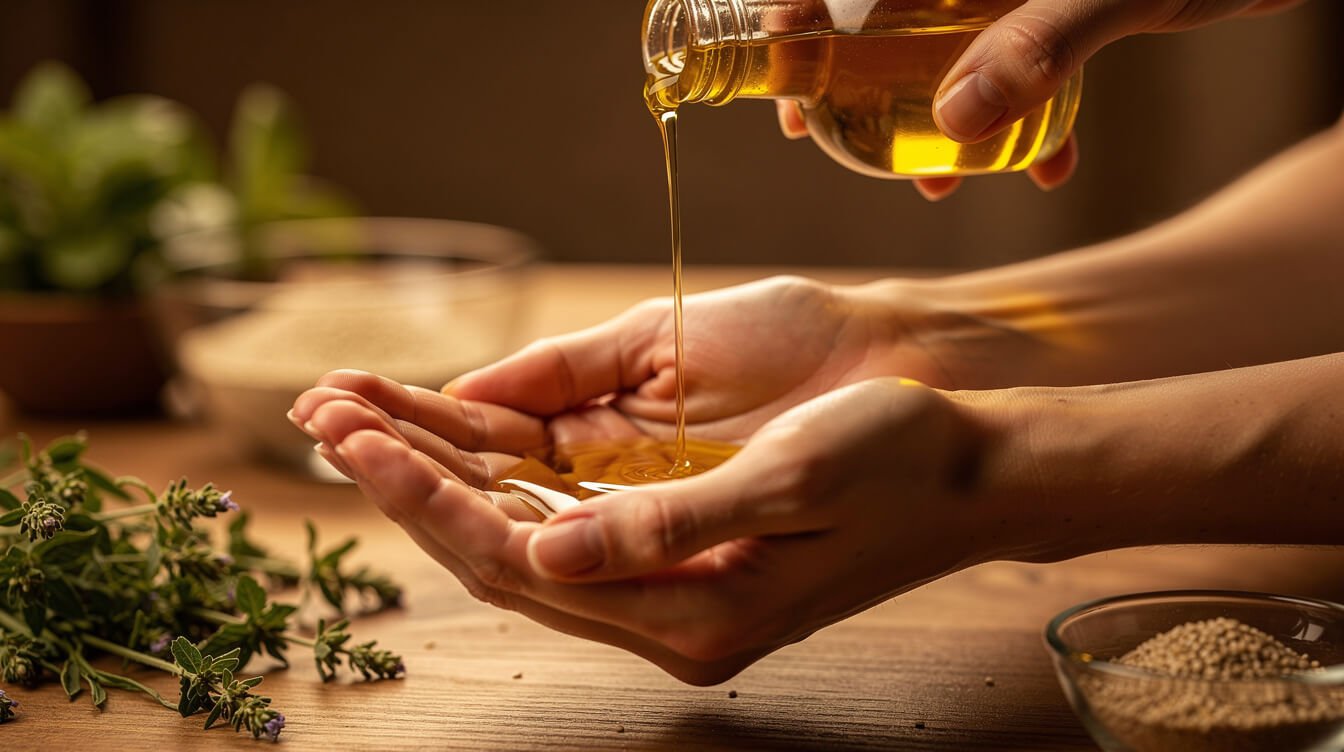
Throwback Thursday: Abhyanga — The Ancient Ayurvedic Art of Warm Oil Self-Massage
Long before modern spas and massage therapists, ancient Ayurvedic healers in India prescribed a simple daily ritual that anyone could practice at home: abhyanga — the art of warm oil self-massage. Dating back over 5,000 years to the Charaka Samhita, one of Ayurveda’s foundational texts, this practice was considered essential for maintaining balance between body, mind, and spirit.
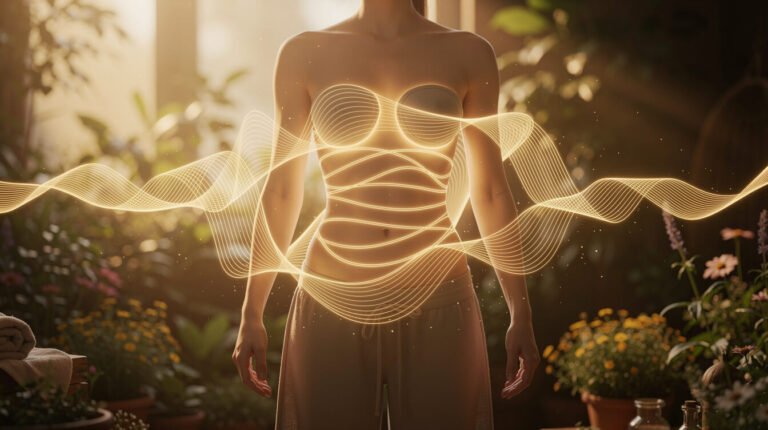
The word abhyanga comes from the Sanskrit root meaning “to anoint” or “to oil the body.” Unlike a typical massage focused on muscle tension, abhyanga is a whole-body ritual designed to nourish the skin, support healthy circulation, and calm the nervous system from the outside in.
Why This Ancient Practice Still Matters
Modern research suggests that regular self-massage may support several aspects of wellness:
- Circulation support — the long, flowing strokes traditionally used in abhyanga may help promote healthy blood flow and lymphatic movement
- Nervous system calm — the rhythmic, intentional touch may activate your parasympathetic (“rest and digest”) response
- Skin nourishment — warm oils like sesame and coconut deeply hydrate while delivering antioxidants directly to the skin
- Better sleep — many practitioners report that evening abhyanga helps them unwind and sleep more soundly
If you enjoy using essential oils for wellness, abhyanga offers a beautiful way to combine aromatherapy with the therapeutic power of touch.
🎁 Get a Free Wellness Gift
Enter your name and email below to receive a special wellness gift from OlyLife — absolutely free!
How to Try Abhyanga at Home
You don’t need a spa appointment to experience this ancient ritual. Here’s a simple way to start:
- Choose your oil. Sesame oil is the traditional Ayurvedic choice (warming and grounding). Coconut oil works well if you run warm or have sensitive skin.
- Warm the oil gently. Place a small amount in a glass container and set it in warm water for a few minutes. It should feel comfortably warm — never hot.
- Massage with intention. Use long strokes on your limbs, circular motions around your joints, and clockwise circles on your abdomen. Spend 10–15 minutes, paying attention to how each area feels.
- Rest, then rinse. Let the oil absorb for 5–10 minutes before showering. The warm water helps the oil penetrate even deeper.
Abhyanga pairs beautifully with other holistic practices. If you’re exploring natural therapies, you might also enjoy learning about reflexology and its benefits — another ancient tradition rooted in the body’s innate ability to heal.
Your Thursday throwback challenge: Try a 10-minute abhyanga session this evening and notice how your body responds. Sometimes the oldest remedies are still the wisest. 🌿