
Functional Medicine vs Conventional Medicine: What’s the Difference?
If you have ever left a doctor’s appointment with a prescription but still felt like no one answered why you felt unwell in the first place, you are not alone. That exact feeling is what sends many health-conscious people searching for a different path — which quickly leads to the functional medicine vs conventional medicine question. What actually separates these two approaches? Is one “better”? And do you really have to choose?
The honest answer is more nuanced — and more encouraging — than most articles admit. In this guide we’ll walk through what each approach does well, where each falls short, what the evidence genuinely supports, and how to make a confident, safe decision for your own health. No hype, no fear, and no medical claims — just a warm, clear-eyed comparison you can trust.
Functional Medicine vs Conventional Medicine: The Big-Picture Difference

At the simplest level, the difference comes down to the question each approach asks first. Conventional medicine tends to ask, “What is the diagnosis, and what treats it?” Functional medicine tends to ask, “Why did this develop in the first place, and what’s driving it?” Both questions are valuable — they are simply pointed in different directions.
Think of it like a warning light on your car’s dashboard. Conventional medicine is superb at responding to the light quickly and effectively — especially when the situation is urgent. Functional medicine is more interested in popping the hood to understand why the light came on, so it (hopefully) doesn’t come back. Neither instinct is wrong. In fact, the most balanced view of functional medicine vs conventional care sees them as complementary lenses rather than rivals.
Before we compare them point by point, let’s define each clearly, because both terms get used loosely.
What Is Conventional Medicine?

Conventional medicine — also called Western, mainstream, or allopathic medicine — is the care most of us grew up with. It’s what you receive from your primary care physician, a hospital, or a specialist. Practitioners are licensed MDs and DOs, along with nurse practitioners and physician assistants, trained in a rigorous, standardized system.
Its strengths are genuine and, frankly, lifesaving:
- Acute and emergency care. Broken bones, infections, heart attacks, strokes, appendicitis — conventional medicine is unmatched here.
- Diagnosis and standardized treatment. Established protocols, imaging, surgery, and pharmaceuticals are backed by large clinical trials.
- Evidence-based consistency. Care is designed to be reproducible from one clinic to the next.
- Managing serious chronic disease. Conditions like diabetes, high blood pressure, and asthma have well-tested medication pathways.
It’s worth saying, too, that conventional medicine does practice prevention — vaccinations, cancer screenings, blood-pressure checks, and cholesterol management are all preventive cornerstones that have added years to millions of lives. The stereotype of “pill-for-every-ill” care undersells how much good primary care already does.
The common critique is that conventional medicine can be reactive — it often shines once symptoms or disease are already present, and may lean on managing symptoms rather than exploring underlying lifestyle or environmental drivers. Visits are frequently short and time-pressured (the average appointment is only a handful of minutes), and the body is sometimes treated as a set of separate specialties rather than one connected system. These aren’t failures of individual doctors so much as features of a system built for volume and acute need.
What Is Functional Medicine?

Functional medicine is a clinical framework focused on identifying and addressing the root causes of illness rather than only the symptoms. It leans on what practitioners call systems biology — the idea that genetics, nutrition, sleep, stress, hormones, gut health, the immune system, and environmental exposures all interact to shape how you feel.
A functional medicine visit usually looks different from a standard appointment:
- Longer, story-driven consultations. The practitioner takes a detailed timeline of your health — antecedents (what set the stage), triggers (what started it), and mediators (what keeps it going).
- Whole-person assessment. Diet, movement, sleep quality, stress load, and relationships are all considered part of the picture.
- Personalized, lifestyle-forward plans. Interventions often emphasize nutrition, sleep, stress management, movement, and targeted supplementation, sometimes alongside conventional treatment.
People often turn to functional medicine for the concerns conventional care can find frustrating to pin down: lingering fatigue, digestive issues, hormonal imbalances, autoimmune conditions, stubborn chronic inflammation, or that vague but very real sense of “I just don’t feel like myself.” Because so much of how we feel traces back to daily inputs, functional practitioners lean heavily on nutrition, the gut-brain connection, and stress physiology when building a plan.
Importantly, functional medicine is not a single license or profession. It’s a framework practiced by clinicians from many backgrounds. That flexibility is part of its appeal — and, as we’ll see, part of the reason quality can vary so much. If the philosophy resonates with you, our guide to holistic health nutrition explores the food-as-foundation mindset that underpins much of this approach.
Functional Medicine vs Conventional Medicine: Key Differences at a Glance

Here’s a side-by-side look at how the two approaches typically compare. Remember that these are general tendencies — plenty of thoughtful conventional doctors weave in lifestyle guidance, and plenty of functional practitioners rely on conventional testing.
| Aspect | Conventional Medicine | Functional Medicine |
|---|---|---|
| Primary question | What is it, and how do we treat it? | Why did it develop, and what’s driving it? |
| Focus | Diagnosis & disease management | Root causes & prevention |
| View of the body | Organs & systems, by specialty | One interconnected system |
| Typical tools | Medication, surgery, procedures | Nutrition, lifestyle, stress & sleep, supplements |
| Visit style | Shorter, protocol-driven | Longer, individualized |
| Best suited for | Acute, emergency & serious disease | Chronic, complex, multi-system concerns |
| Evidence base | Large clinical trials & standardized protocols | Mix of research & clinical experience; varies widely |
| Typical cost/insurance | Often insurance-covered | Often out-of-pocket |
Notice that the columns aren’t “good vs bad.” They’re more like “fast, proven, and acute” versus “slow, personalized, and preventive.” Many people who explore functional medicine are really looking for support with the everyday, lifestyle side of wellbeing — things like calmer stress responses, steadier sleep, and less day-to-day discomfort. That’s also where gentle, at-home wellness tools can play a supporting role. For example, OlyLife’s THz Tera-P90+ Smart PEMF and Terahertz Therapy System is designed as an evidence-informed, measurable way to bring warmth, circulation support, and relaxation into a daily routine — a complement to professional care, never a replacement for it.
What the Evidence Actually Says

This is the section most clinic websites skip — usually because they’re selling one side. We’ll try to be fair to both. Here’s an honest, three-tier look at how the evidence stacks up.
Where the evidence is strong
Conventional medicine’s core treatments — for acute illness, infection, injury, and many chronic diseases — rest on decades of large, controlled clinical trials. And the lifestyle foundations that functional medicine emphasizes are also well supported: nutrition, physical activity, quality sleep, and stress management genuinely influence long-term health. On that common ground, the two approaches actually agree.
Where the evidence is emerging or mixed
The idea of addressing root causes through personalized lifestyle change is compelling and increasingly studied, but functional medicine as a whole system hasn’t been tested with the same volume of rigorous trials as standard care. Some specific interventions have promising data; others rest more on clinical experience than published research. “Promising” is not the same as “proven,” and a trustworthy practitioner will say so.
This is also where a helpful habit comes in: learning to read health claims critically. When you hear that something “boosts,” “detoxes,” or “cures,” a few gentle questions go a long way — Is this from a study or a testimonial? How big was the effect? Could it interact with my medications? That same healthy skepticism protects you whether a claim comes from a supplement brand, a wellness influencer, or even a well-meaning clinic.
Where caution is warranted
Critics — including some professional medical bodies — point out real risks in functional medicine when it’s practiced carelessly: a lack of standardization, reliance on unproven treatments, and heavy use of expensive lab panels. Ordering a huge battery of tests can surface “false positives” that lead to anxiety, more invasive testing, and unnecessary treatment. Supplements aren’t automatically safe, either — they can interact with medications. And out-of-pocket costs can climb quickly.
The takeaway isn’t “avoid functional medicine.” It’s that the quality of the practitioner matters enormously. A great functional clinician grounds recommendations in evidence and coordinates with your other doctors. A careless one sells tests and supplements. Learning to build a foundation on whole foods and proven lifestyle habits first is a smart, low-risk place to start.
🎁 Get a Free Wellness Gift
Enter your name and email below to receive a special wellness gift from OlyLife — absolutely free!
How to Choose the Right Approach for You

Here’s the most freeing part of the whole functional medicine vs conventional conversation: you usually don’t have to pick just one. A third path — integrative medicine — deliberately blends conventional care with evidence-based complementary and lifestyle approaches, coordinated by one clinician. For many people, that “best of both” model is the ideal.
A simple way to decide
- Reach for conventional medicine for anything acute, urgent, or serious — and for ongoing management of diagnosed disease. This is non-negotiable.
- Consider a functional or integrative practitioner for chronic, complex, or multi-system symptoms that haven’t fully resolved — especially when you want deeper attention to diet, sleep, and stress.
- Layer in everyday self-care — nutrition, movement, rest, and relaxation — no matter which practitioner you see. It supports every approach.
How to vet a functional or integrative practitioner
If you decide to explore beyond conventional care, choose carefully:
- Confirm an active clinical license (MD, DO, NP, PA, ND, or similar) in your state before anything else.
- Look for recognized certification — the Institute for Functional Medicine (IFMCP) credential is a widely respected standard.
- Watch for red flags: ordering huge, expensive test panels before even reviewing your history; telling you to stop prescribed medications or “fire” your specialists; or being evasive about credentials. Any of these is a reason to walk away.
- Favor collaborators. The best practitioners complement your primary care physician rather than replacing them. Ask for fees, testing, and supplement costs in writing up front.
Set realistic expectations on time and cost
Root-cause work is rarely a quick fix. Lifestyle-driven change tends to unfold over weeks and months, not a single visit, and it asks something of you — consistency with food, sleep, movement, and stress. Budget matters too: because many functional and integrative services are paid out of pocket, it’s wise to decide in advance how much time and money you’re willing to invest, and to prioritize the highest-impact, lowest-cost changes first. Encouragingly, the most powerful interventions of all — better sleep, more vegetables, gentle movement, and calmer stress responses — are largely free.
Whatever mix you land on, the daily habits underneath — how you eat, move, sleep, and unwind — do the quiet, heavy lifting. Simple practices like stress-relief and relaxation techniques, better sleep hygiene, and even grounding are things you can begin today, with or without a new practitioner.
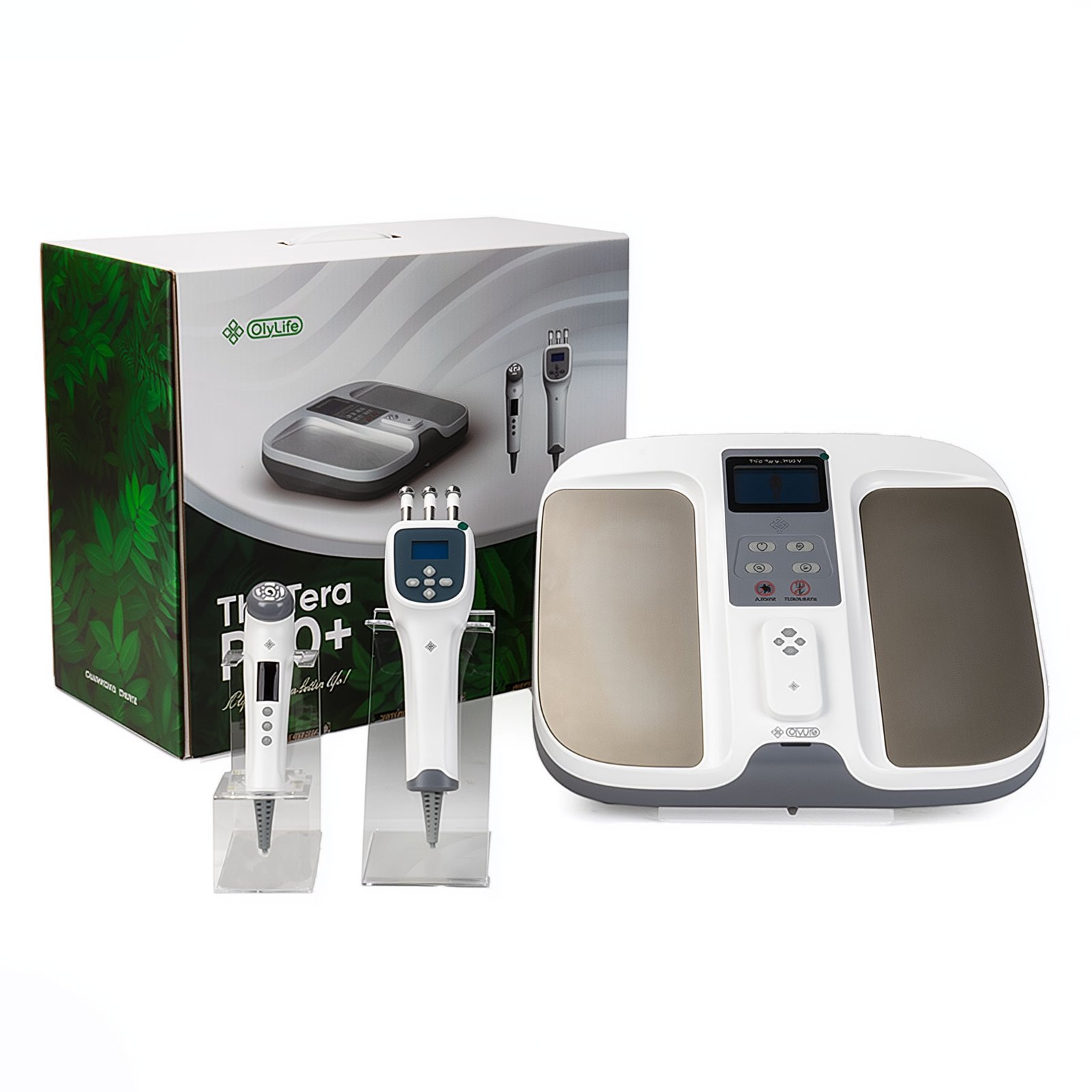
Support Your Everyday Wellness Routine
Whatever care model you choose, daily warmth and relaxation can complement it. The OlyLife THz Tera-P90+ brings evidence-informed PEMF and terahertz technology into your home — a gentle, measurable addition to a whole-person routine.
Common Myths in the Functional Medicine vs Conventional Debate
Because this topic gets emotional online, a few myths tend to muddy the water. Clearing them up makes it easier to choose calmly.
Myth 1: “Conventional medicine only treats symptoms.” Not true. Conventional care includes powerful prevention — screenings, vaccines, and lifestyle counseling — and cures or controls countless conditions outright. Its time constraints, not its philosophy, are usually the real limitation.
Myth 2: “Functional medicine is all natural, so it’s automatically safe.” “Natural” doesn’t mean risk-free. High-dose supplements can strain the liver or interact with prescriptions, and unnecessary testing carries its own downsides. Safety depends on the practitioner’s judgment, not the label.
Myth 3: “You have to choose one and reject the other.” This is perhaps the most limiting belief of all. Integrative care exists precisely because the two can work together beautifully when coordinated.
Myth 4: “Functional medicine can replace your doctor.” It shouldn’t, and reputable practitioners will tell you the same. Think of it as an added layer of personalized, preventive support — not a substitute for diagnosis and treatment of serious disease.
Seen clearly, the functional medicine vs conventional question stops feeling like a loyalty test and starts feeling like a toolkit you get to assemble thoughtfully. Supportive daily habits — like the terahertz and PEMF wellness routines many OlyLife readers enjoy, or simply cooking with anti-inflammatory spices — fit comfortably inside any of these models.
Frequently Asked Questions
Is functional medicine better than conventional medicine?
Neither is universally “better.” Conventional medicine excels at acute, emergency, and serious disease care, while functional medicine focuses on root causes and prevention for chronic, complex concerns. For most people, the smartest choice in the functional medicine vs conventional debate is to use each for what it does best — often together.
Can I use functional and conventional medicine at the same time?
Yes, and many people do. This blended model is often called integrative medicine. The key is coordination: keep your primary care physician informed, and choose practitioners who collaborate rather than ask you to abandon proven treatment.
Is functional medicine covered by insurance?
Often it isn’t, and visits, testing, and supplements can add up. Ask for all costs in writing before you begin, and check whether an HSA or FSA can help offset them.
Is functional medicine evidence-based?
Parts of it are — especially the lifestyle foundations like nutrition, sleep, movement, and stress management. As a whole system, though, it hasn’t been tested as extensively as conventional care, and some interventions rest more on clinical experience than published trials. A trustworthy practitioner will be honest about what’s proven versus promising.
Do I have to stop seeing my regular doctor?
No — and you shouldn’t. Any practitioner who tells you to stop prescribed medications or drop your specialists is raising a serious safety red flag. Good complementary care works alongside your existing medical team.
Where should a beginner start?
Start with the free fundamentals that every approach agrees on: whole-food anti-inflammatory eating, consistent sleep habits, movement, and simple nervous-system calming practices. These low-risk habits build a strong base before you invest in specialized care.
Final Thoughts
The functional medicine vs conventional medicine question isn’t really a contest — it’s an invitation to become a more informed, empowered participant in your own health. Conventional medicine gives you the proven, protective power of modern science. Functional medicine invites you to look upstream at the daily drivers of how you feel. And the everyday habits underneath both — nourishing food, restorative sleep, movement, and calm — are always yours to nurture.
You don’t have to choose a side. You get to build a thoughtful, personalized approach that draws on the best of each — with a trusted medical team, honest expectations, and small, supportive rituals you can begin today. If you’d like to keep learning, explore our guides to adaptogens for stress, herbal remedies, and natural approaches to pain — gentle, evidence-informed places to begin.
This article is for educational purposes only and is not medical advice. Always consult a qualified healthcare professional about your individual health, and never stop or change prescribed treatment without your doctor’s guidance.