Saturday Spotlight: The Warm Evening Bath — Why Timing May Matter for Better Sleep
As the evenings get cooler and darker, a warm bath can start to feel like the best part of the day. 🌿 This week we’re looking at what may be the most underrated part of that ritual: when you take it.
Why a Warm Bath May Help You Drift Off
Your body temperature follows a daily rhythm. In the evening your core temperature naturally starts to drop, and that cooling is one of the signals your body uses to get ready for sleep. To release heat, your body sends more blood to your hands and feet.
A warm bath or shower may give that process a gentle nudge. The warm water draws blood toward your skin and extremities. When you step out, your body sheds heat more easily, and your core temperature can fall a little faster.
A 2019 systematic review and meta-analysis in Sleep Medicine Reviews (Haghayegh and colleagues) looked at the research on this. It found that bathing or showering in water around 104–108.5°F (40–42.5°C) about 1 to 2 hours before bed was associated with better self-rated sleep quality and falling asleep somewhat faster. In some studies, a soak of about 10 minutes seemed to be enough. The studies were small, so treat this as a promising finding rather than a guarantee.
How to Try It Tonight
- Time it: Aim to finish your bath or shower 60–90 minutes before you plan to turn out the lights.
- Keep it warm, not scalding: Comfortably warm is the goal. If your skin turns bright red or you feel lightheaded, it’s too hot.
- 10–15 minutes is plenty: You don’t need a long soak.
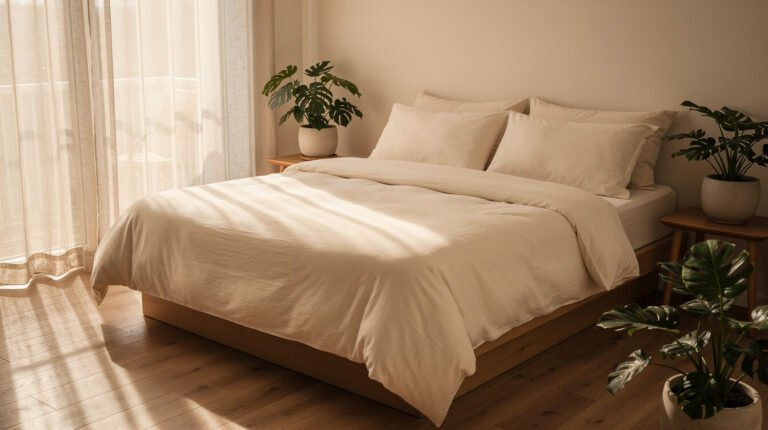
- Dim the lights afterward: Pair your bath with soft lighting and a calm space. Our bedroom sleep-sanctuary checklist can help.
- Add a slow breath: A few rounds of longer exhales while you soak can help you unwind.
No bathtub? A warm shower works too. So does a warm foot soak, which also brings blood to your feet, the area your body uses to release heat.
About Epsom salts: Many people love them for the ritual and the scent of an added herb like lavender. Evidence that magnesium is absorbed in any meaningful amount through the skin is limited, so enjoy them for the experience rather than as a supplement.
🎁 Get a Free Wellness Gift
Enter your name and email below to receive a special wellness gift from OlyLife — absolutely free!
A Few Gentle Cautions
Hot water can lower blood pressure and make some people dizzy. Keep the water warm rather than hot and stand up slowly. If you are pregnant, or have a heart condition, low blood pressure, diabetes with reduced sensation in your feet, or any other health condition, check with your healthcare provider before making hot baths a habit. Stay hydrated, and never bathe after drinking alcohol.
The Takeaway
Your evening bath may do more for your sleep if you move it a little earlier. Try finishing a warm 10–15 minute soak about an hour before bed this weekend, and notice how you settle. ✨ For more ideas, see our complete guide to improving sleep quality naturally.
This post is for general wellness education only and is not medical advice. If you have ongoing sleep problems, please talk with a qualified healthcare professional.