Think a few magnetic pulses can’t help sore muscles after a tough workout?
Have you ever wondered if a low-tech gadget could speed up recovery?
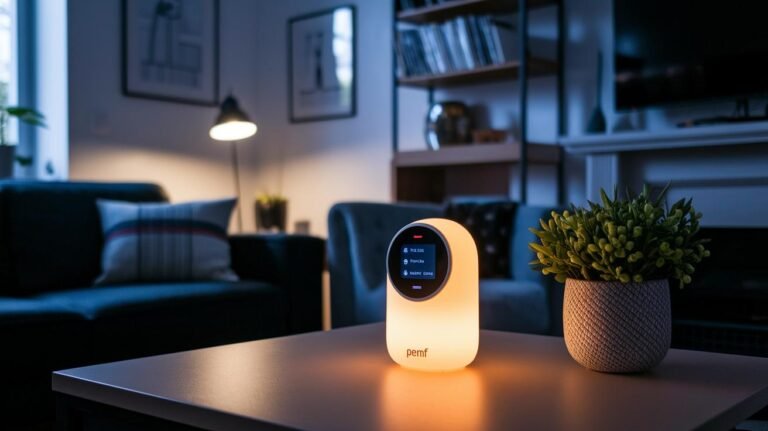
PEMF (Pulsed Electromagnetic Field) devices send gentle electromagnetic pulses that nudge cells to repair, calm inflammation, and ease soreness. Imagine a soft, warm sunrise waking up your cells, tiny pulses helping tissues reset and relax.
That means faster recovery, less morning stiffness, and getting back to training sooner. It’s simple, practical relief you can use after a hard session or before bed to sleep better.
This short guide compares proven smart PEMF options, from full-body mats that wrap your tired muscles like a cozy blanket to compact, travel-friendly pads that fit in a gym bag. So athletes can pick the right tool to shorten recovery time and quiet lingering tightness. Um, and one neat tip: try short sessions first and listen to your body.
Các thiết bị PEMF thông minh tốt nhất giúp phục hồi cho vận động viên đã được chứng minh.
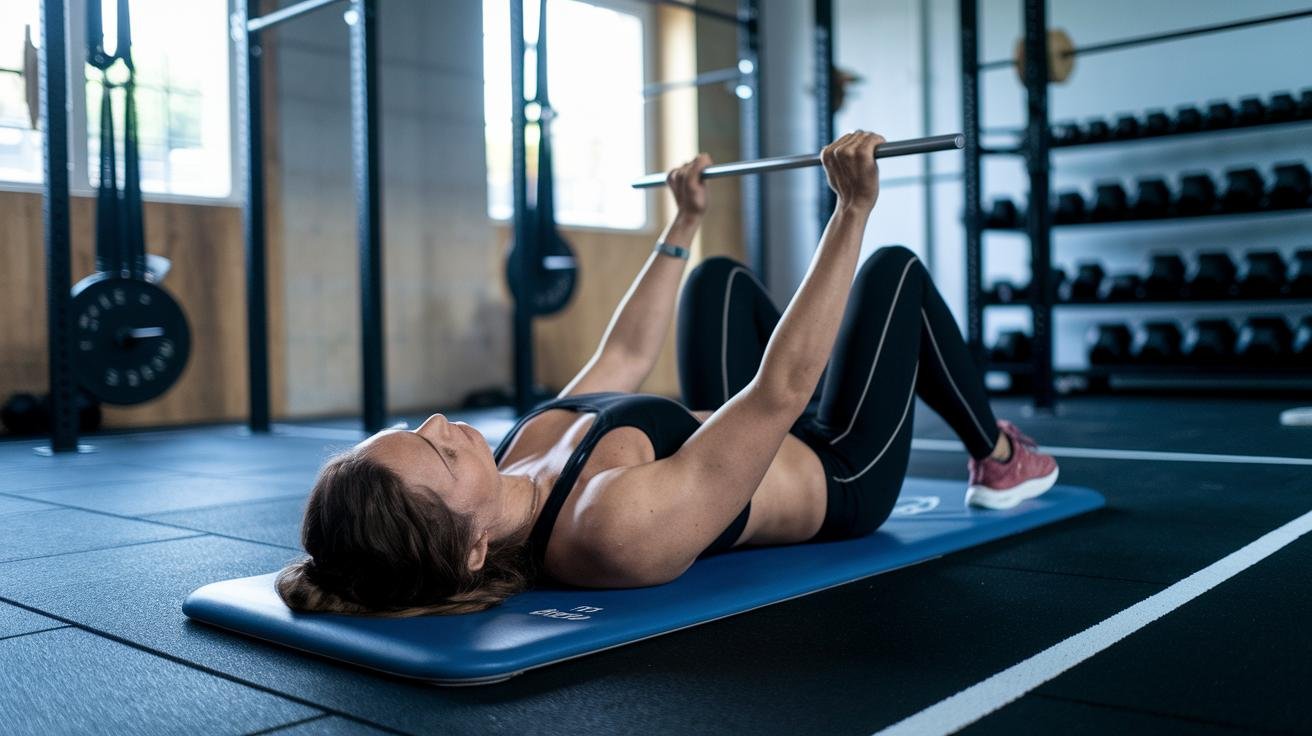
PEMF (Pulsed Electromagnetic Field) therapy uses gentle electromagnetic pulses to help cells repair, calm inflammation, and ease soreness , great after heavy workouts or long travel. Want a quick comparison with hands-on care? Check out massage therapy for muscle recovery vs PEMF therapy to see how they can work together.
-
Paragon PEMF Frequency Mat (Holistix International) , Type: full-body mat. Frequency: 1-100 Hz. Intensity: adjustable up to 50 Gauss (Gauss measures magnetic strength). Control: touchscreen plus app. Price: premium (around $4,000+). Standout: clinical-grade LEDs and multi-channel coils give wide, even coverage. Pros: full coverage, very solid build. Cons: expensive and needs dedicated space.
-
WaveForm Pro Mat , Type: full-body mat. Frequency: 1-75 Hz. Intensity: up to 35 Gauss. Control: Bluetooth app with presets and scheduling. Price: mid-high ($1,200–$2,500). Standout: easy app scheduling for regular recovery sessions. Pros: strong value for clinics or serious athletes. Cons: fewer waveform shapes compared to top-tier mats.
-
PulsePod Wearable , Type: wearable pad for spot use. Frequency: 5-50 Hz. Intensity: up to 15 Gauss. Control: wrist remote plus app. Price: budget-friendly ($300–$600). Standout: travel friendly and battery powered. Pros: lightweight and portable. Cons: limited coverage, best for targeted areas.
-
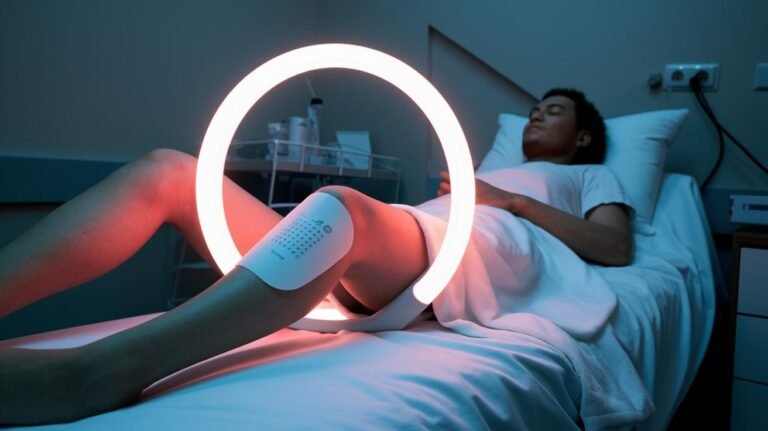
RecoveryPad Target , Type: targeted pad for joints and small areas. Frequency: 1-100 Hz. Intensity: up to 40 Gauss. Control: onboard controls plus app. Price: mid ($600–$1,000). Standout: focused coil array made for knees and shoulders. Pros: great for localized injuries and rehab. Cons: not a full-body solution.
-
InfraFlow Portable Mat , Type: foldable mat with near-infrared LEDs (near-infrared supports tissue healing). Frequency: 1-60 Hz. Intensity: up to 25 Gauss. Control: app and timer. Price: $800–$1,400. Standout: combines infrared light with PEMF for a warming, soothing feel. Pros: versatile at-home tool, like a mini spa session. Cons: less powerful than professional clinic mats.
Bottom line: for most athletes looking for smart PEMF devices that balance power, app control, and price, the WaveForm Pro Mat hits the sweet spot. Solid performance, easy scheduling, and a friendlier price than clinic-grade gear , good for regular recovery without breaking the bank.
Key Features & Performance Specs of Smart PEMF Devices
PEMF (Pulsed Electromagnetic Field therapy) uses timed magnetic pulses to encourage cells to repair, lower inflammation, and speed recovery. Think of it as a gentle hum of energy nudging your body into healing mode. For athletes, the gadget details, what frequencies it uses, how strong the field is, and how you run sessions, make a real difference in results and how easy it is to use daily.
Core Electromagnetic Specs
Why these specs matter: frequency changes how cells respond, intensity (Gauss) controls how deep the field reaches, waveform shape alters the tissue sensation, and coverage area decides if you treat one joint or your whole body.
-
Frequency range
- Most consumer units run roughly 10 to 100 Hz (hertz). Clinical systems may go wider. Lower Hz often feels calmer and suits chronic soreness or circulation work. Higher Hz can feel more lively and may help acute pain or quick recovery windows.
-
Intensity / Gauss (magnetic field strength)
- Home devices commonly peak around 0.1 to 50 Gauss (Gauss is magnetic strength). Pro systems can hit the low hundreds of Gauss. Stronger intensity reaches deeper tissue, but more power isn’t always better for every session. Start lower, see how you feel, and then adjust.
-
Các loại dạng sóng
- Sine waves feel smooth. Square waves land more abruptly. Sawtooth waves ramp up and down. Each waveform gives a slightly different sensory effect and cellular cue. Devices with multiple waveforms let you match how it feels to what you need.
-
Coverage area
- Single-pad coils focus on a single spot like a sore knee. Multi-channel mats or full-body systems treat larger areas at once. Bigger coverage shortens total session time when you want whole-body recovery.
Match specs to goals: surface soreness or targeted rehab? Pick lower-to-mid Gauss with focused pads. Deep tissue recovery after heavy training? Choose broader coverage with adjustable intensity and a wider frequency range.
Control & Connectivity
Good controls make home use simple, consistent, and something you’ll actually stick with.
-
Wireless pairing and remote activation
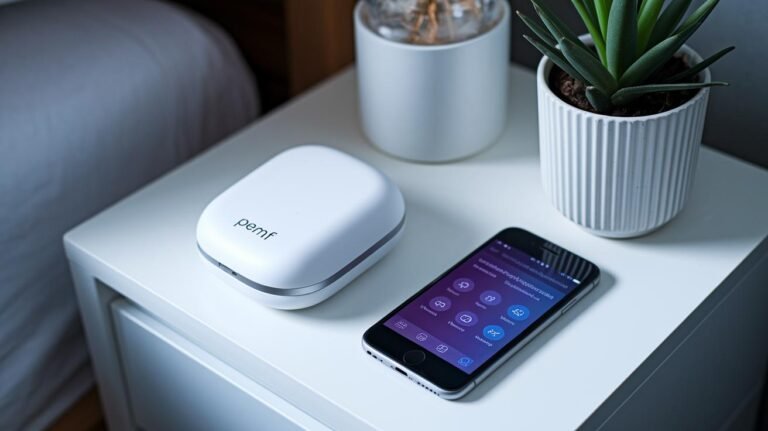
- Bluetooth plus a solid app lets you start sessions from your phone. Look for quick pairing and a stable connection so sessions begin reliably, not glitchy.
-
App presets vs custom session creation
- Presets are great on busy days. Custom programs let you tweak frequency, intensity, waveform, and duration when you want a tailored protocol.
-
Treatment history logging and export
- Logging session times, settings, and how you felt helps track progress and share data with coaches or therapists. Exportable logs fit neatly into training reviews.
Oh, and here’s a neat trick: sync your PEMF notes with your workout calendar. Then you’ll actually see patterns over weeks. Useful, right?
Safety & Custom Protocols
Devices should help prevent overuse and keep sessions predictable and safe.
-
Integrated sensors for overexposure prevention
- Auto-shutoff timers, temperature checks, and coil-fault detection protect tissue and hardware.
-
Firmware updates and feature growth
- Makers who push safe firmware updates can add helpful waveforms or refine protocols without forcing new hardware purchases.
-
Session limits and alerts
- User-set session caps and audible or on-screen alerts help you stick to recommended times. Timers that ramp intensity gently feel kinder on the nervous system.
-
Compliance and certification
- Look for recognized marks like FDA clearance or CE certification and clear manuals that list contraindications. These matter for clinic use and give peace of mind at home.
Pick a device with flexible controls, public safety credentials, and logging that plays nice with your other training tools. That way the device becomes a practical part of daily recovery, not some shelf gadget you forget about. Relax. Breathe. Use it.
Portable versus Full Body Smart PEMF Devices for Athlete Recovery
PEMF (Pulsed Electromagnetic Field therapy) comes in two main forms: spot-focused portable devices and full-body mats.
| Mat vs Portable – Quick Decision Guide |
|---|
Coverage
Mats give you whole-body, multi-zone coverage so you can treat your back, hamstrings, and shoulders at the same time. Portables focus on one spot , a knee, elbow, or a tight muscle. Think of a mat like lying in a gentle field of energy and the pad like a mini massage for a sore spot.
Typical Gauss ranges
Home PEMF devices usually span about 0.1 to 50 Gauss (Gauss is a measure of magnetic field strength). Portable pads tend to sit around 10 to 25 Gauss, while mats commonly start near 25 Gauss and can go above 50. Higher Gauss can feel like a deeper reach, but comfort and the treatment protocol matter most. "A 30 Gauss mat hit deeper than my 12 Gauss pad," I said after switching tools.
Session length
Portable sessions are short , about 10 to 20 minutes. Mat sessions run longer, roughly 20 to 45 minutes. Quick 15-minute pad work between workouts; a 30-minute mat session for evening recovery.
Portability and cost
Portable units are battery-powered and gym-bag friendly, and many start under $500. Mats need an outlet and more floor space, with prices ranging from mid-level home models to several-thousand-dollar pro systems. Travel a lot? Pack the pad. Prefer hands-off home recovery? Roll out the mat.
Extra note on warming LEDs
Mats are often paired with near-infrared LEDs (gentle warming light) for a cozy, restorative feel. That combo shows up in the mat's features or performance specs and can make the session feel like a warm sunrise waking up your cells.
Which should you pick?
If you want quick, targeted relief and portability, go with a pad. If you want simultaneous whole-body recovery and a hands-off session, choose a mat. Oh, and here’s a neat trick: use the pad between sets for fast tension release, then do a mat session after heavy training for deeper recovery.
Recommended Smart PEMF Protocols for Athlete Recovery and Self-Care

PEMF (Pulsed Electromagnetic Field therapy) can become a simple, soothing part of your recovery ritual. Imagine warm light, steady breath, and a few quiet minutes to reset. For a how-to on building routines, see Các thói quen tự chăm sóc tích hợp liệu pháp PEMF. Below are practical PEMF protocols athletes use for warm-up, post-workout recovery, and rest-day regeneration.
-
Warm-up prep (pre-training)
- Session length: 10 to 15 minutes.
- Intensity: low – gentle, wake-up levels.
- Frequency: lower to mid band, about 5 to 15 Hz; calming and circulation-friendly.
- Coil placement: short whole-body mat session or targeted pads over major muscle groups – quads, glutes, upper back.
- Why this works: it boosts circulation and warms tissues without tiring them. Think of it as a soft, energetic massage before you move. Breathe.
-
Post-workout recovery (immediate after training)
- Session length: 20 to 30 minutes.
- Intensity: moderate – comfort-first; increase only if you feel good.
- Frequency: flexible, 10 to 50 Hz depending on soreness and inflammation.
- Coil placement: full-body mat for broad coverage, plus pads on sore joints or tight spots.
- Tip: pair this with gentle stretching, extra hydration, or a short breathing exercise to help the nervous system settle. Have you tried a two-minute belly-breath after tough sets? It helps.
-
Rest-day regeneration (active recovery days)
- Session length: 30 to 45 minutes.
- Intensity: low to medium for calming and tissue repair.
- Frequency: steady mid-range, about 15 to 30 Hz, with longer duration.
- Coil placement: full-body mat, lying supine or prone in a relaxed position.
- Use it for better sleep and to nudge your parasympathetic system toward rest. Relax.
Keep a simple log of sessions, how sore you felt, sleep quality, and training load. Gradually increase time or intensity only after several comfortable sessions. Wait, let me clarify that – small steps work best. If you have implants, pacemakers, or other medical concerns, talk with your clinician before changing settings.
Budget-Friendly and Premium Smart PEMF Devices for Athlete Recovery
Picking a PEMF (Pulsed Electromagnetic Field therapy) device comes down to budget and how you plan to use it. Do you need a portable spot treatment you can toss in a gym bag, or a full-body mat for daily recovery at home? Prices and features follow those choices.
Entry-level portable units usually cost about $200 to $600. They run on batteries, offer simple presets, and use small coil pads for targeted relief. Think of them as a focused, gentle pulse for sore spots, perfect after a long run or for travel.
Home full-body mats sit around $500 to $1,500. They cover more of your body, let you tweak intensity, and often pair with an app for easy scheduling. It’s more of a whole-body soak in gentle electromagnetic pulses, like a warm sunrise waking up tired muscles.
Professional systems often run into the thousands. They add multi-channel coils, precise frequency control, and clinical-grade safety and certifications. Those are built for clinics or athletes with heavy daily use.
What you get at each tier
- Budget-friendly: basic frequency bands, limited Gauss (magnetic field strength) and waveform choices, and high portability. Great for travel or pinpoint pain relief.
- Mid-range mats: stronger Gauss, more programs, better LED or infrared pairing, and reliable app scheduling for daily routines. Nice for consistent at-home recovery.
- Premium systems: custom PEMF programs, data logging, robust warranties, and certifications that make them clinic-ready. Ideal if you need repeatable results and heavy use.
Long-term value and buying options
- If the upfront cost feels steep, consider sharing with training partners, rental programs, or clinic packages. Financing and lease-to-own plans are common for higher-end models.
- Maintenance is simple: wipe coils with a soft cloth, store mats and pads flat and dry, and install firmware updates when available. Wait, let me clarify, firmware updates are like a tune-up for your device; they keep performance steady and can add features.
- Small tip: treat pads gently and avoid folding mats. Relax. It helps the device last longer.
Have questions about a specific model or how it fits your routine? I’d be glad to help you match features to your recovery needs.
Safety Guidelines and Maintenance for Smart PEMF Devices in Athlete Recovery
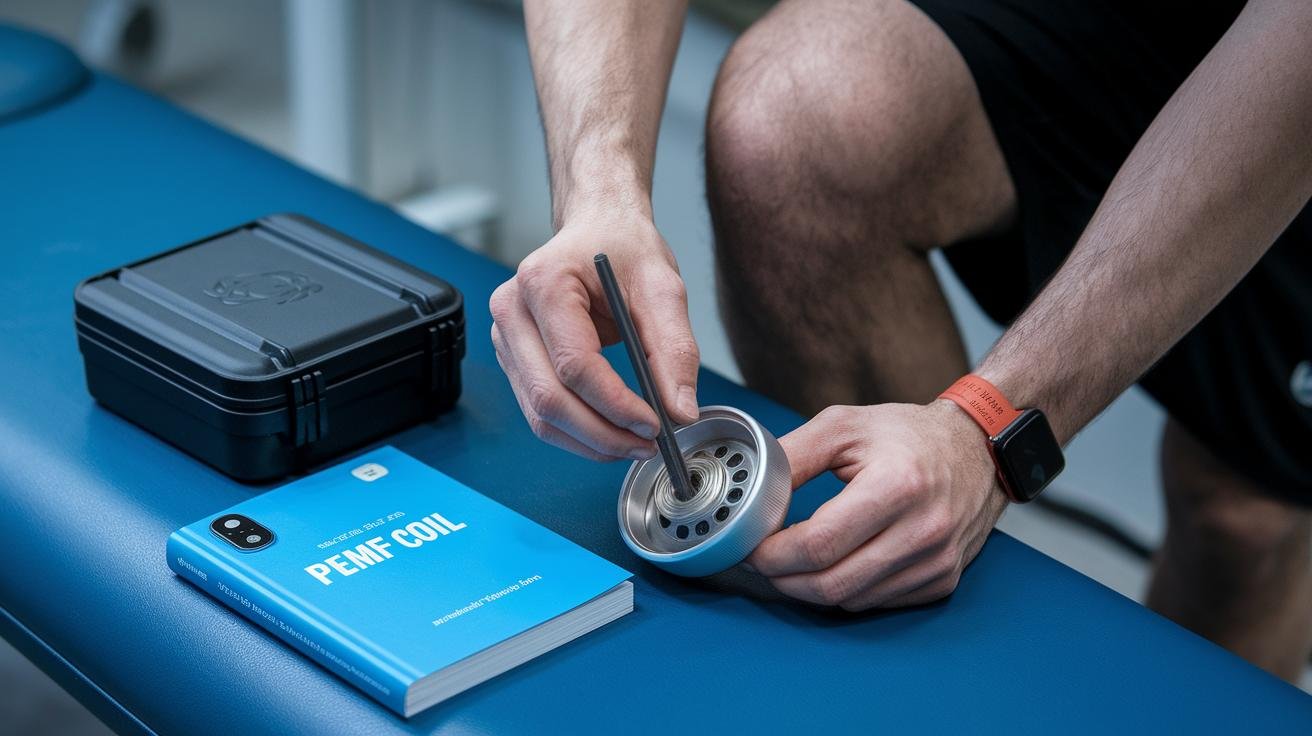
When you use PEMF (Pulsed Electromagnetic Field therapy) devices, try to pick models that are FDA-cleared or CE-approved when possible. Read the user manual first and check for any listed contraindications. It helps to know what the device feels like too, the gentle hum and pulse, so you can spot when something seems off.
Practical Safety Checklist
- Avoid placing coils or applicators directly on open wounds.
- Don’t lay mats or pads over a pacemaker or other implanted electronics without a clinician’s OK.
- Stop a session and contact your provider if you feel unusual pain, dizziness, or skin irritation.
- Stay hydrated before and after sessions to help your body respond.
- Follow the manufacturer’s recommended session length, frequency, and intensity limits.
Maintenance and warranty details were moved to the Budget-Friendly and Premium section, but here are the core care tips we kept: charge batteries according to the manual, inspect and replace any frayed connectors or cables, and keep flexible pads away from sharp objects, do not fold them tightly. Oh, and one quick warranty tip: register your device, save receipts and serial numbers, and use authorized service centers for repairs.
Athlete Testimonials and User Reviews of Smart PEMF Devices

Most athletes who stick with a regular PEMF (Pulsed Electromagnetic Field therapy) routine report real wins: less muscle soreness, faster return to full training, and deeper sleep. Small studies and user logs back that up. One runner logged about a 30% cut in recovery time. Team players used targeted pads to manage nagging joint pain and stay in the game. People usually tracked change with performance monitors and simple training logs.
Marathon Recovery Case Study
A 40-year-old marathoner added daily PEMF into a heavy training block. The plan: 10–15 minutes at low intensity before long runs, 20–30 minutes at moderate intensity after key workouts, and 30–45 minutes on rest days. He tracked soreness scores, sleep hours, and pace consistency.
Results? Faster muscle repair and steadier training volume. Soreness windows were shorter and his sleep improved on hard days. He cut recovery downtime by about a third and felt noticeably fresher during tempo runs. He said consistent timing and easy app scheduling kept sessions regular.
Chronic Knee Pain Management
A semi-pro basketball player used a targeted pad over the sore knee with mid-range frequencies and comfy straps. Protocol: twice-daily 20–30 minute sessions during rehab, then once daily when returning to practice. Pain scores dropped steadily over four weeks, and his minutes on court went up without flare-ups.
Players and trainers praised the wearable coil comfort and intuitive app controls that let them tweak settings quickly. Session logs were shared with the physio for objective progress checks.
Common praise themes: ease of use, measurable trends in soreness and sleep, comfy applicators, and helpful app logging. Many athletes call it a low-effort habit with noticeable recovery gains. Oh, and one quick safety note: don’t use PEMF over implants without your doctor’s OK.
Lời kết
You’ve seen the top smart PEMF devices, key specs, portable versus full-body trade-offs, and simple protocols for warm-up, post-workout care, and rest days.
We ran through core electromagnetic features, safety and maintenance tips, budget and premium picks, plus athlete case studies that show less soreness and deeper sleep.
Choose a device that fits your routine, short pre-workout sessions, longer recovery after training, and gentle rest-day treatments. This guide points to the best smart PEMF devices for athlete recovery so you can relax more, recover faster, and wake up ready.
Câu hỏi thường gặp
Frequently Asked Questions — PEMF
What are the best PEMF devices for home use and for athletes?
The best PEMF devices for home use and for athletes balance field strength, frequency range, waveform options, and comfort. Full-body mats suit broad recovery, portable pads work for travel, and app control adds helpful customization.
Which PEMF devices are FDA cleared?
The FDA has cleared certain PEMF devices for specific medical uses, like bone healing; check the FDA 510(k) database and manufacturer labeling to confirm a device’s cleared indications before buying.
Do professional athletes use PEMF and what do they use for recovery?
Professional athletes do use PEMF for recovery, often alongside compression, massage, cold therapy, and active rest. They favor mats or targeted pads to reduce inflammation and speed muscle repair between sessions.
What PEMF device does NASA use?
NASA studied PEMF coils in research on bone and plant growth, but there’s no single consumer “NASA device.” Their experiments inform clinical designs rather than a branded home unit for athletes.
How can I find trustworthy PEMF mat reviews and what should I look for when buying?
To find trustworthy PEMF mat reviews, compare field strength (Gauss), frequency range, waveform types, safety features, warranty, and independent testing. Read several user reviews and verify manufacturer claims before purchasing.