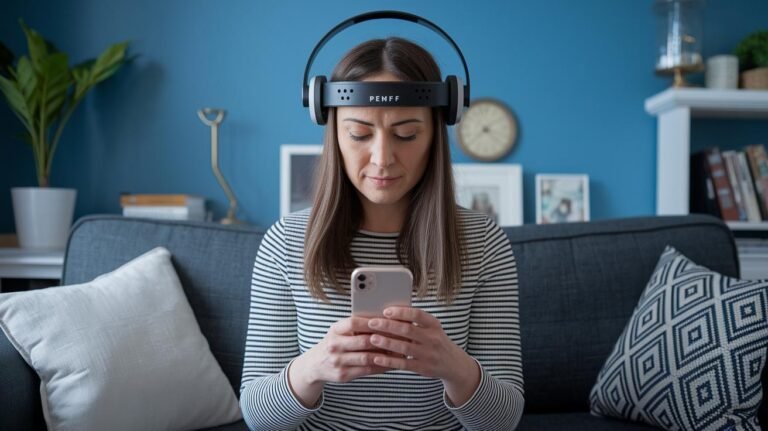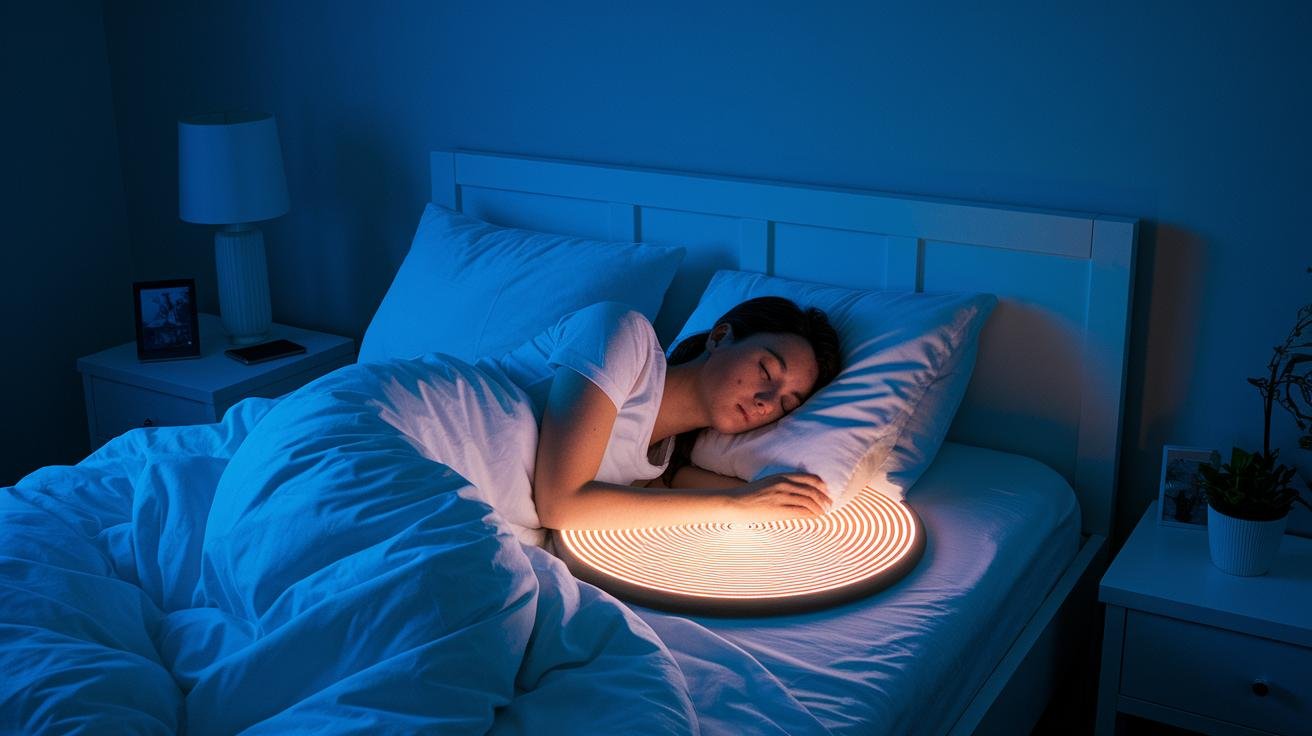
What if a soft, invisible pulse could help you fall asleep about 30% faster and raise REM sleep by roughly 15%? Clinical studies have reported results like that. PEMF (Pulsed Electromagnetic Field therapy), a gentle pulsing electromagnetic field, is a noninvasive way to quiet nighttime restlessness so you fall asleep sooner and stay in deeper sleep.
Think of PEMF like a slow ocean tide nudging your nervous system back to its natural rhythm. No drugs, just a steady cue that helps your brain settle into slow, repair-focused waves. Relax. Breathe.
PEMF seems to work for a few clear reasons: it calms stress, eases pain, improves circulation, and helps brainwaves sync for deeper rest. Picture it as a gentle hum waking up sleepy cells, helping your body do its nightly repair work.
Have you ever felt tension melt away and drift off more easily? I once wondered if a simple pulse could ease my neck strain, and it really helped my sleep. In truth, talk with your clinician before trying PEMF, especially if you have implants like a pacemaker or other medical devices.
Liệu pháp PEMF giúp cải thiện giấc ngủ, mang lại những đêm ngủ ngon hơn.
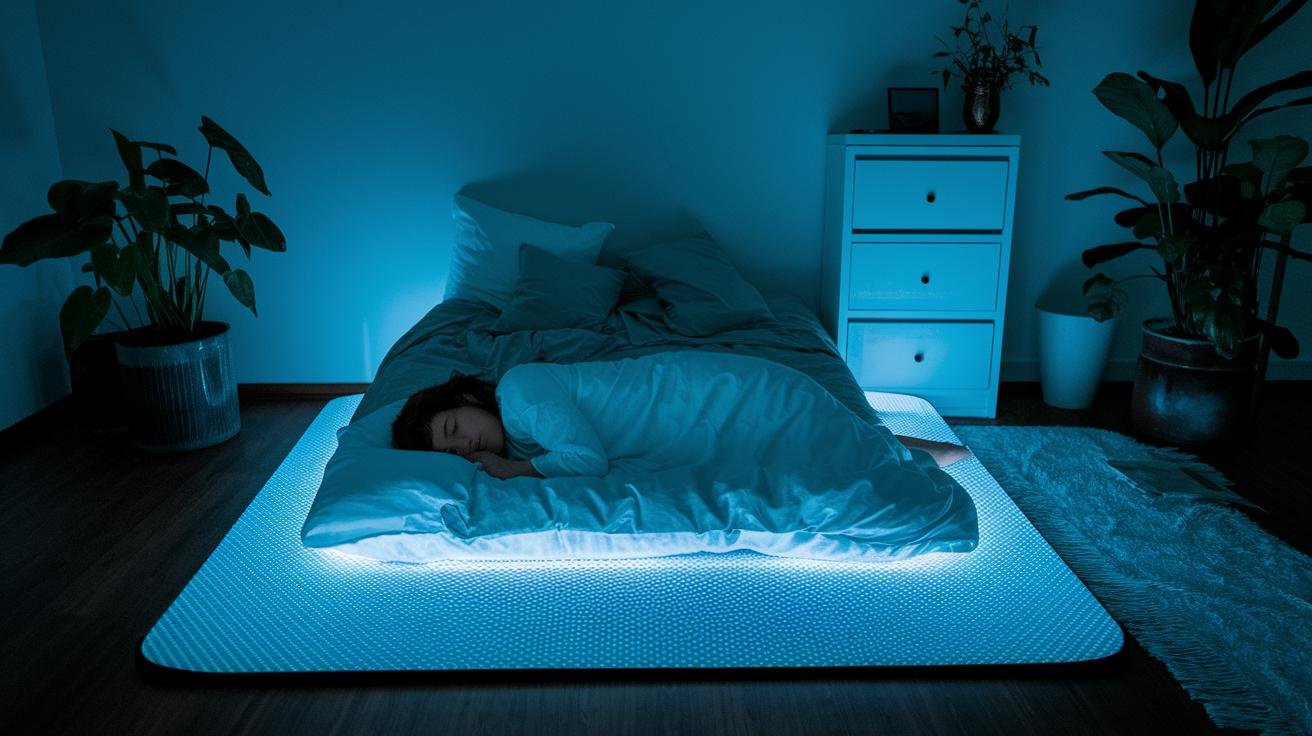
Clinical trials show PEMF (Pulsed Electromagnetic Field therapy) can cut the time it takes to fall asleep by as much as 30% and increase REM sleep by about 15%. It’s a gentle, noninvasive option that quiets nighttime tossing and turning, so you fall asleep faster and spend more time in deeper sleep.
Think of PEMF like a soft, steady tide that helps your nervous system settle. It doesn’t drug your brain. Instead it nudges the body’s systems back toward natural sleep patterns, helping you wake up feeling clearer and more rested.
At a glance, PEMF helps sleep through five core pathways:
- Stress reduction by lowering cortisol , see PEMF therapy for stress relief
- Better blood flow and oxygen delivery to tissues
- Reduced inflammation and pain, which makes falling asleep easier
- Neuro-entrainment (syncing brainwaves, like delta and theta)
- Calming the autonomic nervous system so you’re less wired at night
Deep Dive: Brainwave Entrainment and Hormonal Modulation
Early circadian research in the 1960s and 1970s found that weak, low-frequency fields around 10 Hz helped restore daily rhythms after sensory deprivation. Today we know targeted PEMF also shifts key neurotransmitters. GABA and serotonin tend to rise, and that quiets an overactive mind.
For deep sleep you want very slow rhythms. Around 3 Hz lines up with delta waves, the deep-sleep pattern your brain uses for repair. Around 10 Hz can nudge broader circadian timing and help the body know when night has arrived. Using a steady, single frequency through the night gives the brain a consistent cue to lock onto slower waves and improve sleep quality naturally, without pills.
Wait, let me clarify that , PEMF isn’t magic, and results vary by person. But many people notice less time lying awake and fewer shallow sleep cycles. Have you ever felt tension melt away and then fell into a deep sleep? That’s the kind of change PEMF aims to support.
Clinical Evidence Supporting PEMF Therapy for Sleep Improvement
Multiple peer-reviewed sleep studies support PEMF (Pulsed Electromagnetic Field therapy). Trials from 2001, 2021 and a 2023 multicenter randomized trial point to the same things: faster sleep onset, fewer awakenings and deeper, more restorative sleep when low-frequency, targeted electromagnetic field treatment is used. The tone across studies is steady and promising.
Have you ever wished you could fall asleep faster and stay asleep longer? These trials suggest PEMF can help with that. The effects are most consistent with low-Hz, single-frequency protocols applied near bedtime or run through the night. It’s kind of like a steady metronome guiding your nervous system toward rest.
One controlled trial used 0.5 mT (0.5 millitesla, about 5 gauss) at 4 Hz and found clear benefits. About 83% of treated participants reported fewer sleep disturbances versus 57% on placebo. Seventy percent experienced major relief after six weeks, and no adverse effects were reported. Those are meaningful numbers for people struggling with insomnia.
Practical tip: aim for consistent sessions – same low frequency each night, close to bedtime or continuously through the night. Oh, and here’s a neat trick: treat it like a bedtime ritual. Consistency matters more than complexity.
| Study | Tính thường xuyên | Cường độ | Kết quả |
|---|---|---|---|
| 2001 double-blind, placebo-controlled | Low Hz (single-frequency) | Not stated | Significant sleep-latency reduction in insomnia patients |
| 0.5 mT, 4 Hz double-blind trial | 4 Hz | 0.5 mT (5 gauss) | 83% reduced disturbances; 70% major relief after 6 weeks |
| 2023 multicenter RCT | Low Hz protocols | Varied / not stated | Significant drops in insomnia severity vs sham |
Taken together, these trials build a consistent case that low-frequency electromagnetic field sleep treatment can shorten the time it takes to fall asleep and deepen sleep, while showing minimal side effects. If you’re interested in improving sleep naturally, PEMF appears to be a well-studied, noninvasive option worth considering. If you’re curious, um, talk with your healthcare provider about whether a trial might fit your sleep plan.
Recommended PEMF Treatment Parameters for Optimal Sleep
Session Duration and Frequency
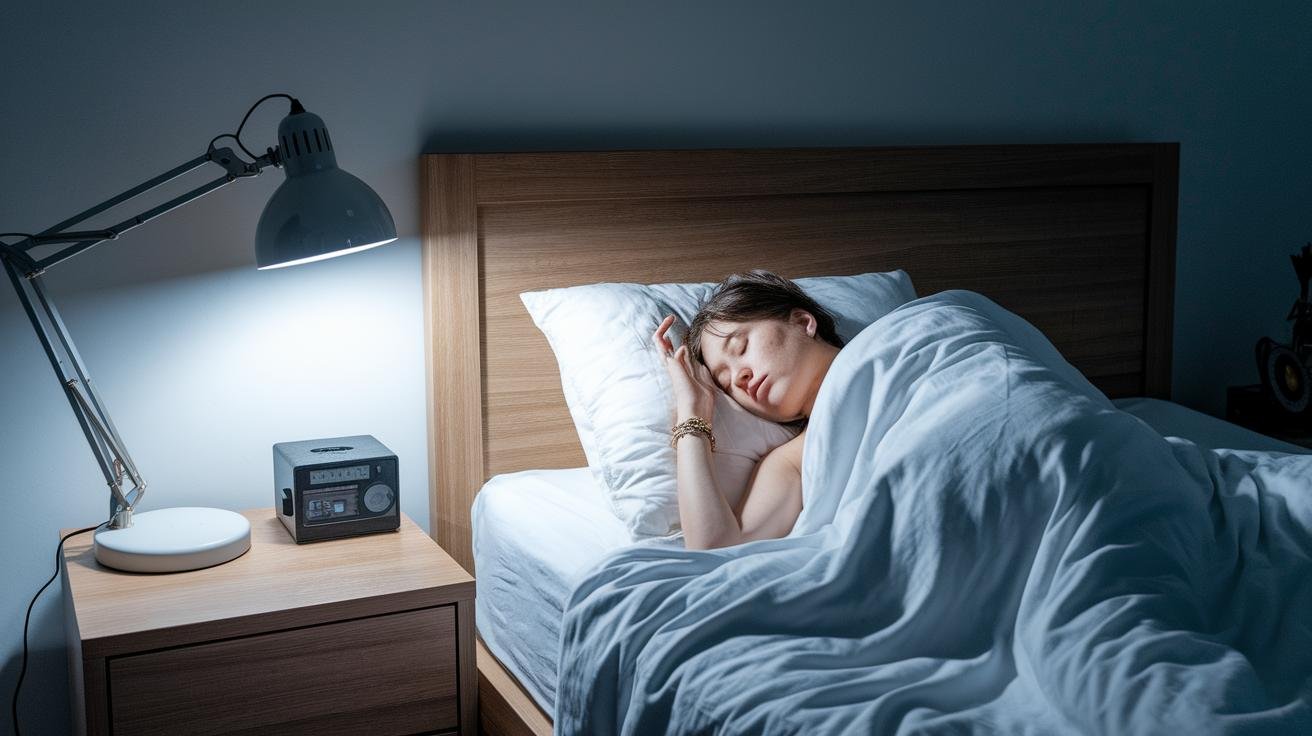
Want a simple bedtime ritual that helps your brain wind down? Try PEMF (Pulsed Electromagnetic Field therapy) for about 40 minutes in the hour before bed.
Or, if your device is designed for it, let a single-frequency mode run quietly all night for gentle, continuous support. Daily use builds up benefits over time, think of it like watering a plant a little each day instead of one big soak. Keep the timing steady so your body learns the cue for sleep. Relax. Breathe.
Frequency and Intensity Settings
For deep, restorative sleep aim for a steady 3 Hz signal (that’s in the delta brainwave range, slow waves tied to deep sleep). A single, unchanging frequency helps the brain settle into those slower rhythms, like a slow ocean pulse guiding your breath. Start at a low intensity and slowly increase until you feel a comfortable effect. Coil-surface peaks up to about 200 gauss (about 0.02 tesla) are used by some people who tolerate stronger fields. If you’re electro-sensitive, lower the intensity or move the coil a bit farther away. Oh, and if you notice headaches or jitteriness, pause and reduce the strength.
Coil Placement Options
Try placing a flat coil under your pillow or right under the base of the skull (top of the neck) for a direct effect on sleep-regulating areas. Side-of-head placement above the ears can help too, though some folks hear a soft clicking sound at higher intensities. Another gentle option is positioning the coil over the upper belly (solar plexus) to calm the autonomic nervous system, like a warm hand over your center. Test positions for what feels best, and always start low and increase slowly.
Safety Considerations and Best Practices for Home Use PEMF Sleep Therapy

PEMF (Pulsed Electromagnetic Field therapy) is a non-invasive option to help with insomnia. It’s usually painless and people tend to tolerate it well. Most users don’t report serious side effects, which is reassuring if you’re nervous about trying energy-based sleep aids. Think gentle pulses, like a soft hum that helps your nervous system settle.
Some folks are more electro-sensitive and need gentler settings. Start at the lowest intensity and only raise it if you feel comfortable. If you notice unusual sensations, such as tingling, headaches, or jitteriness, reduce the strength or move the coil (the device that sits near your body) a few inches away and try again.
Watch for morning grogginess when PEMF is used with sleep medications. PEMF can amplify a medicine’s effects, so talk with your doctor or pharmacist about timing and dose before changing your nightly routine. If you’re starting a new prescription, pause the treatment until you get clear guidance.
Placement matters for safety. Keep coils away from metal implants and medical devices such as pacemakers, and avoid putting a coil directly over a charging phone, laptop, or other active electronics. If you use a home sleep stimulation mat, follow the manufacturer’s placement and distance instructions closely.
Oh, and here’s a neat trick: try a short, 10-minute session first to test how your body reacts. If anything feels off, stop the session and check in with your clinician. Relax. Breathe. Safety first, then sleep.
Selecting a PEMF Device for Sleep Improvement: Key Features and Options
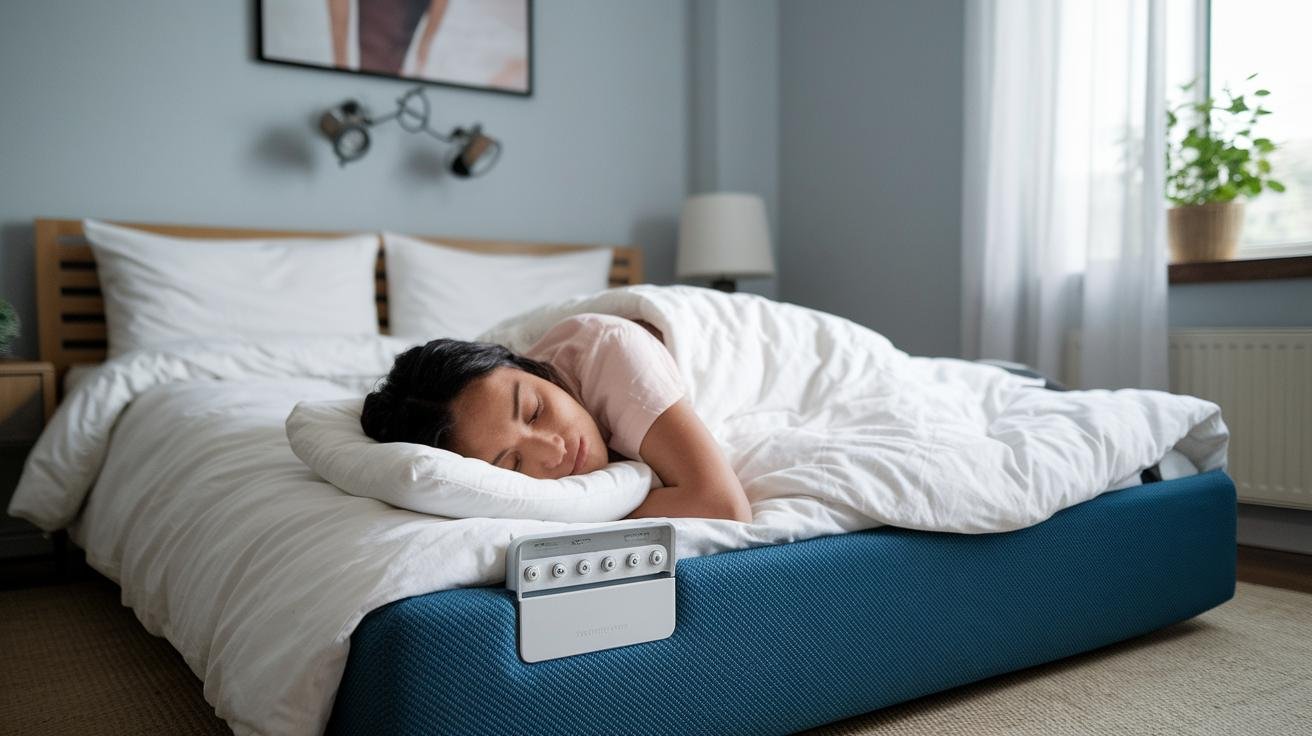
Home PEMF choices range from low-power sleep mats to focused coil systems that sit by your head or neck. There are whole-body beds too, though their magnetic field fades with distance, so they tend to give a gentler cranial effect. Think about whether you want wide, mild coverage or a tighter, stronger signal aimed at sleep centers.
FlexPulse-style coil systems are made for bedtime: portable, rechargeable, and able to run all night. Some put out around 200 gauss (a unit of magnetic strength) right at the coil face and offer a few fixed-frequency programs so you can choose a steady delta setting (delta means slow brainwave activity linked to deep sleep). Battery life and whisper-quiet operation matter. No one wants a noisy gadget stealing their rest.
Compare full-body mats with localized coils when you choose gear. See Lợi ích của PEMF toàn thân for how whole-body units help systemic recovery. Mats give broad coverage and are great for circulation and pain relief. Coils deliver higher intensity near the brainstem for sleep-specific neuro-entrainment (gentle timing of brain rhythms). That difference changes how the device feels and what it does for your sleep.
- Adjustable intensity controls so you can start low and tune up
- Continuous-operation mode for single-frequency overnight use
- Battery life of eight hours or more for true overnight runs
- Coil size and shape that fit a pillow, the neck, or the side of your head
- Durable pad materials and clear safety instructions from the maker
- Portability if you travel or want to move the device between rooms
Pick the device that matches how you sleep, where you want the field concentrated, and how much control you want over frequency and intensity. Which feels right for you? Try a low setting first. Relax. Breathe.
Integrating PEMF Therapy with Holistic Sleep Enhancement Practices

PEMF (Pulsed Electromagnetic Field therapy) works best when it’s one part of a calm, predictable bedtime routine. Try pairing nightly PEMF with a steady sleep schedule so your body learns the cue: same wake time, same lights-out window. Have you ever treated PEMF like a little ritual, brush, breathe, switch on the device, and settle in? It helps signal your body that sleep is coming.
Make the bedroom a true sleep cave: cool, quiet, and very dark. Blackout curtains and a supportive mattress do more than feel nice. They cut down tossing and turning so you get deeper sleep cycles. A soft nightlight for bathroom trips is fine. But real darkness helps your melatonin kick in.
Add a short, simple wind-down before bed to calm your nervous system. Five minutes of slow belly breathing, a quick guided meditation, or gentle neck and shoulder stretches will do. Pair these with low-Hz PEMF (low frequency, slow pulses) and you may notice your mind slide toward theta then delta rhythms, like a tide pulling you toward sleep. Relax. Breathe.
Cut screens about an hour before lights-out to reduce blue light and mental buzz. Try a lavender pillow mist or a small diffuser for scent-based calm, and skip caffeine late in the day so PEMF isn’t fighting stimulants. Dim bright overhead lights during your wind-down; softer lighting sends clear night signals. Oh, and here’s a neat trick: lower the device intensity a bit during the first nights as you learn what feels best.
Track how you sleep with a wearable or a simple journal to see real change. Note sleep latency, wake-ups, and how you feel on waking, small wins add up. Use those notes to tweak coil placement, session timing, or your wind-down habits so PEMF supports steadier, deeper rest. In truth, consistency beats perfection.
Lời kết
You’ve seen trials showing faster sleep onset and longer REM, and the five ways PEMF helps, cortisol reduction, improved circulation, inflammation and pain relief, brainwave entrainment, and calm of the autonomic nervous system.
We covered practical settings (3 Hz, 40 minutes or overnight), coil placement, device choices and simple safety tips for home use. Try pairing short nightly sessions with a steady bedtime, low light, and gentle breathing.
Give PEMF therapy for sleep improvement a few weeks; many people report deeper rest and brighter mornings.
Câu hỏi thường gặp
Does PEMF improve sleep?
PEMF can improve sleep by shortening sleep latency (trials show up to 30% reduction) and increasing REM duration (about 15%), helping you fall asleep faster and reach deeper restorative stages.
How do you use PEMF for sleep (pulse stimulation, PEMF mat)?
Run 40-minute sessions or use gentle overnight fields daily. Place coils under the pillow or at the base of the skull/side neck, and stick with a single low-frequency setting like 3 Hz.
What is the best PEMF frequency for sleep?
The best PEMF frequency for sleep is around 3 Hz to support delta (deep sleep); 10 Hz can aid circadian timing. Clinical approaches usually target low-hertz ranges for restorative stages.
What is the best PEMF device or mat for sleeping?
The best device offers adjustable intensity (up to ~200 gauss), continuous overnight operation, large localized coils (e.g., FlexPulse) or a durable mat, plus long battery life (8+ hours) and comfort.
What are PEMF therapy side effects and what do user reports say (Reddit, forums)?
Side effects are rare; PEMF is noninvasive and usually painless. Some users report mild morning grogginess or sensitivity. Forum reports vary but often note gradual sleep improvements with daily use.
Can PEMF help sleep apnea?
Evidence is limited. PEMF should not replace CPAP or medical care. Some studies report fewer disturbances, but consult your clinician before using PEMF as a complementary approach.