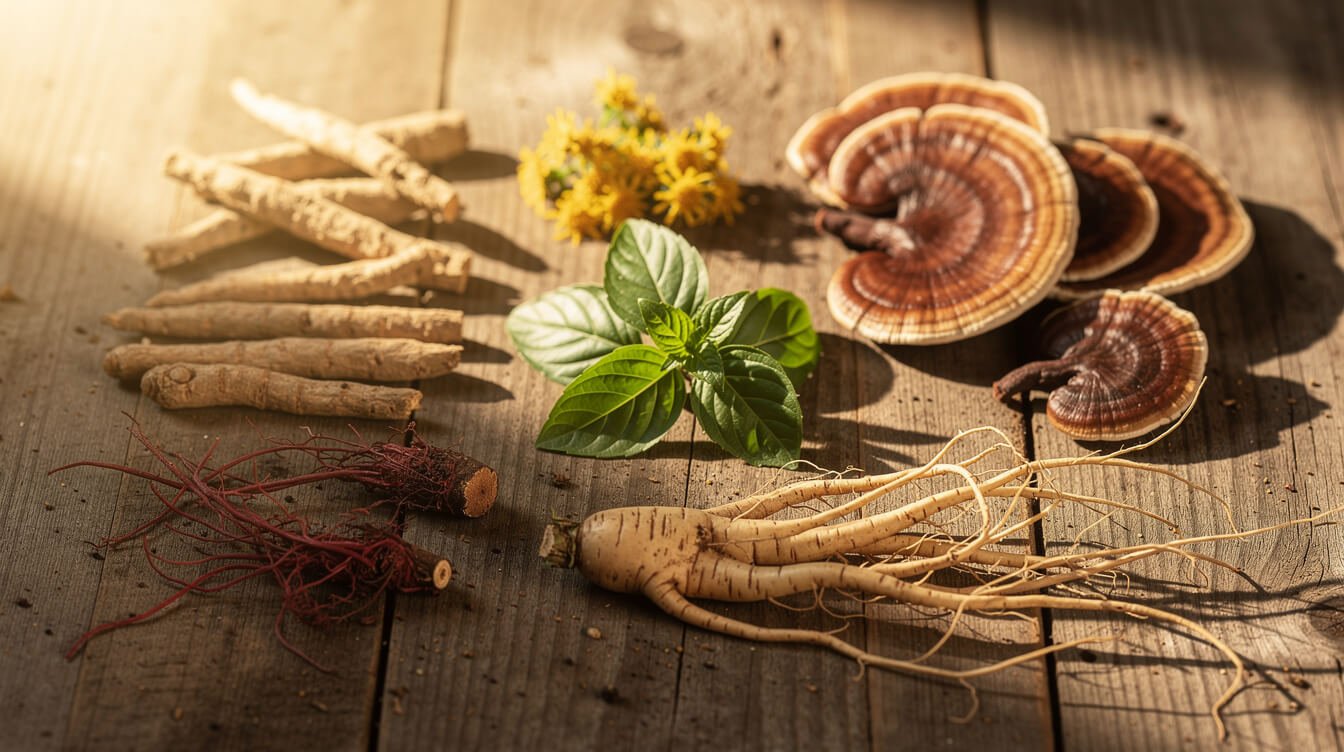
If you’ve been searching for adaptogen supplements for stress, you’re not alone. Millions of people are turning to these remarkable plant-based remedies as a natural way to manage the relentless pressures of modern life. Adaptogens — a unique class of herbs, roots, and mushrooms — have been used for centuries in traditional medicine systems across Asia and India, and modern research is finally catching up to what ancient healers have long understood.
Unlike conventional stress remedies that simply mask symptoms, adaptogen supplements work with your body’s own stress response system to help restore balance from the inside out. Whether you’re dealing with work burnout, sleep disruption, or that constant low-grade anxiety that never quite goes away, the right adaptogen may offer the support your body has been asking for.
In this comprehensive guide, we’ll explore exactly what adaptogens are, how they interact with your stress response, the most effective adaptogen supplements backed by research, and how to build a daily adaptogen routine that actually works for your unique needs.
What Are Adaptogen Supplements for Stress?

Adaptogens are a specific category of herbs, roots, and fungi that help your body adapt to physical, emotional, and environmental stressors. The term was first coined by Soviet scientist Dr. Nikolai Lazarev in 1947, and the concept has been refined by researchers ever since.
To qualify as a true adaptogen, a substance must meet three strict criteria:
- Không độc hại ở liều lượng thông thường. — it must be safe for regular, long-term use without harmful side effects
- Non-specific stress resistance — it must help the entire body cope with stress, not just target one organ or system
- Homeostatic balance — it must help the body return to a stable, balanced state regardless of what direction the imbalance goes
This third criterion is what makes adaptogens truly special. Unlike stimulants that push your energy up or sedatives that bring it down, adaptogens are bidirectional — they help calibrate your body’s response based on what you actually need. If you’re exhausted, an adaptogen like rhodiola may help restore energy. If you’re wired and anxious, the same class of compounds may help promote calm.
People take adaptogen supplements in several forms — capsules, powders added to smoothies or coffee, liquid tinctures, and herbal teas. Each form has its own absorption profile and convenience factor, which we’ll cover later in this guide.
How Adaptogen Supplements Work in Your Body

Understanding how adaptogens work requires a quick look at your body’s built-in stress management system — the Trục hạ đồi-tuyến yên-tuyến thượng thận (HPA).
The HPA Axis and Your Stress Response
When you encounter a stressor — whether it’s a work deadline, a difficult conversation, or even intense exercise — your hypothalamus signals your pituitary gland, which then tells your adrenal glands to release cortisol and adrenaline. This is your “fight or flight” response, and it’s perfectly healthy in short bursts.
The problem arises when stress becomes chronic. Prolonged HPA axis activation leads to consistently elevated cortisol levels, which research links to:
- Disrupted sleep patterns and insomnia
- Weight gain, particularly around the midsection
- Weakened immune function
- Sương mù não và khó tập trung
- Mood imbalances including anxiety and irritability
- Digestive issues and gut inflammation
Where Adaptogens Step In
Research suggests that adaptogens interact with the HPA axis at multiple points along the stress cascade. They may help modulate the release of stress hormones, support healthy cortisol rhythms, and enhance your body’s overall resistance to stress — essentially widening the window of what your body can handle before entering a stress state.
Some adaptogens also appear to influence key neurotransmitters like serotonin, dopamine, and GABA, which play crucial roles in mood regulation, focus, and relaxation. This multi-pathway approach is what gives adaptogens their remarkably broad range of potential benefits.
A growing body of research also points to adaptogens’ effects on cellular energy production. Certain adaptogens may support mitochondrial function, which could explain why many people report improved physical and mental stamina alongside reduced stress.
The 8 Most Effective Adaptogen Supplements for Stress Relief
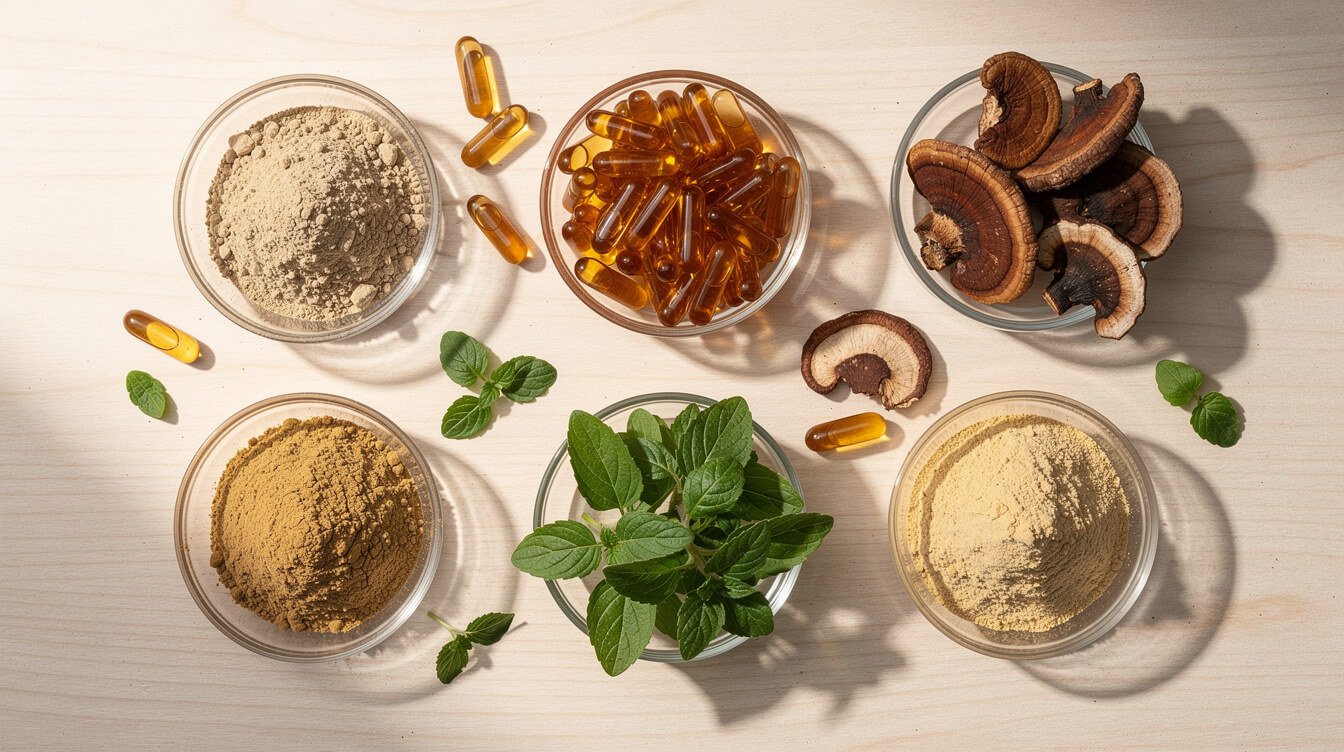
Not all adaptogens are created equal when it comes to stress management. Here are the eight most well-researched adaptogen supplements, each with a distinct stress-relief profile:
1. Ashwagandha (Withania somnifera)
Phù hợp nhất cho: Anxiety, sleep quality, overall stress resilience
Ashwagandha is arguably the most studied adaptogen for stress relief. Multiple clinical trials suggest it may significantly reduce cortisol levels — one randomized controlled trial found a 30% reduction in cortisol among participants taking 300mg of root extract twice daily over 60 days. It’s traditionally used in Ayurvedic medicine as a rasayana (rejuvenator) and is particularly valued for its calming, grounding effects.
Typical dose: 300–600mg standardized root extract daily
2. Rhodiola Rosea
Phù hợp nhất cho: Mental fatigue, burnout recovery, physical endurance
If ashwagandha is the “calming” adaptogen, rhodiola is the “energizing” one. This Arctic root has been used by Scandinavian and Russian cultures for centuries to combat fatigue and enhance performance. Research suggests it may improve mental performance under stress and reduce burnout symptoms. It’s particularly popular among professionals dealing with demanding cognitive workloads.
Typical dose: 200–400mg standardized extract (3% rosavins, 1% salidroside) daily
3. Húng quế thiêng / Tulsi (Ocimum tenuiflorum)
Phù hợp nhất cho: Cognitive function, emotional balance, immune support
Revered as the “queen of herbs” in Ayurveda, holy basil has been traditionally used to promote clarity and calm. Studies suggest it may help reduce anxiety, improve focus, and support healthy blood sugar levels — all of which can be disrupted by chronic stress. Many people enjoy tulsi as a soothing herbal tea.
Typical dose: 300–600mg extract or 2–3 cups of tulsi tea daily
4. Reishi Mushroom (Nấm Linh Chi)
Phù hợp nhất cho: Sleep support, immune modulation, nervous system calm
Known as the “mushroom of immortality” in traditional Chinese medicine, reishi is a powerful adaptogenic fungus. Research suggests it may support healthy sleep cycles, enhance immune function, and promote a sense of calm without sedation. Its triterpene compounds are believed to interact with the nervous system to support relaxation.
Typical dose: 1,000–1,500mg dried mushroom extract or 3–6ml tincture daily
5. Eleuthero / Nhân sâm Siberia (Eleutherococcus senticosus)
Phù hợp nhất cho: Physical stamina, immune resilience, sustained energy
Not a true ginseng but equally impressive, eleuthero was one of the first adaptogens studied by Soviet researchers for enhancing athletic and military performance. It may help improve endurance, support immune function during periods of high stress, and promote sustained energy without the crash associated with stimulants.
Typical dose: 300–400mg standardized extract daily
6. Maca Root (Lepidium meyenii)
Phù hợp nhất cho: Hormonal balance, energy, mood elevation
Grown at high altitudes in the Peruvian Andes, maca root has been used for thousands of years to support energy, stamina, and hormonal health. Research suggests it may help balance stress-related hormonal disruption, improve mood, and enhance overall vitality. It has a pleasant, slightly nutty flavor that blends well into smoothies.
Typical dose: 1,500–3,000mg powder or 450–500mg concentrated extract daily
7. Schisandra Berry (Schisandra chinensis)
Phù hợp nhất cho: Mental clarity, liver support, stress endurance
Called the “five-flavor berry” because it contains all five taste profiles (sweet, sour, salty, bitter, pungent), schisandra is a cornerstone of traditional Chinese medicine. Studies suggest it may enhance mental performance under stress, support liver detoxification, and improve the body’s overall adaptive capacity.
Typical dose: 500–1,000mg dried berry extract daily
8. Lion’s Mane Mushroom (Hericium erinaceus)
Phù hợp nhất cho: Cognitive function, nerve health, stress-related brain fog
While technically a nootropic mushroom, lion’s mane has significant adaptogenic properties. Research suggests it may support nerve growth factor (NGF) production, which could help protect the brain from stress-related damage. Many users report improved focus, memory, and mental clarity — making it an excellent choice for stress that manifests as brain fog.
Typical dose: 500–1,000mg extract or 3,000–5,000mg dried mushroom powder daily
How to Choose the Right Adaptogen Supplements for Your Stress Pattern

One of the biggest mistakes people make with adaptogens is taking a popular one without considering their unique stress profile. Different adaptogens shine for different stress patterns, and matching the right herb to your specific needs can make all the difference.
Identify Your Stress Type
The “Wired and Tired” Pattern: You feel exhausted but can’t wind down. Your mind races at bedtime, and you rely on caffeine to get through the day.
- Best adaptogens: Ashwagandha + reishi mushroom
- Why: Ashwagandha may help lower elevated cortisol, while reishi supports nervous system calm and sleep quality
The “Burned Out” Pattern: You feel flat, unmotivated, and emotionally depleted. Simple tasks feel overwhelming, and you’ve lost your spark.
- Best adaptogens: Rhodiola + eleuthero
- Why: Both are energizing adaptogens that may help rebuild stamina and restore mental drive
The “Foggy Brain” Pattern: Stress has affected your concentration and memory. You struggle to focus and feel mentally sluggish.
- Best adaptogens: Lion’s mane + schisandra
- Why: Lion’s mane supports cognitive function and NGF, while schisandra may enhance mental clarity under stress
The “Hormonal Havoc” Pattern: Stress has thrown your hormones off balance — irregular cycles, mood swings, or energy crashes at specific times of day.
- Best adaptogens: Maca + holy basil
- Why: Maca is traditionally used for hormonal balance, while holy basil may help stabilize blood sugar and emotional equilibrium
The Adaptogen Cycling Approach
Many herbalists recommend cycling your adaptogens rather than taking the same one indefinitely. A common protocol is:
- 6 weeks on — take your chosen adaptogen daily
- 1–2 weeks off — give your body a break to reset
- Switch or restart — try a different adaptogen or return to the same one
This cycling approach may help prevent your body from developing tolerance and allows you to experiment with different adaptogens to find your optimal match. If you’re interested in how other phương thuốc thảo dược can complement your adaptogen routine, pairing them thoughtfully can create a more comprehensive wellness approach.
🎁 Nhận quà tặng chăm sóc sức khỏe miễn phí
Hãy nhập tên và email của bạn bên dưới để nhận quà tặng chăm sóc sức khỏe đặc biệt từ OlyLife — hoàn toàn miễn phí!
How to Build a Daily Adaptogen Supplement Routine

Consistency is key with adaptogens — most research shows benefits emerging after 2–6 weeks of daily use. Here’s a practical framework for incorporating adaptogen supplements into your daily rhythm.
Morning Protocol (Energizing)
Take energizing adaptogens within 30 minutes of waking, ideally with breakfast:
- Rhodiola rosea (200–400mg) — take on an empty stomach for optimal absorption
- Maca root (1,500mg powder) — blend into your morning smoothie or oatmeal
- Eleuthero (300mg) — take with your first meal
Tip: Avoid taking energizing adaptogens after 2 PM, as they may interfere with sleep onset.
Midday Protocol (Focus and Balance)
Support sustained focus and emotional balance through the afternoon:
- Holy basil / tulsi tea — brew a cup after lunch for gentle cognitive support
- Lion’s mane (500mg) — take with lunch to support afternoon mental clarity
- Schisandra berry (500mg) — supports sustained mental performance
Evening Protocol (Calming)
Transition into rest and recovery with calming adaptogens:
- Ashwagandha (300mg) — take 1–2 hours before bed to support healthy cortisol wind-down
- Nấm Linh Chi (1,000mg or reishi tea) — promotes relaxation and sleep quality
Tip: You don’t need to take all of these at once. Start with one adaptogen at one time of day and build gradually.
Adaptogen Supplement Forms Compared
The form you choose affects convenience, absorption, and cost:
- Viên nang/viên nén: Most convenient, standardized dosing, slightly slower absorption. Best for daily consistency.
- Bột: Versatile (add to food/drinks), often more affordable per dose, allows flexible dosing. Best for smoothie lovers.
- Tinctures (liquid extracts): Fast absorption, easy to adjust dose drop by drop, compact for travel. Best for precise dosing.
- Các loại trà: Gentle introduction, ritual aspect supports relaxation, lower potency than extracts. Best for beginners and evening use.
Whichever form you choose, look for third-party tested products with clear standardization information on the label. This ensures you’re getting a consistent, effective dose of the active compounds.
For a broader perspective on natural approaches to managing stress, our guide to các kỹ thuật giảm căng thẳng và thư giãn dựa trên bằng chứng pairs beautifully with an adaptogen routine — combining herbal support with practical breathwork, meditation, and grounding practices.
Safety, Side Effects, and Frequently Asked Questions About Adaptogen Supplements
Are adaptogen supplements safe?
By definition, true adaptogens are non-toxic at normal doses and have been used safely for centuries in traditional medicine systems. However, “safe” doesn’t mean “without considerations.” Most adaptogens have an excellent safety profile when taken as directed, but individual responses can vary.
What are the potential side effects of adaptogens?
Side effects are generally mild and uncommon, but may include:
- Khó chịu đường tiêu hóa — some people experience mild nausea or stomach upset, especially when starting. Taking adaptogens with food usually helps.
- Sleep changes — energizing adaptogens (rhodiola, eleuthero) taken too late in the day may disrupt sleep
- Đau đầu — occasionally reported during the first week, usually resolving as the body adjusts
- Vivid dreams — some users report more vivid dreaming with ashwagandha, which is generally harmless
Who should avoid adaptogen supplements?
While generally safe, certain groups should consult a healthcare provider before starting adaptogens:
- Phụ nữ mang thai hoặc đang cho con bú — safety data is limited for most adaptogens during pregnancy
- People on medication — some adaptogens may interact with thyroid medication, blood thinners, immunosuppressants, or blood pressure drugs
- Những người mắc bệnh tự miễn dịch — immune-modulating adaptogens like reishi and astragalus may affect autoimmune conditions
- Pre-surgery patients — Một số chất thích nghi có thể ảnh hưởng đến quá trình đông máu hoặc tương tác với thuốc gây mê.
How long do adaptogen supplements take to work?
Most people notice initial effects within 1–2 weeks, with full benefits typically emerging after 4–8 weeks of consistent daily use. Adaptogens work cumulatively — they’re building your body’s resilience over time, not providing instant relief. Think of them as training wheels for your stress response rather than an emergency brake.
Can you combine multiple adaptogens?
Yes — in fact, many traditional formulations combine complementary adaptogens for synergistic effects. The key principles for safe stacking are:
- Start with one adaptogen for 2 weeks before adding a second
- Combine adaptogens with different primary actions (e.g., one calming + one energizing)
- Don’t exceed three adaptogens at once unless guided by a qualified herbalist
- Listen to your body and adjust based on how you feel
Các chất thích nghi có tương tác với caffeine không?
Most adaptogens pair well with moderate caffeine intake. In fact, combining an energizing adaptogen like rhodiola with your morning coffee may help smooth out the jittery energy spike and prevent the afternoon crash. However, if you’re taking calming adaptogens for anxiety, consider reducing caffeine intake to avoid counteracting the calming effects.
Your Next Steps: Starting Your Adaptogen Journey
The world of adaptogen supplements for stress can feel overwhelming at first, but the beauty of these ancient remedies is their gentleness and flexibility. You don’t need to overhaul your entire routine — start small, stay consistent, and pay attention to how your body responds.
Here’s a simple three-step starter plan:
- Identify your stress pattern — are you wired-and-tired, burned out, foggy-brained, or hormonally disrupted? This guides your adaptogen choice.
- Choose one adaptogen — pick the herb that best matches your primary stress symptom and commit to taking it daily for 6 weeks.
- Track your response — keep a simple journal noting energy levels, sleep quality, mood, and stress resilience. This helps you objectively evaluate whether the adaptogen is supporting you.
Remember, adaptogens are one piece of the wellness puzzle. They work best as part of a holistic approach that includes stress management techniques, quality sleep, nourishing nutrition, and regular movement. When you give your body the right tools — both herbal and lifestyle-based — you may be surprised at how resilient you actually are.
Nature has been refining these powerful plant compounds for millions of years. Perhaps it’s time to let them work for you. 🌿