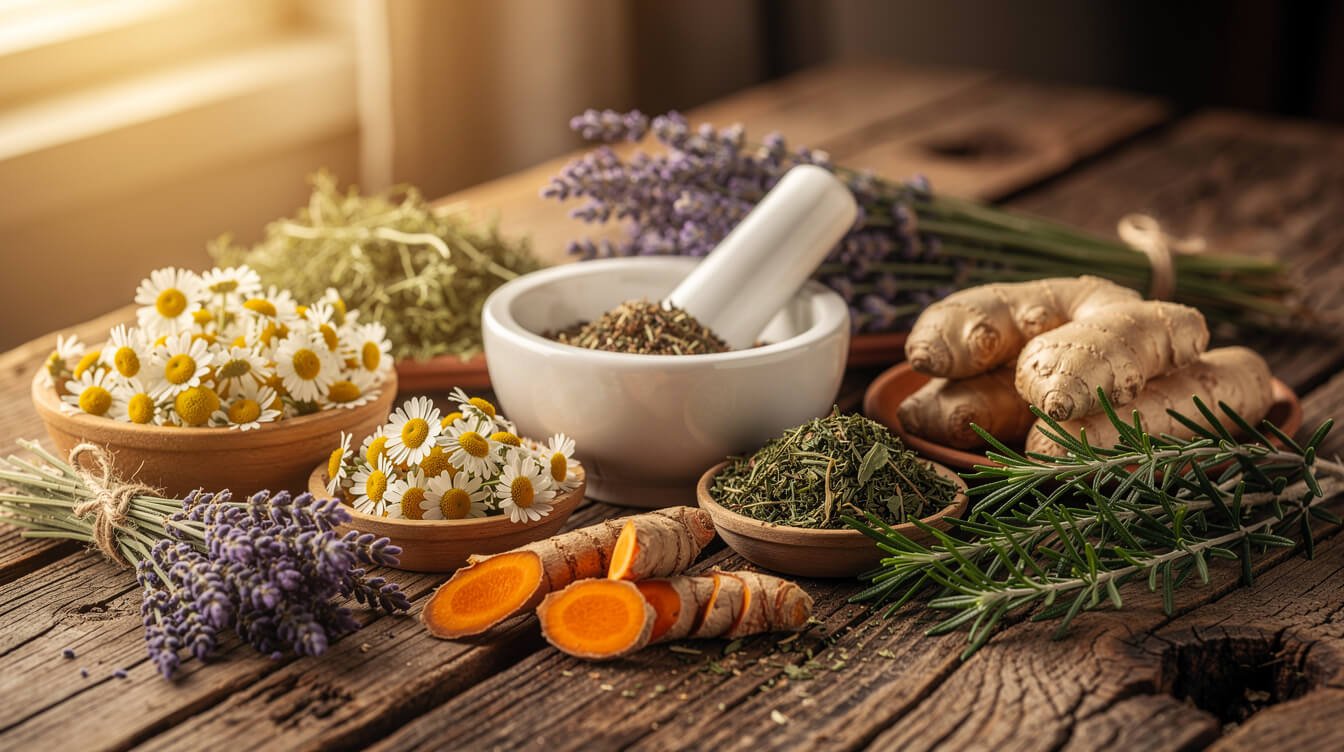
Herbal remedies have been humanity’s original medicine for thousands of years — and today, modern research is beginning to confirm what traditional healers have long understood. From the chamomile in your evening tea to the turmeric in your morning smoothie, healing plants are woven into our daily lives in ways we may not even realize. Whether you’re exploring natural approaches to stress, sleep, digestion, or immune support, understanding how herbal remedies work can help you make informed choices for your holistic wellness journey.
In this complete guide, you’ll discover the most effective herbal remedies organized by health goal, learn how to choose quality preparations, understand the science behind traditional plant medicine, and find practical ways to incorporate herbs into your daily wellness routine.
What Are Herbal Remedies? The Roots of Natural Healing

Herbal remedies are plant-based preparations used to support health and address specific wellness concerns. They draw on the accumulated wisdom of every major healing tradition — Traditional Chinese Medicine (TCM), Ayurveda, Western herbalism, Indigenous plant medicine, and African traditional healing — each contributing unique insights into how plants interact with the human body.
What makes herbal remedies powerful is their complex chemistry. Unlike pharmaceutical drugs that typically contain a single isolated compound, whole-plant preparations contain hundreds of bioactive molecules working together. These include:
- Alkaloids — nitrogen-containing compounds that influence the nervous system (caffeine in coffee, theobromine in cacao)
- Flavonoids — antioxidant pigments that may support cardiovascular health and reduce inflammation (quercetin in onions, catechins in green tea)
- Terpenes — aromatic compounds responsible for the scent of lavender, rosemary, and pine, with potential anti-inflammatory and calming properties
- Polyphenols — plant defense chemicals that may support cellular health (resveratrol in grapes, curcumin in turmeric)
- Saponins — compounds that may support immune function and adaptogenic response (found in ginseng and astragalus)
This concept of multiple compounds working synergistically is called the entourage effect — the idea that the whole plant may offer benefits that its individual parts cannot replicate alone. It’s one of the key principles that sets herbal remedies apart from conventional single-compound approaches.
Forms of Herbal Preparation
Herbal remedies come in many forms, each with different absorption rates and uses:
- Teas and infusions — steeping dried herbs in hot water (best for gentle, everyday herbs like chamomile and peppermint)
- Tinctures — concentrated liquid extracts in alcohol or glycerin (faster absorption, longer shelf life)
- Capsules and tablets — standardized doses of powdered or extracted herbs (convenient for daily supplementation)
- Topical applications — salves, balms, and gels infused with herbal extracts (for localized support)
- Decoctions — simmering tougher plant materials like roots and bark (extracts deeper compounds)
Herbal Remedies for Stress and Anxiety Relief

Chronic stress affects nearly every system in your body — from your immune response to your sleep quality. Fortunately, some of the most well-researched herbal remedies belong to a class of plants called adaptogens — herbs that may help your body adapt to physical, mental, and emotional stressors.
Ashwagandha (Withania somnifera)
Often called the “king of adaptogens,” ashwagandha has been used in Ayurvedic medicine for over 3,000 years. Research suggests it may help regulate cortisol — the body’s primary stress hormone. A 2019 study in Medicine found that participants who took ashwagandha root extract reported significantly lower perceived stress scores compared to placebo. The herb’s active compounds, called withanolides, appear to modulate the hypothalamic-pituitary-adrenal (HPA) axis — the body’s central stress response system.
How to use: 300–600 mg of root extract daily, or 1–2 teaspoons of powder stirred into warm milk or a smoothie. Best taken consistently for 4–8 weeks.
Passionflower (Passiflora incarnata)
Passionflower works through a different mechanism than ashwagandha — it may enhance gamma-aminobutyric acid (GABA) activity in the brain. GABA is your nervous system’s primary calming neurotransmitter. A clinical trial published in the Journal of Clinical Pharmacy and Therapeutics found passionflower comparable to certain anxiolytic medications for generalized anxiety, but with fewer reported side effects.
How to use: Tea made from 1–2 teaspoons dried passionflower steeped for 10 minutes, or 250–500 mg standardized extract.
Lemon Balm (Melissa officinalis)
A member of the mint family, lemon balm has been used since the Middle Ages to reduce anxiety and promote calm. Research suggests its rosmarinic acid content may inhibit the enzyme that breaks down GABA, effectively extending the calming effect. It’s gentle enough for daily use and combines beautifully with chamomile in an evening tea.
Synergy tip: Combine ashwagandha (morning) with lemon balm or passionflower (evening) for a balanced day-and-night stress support protocol. Learn more about adaptogens for stress.
Herbal Remedies for Better Sleep

Quality sleep is the foundation of health, yet millions struggle with restless nights. Herbal remedies offer gentle, non-habit-forming alternatives that work with your body’s natural sleep architecture rather than overriding it. For a comprehensive approach, explore our guide to natural sleep remedies.
Valerian Root (Valeriana officinalis)
Valerian is perhaps the most extensively studied sleep herb. Its active compounds — valerenic acid and isovaleric acid — appear to interact with GABA receptors in a similar way to passionflower, but with a stronger sedative profile. A meta-analysis of 16 studies found that valerian may improve subjective sleep quality without the “morning grogginess” associated with some sleep medications.
How to use: 300–600 mg of standardized extract 30–60 minutes before bed. Note: valerian has a strong, earthy aroma — capsules are often preferred over tea.
Chamomile (Matricaria chamomilla)
The most popular bedtime tea worldwide, chamomile contains apigenin — a flavonoid that binds to benzodiazepine receptors in the brain, promoting relaxation without sedation. A 2016 study in BMC Complementary Medicine and Therapies found that chamomile extract improved sleep quality in elderly participants over 28 days.
How to use: 2–3 teaspoons dried chamomile flowers steeped in hot water for 5–10 minutes. For stronger effects, use a standardized extract (200–400 mg).
Lavender (Lavandula angustifolia)
While often associated with aromatherapy, lavender also works effectively as an internal remedy. Silexan — a standardized lavender oil preparation — has been shown in clinical trials to improve sleep onset and duration. The primary active compounds, linalool and linalyl acetate, appear to modulate the autonomic nervous system toward parasympathetic (“rest and digest”) dominance.
Synergy tip: A pre-sleep formula of valerian root + chamomile tea + lavender aromatherapy creates a multi-pathway approach to sleep support. This combination addresses GABA receptors (valerian), benzodiazepine receptors (chamomile), and the autonomic nervous system (lavender) simultaneously.
Herbal Remedies for Digestive Health
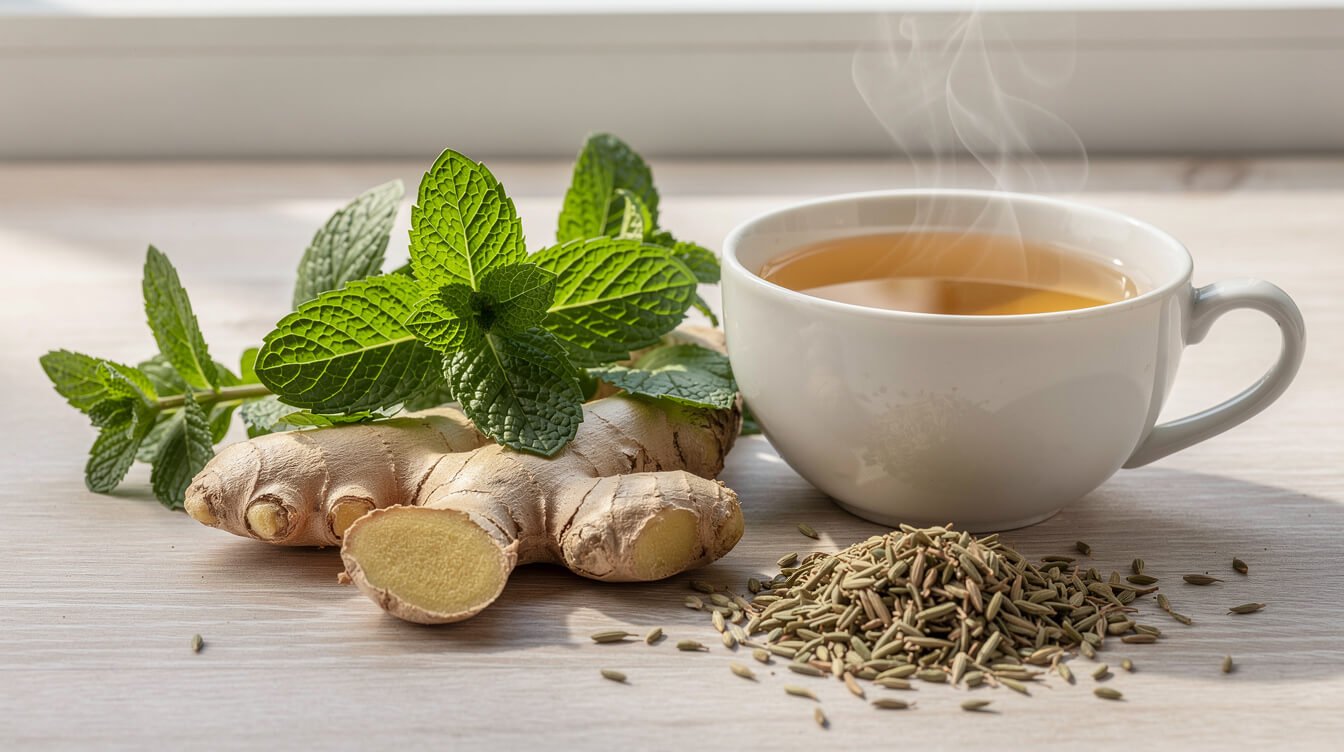
Your digestive system is where nutrition begins — and where many wellness concerns originate. The gut-brain axis means digestive health directly influences mood, energy, and immune function. These herbal remedies have centuries of traditional use and growing research support for digestive wellness.
Ginger (Zingiber officinale)
Ginger is one of the most versatile herbal remedies for digestion. Its bioactive compounds — gingerols and shogaols — stimulate digestive enzyme production, accelerate gastric emptying, and may help relieve nausea. A systematic review of 12 clinical trials confirmed ginger’s effectiveness for pregnancy-related nausea, post-operative nausea, and motion sickness.
How to use: Fresh ginger tea (1-inch piece sliced and simmered for 10 minutes), 250 mg powdered ginger capsules, or candied ginger for on-the-go nausea relief. For digestive support, take 20–30 minutes before meals.
Peppermint (Mentha × piperita)
Peppermint’s active compound, menthol, acts as a natural antispasmodic — relaxing the smooth muscles of the digestive tract. This makes it particularly useful for bloating, gas, and abdominal discomfort. Enteric-coated peppermint oil capsules have been studied extensively for irritable bowel syndrome (IBS), with a meta-analysis in BMC Complementary Medicine and Therapies finding significant symptom improvement compared to placebo.
How to use: Peppermint tea after meals for general digestive comfort, or enteric-coated peppermint oil capsules (180–225 mg) for targeted support. Avoid if you experience acid reflux, as peppermint may relax the lower esophageal sphincter.
Fennel (Foeniculum vulgare)
Fennel seeds contain anethole, a compound with both antispasmodic and carminative (gas-reducing) properties. Traditional herbalism uses fennel as a gentle digestive aid suitable for all ages. Research suggests it may help relax intestinal smooth muscle and reduce bloating after meals.
How to use: Chew a half-teaspoon of fennel seeds after meals, or steep 1–2 teaspoons of crushed seeds in hot water for 10 minutes. Fennel combines well with ginger and peppermint for a comprehensive digestive tea blend.
For an holistic approach to supporting your body’s natural processes, our full body cleanse detox guide offers a complementary wellness framework.
Herbal Remedies for Pain and Inflammation
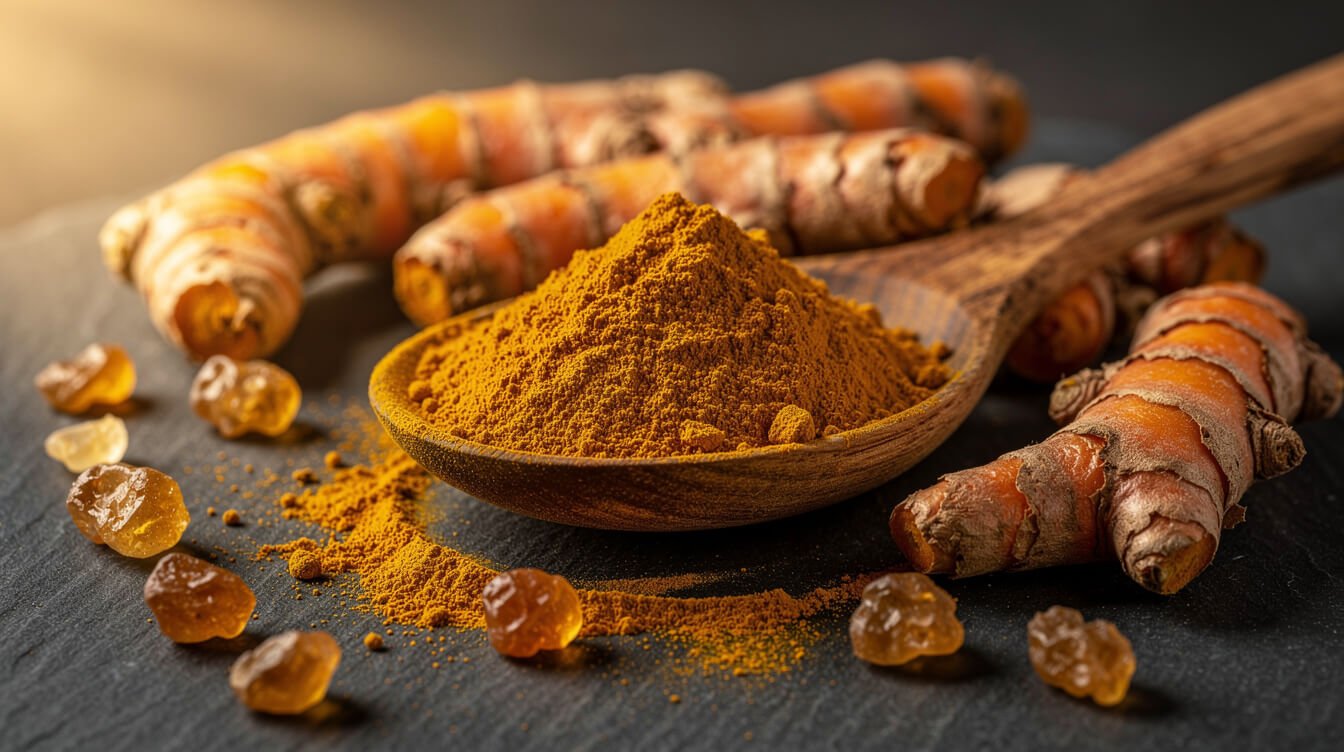
Chronic inflammation is increasingly recognized as a root driver of many health concerns. These herbal remedies target inflammatory pathways through multiple mechanisms — often addressing the underlying cause rather than simply masking symptoms. For targeted strategies, see our guide to natural pain relief.
Turmeric (Curcuma longa)
Turmeric contains curcumin — one of the most extensively studied anti-inflammatory compounds in nature. Curcumin works by inhibiting NF-κB, a protein complex that controls the transcription of pro-inflammatory genes. Research in the Journal of Medicinal Food suggests curcumin may be comparable to certain anti-inflammatory medications for joint discomfort, without the gastrointestinal side effects.
Key absorption tip: Curcumin’s bioavailability is naturally low. Combining turmeric with black pepper (which contains piperine) may increase absorption by up to 2,000%. Fat also enhances absorption — this is why traditional “golden milk” recipes include both pepper and healthy fat.
How to use: 500–1,000 mg of standardized curcumin extract with piperine, or 1 teaspoon of turmeric powder in golden milk with black pepper and coconut oil. Our anti-inflammatory foods recipes include several turmeric-rich options.
Boswellia (Boswellia serrata)
Also known as Indian frankincense, boswellia contains boswellic acids that inhibit 5-lipoxygenase (5-LOX) — an enzyme in the inflammatory cascade. Unlike many anti-inflammatory compounds, boswellia appears to work specifically on the 5-LOX pathway, which may make it particularly relevant for joint and respiratory comfort.
How to use: 300–500 mg of standardized extract (containing at least 60% boswellic acids) taken 2–3 times daily with meals.
White Willow Bark (Salix alba)
The original inspiration for aspirin, white willow bark contains salicin — which your body converts to salicylic acid. However, the whole-bark preparation contains additional anti-inflammatory compounds (flavonoids, polyphenols) that may provide a more balanced effect than isolated salicylic acid. Traditional herbalists consider it a gentler approach to occasional discomfort.
How to use: Tea from 1–2 teaspoons of dried bark simmered for 10–15 minutes, or 120–240 mg standardized extract. Not recommended for those sensitive to aspirin.
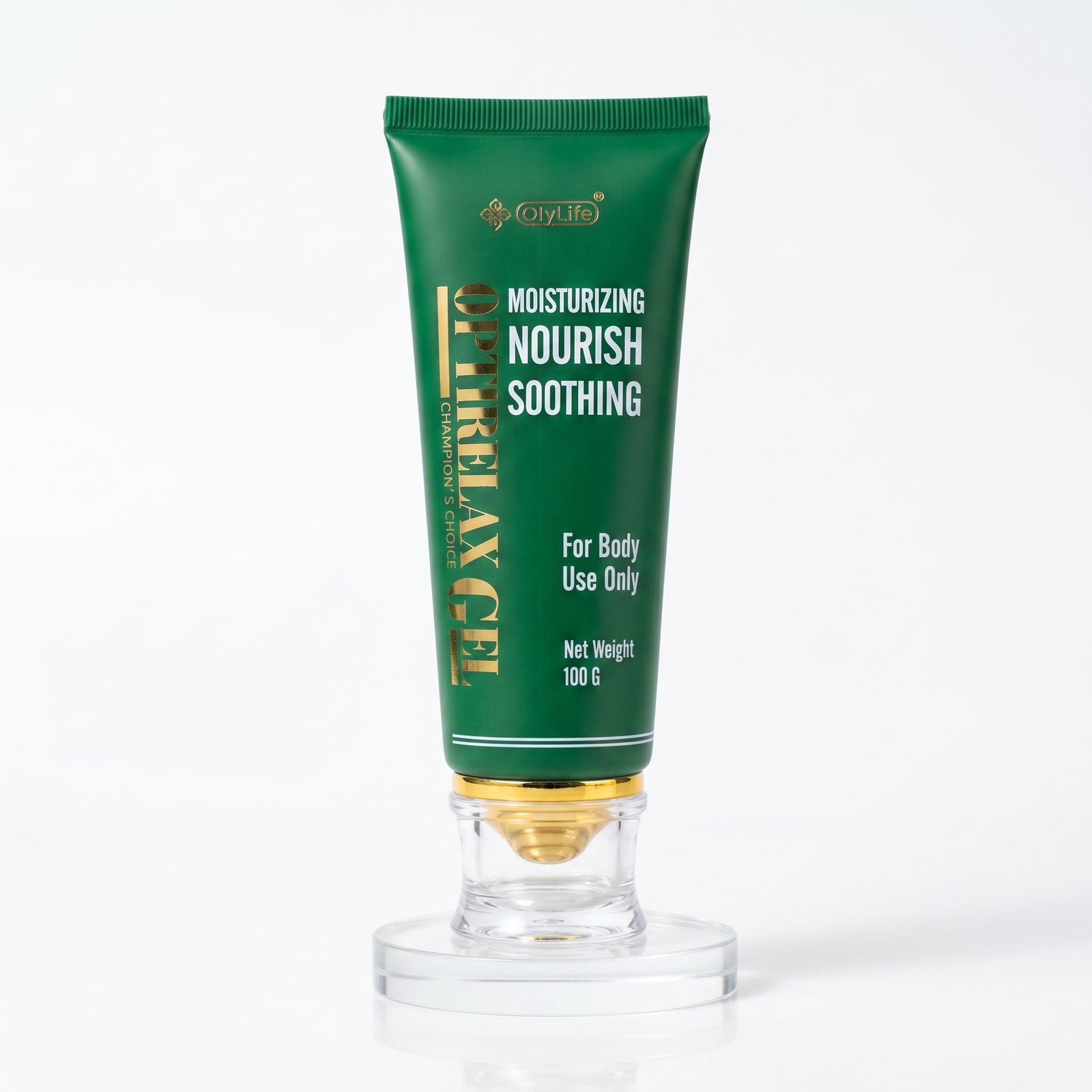
If you’re interested in how modern wellness technology complements herbal approaches to pain, our OlyLife OptiRelax Gel combines botanical-inspired formulation with advanced delivery for targeted body support.
🎁 Get a Free Wellness Gift
Enter your name and email below to receive a special wellness gift from OlyLife — absolutely free!
Herbal Remedies for Immune Support
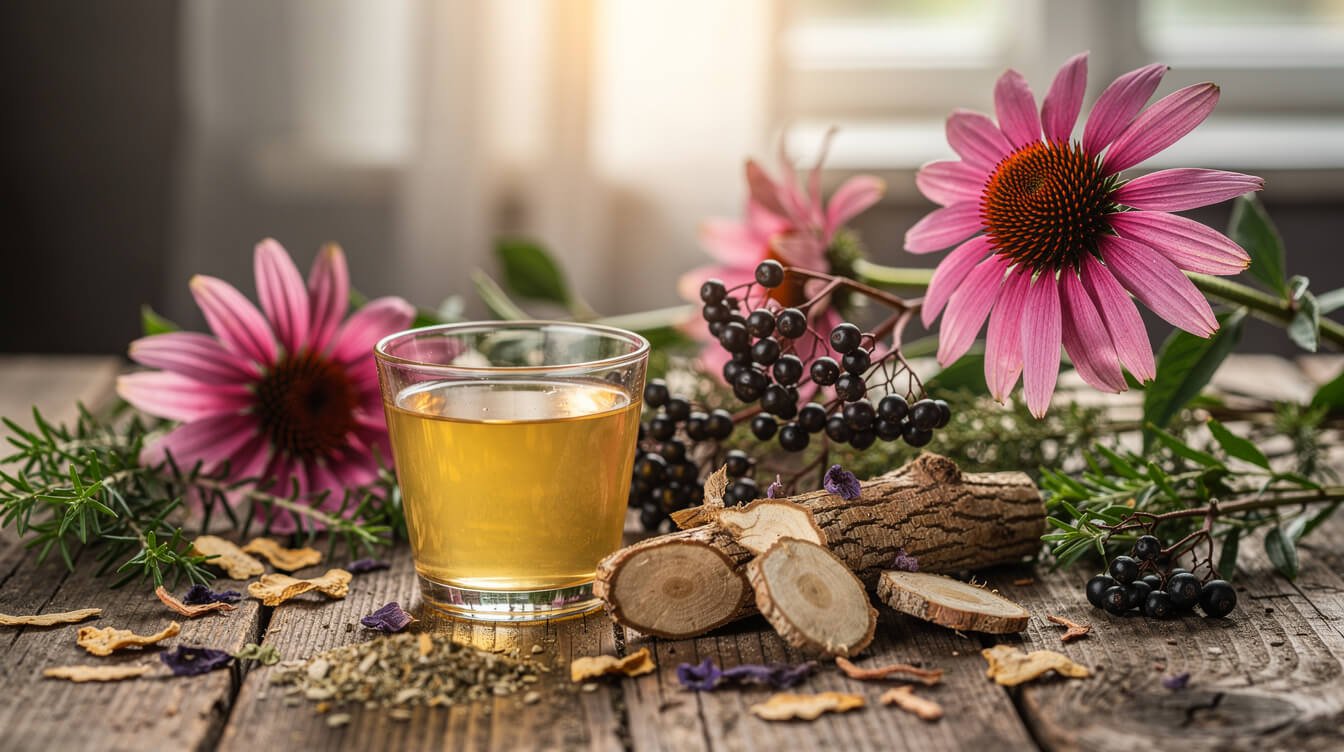
Your immune system is a complex network that benefits from consistent, gentle support rather than aggressive stimulation. These herbal remedies have been traditionally used — and increasingly studied — for their potential to support balanced immune function.
Echinacea (Echinacea purpurea)
Perhaps the most popular immune-support herb in the Western world, echinacea contains alkamides and polysaccharides that may modulate immune cell activity. A Cochrane review found that echinacea preparations may reduce the duration and severity of common cold symptoms when taken at the first sign of onset. The key is early use — starting within 24 hours of noticing symptoms.
How to use: Tincture (2.5 ml three times daily) or standardized extract (300–500 mg three times daily) at the first sign of immune challenge. Best used for short periods (7–10 days) rather than year-round.
Elderberry (Sambucus nigra)
Elderberry is rich in anthocyanins — the deep-purple antioxidant pigments that give berries their color. Research suggests elderberry may inhibit the ability of certain viruses to enter and replicate within cells. A meta-analysis in Complementary Therapies in Medicine found that elderberry supplementation substantially reduced upper respiratory symptoms.
How to use: Elderberry syrup (15 ml daily for maintenance, 15 ml every 2–3 hours during acute need), or standardized extract capsules (300–600 mg daily). Ensure elderberries are cooked — raw elderberries contain compounds that may cause digestive upset.
Astragalus (Astragalus membranaceus)
A cornerstone of Traditional Chinese Medicine, astragalus is classified as a qi (vital energy) tonic. Modern research reveals it contains polysaccharides, saponins, and flavonoids that may stimulate the production of white blood cells and support the body’s natural defense mechanisms. Unlike echinacea, astragalus is traditionally used as a long-term tonic rather than an acute remedy.
How to use: Dried root slices simmered into soups and broths (traditional method), or 250–500 mg standardized extract daily. Best used preventively over weeks to months.
Synergy tip: A seasonal immune protocol might include daily astragalus (foundation), elderberry syrup (maintenance), and echinacea tincture (reserved for the first sign of challenge). This layered approach combines long-term tonic support with targeted acute response.
Complement Your Herbal Wellness Routine
The OlyLife OptiRelax Gel pairs perfectly with your herbal wellness practice — a botanical-inspired body companion designed for targeted support after a long day.
How to Choose and Use Herbal Remedies Safely
The growing popularity of herbal remedies means more products are available than ever — but quality varies enormously. Here’s how to navigate the marketplace wisely and use herbs safely.
Quality Selection Checklist
- Third-party testing: Look for certifications from independent labs like USP, NSF International, or ConsumerLab. These verify that what’s on the label matches what’s in the bottle.
- Standardized extracts: Reputable products list the percentage of active compounds (e.g., “curcumin extract standardized to 95% curcuminoids”). This ensures consistent potency between batches.
- Transparent sourcing: Quality brands disclose where their herbs are grown and how they’re processed. Look for organic certification, sustainable harvesting practices, or fair-trade partnerships.
- Whole-plant vs. isolated compounds: In many cases, whole-plant or full-spectrum extracts preserve the natural synergy of the herb’s compounds. However, standardized extracts can be preferable when you need a consistent, measurable dose of a specific active ingredient.
Important Safety Considerations
While herbal remedies have an excellent overall safety profile, they are biologically active substances that deserve respect:
- Drug interactions: Some herbs interact with prescription medications. St. John’s wort, for example, can reduce the effectiveness of birth control pills, blood thinners, and certain antidepressants. Always consult your healthcare provider before combining herbs with medications.
- Pregnancy and nursing: Many herbs are not well-studied during pregnancy. Ginger and chamomile are generally considered safe in moderate amounts, but always check with your provider.
- Allergies: If you’re allergic to plants in the daisy family (Asteraceae), use caution with chamomile, echinacea, and calendula, as cross-reactivity is possible.
- Dosage matters: “Natural” doesn’t mean “unlimited.” Follow recommended dosages and start with the lower end of suggested ranges, especially with a new herb.
- Quality over quantity: One well-sourced, properly dosed herb is more valuable than a dozen unverified supplements.
Building Your Personal Herbal Wellness Routine
Start with one herb that addresses your primary wellness goal. Use it consistently for 4–6 weeks before evaluating results. Once you understand how that herb works for you, consider adding a complementary herb. A simple starting framework:
- Morning: Adaptogenic herb (ashwagandha or rhodiola) for stress resilience
- Midday: Digestive support (ginger or peppermint tea after lunch)
- Evening: Calming herb (chamomile, lemon balm, or passionflower tea)
- Seasonal: Immune support (astragalus daily, elderberry as needed)
Frequently Asked Questions About Herbal Remedies
How long do herbal remedies take to work?
It depends on the herb and the goal. Acute remedies like ginger for nausea or peppermint for bloating may work within 20–30 minutes. Tonic herbs like ashwagandha, astragalus, and turmeric typically require 2–6 weeks of consistent use before noticeable benefits emerge. Patience and consistency are key — herbal remedies support gradual, sustainable shifts rather than instant results.
Can I take multiple herbal remedies at the same time?
Yes, many herbs work well together — this is the basis of traditional herbal formulas in TCM and Ayurveda. However, introduce one herb at a time (waiting 1–2 weeks between additions) so you can identify how each one affects you individually. Some combinations are synergistic (turmeric + black pepper, valerian + chamomile), while others should be used with caution. Consult a qualified herbalist or naturopathic practitioner for personalized combinations.
Are herbal remedies safe for children?
Some herbs are considered safe for children at reduced doses — chamomile tea, ginger, and elderberry syrup are among the most commonly used. However, children’s developing systems process herbs differently than adults. Always consult a pediatrician or qualified practitioner before giving herbal remedies to children, and choose products specifically formulated for children when available.
Should I choose teas, capsules, or tinctures?
Each form has advantages. Teas are gentle, ritualistic, and well-suited for everyday herbs like chamomile and peppermint. Tinctures offer faster absorption and concentrated dosing — ideal for acute situations or herbs with strong flavors. Capsules provide standardized, consistent dosing and convenience for daily supplements. Choose the form that fits your lifestyle and the specific herb’s strengths.
Do herbal remedies interact with prescription medications?
Some do, significantly. St. John’s wort is well-known for interactions with many medications, including blood thinners, oral contraceptives, and antidepressants. Ginkgo biloba may increase bleeding risk. Even common herbs like ginger may interact with blood-thinning medications at high doses. Always inform your healthcare provider about any herbal remedies you’re taking, and consult a qualified professional before starting herbs if you take prescription medications.
What’s the difference between herbal remedies and essential oils?
Herbal remedies use whole or processed plant material (dried herbs, extracts, tinctures) and are typically taken internally or applied topically. Essential oils are highly concentrated volatile compounds distilled from plants — they’re far more potent than herbal preparations and generally used externally or aromatically. A cup of lavender tea uses dried flowers (herbal remedy); lavender essential oil requires roughly 150 pounds of flowers per pound of oil. Both have their place in wellness, but they’re used very differently.
Final Thoughts: Embracing the Wisdom of Herbal Remedies
Herbal remedies represent one of humanity’s deepest connections to the natural world — a relationship that spans every culture, continent, and era of human history. Today, as modern research validates what traditional healers have practiced for millennia, we have an extraordinary opportunity to combine ancient wisdom with contemporary science.
The beauty of herbal remedies lies not just in their therapeutic potential, but in the mindful relationship they create between you and your health. Brewing a cup of chamomile tea is an act of self-care. Choosing turmeric for your morning smoothie is a proactive step toward long-term wellness. Building a personal herbal routine means taking ownership of your wellbeing in a way that’s gentle, sustainable, and deeply connected to nature.
Start where you are. Choose one herb that speaks to your most pressing wellness goal. Use it mindfully, consistently, and with respect for its power. As you deepen your understanding of how plants support your body, you may discover that the most effective medicine has been growing in gardens and forests all along.
Remember: herbal remedies work best as part of a holistic approach to health that includes nourishing food, quality sleep, regular movement, stress management, and meaningful connection. They’re one powerful thread in the tapestry of holistic wellness — and they’re waiting for you to explore them.