Natural Pain Relief for Headache: Evidence-Based Remedies That Actually Work
If you’ve ever reached for a bottle of painkillers at the first sign of a throbbing headache, you’re not alone. Headaches affect nearly everyone at some point, and for many people, they’re a recurring challenge that disrupts work, relationships, and daily joy. But here’s the encouraging news: natural pain relief for headache symptoms is not only possible — it’s often remarkably effective.
Whether you’re dealing with tension headaches from long hours at a desk, weather-related migraines, or stress-induced head pain, nature offers a surprisingly rich toolkit of remedies. From targeted herbal allies and essential oils to simple hydration strategies and mind-body techniques, this guide covers evidence-informed approaches that may help you find relief without reaching for the medicine cabinet.
Let’s explore the most promising natural headache remedies — organized by approach — so you can build a personalized relief plan that works for your body and your life.
Understanding Headaches: Why Natural Pain Relief Matters
Before diving into remedies, it helps to understand what’s actually happening when a headache strikes. The most common types — tension headaches and migraines — have different triggers but share something important: they often respond well to natural interventions.
Tension Headaches
Tension headaches feel like a dull, constant pressure around your forehead, temples, or the back of your head. They’re typically triggered by:
- Muscle tension in the neck, shoulders, and jaw
- Stress and anxiety that cause unconscious clenching
- Poor posture from prolonged screen time
- Dehydration and skipped meals
- Eye strain from digital devices
Migraines
Migraines are more intense, often accompanied by throbbing pain on one side, nausea, light sensitivity, and sometimes visual disturbances called auras. Common triggers include hormonal changes, certain foods, weather shifts, and disrupted sleep patterns.
Why Go Natural?
Over-the-counter pain medications work for occasional headaches, but frequent use can lead to a frustrating cycle called medication overuse headache (also known as rebound headache). This occurs when the very painkillers meant to help actually trigger more frequent headaches. Research suggests that relying on natural pain relief for headache management may help break this cycle while addressing root causes rather than just masking symptoms.
Natural approaches also tend to support overall wellness — improving sleep, reducing inflammation, and building resilience against future headaches.
Herbal Remedies and Natural Supplements for Headache Relief
Some of the most effective natural pain relief for headache symptoms comes from plants that have been used in traditional medicine for centuries. Modern research is now catching up, confirming what many cultures have long known.
Magnesium: The Mineral Your Head May Be Missing
Magnesium plays a role in over 300 enzymatic reactions in your body, including neurotransmitter function and blood vessel regulation — both directly relevant to headache pain. Studies suggest that people who experience frequent migraines often have lower magnesium levels than average.
Research published in several peer-reviewed journals indicates that magnesium supplementation (typically 400–600 mg daily of magnesium oxide, citrate, or glycinate) may reduce migraine frequency by up to 41% in some individuals. Magnesium glycinate is often preferred because it’s gentler on the stomach and more easily absorbed.
Food sources rich in magnesium: dark leafy greens, pumpkin seeds, almonds, black beans, avocados, and dark chocolate (yes, really).
Ginger: Nature’s Anti-Inflammatory Powerhouse
Ginger has been used traditionally for nausea and pain for thousands of years. A landmark 2014 study found that ginger powder (250 mg) was as effective as sumatriptan (a common migraine drug) at reducing migraine severity within two hours — with fewer side effects.
Try sipping fresh ginger tea at the first sign of a headache. Simply steep a 1-inch piece of fresh ginger root in hot water for 10 minutes, add a squeeze of lemon and raw honey to taste.
Feverfew and Butterbur
Feverfew (Tanacetum parthenium) has been traditionally used for headache prevention. Some research suggests it may reduce migraine frequency when taken regularly as a preventive supplement. Butterbur (Petasites hybridus) showed promising results in several clinical trials, though it’s important to use only PA-free (pyrrolizidine alkaloid-free) preparations, as raw butterbur contains compounds that may be harmful to the liver.
Always consult with a healthcare provider before starting any herbal supplement, especially if you take other medications.
B Vitamins: The Nervous System Support Team
B vitamins — particularly riboflavin (B2), B6, B9 (folate), and B12 — play essential roles in neurotransmitter production and energy metabolism. Riboflavin at 400 mg daily has shown particular promise in migraine prevention research, with some studies showing a 50% reduction in migraine days over three months.
A quality B-complex supplement or foods like eggs, leafy greens, legumes, and nutritional yeast can help ensure adequate intake.
Natural Pain Relief for Headache Through Nutrition and Hydration
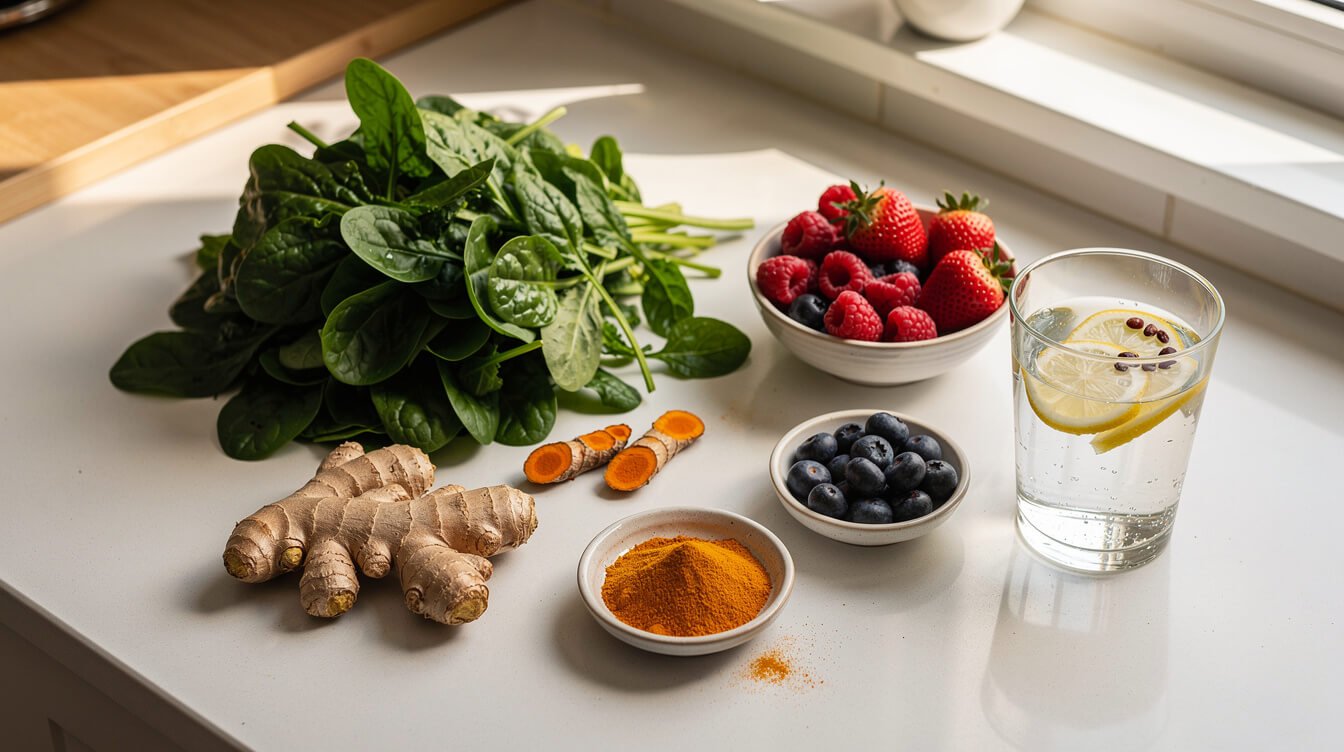
What you eat and drink has a more direct impact on headache frequency than many people realize. Dehydration alone is one of the most common — and most preventable — headache triggers.
Hydration: The Simplest Headache Fix
Even mild dehydration (as little as 1–2% of body weight) can trigger headaches and impair concentration. A study in the Journal of Clinical Neuroscience found that increasing water intake reduced headache intensity and duration in participants who were prone to dehydration-related headaches.
Practical hydration tips:
- Aim for 8–10 glasses of water daily (more in hot weather or during exercise)
- Start your morning with a full glass of water before coffee or tea
- Add electrolytes (a pinch of sea salt + lemon) if you’re active or sweating
- Eat water-rich foods: cucumbers, watermelon, celery, oranges, and berries
- Set a phone reminder if you tend to forget to drink throughout the day
Anti-Inflammatory Eating for Headache Prevention
Chronic inflammation is increasingly linked to recurrent headaches and migraines. An anti-inflammatory diet rich in whole foods may help reduce headache frequency over time.
Foods that may help prevent headaches:
- Fatty fish (salmon, sardines, mackerel) — rich in omega-3 fatty acids that reduce inflammation
- Leafy greens (spinach, kale, Swiss chard) — packed with magnesium and folate
- Berries — antioxidants that combat oxidative stress
- Nuts and seeds — magnesium, vitamin E, and healthy fats
- Turmeric and ginger — powerful anti-inflammatory compounds
- Extra-virgin olive oil — contains oleocanthal, which has ibuprofen-like properties
Foods that may trigger headaches:
- Aged cheeses and cured meats (contain tyramine)
- Alcohol, especially red wine
- Foods with MSG or artificial sweeteners
- Highly processed foods with preservatives
- Excessive caffeine (though moderate amounts may actually help — more on that below)
The Caffeine Paradox
Caffeine is a fascinating case in headache management. In small doses (about 65–200 mg), caffeine constricts blood vessels and may enhance the effectiveness of pain relief. That’s why it’s an ingredient in many headache medications. However, regular heavy caffeine consumption can lead to dependence, and withdrawal headaches are common when intake drops suddenly.
The key is moderation: if you drink coffee, keep it consistent (same amount, same time each day) and avoid exceeding 2–3 cups daily.
Mind-Body Techniques for Natural Headache Relief

Your mind and body are deeply interconnected when it comes to pain perception. Stress is one of the top headache triggers, and techniques that calm the nervous system can be remarkably effective at both relieving and preventing headaches.
Progressive Muscle Relaxation (PMR)
PMR involves systematically tensing and then releasing muscle groups throughout your body. This technique is particularly effective for tension headaches because it directly addresses the muscle tightness that often causes them.
Try this 5-minute PMR sequence:
- Find a quiet, comfortable position (sitting or lying down)
- Start with your feet — tense the muscles for 5 seconds, then release for 10 seconds
- Move upward through calves, thighs, abdomen, hands, arms, shoulders, and face
- Pay special attention to your jaw, forehead, and neck — common tension zones
- Finish by taking 3 slow, deep breaths and noticing how your body feels
Breathwork for Headache Relief
Controlled breathing activates your parasympathetic nervous system — the “rest and digest” mode that counteracts stress. The 4-7-8 technique is especially effective during a headache:
- Inhale through your nose for 4 counts
- Hold your breath for 7 counts
- Exhale slowly through your mouth for 8 counts
- Repeat 4 cycles
If you’d like to explore more breathwork techniques, our guide to simple breathwork techniques for natural calm offers additional protocols you can practice daily.
Meditation and Mindfulness
A growing body of research supports mindfulness meditation as a tool for chronic headache management. A study published in JAMA Internal Medicine found that mindfulness-based stress reduction (MBSR) helped decrease migraine frequency and improve quality of life.
You don’t need to meditate for an hour — even 10 minutes of focused attention on your breath can shift your nervous system out of “fight or flight” mode. Apps and guided meditations make it easy to build a consistent practice.
Yoga for Headache Prevention
Yoga combines gentle movement, stretching, and breathwork — all beneficial for headache sufferers. Poses that release tension in the neck, shoulders, and upper back are particularly helpful:
- Child’s Pose (Balasana) — gently stretches the back and neck
- Cat-Cow Stretch — releases spinal tension
- Seated Forward Fold — calms the nervous system
- Legs Up the Wall (Viparita Karani) — promotes blood flow and relaxation
Essential Oils and Aromatherapy for Natural Pain Relief
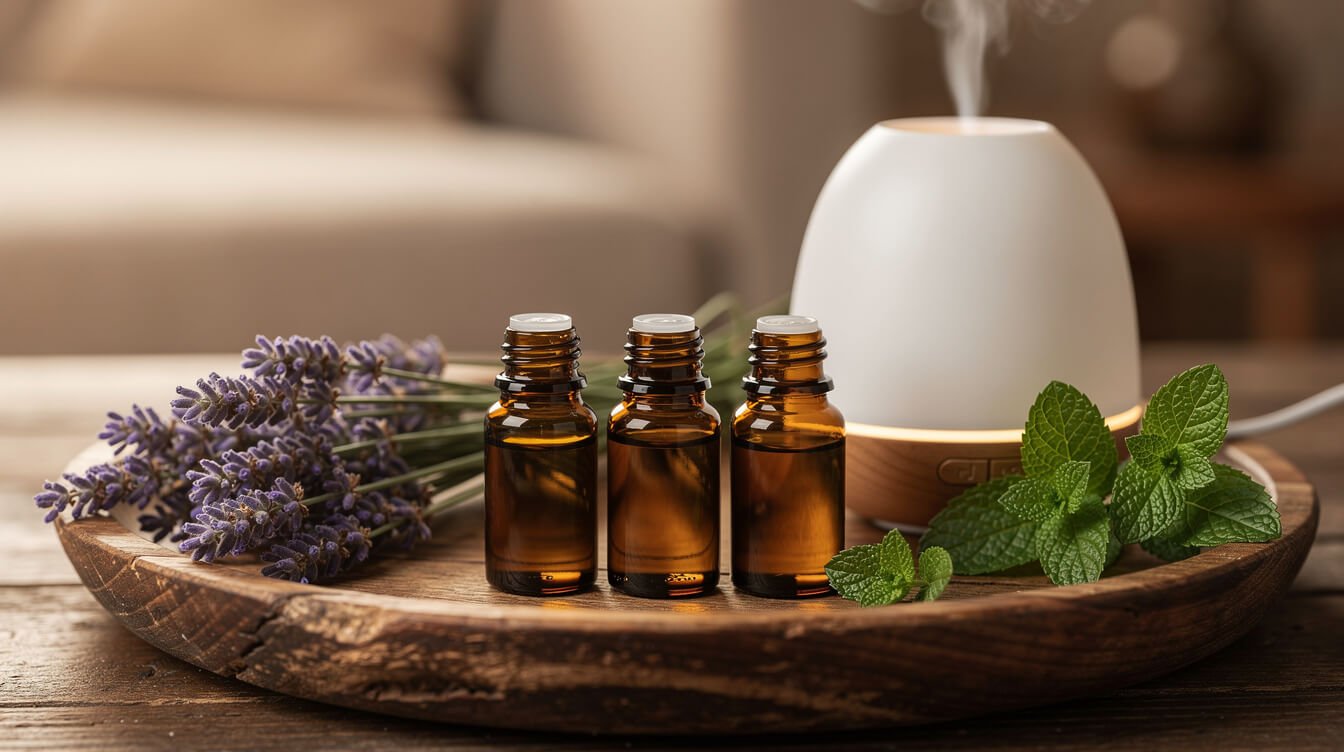
Aromatherapy is one of the most accessible and pleasant natural pain relief for headache approaches. Several essential oils have demonstrated headache-relieving properties in clinical research.
Peppermint Oil: The Gold Standard
Peppermint oil contains menthol, which has a cooling effect and may help relax muscles and ease pain. A well-known German study found that applying a 10% peppermint oil solution to the forehead and temples was as effective as 1,000 mg of acetaminophen (Tylenol) for tension headache relief.
How to use peppermint oil for headaches:
- Dilute 2–3 drops in a carrier oil (coconut or jojoba)
- Apply to temples, forehead, and the back of the neck
- Massage gently in circular motions
- Avoid contact with eyes
Lavender Oil: Nature’s Calming Agent
Lavender is renowned for its calming properties, and research supports its use for headache relief. A 2012 study found that inhaling lavender essential oil for 15 minutes significantly reduced migraine severity compared to a placebo.
Simply add a few drops to a diffuser, inhale directly from the bottle, or apply diluted oil to your wrists and temples.
Eucalyptus and Rosemary
Eucalyptus oil may help open nasal passages and relieve sinus pressure headaches, while rosemary oil has anti-inflammatory and analgesic properties that may reduce headache pain. Both work well in steam inhalation: add 3–5 drops to a bowl of hot water, drape a towel over your head, and breathe deeply for 5–10 minutes.
Safety note: Always dilute essential oils before applying to skin. Pregnant or nursing women, children, and people with certain medical conditions should consult a healthcare provider before using essential oils therapeutically.
🎁 Get a Free Wellness Gift
Enter your name and email below to receive a special wellness gift from OlyLife — absolutely free!
Physical Techniques: Cold Compresses, Massage, and Acupressure
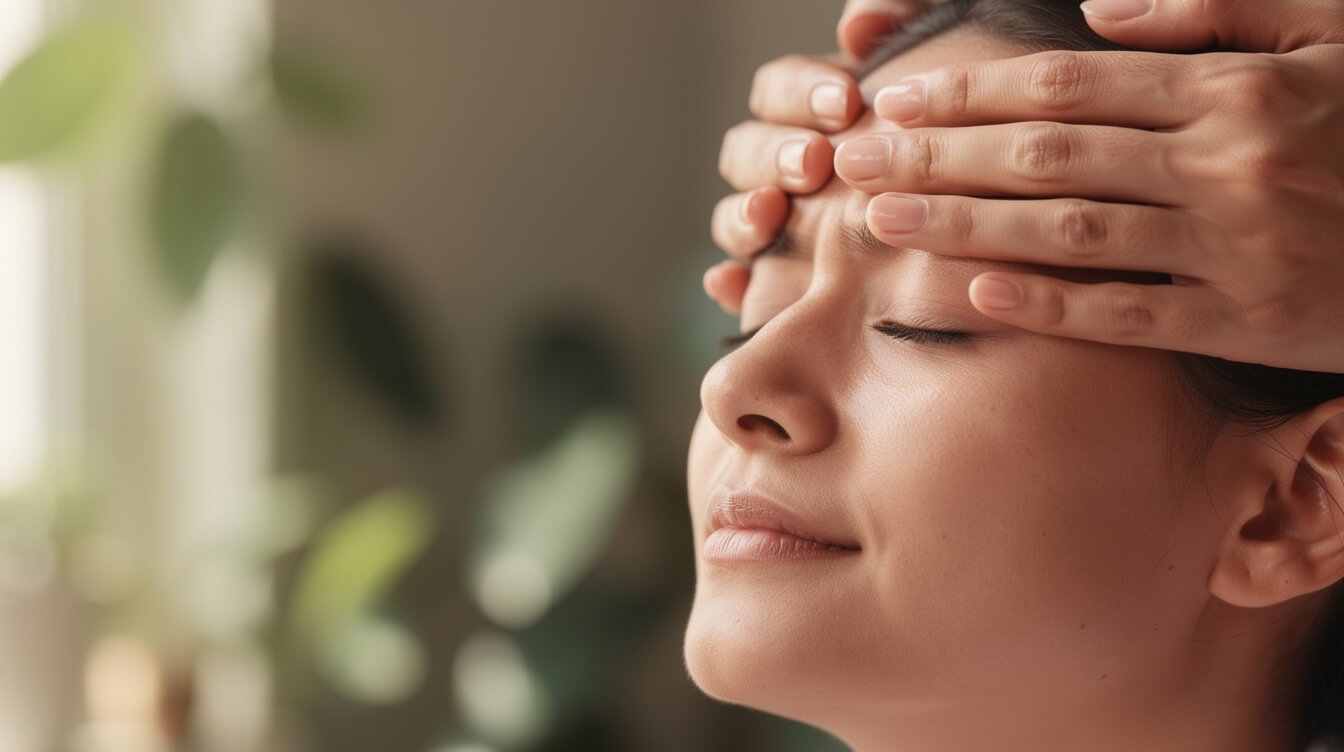
Sometimes the most effective headache relief is quite literally at your fingertips. Physical techniques offer immediate, drug-free options that you can use anywhere.
Cold and Warm Compress Therapy
Temperature therapy is one of the oldest and most reliable natural headache remedies:
- Cold compress — Apply an ice pack or frozen gel pack wrapped in a thin towel to your forehead, temples, or the back of your neck for 15 minutes. Cold may slow nerve transmission and constrict blood vessels, reducing throbbing pain. Best for migraines.
- Warm compress — Place a warm towel or heating pad on your neck and shoulders. Heat relaxes tight muscles that often contribute to tension headaches. Best for tension headaches.
Pro tip: Alternate between cold on your forehead and warm on your neck for a powerful combined approach.
Self-Massage Techniques
Targeted self-massage can provide surprisingly quick relief, especially for tension headaches. Focus on these key areas:
- Temples — Use your fingertips to apply gentle circular pressure for 30 seconds
- Base of skull (suboccipital muscles) — Place your thumbs at the base of your skull where it meets your neck. Press firmly and hold for 10 seconds, then release. Repeat 5 times.
- Between thumb and index finger (LI-4 point) — This acupressure point is traditionally used for headache relief. Squeeze firmly for 2–3 minutes on each hand.
- Jaw muscles — Many people unconsciously clench their jaw, contributing to headaches. Gently massage the muscles along your jawline.
Acupuncture and Acupressure
Acupuncture — the practice of inserting thin needles at specific points on the body — has substantial research supporting its use for headache prevention. The World Health Organization lists headaches among the conditions for which acupuncture has been proven effective through controlled trials.
If needles aren’t your thing, acupressure (applying finger pressure to the same points) offers a gentler alternative you can do at home. The LI-4 point between thumb and index finger, the GB-20 points at the base of the skull, and the Yintang point between the eyebrows are all traditionally associated with headache relief.
If you’re curious about how energy healing therapies may complement your headache management approach, traditional modalities like acupuncture represent one of the most well-studied options.
Sleep, Exercise, and Lifestyle Strategies for Natural Pain Relief for Headache Prevention

While the remedies above focus on relieving headaches when they strike, prevention is the ultimate goal. Certain lifestyle habits can dramatically reduce how often headaches occur in the first place.
Prioritize Quality Sleep
Poor sleep is both a headache trigger and a consequence of headaches — creating a frustrating cycle. Research shows that addressing sleep issues can reduce migraine frequency from chronic (15+ days per month) back to episodic levels.
Sleep hygiene practices for headache prevention:
- Maintain consistent sleep and wake times — even on weekends
- Aim for 7–8 hours nightly
- Stop screen use 60 minutes before bed
- Keep your bedroom cool (65–68°F / 18–20°C), dark, and quiet
- Avoid eating 3 hours before bedtime and liquids 2 hours before
For a deeper dive into optimizing your sleep environment and habits, our complete guide to sleep hygiene tips covers everything from bedroom setup to evening wind-down routines.
Regular Exercise: Your Brain’s Best Friend
Aerobic exercise releases endorphins (natural painkillers) and reduces stress hormones — both of which may help prevent headaches. Research in the Cephalalgia journal found that 40 minutes of exercise three times per week was as effective as a daily preventive migraine medication.
Best exercises for headache prevention:
- Walking — accessible, low-impact, and highly effective
- Swimming — combines gentle cardiovascular exercise with the soothing effect of water
- Cycling — gets your heart rate up without jarring impact
- Yoga — combines movement with stress reduction
Important: Start gradually if you’re new to exercise. Intense exercise in people who aren’t conditioned for it can sometimes trigger headaches. Build up slowly.
Posture and Ergonomics
If you spend hours at a computer, poor posture may be silently contributing to your headaches. Forward head posture — where your head juts forward past your shoulders — puts enormous strain on neck muscles and can trigger tension headaches.
Quick ergonomic fixes:
- Position your monitor at eye level
- Keep your feet flat on the floor
- Take a 2-minute stretch break every 30 minutes
- Consider a standing desk or desk converter for variety
- Practice chin tucks: gently pull your chin straight back (as if making a “double chin”) to realign your head over your spine
Stress Management as Headache Prevention
Since stress is the number one trigger for tension headaches and a major migraine trigger, building a regular stress management practice is one of the most powerful preventive strategies available.
Consider incorporating holistic wellness practices into your routine — from gentle detoxification rituals to daily grounding exercises. Even small, consistent habits can make a meaningful difference in how your body handles stress.
Frequently Asked Questions About Natural Headache Relief

How quickly do natural headache remedies work?
It depends on the remedy. Peppermint oil applied to the temples may provide relief within 15–30 minutes. Cold compresses often work within 15 minutes. Hydration-related headaches typically improve within 30–60 minutes of drinking water. Herbal supplements like magnesium and feverfew are preventive — they may take 2–12 weeks of consistent use to reduce headache frequency.
Can you combine multiple natural remedies?
Yes, and many people find that a combination approach works best. For example, applying peppermint oil to your temples while practicing deep breathing and sipping ginger tea creates a multi-pronged approach. However, be cautious about combining multiple herbal supplements without consulting a healthcare provider.
When should you see a doctor about headaches?
Seek medical attention if you experience:
- A sudden, severe headache unlike anything you’ve felt before (“thunderclap headache”)
- Headaches accompanied by fever, stiff neck, confusion, or vision changes
- Headaches that worsen despite treatment
- More than 15 headache days per month
- Headaches that interfere significantly with daily life
- New headaches after age 50
Are natural remedies safe for everyone?
Most natural remedies discussed in this guide are generally well-tolerated, but some may interact with medications or be unsuitable for certain conditions. Pregnant or nursing women should consult their healthcare provider before using essential oils, herbal supplements, or starting new exercise programs. People on blood-thinning medications should be cautious with supplements like ginger and feverfew.
What is the fastest natural headache relief?
For immediate relief, try the “triple approach”: apply diluted peppermint oil to your temples, place a cold compress on your forehead, and drink a full glass of water. Many people report noticeable improvement within 15–20 minutes. The acupressure point between your thumb and index finger (LI-4) is also known for providing quick relief when pressed firmly for 2–3 minutes.
Building Your Personal Natural Headache Relief Plan
The most empowering thing about natural pain relief for headache management is that you have so many tools at your disposal. Rather than relying on a single approach, the most successful strategy combines several elements:
- Prevention first — Prioritize consistent sleep, regular hydration, anti-inflammatory nutrition, and stress management
- Early intervention — At the first sign of a headache, reach for your preferred natural remedy (peppermint oil, cold compress, ginger tea)
- Track your triggers — Keep a simple headache diary noting what you ate, how you slept, stress levels, and weather changes before each headache
- Build a toolkit — Stock your home and workplace with peppermint oil, herbal tea, a cold pack, and a comfortable eye mask
- Be patient — Preventive supplements and lifestyle changes often take weeks to show their full effect
Your body has a remarkable capacity to heal and find balance when given the right support. Natural headache relief isn’t about replacing medical care — it’s about expanding your options and addressing the root causes of pain. Start with one or two strategies that resonate with you, practice them consistently, and notice how your body responds.
Every small step toward natural wellness is a step toward a life with fewer headaches and more of the moments that matter.