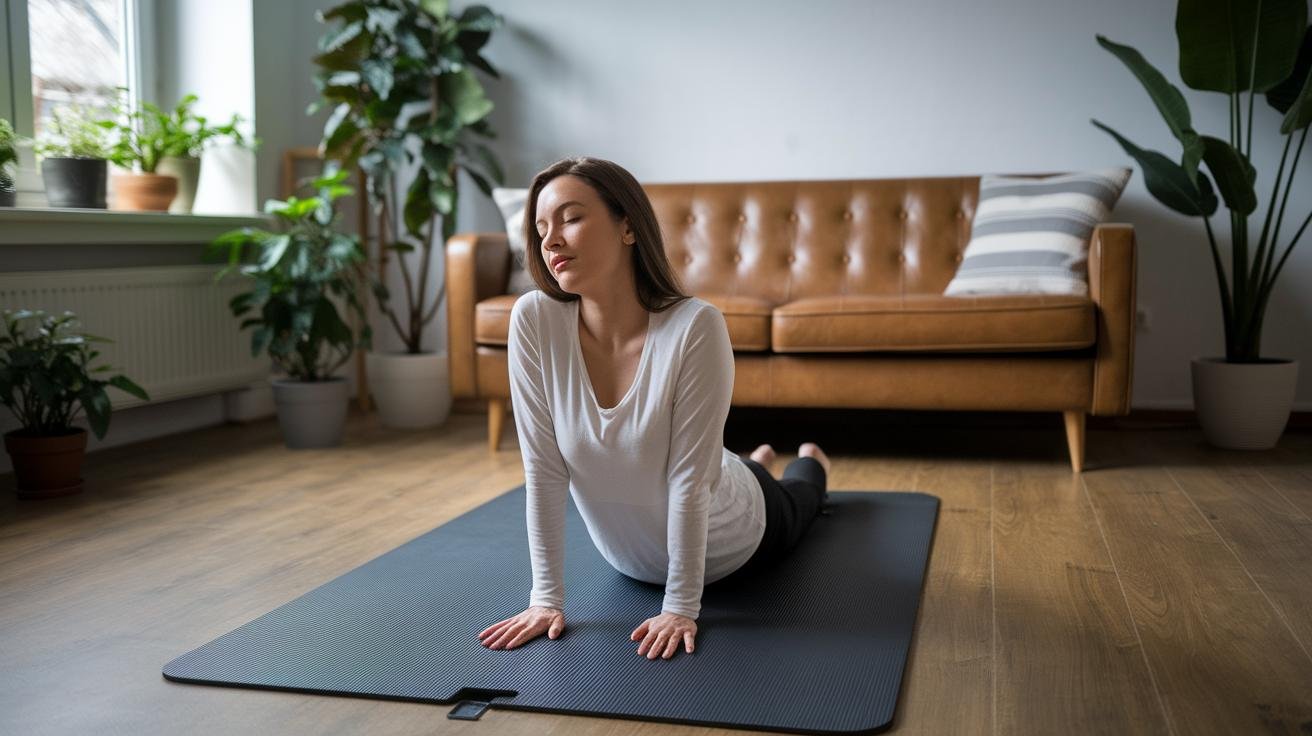
What if a soft, pulsing pad became the best part of your self-care routine, even more than a pricey face cream? PEMF (Pulsed Electromagnetic Field therapy) sends short, gentle bursts of electromagnetic energy. It feels like a mini massage for your cells, a soft hum that helps them reset.
Here’s an easy daily plan: morning, midday, evening. Use PEMF with things you already do, like after your shower, on your lunch break, or while winding down before bed. Oh, and start with five minutes so it feels simple, not like a chore. Think of these as tiny check-ins that help your body reset.
Over a few weeks you may notice less neck and shoulder tightness, clearer focus at your desk, and deeper, more restful sleep. Ready to try a small, steady change that actually helps?
Designing Your Daily PEMF Self-Care Routine
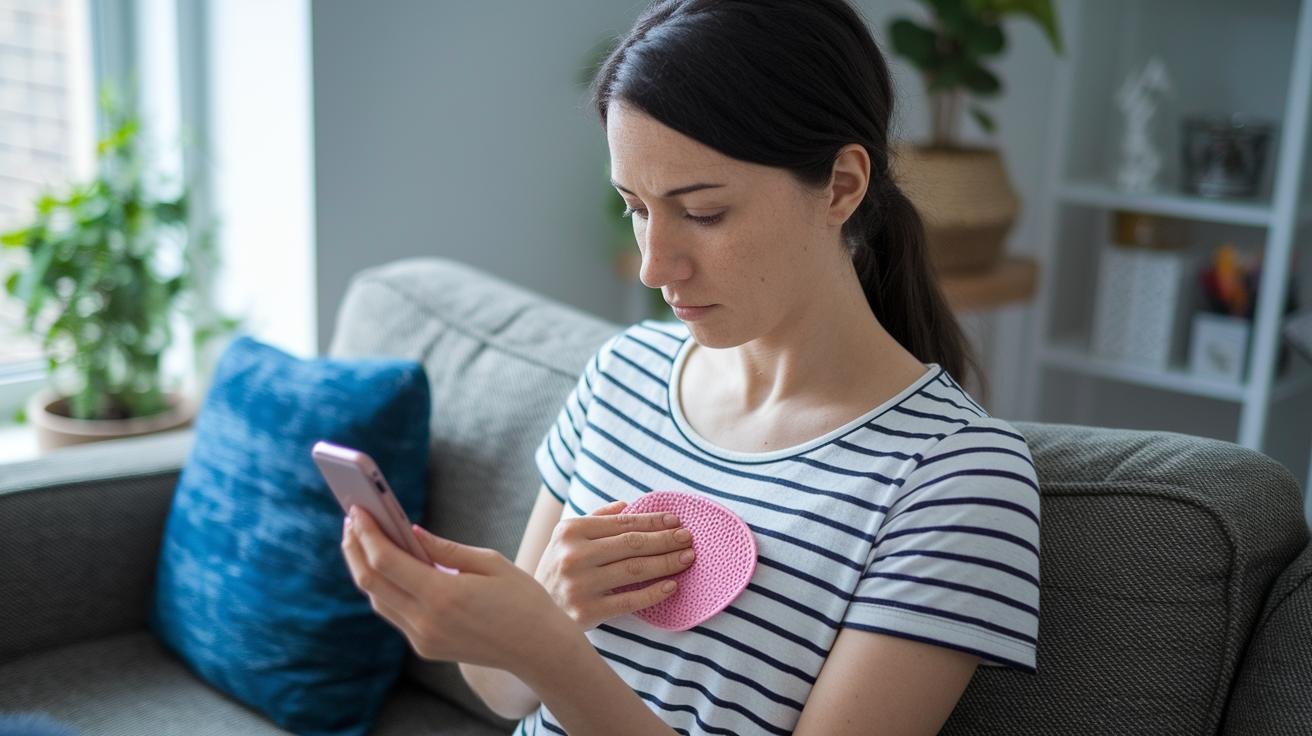
PEMF (Pulsed Electromagnetic Field therapy) gives your body short, gentle bursts of focused care. Think of it like a mini massage for your cells, a soft hum that helps nudge tension away and invite calm. Hz (cycles per second) tells you how fast those pulses are working.
A simple three-session rhythm, morning, mid-day, evening, makes benefits easier to lock in. You may notice clearer focus, less neck and shoulder tightness, and steadier sleep. Want to try it?
- Morning meditation boost (10–15 minutes at 3 Hz). Sit or lie down with soft light. Use low-frequency pulses to pair with slow breaths and a short guided practice. It feels like a warm sunrise waking up your cells.
- Mid-day tension relief (5–10 minutes on shoulders and neck). Step away from your desk. Place a pad or small applicator on your neck and shoulders at low intensity to melt desk tightness. Relax your jaw, breathe, and maybe smile a little.
- Pre/post workout recovery (10 minutes at 10–15 Hz). Use a slightly higher frequency before or after exercise to help muscles warm up and recover faster. Think of it as a gentle prep or a soft finish for your workout.
- Evening relaxation session (15–20 minutes at 3 Hz or lower). Do this before bedtime to settle your nervous system and cue sleep. Dim the lights, lie down, and let the slow pulses help you unwind.
- Quick tracking ritual (note time, frequency, outcome). Jot a one-line note after each session, energy level, pain score, or sleep quality, so you can spot patterns over a few weeks.
Stick with 2–3 sessions a day for a few weeks and watch for small, measurable shifts: less soreness, calmer mornings, longer stretches of deep sleep. Pair sessions with habits you already have, coffee, lunch, or your bedtime book, so it’s easier to remember. Oh, and here’s a neat trick: try tiny increases in duration or intensity only after a week of consistent use.
Trust the rhythm. Consistency is where real change shows up.
Choosing At-Home PEMF Devices for Your Self-Care
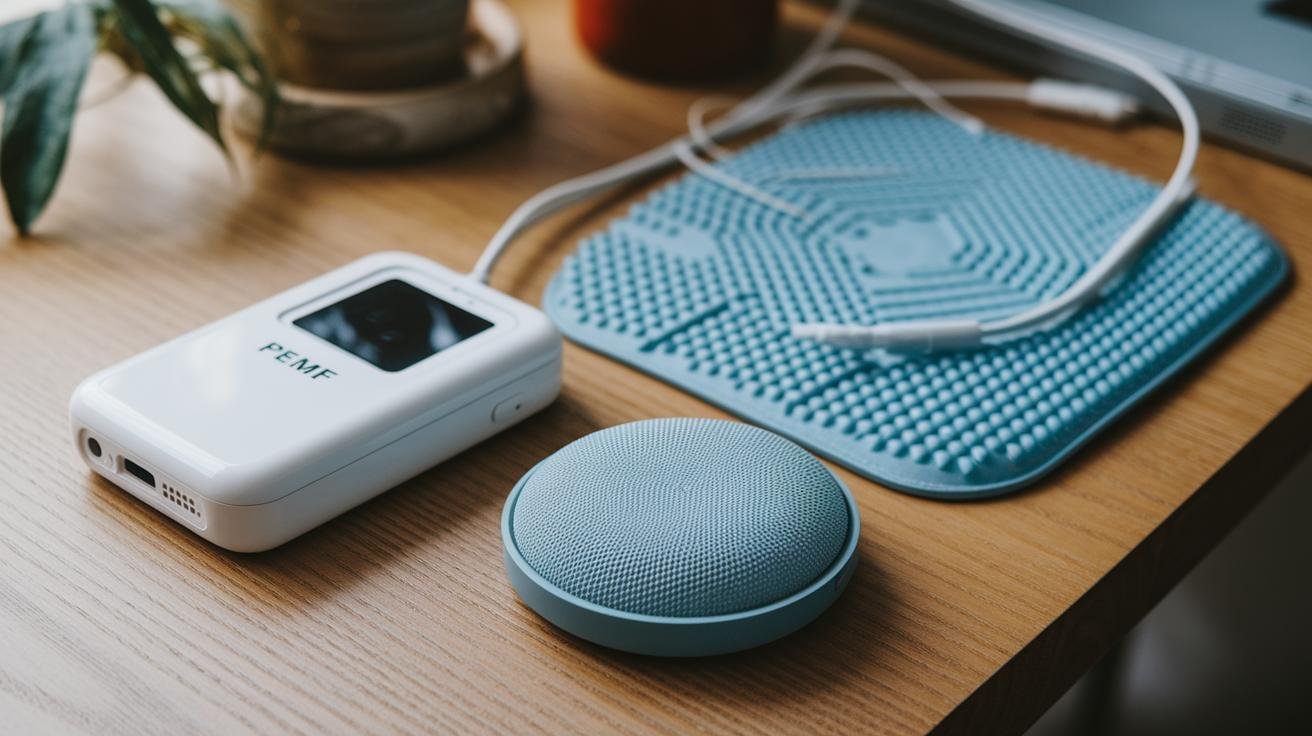
PEMF (Pulsed Electromagnetic Field therapy) is a gentle way to support sleep, recovery, and everyday calm. Have you ever wanted a simple tool to help your muscles unwind or to sleep better? This guide helps you pick a device that fits your life.
Start by choosing one of three practical device types.
- Portable models: small, battery-powered, great for travel or quick relief on the go. They’re easy to tuck in a bag, but usually offer lower peak intensity and fewer tuning options.
- Home-use systems: sit between travel gear and clinic rigs. They’re meant for daily routines and usually give more program choices and stronger output than portables.
- Professional units: used in clinics and by therapists. These deliver the highest power and the widest range of settings.
Devices come in two main forms: full-body mats and targeted applicators. Full-body mats wrap you in coverage, like a warm blanket for your cells. Targeted applicators focus on a specific spot, perfect for a stubborn shoulder or tight spot.
Here’s what to look for in specs and design. Home-use systems often offer frequency ranges around 1 to 100 Hz and moderate intensities roughly 20 to 50 Gauss (Gauss is a unit for magnetic strength). You’ll see preset programs and customizable options. Waveform and coil design shape how the treatment feels. Common waveforms, sinusoidal, square, trapezoidal, can feel like a soft tide, a firmer pulse, or something in between. Quality coils create a more even electromagnetic field so the session feels steady across the area.
How to pick frequencies: lower Hz tends to support relaxation and sleep. Higher Hz helps warm up muscles and speed recovery after exercise. Think of it like choosing music: slow for rest, upbeat for movement.
Practical buying tips. Check warranty length, return policy, and how responsive customer support is. Ask about service centers and parts availability. Read the fine print, no one loves surprises. If a seller answers your questions quickly, that’s usually a good sign.
A small tip: try a short session first, and see how your body responds. Relax. Breathe. If something feels off, reach out to the company or your practitioner. You’re not just buying a device, you’re adding a self-care habit.
Setting PEMF Parameters for Pain Relief and Recovery

PEMF (Pulsed Electromagnetic Field therapy) uses three main controls: intensity, frequency, and duration. Think of intensity as how strong the field feels, frequency (Hz) as the tempo, and duration as how long you let your body soak in it. Imagine the gentle hum of energy waking up tired tissue, like a warm sunrise for your cells.
- Pain management: 15-30 Hz at 50 Gauss for 20 minutes. This is a higher-intensity setting for acute or sharp pain after activity or during a flare-up. Use it when you need focused relief and shorter, targeted sessions.
- Inflammation control: 5-10 Hz at 25 Gauss for 15 minutes. Lower intensity helps calm swelling and heat, like a cool wash for inflamed tissue. This is a common choice when you want gentle, steady soothing.
- Muscle recovery: 10-15 Hz pre/post workout, 10 minutes each. Think of this like a mini massage that warms up before movement and speeds repair afterward. Try it around your toughest sessions for faster bounce-back.
- Joint support: 1-5 Hz at 30 Gauss for 20 minutes. Slow pulses help soothe stiff joints and encourage mobility, useful for chronic stiffness or arthritis. Gentle and steady often works best here.
Start low. Increase intensity slowly and only add five-minute increments after a week of comfortable sessions. Tweak frequency before you raise intensity; sometimes a small change in Hz gives big benefits. If your device has customizable protocols, save gentle presets for nightly use and stronger presets for focused recovery. Keep sessions between 10-30 minutes unless a clinician tells you otherwise.
Log each session: time, frequency, intensity, and how you felt afterward. Over two to four weeks you’ll see patterns and can fine-tune settings for better pain relief, less inflammation, and faster muscle recovery. Want a quick tip? Try the same setting for a week and note even small changes, those little wins add up.
Integrating PEMF with Holistic Self-Care Practices

PEMF (Pulsed Electromagnetic Field therapy) fits naturally into simple, mindful self-care. Pairing slow, pulsed energy with breathing, movement, or scent can make each practice feel deeper and more restful. Think of the pulses like a gentle hum guiding your breath. Have you ever tried a short guided pause with both PEMF and meditation? It’s surprisingly calming.
PEMF-Enhanced Meditation
Use a low setting of about 2 to 5 Hz for a 10-minute guided session. Sit or lie down and follow a soft audio guide, letting the pulses mark each inhale and exhale. The rhythm helps your mind settle faster and your body relax more fully. Try it when you need a quick reset, ten minutes can feel like a mini retreat.
Yoga on a PEMF Mat
Place a mat set to roughly 20 to 30 Gauss (Gauss is a unit of magnetic field) beneath you. Move slowly through gentle stretches and restorative poses. The combination warms tissues and boosts circulation, so mobility work feels softer and less effortful. Slow sun salutations or long-held poses work really well here.
Breathwork Synchronization
Time each inhale or exhale to the pulse rhythm. A simple pattern is four-count in, six-count out. Matching the breath to the field can help lower stress chemistry and steady your heart rate. It’s an easy, portable calm tool for a busy day.
Aromatherapy with PEMF
Diffuse lavender or chamomile during a 15 to 20 minute session to pair scent with the pulsed field. The smells wrap around you like a warm blanket and deepen relaxation, helping you get sleep-ready. These whole-body, sensory practices are simple to add to your nightly ritual.
🎁 Get a Free Wellness Gift
Enter your name and email below to receive a special wellness gift from OlyLife — absolutely free!
Safety Guidelines and Precautions for PEMF Self-Care

Talk with your clinician before you start PEMF (Pulsed Electromagnetic Field therapy), especially if you’re pregnant or have an electronic implant like a pacemaker. These safety checks should come first, before any at-home sessions.
Common PEMF therapy contraindications to know:
- Electronic implants (pacemakers, defibrillators): the fields can interfere with how these devices work. Check with your cardiologist first.
- Pregnancy: fetal safety hasn’t been well-studied, so avoid use until you get medical approval.
- Open wounds or broken skin: placing coils directly on injured tissue may slow healing or cause irritation.
- Active bleeding or recent surgery: wait for your clinician’s okay before using PEMF.
Begin gently. Start at the lowest intensity and shortest time your device offers, and follow the manufacturer’s instructions, those steps are part of safe PEMF use. Try short sessions at first, then add a few minutes after a week if you feel good. Notice how the soft pulses feel, like a gentle hum under your skin, and track sleep, pain, and mood as simple clues.
If you feel dizziness, unusual pain, skin irritation, or any worrying symptom, stop the session right away and contact your healthcare provider. Oh, and if you’re unsure about anything, ask, better safe than sorry. Relax. Breathe.
Tracking Progress and Fine-Tuning Your PEMF Self-Care

Keeping a simple log for each session makes it easy to see what’s working. PEMF (Pulsed Electromagnetic Field therapy) has a gentle hum you can almost feel, and tracking frequency, intensity, duration and how you felt afterward reveals patterns you’d otherwise miss. Have you ever noticed small improvements that only show up after a few weeks? That’s the kind of thing a log finds.
Think of tracking as turning fuzzy guesses into a clear map. Small daily notes add up fast. Oh, and here’s a neat trick: use short journaling prompts to capture wins and setbacks so you don’t overthink it.
- What time, Hz (hertz) and Gauss (magnetic field strength) did I use?
- Session duration and intensity setting.
- Pain level (0–10) and stress rating right after.
- One word for how I slept or felt the next morning.
Make PEMF part of a habit you already do so it’s easy to keep up. Try a short session after your morning coffee, during a lunch stretch, or before bedtime reading. Think of it like stacking a quick self-care step onto something familiar. It sticks better that way.
Pick an accountability method that fits you. Write sessions into a planner, team up with a friend as a PEMF buddy, or set calendar reminders. Many people use self-care tracking apps to log details quickly; those apps let you add notes and spot patterns over days or weeks.
Set a clear, simple goal so you know when to tweak settings. Aim to drop pain by two points in four weeks, or to gain three uninterrupted hours of sleep. Review your log once a month and adjust frequency, timing, or session length based on what the data shows. With steady tracking and short, focused reviews, you’ll fine-tune a routine that actually fits your life.
Final Words
Bring PEMF into your mornings, mid-day breaks, and evenings: a brief morning pulse for clarity, a quick mid-day session to ease neck and shoulder tension, and a longer evening session to support sleep.
Match frequency, intensity and duration to your needs, higher for acute muscle pain, lower for sleep and inflammation. Start low, keep a simple log, and check with a provider if you have implants or you're pregnant.
With steady practice, self-care routines integrating PEMF therapy weave into daily life, easing tension, improving sleep, and restoring energy. Small steps feel big.
FAQ
FAQ
Can you do too much PEMF therapy?
You can do too much PEMF therapy if you exceed recommended intensity or frequency. Aim for 2–3 short sessions daily, start low, stop for any discomfort, and talk with your provider if you’re pregnant or have implants.
What are 5 self-care strategies and what are the 4 C’s of self-care?
Five self-care strategies: a steady sleep routine, morning PEMF or meditation, short movement breaks, balanced meals and hydration, and a quick tracking ritual. The four C’s are comfort, connection, calm, and choice.
Can you use PEMF and red light therapy together?
You can use PEMF and red light therapy together. They often complement each other for recovery and relaxation; run sessions back-to-back or together if your device supports it, and pause for any skin or comfort reactions.