
Signs of Poor Gut Health: 12 Warning Signs Your Gut Needs Attention
Your gut does far more than digest lunch. It houses trillions of microbes that help train your immune system, produce mood-shaping chemicals, and quietly influence how energized, clear-headed, and comfortable you feel every day. So when that inner ecosystem falls out of balance, your body tends to send signals — some obvious, many surprising. Learning to read the signs of poor gut health is one of the most empowering things you can do for your whole-body wellbeing.
The tricky part? Many of these warning signs don’t look like “gut problems” at all. Persistent fatigue, breakouts, low mood, restless sleep, and stubborn sugar cravings can all trace back to what’s happening in your digestive system. In this guide, we’ll walk through the most common signs your gut needs attention, explain the why behind each one, explore what throws your gut off balance in the first place, and share warm, practical ways to help it recover naturally.
What “Poor Gut Health” Really Means

Deep inside your digestive tract lives the gut microbiome — a bustling community of an estimated 100 trillion bacteria, fungi, and other microorganisms. In a thriving gut, this community is diverse and balanced, with beneficial microbes keeping less-friendly ones in check. When researchers talk about “poor gut health,” they’re usually describing dysbiosis: a state where microbial diversity drops and the balance tips away from the helpful species.
Why does that matter so much? Your gut microbes do real work on your behalf. They ferment the fiber you eat into short-chain fatty acids like butyrate, which nourish the cells lining your gut and help calm inflammation. They help synthesize certain vitamins, support a strong intestinal barrier, and communicate constantly with your immune system and brain. Roughly 70% of your immune tissue sits in and around the gut, which is why an unbalanced microbiome can ripple outward into nearly every system in your body.
A related concept you’ll often hear is “leaky gut,” or increased intestinal permeability. The lining of a healthy gut acts like a smart gatekeeper — absorbing nutrients while keeping unwanted particles out. When that barrier is compromised, substances that should stay contained can slip through and trigger low-grade, body-wide inflammation. This is one reason the signs of poor gut health can show up so far from your stomach. If you’d like a deeper look at how your microbes talk to the rest of you, our guide to the gut-brain connection unpacks the science beautifully.
A quick gut-health self-check
Wondering whether your gut might need a little attention? Run through this gentle self-check. If several of these ring true on a regular basis, your gut may be asking for support:
- I feel bloated, gassy, or uncomfortable after many of my meals
- My bowel habits are unpredictable or irregular
- I’m tired even after a full night’s sleep
- My skin has been breaking out or looking dull
- I crave sugar or refined carbs and feel I can’t shake it
- My mood, focus, or stress levels feel harder to manage lately
- I seem to catch every cold that goes around
This isn’t a diagnostic tool — it’s simply a starting point for tuning in to your body. The more boxes you tick, the more likely a few gentle, gut-friendly shifts could help you feel like yourself again.
Digestive Signs of Poor Gut Health

The most direct signs of poor gut health tend to be, unsurprisingly, digestive. Occasional discomfort is completely normal, but when these symptoms become a regular feature of your days, your gut may be asking for support.
Bloating and excess gas
When certain gut bacteria overgrow or ferment food inefficiently, they can produce extra gas — leaving you feeling puffy, tight, or uncomfortable, especially after meals. Occasional bloating happens to everyone, but frequent, predictable bloating is a classic sign that your microbial balance may be off.
Irregular bowel habits
Constipation, diarrhea, or an unpredictable swing between the two can all reflect disrupted gut function. Your microbes influence how quickly food moves through your system and how much water your colon reabsorbs, so changes in stool frequency, consistency, or urgency are worth paying attention to.
Heartburn and indigestion
Regular reflux, a burning sensation, or a heavy, sluggish feeling after eating can point to imbalances in how your digestive system is processing food. While the occasional bout is normal, persistent indigestion deserves a closer look.
New food intolerances
If foods you once enjoyed suddenly leave you gassy, bloated, or unwell, an imbalanced microbiome may be struggling to break them down. Food intolerances (which differ from true allergies) are frequently linked to the makeup of your gut bacteria and the integrity of your gut lining.
Whole-Body Signs of Poor Gut Health

Here’s where things get fascinating. Because your gut is so deeply connected to your immune system, hormones, and metabolism, many signs of poor gut health appear nowhere near your belly.
Persistent fatigue and poor sleep
Feeling tired no matter how much you rest? Your gut produces a large share of the body’s serotonin, a precursor to the sleep hormone melatonin. An unbalanced microbiome can interfere with this pathway, disrupting both your energy during the day and your sleep at night. If restless nights are part of your picture, pairing gut support with solid sleep hygiene habits can make a meaningful difference.
Skin flare-ups
Acne, eczema, rosacea, and general dullness are increasingly linked to what’s happening in the gut through the so-called “gut-skin axis.” When inflammation rises internally, it often shows up on the surface. Clearer, calmer skin frequently follows a calmer gut.
Frequent colds and infections
Since so much of your immune system lives in your gut, a struggling microbiome can leave your defenses less resilient. If you seem to catch every bug that goes around, your gut may be part of the story.
Unexplained weight changes
Gaining or losing weight without changing your diet or activity can reflect shifts in your microbiome, which helps regulate how you absorb nutrients, store fat, and manage blood sugar and appetite signals.
Intense sugar cravings
Certain gut microbes actually thrive on sugar and refined carbohydrates — and they can nudge you toward feeding them. Relentless cravings for sweets can be a subtle sign that less-helpful bacteria have gained the upper hand.
Ongoing inflammation and aches
Low-grade inflammation stemming from a compromised gut barrier may contribute to joint aches, stiffness, and that generally “off” feeling. Supporting your gut is one piece of a broader anti-inflammatory lifestyle, which is why so many people pair it with anti-inflammatory foods at the start of the day.
The Gut-Brain Signs: Mood, Focus, and Stress

Some of the most overlooked signs of poor gut health are emotional and mental. Your gut and brain are in constant two-way conversation through the gut-brain axis, a communication network that runs largely along the vagus nerve and is shaped by the chemicals your microbes produce.
An impressive 90–95% of your body’s serotonin — a key mood-regulating neurotransmitter — is made in the gut. Your microbes also help produce GABA, a calming chemical messenger. So when your gut is out of balance, it’s not surprising that mood, motivation, and mental clarity can suffer too. Common gut-brain signs include:
- Low or fluctuating mood that doesn’t have an obvious cause
- Heightened stress or anxious feelings, which can both worsen and be worsened by gut imbalance
- Brain fog — that fuzzy, unfocused feeling that makes concentration hard
- Irritability that seems tied to digestion or meals
This connection runs both ways: chronic stress can degrade your gut just as an unhealthy gut can amplify stress. That’s why supporting the vagus nerve is such a powerful lever. Our guides to vagus nerve exercises and natural remedies for anxiety both explore this mind-gut loop and offer gentle tools to help restore calm from the inside out.
What Causes Poor Gut Health in the First Place

Understanding the roots of gut imbalance helps you address the signs of poor gut health at their source rather than just chasing symptoms. Most disruption traces back to a handful of everyday factors.
A low-fiber, ultra-processed diet
Your beneficial microbes feed primarily on fiber from plants. A diet heavy in ultra-processed foods, refined sugar, and low in vegetables essentially starves the good bacteria while feeding the less-helpful ones. Over time, diversity drops — and diversity is a hallmark of a resilient gut.
Chronic stress
Prolonged stress raises cortisol, which can thin the protective gut lining, alter which microbes flourish, and slow digestion. The gut-brain axis means a stressed mind quite literally creates a stressed gut. Weaving in stress relief and relaxation techniques is genuinely gut care, not just self-care.
Antibiotics and certain medications
Antibiotics are sometimes essential, but they don’t discriminate between harmful and helpful bacteria. Frequent courses — along with some other medications — can leave the microbiome depleted and slow to recover.
Poor sleep and a sedentary routine
Your microbiome follows a daily rhythm, and irregular or insufficient sleep can throw it off. Movement, meanwhile, has been shown to support microbial diversity. A largely sedentary, sleep-deprived lifestyle works against your gut on both fronts.
Too little variety
Even a “healthy” diet can lack diversity. Eating the same handful of foods on repeat limits the range of microbes you nourish. Variety — especially of plants — is one of the simplest ways to build a richer gut ecosystem.
🎁 Get a Free Wellness Gift
Enter your name and email below to receive a special wellness gift from OlyLife — absolutely free!
How to Restore Your Gut Health Naturally

The encouraging truth is that your gut is remarkably responsive. With consistent, gentle care, many people notice the signs of poor gut health easing within a few weeks. Here’s where to focus.
Eat a wide variety of plants
Researchers behind large microbiome studies have found that people who eat around 30 different plant foods per week tend to have the most diverse, resilient microbiomes. Count vegetables, fruits, whole grains, legumes, nuts, seeds, herbs, and spices — variety matters more than quantity. It’s an achievable, joyful goal rather than a restrictive diet.
Feed your microbes with fiber and prebiotics
Prebiotic fibers — found in foods like garlic, onions, leeks, asparagus, oats, and bananas — are the preferred fuel for beneficial bacteria. As your microbes ferment them, they produce those inflammation-calming short-chain fatty acids your gut lining loves.
Enjoy fermented foods
Yogurt, kefir, sauerkraut, kimchi, miso, and kombucha deliver live beneficial cultures. A well-known Stanford study found that a diet rich in fermented foods increased microbiome diversity and lowered markers of inflammation. Start small — a spoonful of sauerkraut or a little kefir daily — and build from there.
Add polyphenol-rich foods
Colorful plants, green tea, extra-virgin olive oil, berries, and even a little dark chocolate are rich in polyphenols, plant compounds that beneficial gut bacteria help transform into anti-inflammatory substances. Many overlap with the botanicals covered in our herbal remedies guide.
Hydrate and eat mindfully
Adequate water supports the gut lining and keeps things moving comfortably. Slowing down, chewing thoroughly, and eating without screens gives your digestive system the calm, “rest-and-digest” state it works best in.
Care for the gut-brain axis
Because stress so directly harms the gut, calming your nervous system is a genuine gut-health strategy. Gentle breathwork, meditation, time in nature, and quality sleep all help. Some people also explore adaptogen supplements for stress to support their body’s resilience over time.
A simple daily gut-support rhythm
You don’t need a complicated protocol to make real progress. A loose daily rhythm keeps things sustainable: begin the morning with a fiber-rich breakfast and plenty of water; add a serving of fermented food and a rainbow of vegetables across lunch and dinner; take a short walk after meals to aid digestion; and wind down in the evening with a calming, screen-free ritual to protect your sleep and lower stress. Consistency, not perfection, is what your microbiome responds to over time.
This is also where mindful use of frequency-wellness tools can complement a gut-friendly lifestyle. Because stress and vagal tone are so tightly woven into digestion, many in our community pair their routine with gentle PEMF sessions to support relaxation and recovery. The OlyLife THz Tera-P90+ is designed to help you unwind and ease into that parasympathetic, rest-and-digest state — a supportive companion to the dietary steps above, never a replacement for them.
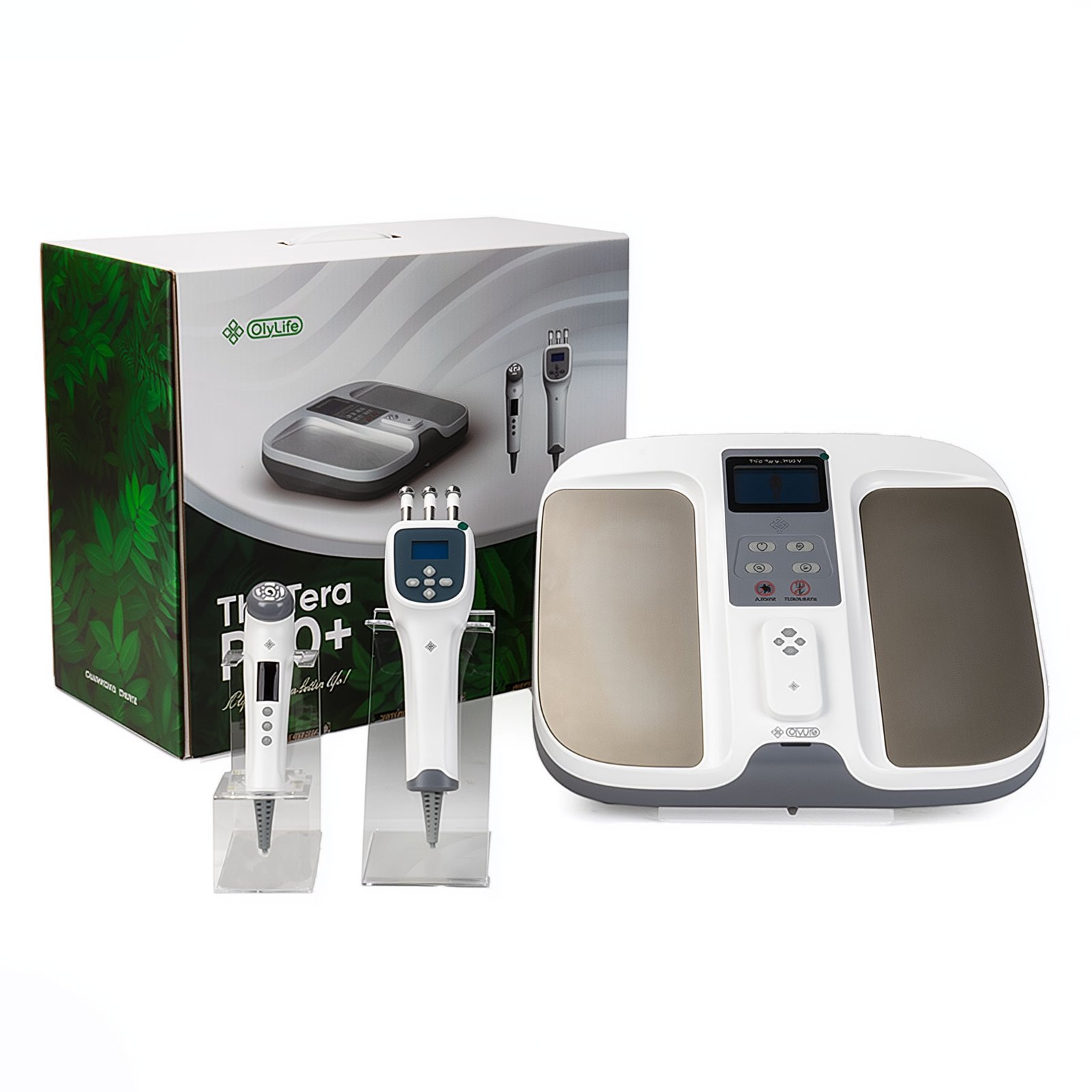
Support Calm From the Inside Out
A relaxed nervous system is a foundation for a happy gut. The OlyLife THz Tera-P90+ pairs PEMF and terahertz technology to help you ease into deep rest — a gentle complement to your gut-friendly routine.
When to See a Doctor About Your Gut
Natural gut care is powerful, but some symptoms warrant professional evaluation. Please reach out to a qualified healthcare provider if you experience any of the following, as they can signal conditions that need proper diagnosis:
- Blood in your stool, or black, tarry stools
- Unexplained or significant weight loss
- Persistent, severe abdominal pain or cramping
- Ongoing vomiting, difficulty swallowing, or trouble keeping food down
- Symptoms that steadily worsen or don’t improve with lifestyle changes
- A family history of digestive disease, celiac, or colorectal cancer
The gentle, natural strategies in this guide are designed to support everyday wellbeing — they are not a substitute for medical care. When in doubt, a conversation with your doctor is always the wisest first step. If you’re also exploring a broader reset, our guide to a full body cleanse and detox at home offers a gentle, whole-body companion approach.
Frequently Asked Questions
How long does it take to improve gut health?
Many people notice early improvements — less bloating, steadier energy, better mood — within two to four weeks of consistent changes. Building a genuinely diverse, resilient microbiome is a longer journey measured in months, so think of gut care as a gentle, ongoing practice rather than a quick fix.
Can poor gut health really affect my mood?
Yes. Through the gut-brain axis, your microbiome influences the production of serotonin and other mood-regulating chemicals. Low mood, anxious feelings, and brain fog are recognized as possible signs of poor gut health, which is why supporting your gut often benefits your mind too.
Are probiotic supplements necessary?
They can be helpful for some people, but they’re not the whole picture. A varied, fiber-rich diet with plenty of fermented foods lays the strongest foundation. If you’re curious about supplements, our gut health and probiotics FAQ answers the most common questions.
What’s the single best food for gut health?
There isn’t just one — diversity is the real secret. That said, fermented foods like kefir, sauerkraut, and kimchi, along with high-fiber plants like legumes and leafy greens, are among the most reliably gut-friendly choices you can add.
Can stress alone damage my gut?
Chronic stress absolutely takes a toll. It raises cortisol, can weaken the gut lining, and shifts the microbial balance. Calming practices — breathwork, movement, quality sleep, and relaxation tools — are a real and often underestimated part of gut restoration.
Final Thoughts
Your gut is a wise, responsive system that’s always communicating with you. Learning to recognize the signs of poor gut health — from bloating and fatigue to skin flare-ups, low mood, and stubborn cravings — turns confusing symptoms into a clear invitation to nourish yourself more deeply. The path back to balance rarely requires anything drastic: more plants, more variety, more fermented goodness, better sleep, gentler stress, and a little patience.
Start with one small, sustainable change this week — an extra serving of vegetables, a spoonful of sauerkraut, a five-minute breathing break — and let the momentum build. Your gut, and the whole beautiful body it supports, will thank you. 🌿