Benefits of Infrared Light Therapy: A Complete Guide to Natural Healing
If you’ve been exploring natural wellness solutions, you’ve likely come across the growing buzz around the benefits of infrared light therapy. This non-invasive, drug-free approach uses specific wavelengths of light to interact with your body at a cellular level — and the research behind it is genuinely exciting. From supporting pain relief and skin health to promoting recovery and relaxation, infrared light therapy is earning its place as one of the most promising tools in the modern wellness toolkit.
But what exactly is infrared light therapy? How does it differ from the red light therapy you’ve seen at spas? And most importantly — can it actually help you? In this complete guide, we’ll walk through the science, the evidence-backed benefits, and practical tips for getting started safely. Whether you’re new to light-based wellness or looking to deepen your understanding, you’re in the right place.
What Is Infrared Light Therapy and How Does It Work?
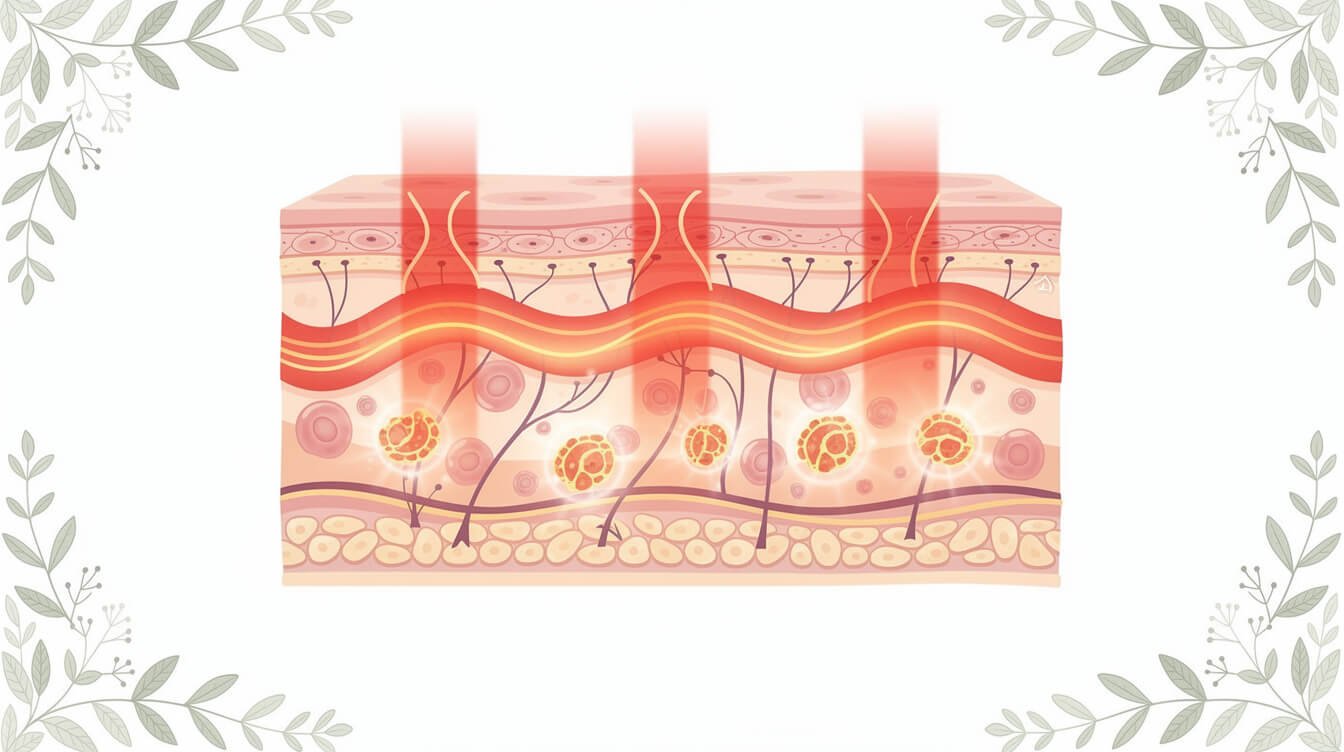
Infrared light therapy — also known as photobiomodulation or low-level light therapy — uses wavelengths of light that fall just beyond what the human eye can see. While visible red light operates between roughly 620 and 700 nanometers (nm), infrared light extends from about 700 nm all the way to 1,000 nm and beyond. This longer wavelength allows infrared light to penetrate deeper into your body’s tissues than visible red light.
At its core, infrared light therapy works by delivering specific light energy to your cells. When these wavelengths reach your mitochondria — the tiny powerhouses inside every cell — they stimulate the production of adenosine triphosphate (ATP), which is essentially your body’s energy currency. More ATP means your cells have more fuel to repair, regenerate, and function at their best.
The Three Types of Infrared Light
Understanding the infrared spectrum helps explain why different devices may offer different benefits:
- Near-infrared (NIR): 700–900 nm. Penetrates deepest into tissue (up to several centimeters). Research suggests it may support muscle recovery, joint health, and wound healing.
- Mid-infrared (MIR): 900–3,000 nm. Often used in infrared saunas. May support circulation and relaxation.
- Far-infrared (FIR): 3,000–100,000 nm. Produces a gentle warming effect. Traditionally used in saunas and heating pads for promoting relaxation and supporting detoxification processes.
Most clinical studies focus on near-infrared wavelengths because of their ability to reach deeper tissues. However, all three types may offer complementary wellness benefits when used appropriately.
The Cellular Mechanism: Why Light Matters
Here’s where the science gets fascinating. A key enzyme in your mitochondria called cytochrome c oxidase absorbs infrared light photons. This interaction helps release nitric oxide from the enzyme, which in turn:
- Improves cellular oxygen consumption
- Supports healthy blood flow
- May reduce oxidative stress
- Triggers beneficial signaling pathways that promote repair
Researchers at Stanford Medicine have noted that while the mechanisms are well-established at a cellular level, ongoing studies continue to map exactly how these effects translate to whole-body health outcomes. The field is evolving rapidly — and the results so far are encouraging.
7 Evidence-Backed Benefits of Infrared Light Therapy
The research into infrared light therapy has expanded dramatically in recent years. While no therapy is a miracle cure, the body of evidence supporting these benefits is substantial and growing. Here’s what the science suggests so far.
1. May Support Pain Relief and Inflammation Reduction
One of the most well-studied benefits of infrared light therapy is its potential role in managing pain and inflammation. A growing body of research indicates that near-infrared wavelengths may help reduce inflammatory markers while promoting tissue repair.
Studies have explored its use for conditions including muscle soreness, joint discomfort, arthritis, and chronic pain conditions. According to Brown University Health, red and infrared light therapy can “help promote healing and reduce inflammation” by stimulating mitochondrial energy production and releasing endorphins — the body’s natural pain-relieving compounds.
If you’re exploring natural approaches to pain management, you may also find value in understanding how PEMF therapy may support natural pain relief. Both approaches work at a cellular level to encourage your body’s own healing responses.
2. May Promote Skin Health and Anti-Aging
The skin health applications of infrared light therapy are among the most visible — literally. Research suggests that specific wavelengths may help stimulate collagen production, reduce fine lines and wrinkles, and improve overall skin tone and texture.
UCLA Health reports that the FDA has cleared several red and infrared light devices for home use in treating aging skin, and clinical studies have measured improvements in skin quality after consistent use over several months. The mechanism is straightforward: increased collagen synthesis and improved cellular turnover may help skin look and feel more youthful.
Conditions that may benefit include:
- Fine lines and wrinkles
- Uneven skin tone and dark spots
- Acne and acne scarring
- Psoriasis and eczema symptoms
- Minor wound healing
3. May Support Muscle Recovery and Athletic Performance
Athletes and fitness enthusiasts have increasingly adopted infrared light therapy as part of their recovery routines. Near-infrared wavelengths penetrate deep enough to reach muscle tissue, where they may help reduce delayed-onset muscle soreness (DOMS) and support faster recovery between workouts.
Research published in photomedicine journals suggests that pre-exercise infrared exposure may help reduce muscle fatigue, while post-exercise treatment may accelerate repair processes. This makes it a popular complementary tool alongside traditional recovery methods like stretching, hydration, and adequate sleep.
4. May Improve Circulation and Cardiovascular Support
Infrared light’s ability to promote nitric oxide release doesn’t just benefit your cells — it may also support healthier blood flow throughout your body. Nitric oxide is a natural vasodilator, meaning it helps blood vessels relax and widen, which may improve circulation.
Improved circulation can have a cascade of positive effects: better nutrient delivery to tissues, more efficient waste removal, and potentially lower blood pressure. Far-infrared saunas, in particular, have been studied for their cardiovascular benefits, with some research suggesting regular use may support heart health markers.
5. May Support Joint Health and Mobility
For the millions of adults living with joint stiffness or discomfort, infrared light therapy offers an intriguing non-pharmaceutical option. Studies have explored its use for osteoarthritis, rheumatoid arthritis, and general joint stiffness, with many participants reporting improved mobility and reduced discomfort.
The anti-inflammatory properties of near-infrared light may help reduce swelling around joints, while the increased cellular energy may support cartilage repair and maintenance. This makes it particularly relevant for adults over 40 who are looking for gentle, supportive approaches to maintaining an active lifestyle.
6. May Support Mood and Mental Wellness
An emerging area of research explores how infrared light therapy may influence brain function and emotional wellbeing. Preliminary studies suggest that transcranial photobiomodulation — applying near-infrared light to the head — may support cognitive function, reduce symptoms of low mood, and improve sleep quality.
While this research is still in its early stages, the connection between light exposure and mental health is well-established. Our brains are remarkably responsive to light, which is why practices like natural nervous system regulation techniques often incorporate light exposure as a foundational element.
7. May Promote Wound Healing and Tissue Repair
One of the earliest medical applications of infrared light therapy was wound healing, and this remains one of its strongest evidence-backed uses. By boosting cellular energy production and promoting new blood vessel formation, infrared light may accelerate the body’s natural repair processes.
Clinical applications have included post-surgical recovery, chronic wound management, and burn healing. While home devices are not substitutes for medical treatment, the underlying science supports infrared light as a complementary tool for supporting your body’s healing abilities.
Infrared Light Therapy vs. Red Light Therapy: Understanding the Difference
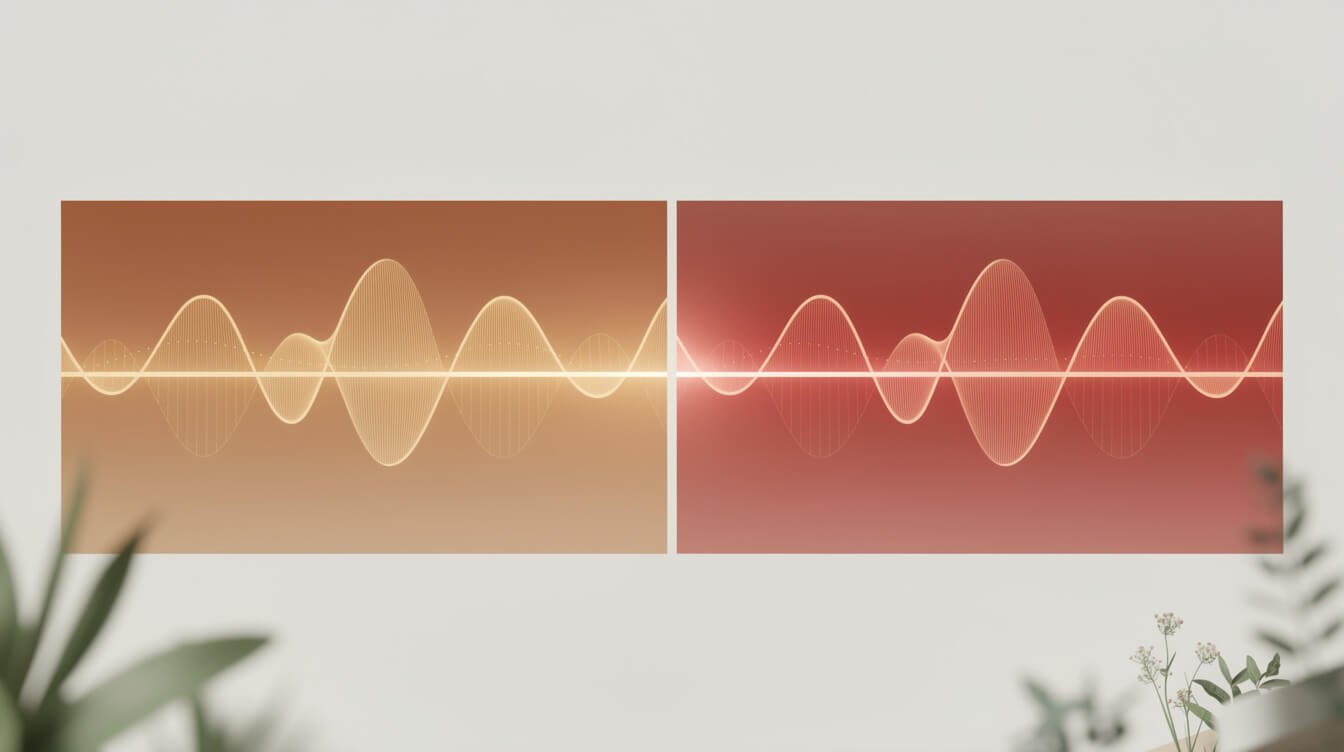
One of the most common questions people have is whether infrared light therapy and red light therapy are the same thing. The short answer: they’re related, but not identical.
Wavelength and Penetration Depth
Red light therapy uses visible wavelengths between approximately 620–700 nm. You can actually see this light — it appears as a warm, red glow. It primarily affects the skin’s surface layers and is well-studied for skin conditions, collagen production, and surface-level healing.
Infrared light therapy uses wavelengths from 700 nm upward, extending into ranges invisible to the human eye. Because these wavelengths are longer, they penetrate deeper into the body — reaching muscles, joints, and even bone tissue. This deeper penetration is what makes infrared particularly interesting for pain management, muscle recovery, and joint health.
Which One Is Better?
Neither is objectively “better” — they serve complementary purposes. Many modern wellness devices combine both red and near-infrared wavelengths to offer benefits across a broader range of tissue depths. If your primary concern is skin health, red light may be your starting point. If you’re focused on deeper tissue benefits like muscle recovery or joint support, near-infrared wavelengths may be more relevant.
The best approach for many people is a combination device that delivers both wavelength ranges simultaneously. This is similar to how other wellness modalities work best in combination — for example, how earthing and grounding practices may complement other natural health approaches for a more holistic wellbeing strategy.
How to Use Infrared Light Therapy at Home Safely
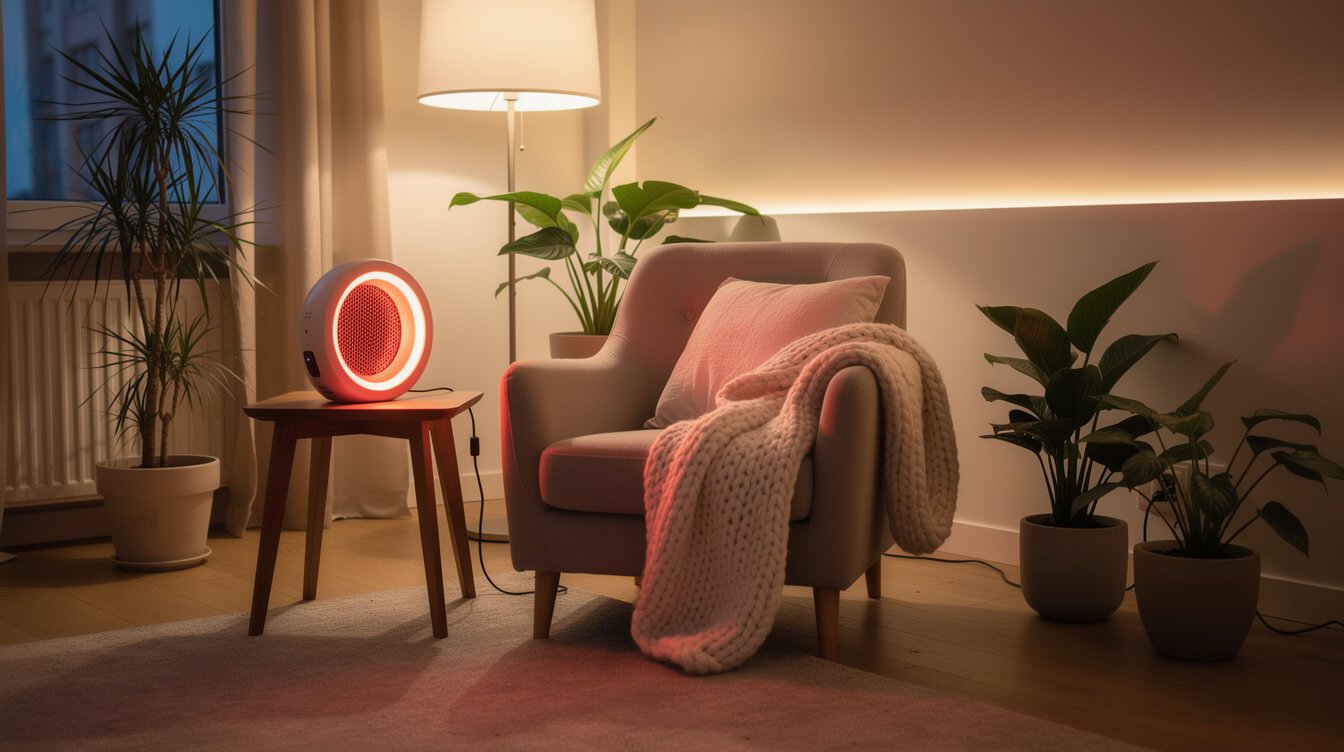
The accessibility of infrared light therapy has transformed dramatically in recent years. While clinical treatments remain valuable, a growing range of home devices now makes it possible to incorporate light therapy into your daily wellness routine.
Types of Home Devices
The market offers several categories of devices, each suited to different needs:
- Panel systems: Wall-mounted or tabletop panels that cover larger body areas. Ideal for full-body or targeted treatment of back, legs, or torso.
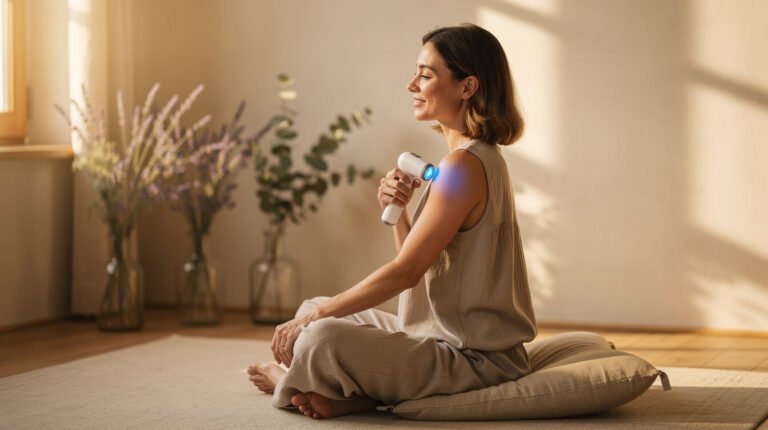
- Handheld wands: Portable devices you can direct at specific areas. Great for targeting joints, muscles, or facial treatment.
- Wraps and pads: Flexible devices that conform to body contours. Popular for knee, shoulder, and back treatment.
- Masks: Face-specific devices designed for skin health applications.
- Infrared saunas: Full-body enclosures using far-infrared for whole-body warming and relaxation.
Getting Started: Practical Guidelines
If you’re new to infrared light therapy, these evidence-informed guidelines may help you get started safely:
- Start with shorter sessions. Begin with 5–10 minutes per area and gradually work up to 15–20 minutes as your body adjusts.
- Maintain appropriate distance. Follow your device’s specific instructions — typically 6–18 inches from the skin for panels, or direct contact for wraps and pads.
- Be consistent. Most research showing positive outcomes involved regular use — typically 3–5 sessions per week over several weeks or months.
- Protect your eyes. If your device emits visible light, use the protective eyewear provided. Near-infrared is invisible but can still affect the eyes.
- Listen to your body. Mild warmth is normal; any discomfort or excessive heat is a signal to stop or increase your distance.
What to Look for in a Quality Device
Not all devices are created equal. When shopping for an infrared light therapy device, prioritize:
- Verified wavelengths: Look for devices that clearly specify their nanometer output (ideally 630–660 nm for red, 810–850 nm for near-infrared).
- Adequate power density: Measured in milliwatts per square centimeter (mW/cm²). Clinical studies typically use 10–100 mW/cm².
- Third-party testing: FDA clearance or independent lab verification adds credibility.
- Combination wavelengths: Devices offering both red and near-infrared provide the broadest range of potential benefits.
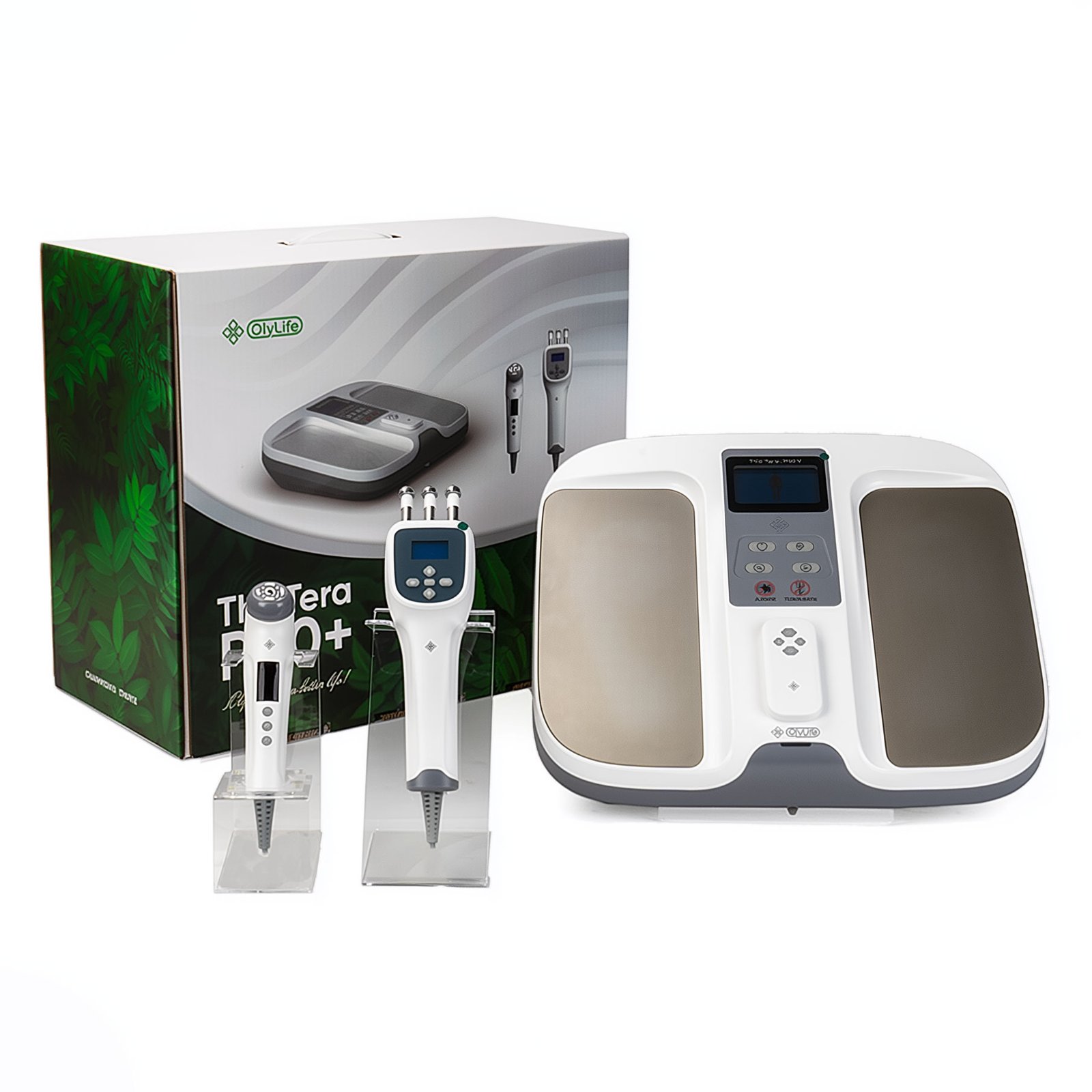
If you’re already exploring energy-based wellness devices, adding infrared light therapy to your routine may create a complementary approach. The OlyLife THz Tera-P90+ combines PEMF and terahertz frequency technology for a multi-modal approach to supporting your body’s natural healing processes.
Support Your Wellness Journey
The OlyLife THz Tera-P90+ combines PEMF and terahertz frequency technology to support your body’s natural healing processes — a perfect complement to your light therapy routine.
🎁 Get a Free Wellness Gift
Enter your name and email below to receive a special wellness gift from OlyLife — absolutely free!
Who May Benefit Most from Infrared Light Therapy?

While infrared light therapy is generally considered safe for most adults, certain groups may find it particularly relevant to their wellness goals.
Active Adults and Athletes
If you exercise regularly, infrared light therapy may help support faster recovery between sessions, reduce muscle soreness, and potentially improve performance over time. Many professional sports teams and athletic training facilities now include infrared therapy as a standard recovery tool.
Adults Over 40 Seeking Joint Support
As we age, joint health becomes increasingly important for maintaining an active lifestyle. The anti-inflammatory and tissue-supporting properties of infrared light therapy make it a compelling option for adults experiencing age-related joint changes or general stiffness.
Those Managing Chronic Pain
For individuals dealing with chronic pain conditions, infrared light therapy offers a drug-free approach that may complement other pain management strategies. It’s particularly worth exploring if you’re looking to reduce reliance on over-the-counter pain medications.
Skin-Conscious Individuals
Whether you’re addressing specific skin conditions like acne or psoriasis, or simply looking to support a more youthful complexion, the collagen-boosting and skin-healing properties of infrared and red light therapy are well-documented.
Wellness Enthusiasts Exploring Holistic Approaches
If you already incorporate natural wellness practices into your routine — whether that’s mindfulness, nutrition, grounding, or energy-based therapies — infrared light therapy fits naturally into a holistic health philosophy. It aligns beautifully with other modalities that support the body’s innate healing intelligence, much like how healing frequencies may support your overall wellness.
Important Considerations
While infrared light therapy has an excellent safety profile, it’s worth consulting your healthcare provider before starting if you:
- Are pregnant
- Have active cancer or are undergoing cancer treatment
- Take photosensitizing medications
- Have a history of eye conditions
- Have any condition affecting your skin’s sensitivity to heat or light
Frequently Asked Questions About Infrared Light Therapy

How long does it take to see results from infrared light therapy?
Most research suggests that consistent use over 4–12 weeks produces the most noticeable results, particularly for skin health and pain management. Some people report feeling immediate relaxation or mild warming during sessions, but the more significant, measurable benefits typically develop with regular use over time.
Is infrared light therapy safe for daily use?
For most people, daily use at recommended durations and intensities is considered safe. Clinical studies have used treatment frequencies ranging from daily to several times per week without significant adverse effects. However, it’s always wise to start gradually and follow your device manufacturer’s guidelines.
Can infrared light therapy cause skin damage or burns?
Unlike ultraviolet (UV) light, infrared light therapy does not cause DNA damage or increase skin cancer risk. According to Brown University Health, it is “different from ultra-violet (UV) light, in that it does not usually cause permanent damage to the skin or increase risk of skin cancers.” However, excessive heat exposure from any source should be avoided — always follow recommended session lengths and distances.
Does infrared light therapy actually penetrate deep enough to be effective?
Yes — this is one of its key advantages. Near-infrared wavelengths (700–900 nm) can penetrate several centimeters into tissue, reaching muscles, joints, and even bone. This is significantly deeper than visible red light, which primarily affects the skin’s surface layers. The penetration depth is what makes infrared therapy particularly promising for musculoskeletal conditions.
Can I combine infrared light therapy with other wellness practices?
Absolutely. Many practitioners and wellness enthusiasts find that infrared light therapy complements other natural health approaches beautifully. Combining it with practices like PEMF therapy, grounding, breathwork, or mindfulness may create a more comprehensive wellness routine that addresses multiple dimensions of health simultaneously.
Are home infrared therapy devices as effective as professional treatments?
Professional devices used in clinical settings often have higher power outputs and more precise calibration. However, research increasingly shows that quality home devices — when used consistently and at appropriate parameters — can deliver meaningful benefits. The key factors are verified wavelengths, adequate power density, and consistent use over time.
Final Thoughts: Embracing Light as a Wellness Tool
The benefits of infrared light therapy represent one of the most exciting developments in natural wellness. From supporting pain relief and skin health to promoting recovery and overall vitality, this gentle, non-invasive approach works with your body’s own biological systems rather than against them.
What makes infrared light therapy particularly compelling is its accessibility. Whether you’re exploring it at a wellness clinic or incorporating a home device into your daily routine, the barrier to entry has never been lower — while the scientific evidence supporting its use continues to grow stronger.
As with any wellness practice, the best results come from consistency, patience, and a willingness to listen to your body. Infrared light therapy isn’t about quick fixes — it’s about supporting your cells, your tissues, and your overall wellbeing in a way that honors your body’s natural intelligence.
If you’re ready to explore how energy-based wellness approaches may support your health journey, consider how infrared light therapy might complement the modalities you’re already using — or serve as your first step into a more holistic approach to living well.