
Starting a fitness routine can feel overwhelming — especially when high-intensity workouts seem to dominate every social media feed and gym class schedule. But here’s the truth: low impact cardio for beginners may be one of the most effective and sustainable ways to build your fitness foundation without putting unnecessary strain on your body.
Whether you’re new to exercise, returning after a long break, or simply looking for a gentler approach to cardiovascular health, low-impact cardio offers a pathway that’s kind to your joints while still delivering powerful health benefits. In this comprehensive guide, you’ll discover exactly what low-impact cardio is, why it works, the best exercises to try, and how to build a weekly routine that fits your life.
What Is Low-Impact Cardio and Why Does It Matter for Beginners?

Low-impact cardio refers to any cardiovascular exercise where at least one foot stays in contact with the ground (or a surface) at all times. Unlike high-impact activities such as running, jumping, or plyometric exercises, low-impact movements minimize the jarring forces that travel through your ankles, knees, hips, and spine with each step.
But don’t confuse “low impact” with “low intensity.” These workouts can absolutely challenge your cardiovascular system, build endurance, and help you break a solid sweat. The difference lies in how much mechanical stress your joints absorb during the process.
Low Impact vs. High Impact: Understanding the Difference
To put it simply:
- High-impact exercises involve moments where both feet leave the ground (running, jumping jacks, burpees). The landing creates forces of 2–5 times your body weight through your joints.
- Low-impact exercises keep at least one foot grounded or use equipment that absorbs shock (walking, cycling, swimming, elliptical training). Joint forces remain significantly lower.
For beginners, this distinction matters enormously. Research published in the British Journal of Sports Medicine suggests that beginning exercisers who start with low-impact activities are more likely to maintain their routine long-term, partly because they experience fewer injuries and less post-workout discomfort in those crucial early weeks.
If you’re already exploring gentle movement, our guide to walking for health benefits is a perfect companion to this article — walking is one of the most accessible forms of low-impact cardio available.
7 Science-Backed Benefits of Low-Impact Cardio for Beginners

Low-impact cardio isn’t just “easier” exercise — it’s exercise that works with your body rather than against it. Here are seven evidence-backed reasons to make it a cornerstone of your fitness routine.
1. Supports Heart Health Without Joint Strain
The American Heart Association recommends at least 150 minutes of moderate-intensity aerobic activity per week for cardiovascular health. Low-impact cardio helps you meet this target while protecting vulnerable joints. A 2022 study in Circulation found that consistent moderate-intensity exercise — regardless of impact level — significantly reduced cardiovascular disease risk.
2. May Improve Mood and Reduce Stress
Cardiovascular exercise triggers the release of endorphins, serotonin, and brain-derived neurotrophic factor (BDNF), which collectively may help reduce symptoms of anxiety and depression. A meta-analysis published in JAMA Psychiatry (2019) found that even modest amounts of physical activity — as little as 15 minutes of brisk walking daily — were associated with a 26% lower risk of depression.
For additional natural stress-relief strategies, explore our guide to breathwork for stress relief — pairing breathwork with low-impact movement can create a powerful daily wellness ritual.
3. Builds Endurance Gradually and Safely
For beginners, building cardiovascular endurance takes time. Low-impact cardio allows you to progressively increase duration and intensity without the injury risks that come with high-impact training. This is the same principle behind zone 2 cardio training, which focuses on building aerobic capacity at a comfortable, conversational pace.
4. Supports Weight Management
While high-intensity workouts may burn more calories per minute, low-impact cardio has a major advantage for beginners: sustainability. You can exercise for longer durations without exhaustion, and you’re more likely to stick with it week after week. Research published in Obesity Reviews (2021) confirmed that consistent moderate exercise was more effective for long-term weight management than sporadic intense sessions.
5. Protects and Strengthens Joints
Contrary to what many people believe, appropriate exercise actually strengthens the structures around your joints. Low-impact cardio helps maintain cartilage health, improves synovial fluid circulation, and strengthens the muscles that support and stabilize joints — particularly important for anyone concerned about osteoarthritis or joint stiffness.
6. Improves Sleep Quality
A 2023 systematic review in Sleep Medicine Reviews found that regular moderate-intensity exercise improved both sleep onset latency (how quickly you fall asleep) and sleep quality across all age groups. Low-impact cardio performed earlier in the day may support your body’s natural circadian rhythm, helping you wind down more naturally in the evening.
7. Enhances Gut Health and Digestion
Emerging research suggests that moderate exercise supports a healthier gut microbiome by increasing microbial diversity and promoting beneficial bacteria. A study in Medicine & Science in Sports & Exercise (2018) found that regular aerobic exercise enhanced gut microbiota composition independently of diet. If you’re curious about the gut-wellness connection, check out our article on the gut-brain connection.
8 Best Low-Impact Cardio Exercises for Beginners

Ready to get moving? These eight exercises are beginner-friendly, require minimal equipment, and can be scaled to match your current fitness level.
1. Walking
The simplest and most accessible form of low-impact cardio. Start with 15–20 minute walks at a comfortable pace, gradually increasing to 30–45 minutes. Walking outdoors adds the bonus of fresh air, natural light, and earthing benefits — the practice of walking barefoot on natural surfaces, which research suggests may support inflammation reduction and stress relief.
Beginner tip: Aim for a pace where you can hold a conversation but feel slightly breathless — this is your moderate-intensity sweet spot.
2. Cycling (Stationary or Outdoor)
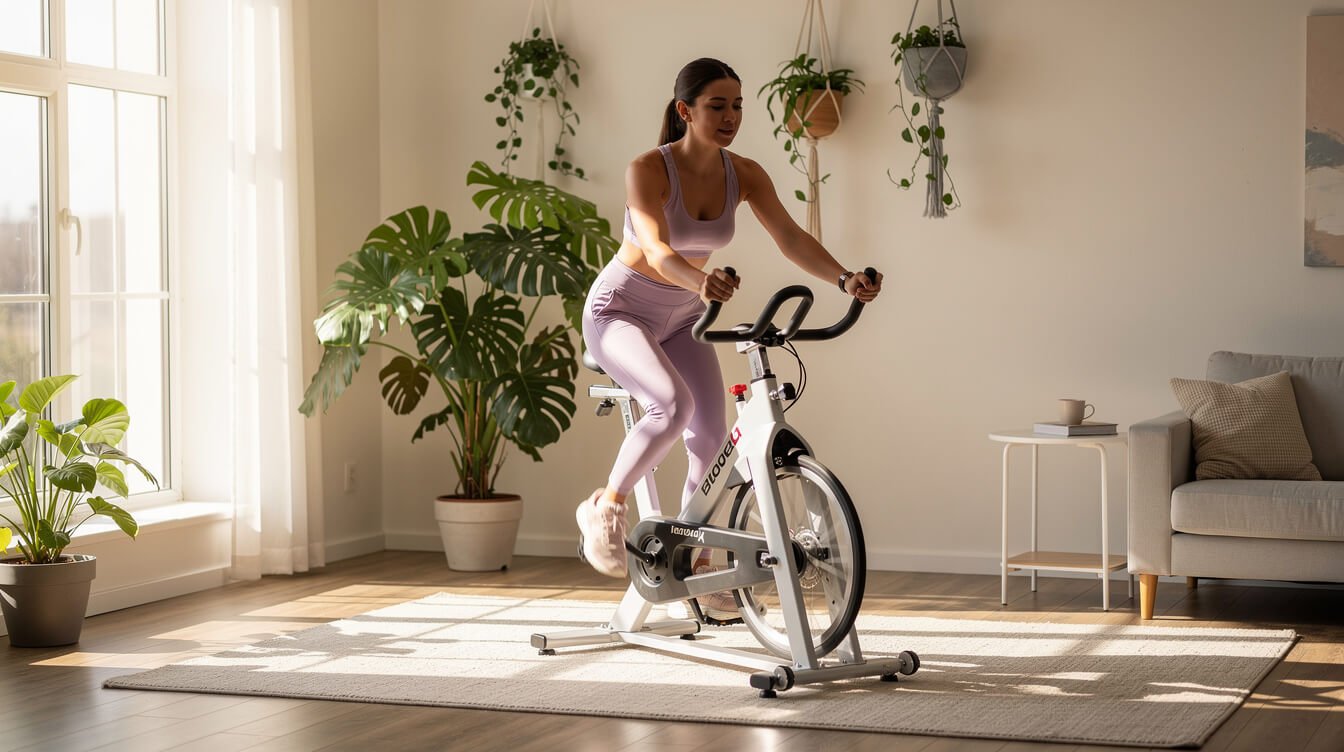
Cycling is exceptionally joint-friendly because the bike seat supports your body weight while your legs do the work. Stationary bikes are ideal for beginners because you can control resistance and pace in a safe, controlled environment.
Beginner tip: Start with 15 minutes at low resistance. Increase by 5 minutes each week until you reach 30–45 minutes.
3. Swimming and Water Walking
Water provides natural buoyancy that supports approximately 90% of your body weight, making aquatic exercise essentially zero-impact. Swimming laps, water walking, or aqua aerobics are excellent choices for anyone with joint concerns, arthritis, or chronic pain.
Beginner tip: If you’re not a confident swimmer, start with water walking or holding a kickboard for support.
4. Elliptical Training
The elliptical machine mimics the motion of running without the impact. Your feet stay on the pedals throughout, eliminating the repeated ground-force absorption that makes running tough on joints.
Beginner tip: Keep the resistance low and focus on smooth, steady motion. Aim for 15–20 minutes to start.
5. Rowing (Machine)
Rowing engages roughly 86% of your muscles — legs, core, back, and arms — while remaining completely low-impact. It’s one of the most efficient full-body cardio exercises available.
Beginner tip: Learn proper form before increasing intensity. The drive comes from your legs first, then core, then arms. Start with 10-minute intervals.
6. Tai Chi
This ancient Chinese practice combines slow, flowing movements with deep breathing and meditation. Research in the Annals of Internal Medicine found that tai chi may improve balance, flexibility, and cardiovascular fitness in older adults — making it particularly valuable for beginners over 50.
Beginner tip: Search for beginner tai chi classes locally or follow guided videos online. Even 10 minutes daily builds coordination and calm.
7. Step-Touch and Low-Impact Dance
Low-impact dance workouts (think step-touches, grapevines, and marching in place) elevate your heart rate without jumping. These are widely available as online classes and are excellent for people who find traditional exercise boring.
Beginner tip: Don’t worry about keeping up with every move. Focus on staying in motion and enjoying the music.
8. Yoga Flow (Vinyasa-Lite)
A gentle vinyasa-style yoga flow bridges the gap between flexibility work and cardio. Moving through sun salutations and standing sequences at a continuous pace raises your heart rate while building strength and balance. Combining yoga with natural techniques to calm your nervous system creates a deeply restorative practice.
Beginner tip: Look for “beginner flow” or “gentle vinyasa” classes. There’s no need to keep up with advanced practitioners.
Your Beginner Low-Impact Cardio Weekly Routine
Starting a new exercise routine works best when you have a structured plan. Here’s a sample weekly schedule designed specifically for beginners doing low-impact cardio.
Week 1–2: Building the Foundation (3 days per week)
| Day | Activity | Duration | Intensity |
|---|---|---|---|
| Monday | Brisk walking | 20 min | Light–moderate |
| Wednesday | Stationary cycling | 15 min | Light |
| Friday | Walking + gentle stretching | 20 min | Light–moderate |
Week 3–4: Building Consistency (4 days per week)
| Day | Activity | Duration | Intensity |
|---|---|---|---|
| Monday | Brisk walking | 25 min | Moderate |
| Tuesday | Yoga flow (gentle) | 20 min | Light |
| Thursday | Cycling or elliptical | 20 min | Moderate |
| Saturday | Swimming or water walking | 20 min | Light–moderate |
Week 5–8: Growing Stronger (4–5 days per week)
| Day | Activity | Duration | Intensity |
|---|---|---|---|
| Monday | Brisk walking or hiking | 30 min | Moderate |
| Tuesday | Yoga flow or tai chi | 25 min | Light–moderate |
| Wednesday | Cycling | 25 min | Moderate |
| Friday | Rowing or elliptical | 20 min | Moderate |
| Saturday | Low-impact dance or swimming | 30 min | Moderate |
Progressive overload principle: Increase duration by about 10% per week, or add one extra session. Avoid jumping intensity too quickly — gradual progression is what builds sustainable fitness.
Once you feel comfortable with 30-minute sessions, you may want to explore zone 2 cardio as a framework for optimizing your heart rate training zones, or add strength training to complement your cardio routine.
🎁 Get a Free Wellness Gift
Enter your name and email below to receive a special wellness gift from OlyLife — absolutely free!
Recovery, Progression, and Supporting Your Body Naturally

Even with low-impact exercise, your body needs time to adapt and recover. Recovery isn’t laziness — it’s where your body actually gets stronger.
Essential Recovery Practices
- Rest days: At least 2–3 rest days per week when starting out. Active rest (gentle walking, stretching) is fine.
- Hydration: Drink water before, during, and after exercise. Even mild dehydration can impair performance and recovery.
- Sleep: Aim for 7–9 hours per night. Sleep is when your body repairs muscle tissue and consolidates fitness adaptations. A study in PLOS ONE (2019) found that poor sleep significantly reduced heart rate variability — a key marker of cardiovascular fitness.
- Nutrition: Focus on whole foods rich in anti-inflammatory compounds. Colorful fruits, vegetables, lean proteins, and healthy fats support both recovery and long-term health. If you experience persistent soreness, consider adding gut-supporting foods to your diet — emerging research links gut health to inflammation and recovery.
When to Progress
You’re ready to increase your cardio challenge when:
- Your current routine feels comfortable and you can talk easily throughout
- You’re not experiencing joint pain or excessive fatigue after sessions
- You’ve maintained your current level consistently for at least 2 weeks
- You look forward to your sessions rather than dreading them
Recovery is also a time to explore complementary wellness practices. Gentle breathwork techniques after exercise can support your body’s transition from an active to a resting state. Some people find that earthing — walking barefoot on grass or earth — enhances their post-workout sense of calm. And emerging research on PEMF (pulsed electromagnetic field) therapy suggests it may support circulation and muscle recovery, making it an interesting addition to a holistic wellness routine.
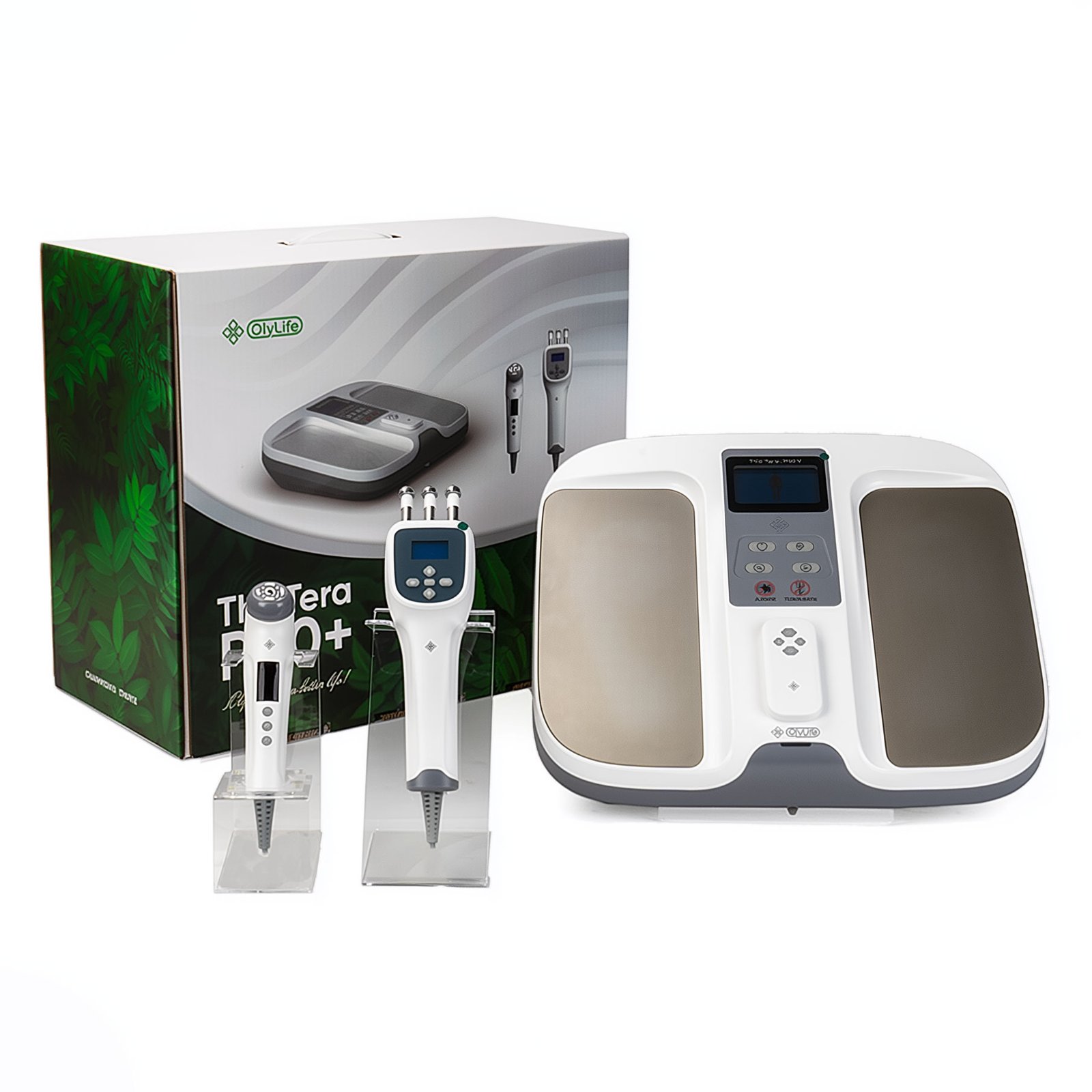
Support Your Recovery Naturally
The OlyLife Tera-P90+ combines PEMF and terahertz technology to support circulation, relaxation, and natural recovery — a perfect complement to your low-impact fitness journey.
Frequently Asked Questions About Low-Impact Cardio for Beginners
Is low-impact cardio enough to lose weight?
Yes — when combined with a balanced diet and consistent effort. Weight management depends more on total calorie expenditure over time than peak workout intensity. Low-impact cardio allows you to exercise more frequently and for longer durations, which may result in comparable or even greater total calorie burn over a week. The key advantage is sustainability: you’re more likely to maintain a low-impact routine for months and years, which is what drives lasting results.
How many days per week should beginners do low-impact cardio?
Start with 3 days per week, allowing at least one rest day between sessions. After 2–4 weeks, gradually increase to 4–5 days. The American College of Sports Medicine recommends 150–300 minutes of moderate-intensity exercise per week for general health. Listen to your body — if you feel excessively tired or sore, scale back.
Can low-impact cardio build muscle?
Low-impact cardio primarily builds cardiovascular endurance rather than significant muscle mass. However, activities like rowing, swimming, and cycling do engage and strengthen major muscle groups. For more targeted muscle building, consider adding strength training to your routine 2–3 times per week.
What’s the best low-impact cardio for bad knees?
Swimming and water-based exercises are generally the best options for people with knee concerns, as water buoyancy eliminates nearly all joint loading. Stationary cycling (with the seat properly adjusted) and the elliptical machine are also excellent choices. Avoid deep squatting motions and start with shorter sessions to gauge your body’s response.
How long until I see results from low-impact cardio?
Most people notice improved energy levels, mood, and sleep quality within 2–3 weeks of consistent exercise. Cardiovascular fitness improvements (measured by resting heart rate and exercise tolerance) typically become noticeable at 4–6 weeks. Visible body composition changes may take 8–12 weeks, depending on diet and exercise frequency.
Is walking really enough for cardio fitness?
Absolutely. Research consistently shows that brisk walking — especially at a moderate pace that elevates your heart rate — provides significant cardiovascular benefits. A landmark study published in JAMA Internal Medicine found that walking 7,000+ steps per day was associated with a 50–70% reduction in mortality risk. Our walking for health benefits guide covers this in more detail.
Can I combine low-impact cardio with other types of exercise?
Yes, and this is highly recommended as you progress. A well-rounded fitness routine might include low-impact cardio for heart health, strength training for muscle and bone density, and flexibility work like yoga or stretching. This combination approach — sometimes called “hybrid fitness” — addresses all components of physical wellness.
What role does recovery technology play in a beginner fitness routine?
Recovery technologies like PEMF therapy and infrared light therapy are gaining attention in the wellness world for their potential to support circulation, reduce muscle soreness, and promote relaxation after exercise. While these tools aren’t necessary for beginners, some people find them helpful as part of a broader wellness approach. Learn more about healing frequencies and how they may complement your fitness recovery.
Final Thoughts: Your Low-Impact Cardio Journey Starts Today

The most important thing about any fitness routine isn’t how intense it is — it’s whether you actually do it. Low-impact cardio for beginners removes the biggest barriers to getting started: fear of injury, intimidation, and the all-or-nothing mindset that derails so many new exercisers.
You don’t need a gym membership, expensive equipment, or athletic experience. You just need a pair of comfortable shoes, a willingness to move, and the patience to let your body adapt at its own pace.
Start with what feels manageable. Walk for 15 minutes today. Try cycling for 10 minutes tomorrow. Show up consistently, and the results will follow — stronger heart, better mood, more energy, and a body that thanks you for treating it with care.
Your wellness journey is uniquely yours. Take the first step today, and trust the process. 🌿