Thursday Throwback: Shinrin-Yoku — The Ancient Japanese Art of Forest Bathing
Long before wellness apps and meditation timers, Japanese physicians prescribed something beautifully simple: time among the trees. In 1982, Japan’s Ministry of Agriculture, Forestry, and Fisheries introduced shinrin-yoku — literally “forest bathing” — as a formal practice for public health. More than four decades later, the science behind this ancient art continues to grow. 🌿
What Is Forest Bathing?
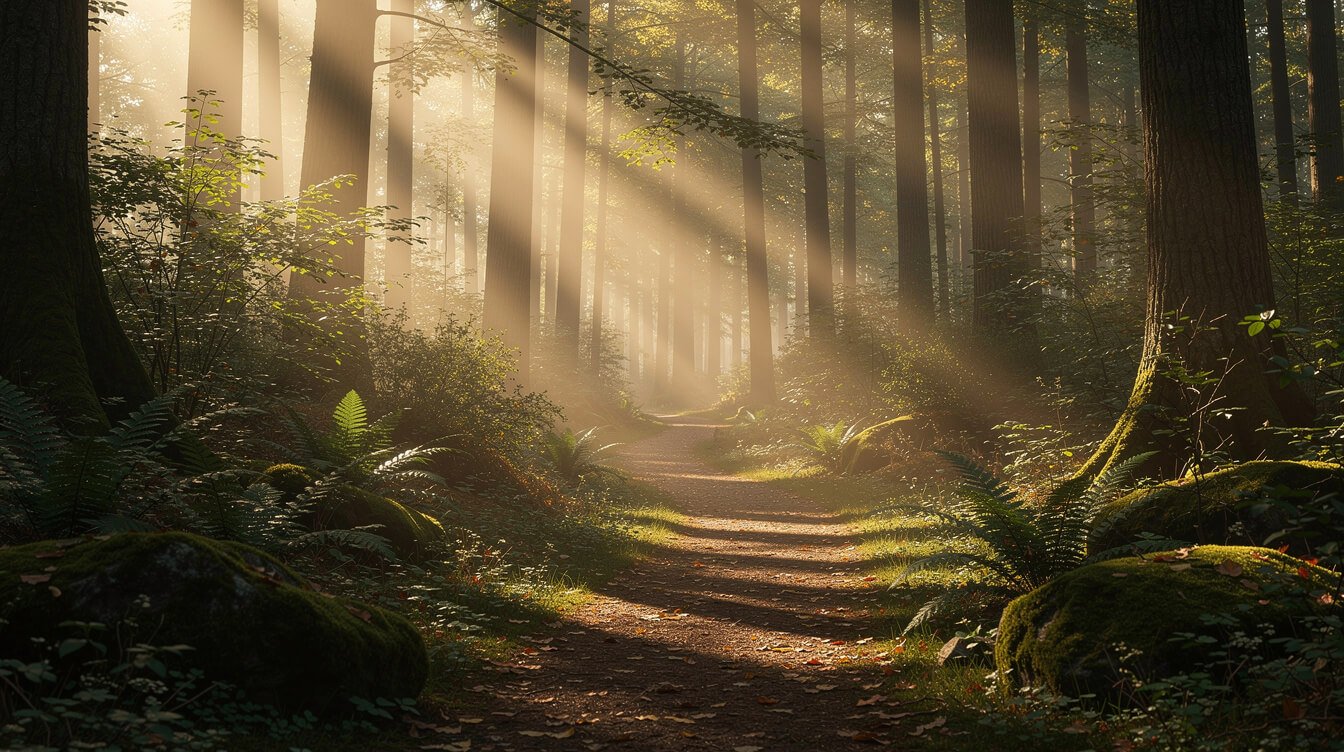
Forest bathing isn’t hiking, exercising, or even walking with a destination. It’s the practice of slowly and mindfully immersing yourself in a forest environment — engaging all five senses. You notice the texture of bark beneath your fingertips, the scent of pine and damp earth, the sound of birdsong layered over rustling leaves.
The goal isn’t distance or exertion. It’s presence.
What the Research Suggests
Studies from Japan’s Chiba University and Nippon Medical School have found that spending just two hours in a forest environment may:
- Lower cortisol levels — research published in Environmental Health and Preventive Medicine found significant reductions in stress hormones after forest walks
- Support immune function — phytoncides (natural oils released by trees) may increase natural killer cell activity for up to 30 days after exposure
- Promote parasympathetic nervous system activity — shifting the body from “fight or flight” toward rest and restore
- Improve mood and mental clarity — participants reported reduced anxiety and enhanced feelings of wellbeing
🎁 Get a Free Wellness Gift
Enter your name and email below to receive a special wellness gift from OlyLife — absolutely free!
How to Practice Forest Bathing Today
You don’t need a Japanese forest to experience shinrin-yoku. Here’s how to start:
- Find any natural green space — a local park, botanical garden, or tree-lined trail works beautifully
- Leave your phone behind (or switch it to airplane mode)
- Walk slowly and without agenda — let curiosity guide you rather than a route
- Pause frequently — sit against a tree, close your eyes, and practice grounding techniques with bare feet on the earth
- Breathe deeply — the forest air contains those beneficial phytoncides, especially among evergreen trees
Even 20 minutes of mindful time outdoors — perhaps during your morning sunlight routine — may offer meaningful benefits for your stress response and overall wellbeing.
The Takeaway
Sometimes the most powerful wellness practices are the oldest ones. Forest bathing reminds us that nature itself is a form of therapy — no subscription required. This Thursday, consider trading 30 minutes of screen time for 30 minutes among the trees. Your nervous system may thank you. ✨