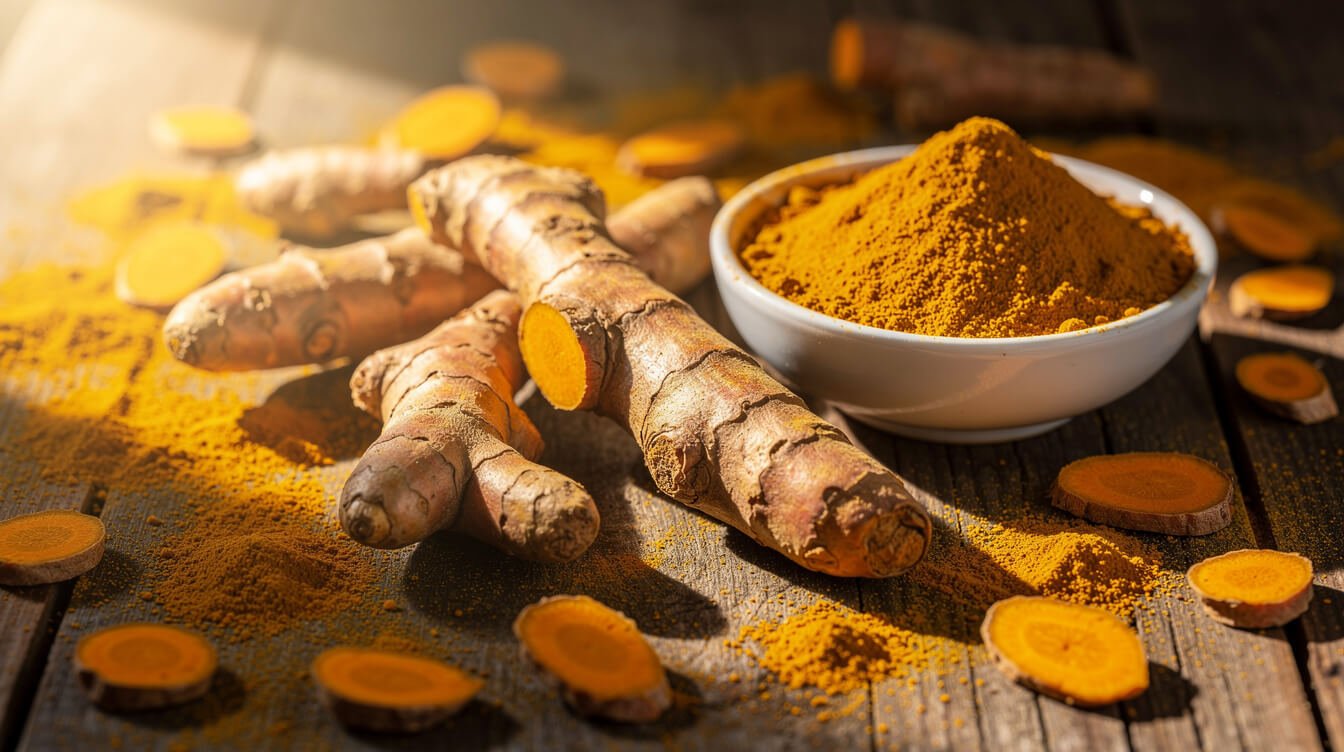
Turmeric Benefits: Your Complete Guide to Nature’s Golden Wellness Spice
If you’ve ever admired the rich golden hue of a curry dish or sipped a warm cup of golden milk, you’ve already experienced turmeric in action. But the turmeric benefits extend far beyond the kitchen — this ancient spice has been a cornerstone of traditional healing systems for over 4,000 years. From its potent anti-inflammatory compounds to its role in supporting heart, brain, and digestive wellness, turmeric has earned its reputation as one of nature’s most versatile wellness allies.
In this complete guide, we’ll explore the science-backed benefits of turmeric, uncover why absorption matters more than most people realize, compare different forms of this golden spice, and share practical ways to weave it into your daily wellness routine. Whether you’re new to turmeric or looking to deepen your understanding, this guide is your roadmap to making the most of nature’s golden gift.
What Makes Turmeric a Timeless Wellness Powerhouse
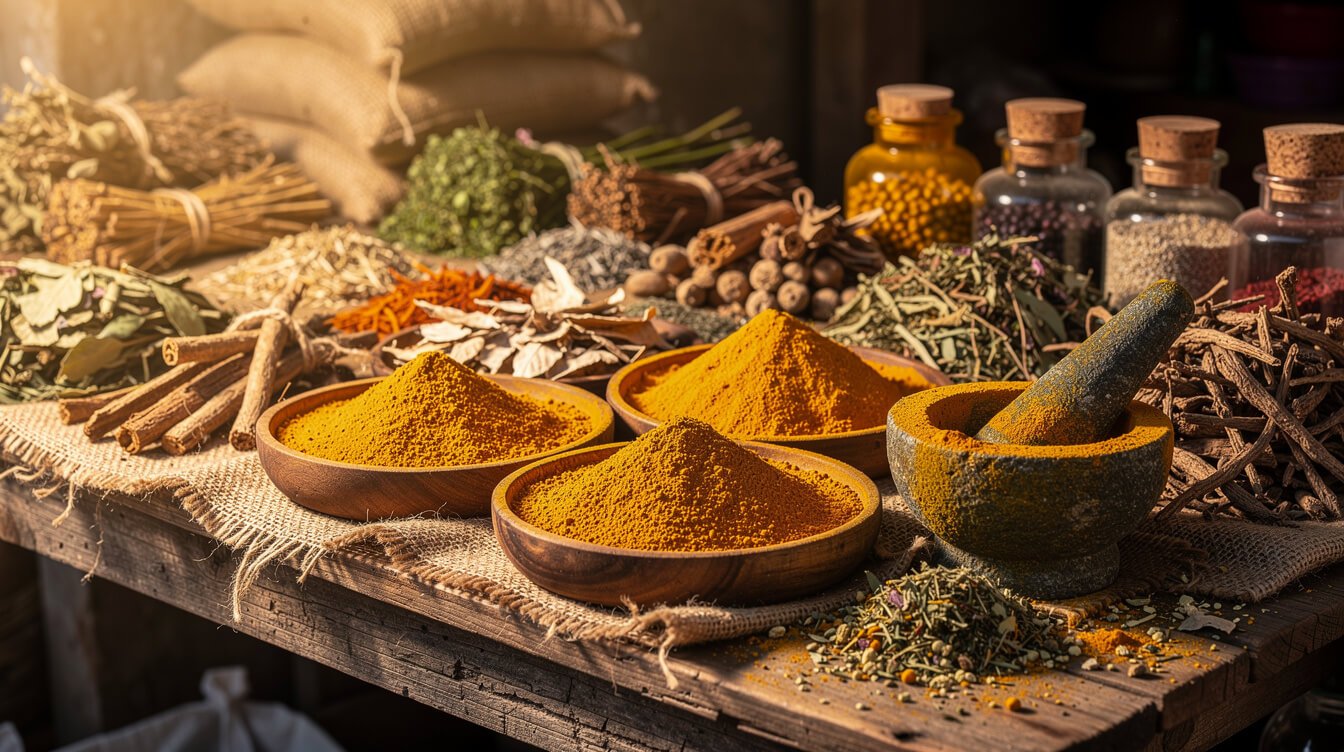
Turmeric (Curcuma longa) belongs to the ginger family and has been cultivated across Southeast Asia for millennia. In Ayurvedic medicine, turmeric has been used for centuries to support digestion, purify the blood, and promote skin health. Traditional Chinese Medicine (TCM) practitioners have similarly valued it for moving qi (vital energy) and easing discomfort. In Indonesia, turmeric forms the golden backbone of jamu — traditional herbal tonics passed down through generations.
What makes turmeric so remarkable isn’t just tradition — it’s the science behind the spice. Turmeric contains over 100 identified compounds, but the star of the show is curcumin, a polyphenol responsible for turmeric’s vibrant golden color and most of its researched health properties. Curcumin belongs to a class of compounds called curcuminoids, which typically make up about 2-8% of most turmeric preparations.
Research has identified curcumin as both a powerful antioxidant and anti-inflammatory agent. Unlike synthetic compounds, curcumin works through multiple biological pathways simultaneously — influencing over 700 genes and interacting with more than 160 different molecular targets in the body, according to research published in the AAPS Journal.
This multi-target approach is what sets turmeric apart from many modern wellness supplements. Rather than addressing a single pathway, curcumin appears to support the body’s natural balance across multiple systems — which aligns beautifully with the holistic approach to health and nutrition that many wellness-conscious individuals embrace today.
10 Evidence-Based Turmeric Benefits for Your Health
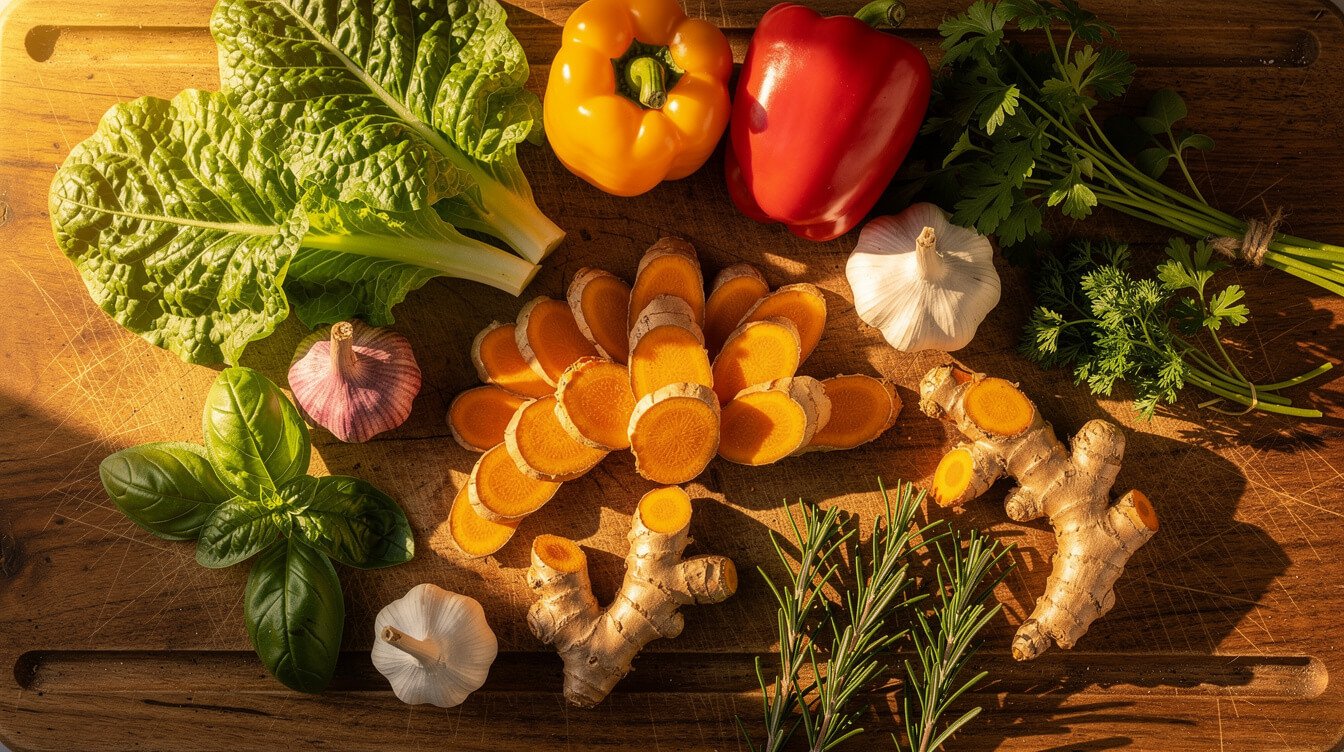
Modern research has investigated turmeric benefits extensively, with thousands of peer-reviewed studies exploring curcumin’s potential effects on human health. Here are ten of the most well-supported benefits.
1. May Support a Healthy Inflammatory Response
Chronic, low-grade inflammation is increasingly recognized as a contributor to many modern health challenges. Curcumin has been shown to influence several inflammatory pathways, including NF-κB — a molecule that travels into the nuclei of your cells and activates genes related to inflammation. A 2023 review in Cytokine found that curcumin may help modulate these inflammatory signals at the molecular level.
If you’re interested in a broader anti-inflammatory approach, our guide to anti-inflammatory foods covers complementary dietary strategies that pair beautifully with turmeric.
2. Provides Potent Antioxidant Protection
Oxidative stress — the imbalance between free radicals and your body’s ability to neutralize them — plays a role in aging and many chronic conditions. Curcumin is a potent antioxidant that may neutralize free radicals directly while also stimulating your body’s own antioxidant enzymes, according to a 2021 review in Antioxidants.
3. May Support Joint Comfort and Mobility
A 2022 meta-analysis published in Nutrients examining multiple randomized controlled trials found that curcumin supplementation was associated with improvements in joint comfort, particularly for individuals dealing with osteoarthritis. Some research suggests curcumin’s effects on joint wellness may be comparable to certain conventional approaches, though always consult your healthcare provider for personalized guidance.
4. May Promote Heart Health
Curcumin may support cardiovascular wellness through several mechanisms. Research published in PLOS One suggests curcumin may help improve endothelial function — the ability of blood vessel linings to regulate blood pressure, clotting, and other essential functions. Additionally, curcumin’s antioxidant and anti-inflammatory properties may help protect the cardiovascular system from oxidative damage.
5. May Support Brain Health and Cognitive Function
One of the most exciting turmeric benefits involves the brain. Curcumin may increase levels of Brain-Derived Neurotrophic Factor (BDNF), a growth hormone that functions in the brain and is crucial for learning and memory. Decreased BDNF levels have been linked to depression and age-related cognitive decline. A 2024 study in Scientific Reports found that curcumin supplementation may support healthy BDNF levels.
For additional brain-supportive practices, explore how meditation may transform your wellness — combining mindfulness with turmeric creates a powerful cognitive wellness pairing.
6. May Support Digestive Wellness
Traditional healers have recommended turmeric for digestive support for centuries, and modern research is beginning to validate this traditional wisdom. Curcumin may help stimulate bile production, which aids fat digestion, and research suggests it may support the gut barrier and promote a healthy gut microbiome. A 2020 review in Nutrients highlighted curcumin’s potential role in supporting digestive comfort.
7. May Support Mood and Emotional Balance
Curcumin has shown promise in supporting emotional wellness. A 2020 meta-analysis published in Critical Reviews in Food Science and Nutrition analyzing multiple controlled trials found that curcumin supplementation was associated with improvements in mood markers, potentially through its effects on serotonin and dopamine pathways as well as its anti-inflammatory properties.
Natural mood support works best as part of a holistic approach. Our guide to adaptogens for stress explores complementary botanical allies that work alongside turmeric.
8. May Support Immune Function
Curcumin has been studied for its immunomodulatory properties — meaning it may help balance immune responses rather than simply stimulating or suppressing them. Research published in the Journal of Clinical Immunology suggests curcumin may support healthy immune cell activity while helping to maintain appropriate inflammatory boundaries.
9. May Promote Healthy, Radiant Skin
Turmeric’s antioxidant and anti-inflammatory properties extend to skin health. Research suggests curcumin may help support the skin’s natural healing processes and protect against environmental stressors. In Ayurvedic tradition, turmeric paste has been applied topically for centuries as part of bridal beauty rituals — a practice now supported by emerging research on curcumin’s skin-protective properties.
10. May Support Healthy Aging
Given curcumin’s potential effects on inflammation, oxidation, heart health, and brain function, researchers have explored its role in healthy aging. A 2019 review in BioFactors noted that curcumin’s multi-target approach — simultaneously addressing several age-related biological pathways — makes it a particularly interesting compound for longevity research.
The Bioavailability Challenge — How to Maximize Turmeric Absorption
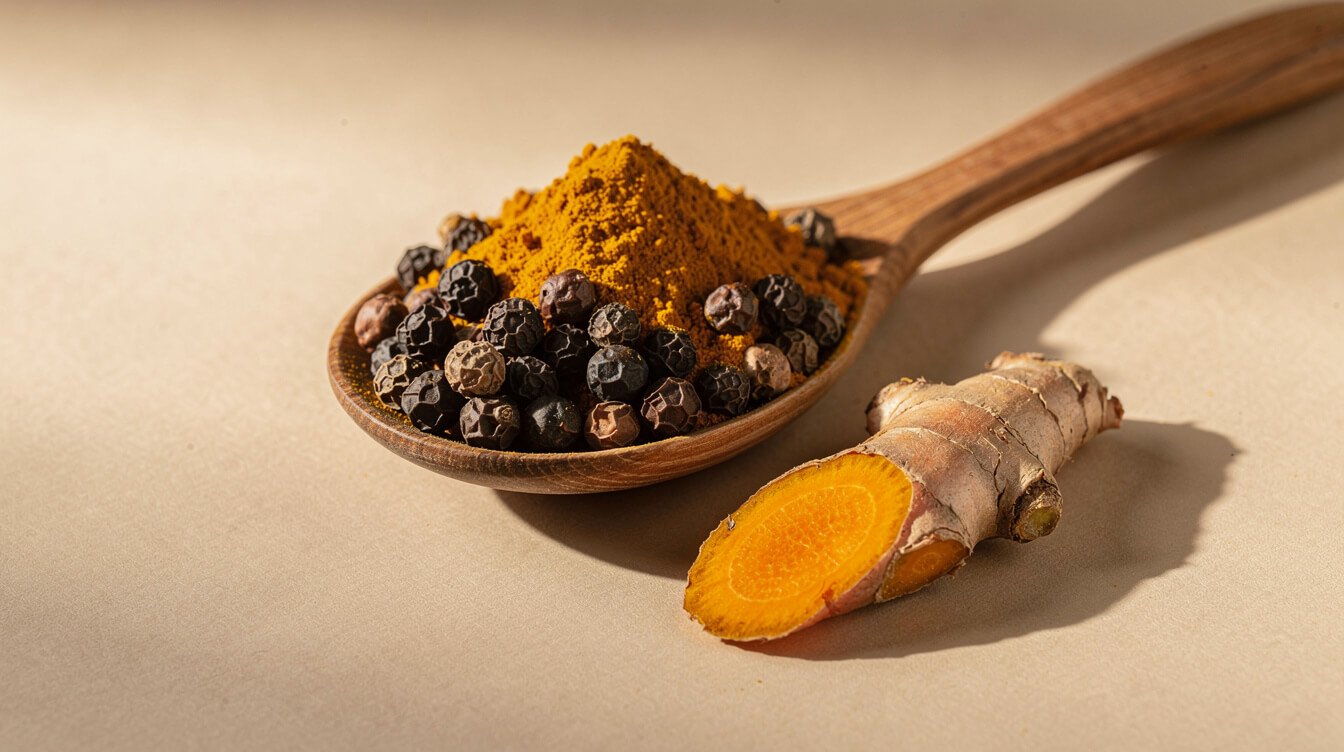
Here’s one of the most important things to understand about turmeric benefits: curcumin has notoriously poor bioavailability on its own. This means that when you consume turmeric, your body may only absorb a small fraction of the curcumin present. But don’t worry — there are several proven strategies to dramatically improve absorption.
Pair Turmeric With Black Pepper (Piperine)
This is the single most effective absorption hack. Piperine, the active compound in black pepper, has been shown to increase curcumin bioavailability by up to 2,000%, according to a landmark study published in Planta Medica. Piperine works by inhibiting certain liver and intestinal enzymes that normally break down curcumin before it can be absorbed. Just a small pinch of black pepper is enough to make a significant difference.
Consume With Healthy Fats
Curcumin is fat-soluble, meaning it dissolves in fat rather than water. Pairing turmeric with healthy fats — such as coconut oil, olive oil, avocado, or ghee — helps your body absorb curcumin more effectively. This is one reason golden milk (made with full-fat coconut milk) is such an effective delivery method.
Apply Gentle Heat
Cooking turmeric in warm dishes may increase curcumin’s solubility and bioavailability. While raw turmeric has its place, gently heating it — as in curries, soups, or warm golden milk — may make its beneficial compounds more accessible to your body.
Consider Enhanced Supplement Formulations
Modern supplement technology has developed several approaches to improve curcumin absorption, including liposomal delivery, nano-curcumin, and formulations with phytosomes (curcumin bound to phospholipids). Some of these enhanced formulations claim up to 185 times greater bioavailability than standard curcumin, though individual results vary.
Understanding bioavailability is key to getting the most from any natural remedy. For more evidence-based approaches to holistic health, explore our comprehensive guide to natural remedies for inflammation.
Fresh Root, Powder, or Supplement — Choosing the Right Turmeric Form
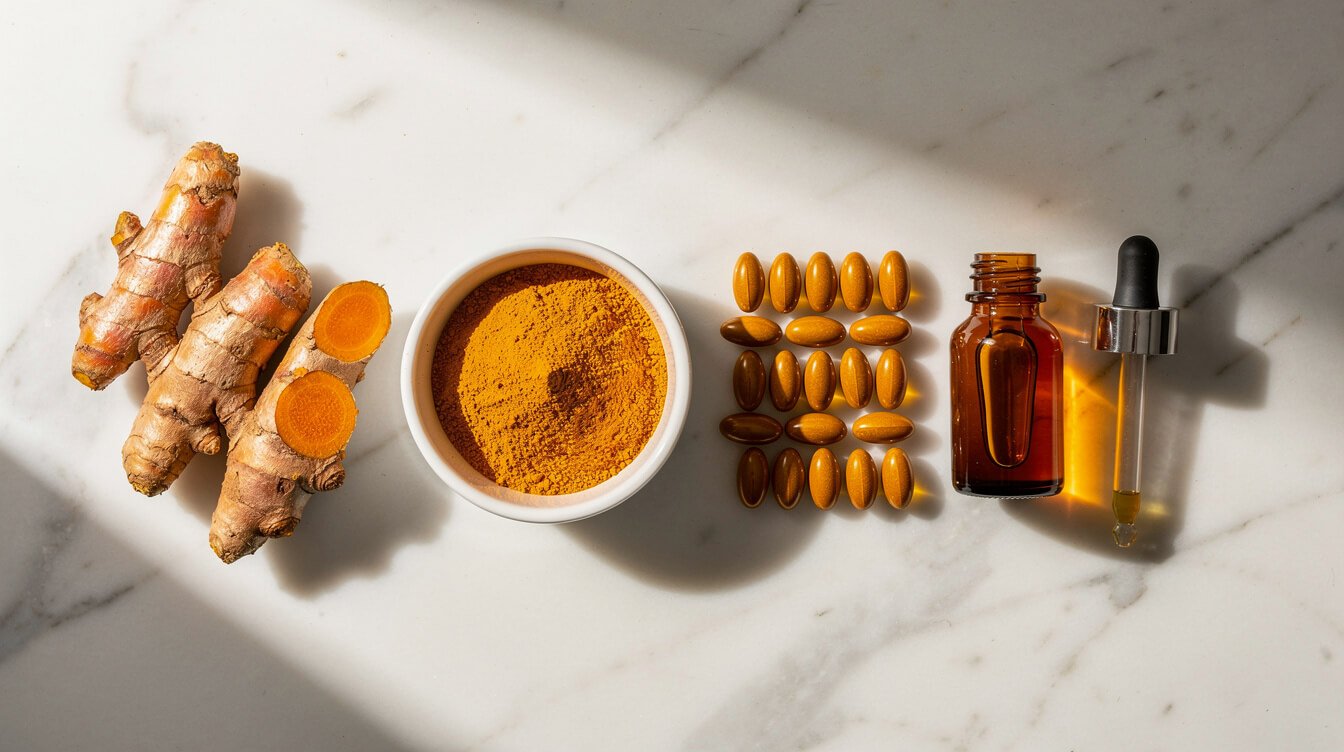
Not all turmeric is created equal. Understanding the differences between forms helps you choose the right option for your wellness goals.
Fresh Turmeric Root
Fresh turmeric root looks similar to ginger but with a deep orange-yellow interior. It offers the full spectrum of turmeric’s natural compounds — not just curcumin, but also turmerone, atlantone, and other beneficial volatile oils that may be lost in processing. Fresh root is ideal for juicing, grating into smoothies, or adding to cooking.
- Best for: Culinary use, juicing, topical applications
- Curcumin content: Approximately 3% by weight
- Storage: Refrigerate for up to 2 weeks, or freeze for months
- Tip: Wear gloves when handling — turmeric stains everything it touches
Ground Turmeric Powder
This is the most common and accessible form of turmeric. Quality ground turmeric retains most of its beneficial compounds and is versatile enough for cooking, golden milk, face masks, and more. Look for organic, non-irradiated powder from reputable sources.
- Best for: Daily cooking, golden milk, spice blends
- Curcumin content: Approximately 3-5% by weight
- Storage: Cool, dark place — stays potent for 2-3 years
- Tip: Choose bright yellow-orange powder with a strong earthy aroma
Curcumin Supplements (Standardized Extracts)
For therapeutic-level curcumin intake, standardized supplements are the most practical option. These typically contain 95% curcuminoids — far more concentrated than food-grade turmeric. Many include absorption enhancers like piperine, phospholipids, or liposomal delivery.
- Best for: Targeted wellness support, higher curcumin doses
- Curcumin content: Typically 95% curcuminoids per capsule
- What to look for: Third-party testing, GMP certification, stated curcuminoid percentage
- Tip: Take with a meal containing healthy fats for better absorption
Turmeric Tinctures and Liquid Extracts
Liquid forms offer faster absorption than capsules and are easy to add to beverages. They’re a good option for people who have difficulty swallowing pills or want flexible dosing.
- Best for: Quick absorption, flexible dosing, adding to drinks
- Tip: Choose alcohol-free extracts if you prefer to avoid alcohol
🎁 Get a Free Wellness Gift
Enter your name and email below to receive a special wellness gift from OlyLife — absolutely free!
Simple Ways to Add Turmeric to Your Daily Wellness Routine
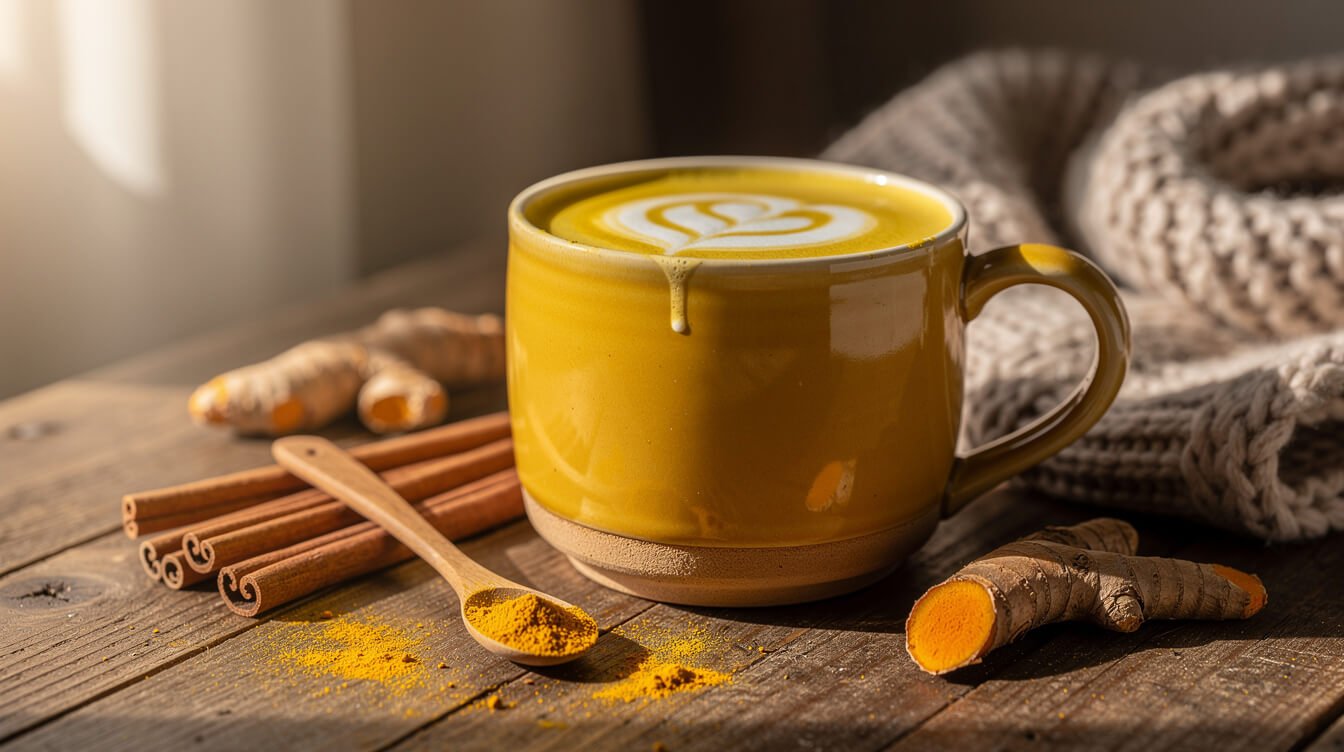
One of the greatest turmeric benefits is how easy it is to incorporate into your daily life. Here are practical, enjoyable ways to make turmeric a regular part of your wellness routine.
Golden Milk (Turmeric Latte)
This is perhaps the most beloved way to enjoy turmeric daily. Golden milk combines all the absorption-boosting elements — fat, heat, and black pepper — in one delicious cup.
Simple Golden Milk Recipe: Heat 1 cup of full-fat coconut milk (or your preferred milk) with 1 teaspoon turmeric powder, ½ teaspoon cinnamon, a pinch of black pepper, ½ teaspoon coconut oil, and a touch of honey or maple syrup. Whisk until frothy and warm. Sip slowly and enjoy the golden glow.
Morning Smoothie Boost
Add ½ to 1 teaspoon of turmeric powder (or a thumb-sized piece of fresh root) to your morning smoothie. Pair with mango, pineapple, or banana — the natural fats in coconut milk or avocado in your smoothie base help with absorption. Don’t forget a crack of black pepper.
Turmeric in Everyday Cooking
Turmeric integrates seamlessly into countless dishes. Add it to scrambled eggs, rice, soups, stews, roasted vegetables, or homemade salad dressings. Start with small amounts (¼ to ½ teaspoon) and build up as you develop a taste for its warm, earthy flavor.
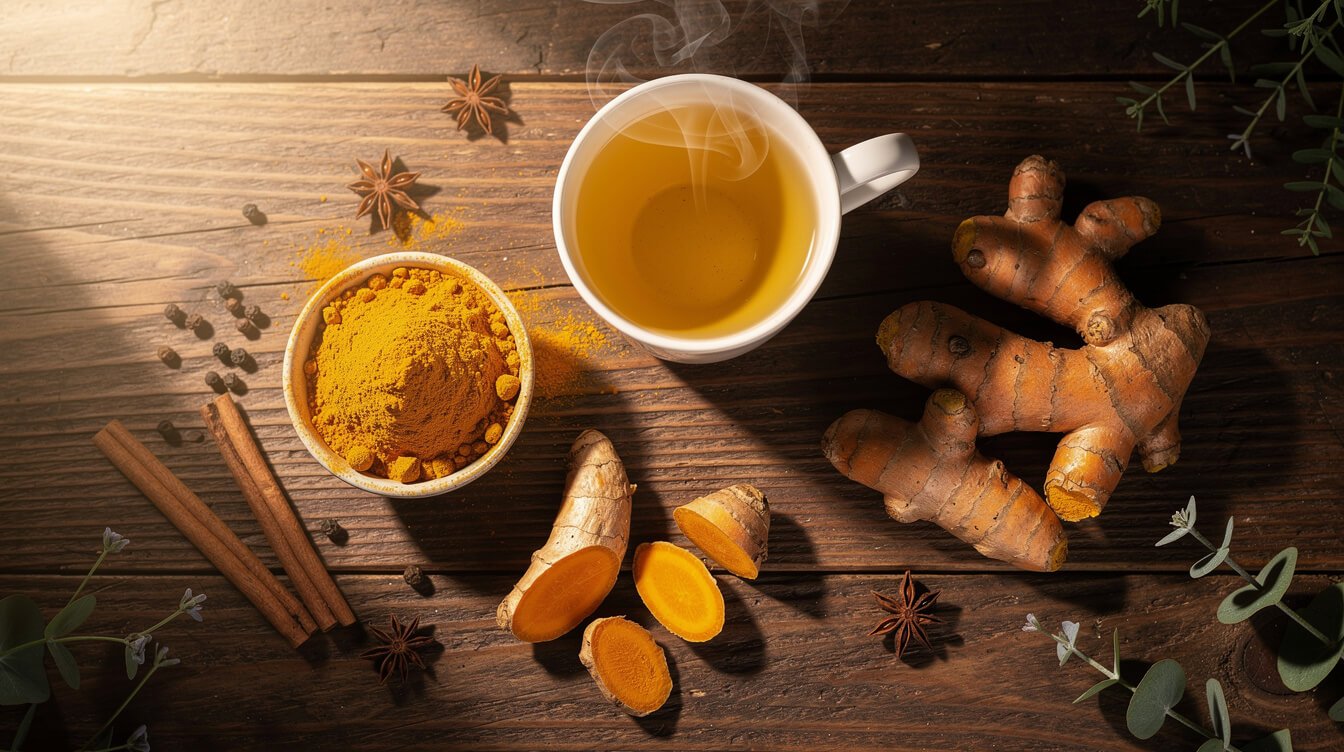
Turmeric Tea (Simple Infusion)
Steep 1 teaspoon of turmeric powder or a few slices of fresh root in hot water for 5-10 minutes. Add lemon, honey, and a pinch of black pepper. This makes a warming afternoon wellness ritual that pairs beautifully with a moment of quiet reflection.
Topical Applications
For skin health, mix turmeric powder with yogurt or honey to create a soothing face mask. Apply for 10-15 minutes, then rinse. Note: turmeric may temporarily tint fair skin yellow, so do a patch test first.
A holistic wellness routine goes beyond any single ingredient. Consider complementing your turmeric practice with other natural modalities — aromatherapy with essential oils creates a beautiful multi-sensory wellness experience when paired with a warm cup of golden milk.
For those exploring holistic wellness technology, OlyLife’s range of PEMF and terahertz wellness devices may complement your natural health routine. Explore the OlyLife wellness collection to discover how modern wellness technology and traditional remedies like turmeric can work together.
Turmeric Safety, Side Effects, and Important Considerations
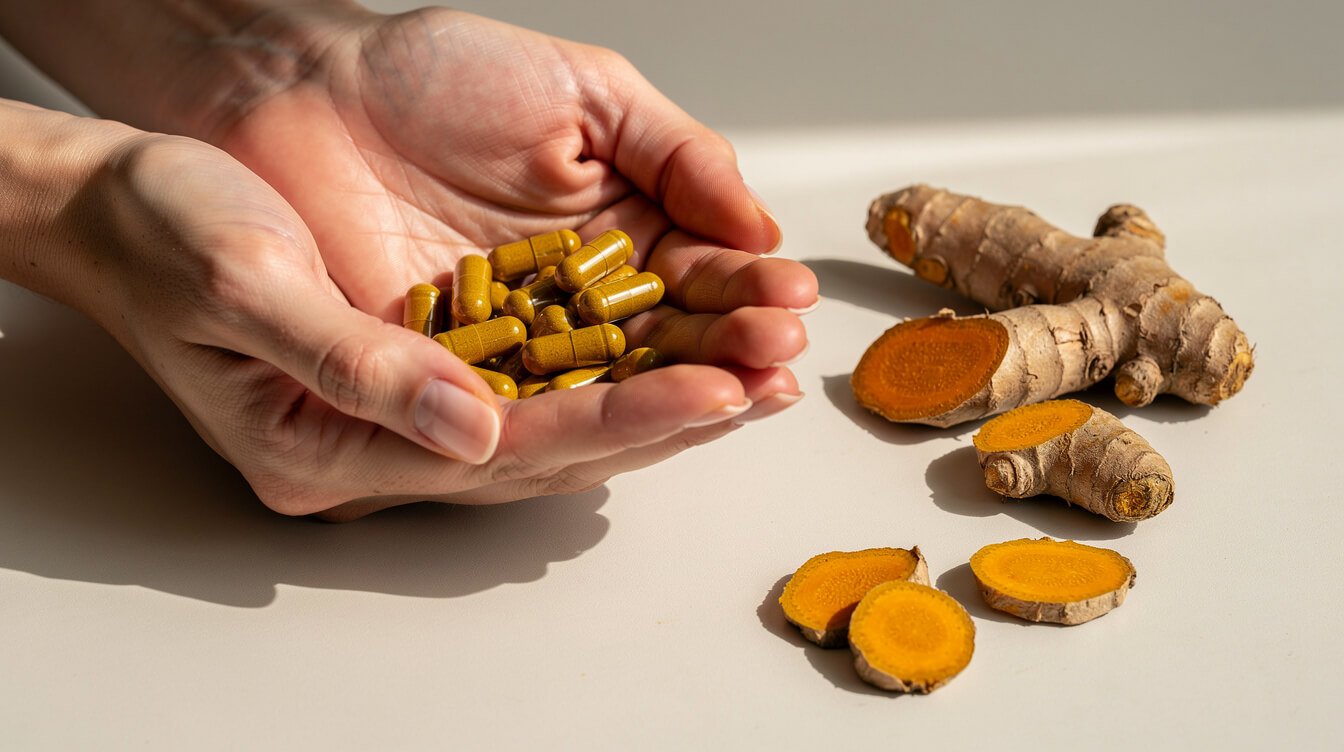
Turmeric is generally recognized as safe when used in food amounts. However, there are important considerations, especially at supplemental doses.
Generally Safe Dosage Ranges
- Culinary turmeric powder: Up to 1 tablespoon (about 3g) daily is considered safe for most adults
- Curcumin supplements: Studies have used doses ranging from 500mg to 2,000mg of curcumin daily, typically for 8-12 weeks
- Upper limit: Research published in the Journal of Clinical Pharmacology suggests doses up to 8g per day appear to be tolerated, though such high doses are rarely necessary
Potential Side Effects
At high supplemental doses, some individuals may experience:
- Mild digestive discomfort (nausea, bloating, or diarrhea)
- Headache in rare cases
- Skin rash with topical use (do a patch test first)
- Yellow staining of teeth with frequent direct contact (rinse mouth after consuming turmeric drinks)
Who Should Exercise Caution
While turmeric in food amounts is safe for nearly everyone, supplemental curcumin requires more caution for certain groups:
- Blood-thinning medication users: Curcumin may have mild anticoagulant properties — consult your doctor
- Gallbladder conditions: Curcumin stimulates bile production, which could worsen gallstone symptoms
- Pregnancy and breastfeeding: Culinary amounts are fine; high-dose supplements should be discussed with your healthcare provider
- Iron deficiency: High doses may inhibit iron absorption — take separately from iron-rich meals or supplements
- Scheduled surgery: Discontinue high-dose supplements 2 weeks before surgery due to potential anticoagulant effects
As with all wellness practices, it’s wise to start low, go slow, and listen to your body. If you’re taking medications or managing a health condition, consult your healthcare provider before starting any new supplement regimen. For more guidance on building a safe, evidence-informed wellness practice, our guide to magnesium benefits follows a similar philosophy of balanced, informed supplementation.
Frequently Asked Questions About Turmeric Benefits
Is it good to take turmeric every day?
For most healthy adults, yes. Turmeric has been consumed daily in food-based quantities across Asian cultures for thousands of years. Studies lasting 8-12 weeks with daily curcumin supplementation have shown good safety profiles. As with any supplement, cycling (taking periodic breaks) may be beneficial for long-term use. Start with culinary amounts and adjust based on how your body responds.
How long does it take to notice turmeric benefits?
This varies depending on the benefit you’re seeking. Some people report noticing differences in joint comfort or digestive wellness within 4-8 weeks of consistent daily use. Anti-inflammatory effects may take 2-3 months to become apparent. Consistency is more important than dosage — small daily amounts tend to be more effective than occasional large doses.
Can I get enough curcumin from food alone?
Culinary turmeric contains approximately 3-5% curcumin by weight, meaning a teaspoon of turmeric powder provides roughly 50-100mg of curcumin. While food-based amounts offer real wellness benefits — especially combined with absorption enhancers — individuals seeking therapeutic doses (500-2,000mg curcumin) typically need standardized supplements to reach those levels.
What’s the difference between turmeric and curcumin supplements?
Turmeric supplements contain the whole-root extract, including curcumin plus other beneficial compounds (turmerones, volatile oils). Curcumin supplements are standardized extracts containing 95% curcuminoids. Whole turmeric offers a broader spectrum of compounds, while curcumin supplements deliver higher concentrations of the most-researched active ingredient. Both have their place in a wellness routine.
Does turmeric stain teeth?
Yes, turmeric can temporarily stain teeth with frequent direct contact. To minimize staining: rinse your mouth with water immediately after consuming turmeric drinks, use a straw for turmeric beverages, or brush gently afterward. The staining is typically superficial and temporary — it doesn’t cause permanent discoloration.
Can turmeric help with weight management?
Research suggests curcumin may support metabolic health through its anti-inflammatory properties, as chronic inflammation is linked to metabolic challenges. A 2019 meta-analysis in Phytotherapy Research found that curcumin supplementation was associated with modest improvements in certain metabolic markers. However, turmeric is not a weight-loss supplement — it’s best viewed as one element of a comprehensive approach to wellness that includes balanced nutrition, movement, and stress management.
Final Thoughts — Embracing Turmeric on Your Wellness Journey
The remarkable story of turmeric spans thousands of years — from ancient Ayurvedic healing traditions to modern research laboratories. What makes this golden spice truly special is its versatility: whether you’re stirring it into a warm morning latte, adding it to a nourishing curry, or taking a standardized supplement, turmeric offers accessible, evidence-informed wellness support for nearly everyone.
The key to maximizing turmeric benefits lies not in taking the highest dose possible, but in consistency, absorption optimization, and integration into a broader wellness lifestyle. Pair it with black pepper, enjoy it with healthy fats, and make it a daily ritual rather than an occasional afterthought.
Remember that turmeric is one piece of a larger wellness mosaic. Combined with anti-inflammatory nutrition, mindful movement, stress management through practices like meditation, and other holistic health approaches, turmeric becomes even more powerful as part of your complete wellness toolkit.
Start where you are — even a simple golden milk before bed or a sprinkle of turmeric on your morning eggs is a step toward embracing this ancient golden ally. Your body has a remarkable capacity for balance and healing when given the right support, and turmeric may be one of the most accessible, enjoyable ways to nourish that process.
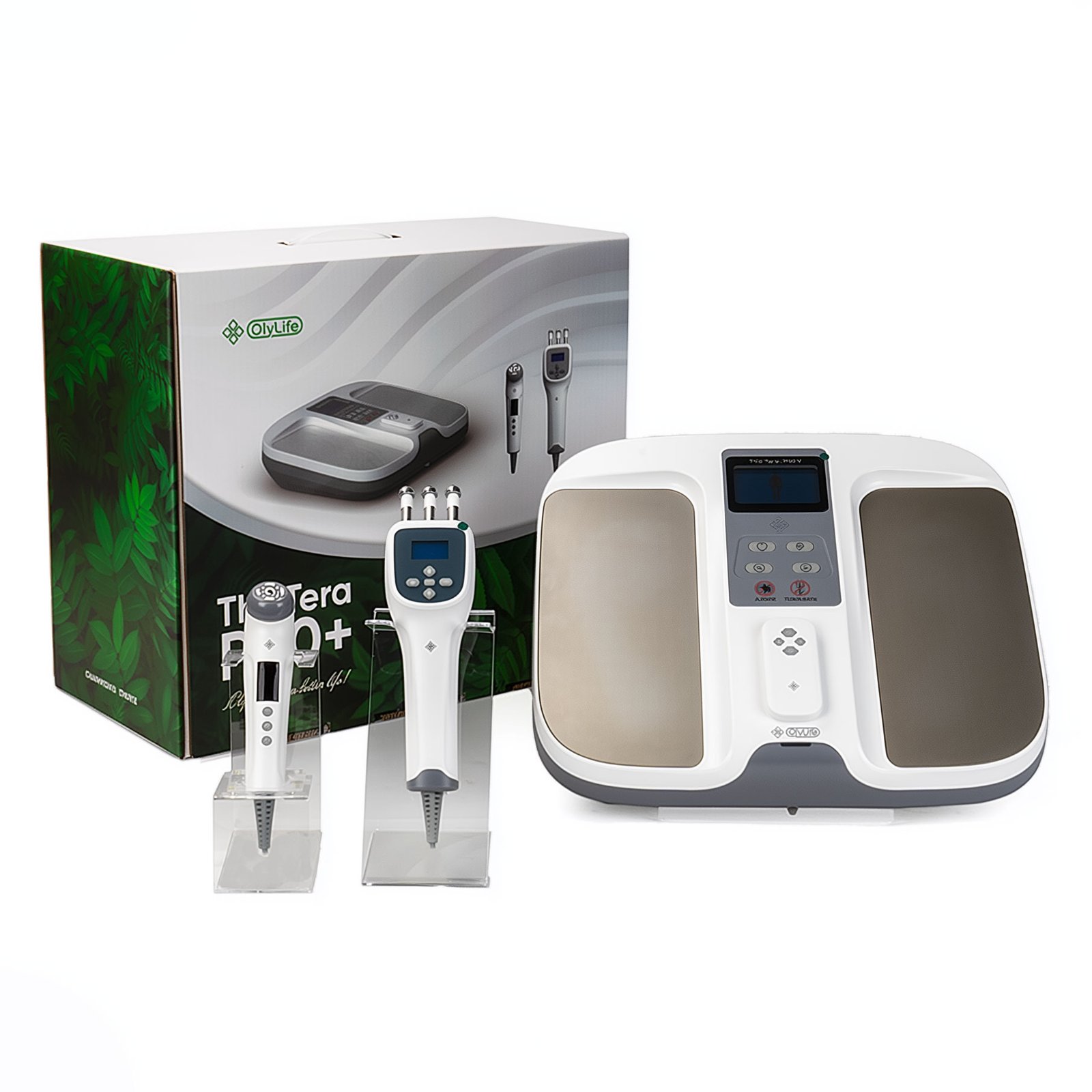
Support Your Wellness Journey With OlyLife
Complement your natural wellness routine with OlyLife’s innovative PEMF and terahertz therapy systems — designed to support your body’s natural balance alongside traditional remedies like turmeric.