Red Light Therapy Benefits: Your Complete Guide to Photobiomodulation
If you’ve been exploring the world of natural wellness, you’ve likely come across red light therapy benefits — and for good reason. This gentle, non-invasive treatment uses specific wavelengths of light to support your body’s natural healing processes at the cellular level. From skin rejuvenation and pain relief to improved sleep and cognitive function, red light therapy (also known as photobiomodulation) is quickly becoming one of the most research-backed tools in the holistic wellness space.
But with so many claims circulating online, it can be hard to separate genuine science from marketing hype. In this complete guide, we’ll walk you through exactly how red light therapy works, what the research actually says about its benefits, and how you can safely incorporate it into your daily wellness routine — whether at home or in a professional setting.
What Is Red Light Therapy and How Does It Work?
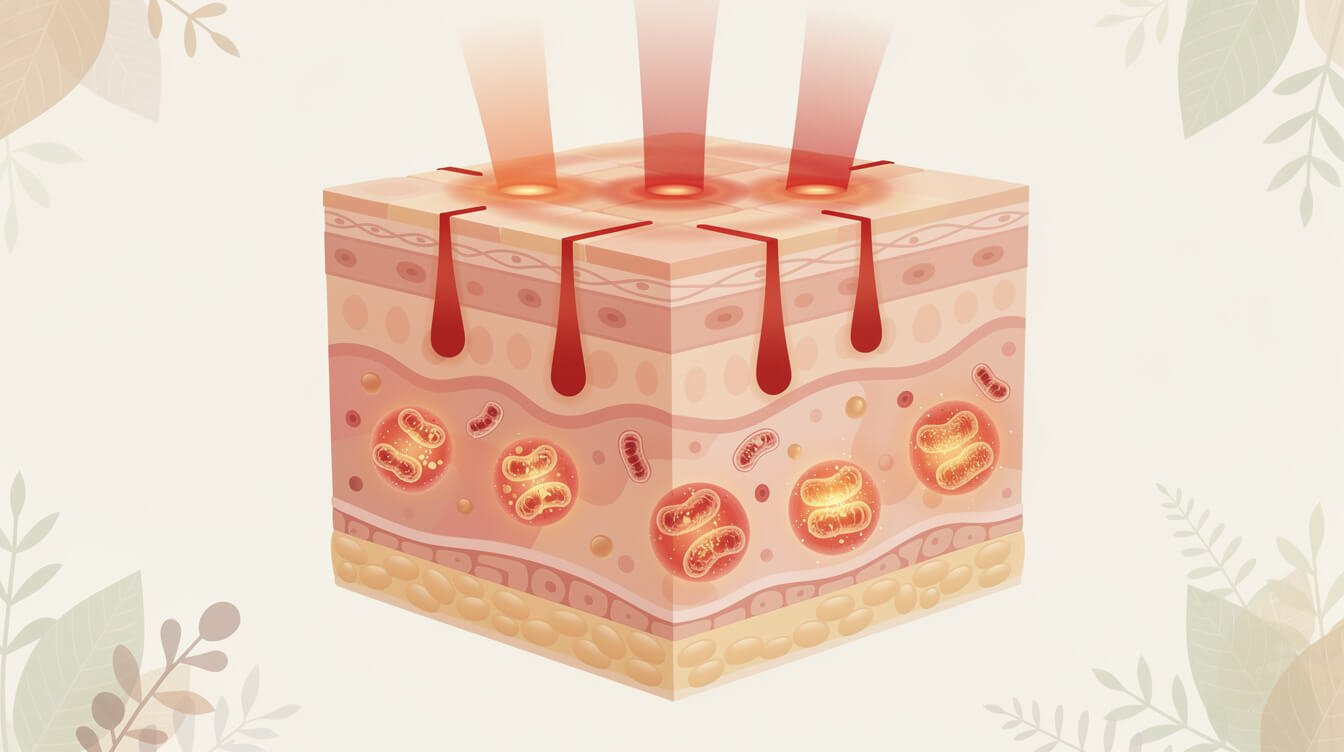
Red light therapy — scientifically known as photobiomodulation (PBM) — involves exposing the body to low-level wavelengths of red and near-infrared light. Unlike ultraviolet light from the sun or tanning beds, these wavelengths don’t damage the skin. Instead, they penetrate your tissues and interact with your cells in remarkable ways.
The Mitochondrial Connection
The key to understanding red light therapy lies in your mitochondria — the tiny energy-producing powerhouses inside every cell. When red and near-infrared light reaches your mitochondria, it interacts with a specific enzyme called cytochrome c oxidase (CCO). This interaction triggers a cascade of beneficial effects:
- Increased ATP production — ATP is your body’s primary energy currency. More ATP means your cells have more fuel to repair, regenerate, and function optimally.
- Nitric oxide release — red light may help release nitric oxide from cells, which dilates blood vessels and improves circulation, delivering more oxygen and nutrients to tissues.
- Reduced oxidative stress — by supporting mitochondrial efficiency, red light therapy may help reduce the accumulation of reactive oxygen species (free radicals) that contribute to aging and chronic disease.
- Modulated inflammation — research suggests photobiomodulation may help regulate inflammatory pathways, supporting the body’s natural anti-inflammatory response.
The concept isn’t entirely new. NASA originally explored red light therapy in the 1990s to support plant growth in space and later discovered it could accelerate wound healing in astronauts. Since then, thousands of peer-reviewed studies have investigated its potential across dozens of health applications.
How It Differs From Other Light Therapies
It’s important to distinguish red light therapy from other light-based treatments. Photodynamic therapy (PDT), for example, uses blue or specific light wavelengths combined with photosensitizing drugs to destroy abnormal cells. UV therapy for psoriasis uses ultraviolet light, which carries different risks. Red light therapy stands apart because it uses non-ionizing, non-thermal wavelengths that support cellular function without damaging tissue.
7 Evidence-Based Red Light Therapy Benefits
The research on red light therapy benefits has grown substantially in recent years. While more large-scale clinical trials are always welcome, the existing body of evidence paints a promising picture. Here are seven of the most well-supported benefits.
1. Skin Rejuvenation and Anti-Aging
Perhaps the most well-documented application of red light therapy is skin health. A 2014 controlled trial published in Photomedicine and Laser Surgery found that participants who received red light treatments showed significantly improved skin complexion, collagen density, and reduced roughness and wrinkle depth compared to controls. The therapy may stimulate fibroblast activity, encouraging your body’s natural collagen production — the protein that keeps skin firm, supple, and youthful.
Red light therapy may also support:
- Reduction of fine lines and wrinkles
- Improved skin tone and texture
- Minimized appearance of scars and stretch marks
- Support for acne healing through reduced inflammation
2. Pain Relief and Inflammation Reduction
For those dealing with chronic pain or inflammation, red light therapy may offer meaningful support. A 2023 systematic review in PLOS ONE analyzed multiple studies on photobiomodulation for chronic pain conditions including fibromyalgia, osteoarthritis, and low back pain. The findings reported significant improvements in pain scores across several conditions.
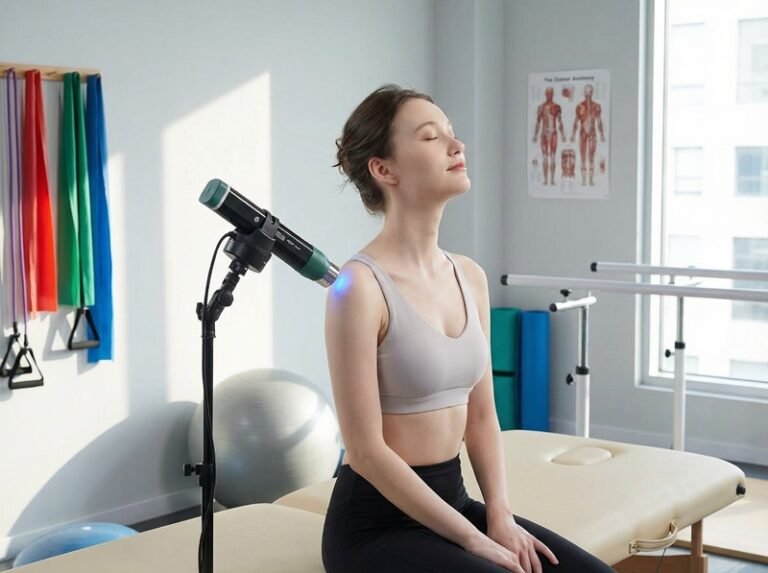
The mechanism likely involves red light’s ability to modulate inflammatory cytokines, increase blood flow to affected areas, and support tissue repair. Many athletes now use red light therapy panels after training sessions to support muscle recovery and reduce delayed-onset muscle soreness (DOMS).
3. Hair Growth and Thickness
The FDA has cleared several red light devices for promoting hair regrowth, and the evidence is encouraging. Multiple studies have shown that consistent red light treatment may stimulate hair follicles, potentially by improving blood flow to the scalp through vasodilation. A meta-analysis published in the Journal of Cosmetic and Laser Therapy found that low-level laser therapy significantly increased hair density and thickness in participants with androgenetic alopecia.
Stanford Medicine dermatologist Dr. Zakia Rahman has noted that this vasodilation — the widening of blood vessels — is likely the primary mechanism: “The dilation of blood vessels enables more blood and nutrients to reach the hair follicles.”
4. Cognitive Function and Brain Health
One of the most exciting emerging applications is transcranial photobiomodulation — delivering near-infrared light through the skull to reach brain tissue. A 2021 study in the Journal of Alzheimer’s Disease exposed participants to red light therapy for six minutes daily over eight weeks and observed positive cognitive improvements in people with mild to moderate dementia, with no significant adverse effects.
While research is still in earlier stages, the potential for red light to support cognitive function through improved mitochondrial activity in brain cells has captured the attention of neuroscientists worldwide. For those already practicing meditation for mental clarity, red light therapy may complement mindfulness practices beautifully.
5. Wound Healing and Tissue Repair
Red light therapy’s roots trace back to wound healing — and the evidence remains strong. A 2024 review published in Frontiers in Medicine by Hernández-Bule et al. (cited by 126+ studies) documented red light’s ability to accelerate tissue repair and reduce inflammation in multiple wound types. The therapy may support faster closure of surgical wounds, burns, and chronic ulcers by stimulating cellular proliferation and collagen synthesis.
6. Sleep Quality and Circadian Rhythm Support
Unlike blue light from screens, which suppresses melatonin production, red light may actually support your circadian rhythm. A study in the Journal of Athletic Training found that participants exposed to red light therapy showed improved sleep quality and increased serum melatonin levels. The gentle wavelengths don’t interfere with your body’s sleep-wake cycle the way artificial blue light does.
For those already exploring natural approaches to better rest, red light therapy pairs well with other magnesium-based sleep support strategies.
7. Joint Health and Mobility
For those managing joint stiffness or age-related mobility concerns, red light therapy may help. Research published in Laser Therapy demonstrated that photobiomodulation significantly reduced morning stiffness and improved range of motion in participants with rheumatoid arthritis. The treatment’s ability to reduce inflammation at the joint level while supporting cellular repair makes it a compelling complementary approach for joint wellness.
Red Light vs Near-Infrared: Understanding the Wavelength Spectrum

Not all “red light therapy” devices emit the same wavelengths, and understanding the spectrum is crucial for choosing the right approach for your goals. This is one of the most misunderstood aspects of photobiomodulation — and a topic most guides overlook entirely.
Red Light (620–700 nm)
Visible red light penetrates the skin to a depth of approximately 1–2 millimeters. It’s most effective for:
- Skin health — collagen stimulation, wrinkle reduction, acne support
- Surface-level wound healing — cuts, scars, and mild skin irritation
- Facial rejuvenation — the most common wavelength in face masks and panels
The two most researched red wavelengths are 630 nm (commonly used in cosmetic applications) and 660 nm (considered the “sweet spot” for skin health, with the strongest body of clinical evidence).
Near-Infrared (700–1100 nm)
Near-infrared (NIR) light is invisible to the naked eye but penetrates much deeper — reaching muscles, joints, bones, and even brain tissue at depths of 3–5 centimeters. It’s better suited for:
- Deep tissue pain and inflammation — joint pain, muscle recovery, tendon injuries
- Cognitive function — transcranial applications for brain health
- Bone and joint support — deeper penetration reaches cartilage and connective tissue
The most widely studied NIR wavelengths are 810 nm (favored for brain and deep tissue studies) and 850 nm (popular in full-body panels for pain and recovery).
Choosing Your Wavelength by Goal
Here’s a practical guide no competitor provides:
- Skin rejuvenation: 630–660 nm (red)
- Acne and surface healing: 630 nm (red)
- Pain relief and muscle recovery: 810–850 nm (near-infrared)
- Hair growth: 650–660 nm (red)
- Cognitive support: 810 nm (near-infrared)
- Full-body wellness: combination panels with both 660 nm + 850 nm (most versatile)
Pro tip: If you’re investing in a single device for overall wellness, look for a panel that combines both red (660 nm) and near-infrared (850 nm) wavelengths. This dual-wavelength approach covers both surface and deep-tissue applications.
How to Use Red Light Therapy at Home
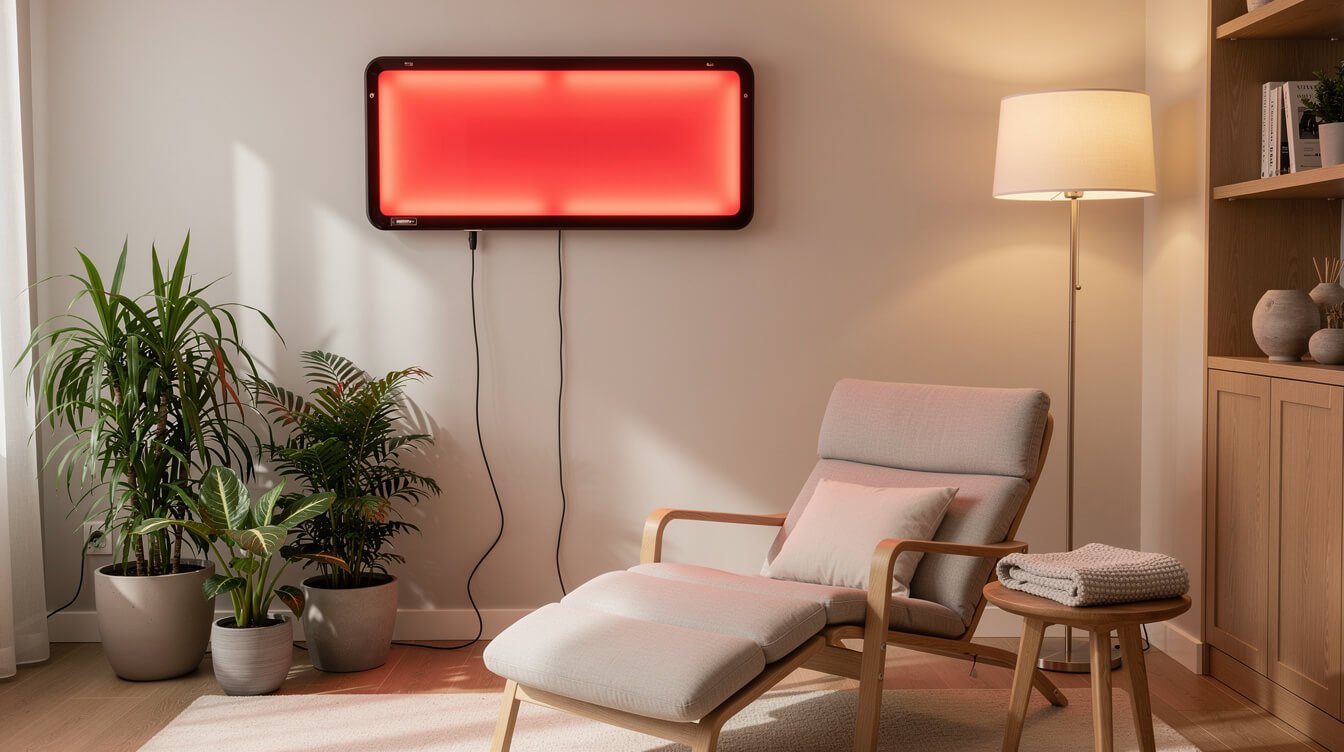
One of the greatest advantages of red light therapy is accessibility. While professional treatments are available at dermatology clinics, spas, and wellness centers, many people are now bringing this technology into their homes. Here’s how to get started safely and effectively.
Types of Home Devices
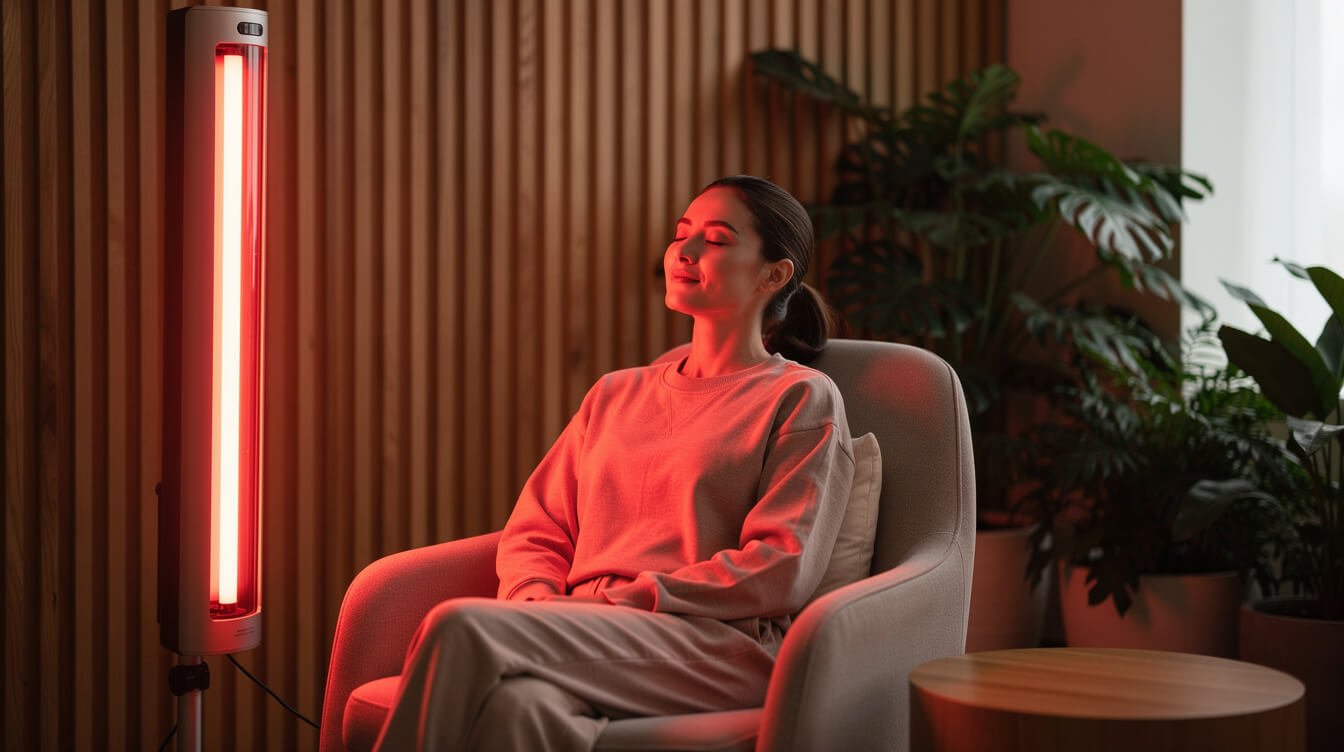
- Full-body panels: Wall-mounted or freestanding units that expose large areas of the body simultaneously. Best for overall wellness, pain management, and recovery. Treatment distance: typically 6–18 inches from the skin.
- Face masks: LED-embedded masks designed specifically for facial skin care. Convenient and hands-free. Best for anti-aging, acne, and complexion improvement.
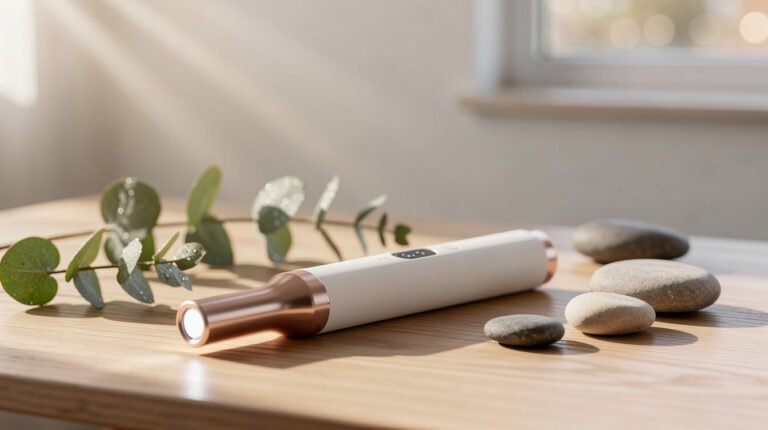
- Handheld wands: Portable devices you direct at specific areas. Best for targeted pain relief, small wounds, or localized treatment.
- Caps and helmets: Designed for scalp treatment. Best for hair growth stimulation.
- Wraps and pads: Flexible LED panels that conform to body contours. Best for joint pain, knee, and shoulder treatment.
Suggested Protocols by Goal
While individual devices vary in power output (irradiance), these general guidelines may serve as a helpful starting point. Always follow your specific device manufacturer’s recommendations.
- Skin rejuvenation: 10–15 minutes per session, 3–5 times per week, at 6–12 inches from skin
- Pain and inflammation: 10–20 minutes per session, daily for acute issues, 3–5 times per week for maintenance
- Hair growth: 15–25 minutes per session, every other day, minimum 12–16 weeks for visible results
- Sleep support: 10–15 minutes in the evening, 1–2 hours before bed
- Muscle recovery: 10–15 minutes post-workout, focusing on the trained muscle groups
Consistency matters more than session length. Research suggests that regular, moderate-duration sessions over weeks and months produce the best outcomes. Think of it like building a meditation practice — it’s the cumulative effect that creates lasting change.
Setting Up Your Home Wellness Space
Creating a dedicated space for your red light therapy sessions can help you stay consistent. Consider pairing your light therapy setup with other wellness practices — perhaps near your dry brushing station or meditation corner. A comfortable chair, minimal distractions, and a timer are all you really need.
🎁 Get a Free Wellness Gift
Enter your name and email below to receive a special wellness gift from OlyLife — absolutely free!
Red Light Therapy Benefits and Complementary Wellness Practices
Red light therapy doesn’t exist in a vacuum — it works beautifully alongside other natural wellness practices. Here’s how you might integrate it into a holistic wellness routine.
Red Light + Anti-Inflammatory Nutrition
Pairing red light therapy with an anti-inflammatory diet may amplify your results. Foods rich in omega-3 fatty acids, antioxidants, and polyphenols support the same cellular repair pathways that red light activates. Turmeric, with its powerful curcumin compound, is a particularly synergistic companion — its anti-inflammatory properties may complement the inflammation-modulating effects of photobiomodulation.
Red Light + Grounding and Earthing
Many wellness practitioners report enhanced results when combining red light therapy with grounding (earthing) practices. Both therapies work at the cellular level — red light by energizing mitochondria, and grounding by potentially helping to neutralize excess free radicals through direct contact with the earth’s surface electrons. While the scientific evidence for combined protocols is still emerging, the synergy between these two gentle, non-invasive practices makes intuitive sense.
Red Light + PEMF Therapy
For those already exploring energy-based wellness modalities, PEMF (Pulsed Electromagnetic Field) therapy and red light therapy may complement each other. PEMF works by delivering electromagnetic pulses to support cellular communication and repair, while red light therapy energizes mitochondria directly. Some practitioners use PEMF before red light sessions, suggesting that PEMF may help “prime” cells to absorb light energy more effectively.
If you’re interested in exploring how these therapies work together, visit our wellness shop for tools that may support your holistic health journey.
Red Light + Sound Healing and Meditation
Imagine settling into your red light therapy session while listening to soothing healing frequencies. Sound healing and red light therapy both operate on the principle of using specific frequencies to influence the body’s natural processes. Using your red light session as a dedicated time for meditation or breathwork can transform a simple treatment into a deeply restorative wellness ritual.
Support Your Wellness Journey
Explore our range of natural wellness products designed to complement your holistic health routine — from frequency-based therapies to daily wellness essentials.
Safety, Side Effects, and Who Should Avoid Red Light Therapy
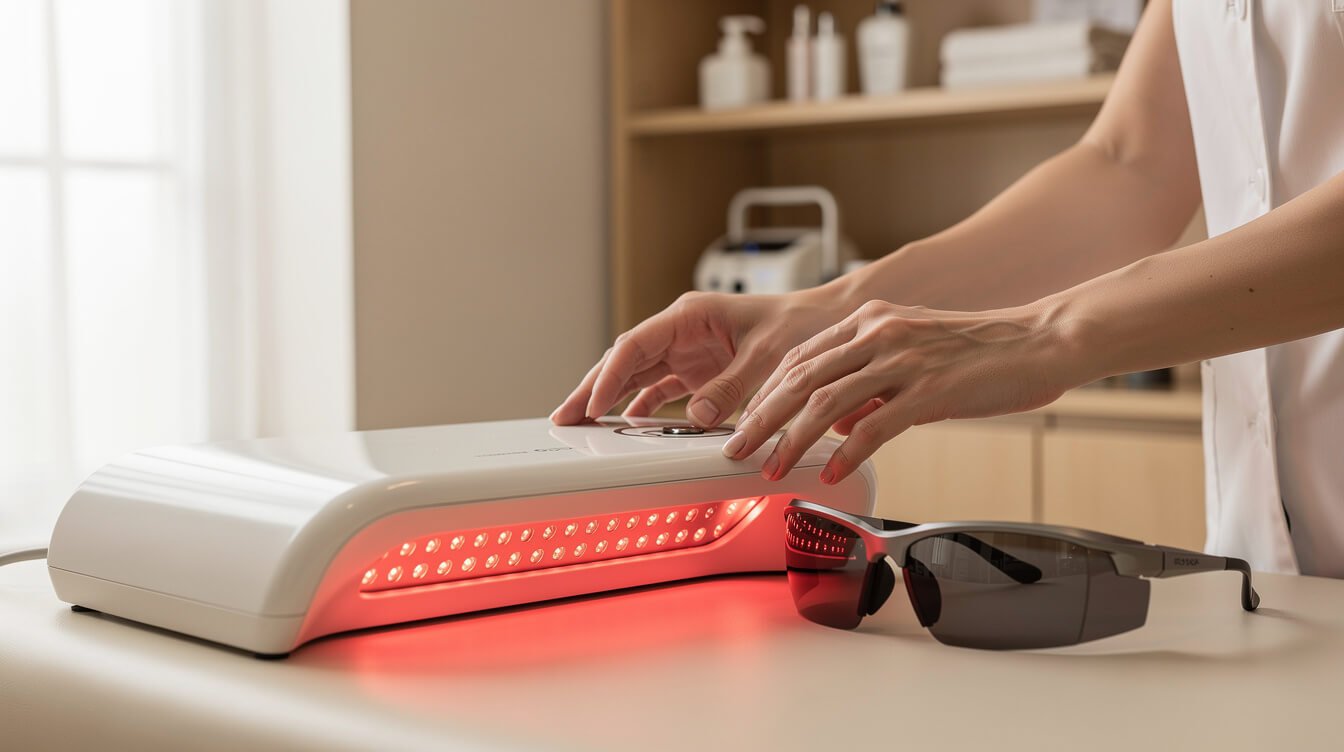
One of the most reassuring aspects of red light therapy is its safety profile. Unlike UV light, red and near-infrared wavelengths are non-ionizing and non-thermal at the doses used in photobiomodulation. That said, responsible use matters.
What the Research Says About Safety
According to the Cleveland Clinic, red light therapy appears to be safe and isn’t associated with significant side effects when used as directed. The treatment isn’t toxic, isn’t invasive, and isn’t as harsh as many topical skin treatments. The American Academy of Dermatology Association recommends choosing FDA-cleared devices and following manufacturer guidelines carefully.
Potential Mild Side Effects
- Temporary skin redness or warmth — usually resolves within hours
- Eye strain — always use appropriate eye protection when treating facial areas
- Headache — rare, typically associated with excessive session length or NIR brain protocols
Who Should Exercise Caution
- Pregnant women — insufficient safety data; consult your healthcare provider first
- Those with photosensitivity conditions — lupus, porphyria, or medication-induced photosensitivity
- People taking photosensitizing medications — certain antibiotics, retinoids, and chemotherapy drugs
- Those with active skin cancer — red light may stimulate cell growth; consult your oncologist
- Individuals with epilepsy — some devices produce visible light pulses that may trigger seizures
Important: Red light therapy is a wellness tool, not a medical treatment. It may support your body’s natural healing processes, but it should never replace professional medical advice, diagnosis, or treatment. Always consult with your healthcare provider before beginning any new therapy, especially if you have existing health conditions.
Tips for Safe Use
- Start with shorter sessions (5–10 minutes) and gradually increase
- Maintain the recommended distance from the device
- Wear appropriate eye protection, especially with facial treatments
- Look for devices labeled “FDA-cleared” (not just “FDA-approved” or “FDA-certified”)
- Follow the manufacturer’s usage guidelines for session frequency and duration
- Don’t use red light therapy on open wounds without medical supervision
Frequently Asked Questions About Red Light Therapy Benefits

How long does it take to see results from red light therapy?
Most people begin noticing subtle improvements in skin quality within 4–8 weeks of consistent use. Pain relief may come faster — some people report reduced soreness within days. Hair growth typically requires 12–16 weeks of regular sessions. The key is consistency: sporadic use is unlikely to produce meaningful results.
Can red light therapy cause cancer?
No research has suggested that red light therapy causes cancer. Unlike UV light, red and near-infrared wavelengths are non-ionizing — they don’t damage DNA or cause the cellular mutations associated with cancer development. However, if you have active cancer, consult your oncologist before using red light therapy, as it may stimulate cell growth in the treatment area.
Does red light therapy work through clothing?
Red and near-infrared light are most effective on bare skin. Clothing significantly reduces the light reaching your cells. For best results, expose the target area directly to the light source. Near-infrared light penetrates somewhat deeper and may deliver some benefit through thin, light-colored fabric, but bare skin is always optimal.
How is red light therapy different from an infrared sauna?
While both use parts of the infrared spectrum, they work quite differently. Infrared saunas primarily use far-infrared wavelengths to generate heat and promote sweating — their primary mechanism is thermal. Red light therapy (photobiomodulation) uses near-infrared and visible red wavelengths to directly interact with mitochondria — the mechanism is photochemical, not thermal. They can complement each other but serve different purposes.
Can I use red light therapy every day?
Yes, daily use appears to be safe for most people when following manufacturer guidelines for session duration and distance. Some protocols even recommend daily sessions for specific goals like pain management. However, more isn’t always better — research suggests diminishing returns beyond a certain dose. Following the “low and slow” principle is generally advisable, especially when starting out.
Is professional red light therapy better than home devices?
Professional devices typically offer higher irradiance (power output) and more precise wavelength control, which may produce faster or more pronounced results. However, the convenience and consistency of home devices often outweigh the power advantage of professional treatments. Regular home use (5 times per week) may ultimately deliver better cumulative results than monthly professional sessions, simply because consistency matters most.
Final Thoughts: Bringing Light Into Your Wellness Routine
The red light therapy benefits we’ve explored in this guide represent a fascinating intersection of modern science and natural wellness. From its NASA origins to today’s growing body of peer-reviewed research, photobiomodulation offers a gentle, non-invasive way to support your body’s innate healing intelligence — whether your goals involve healthier skin, reduced pain, better sleep, or cognitive support.
What makes red light therapy particularly appealing is how seamlessly it integrates into a holistic wellness lifestyle. Pair it with anti-inflammatory nutrition, mindful movement, sound healing, or simply a few quiet minutes of reflection, and you’ve created a wellness ritual that nourishes your body on multiple levels.
As with any wellness practice, patience and consistency are your greatest allies. Start with shorter sessions, listen to your body, and give yourself time to experience the cumulative benefits. The light is there — you just need to step into it.