Dry Brushing Benefits: Your Complete Guide to This Ancient Wellness Ritual
If you’ve ever wondered whether a simple daily ritual could transform the way your skin looks, feels, and functions, dry brushing may be the answer you’ve been searching for. This ancient wellness practice — which involves sweeping a natural-bristle brush across your dry skin in deliberate strokes — has been used for centuries across cultures to support circulation, promote lymphatic drainage, and reveal smoother, more radiant skin. And the best part? The dry brushing benefits extend far beyond your complexion.
In this comprehensive guide, we’ll explore the science behind dry brushing, walk you through a complete step-by-step technique, help you choose the right brush for your skin type, and show you how to weave this powerful self-care practice into your broader wellness routine. Whether you’re a complete beginner or someone looking to refine your technique, this guide has everything you need.
What Is Dry Brushing — and Why Has It Been Practiced for Centuries?
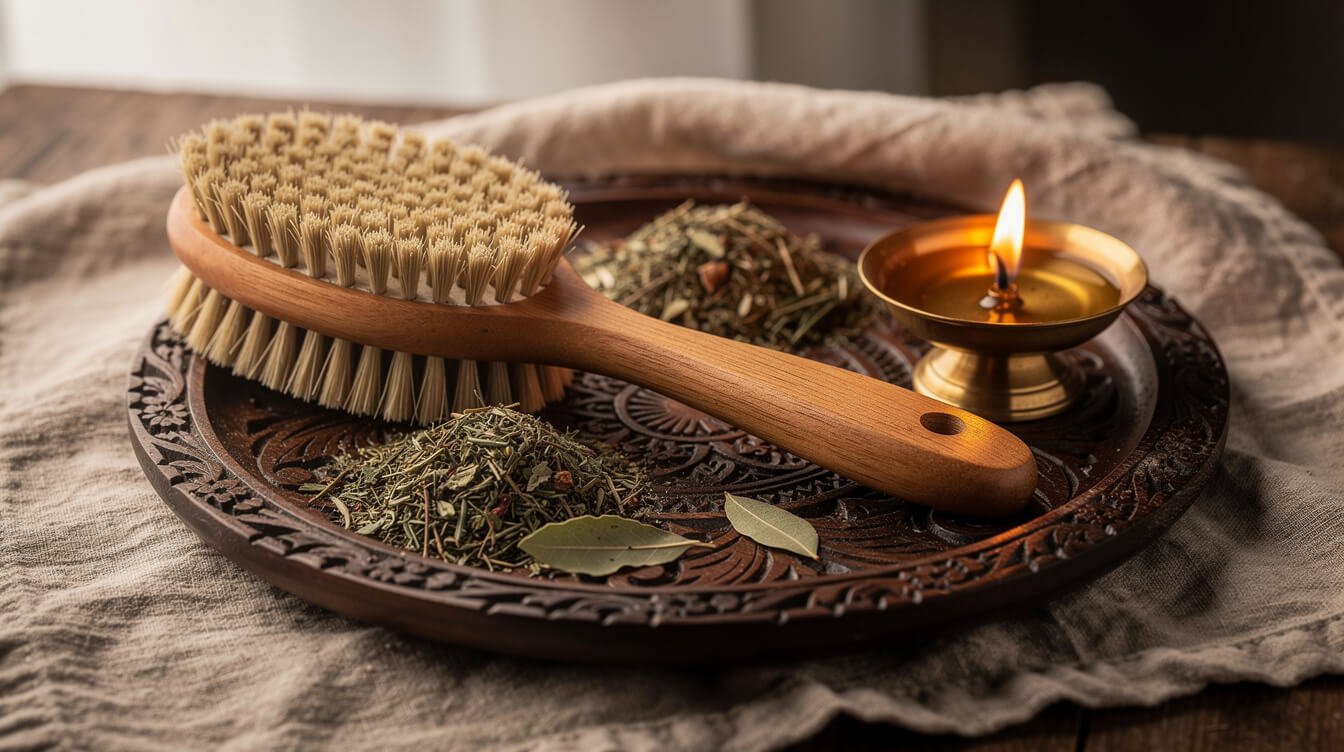
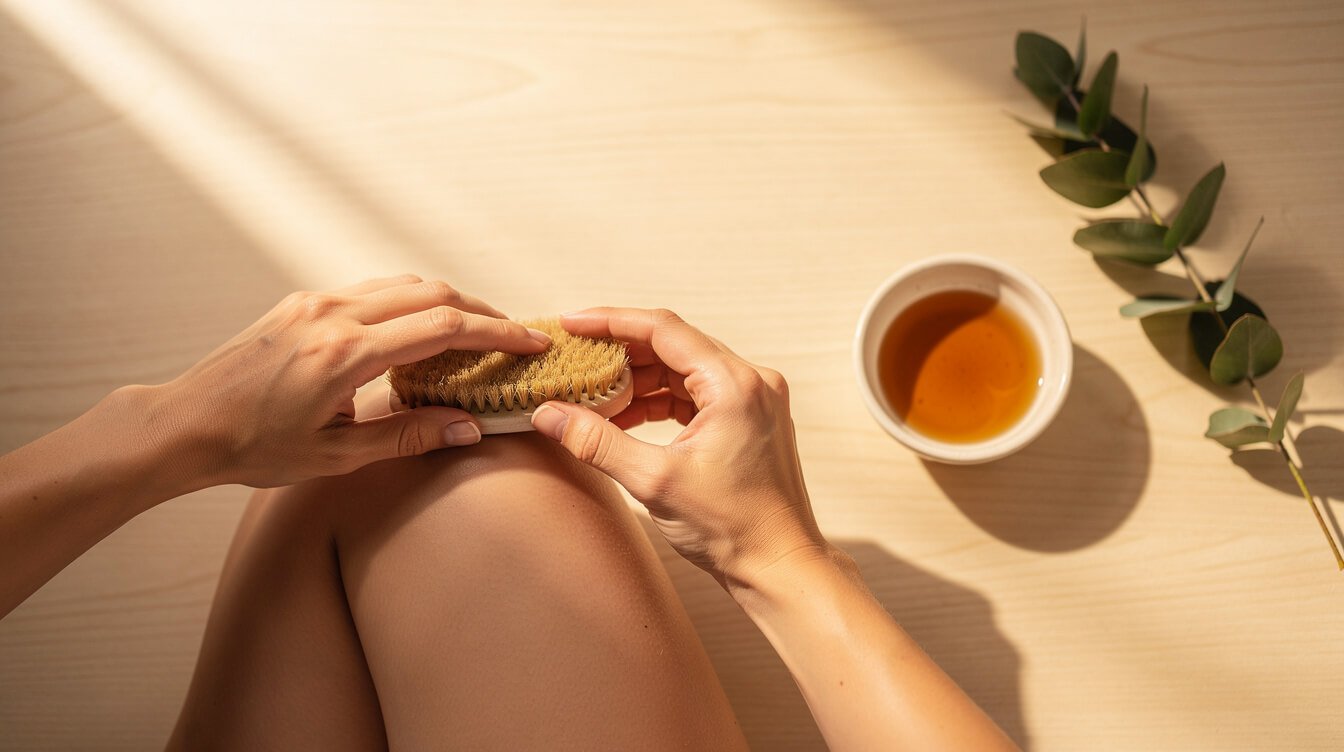
Dry brushing is exactly what it sounds like: using a firm, natural-bristle brush to gently massage your skin while it’s completely dry — no water, no oils, no products. The brushing follows a specific pattern, typically starting at the extremities and moving toward the heart, which mirrors the natural direction of lymphatic flow in the body.
While dry brushing has recently surged in popularity within the modern wellness community, its roots reach back thousands of years. In Ayurvedic medicine — India’s 5,000-year-old healing tradition — a practice called garshana involves rubbing the skin with raw silk gloves or a dry brush to stimulate circulation and prepare the body for abhyanga (warm oil self-massage). Traditional Ayurvedic texts describe garshana as a way to kindle agni (digestive fire), move stagnant lymph, and invigorate the skin.
In Scandinavia, birch twig bundles called vihta (or vasta) have been used in sauna traditions for centuries to gently whip and brush the skin, promoting blood flow and exfoliation. Japanese bathing culture includes a similar practice of vigorous towel-rubbing (kanpumassatsu) before entering the bath, believed to awaken the body’s vital energy.
What these ancient traditions share is a foundational understanding: the skin isn’t just a passive barrier — it’s an active organ of elimination, sensation, and immunity. And gentle mechanical stimulation through brushing may help it function at its best.
How Dry Brushing Differs From Other Exfoliation Methods
Unlike chemical exfoliants (AHAs, BHAs) or wet scrubs, dry brushing works purely through mechanical action on completely dry skin. This distinction matters because:
- No hot water involvement — hot showers can strip the skin’s natural oils and inflame sensitive areas. Dry brushing exfoliates without this thermal stress.
- Lymphatic stimulation — the deliberate directional strokes of dry brushing are specifically designed to encourage lymph movement, something chemical exfoliants don’t address.
- Nervous system activation — the tactile stimulation of bristles on dry skin engages mechanoreceptors that may help tone the autonomic nervous system.
8 Science-Backed Dry Brushing Benefits for Your Skin and Body
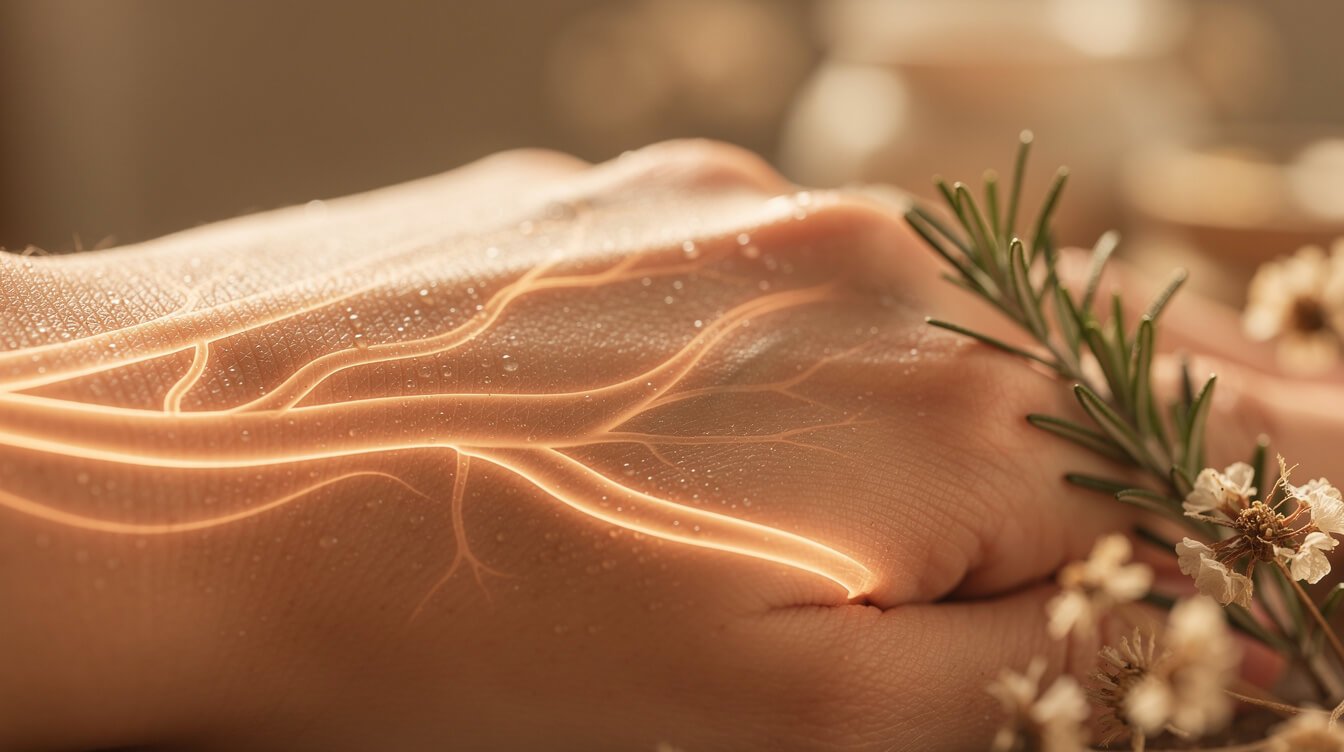
The dry brushing benefits you’ll experience go well beyond smoother skin. Here’s what the research and clinical evidence suggest about this deceptively simple practice.
1. Enhanced Lymphatic Drainage and Detoxification
Your lymphatic system is a vast network of vessels and nodes that carries waste products, toxins, and excess fluid away from your tissues. Unlike your cardiovascular system, the lymphatic system has no pump — it relies on muscle contraction, breathing, and external stimulation to keep fluid moving. When lymph becomes sluggish, you may experience puffiness, fatigue, and a dull complexion.
Dry brushing applies gentle pressure in the direction of lymphatic flow (toward the heart and major lymph node clusters), which may help stimulate lymphatic drainage. A 2015 study in the Journal of Manual and Manipulative Therapy found that manual techniques applying light, directional pressure to the skin surface could significantly improve lymphatic transport — and dry brushing follows precisely this principle.
2. Improved Blood Circulation
The brisk, sweeping strokes of dry brushing cause vasodilation — a widening of blood vessels near the skin’s surface. This increased blood flow delivers more oxygen and nutrients to skin cells while carrying away metabolic waste. You can often see the evidence immediately: a healthy pink flush that appears on the skin after brushing.
Improved microcirculation supports skin cell regeneration, wound healing, and overall tissue health. For those interested in circulatory wellness, dry brushing pairs beautifully with other practices that support blood flow, such as cold water therapy and regular movement.
3. Effective, Gentle Exfoliation
Your skin naturally sheds roughly 30,000 to 40,000 dead cells every hour. But sometimes this process slows down — due to aging, dry weather, dehydration, or reduced circulation — leaving a buildup of dead cells that can make skin look dull, feel rough, and clog pores.
Dry brushing physically removes this dead cell layer, revealing the fresher, healthier skin beneath. Because you’re working on dry skin (rather than wet, softened skin), the exfoliation is controlled and less likely to cause micro-tears than aggressive wet scrubbing.
4. Potential Reduction in Cellulite Appearance
Let’s be clear: no topical treatment can permanently eliminate cellulite, which is a structural issue involving fat deposits beneath the skin’s connective tissue. However, many dry brushing practitioners report a temporary improvement in cellulite appearance. The likely explanation is twofold:
- Plumping effect — increased blood flow temporarily plumps the skin, making dimples less visible.
- Fluid redistribution — improved lymphatic drainage may reduce localized fluid retention that can exacerbate the appearance of cellulite.
While the evidence is largely anecdotal, the temporary smoothing effect is real and can be a confidence-boosting bonus of your daily routine.
5. Nervous System Stimulation and Energy Boost
The skin contains millions of nerve endings — it’s your largest sensory organ. When you dry brush, you activate mechanoreceptors that send signals through your peripheral nervous system to your brain. Many people report feeling invigorated, alert, and energized after a dry brushing session, similar to the sensation after a brisk morning walk.
This nervous system activation is one reason dry brushing is traditionally recommended as a morning practice. The stimulation may help shift your autonomic nervous system from parasympathetic (rest) to sympathetic (alert) mode — a natural, caffeine-free wake-up call for your entire body.
6. Stress Relief and Mindful Self-Care
While dry brushing can be energizing, the ritual itself is also deeply meditative. The repetitive, rhythmic strokes encourage you to slow down, connect with your body, and practice present-moment awareness. In a world of constant digital stimulation, the 5 to 10 minutes you spend dry brushing can become a grounding anchor in your morning routine.
Research from the Journal of Health Psychology (2014) suggests that self-care rituals — especially those involving mindful body awareness — may reduce cortisol levels and perceived stress. Dry brushing checks every box: it’s tactile, rhythmic, intentional, and connects you to your physical body.
7. Improved Skin Texture and Product Absorption
By removing the dead cell barrier, dry brushing allows your skin to breathe more efficiently and absorb moisturizers, serums, and body oils more effectively. This means the organic body butter or essential oils you apply after showering actually penetrate deeper into the skin layers where they can do the most good.
After your dry brushing ritual, nourishing your freshly exfoliated skin with a high-quality body gel can amplify the benefits. The OlyLife OptiRelax Gel is designed to complement your post-brushing routine, helping to soothe and hydrate skin while supporting your body’s natural recovery processes.
Over time, consistent dry brushing may contribute to noticeably softer, smoother skin — particularly on chronically rough areas like elbows, knees, and the backs of arms.
8. Supports the Body’s Natural Detoxification Pathways
Your skin is often called the “third kidney” because it plays a significant role in eliminating waste through perspiration. When pores are clogged with dead cells and debris, this elimination pathway becomes compromised. Dry brushing unclogs pores and may support more efficient sweating — which is especially beneficial when combined with practices like sauna use or vigorous exercise.
By simultaneously supporting lymphatic flow, circulation, and pore clearance, dry brushing addresses multiple detoxification pathways at once — making it one of the most efficient single-practice wellness tools available.
How to Dry Brush: Your Complete Step-by-Step Guide
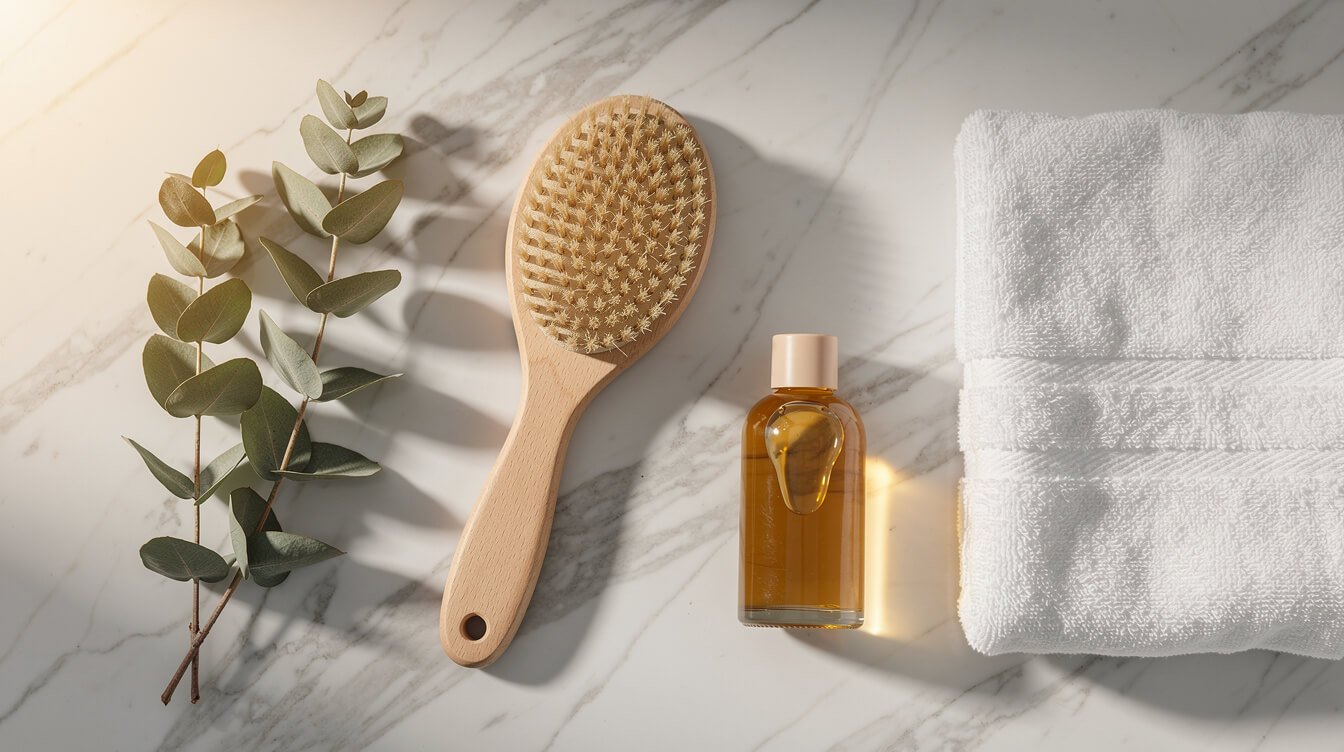
Proper technique is the difference between a beneficial dry brushing session and an irritating one. Follow this body-map guide for the best results.
Before You Begin
- Ensure your skin is completely dry (no lotions, oils, or water).
- Stand in your bathroom or shower (the dead skin cells will flake off).
- Use a natural-bristle brush with a long handle for hard-to-reach areas.
- Plan for 5 to 10 minutes — this isn’t meant to be rushed.
The Golden Rule: Always Brush Toward the Heart
This follows the direction of lymphatic return and venous blood flow. Brushing away from the heart can put unnecessary pressure on valves in your veins and lymph vessels.
Region-by-Region Technique
Feet and Lower Legs (Start Here)
- Begin at the soles of your feet with firm, circular strokes.
- Move to the tops of your feet and ankles with long, upward sweeps.
- Brush up the shins and calves using long, overlapping strokes toward the knee.
- Use 5 to 7 strokes per area before moving on.
Upper Legs and Thighs
- Continue with long, upward strokes from knee to hip.
- For the inner thighs (more sensitive), use lighter pressure.
- For the outer thighs and buttocks, you can use slightly firmer pressure.
- Brush toward the inguinal lymph nodes (groin area) — a major lymph node cluster.
Abdomen and Torso
- Use gentle, clockwise circular motions on the abdomen (following the path of digestion).
- Brush the lower back upward toward the mid-back.
- For the sides of the torso, brush upward toward the armpits (axillary lymph nodes).
Hands and Arms
- Start at the fingertips and brush up toward the shoulder.
- Give extra attention to the wrists and inner elbows.
- Brush toward the axillary lymph nodes (armpits).
Chest and Upper Back
- Brush the upper chest gently downward toward the heart.
- For the upper back, brush downward and inward toward the center of the body.
- Be gentle around the collarbone and décolletage — the skin here is thinner.
Neck and Shoulders
- Brush gently downward from the base of the skull toward the shoulders.
- Use very light pressure here — the skin is delicate.
- Never dry brush the face (use a dedicated facial exfoliation method instead).
After Brushing
- Shower — rinse away the loosened dead skin cells. Alternating warm and cool water can further boost circulation.
- Moisturize — apply a natural body oil (coconut, jojoba, or almond) or your favorite body lotion while skin is still slightly damp for maximum absorption.
- Hydrate — drink a glass of water to support the lymphatic flushing you’ve just initiated.
Choosing the Right Dry Brush for Your Skin Type
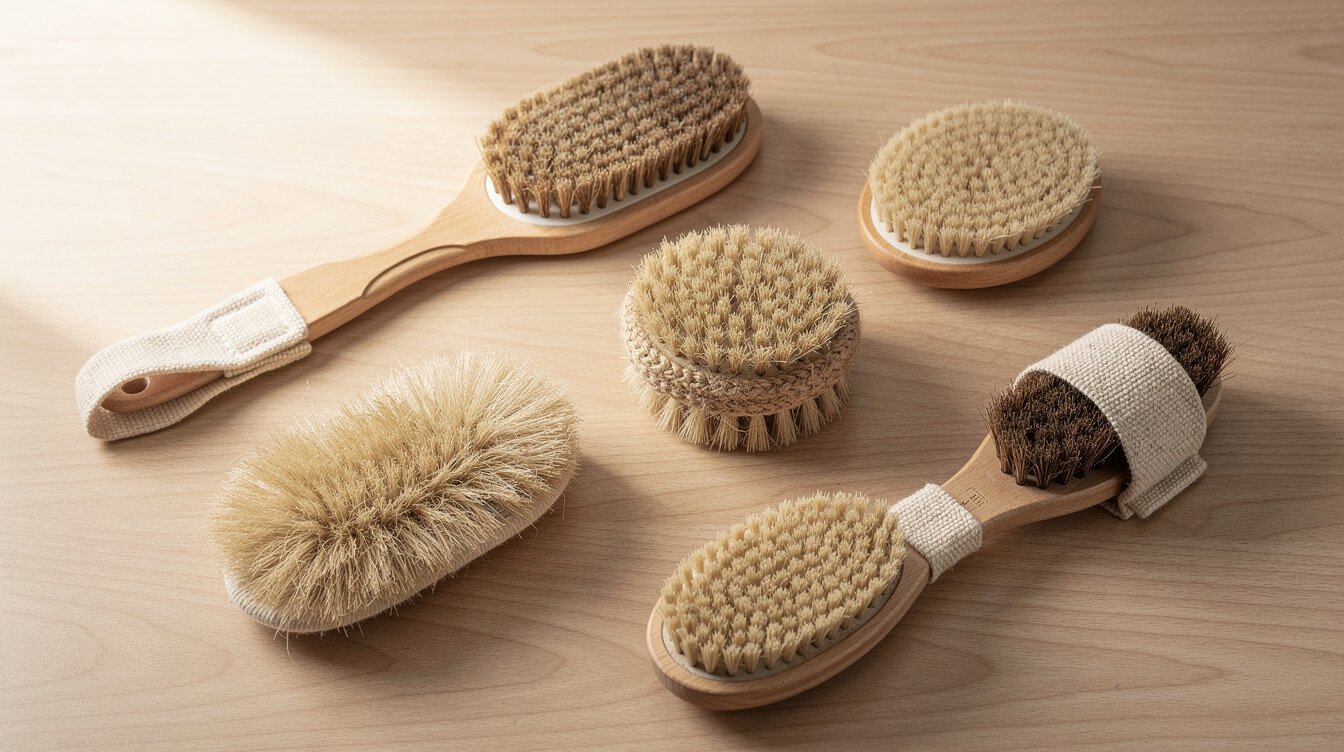
Not all dry brushes are created equal. The right brush makes the practice enjoyable and effective, while the wrong one can cause irritation or frustration. Here’s what to look for.
Bristle Material
- Natural plant fibers (recommended) — look for brushes made from sisal, cactus fiber (tampico), jute, or boar bristle. These materials provide firm-but-forgiving exfoliation and are biodegradable.
- Synthetic bristles — generally too harsh for skin. Avoid nylon or plastic bristle brushes for body dry brushing.
Bristle Firmness
- Soft to medium — best for beginners, sensitive skin, or areas with thinner skin (chest, inner arms, neck).
- Medium to firm — ideal for experienced brushers and thicker-skinned areas (legs, back, soles of feet).
- Extra firm — only for calloused areas like heels. Not recommended for general body brushing.
Handle Style
- Long-handled brushes — essential for reaching your entire back. Look for detachable handles so you can also use the brush head alone for closer areas.
- Palm-sized brushes — great for arms, legs, and abdomen where you want more control.
- Combination sets — many wellness brands offer sets with both styles, which is ideal for a complete routine.
Caring for Your Brush
- Rinse your brush once a week with warm water and mild soap, then air-dry bristle-side down.
- Replace your brush every 6 to 12 months, or sooner if bristles become soft, splayed, or discolored.
- Never share your dry brush with others — it’s a personal hygiene tool.
- Store in a dry, well-ventilated area to prevent mildew.
🎁 Get a Free Wellness Gift
Enter your name and email below to receive a special wellness gift from OlyLife — absolutely free!
When and How Often Should You Dry Brush?
Timing and frequency matter when it comes to maximizing dry brushing benefits while protecting your skin’s integrity.
Best Time of Day
Morning (recommended): Most practitioners and Ayurvedic traditions recommend dry brushing in the morning, before your shower. The nervous system stimulation and circulatory boost provide natural energy that can replace — or complement — your morning coffee. The grounding body-awareness aspect also helps set a mindful, intentional tone for the day.
Evening: If mornings are rushed, evening dry brushing works too — just note that the stimulating effects may not be ideal right before sleep for some people. If you dry brush in the evening, follow it with a warm (not hot) bath and calming body oil to transition into relaxation mode.
Recommended Frequency by Skin Type
- Sensitive skin: 1 to 2 times per week. Start with once a week and increase only if your skin responds well (no redness, irritation, or discomfort lasting more than 30 minutes).
- Normal skin: 3 to 4 times per week. This is the sweet spot for most people — enough to maintain smooth skin and lymphatic stimulation without overdoing it.
- Resilient/oily skin: Daily or up to 5 times per week. If your skin tolerates it well and you enjoy the ritual, daily brushing is safe for most people with thicker, less reactive skin.
Important Cautions — Who Should Avoid Dry Brushing
While dry brushing is safe for most healthy adults, avoid it in these situations:
- Over broken skin, cuts, wounds, or active rashes.
- Over sunburned, inflamed, or infected areas.
- On the face (too delicate for body brushes).
- Over varicose veins (brush gently around them, never directly over).
- If you have eczema, psoriasis, or other chronic skin conditions in the area — consult your dermatologist first.
- Over moles, skin tags, or raised lesions.
If you’re unsure whether dry brushing is appropriate for your skin, start with a small test area on your forearm. Healthy skin may show slight pinkness (normal and temporary) but should never feel raw, stinging, or irritated.
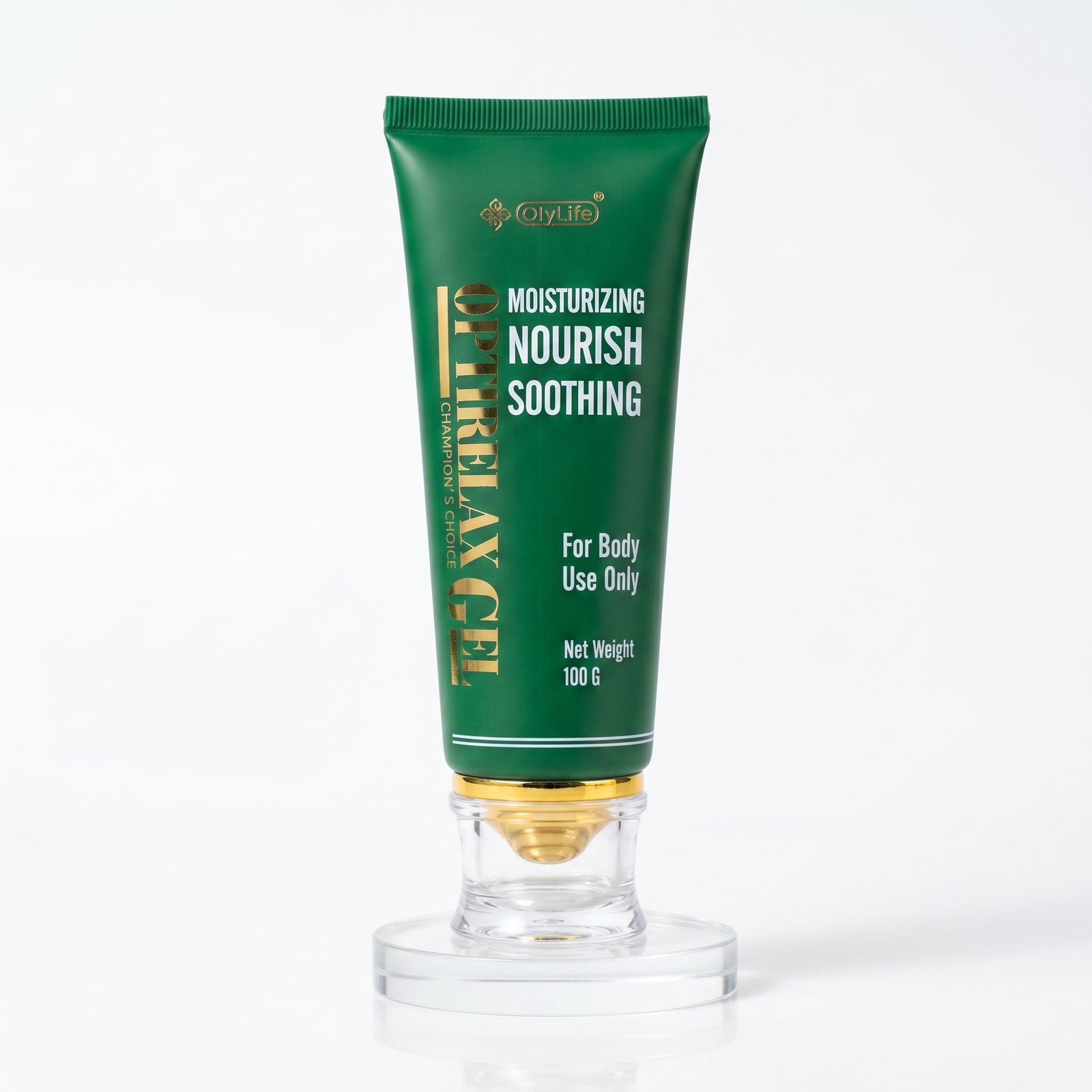
Complete Your Dry Brushing Ritual
Nourish your freshly exfoliated skin with OlyLife OptiRelax Gel — formulated to soothe, hydrate, and support your body’s natural wellness after your brushing routine.
Complementary Wellness Practices to Pair With Dry Brushing
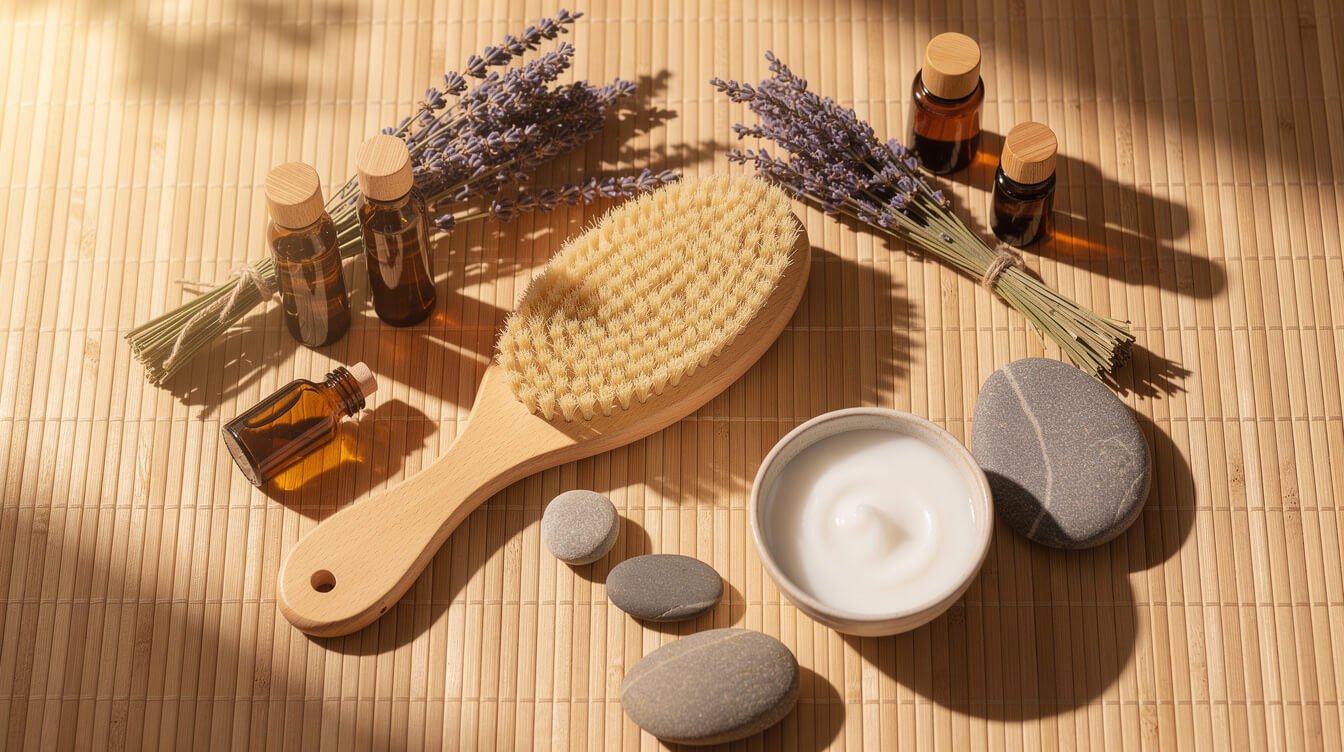
Dry brushing becomes even more powerful when combined with other holistic wellness practices. Here are some evidence-informed pairings that may amplify your results.
Aromatherapy and Essential Oils
After dry brushing and showering, applying a body oil infused with essential oils creates a synergistic wellness ritual. Rosemary and juniper berry oils may support circulation, while lavender and chamomile soothe the freshly exfoliated skin. For a deeper dive into how aromatherapy may support your wellness, explore our complete guide.
Abhyanga (Ayurvedic Oil Massage)
In traditional Ayurvedic practice, garshana (dry brushing) is followed by abhyanga — warm oil self-massage. The dry brushing prepares the skin by removing dead cells and stimulating circulation, making it more receptive to the nourishing oils used in abhyanga. Together, these two practices form a complete Ayurvedic body-care ritual that addresses both stimulation and nourishment.
Cold Water Therapy
Following your post-brushing shower with a cold water rinse may further boost circulation and lymphatic activity. The contrast between the warming effects of dry brushing and the invigorating cold creates a powerful circulatory “pumping” action that supports whole-body vitality.
Reflexology and Foot Care
Pay special attention to dry brushing the soles of your feet — this area is rich in reflexology points that may correspond to organs and systems throughout the body. Reflexology practitioners suggest that stimulating these points through massage and brushing may support overall wellness beyond just the local skin area.
Frequency-Based Wellness Practices
For those exploring the intersection of traditional and modern wellness, frequency-based therapies such as PEMF (pulsed electromagnetic field) therapy may complement dry brushing by supporting circulation and cellular function at a deeper level. While dry brushing works on the surface — stimulating lymph flow, blood circulation, and nerve endings — frequency-based approaches work at the cellular level, potentially creating a comprehensive circulation-support routine.
Frequently Asked Questions About Dry Brushing Benefits
Does dry brushing actually work, or is it just a wellness trend?
The core benefits of dry brushing — exfoliation, temporary circulation improvement, and relaxation — are well-supported by dermatological and physiological principles. The lymphatic drainage claims are supported by research on manual lymphatic drainage techniques that use similar light, directional pressure. While some claims (like permanent cellulite removal) are overstated, the practice itself offers genuine, measurable benefits for skin health and self-care.
How long does it take to see dry brushing benefits?
You may notice smoother skin and a healthy glow after your very first session. More significant changes — like improved skin texture, reduced ingrown hairs, and less noticeable keratosis pilaris (those small, rough bumps on the backs of arms) — typically appear after 2 to 4 weeks of consistent practice.
Can dry brushing help with keratosis pilaris (chicken skin)?
Many people report significant improvement in keratosis pilaris with regular dry brushing. The gentle exfoliation helps unclog the hair follicles that cause those characteristic bumps. For best results, follow dry brushing with a moisturizer containing urea or lactic acid.
Is dry brushing safe during pregnancy?
Light dry brushing is generally considered safe during pregnancy and may help with the dry, itchy skin that many expectant mothers experience. However, avoid the abdomen during the third trimester, use lighter pressure throughout, and always consult your healthcare provider before starting any new wellness practice during pregnancy.
Can I dry brush if I have sensitive skin?
Yes, but with modifications. Choose a brush with softer bristles, reduce your pressure significantly, limit sessions to once or twice a week, and avoid any areas that are reactive or prone to rash. If your skin remains pink or irritated for more than an hour after brushing, your technique may be too aggressive.
What’s the difference between dry brushing and a loofah?
A loofah is used on wet skin in the shower and provides softer, more generalized exfoliation. Dry brushing uses a firmer brush on completely dry skin with specific directional strokes designed to stimulate lymphatic flow. The two practices can complement each other, but dry brushing offers the additional benefits of lymphatic support and nervous system stimulation that a loofah doesn’t provide.
Final Thoughts: Making Dry Brushing Part of Your Wellness Journey
The enduring appeal of dry brushing — across Ayurvedic, Scandinavian, and Japanese traditions — speaks to something fundamental about this practice. It’s simple, it’s accessible, and it connects you to your body in a meaningful way. In a wellness landscape filled with expensive gadgets and complex protocols, dry brushing stands out as a beautifully uncomplicated ritual that delivers real results.
The dry brushing benefits we’ve explored — from enhanced lymphatic drainage and improved circulation to better skin texture, stress relief, and nervous system support — make a compelling case for adding this practice to your self-care routine. And when you pair it with complementary practices like aromatherapy, cold water therapy, or sound healing for deeper relaxation, you create a holistic wellness ecosystem that supports your body on multiple levels.
Start small — even two to three sessions per week with gentle pressure is enough to begin noticing changes. Listen to your skin, trust the process, and enjoy the ritual. Your body will thank you.