Adaptogenic Herbs: Your Complete Guide to Nature’s Stress-Fighting Plants
Adaptogenic herbs have been used for centuries in traditional medicine systems around the world — from Ayurveda to Traditional Chinese Medicine — to help the body manage stress and maintain balance. But what exactly makes these plants so special, and how might they support your wellness journey?
Whether you’re dealing with the mental fog of a demanding schedule, the physical tension that comes with modern life, or simply looking for natural ways to feel more resilient, adaptogenic herbs may offer the gentle support your body is looking for. In this complete guide, we’ll explore what adaptogens are, which adaptogenic herbs research suggests may be most beneficial, and how to incorporate them into your daily wellness routine.
What Are Adaptogenic Herbs and How Do They Work?
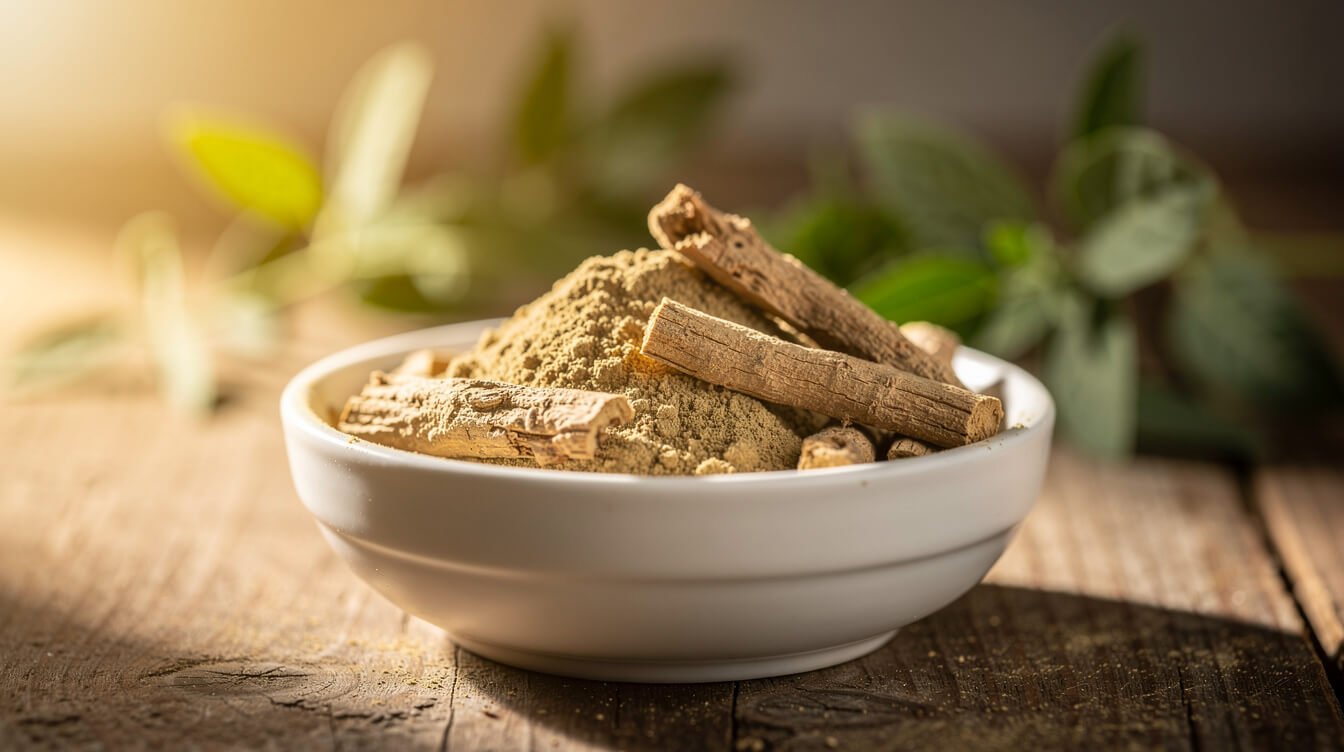
Adaptogenic herbs are a unique class of plants and mushrooms that contain bioactive compounds called adaptogens — substances that may help your body adapt to physical, chemical, and biological stressors. The concept was first developed in the 1940s when Soviet scientists studied how certain plants could enhance stamina and resilience in military pilots.
To qualify as a true adaptogen, a plant must meet three specific criteria established by researchers:
- Non-toxic when taken in normal, recommended doses
- Helps the body cope with stress by supporting the stress response system
- Supports homeostasis — helping the body return to its natural state of balance
What makes adaptogens truly fascinating is their bidirectional nature. Unlike conventional supplements that push your body in one direction, adaptogens may work by sensing what your body needs. When cortisol levels are elevated from chronic stress, adaptogenic herbs may help bring them down. When energy is depleted, they may help restore it. This intelligent balancing act is what sets them apart from ordinary herbal supplements.
Research suggests that adaptogens interact with the hypothalamic-pituitary-adrenal (HPA) axis — your body’s central stress response system. A 2021 review published in Pharmaceuticals found that key phytochemicals in adaptogenic herbs, including triterpenoid saponins, phytosterols, and flavonoids, may help modulate this stress pathway and support immune function.
Think of adaptogens as a thermostat for your stress response — rather than simply turning the heat up or down, they help your body find and maintain its ideal temperature, regardless of what’s happening outside.
The 10 Most Researched Adaptogenic Herbs

Not all adaptogens are created equal. Here are the ten most widely studied adaptogenic herbs, each with its own unique profile of potential benefits.
1. Ashwagandha (Withania somnifera)
Often called the “king of adaptogens,” ashwagandha is one of the most extensively researched adaptogenic herbs. Used for over 3,000 years in Ayurvedic medicine, ashwagandha may support the body’s stress response by helping to regulate cortisol levels. Research suggests it may also support healthy sleep patterns, cognitive function, and physical endurance.
Traditional uses: Stress management, sleep support, energy and vitality
2. Rhodiola Rosea (Rhodiola rosea)
Known as “golden root” or “arctic root,” rhodiola thrives in cold, mountainous regions and has been used in Scandinavian and Russian traditional medicine for centuries. Studies suggest rhodiola may help combat mental fatigue and support cognitive performance during stressful periods. It’s particularly valued for its potential to support both physical endurance and mental clarity.
Traditional uses: Mental performance, physical stamina, mood support
3. Holy Basil / Tulsi (Ocimum sanctum)
Revered as “The Queen of Herbs” in Ayurvedic tradition, holy basil is one of the most sacred plants in India. Unlike culinary basil, tulsi contains unique compounds — including eugenol, rosmarinic acid, and ursolic acid — that may help the body manage various forms of stress. Research suggests tulsi may support healthy blood sugar levels and promote a balanced inflammatory response.
Traditional uses: Stress relief, respiratory health, immune support
4. Asian Ginseng (Panax ginseng)
Perhaps the most well-known adaptogen globally, Asian ginseng has been a cornerstone of Traditional Chinese Medicine for over 2,000 years. The active compounds in ginseng — called ginsenosides — are believed to be responsible for its adaptogenic properties. Research suggests ginseng may support cognitive function, physical energy, and immune health.
Traditional uses: Energy, cognitive function, overall vitality
5. Eleuthero / Siberian Ginseng (Eleutherococcus senticosus)
Though not a true ginseng, eleuthero earned its nickname by demonstrating similar stress-supportive properties. It was the focus of much of the original Soviet adaptogen research in the 1960s. Eleuthero may help support physical performance and immune function, particularly during periods of increased physical or mental demand.
Traditional uses: Physical performance, immune resilience, fatigue management
6. Reishi Mushroom (Ganoderma lucidum)
Called the “mushroom of immortality” in ancient Chinese texts, reishi is a powerful adaptogenic mushroom that has been used medicinally for over 2,000 years. Research suggests reishi may support immune function and promote a sense of calm. Its triterpene compounds are being studied for their potential to support the body’s natural stress response.
Traditional uses: Immune support, calm and relaxation, longevity
7. Maca Root (Lepidium meyenii)
Grown at high altitudes in the Peruvian Andes, maca root has been used by indigenous communities for energy and endurance for centuries. While technically classified as a cruciferous vegetable, maca demonstrates adaptogenic properties. Research suggests it may support energy levels, mood balance, and hormonal health.
Traditional uses: Energy, hormonal balance, endurance
8. Schisandra Berry (Schisandra chinensis)
This unique berry — known as the “five-flavor fruit” because it contains all five tastes (sweet, sour, salty, bitter, and pungent) — was one of the original adaptogens studied during World War II. Schisandra may help support liver health, cognitive function, and physical performance. Its lignan compounds are particularly interesting to researchers studying cellular protection.
Traditional uses: Liver health, mental clarity, physical endurance
9. Astragalus Root (Astragalus membranaceus)
A staple in Traditional Chinese Medicine, astragalus root is traditionally used to strengthen the body’s defensive energy — or “wei qi.” Modern research is exploring astragalus for its potential to support immune function, cardiovascular health, and cellular vitality. It contains unique polysaccharides that may help modulate immune responses.
Traditional uses: Immune defense, cardiovascular support, energy
10. Licorice Root (Glycyrrhiza glabra)
Not to be confused with licorice candy, true licorice root has been used in both Ayurvedic and Chinese medicine for millennia. Its primary active compound — glycyrrhizin — may help support adrenal function and digestive health. Licorice root is often included in adaptogenic formulas to help enhance the absorption and effectiveness of other herbs.
Traditional uses: Adrenal support, digestive comfort, synergistic formulas
How Adaptogenic Herbs May Support Your Wellness

While research is still evolving, studies suggest that adaptogenic herbs may offer support across several key areas of wellness. Here’s what the science says so far.
Stress Response and Cortisol Balance
This is the foundational benefit of adaptogens. A 2018 review in Chinese Medicine found evidence that certain adaptogenic herbs may help modulate the HPA axis, potentially supporting healthier cortisol patterns. When cortisol stays chronically elevated — as often happens with ongoing stress — it may contribute to fatigue, difficulty sleeping, and mood changes.
Energy and Mental Clarity
Unlike caffeine, which stimulates your nervous system, adaptogens may work by supporting your body’s natural energy production pathways. Research on rhodiola and ginseng suggests these herbs may help combat mental fatigue and support sustained focus without the crash that often follows stimulant use. If you’re looking for complementary approaches, our guide to meditation benefits explores another evidence-based method for sharpening mental clarity.
Immune Function
Several adaptogenic herbs — including astragalus, reishi, and eleuthero — have been studied for their potential immune-modulating properties. Rather than simply “boosting” the immune system (which could be harmful in autoimmune conditions), adaptogens may help the immune system respond more appropriately to threats while avoiding overreaction.
Sleep Quality
Certain adaptogens, particularly ashwagandha, have been studied for their potential to support healthy sleep. By helping to calm the stress response system, these herbs may help create conditions that are more conducive to restful sleep. For a comprehensive approach to better rest, pair adaptogenic support with the strategies in our natural sleep remedies guide.
Physical Performance and Recovery
Athletes and active individuals have long been interested in adaptogens. Research on rhodiola, ginseng, and eleuthero suggests these herbs may support physical endurance, reduce exercise-related fatigue, and potentially support recovery. The original Soviet research on adaptogens was, in fact, motivated by athletic performance enhancement.
How to Incorporate Adaptogenic Herbs Into Your Daily Routine

One of the best things about adaptogens is their versatility. Here are practical, evidence-informed ways to make them part of your wellness routine.
Morning Energy Protocol
Start your day with energizing adaptogens that may help set the tone for sustained focus:
- Rhodiola rosea — traditionally taken on an empty stomach, 30 minutes before breakfast
- Asian ginseng — may be added to your morning tea or smoothie
- Maca powder — blends beautifully into coffee, oatmeal, or a breakfast smoothie
Simple adaptogen morning smoothie: Blend 1 cup almond milk, 1 banana, 1 tablespoon almond butter, 1 teaspoon maca powder, and a handful of spinach. This nutrient-dense start to your day pairs well with the body detox strategies we’ve outlined for whole-day wellness.
Afternoon Resilience Routine
When the mid-afternoon slump hits, reach for adaptogens instead of another cup of coffee:
- Holy basil tea — steep fresh or dried tulsi leaves for 5-7 minutes
- Eleuthero tincture — a few drops in water for sustained afternoon focus
- Schisandra berry tea — its unique five-flavor profile makes for an interesting and potentially energizing brew
Evening Calm Protocol
Wind down with calming adaptogens that may support rest and recovery:
- Ashwagandha — traditionally taken with warm milk (regular or plant-based) before bed
- Reishi mushroom — may be taken as a powder mixed into warm water or golden milk
- Licorice root tea — a naturally sweet, soothing evening beverage
Adaptogen Pairing Strategies
Many traditional medicine systems combine multiple adaptogens for synergistic effects. Here are some well-established pairings:
- Ashwagandha + Rhodiola: Stress relief + energy — the calm-focus combination
- Reishi + Astragalus: Dual immune support — traditionally used together in Chinese medicine
- Holy Basil + Licorice Root: Stress + digestive support — a classic Ayurvedic combination
- Ginseng + Eleuthero: Physical + mental stamina — the endurance duo
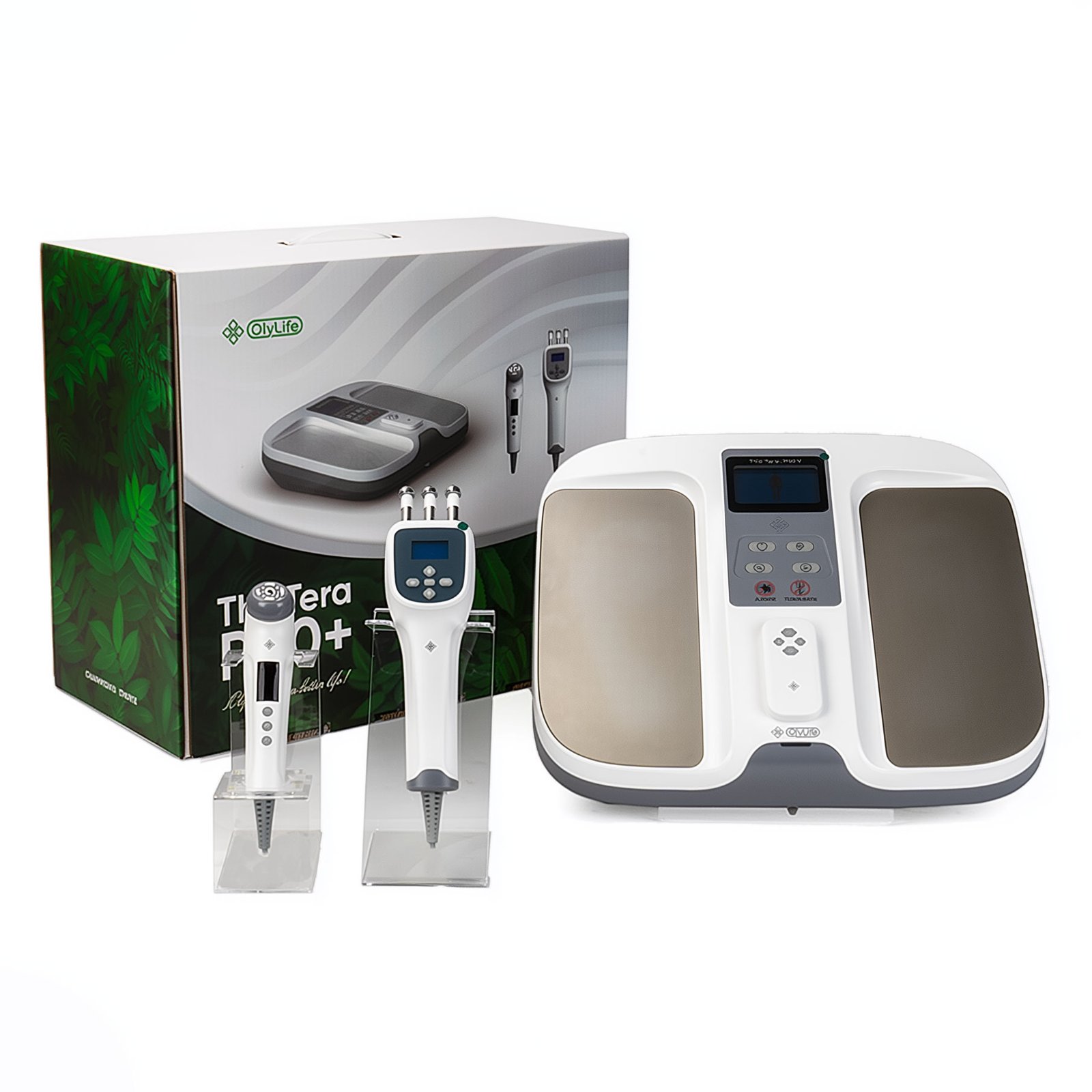
If you’re exploring natural approaches to wellness, OlyLife’s range of PEMF and terahertz therapy devices may complement your adaptogenic herb routine by supporting your body’s natural recovery and relaxation processes.
For additional natural approaches to stress management, our article on holistic wellness offers a comprehensive framework for whole-body balance.
🎁 Get a Free Wellness Gift
Enter your name and email below to receive a special wellness gift from OlyLife — absolutely free!
Choosing Quality Adaptogenic Herbs: What to Look For

Not all adaptogenic supplements are created equal. Since the supplement industry isn’t as tightly regulated as pharmaceuticals, knowing what to look for is essential.
Third-Party Testing
Look for products verified by independent testing organizations like USP (United States Pharmacopeia), NSF International, or ConsumerLab. Third-party testing helps confirm that the product contains what it claims and is free from harmful contaminants like heavy metals, pesticides, and microbial contamination.
Extraction Method Matters
The way an herb is processed significantly affects its potency:
- Whole herb powders — least processed, contain the full spectrum of plant compounds
- Standardized extracts — concentrated to contain specific percentages of active compounds (e.g., ashwagandha standardized to 5% withanolides)
- Full-spectrum extracts — attempt to preserve the plant’s natural balance of compounds while increasing potency
- Tinctures — alcohol or glycerin-based liquid extracts that may offer faster absorption
Sourcing and Sustainability
Choose brands that prioritize sustainable sourcing and transparent supply chains. Many adaptogenic herbs, including rhodiola and astragalus, face overharvesting pressures. Look for certifications like USDA Organic, Fair Trade, or wildcrafted-sustainable labels. Supporting responsible brands helps protect these valuable plant species for future generations.
Form Factor Guide
Adaptogenic herbs come in many forms — here’s how to choose:
- Capsules: Convenient, consistent dosing, no taste — ideal for those who dislike the flavor of herbs
- Powders: Versatile (add to smoothies, lattes, oatmeal), often more affordable per serving
- Teas: Gentle introduction, ritual-building, allows you to taste and connect with the herb
- Tinctures: Fast absorption, easy to adjust dosage, long shelf life
If you’re interested in the broader world of natural supplements, our guide to magnesium benefits explores another essential wellness mineral that pairs beautifully with adaptogenic herbs.
Support Your Wellness Journey
Pair your adaptogenic herb routine with OlyLife’s PEMF and terahertz therapy devices — designed to support your body’s natural recovery and relaxation processes.
Safety Considerations and Potential Side Effects of Adaptogenic Herbs
While adaptogenic herbs are generally well-tolerated, it’s important to approach them with informed awareness. Here’s what you should know before adding them to your routine.
Common Side Effects
Most side effects from adaptogenic herbs are mild and dose-dependent:
- Ashwagandha: May cause mild digestive discomfort (nausea, diarrhea) in some people, particularly at higher doses
- Rhodiola: May cause dry mouth, dizziness, or excessive salivation in rare cases
- Ginseng: May cause headaches, digestive upset, or difficulty sleeping if taken too close to bedtime
- Licorice root: Long-term use may affect blood pressure and potassium levels — typically recommended in cycles rather than continuously
Who Should Be Cautious
Certain groups should consult with a healthcare provider before using adaptogenic herbs:
- Pregnant or nursing individuals — safety data is limited for many adaptogens during pregnancy
- People on medications — some adaptogens may interact with blood thinners, blood pressure medications, thyroid medications, diabetes medications, and immunosuppressants
- Those with autoimmune conditions — immune-modulating adaptogens may theoretically affect autoimmune responses
- Individuals scheduled for surgery — some adaptogens may affect blood clotting or interact with anesthesia
Best Practices for Starting
- Start with one adaptogen at a time — this helps you identify how your body responds
- Begin with a low dose and gradually increase to the recommended amount
- Give it time — adaptogens typically require 2-6 weeks of consistent use before effects become noticeable
- Cycle your use — many practitioners recommend taking adaptogens for 6-8 weeks, then taking a 1-2 week break
- Keep a wellness journal — track how you feel to identify which adaptogens work best for you
Pairing adaptogenic herbs with other natural wellness practices may enhance their effects. Our guide to anti-inflammatory foods recipes offers delicious ways to support your body’s natural balance through nutrition.
Frequently Asked Questions About Adaptogenic Herbs

How long does it take for adaptogenic herbs to work?
Most adaptogens require consistent daily use for 2-6 weeks before you may notice meaningful changes. Some people report feeling subtle shifts within the first week, while others need 4-6 weeks to fully experience the effects. Unlike pharmaceutical stimulants, adaptogens work gradually by supporting your body’s natural systems rather than overriding them.
Can you take multiple adaptogens at once?
Yes — in fact, many traditional medicine systems have been combining adaptogens for centuries. However, if you’re new to adaptogens, it’s wise to start with one and introduce additional herbs gradually. This approach allows you to understand how each one affects your body individually before creating combinations.
Are adaptogenic herbs safe for daily long-term use?
While many adaptogens have long histories of traditional use, most modern practitioners recommend cycling — taking them for 6-8 weeks and then taking a 1-2 week break. This cycling approach may help prevent your body from developing tolerance and ensures the herbs remain effective. Some adaptogens, like licorice root, are specifically recommended only for short-term use.
What’s the difference between adaptogens and nootropics?
While there’s some overlap, adaptogens primarily support the body’s stress response and overall resilience, while nootropics specifically target cognitive function (memory, focus, mental clarity). Some herbs — like rhodiola rosea and lion’s mane mushroom — function as both adaptogens and nootropics.
Can adaptogenic herbs replace my medication?
No. Adaptogenic herbs are intended as complementary wellness support, not as replacements for prescribed medications. Always consult with your healthcare provider before making any changes to your medication regimen. Adaptogens work best as part of a holistic approach to wellness that includes balanced nutrition, regular movement, quality sleep, and stress management practices.
Do adaptogens interact with caffeine?
Most adaptogens can be safely taken alongside moderate caffeine consumption. In fact, some people find that pairing energizing adaptogens like rhodiola or ginseng with their morning coffee allows them to gradually reduce their caffeine intake while maintaining energy levels. However, if you’re sensitive to stimulation, avoid combining stimulating adaptogens with large amounts of caffeine.
Embracing Adaptogenic Herbs on Your Wellness Journey
Adaptogenic herbs represent one of the most fascinating intersections of ancient wisdom and modern wellness science. While we’re still learning about their full potential, centuries of traditional use combined with a growing body of research suggests these remarkable plants may offer meaningful support for stress resilience, energy, and overall wellbeing.
The beauty of adaptogens lies in their gentle, supportive approach. Rather than forcing your body into a particular state, they may help your natural systems find their own balance — working with your biology, not against it.
As you explore the world of adaptogenic herbs, remember to:
- Start with one herb and give it time to work
- Choose quality products from reputable sources
- Listen to your body and adjust as needed
- Consult with a healthcare provider, especially if you take medications
- Combine adaptogens with other evidence-based wellness practices for the best results
Your wellness journey is uniquely yours. Whether you begin with a cup of ashwagandha golden milk before bed or add a scoop of maca to your morning smoothie, each small step brings you closer to the balanced, resilient wellbeing that adaptogenic herbs have been supporting for millennia.
For more natural wellness strategies, explore our complete guide to holistic wellness and discover how practices like grounding and turmeric may complement your adaptogenic herb routine.