Natural Remedies for Anxiety: Your Complete Guide to Calm Without Medication
If you’ve been searching for natural remedies for anxiety that actually work, you’re in good company. Anxiety has become one of the most common wellness challenges of our time, and millions of people are looking for ways to find calm without relying solely on medication. The good news? Your body has remarkable built-in systems for self-regulation — and the right natural approaches can help you activate them.
This guide brings together the most effective, evidence-informed natural strategies for anxiety relief: the nervine herbs that directly calm your nervous system, the adaptogens that build long-term resilience, the breathwork techniques that shift your physiology in minutes, and the emerging frequency wellness approaches that complement everything else. You’ll also discover why your gut health plays a far bigger role in anxiety than most people realize.
Whether your anxiety shows up as racing thoughts before bed, a persistent knot in your stomach, or an overwhelming sense of dread about everyday situations, this guide will help you build a personalized, holistic approach to lasting calm.
Understanding Anxiety: What’s Actually Happening in Your Brain and Body
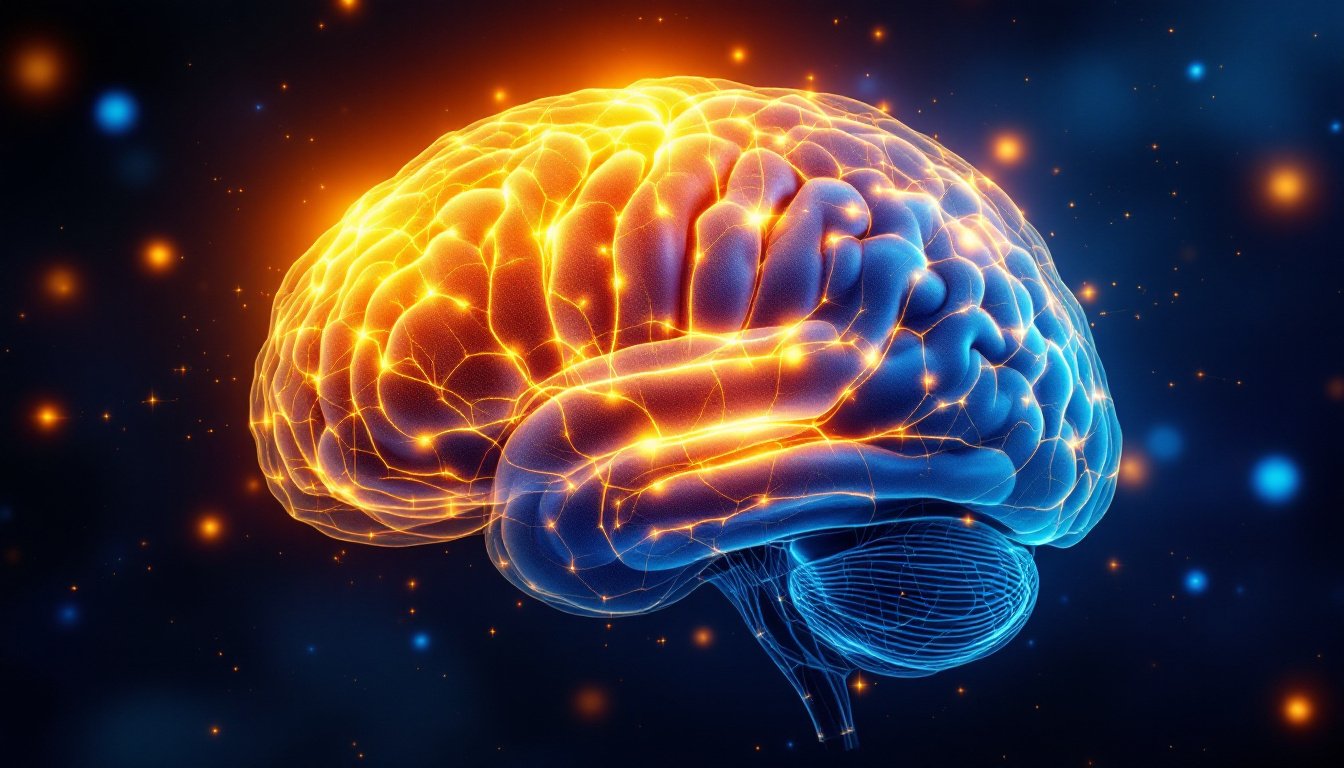
Before exploring natural remedies for anxiety, it helps to understand what anxiety actually is at a physiological level — because this knowledge makes every remedy in this guide make more sense.
Anxiety is, at its core, your brain’s threat-detection system misfiring. The amygdala — your brain’s alarm center — triggers the hypothalamic-pituitary-adrenal (HPA) axis, flooding your body with cortisol and adrenaline. This is brilliant when you’re facing a real danger. It becomes a problem when it fires constantly in response to emails, social situations, or the news.
When the HPA axis is chronically overactivated, the results ripple through your entire body:
- Cortisol suppresses GABA production — GABA is your brain’s primary calming neurotransmitter. Less GABA = more anxiety, more racing thoughts, more difficulty sleeping.
- Chronic sympathetic dominance reduces heart rate variability (HRV), a key marker of nervous system flexibility and resilience.
- Elevated cortisol disrupts the gut microbiome, reducing the diversity of beneficial bacteria that produce serotonin and other mood-regulating compounds.
- Inflammatory cytokines rise, and research published in JAMA Psychiatry (2023) links systemic inflammation with anxiety severity.
Why does this matter? Because the most effective natural remedies for anxiety work through these same pathways — they support GABA production, activate the parasympathetic nervous system, reduce cortisol, and restore gut microbiome diversity. They work with your biology, not against it.
The distinction matters when choosing your approach. Nervine herbs act quickly to calm acute symptoms. Adaptogens work over weeks to downregulate the HPA axis. Breathwork shifts your nervous system within seconds. And gut-focused interventions may take several weeks but can create lasting neurochemical change. Together, they form a comprehensive natural approach to anxiety relief.
Natural Remedies for Anxiety: The Nervine Herbs That Calm Your Nervous System
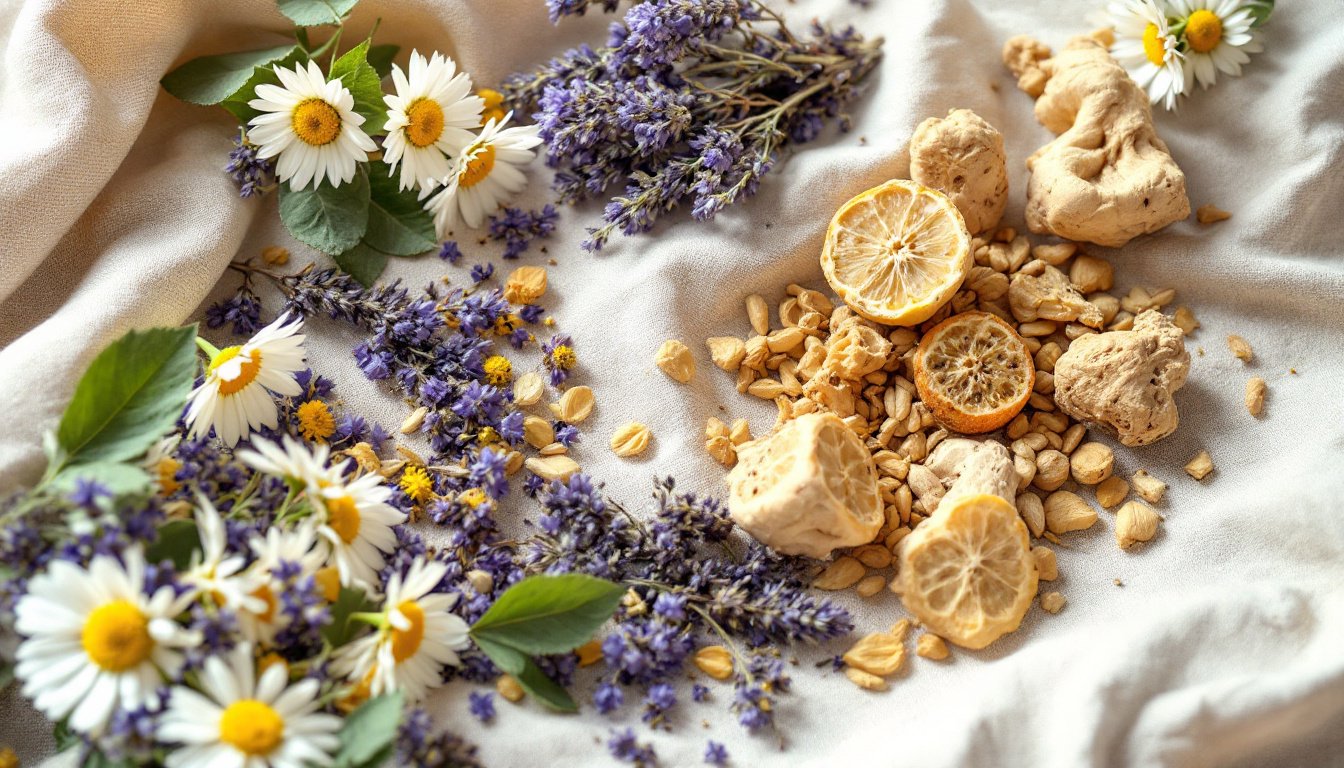
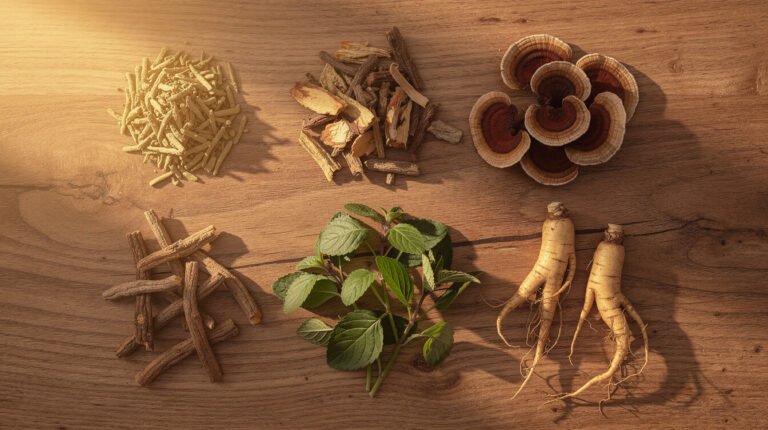
Nervine herbs are plants that specifically support nervous system function, and many have been studied for their effects on anxiety. What makes them different from general “calming” herbs is their direct action on GABA receptors — the same pathway targeted by benzodiazepine medications, but through gentler, naturally-occurring compounds.
Here are the most well-researched nervine herbs for anxiety:
Chamomile (Matricaria chamomilla)
Chamomile’s active compound apigenin binds to GABA-A receptors, producing a gentle calming effect. A 2016 randomized controlled trial published in Phytomedicine found that long-term chamomile extract use significantly reduced generalized anxiety disorder (GAD) symptoms compared to placebo — and those who stopped taking it had significantly higher relapse rates. Dose: 220–1,100 mg standardized extract daily, or 1–4 cups of strong chamomile tea.
Passionflower (Passiflora incarnata)
Chrysin and other flavonoids in passionflower bind to benzodiazepine receptors within GABA-A complexes. A study in the Journal of Clinical Pharmacy and Therapeutics found passionflower as effective as oxazepam (a prescription anxiolytic) for generalized anxiety, with significantly fewer side effects including impaired job performance. Dose: 400–800 mg standardized extract, or passionflower tea 1–2 cups daily.
Lemon Balm (Melissa officinalis)
Lemon balm works through a unique mechanism: it inhibits GABA transaminase, the enzyme that breaks down GABA, effectively extending the calming effect of your brain’s own GABA production. Research published in Psychosomatic Medicine showed that lemon balm significantly reduced anxiety and improved mood in young adults under laboratory stress. Dose: 300–600 mg standardized extract, or combined with valerian.
Lavender (Lavandula angustifolia)
Lavender’s primary compound linalool acts on both GABA and NMDA receptors, and oral lavender extract (sold as Silexan in Europe) has been shown in multiple RCTs to reduce generalized anxiety scores. A meta-analysis in Phytomedicine (2014) found oral lavender significantly superior to placebo. Aromatherapy with lavender also shows measurable HRV improvements. Dose: 80 mg oral lavender extract, or aromatherapy via diffuser.
Valerian Root (Valeriana officinalis)
Valerian’s valerenic acid inhibits the breakdown of GABA and may also activate serotonin receptors. It’s particularly useful for the sleep-anxiety cycle — when anxiety disrupts sleep and poor sleep amplifies anxiety. Valerian is most effective when used consistently for 2–4 weeks. Dose: 300–600 mg standardized extract before bed. For more on herbal remedies and how nervine plants work, our comprehensive guide covers the full spectrum of therapeutic botanicals.
Important note: These herbs are generally safe for short-term use but may interact with medications including antidepressants, anticoagulants, and sedatives. Always consult with a qualified health practitioner before starting any herbal protocol alongside existing medications.
Adaptogens for Anxiety: Building Long-Term Stress Resilience
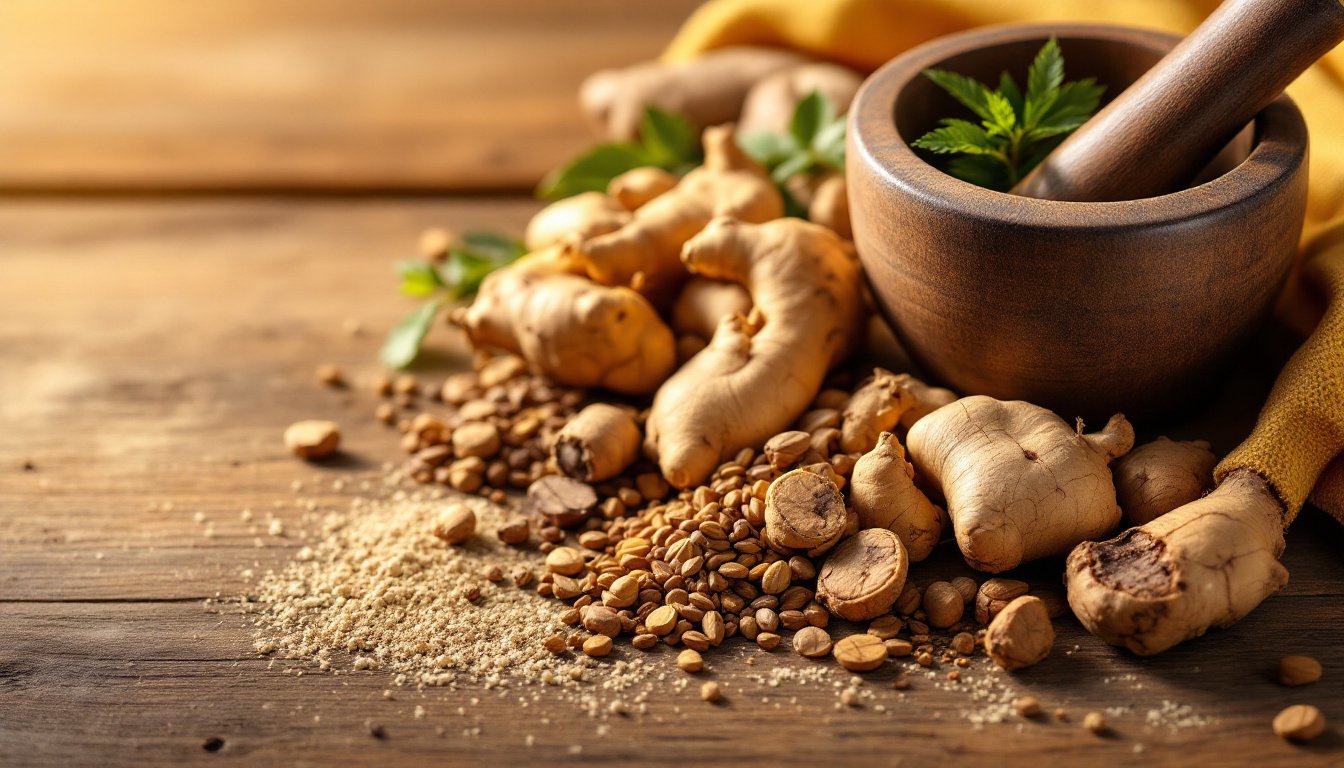
Where nervine herbs address anxiety symptoms in the moment, adaptogens work over weeks and months to fundamentally recalibrate your stress response system. Understanding this distinction is crucial to building an effective natural protocol.
Adaptogens are defined by three characteristics: they must be non-toxic at normal doses, they must produce a non-specific stress response, and they must normalize body functions. Their key mechanism is modulation of the HPA axis — essentially lowering your stress thermostat so the same triggers produce a calmer response over time.
Ashwagandha (KSM-66 extract)
The most extensively studied adaptogen for anxiety, ashwagandha’s withanolides help downregulate the HPA axis. A landmark 2012 study in the Indian Journal of Psychological Medicine found that ashwagandha root extract reduced perceived stress scores by 44% and cortisol levels by 27.9% compared to placebo over 60 days. A 2021 meta-analysis in PLOS One confirmed these findings across 5 RCTs. Use KSM-66 standardized extract (≥5% withanolides) for clinical-level evidence. Dose: 300–600 mg daily, morning or split morning/evening.
Rhodiola (Rhodiola rosea)
Rhodiola is particularly effective for burned-out anxiety — the exhausted, overwhelmed state that comes from prolonged stress. Its rosavins and salidroside reduce cortisol while supporting β-endorphin production. A Phytomedicine study (2012) found significant improvement in anxiety, stress, anger, and fatigue in subjects with burnout. Dose: 200–400 mg daily, in the morning (it can be energizing).
Holy Basil / Tulsi (Ocimum tenuiflorum)
Revered in Ayurveda as the “Queen of Herbs,” tulsi has been shown to reduce corticosterone levels and increase cognitive flexibility under stress. A 2012 study in the Journal of Ayurveda and Integrative Medicine found significant improvements in anxiety, depression, and stress after just 6 weeks. Tulsi tea is one of the most accessible forms. Dose: 300–600 mg standardized extract or 2–3 cups tulsi tea daily.
For a deeper exploration of how adaptogens work and how to choose the right one for your stress type, our guide to adaptogen supplements for stress provides detailed profiles of 8 key adaptogens with dose-by-purpose guidance. You can also explore our earlier adaptogens for stress guide for additional context on the science.
Breathwork and Mind-Body Techniques for Immediate Anxiety Relief
While herbs and supplements work over time, breathwork can shift your nervous system state within 30–60 seconds. This makes it the most immediately effective natural remedy for acute anxiety moments.
The science is clear: slow, controlled breathing directly activates your parasympathetic nervous system via the vagus nerve. It lowers cortisol, reduces heart rate, and increases heart rate variability — the physiological signature of a calm, resilient nervous system.
The Physiological Sigh: Your Fastest Tool
Research from Stanford University, published in Cell Reports Medicine (2023), identified the physiological sigh as the single most effective real-time stress reduction technique. The technique: take a deep inhale through your nose, then add a short second inhale to fully inflate the lungs, then exhale completely and slowly through your mouth. Do this 1–5 times when anxiety spikes. This technique deflates the alveoli that collapse during stress breathing, instantly shifting your nervous system state.
Box Breathing (4-4-4-4)
Inhale for 4 counts, hold for 4 counts, exhale for 4 counts, hold empty for 4 counts. Used by Navy SEALs for high-stress situations. Particularly useful for anticipatory anxiety — before presentations, difficult conversations, or social events. Practice for 4 minutes daily to build baseline parasympathetic tone.
4-7-8 Breathing
Inhale for 4 counts, hold for 7 counts, exhale for 8 counts. The extended exhale activates the parasympathetic nervous system via the vagus nerve. Dr. Andrew Weil’s research suggests that consistent practice over 4–8 weeks creates measurable changes in baseline HRV. Use this technique before sleep to break the anxiety-insomnia cycle.
Mindfulness-Based Stress Reduction (MBSR)
For those seeking a more structured approach, MBSR has the strongest evidence base of any mind-body intervention for anxiety. A 2022 study in JAMA Psychiatry found that 8-week MBSR was as effective as escitalopram (Lexapro) for generalized anxiety disorder. This is a significant finding: a natural, skill-based practice producing medication-equivalent outcomes. MBSR combines meditation, breathwork, and gentle yoga into a progressive 8-week program, available online and through certified instructors.
For detailed protocols with timing guides, our breathwork for stress relief guide covers 7 specific techniques. For a broader framework of nervous system support, see our guides on how to calm your nervous system and nervous system regulation techniques.
The Gut-Brain Connection: How Your Microbiome Affects Anxiety

One of the most underappreciated aspects of natural anxiety relief is the gut-brain axis. This bidirectional communication network connects your gut and brain through the vagus nerve, neurotransmitter pathways, and the immune system — and the health of your microbiome has a direct impact on anxiety levels.
Here’s what the research shows:
- 95% of your serotonin is produced in your gut, not your brain. Gut bacteria are essential to this production. A disrupted microbiome means disrupted serotonin synthesis.
- A 2011 study in Nature found that the probiotic strain Lactobacillus rhamnosus JB-1 significantly reduced anxiety-like behavior and altered GABA receptor expression in mice — through the vagus nerve.
- A 2019 clinical trial in Gastroenterology found that Bifidobacterium longum NCC3001 significantly reduced anxiety scores in IBS patients compared to placebo, with corresponding changes on fMRI brain scans.
- A landmark 2021 Stanford study in Cell found that a fermented food-rich diet increased microbiome diversity and reduced inflammatory cytokines — the same inflammatory markers associated with anxiety severity.
Dietary Strategies for Gut-Based Anxiety Support
Fermented foods daily: Kefir, yogurt with live cultures, sauerkraut, kimchi, and miso provide both probiotic bacteria and postbiotic compounds. Aim for 1–2 servings daily to support microbiome diversity.
Prebiotic diversity: Garlic, onions, asparagus, oats, and Jerusalem artichokes feed your beneficial gut bacteria. The American Gut Project found that eating 30+ different plants per week was the strongest predictor of microbiome diversity.
Omega-3 fatty acids: DHA and EPA from fatty fish, walnuts, and flaxseed support BDNF production (brain-derived neurotrophic factor), which promotes neuroplasticity and emotional resilience. A 2018 meta-analysis in JAMA Network Open found omega-3 supplementation significantly reduced anxiety symptoms.
Blood sugar stability: Unstable blood sugar creates anxiety-like physical symptoms (shakiness, heart pounding, irritability). Prioritize protein and healthy fats at each meal, limit refined carbohydrates, and avoid skipping meals. The blood-sugar-anxiety connection is real and largely overlooked.
For a deep dive into the gut-brain relationship, see our guide on the gut-brain connection. For sleep-anxiety cycle support, our sleep hygiene tips guide covers the bidirectional relationship between anxiety and sleep disruption.
🎁 Get a Free Wellness Gift
Enter your name and email below to receive a special wellness gift from OlyLife — absolutely free!
Natural Supplement Stack for Anxiety: What to Take, When, and How to Combine
Beyond herbs and diet, several specific supplements have strong evidence for anxiety support. Here’s a practical guide to building a natural anxiety supplement stack, with timing guidance.
Magnesium Glycinate
Magnesium is a cofactor for over 300 enzymatic processes, including GABA synthesis. Research suggests that up to 50% of adults are magnesium deficient — and deficiency directly impairs the GABA system. A 2017 review in Nutrients encompassing 18 studies found significant associations between magnesium intake and anxiety reduction. Magnesium glycinate offers high absorption with minimal digestive impact. Dose: 200–400 mg before bed. For comprehensive information on magnesium’s broader wellness benefits, see our magnesium benefits guide.
L-Theanine
This amino acid, found naturally in green tea, promotes alpha brainwave activity — the relaxed-but-alert state associated with meditation. A 2019 study in Nutrients found that 200 mg L-theanine significantly reduced stress responses and anxiety in healthy adults. Crucially, it doesn’t cause drowsiness — making it ideal for daytime anxiety. Dose: 100–200 mg as needed, or combined with 50–100 mg caffeine for focus without jitters.
Omega-3 (DHA + EPA)
As noted in the gut section, omega-3s support BDNF production and reduce neuroinflammation. The 2018 meta-analysis in JAMA Network Open found that doses above 2,000 mg/day EPA showed the strongest anxiolytic effects. Look for a supplement with a higher EPA:DHA ratio (3:1 EPA to DHA) for mood support. Dose: 1,000–2,000 mg total EPA+DHA daily with a meal.
Frequency Wellness: PEMF and Sound Healing for Anxiety
One of the most exciting emerging areas in natural anxiety support is frequency-based wellness. Research in Bioelectromagnetics has shown that PEMF (pulsed electromagnetic field) therapy at theta frequencies (4–8 Hz) may support parasympathetic nervous system activation — the same brainwave state associated with deep relaxation and anxiety reduction.
Similarly, theta binaural beats (4–7 Hz) have shown measurable reductions in state anxiety in clinical trials. The mechanism appears to involve brainwave entrainment — the tendency of brainwave frequency to synchronize with an external rhythmic stimulus. For those interested in how sound frequencies interact with anxiety and the nervous system, our guides on frequency healing and sound healing frequency provide the science behind these approaches.
If you’re looking to explore frequency wellness tools for anxiety support, our OlyLife shop offers devices designed specifically for home wellness use. For more on how these technologies complement natural approaches, the stress relief relaxation techniques guide covers how to integrate multiple modalities effectively.
Frequently Asked Questions About Natural Remedies for Anxiety
What are the fastest-acting natural remedies for anxiety?
For acute anxiety moments, the fastest natural approaches are: the physiological sigh (30–60 seconds), cold water on the face or wrists (activates the mammalian dive reflex, rapidly slowing heart rate), and grounding techniques (5-4-3-2-1 sensory awareness). For slightly longer relief, L-theanine works within 30–45 minutes, and lavender aromatherapy may produce measurable effects within 15–20 minutes of diffusion.
Can natural remedies for anxiety replace medication?
This depends entirely on the severity and type of anxiety, and is a question to explore with a qualified healthcare provider. For mild to moderate anxiety, natural approaches — particularly a combination of adaptogens, nervine herbs, breathwork, and gut health optimization — may provide significant relief. For moderate to severe anxiety, natural remedies work best as complements to professional care, not replacements. Never discontinue prescribed anxiety medication without medical supervision.
How long do natural remedies take to work?
It depends on the approach. Breathwork: immediate (seconds to minutes). Nervine herbs (chamomile tea, passionflower): 30–90 minutes. L-theanine: 30–45 minutes. Adaptogens (ashwagandha, rhodiola): 2–6 weeks of consistent use. Gut health interventions: 4–12 weeks for microbiome-level changes. Sleep optimization: noticeable improvement within 1–2 weeks. The most effective strategy layers immediate tools with long-term protocols.
Are herbal remedies safe to take with anxiety medications?
Some herb-drug interactions are significant. Valerian and kava may intensify the sedative effects of benzodiazepines. St. John’s Wort (often used for anxiety/depression) interacts with many medications including antidepressants. Passionflower may potentiate sedative drugs. Always disclose herbal use to your prescribing physician, and allow 2–4 weeks between starting a new herb and any medication changes.
What foods make anxiety worse?
The major anxiety-amplifying dietary factors are: excessive caffeine (amplifies sympathetic activation and disrupts sleep), alcohol (initially calming but disrupts sleep architecture and elevates cortisol the next day), refined sugar (blood sugar spikes followed by crashes trigger anxiety-like physical symptoms), ultra-processed foods (associated with higher inflammatory markers and anxiety severity), and insufficient protein (precursor to neurotransmitter synthesis).
Can PEMF therapy help with anxiety?
Early research is promising. PEMF at specific frequencies — particularly theta (4–8 Hz) and alpha (8–12 Hz) ranges — may support parasympathetic nervous system activation and reduce cortisol. The mechanism appears to involve modulation of ion channels and support for the body’s natural electromagnetic field regulation. While not a replacement for established natural remedies, PEMF represents an exciting complementary tool for the holistic anxiety wellness toolkit.
Building Your Daily Natural Anxiety Relief Protocol
The most effective approach to managing anxiety naturally isn’t a single remedy — it’s a layered daily protocol that combines immediate, medium-term, and long-term tools.
Morning (15–20 minutes): Begin with 5 minutes of breathwork (box breathing or 4-7-8) before checking your phone. Take your adaptogen supplement (ashwagandha or rhodiola) with breakfast. If using magnesium, save it for evening. Add L-theanine if cognitive clarity is needed. Eat a protein-forward breakfast to stabilize blood sugar.
Midday: During stressful moments, use the physiological sigh. Consider green tea with natural L-theanine rather than a second coffee. A 10-minute walk outdoors provides grounding, light, and gentle movement — all of which reduce cortisol.
Acute anxiety moments: Physiological sigh → cold water on face/wrists → 5-4-3-2-1 grounding (name 5 things you see, 4 you feel, 3 you hear, 2 you smell, 1 you taste). This sequence can interrupt an anxiety spiral within 2–3 minutes.
Evening: Chamomile or lemon balm tea. Magnesium glycinate (200–400 mg). 15–20 minutes of sound healing (theta binaural beats or 432 Hz music) while journaling or relaxing. Limit screens 60–90 minutes before sleep. Consistent bedtime — sleep deprivation is one of the most reliable anxiety amplifiers.
Weekly: Prioritize microbiome diversity through 30+ different plants. Consider an MBSR session or formal meditation practice. Review and notice which techniques are providing the most relief — natural anxiety management is personal, and what works best will be unique to your physiology and lifestyle.
Remember: anxiety is information, and natural remedies work best not as suppression tools but as ways to resource your nervous system so it can process life’s challenges with more grace and resilience. Be patient with yourself. Building genuine nervous system resilience through natural means takes time — but the results tend to be more durable than quick fixes. 🌿
This article is for educational purposes only and does not constitute medical advice. If you are experiencing significant anxiety that interferes with daily life, please consult a qualified mental health or medical professional.