
If stress has a habit of hijacking your day — a racing heart before a meeting, a knot in your stomach that won’t loosen, a mind that spins long after the lights go out — your nervous system may simply need a little help finding its way back to calm. That’s where vagus nerve exercises come in. These are simple, science-backed practices you can do anywhere to gently activate your body’s built-in relaxation response and shift out of “fight or flight” and into “rest and restore.”
In this complete guide, we’ll go far beyond the usual list of quick tricks. You’ll learn what the vagus nerve actually is, how to measure your own “vagal tone,” which exercises calm you instantly versus which ones build lasting resilience, how your gut quietly shapes the whole system, and how modern frequency wellness fits in. By the end, you’ll have a practical daily routine you can start today. 🌿
What Is the Vagus Nerve? Your Body’s Calm Command Center

The vagus nerve is the longest and most far-reaching nerve of your autonomic nervous system — the part that runs automatically in the background, governing your heartbeat, breathing, digestion, and stress response. Its name comes from the Latin word for “wandering,” and it earns it: this remarkable nerve wanders from your brainstem down through your neck and chest, branching out to your heart, lungs, and much of your digestive tract.
The vagus nerve is the main highway of your parasympathetic nervous system — often called the “rest and digest” branch. When it’s active, your heart rate slows, your breathing deepens, digestion switches on, and your body gets the signal that it’s safe to relax and repair. Think of it as the brake pedal to the sympathetic nervous system’s accelerator.
Here’s a detail most articles skip: roughly 80% of the vagus nerve’s fibers are afferent, meaning they carry information up from your body to your brain, not the other way around. Your brain is constantly “listening” to signals from your heart, lungs, and gut through the vagus nerve. This is exactly why physical practices — a slow exhale, a hum, a cool splash of water — can change how you feel so quickly. You’re not just thinking your way calm; you’re sending your brain a bottom-up message that all is well. If you’d like a broader picture of how these systems work together, our guide on how to calm your nervous system is a helpful companion read.
Understanding Vagal Tone (and How to Measure Yours)

You may have heard the phrase “vagal tone.” It refers to how active and responsive your vagus nerve is — essentially, how easily your body can shift into a calm state and how well it recovers after stress. People with higher vagal tone tend to feel calmer, bounce back from stressful moments faster, digest more comfortably, and sleep more soundly. The encouraging news is that vagal tone is not fixed. Like a muscle, it can be strengthened with consistent practice.
Heart rate variability: your vagal tone window
The most practical way to estimate vagal tone at home is through heart rate variability (HRV) — the tiny, natural variations in time between your heartbeats. It sounds counterintuitive, but a more variable heartbeat is generally a sign of a healthy, adaptable nervous system. When the vagus nerve is engaged, your heart rate subtly rises on the inhale and falls on the exhale, producing higher HRV. Many wearables and smartphone apps now estimate HRV, and tracking it over weeks can show whether your practices are paying off. Just remember to compare your own numbers over time rather than to anyone else’s.
Reading your nervous system’s “states”
Polyvagal theory, developed by researcher Dr. Stephen Porges, offers a useful map of the states your nervous system moves through. In simple terms, there’s a ventral vagal state of safety and social connection (calm, open, engaged), a sympathetic state of mobilization (anxious, wired, fight-or-flight), and a dorsal vagal state of shutdown (numb, exhausted, checked-out). Vagus nerve exercises are, in essence, tools for guiding yourself back toward that ventral state of calm connection. Learning to notice which state you’re in is the first step — and often a relief in itself, because it turns a vague sense of “something’s wrong” into something you can actually work with.
Signs your vagal tone may need some support
Because low vagal tone rarely announces itself directly, it’s worth knowing the everyday clues. While none of these are diagnostic on their own, many people with a stressed, under-toned system notice a cluster of them:
- Feeling “stuck” in stress — your body stays keyed-up long after a stressful event has passed, and it’s hard to downshift.
- Digestive discomfort — bloating, sluggish digestion, or a stomach that reacts strongly to stress, since the vagus nerve helps run the show down there.
- Poor stress recovery — small setbacks feel disproportionately overwhelming, and it takes a long time to feel settled again.
- Restless sleep and low mood — trouble winding down at night or a persistently flat, anxious baseline.
- Low heart rate variability — if you track HRV, consistently low numbers may reflect a nervous system that’s rarely getting to rest.
If several of these sound familiar, take heart: the practices in the rest of this guide are designed precisely to help your system relearn how to relax. And if symptoms are significant or persistent, a conversation with a qualified healthcare provider is always a wise next step.
Quick Vagus Nerve Exercises for Instant Calm

When you need to settle your system in the moment — before a presentation, after an argument, or when anxiety flares — these fast-acting vagus nerve exercises can help within seconds to minutes. They work by directly stimulating vagal pathways in your throat, face, and lungs.
Extended-exhale breathing
This may be the single most reliable way to activate the vagus nerve. Breathe in gently for a count of four, then exhale slowly for a count of six to eight. The key is making your exhale longer than your inhale, because the vagus nerve exerts its calming influence primarily as you breathe out. Just a few minutes of this slow, extended-exhale breathing can noticeably lower your heart rate and quiet mental chatter. For more variations, explore our dedicated guide to breathwork for stress relief.
The physiological sigh
Popularized by neuroscience research from Stanford, the physiological sigh is a fast reset: take a normal inhale through your nose, then add a second short “sip” of air on top to fully inflate your lungs, and finally release a long, slow exhale through your mouth. Two or three rounds can quickly take the edge off acute stress.
Humming, chanting, or singing
The vagus nerve connects to your vocal cords and the muscles at the back of your throat, so the vibration of humming, chanting “om,” gargling, or even belting out a favorite song gently stimulates it. It’s a wonderfully accessible practice — you can hum in the car or the shower and no one will know you’re doing nervous-system training.
Gargling and gentle cold exposure
Vigorously gargling water for 30 seconds activates the same throat muscles the vagus nerve supplies. Cold exposure works too: splashing cool water on your face, ending a shower with 30 seconds of cold, or pressing a cool compress to your neck and chest triggers the “diving reflex,” which slows the heart and shifts you toward calm. Start gently and always listen to your body.
Vagus Nerve Exercises That Build Lasting Vagal Tone
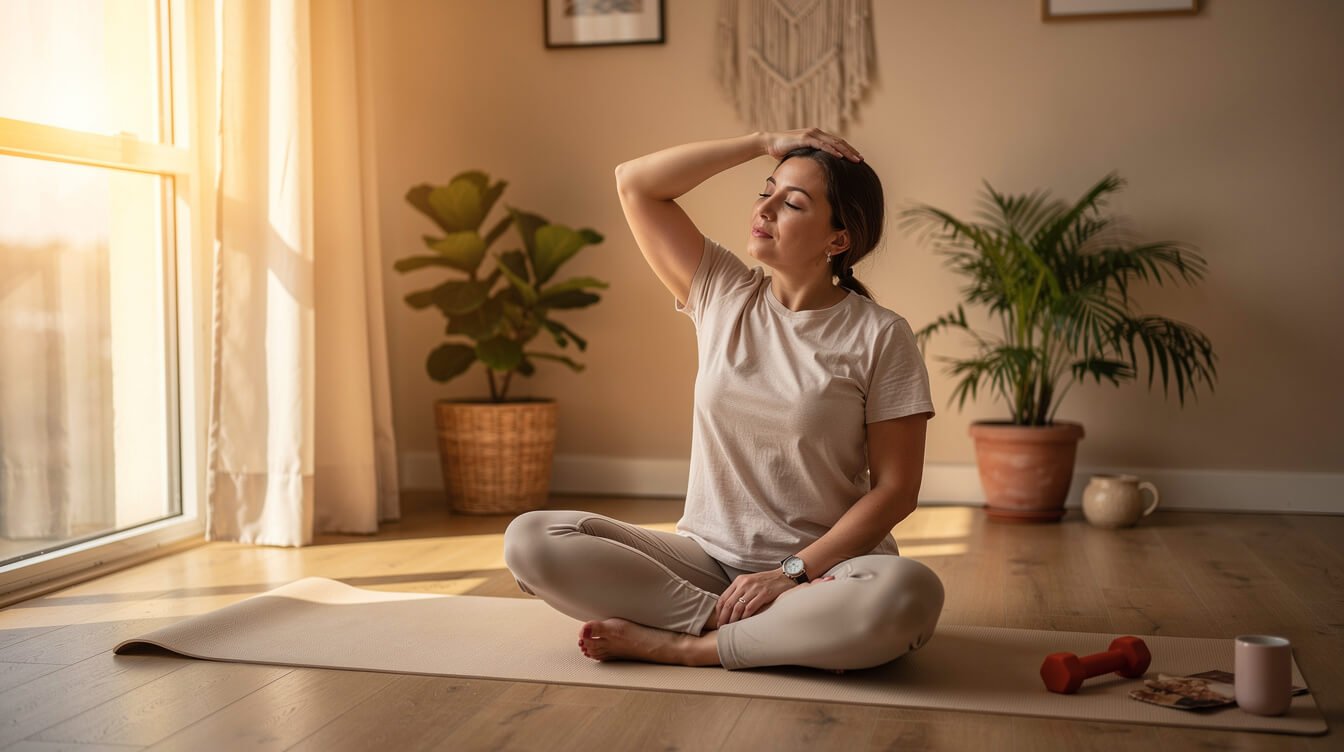
Quick resets are wonderful in the moment, but the deeper reward comes from raising your baseline vagal tone over time. These practices are less about instant relief and more about training your nervous system to default to calm. Consistency matters far more than intensity here.
Slow, mindful movement
Gentle yoga, tai chi, qigong, and unhurried walking all combine rhythmic breathing with mindful attention, a powerful combination for vagal tone. The gentle neck and spinal movements in yoga may be especially supportive given the vagus nerve’s path through the neck. Our overview of nervous system regulation techniques offers more ways to weave movement into your day.
Meditation and loving-kindness practice
Regular meditation has been associated with improved HRV, and practices that cultivate warmth and connection — such as loving-kindness meditation — may nudge you toward that ventral vagal state of safety. Even five to ten minutes a day can build the habit. If you’re new to it, our guide to the benefits of meditation is a gentle place to begin.
Connection, laughter, and rest
Because the vagus nerve underpins our sense of social safety, genuine connection is itself a vagal tonic. Warm conversation, laughter, affectionate touch, and time with people who make you feel at ease all support the system. So does quality sleep, which allows your parasympathetic nervous system to do its restorative work — you’ll find plenty of support in our sleep hygiene tips.
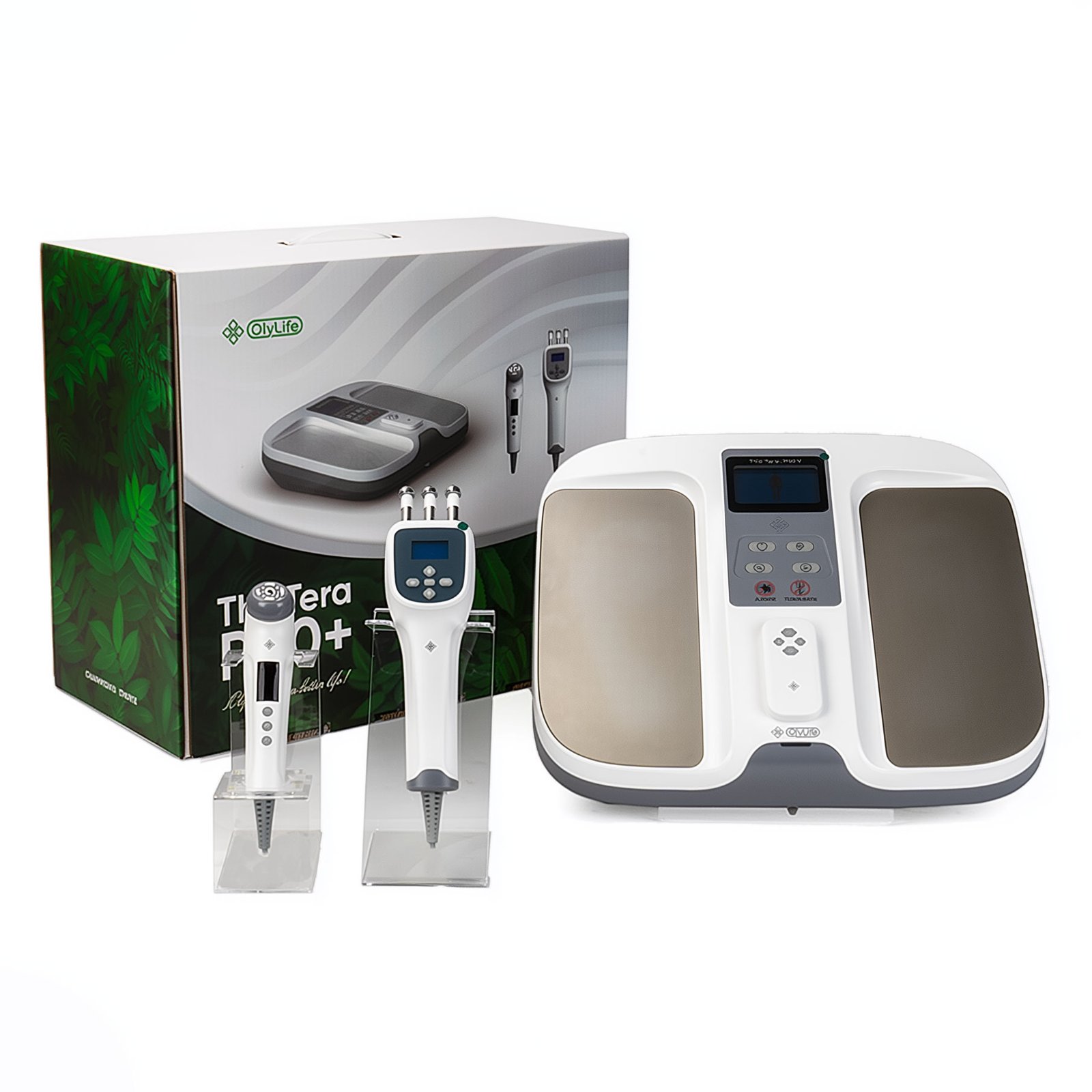
Many people like to pair these habits with supportive wellness tools. If you’re building a home calm ritual, the OlyLife THz Tera-P90+ combines gentle PEMF and terahertz frequencies that some people use as part of a relaxing, parasympathetic-supporting wind-down — a modern companion to the breath and movement practices above.
🎁 Get a Free Wellness Gift
Enter your name and email below to receive a special wellness gift from OlyLife — absolutely free!
The Gut-Vagus Axis: Feeding Your Nervous System

Here’s a connection almost every other article overlooks: a huge share of vagal fibers link your brain directly to your gut, making the vagus nerve the main communication cable of the famous gut-brain axis. This is why butterflies, “gut feelings,” and stress-related digestive upset are so real — your belly and brain are in constant conversation, and the vagus nerve is the line they talk on.
The trillions of microbes living in your gut can influence this chatter. Research suggests certain beneficial bacteria may produce or influence neurotransmitters like GABA and serotonin, and some of these signals travel to the brain by way of the vagus nerve. In other words, tending your microbiome may be an indirect way of supporting vagal balance.
Practical, food-first ways to nurture the gut-vagus connection include eating fiber-rich plants that feed beneficial bacteria, enjoying fermented foods like yogurt, kefir, sauerkraut, kimchi, and miso, and easing back on ultra-processed foods and excess sugar that can disrupt microbial balance. Eating slowly and mindfully also helps, since the vagus nerve orchestrates digestion best when you’re relaxed rather than rushing. For a deeper look, see our guide to the gut-brain connection, and if anxiety is part of your picture, our guide to natural remedies for anxiety explores this same axis in more detail.
Support Your Calm Ritual with Frequency Wellness
The OlyLife THz Tera-P90+ pairs gentle PEMF and terahertz frequencies with your breath and movement practice — a soothing way to round out a parasympathetic-supporting wind-down at home.
Frequency Wellness and the Vagus Nerve
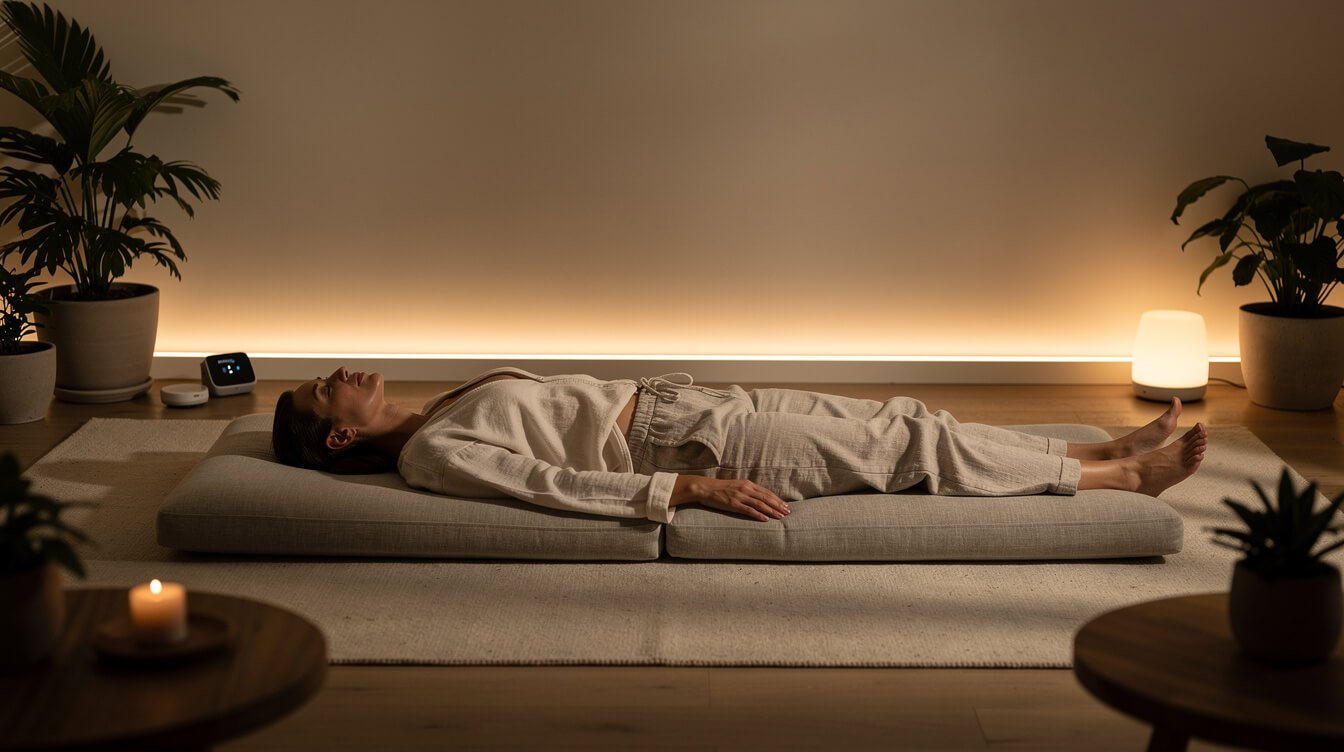
One of the most exciting frontiers in nervous-system care sits at the intersection of ancient calming practices and modern frequency wellness. The same principle that makes humming soothing — rhythmic vibration and gentle stimulation — shows up across several contemporary approaches.
Sound and vibration. Slow, resonant sound has long been used to invite relaxation, and gentle vibration may help stimulate the vagus nerve’s connections in the throat and chest. If this intrigues you, our guides to sound healing frequency and frequency healing explore how tone and vibration are traditionally used to support calm.
PEMF and low-frequency support. Pulsed electromagnetic field (PEMF) wellness works with gentle low-frequency fields, and many people gravitate toward frequencies near the Earth’s natural Schumann resonance of about 7.83 Hz as part of a grounding, relaxing routine. You can learn more in our complete guide to PEMF therapy benefits.
Auricular (ear) stimulation. A branch of the vagus nerve reaches the outer ear, which is why gentle ear massage — and, in clinical settings, transcutaneous auricular vagus nerve stimulation (taVNS) — is an area of growing interest. At home, simply massaging the little ridges of your ears for a minute can be a pleasant, accessible practice. As always, these are supportive wellness approaches rather than treatments for any medical condition.
Your Daily Vagus Nerve Routine
The magic of vagus nerve exercises isn’t in any single technique — it’s in weaving small, consistent practices through your day so your nervous system learns that calm is its home base. Here’s a simple framework you can adapt to your own rhythm.
- Morning: Begin with two to three minutes of extended-exhale breathing before you reach for your phone. A little natural light and gentle movement — a few yoga stretches or a short walk — sets a grounded tone for the day.
- Midday: Use a brief reset when stress peaks — a round of physiological sighs, 30 seconds of humming, or a cool splash of water on your face. Eat lunch slowly and without screens to let your gut-vagus axis do its work.
- Evening: Wind down with a longer practice — meditation, gentle stretching, a warm gargle while brushing your teeth, or a relaxing frequency-wellness session. Dim the lights and let your parasympathetic system take over so sleep comes more easily.
Start with just one or two of these and build gradually. Small, repeated signals of safety add up to a more resilient, responsive nervous system over time. For a wider toolkit of calming methods, our guide to stress relief relaxation techniques pairs beautifully with this routine.
Frequently Asked Questions About Vagus Nerve Exercises
How long does it take for vagus nerve exercises to work?
Acute practices like extended-exhale breathing or a physiological sigh can help you feel calmer within seconds to a few minutes. Building lasting vagal tone, however, is more like training a muscle — most people notice a steadier baseline after a few weeks of consistent daily practice.
How often should I practice vagus nerve exercises?
Little and often works best. Brief practices sprinkled throughout the day — a few minutes in the morning, a quick midday reset, and a longer wind-down in the evening — tend to be more effective than one long session. Consistency is the real key.
Can vagus nerve exercises help with anxiety and stress?
Many people find that these practices help them feel calmer and more grounded, and research on breathing, meditation, and HRV is encouraging. That said, they are supportive wellness tools, not a substitute for professional care. If anxiety is persistent or overwhelming, please reach out to a qualified healthcare provider.
Are vagus nerve exercises safe for everyone?
Most gentle practices — slow breathing, humming, mindful movement — are widely considered safe. Use extra care with intense cold exposure or vigorous breathing techniques, especially if you’re pregnant or have a heart condition, and check with your doctor if you’re unsure. Always ease in gently and listen to your body.
What are the signs of a healthy vagus nerve?
Signs often associated with good vagal tone include feeling calm and grounded most of the time, recovering quickly after stress, comfortable digestion, steady mood, and restful sleep. Higher heart rate variability is another common marker.
Final Thoughts: Coming Home to Calm
Your vagus nerve is a quiet, ever-present ally — a built-in pathway back to calm that you can access anytime with nothing more than your breath, your voice, and a little intention. The beauty of vagus nerve exercises is how gentle and accessible they are: no special equipment required, no gym membership, just small moments of care woven through your day.
Start where you are. Choose one practice from this guide — perhaps a few slow exhales before bed tonight — and let it become a habit. Over time, these small signals of safety teach your whole system that it’s okay to soften. That’s not just relaxation; it’s resilience, built one calm breath at a time. 🌿