If persistent aches have you searching for gentle, drug-free ways to feel better, you have probably come across the idea of a PEMF mat for pain relief. These full-body mats use pulsed electromagnetic fields — the same technology found in some clinical settings — and promise to support the body’s own recovery while you simply lie down and relax. It sounds almost too easy, which is exactly why it deserves an honest, thorough look.
In this guide, we will walk through how a PEMF mat may work at the cellular level, what the research actually shows (and where it is still thin), which kinds of discomfort people most often reach for it to soothe, and how to use one safely and effectively. Our goal is not to overpromise, but to help you make a calm, informed decision. As always, a PEMF mat is a wellness tool that may support how you feel — it is not a substitute for medical care.
What Is a PEMF Mat, and How Might It Ease Pain?
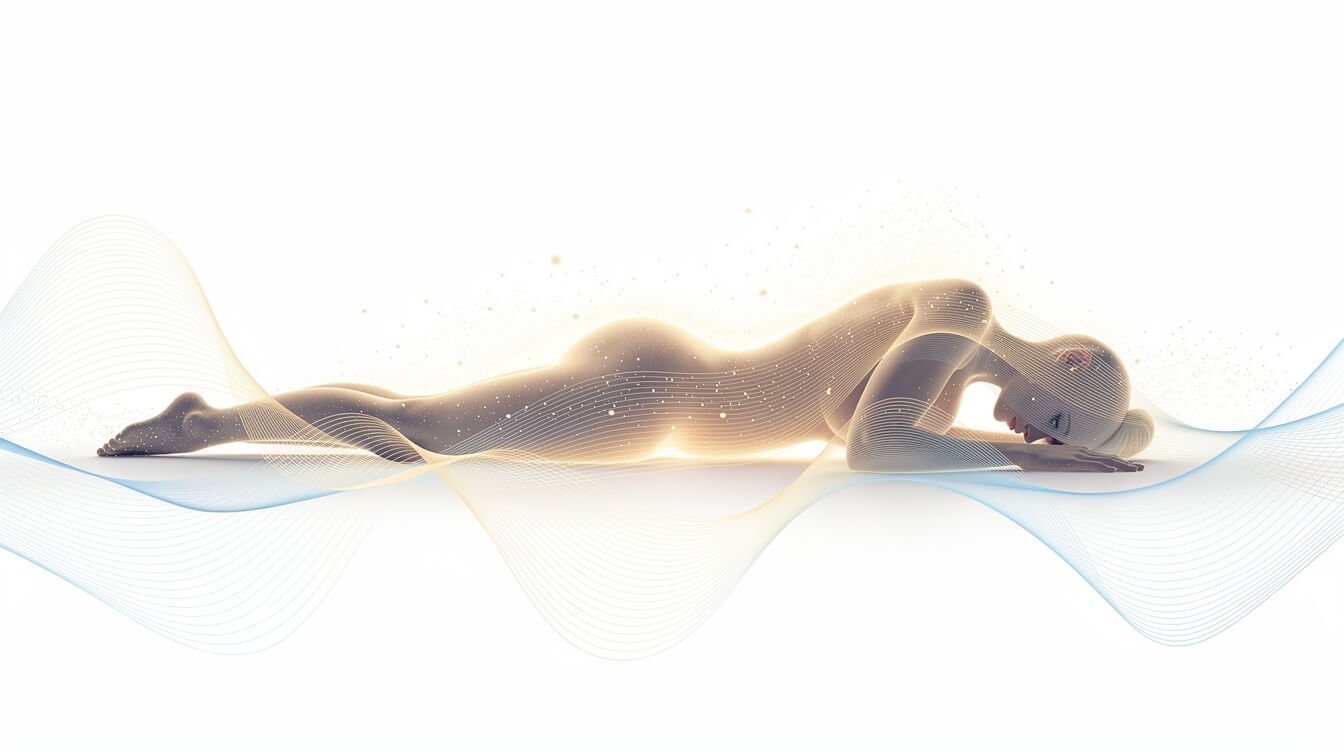
A PEMF mat is a padded mat embedded with copper coils that generate pulsed electromagnetic fields — low-frequency magnetic pulses that pass gently and painlessly through the body. Many mats pair these pulses with far-infrared heat and, in some cases, soothing gemstones, but the electromagnetic pulse is the heart of the technology. You lie down, choose a program, and rest for 20 to 30 minutes while the mat does its quiet work.
The core idea comes from how our cells behave. Every cell carries a small electrical charge across its membrane, and researchers suggest that this charge can dip when tissue is stressed, inflamed, or slow to heal. PEMF is thought to interact with that cellular environment in a few ways that may be relevant to comfort and recovery:
- Supporting cellular energy. Research suggests pulsed fields may influence the movement of ions like calcium across cell membranes, which plays a role in how cells produce and use energy.
- Encouraging healthy circulation. Better microcirculation means more oxygen and nutrients reaching tired tissue — a plausible reason many people describe a warm, loosened feeling afterward.
- Calming the stress response. Lying still under gentle warmth and pulsation nudges the body toward a “rest-and-digest” state, and a calmer nervous system often perceives discomfort differently.
It helps to think of PEMF less as something that “zaps away” a specific ache and more as a way to create a supportive environment for the body’s own repair processes. If you want the deeper science behind the technology itself, our complete guide to PEMF therapy benefits breaks it down step by step, and our broader PEMF mat benefits guide covers uses beyond discomfort alone.
Why the infrared heat matters
Many modern PEMF mats layer in far-infrared warmth, and that pairing is more than a comfort feature. Gentle heat naturally encourages blood vessels to relax and open, which supports the same circulation that PEMF is thought to promote. When warmth and pulsation work together, muscles tend to soften more readily, and the experience simply feels more soothing — which makes it far easier to relax fully and stay consistent. If you already appreciate warmth-based comfort, PEMF may feel like a familiar, welcome extension of that.
What the Research Says About Using a PEMF Mat for Pain Relief

Here is where honesty matters. Pulsed electromagnetic field therapy has genuinely encouraging research behind it — but most of the strongest studies used clinical-grade devices in supervised settings, not the consumer mats you buy for home. It is important to hold both truths at once: the mechanism is promising, and the evidence for at-home mats specifically is still developing.
Some of the more studied areas include:
- Knee osteoarthritis. Several controlled trials and reviews have explored PEMF for knee osteoarthritis, with some reporting improvements in comfort and function. Results are mixed, and researchers frequently call for larger, higher-quality studies.
- Low back discomfort. Small studies suggest PEMF may support people with ongoing low back tension, though findings vary by device and protocol.
- Post-exercise recovery. Some research on delayed-onset muscle soreness suggests pulsed fields may help muscles feel less stiff after intense activity.
- Fibromyalgia and widespread tenderness. A handful of studies point to possible benefits for quality of life, but this remains an area where evidence is early.
The fair takeaway: PEMF is considered generally low-risk and non-invasive, and many people report feeling better using it. But “research suggests” is not the same as “proven to treat,” and reputable coverage — including a candid look from major outlets — reminds us that rigorous trials on home mats specifically have not yet been done. We share that perspective openly because trust matters more than hype. A PEMF mat may be a lovely addition to your routine; it should complement, not replace, guidance from a qualified professional.
How to read PEMF claims wisely
When you compare mats online, you will meet a lot of confident language. A simple filter helps: favor sources that describe support rather than cures, that acknowledge where evidence is limited, and that cite the type of device a study actually used. A clinical trial on a powerful medical system does not automatically transfer to a mat on your bedroom floor. This is not a reason to be cynical — pulsed electromagnetic fields are a real and actively researched field — but it is a reason to keep expectations grounded. The people who tend to be happiest with a PEMF mat are the ones who approach it as a calming daily ritual, not a guaranteed cure, and who notice small, cumulative improvements in how relaxed and comfortable they feel.
PEMF Mat for Pain Relief by Type: Back, Joints, Muscles and More

Most guides lump every ache together, but the way you use a PEMF mat can shift depending on what is bothering you. Here is how people commonly approach different types of discomfort. (None of the following are medical claims — they simply describe how the mat is typically used.)
Lower back and general body tension
The full-body mat shines here. Lying flat lets the pulses reach the large muscle groups along the spine and hips. Many people combine the mat’s infrared warmth with slow breathing to help the back muscles release. If tension is tied to stress, pairing sessions with the techniques in our guide on how to calm your nervous system can make the whole experience more restorative.
Stiff or aching joints
For knees, hips, or shoulders, people often position the achy joint directly over the mat’s coils, or use a smaller targeted PEMF pad if their mat includes one. Because circulation and gentle warmth are part of the appeal, joints that feel better with heat tend to pair naturally with PEMF sessions.
Tired, overworked muscles
After a hard workout or a long day on your feet, a 20-minute session may help muscles feel less tight. Think of it as an unhurried cool-down for your whole body rather than a quick fix.
Nerve-related tension and restlessness
Some people are drawn to PEMF when discomfort feels less like a sore muscle and more like a buzzing, restless tension. Because lying under gentle pulsation and warmth encourages the nervous system to downshift, sessions can double as a wind-down practice. If your discomfort tends to spike when you are stressed or under-slept, this calming angle may be as valuable as anything happening at the tissue level.
Everyday inflammation and slow recovery
Since PEMF is thought to support circulation and cellular repair, many use it as a consistent daily ritual rather than only when something flares. Layering in anti-inflammatory habits — like the meals in our anti-inflammatory foods recipes and the traditional support of turmeric — can complement the practice beautifully.
How to Use a PEMF Mat for Pain Relief: A Simple Routine

Getting the most from a PEMF mat is less about intensity and more about consistency and comfort. A simple, repeatable routine tends to serve people best.
- Start low and gentle. Begin with a low-intensity, low-frequency program. Lower frequencies (often in the single digits up to around 30 Hz) are typically associated with relaxation and recovery, while higher settings feel more energizing.
- Keep sessions to 20–30 minutes. Once or twice a day is plenty for most people. More is not automatically better.
- Position the mat toward the discomfort. Lie so the area you want to support rests over the coils, or use a targeted pad for a specific joint.
- Add warmth and calm. If your mat has infrared heat, use it. Slow, extended exhales deepen the relaxation response.
- Hydrate and be consistent. Drink water before and after, and give any wellness routine several weeks before judging how it fits your life.
Because the benefits people seek — circulation, calm, cellular support — overlap with other frequency-based practices, some enjoy pairing a mat with complementary tools. OlyLife’s own approach lives in the OlyLife THz Tera-P90+, a smart system that combines PEMF with terahertz frequency technology for a whole-body wellness ritual — a natural option if you are drawn to this space but want an integrated device rather than a standalone mat. If you are curious how these frequencies fit together, our guide to frequency healing offers helpful context.
🎁 Get a Free Wellness Gift
Enter your name and email below to receive a special wellness gift from OlyLife — absolutely free!
How to Choose a PEMF Mat: A Practical Buyer’s Guide
PEMF mats range from budget models to premium systems, and the price gap can be dramatic. Knowing what actually matters helps you avoid overpaying — or under-buying. Keep these factors in mind:
- Intensity and frequency range. Look for a mat that offers adjustable intensity and a range of low-to-moderate frequencies, so you can tailor sessions to relaxation or recovery.
- Coil quality and coverage. More even coil distribution means the whole body is supported, not just a strip down the middle.
- Infrared heat. Optional, but many people find the added warmth makes sessions far more soothing for tense muscles.
- Size and portability. Full-body mats are wonderful at home; smaller pads suit targeted use and travel.
- Transparency and support. Choose brands that clearly state specifications, offer a solid warranty, and provide real customer support.
- Honest marketing. Be cautious of any mat promising to “cure” conditions. Trustworthy brands describe wellness support, not miracles.
Understanding the price tiers
Entry-level mats can be tempting, but very cheap models sometimes cut corners on coil quality, durability, or honest specifications. Mid-range and premium systems typically offer more adjustability, better build quality, and clearer support — which matters if you plan to use a PEMF mat for pain relief as a long-term daily habit rather than an occasional novelty. Rather than chasing the lowest price or the flashiest claims, aim for the best-made device your budget comfortably allows, and treat it as an investment in a consistent wellness ritual.
If you would rather explore an integrated PEMF-and-terahertz device than a traditional mat, the option below is where OlyLife focuses its own craftsmanship.
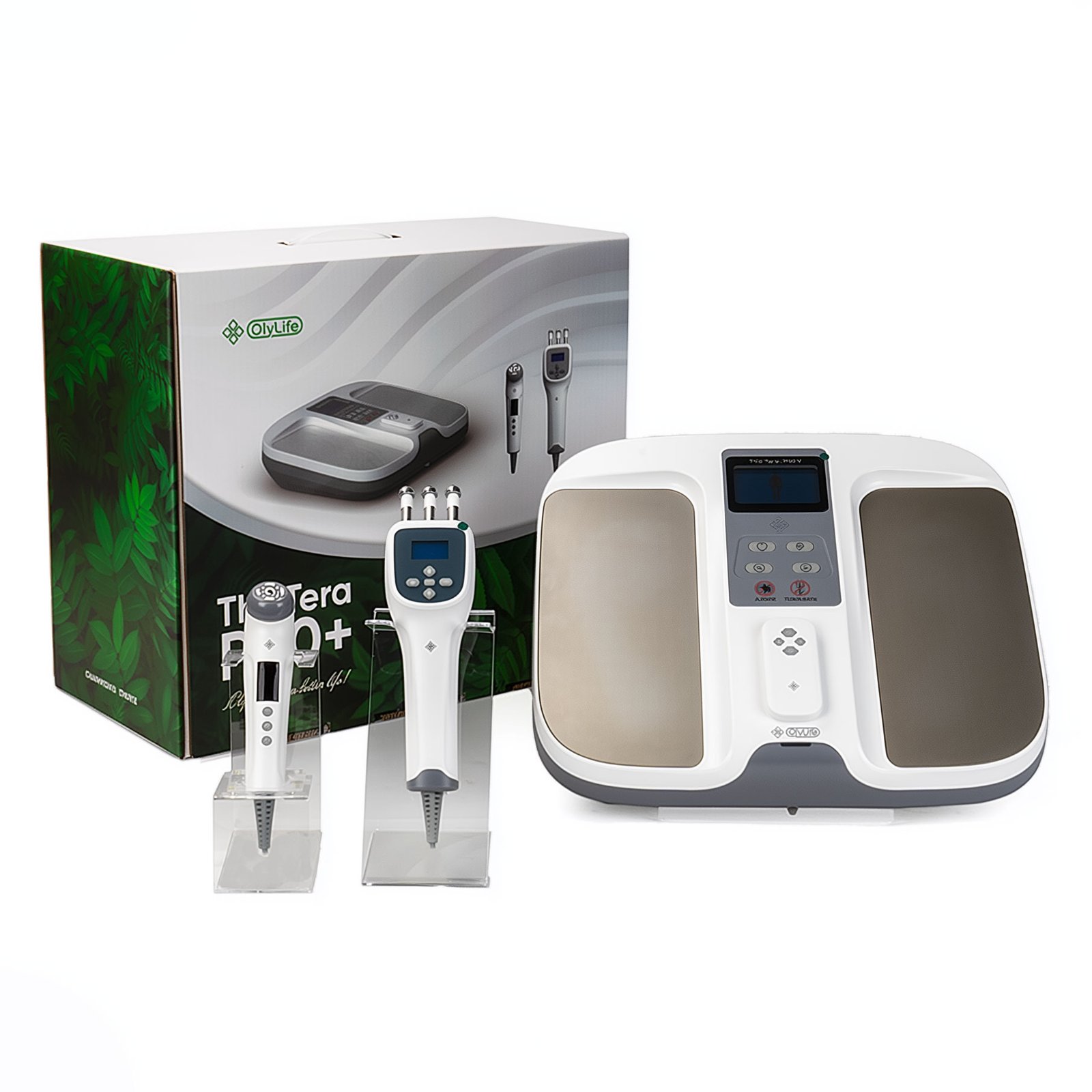
Bring PEMF Wellness Home
The OlyLife THz Tera-P90+ pairs pulsed electromagnetic fields with terahertz frequency technology in one elegant system — a calming daily ritual designed to support circulation, relaxation, and whole-body recovery.
Is a PEMF Mat Safe? Side Effects and Who Should Be Cautious

For most healthy adults, PEMF mats are considered gentle and non-invasive, and side effects are usually mild — occasionally people notice light-headedness or a temporary sense of being more tired or more energized as their body adjusts. Starting with short, low-intensity sessions helps.
That said, some people should check with a healthcare provider before using a PEMF mat, and a few should avoid it altogether:
- Anyone with an implanted electronic device such as a pacemaker, defibrillator, or insulin pump — electromagnetic fields can interfere with these devices.
- People who are pregnant, since PEMF has not been well studied in pregnancy.
- Those with epilepsy or a seizure history, who should seek medical guidance first.
- Anyone with active bleeding, a recent transplant, or a diagnosed condition — always loop in your doctor, especially if you take prescription medication.
Think of these as sensible guardrails rather than reasons for worry. Used thoughtfully, a PEMF mat sits comfortably alongside other calming, non-invasive practices — from red light therapy at home to grounding and better sleep habits — as part of a well-rounded wellness routine.
Frequently Asked Questions About PEMF Mats for Pain
Does a PEMF mat for pain relief really work?
Many people report feeling looser, calmer, and more comfortable after sessions, and the underlying research on pulsed electromagnetic fields is encouraging. However, most rigorous studies used clinical devices, and evidence for home mats specifically is still developing. It is best viewed as a supportive wellness practice that may help you feel better — not a guaranteed treatment.
How long before I might notice a difference?
Experiences vary widely. Some people describe a relaxed, warm feeling after a single session, while others use a mat consistently for several weeks before deciding how it fits their routine. Consistency tends to matter more than intensity.
Is it safe to use a PEMF mat every day?
For most healthy adults, once or twice daily for 20–30 minutes is a common and comfortable approach. If you have a medical condition, an implanted device, or are pregnant, speak with your healthcare provider first.
Should I choose a full-body mat or a smaller pad?
It depends on your goal. A full-body mat is ideal if you want whole-body relaxation and support for the back, hips, and large muscle groups, or if you like the idea of a daily reset. A smaller targeted pad is more convenient for focusing on one joint, working at a desk, or traveling. Many enthusiasts eventually own both, but if you are starting out, choose the format that matches where you most often feel discomfort.
How is a PEMF mat different from a TENS unit?
A TENS unit sends electrical current through surface electrodes to stimulate nerves directly, often to mask the sensation of discomfort. A PEMF mat instead delivers magnetic pulses across the whole body and is thought to support circulation and cellular processes rather than stimulate nerves through the skin.
Can a PEMF mat replace my pain medication?
No. A PEMF mat is a wellness tool that may complement a healthy lifestyle, but it is not a replacement for medical treatment or prescribed medication. Never change your care plan without consulting your doctor.
Final Thoughts: A Gentle Tool Worth Understanding
A PEMF mat for pain relief is one of those wellness tools that rewards a clear, level-headed approach. The technology is genuinely interesting, the practice is calming and low-risk for most people, and plenty of individuals feel it helps them move through their days more comfortably. At the same time, the research is still catching up, and the most trustworthy thing any brand can tell you is exactly that.
If you are drawn to the idea of supporting your body with gentle frequencies, start slow, stay consistent, keep your expectations grounded, and treat a PEMF mat as one supportive piece of a bigger, holistic picture — alongside nourishing food, restful sleep, movement, and stress care. When you are ready to explore an integrated PEMF and terahertz option, you can always discover the OlyLife THz Tera-P90+ and see whether it fits the rhythm of your wellness journey. 🌿