Red Light Therapy Dangers: Real Risks, Myths, and How to Use It Safely
Red light therapy has gone from dermatology clinics to bathroom shelves in just a few years. LED face masks, handheld wands and full-body panels now promise everything from smoother skin to faster recovery. With that popularity comes a fair question: is there a catch? If you’ve been searching for red light therapy dangers, you’re doing exactly what a thoughtful wellness consumer should do. The reassuring news is that red and near-infrared light have a strong safety record when used as directed. The honest news is that “generally safe” isn’t the same as “impossible to misuse.”
In this guide, we’ll walk through what research and safety reports actually show: the real risks to your eyes and skin, who should be more careful, why more light isn’t better, the hidden problems with poorly made devices, and which scary claims you can let go of. No fear-mongering and no hype, just clear information so you can enjoy light therapy with confidence. 🌿
Red Light Therapy Dangers: The Short Answer

Red light therapy, also called photobiomodulation (PBM), uses visible red light (roughly 620 to 700 nm) and invisible near-infrared light (roughly 800 to 880 nm). These wavelengths are very different from the ultraviolet (UV) light in sunlight and tanning beds. UV light carries enough energy to damage DNA. Red and near-infrared light don’t. Instead, research suggests they interact with light-sensitive molecules in your cells, especially in the mitochondria, which is why they’ve been studied for skin, muscle and joint wellness.
When researchers review the clinical trials, the safety picture is consistently good. A systematic review of LED therapy trials in dermatology described the side effects as mild and uncommon, mostly temporary redness or warmth. Serious adverse events in home-use studies are rare.
So where do the real red light therapy dangers come from? Almost always from one of four places:
- The eyes: bright light, especially invisible near-infrared, aimed at unprotected eyes for too long.
- Heat and contact: high-powered devices held too close or used too long, which can irritate or even burn skin.
- Individual circumstances: photosensitizing medications, certain health conditions, pregnancy, or children’s use.
- Device quality: cheap, unverified gadgets with overheating parts, inaccurate output claims, or even hidden UV.
Each of these is manageable once you know about it. Let’s look at them one by one.
Eye Safety: The Red Light Therapy Danger Worth Taking Seriously

If there’s one risk to take seriously, it’s your eyes. Your retina is designed to collect and focus light, which makes it more sensitive to intense light than your skin is.
Why near-infrared needs extra care
Visible red light is bright, so you naturally squint, blink or look away when it’s too intense. Near-infrared light is invisible. Your eyes don’t trigger that protective reflex, even though the light still reaches the back of the eye. Many panels and masks combine red and near-infrared LEDs, so a device can be delivering more light to your eyes than it appears to.
What the safety reports show
Two real-world examples help put this in perspective:
- The 2019 acne mask recall. In July 2019, Neutrogena voluntarily recalled its Light Therapy Acne Mask, which used red and blue light, citing a “theoretical risk of eye injury” for a small group of people with certain eye conditions or who take medications that increase light sensitivity in the eyes. The company said reports of visual effects were rare and mostly mild. The lesson: even consumer masks deserve respect around the eyes.
- Red-light myopia treatments in children. Repeated low-level red-light (RLRL) laser devices have been studied in some countries to slow nearsightedness in children. A 2023 case report in JAMA Ophthalmology described a 12-year-old who developed retinal changes and reduced vision after five months of this treatment, with only partial recovery after stopping. Later measurements suggested some commercial myopia devices may exceed recommended light exposure limits. These are laser devices aimed directly into the eye, which is very different from a face mask or body panel. Still, it shows that the retina can be harmed by repeated, direct red-light exposure.
Simple eye-safety habits
- Wear the opaque goggles that come with your device, or keep your eyes closed and use eye shields during face treatments.
- Never stare directly into a panel, wand or LED array, even briefly “to see if it’s on.”
- Be extra careful with near-infrared-only modes, since you can’t see how bright they are.
- If you have a retinal condition, glaucoma, or take medications that increase light sensitivity, talk to your eye doctor before using any light device near your face.
- Stop and seek advice if you notice blurred vision, spots, flashes or lasting eye discomfort.
For a deeper dive into wavelengths, our guide to infrared vs red light therapy explains why visible and invisible light behave so differently.
Skin Reactions, Heat and Burns
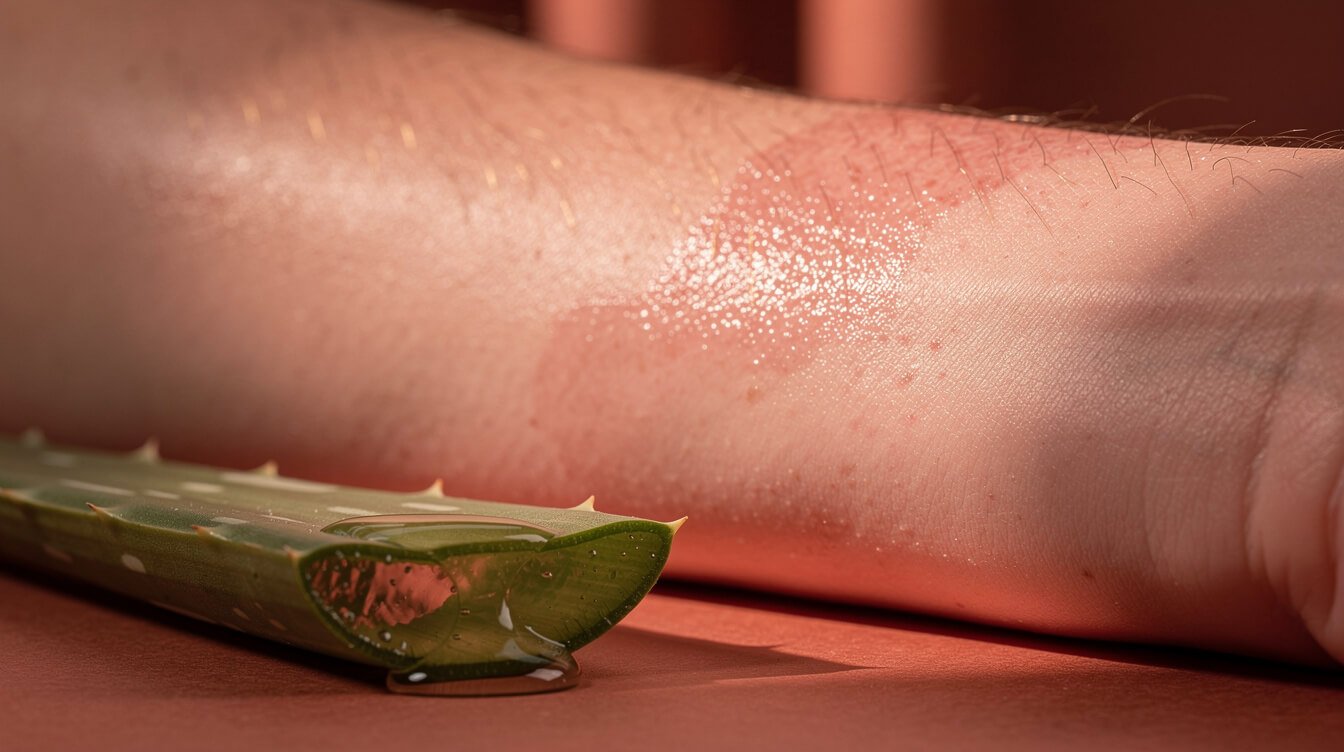
Your skin is where most people notice side effects, and thankfully, they’re usually mild and short-lived.
Common, temporary reactions
- Mild redness or warmth that fades within an hour or so.
- Tightness or dryness, especially if you also use active skincare such as retinoids or exfoliating acids.
- Temporary breakouts that some people report during the first few weeks of face masks. This usually settles, but persistent irritation is a signal to scale back.
Burns: rare but real
LEDs are far cooler than old-fashioned heat lamps, but high-powered panels and poorly designed devices can still get hot. Burns and blisters have been reported in a small number of cases, usually from one of these situations:
- Pressing a device directly against the skin when it’s designed to be used at a distance.
- Falling asleep under a panel or with a wrap on.
- Using the device much longer than recommended.
- A device that overheats because of poor build quality or damaged parts.
- Reduced sensation in an area (for example, from nerve damage), so you don’t feel heat building up.
Pigmentation and photosensitivity
If you’re prone to melasma or hyperpigmentation, especially with deeper skin tones, it’s worth starting very gently. Visible light, particularly blue and violet wavelengths, has been linked to pigment changes. Red light appears much less likely to cause this, but heat and irritation can also trigger pigmentation in sensitive skin.
Some medications and supplements make skin more reactive to light. Examples include certain antibiotics (such as doxycycline and other tetracyclines), isotretinoin, some diuretics, and the herbal supplement St. John’s wort. If you take any of these, ask your pharmacist or doctor whether light therapy is appropriate for you right now.
A helpful rule: warmth is normal, but heat that makes you want to move away is not. Your skin’s comfort is the best real-time safety gauge you have.
Who Should Be More Careful With Red Light Therapy?

For most healthy adults, red light therapy is low risk. For some people, though, a quick conversation with a healthcare provider first is the wise move. That’s not because red light is known to harm these groups. In most cases, it’s because there simply isn’t enough research to say it’s safe.
Pregnancy
There’s no evidence that red light therapy harms a pregnancy, but studies in pregnant women are very limited. Many practitioners suggest avoiding the abdomen and checking with your OB-GYN or midwife before using full-body panels.
Children and teens
Children’s eyes let more light reach the retina than adult eyes do, and the myopia case reports above involved children. Home light devices aren’t designed for kids. Keep them out of reach and don’t use them on children unless a specialist recommends it.
Cancer or unexplained skin changes
This is the area where online advice varies the most. On the reassuring side, a 2023 oncologic safety review in the Aesthetic Surgery Journal found no evidence that photobiomodulation causes cancer, and PBM is used under medical supervision in supportive cancer care, for example to help with mouth sores from treatment. On the cautious side, because light can stimulate cell activity, the common advice is to avoid shining it directly over a known or suspected tumor, and to have any new, changing or unusual mole checked by a doctor before treating that area. If you’re in cancer treatment or recovery, your oncology team should guide this decision.
Light-sensitivity conditions and epilepsy
People with conditions that cause sensitivity to light, such as lupus or porphyria, should get medical advice first. If you have photosensitive epilepsy or migraines triggered by light, avoid any device with flashing or pulsed modes, and keep sessions short.
The thyroid and the neck
Some people worry about treating the neck because the thyroid sits just below the skin. There’s no strong evidence of harm from typical consumer use, and some small clinical studies have even explored light therapy for thyroid conditions under medical care. Still, if you have a thyroid condition, it makes sense to check with your doctor before treating the front of your neck.
If any of these apply to you, our guide to red light therapy at home covers gentler ways to start once you have the green light from your care team.
Too Much of a Good Thing: Dose, Overuse and the Biphasic Response

One of the most overlooked red light therapy dangers isn’t harm in the dramatic sense. It’s overuse that quietly cancels out the benefits you were hoping for.
What “biphasic” means
Light therapy research consistently describes a biphasic dose response. In plain terms, a small to moderate dose of light appears to stimulate cells, but a much larger dose can have no effect or even an inhibitory one. Think of it like watering a plant: the right amount helps it thrive, but flooding it doesn’t make it grow faster.
That means doubling your session time or using your panel three times a day is unlikely to give you better results. It’s more likely to give you irritated skin, tired eyes or a headache.
The numbers that matter
- Irradiance (mW/cm²): how much light reaches your skin. It drops quickly as you move away from the device, which is why distance matters so much.
- Dose or fluence (J/cm²): irradiance multiplied by time. This is the total “amount” of light you receive.
- Frequency: how many sessions per week. Many studies used three to five sessions a week rather than daily marathons.
Practical, gentle guidelines
- Follow your device’s instructions for time and distance. They’re based on that device’s specific output.
- Start at the lower end, such as 5 to 10 minutes, and see how your skin and eyes feel over the next day.
- Rest days are part of the routine, not a weakness in it.
- Consistency over weeks matters far more than intensity in a single session.
- If you have several devices, don’t stack sessions on the same area on the same day.
Adjustable devices make this “start low” approach much easier. The OlyLife THz Tera-P90+, for example, includes a Revitaluxe Massager with a red light function alongside 20 intensity levels, so you can begin gently and adjust as you learn what feels right for your body. For more on how researchers think about dosing for comfort, see our guide to pain relief infrared light therapy.

Start Gently, Adjust With Confidence
The OlyLife THz Tera-P90+ is a 3-in-1 wellness system with a main device, the Frost Age Beauty Device and the Revitaluxe Massager with red light. With 20 intensity levels and built-in fuse protection, it’s designed for a calm, controlled at-home routine. ✨
🎁 Get a Free Wellness Gift
Enter your name and email below to receive a special wellness gift from OlyLife — absolutely free!
Device Quality: The Hidden Danger in Cheap Gadgets
Many of the real red light therapy dangers have less to do with light and more to do with the product delivering it. The market is crowded with low-cost devices sold through marketplaces and social media ads, and quality varies enormously.
“FDA registered” is not “FDA cleared”
In the US, many light therapy devices are low-risk products that can be “registered” with the FDA simply by listing the company and product. “FDA cleared” means the device went through a 510(k) review for a specific use, such as wrinkles, hair loss or temporary muscle and joint pain relief. Clearance isn’t a guarantee of results, but it does mean the manufacturer submitted information about safety and performance. Be wary of brands that blur these terms.
Other red flags to watch for
- Unrealistic output claims. Independent testing has found that some budget panels deliver far less irradiance than advertised, and some deliver it unevenly.
- No electrical safety marks. Look for recognized certifications (such as UL, ETL or CE) on the device and charger. Overheating batteries and power supplies are a genuine hazard.
- No timer or auto shut-off. A built-in timer is one of the simplest protections against overuse and falling asleep under the light.
- Hidden UV. Some salon “red light beds” are hybrid tanning beds that also emit UV. If the goal is red light only, confirm there’s no UV component.
- Visible flicker. Cheaply driven LEDs can flicker, which may bother people prone to headaches or migraines.
- Medical promises. Any device claiming to cure diseases or replace treatment is telling you something about the company, not the light.
If you’re comparing options, our guide to choosing an infrared therapy light walks through wavelength, irradiance, coverage and certifications in more detail.
Myths vs. Real Risks: A Quick Reference

Articles about red light therapy dangers often mix legitimate cautions with scare stories. Here’s a side-by-side look at what you’ll read online and what the evidence actually suggests.
| What you might read | What research suggests | Real concern? |
|---|---|---|
| “Red light therapy causes cancer, like tanning beds” | Red and near-infrared light contain no UV and don’t damage DNA. Reviews have found no evidence that PBM causes cancer. | No (but avoid treating over known or suspicious lesions) |
| “It’s just red light, so goggles are unnecessary” | Near-infrared is invisible and bypasses the blink reflex. Retinal injury has been reported with repeated direct exposure. | Yes, protect your eyes |
| “More time means faster results” | The biphasic dose response suggests excess light can reduce benefits and irritate skin. | Yes, overuse backfires |
| “LEDs can’t burn you” | Most stay cool, but high-power or faulty devices can cause burns, especially with direct contact or falling asleep. | Rare, but real |
| “Red light ages your skin” | Studies of red light generally show the opposite direction for collagen and skin texture. Concerns about visible light and pigment relate mainly to blue light. | Unlikely |
| “Red light beds are the same as tanning beds” | True red light beds have no UV, but some salon hybrids include UV lamps. | Check before you book |
| “It’s dangerous with any medication” | Only certain photosensitizing medications and supplements are a concern. | Check with your pharmacist |
If you’re curious about the potential upsides that make people try light therapy in the first place, our red light therapy benefits guide covers what the research suggests, and our article on near-infrared light therapy explains the deeper-penetrating wavelengths.
Frequently Asked Questions About Red Light Therapy Dangers
Can red light therapy damage your eyes?
It can if bright light, especially invisible near-infrared, is aimed at unprotected eyes repeatedly. Retinal injury has been reported with direct red-light laser treatments in children. With consumer masks and panels, wearing goggles or keeping your eyes closed and never staring into the LEDs keeps the risk very low.
Can red light therapy cause cancer?
There’s no evidence that it does. Red and near-infrared light don’t contain UV and don’t damage DNA in the way sunlight can. As a precaution, avoid shining light directly on any known or suspicious growth, and ask your doctor about any new or changing mole first.
Is it safe to use red light therapy every day?
Many devices are designed for daily or near-daily use at short session lengths, and many studies used three to five sessions per week. Follow your device’s guidance, start with shorter sessions, and take rest days if you notice irritation, eye strain or headaches.
Can red light therapy cause hyperpigmentation?
It’s uncommon. Pigment changes from visible light are linked more strongly to blue and violet wavelengths. If you’re prone to melasma, start with short sessions, avoid excess heat, and check with a dermatologist.
Is red light therapy safe during pregnancy?
No harm has been shown, but research during pregnancy is limited. Avoid the abdomen and check with your healthcare provider before starting or continuing light therapy.
Why do I get a headache after red light therapy?
Bright light near the face, long sessions, flicker or light leaking around goggles can all contribute. Try shorter sessions, a greater distance from the panel and better eye protection. If headaches continue, stop and talk with your doctor.
Can I use red light therapy with retinol or acids?
Many people do, but both can increase skin sensitivity. Consider using actives at a different time of day from your light session, and pause if you notice stinging or lasting redness.
Final Thoughts: Respect the Light, Then Enjoy It
When you look past the hype and the alarm, the picture of red light therapy dangers is reassuring and practical. The light itself appears gentle and well tolerated in research. The risks that matter are specific and avoidable: protect your eyes, respect heat and session times, check in with your healthcare provider if you’re pregnant, on photosensitizing medications, managing a medical condition or using light therapy with children, and choose devices from companies that are transparent about their testing.
If you decide to add red light to your routine, treat it like any good wellness habit. Start small, stay consistent, notice how you feel, and remember that light therapy works best alongside the foundations: nourishing food, movement, quality sleep and time outdoors. You’re already doing the most important thing by asking good questions. ✨
This article is for educational purposes only and is not medical advice. Red light therapy is not a substitute for diagnosis or treatment by a qualified healthcare professional. If you have a health condition, are pregnant, or take medication, please consult your doctor before starting any new wellness practice.