Could tiny electromagnetic pulses ease chronic pain as well as, or even better than, some medications?
PEMF (pulsed electromagnetic field therapy) uses short bursts of electromagnetic energy to gently nudge cells, wake up circulation, and help tissues reset. Think of it like a warm sunrise waking your cells, or a soft mini massage delivered by a gentle hum of energy. Have you ever felt tension melt away?
In this post we’ll show how PEMF devices can boost pain relief, which device types fit everyday needs, and easy steps to start safe sessions at home or in a clinic. Oh, and we’ll share a few tips to help you pick the right device for you.
PEMF Therapy Devices Improve Pain Relief Results

Pulsed electromagnetic field therapy (PEMF) uses short bursts of electromagnetic energy to help cells repair, boost circulation, and gently renew tissues. Think of it like a warm sunrise waking up your cells. It’s noninvasive and painless for most people.
It works by nudging the tiny electrical signals inside cells so they can reset and do their jobs better. That little nudge can speed healing and help tissues feel less stiff. Have you ever felt tension melt away after a gentle stretch? PEMF can feel a bit like that.
People report real benefits: less pain, lower inflammation, deeper sleep, and improved blood flow. For inflammation specifically, see holistic inflammation management with PEMF therapy for practical tips and clinical context.
- Full-body mats: moderate intensity and large coverage, these mats let you do whole-body sessions while you relax. Great for systemic recovery, daily maintenance, and people who want a simple routine.
- Localized pads and coils: higher intensity and focused, they target joints or muscle groups and can reach deeper tissues near bones or old injuries. Think spot treatment for stubborn areas.
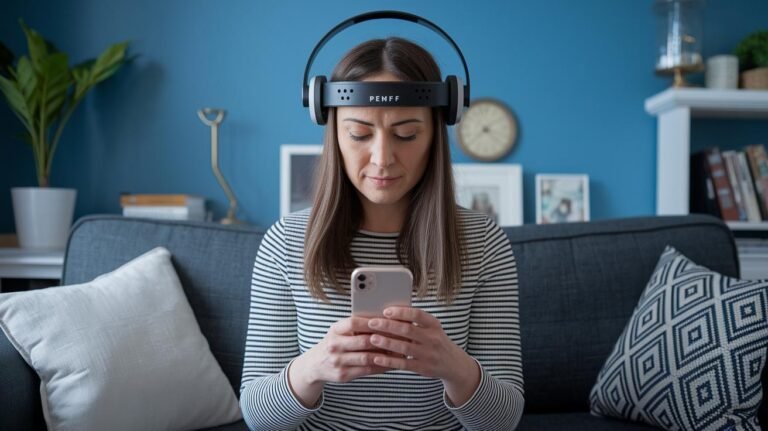
- Wearable units: compact devices with preset programs you can wear during your day. Handy for on-the-go use or steady, low-level therapy while you work or walk.
- Handheld pulse wands: manual applicators that deliver concentrated, high-intensity pulses to specific spots. They’re like a mini massage for tight muscles and targeted pain.
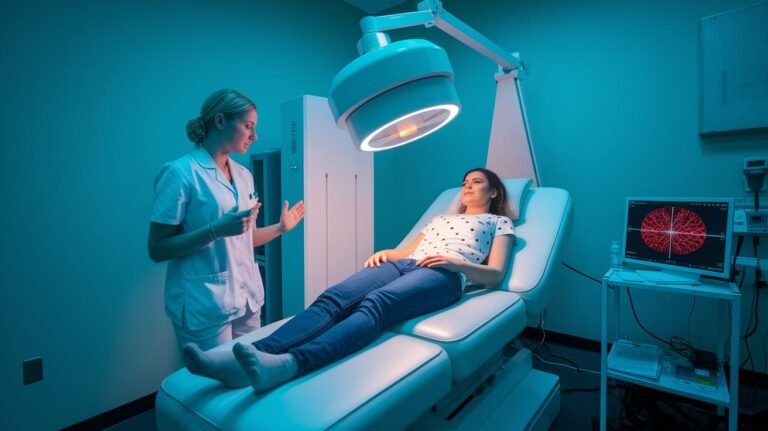
Clinics and home users both use PEMF for chronic pain, post-injury recovery, and better sleep. Small clinics often choose pro devices for precise settings, while home users prefer easy-to-use mats or wearables for regular sessions. Match the device to your condition and how often you plan to use it. Oh, and here’s a neat trick: start with lower intensity and shorter sessions, then build up as you notice benefits.
Technical Features of PEMF Devices

Intensity and Frequency
PEMF (Pulsed Electromagnetic Field therapy) uses pulsing magnetic fields to support healing and recovery. Think of it like a gentle hum of energy that nudges cells to work better. Low frequencies, up to about 150 Hz, at medium to higher intensity (measured in Gauss, a unit of magnetic strength) tend to be better for hard tissues like bone repair and osteoporosis care. Higher frequencies, roughly 18 to 900 MHz, usually at lower intensity, are aimed at soft tissues such as muscles and tendons.
Magnetic strength falls off fast with distance, so an applicator sitting on the skin gives the most reliable effect. Clinic-grade machines can deliver more power, which helps the field reach deeper through casts or thicker tissue. Have you ever noticed how a lamp dimmer changes light quickly? It’s similar , a small shift in settings changes how deep and wide the field works.
Control and Programming
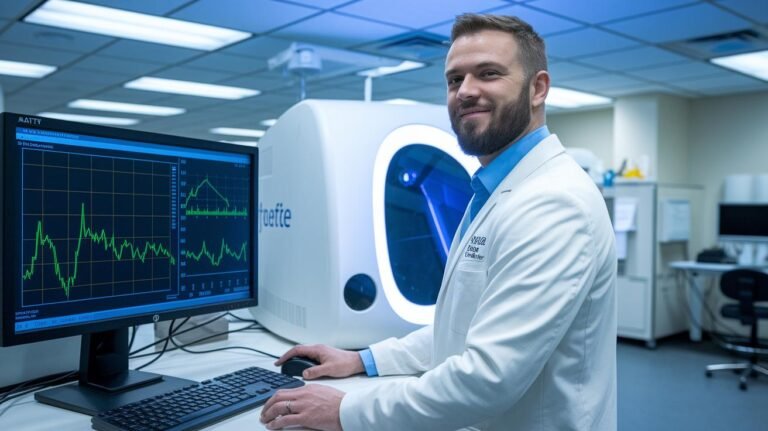
Modern PEMF devices use clear digital controls so you can repeat the same settings each time. Many units have program memory to store favorite protocols. Home models usually come with preset programs and simple displays, while clinical systems offer finer control, two independent channels, and many preset programs that reflect clinical use.
Matching the device settings to the problem matters. For a stubborn fracture, you’d pick a low frequency, medium to high Gauss, higher power output, and put the applicator in contact with the skin. For sore muscles, a higher-frequency, lower-intensity setting feels gentler and targets soft tissue recovery. Two-channel systems let you treat a shoulder and a knee at once, which is handy. Think of the device like a toolbox: choose the right tool, set it carefully, and the therapy usually runs smoother and feels more reliable.
Comparing Home-Use vs Clinical-Grade PEMF Systems

Here’s a quick, tidy comparison of home-use vs clinical-grade PEMF (Pulsed Electromagnetic Field therapy). I kept things short to avoid repeating the Device Types section – check that for full descriptions of mats, pads, wearables, and clinic systems. Want a fast way to decide? This will help.
| Feature | Home-Use | Clinical-Grade |
|---|---|---|
| Power & coverage | Lower intensity, usually single-site mats, small pads, or wearables. Good for daily maintenance and surface-level relief. | Higher intensity with large applicators and multi-coil setups. Reaches deeper tissues and treats multiple sites at once. |
| Control precision | Preset programs and simple controls, made for easy, repeatable use at home. | Fine control of frequency, waveform, and timing, plus data logging (keeps session records) for clinical tracking. |
| Power source | Rechargeable battery packs or USB power for portability and quick sessions anywhere. | Mains-powered, so you get sustained high-output sessions without battery limits. |
| Warranty & service | Standard consumer warranties. Support varies by manufacturer. | Extended service plans, routine calibration, and faster repairs geared to clinic needs. |
| Rental / try-before-buy | Short-term rentals are common for consumer models, so you can test one at home. | Clinics offer sessions or equipment rentals to try higher-intensity options under supervision. |
Think of home devices like a gentle daily ritual – portable, low-intensity, and easy to repeat. Clinic systems feel more like a focused treatment session – stronger, longer, and aimed at deeper change. Relax. Breathe.
If you plan daily use, check battery life and how long a full charge lasts. Ask about service turnaround times too, especially if you rely on the device regularly. Oh, and if you’re unsure, try renting a unit or booking a clinic session first to see how it feels and performs before you buy.
PEMF Device Safety and Certification Details
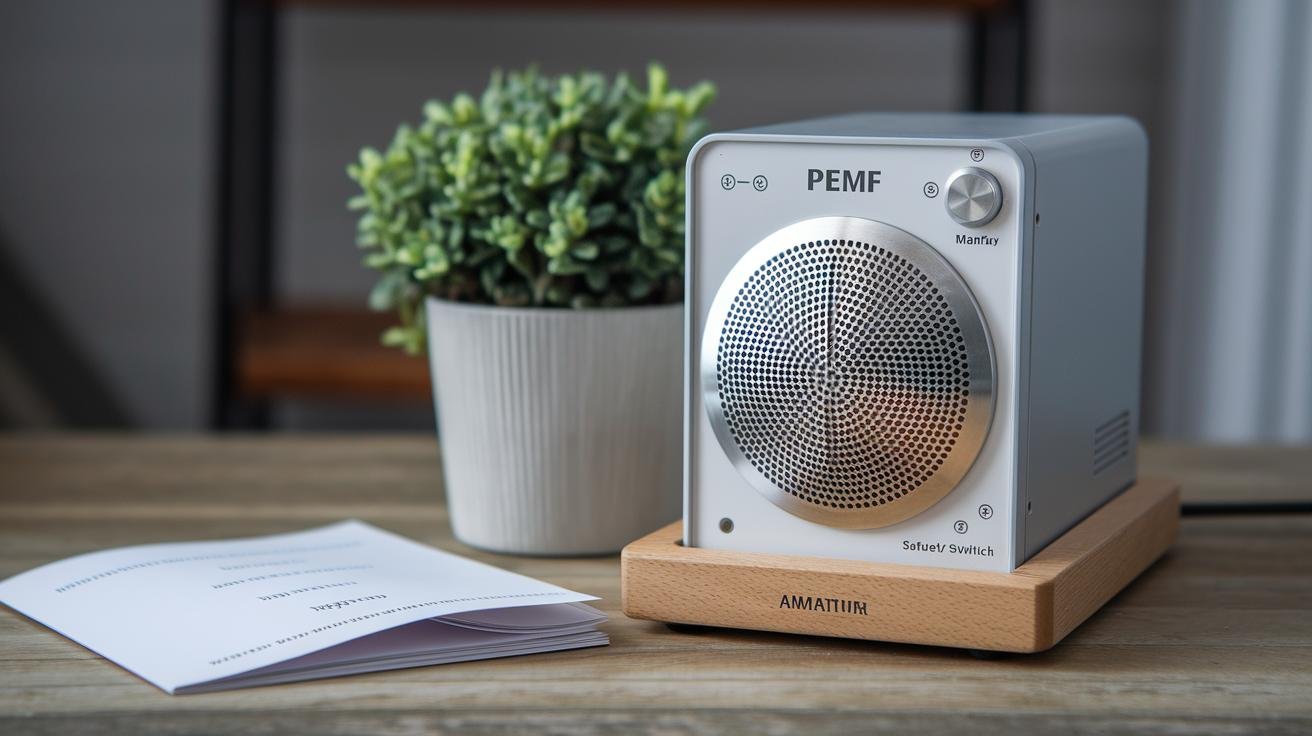
PEMF (Pulsed Electromagnetic Field therapy) is usually gentle and noninvasive. Most people feel relaxed during or after a session, like a soft, warm hum easing tension. A few users report mild nausea, dizziness, or headaches. If that happens, stop, rest, and try a lower intensity next time.
When you shop for a medical-grade device, look for clear FDA clearance status (U.S. Food and Drug Administration). If you might use it in Europe, check for CE marking for European safety standards. Also confirm the maker lists conformity with EMI (electromagnetic interference) emissions standards so the device won’t mess with other electronics. Some clinical units add a safety interlock switch that cuts power if an applicator moves or a cover opens.
Common contraindications include:
- Active menstrual bleeding.
- Severe infections or septic conditions.
- Fungal infections at the treatment site.
- Seizure disorders.
- Overactive thyroid or adrenal glands.
- Disorders that affect the hypothalamus or pituitary.
For safe home use, get a quick medical screen first, start at low intensity, and keep applicators touching the skin as instructed. Follow the user manual closely, and stop treatment if you feel unwell. Oh, and here’s a neat trick: begin with a short session, five to ten minutes, to see how you respond.
When in doubt, talk with a clinician about the device’s FDA clearance and whether trying a supervised clinic session makes sense. Have questions? Ask them, your health matters.
Top PEMF Therapy Device Models and Pricing

Below is a quick guide to common PEMF (Pulsed Electromagnetic Field therapy) devices and their usual price bands, so you can match needs with budget fast. Think of this as a snapshot to help you compare at a glance.
| Model | Type | Price Range | Key Features |
|---|---|---|---|
| Grooni Earthing PEMF Infrared Therapy Mat Pro | Full-body mat | $1,200–$2,800 | Full coverage, infrared warmth, grounding features, preset wellness programs |
| OMI Full Body Mat | Full-body mat | $600–$1,500 | Simple controls, steady moderate intensity, great for daily maintenance |
| Healthy Wave Pro Multi-Wave 5 Therapy Mat | Full-body mat | $1,500–$4,500 | Multiple waveform options, larger applicator area, higher-end build quality |
| MiraMate Mini Magic | Portable/wearable | $200–$500 | Compact and travel-friendly, preset sessions, ideal for spot relief |
If you’re watching costs, units in the $200–$1,000 range are usually portable devices or simpler mats. They’re light, easy to use, and made for daily home routines, think preset programs, rechargeable batteries, and clear displays. Great for better sleep, mild chronic aches, or as a first step before moving up to pro gear.
Higher-end professional systems, often over $3,000, provide stronger output, bigger applicators, and multi-channel setups (two independent outputs so you can treat two areas at once). They also come with longer warranties and optional calibration or service plans that clinics rely on to keep treatments consistent. Clinics like them because they help reduce downtime and support frequent use.
Renting can be smart if you want to try a model or cover a short recovery period. Buying usually makes more sense for ongoing or chronic needs. Oh, and here’s a neat trick: ask about a trial period and consider a warranty-extension if you’ll use the device a lot.
🎁 Get a Free Wellness Gift
Enter your name and email below to receive a special wellness gift from OlyLife — absolutely free!
Effective Home Use of PEMF Therapy Devices
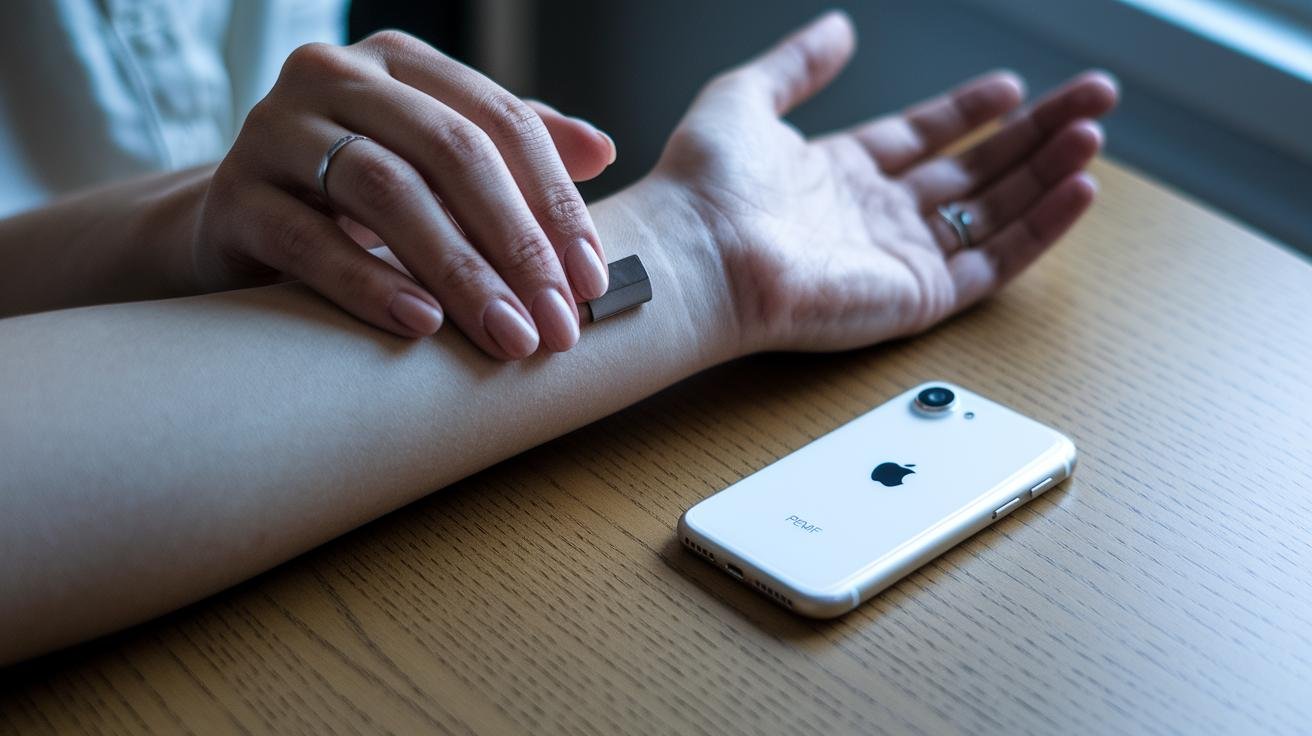
PEMF (Pulsed Electromagnetic Field) therapy can feel like a gentle hum waking up tired tissue. For home use, aim for 10 to 20 minutes per targeted area. Do sessions daily or every other day until you see steady improvement. Start low and short, then slowly increase time or intensity if it feels comfortable.
Match frequency to the problem. Lower frequencies, up to about 150 Hz, are better for bone and deep tissue. Higher frequencies work well for soft tissue and muscle. Pick the program that fits your goal, think of it like choosing a massage for the exact spot that needs attention.
Coil placement matters. Keep applicators touching the skin when you can and use adjustable bands or a mat to keep things steady. Oh, and here’s a neat trick: if a spot feels stubborn, try shifting the coil a little to find the best contact. Relax. Breathe.
Keep your pads and coils clean with a soft cloth and mild soap, then dry them completely before you store the unit. For battery care, follow regular charging cycles, don’t let the battery go totally flat, and store the device partly charged if you won’t use it for a few weeks.
If you see interface errors or weak field output, first check connections, restart the unit, and try a different cable or outlet. If problems continue, consult the user manual or customer support. You can also check practical guides like self-care routines integrating PEMF therapy for safe ways to fold PEMF into your daily care.
Final Words
We jumped straight into what PEMF does and the main device types, from full-body mats to handheld wands, so you can feel how each option might fit your routine. We also covered technical settings, control features, safety notes, pricing and practical tips for home use.
If you want less tension, deeper sleep and quicker muscle relief, try a steady, simple plan with certified PEMF therapy devices and small daily steps toward recovery. You’ll notice the calm.
FAQ
What is the best PEMF device?
The best PEMF device matches your health goals: full-body mats for general wellness, localized pads for joint or muscle pain, and clinical systems for precise control—pick CE/FDA-cleared models with clear specs.
How much does a PEMF device cost?
A PEMF device costs roughly $200-$1,000 for budget home units, $1,000-$3,000 for advanced home models, and over $3,000-$5,000 for professional systems; renting can lower short-term costs.
Do PEMF devices really work?
PEMF devices can reduce pain, lower inflammation, and improve sleep by stimulating cellular repair; effectiveness varies by device intensity, frequency, and the condition treated.
Can I do PEMF therapy at home?
You can use PEMF therapy at home with consumer devices; follow the manufacturer’s session guidelines, start low, and check with a clinician if you have health concerns.
Are PEMF devices available on Amazon and how should I choose one?
PEMF devices are sold on Amazon; when buying, prioritize certified models, clear intensity/frequency specs, warranty, and responsive seller support, and read verified user reviews for real-world performance.
Are there PEMF devices for horses and dogs?
PEMF devices for horses and dogs exist; veterinary-grade mats, pads, and wands use adjusted frequencies and applicators—always get a vet’s guidance and protocol for safe, species-appropriate use.
What types of PEMF machines are available for home use?
Home PEMF devices include full-body mats, localized pads/coils, wearable units with preset programs, and handheld wands—each differs by intensity, coverage, and portability.