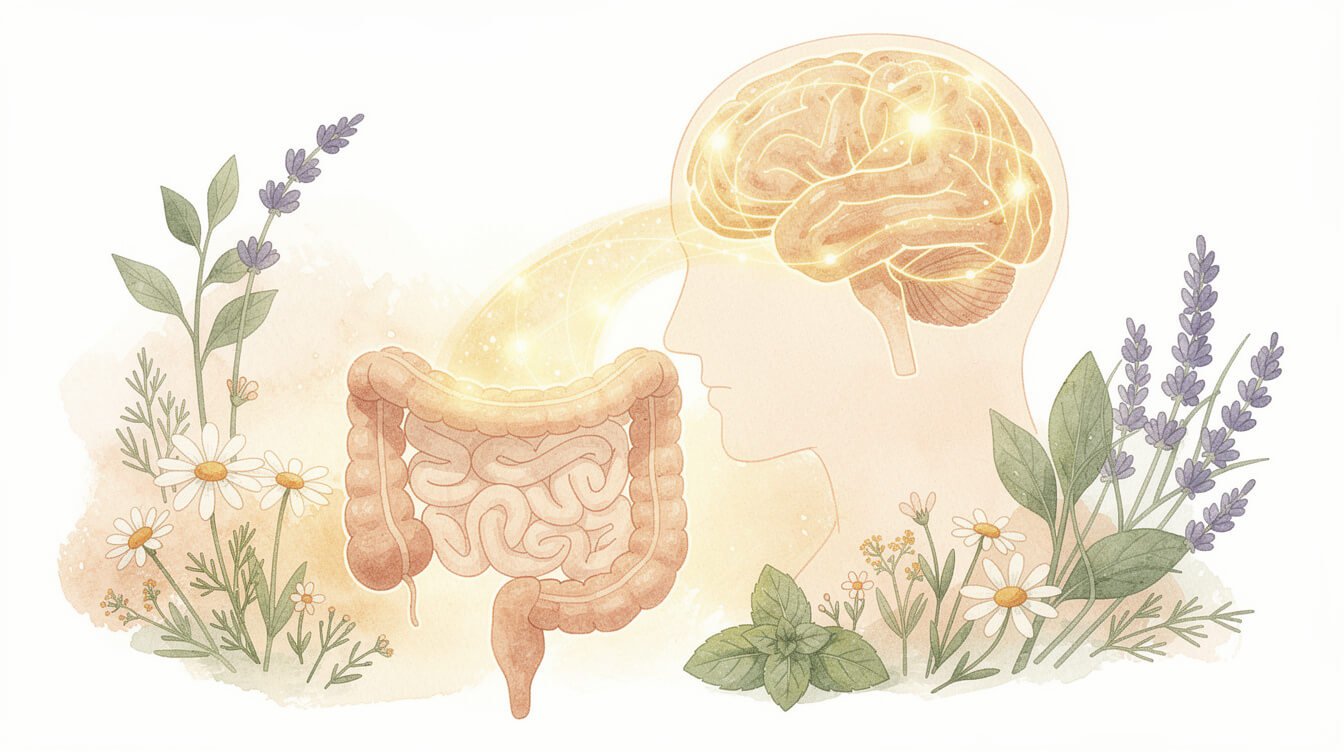
The Gut-Brain Connection: How Your Microbiome May Affect Your Mood and Mental Health
Have you ever felt “butterflies” in your stomach before a big moment — or noticed how stress can send your digestion into a tailspin? That is your gut-brain connection at work. Far from being just a figure of speech, the relationship between your digestive system and your brain is one of the most fascinating frontiers in modern wellness science.
Your gut and brain communicate constantly through a vast network of nerves, hormones, and biochemical signals. This two-way highway — known as the gut-brain axis — influences everything from your mood and emotional resilience to your immune function and cognitive clarity. In fact, researchers now believe that the health of your microbiome (the trillions of microorganisms living in your gut) may play a significant role in how you feel mentally and emotionally each day.
In this comprehensive guide, we will explore what the gut-brain connection really is, how your microbiome may affect your mood and mental health, and — most importantly — practical, evidence-informed steps you can take to support this powerful relationship naturally.
What Is the Gut-Brain Connection?

The gut-brain connection (also called the gut-brain axis) refers to the bidirectional communication network linking your central nervous system (brain and spinal cord) with your enteric nervous system — a complex web of over 100 million nerve cells lining your entire gastrointestinal tract.
That is not a typo. Your gut contains more neurons than your spinal cord, earning it the nickname “the second brain.” This enteric nervous system (ENS) operates semi-independently, managing digestion, nutrient absorption, and immune responses — while simultaneously sending signals to your brain that influence your mood, stress response, and even decision-making.
The Three Main Communication Channels
Your gut and brain stay connected through several pathways:
- The vagus nerve — The longest cranial nerve in your body, the vagus nerve acts as a direct information superhighway between your gut and brain. Approximately 80% of its fibers carry messages from the gut to the brain, not the other way around. This means your gut is “talking” to your brain far more than your brain talks to your gut.
- Neurotransmitters and hormones — Your gut produces many of the same chemical messengers your brain uses to regulate mood, including serotonin, dopamine, and gamma-aminobutyric acid (GABA). These chemicals enter the bloodstream and influence brain function.
- The immune system — Roughly 70% of your immune cells reside in your gut. Inflammatory signals produced by gut bacteria can cross into the bloodstream and affect brain inflammation, which researchers have linked to mood disorders like depression and anxiety.
Understanding this connection helps explain why digestive issues and mental health challenges so often appear together — and why supporting your gut health may be one of the most impactful things you can do for your overall wellbeing.
How Your Gut Talks to Your Brain: The Vagus Nerve and Beyond
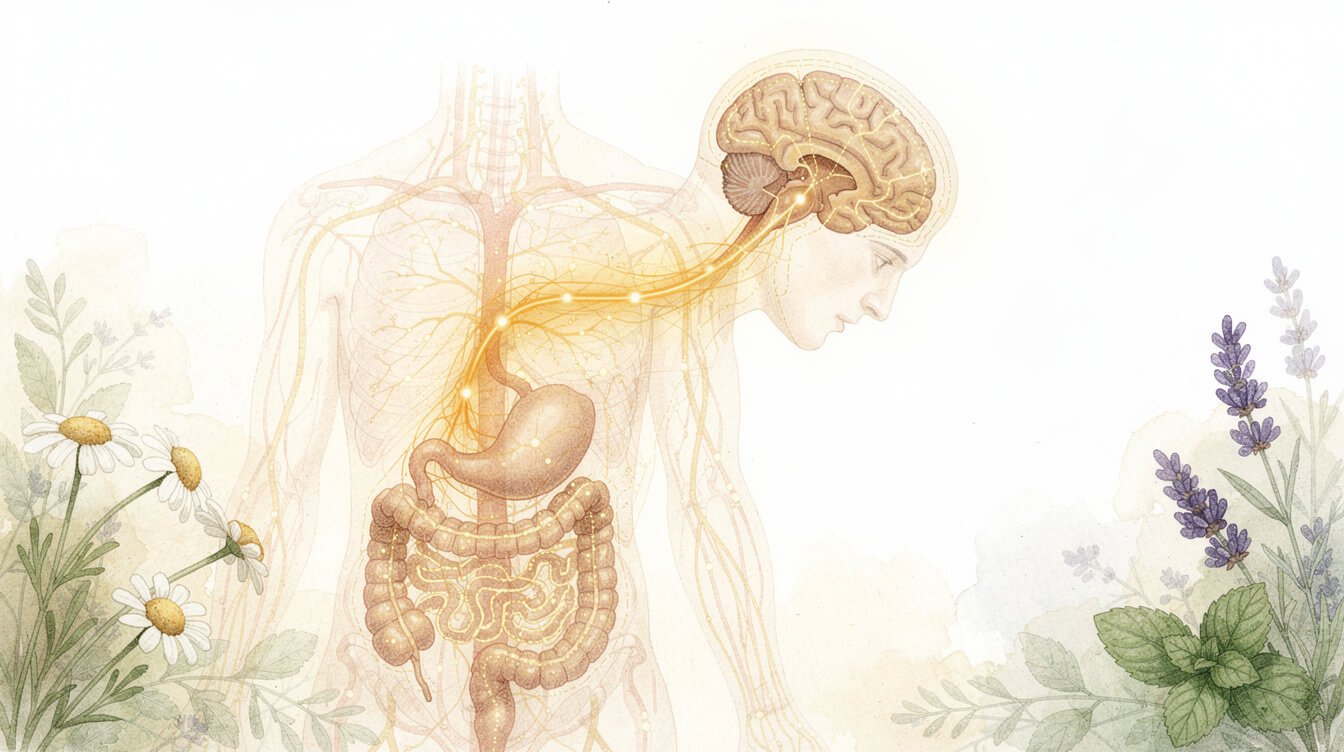
The vagus nerve is the star of the gut-brain connection. Running from your brainstem all the way down to your abdomen, this remarkable nerve is responsible for regulating your parasympathetic nervous system — the “rest and digest” mode that helps you calm down, heal, and recover.
Vagal Tone and Emotional Resilience
Researchers have discovered that “vagal tone” — how well your vagus nerve functions — may play a significant role in emotional regulation. Higher vagal tone has been associated with:
- Better stress recovery and emotional resilience
- Reduced inflammation throughout the body
- Improved heart rate variability (HRV), a key marker of cardiovascular and nervous system health
- Healthier gut motility and digestion
- More positive social engagement and empathy
Interestingly, certain practices that support vagal tone — such as deep breathwork for stress relief, meditation, cold water exposure, and even singing or humming — may help strengthen the gut-brain connection over time.
The Inflammatory Reflex
Your vagus nerve also manages something called the inflammatory reflex. When your gut detects harmful bacteria or inflammation, it signals through the vagus nerve to activate an anti-inflammatory response. This helps explain why chronic gut issues can lead to systemic inflammation — and why calming the vagus nerve may support both digestive comfort and mental clarity.
Research published in Frontiers in Neuroscience (2018) suggests that vagus nerve stimulation may support mood regulation, with several clinical trials exploring its potential for treatment-resistant depression. While more research is needed, these findings highlight just how central this nerve is to the gut-brain relationship.
Your Microbiome and Mood: The Serotonin Connection

Perhaps the most striking discovery in gut-brain research is the role of your gut microbiome in producing neurotransmitters — the chemical messengers that regulate mood, sleep, appetite, and cognition.
The 95% Serotonin Fact
Here is a number that surprises most people: approximately 95% of your body’s serotonin is produced in your gut, not your brain. Serotonin is often called the “feel-good” neurotransmitter because it plays a crucial role in mood regulation, emotional stability, and feelings of wellbeing.
Your gut bacteria actively participate in serotonin production. Specific strains — including Lactobacillus and Bifidobacterium species — have been shown to influence serotonin levels, while an imbalance in gut bacteria (known as dysbiosis) may contribute to reduced serotonin availability.
Other Key Neurotransmitters Produced in Your Gut
- Dopamine — About 50% of your body’s dopamine is made in the gut. Dopamine drives motivation, reward, and pleasure.
- GABA — This calming neurotransmitter helps regulate anxiety and fear. Certain Lactobacillus strains may increase GABA production.
- Norepinephrine — Involved in alertness and the stress response, this neurotransmitter is also influenced by gut bacterial activity.
A landmark 2019 study published in Nature Microbiology analyzed over 1,000 participants and found that people with depression had consistently lower levels of specific gut bacteria — particularly Coprococcus and Dialister — regardless of antidepressant use. This was one of the first large-scale studies to establish a direct correlation between microbiome composition and mental health in humans.
If you have noticed signs of poor gut health, it may be worth considering how your microbiome could be influencing your emotional wellbeing as well.
How Gut Health May Affect Anxiety, Depression, and Stress

The relationship between gut health and mental health is not just theoretical — a growing body of research suggests that the state of your microbiome may significantly influence anxiety, depression, and your body’s stress response.
Gut Inflammation and the Brain
When your gut microbiome is out of balance, the intestinal lining can become more permeable — a condition sometimes called “leaky gut.” This allows bacterial byproducts (like lipopolysaccharides, or LPS) to enter the bloodstream, triggering an immune response that produces pro-inflammatory cytokines.
These inflammatory molecules can cross the blood-brain barrier and affect brain function. Research published in Molecular Psychiatry (2020) found elevated inflammatory markers in people with major depressive disorder, with many of these markers linked to gut-originating inflammation.
The Stress-Gut Feedback Loop
Stress does not just happen in your mind — it directly impacts your gut. When you are under chronic stress:
- Your body produces excess cortisol, which can alter gut permeability and microbiome composition
- Blood flow is diverted away from the digestive system, slowing digestion and nutrient absorption
- Beneficial gut bacteria may decrease while harmful bacteria increase
- Gut motility changes, potentially leading to symptoms like bloating, cramping, or changes in bowel habits
This creates a vicious cycle: stress damages the gut, which produces more inflammatory signals, which increases anxiety and depression, which generates more stress. Breaking this cycle requires supporting both your mental resilience and your digestive health simultaneously.
Psychobiotics: The Emerging Science
The term “psychobiotics” refers to probiotics and prebiotics that may positively influence the gut-brain axis and mental health outcomes. While research is still in its early stages, several clinical trials have shown promising results:
- A 2021 systematic review in BMJ Nutrition, Prevention & Health found that probiotic supplementation was associated with small but significant improvements in depressive symptoms
- Specific strains like Lactobacillus rhamnosus have been shown to reduce anxiety-like behavior in animal studies through vagus nerve signaling
- Prebiotic fiber intake has been associated with lower cortisol awakening responses in human trials
While psychobiotics are not a replacement for professional mental health support, they represent an exciting area of research that reinforces how deeply connected our gut and brain truly are.
Practices like breathwork and spending time earthing in nature may also help calm the nervous system and reduce the stress load on your gut.
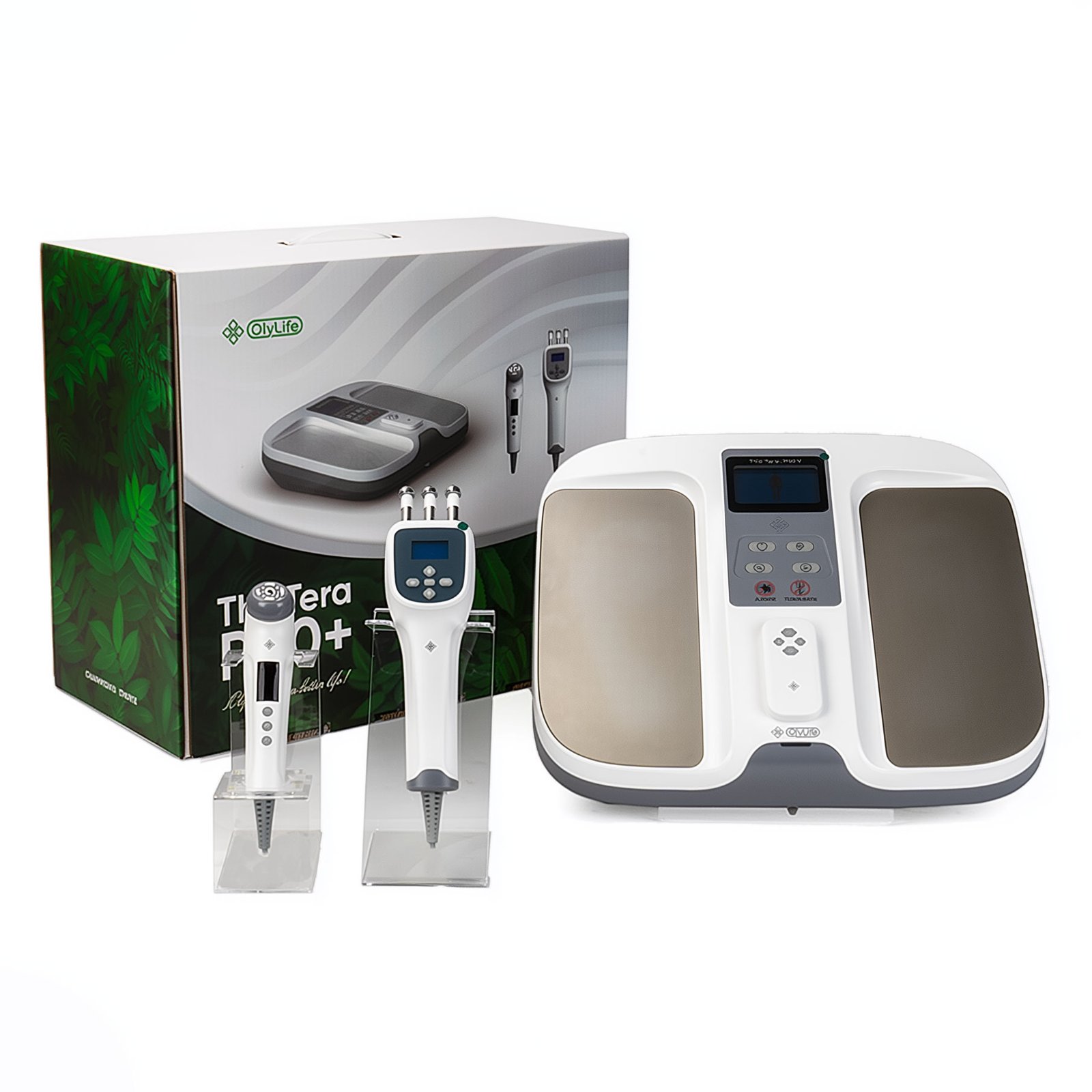
Support Your Wellness From the Inside Out
The OlyLife Tera-P90+ combines PEMF and terahertz technology to support circulation, relaxation, and your body’s natural recovery processes — helping you feel your best from head to gut.
7 Practical Ways to Support Your Gut-Brain Connection Naturally

The exciting news about the gut-brain connection is that you can actively support it through daily habits. Here are seven evidence-informed strategies that may help strengthen the communication between your gut and brain.
1. Eat More Prebiotic and Probiotic Foods
Feed your beneficial gut bacteria with prebiotic fiber from foods like garlic, onions, leeks, asparagus, bananas, oats, and Jerusalem artichokes. Pair these with fermented foods rich in probiotics — such as yogurt, kefir, sauerkraut, kimchi, miso, and kombucha — to introduce beneficial bacteria directly into your gut.
A 2021 Stanford study published in Cell found that participants who increased their fermented food intake over 10 weeks showed significant improvements in microbiome diversity and reduced inflammatory markers compared to those who increased fiber alone.
2. Prioritize Dietary Diversity
Research consistently shows that microbiome diversity correlates with better health outcomes. Aim to eat 30 or more different plant foods per week — including fruits, vegetables, legumes, whole grains, nuts, seeds, herbs, and spices. Each plant food feeds different bacterial communities, creating a more resilient and balanced gut ecosystem.
3. Manage Stress Actively
Since chronic stress directly harms your microbiome and gut lining, stress management is not optional for gut-brain health — it is essential. Consider incorporating:
- Breathwork practices like box breathing or the 4-7-8 technique
- Mindfulness meditation (even 10 minutes daily may help)
- Regular walking in nature, which benefits both mood and digestion
- Earthing (grounding), which research suggests may reduce cortisol levels
- Journaling, yoga, or any practice that activates your parasympathetic nervous system
4. Prioritize Quality Sleep
Your microbiome follows a circadian rhythm, just like your brain. Disrupted sleep patterns can alter the composition and function of your gut bacteria. Aim for 7 to 9 hours of quality sleep per night, maintain consistent sleep and wake times, and limit blue light exposure in the evening.
Research published in PLOS ONE found that even partial sleep deprivation over two nights was enough to shift gut bacteria composition toward species associated with metabolic dysfunction.
5. Move Your Body Regularly
Exercise has been shown to independently improve microbiome diversity — regardless of diet. A 2018 study in Medicine & Science in Sports & Exercise found that previously sedentary adults who began exercising three times per week for six weeks showed meaningful increases in beneficial short-chain fatty acid-producing bacteria.
You do not need intense workouts to benefit. Zone 2 cardio, regular walking, yoga, and even strength training all support a healthy microbiome.
6. Reduce Ultra-Processed Foods
Ultra-processed foods — those with long ingredient lists featuring additives, emulsifiers, artificial sweeteners, and preservatives — may negatively impact gut bacteria diversity. Emulsifiers like polysorbate 80 and carboxymethylcellulose have been shown in animal studies to damage the gut’s protective mucus layer.
Focus on whole, minimally processed foods as the foundation of your diet. Anti-inflammatory foods like leafy greens, berries, fatty fish, turmeric, and extra-virgin olive oil may be particularly supportive.
7. Consider Targeted Supplementation
While whole foods should always be your foundation, certain supplements may support the gut-brain axis:
- High-quality probiotics — Look for multi-strain formulas containing Lactobacillus and Bifidobacterium species with at least 10 billion CFUs
- Omega-3 fatty acids — May support gut barrier integrity and reduce neuroinflammation
- L-glutamine — An amino acid that may help maintain intestinal wall integrity
- Vitamin D — Deficiency has been associated with both gut inflammation and mood disorders
Always consult with a qualified healthcare practitioner before starting any new supplement regimen.
For those interested in how frequency-based wellness technologies may complement gut health strategies, our OlyLife Tera-P90+ combines PEMF therapy and terahertz technology to support circulation, relaxation, and your body’s natural recovery processes — all of which may indirectly benefit the gut-brain axis.
🎁 Get a Free Wellness Gift
Enter your name and email below to receive a special wellness gift from OlyLife — absolutely free!
The Role of Stress, Emotions, and Your Gut-Brain Axis

If you have ever lost your appetite before a stressful event, or experienced digestive discomfort during an anxious period, you have witnessed your gut-brain axis in real time. Emotional states do not just live in your head — they are felt throughout your entire digestive system.
How Emotions Physically Affect Your Gut
Your gut responds to emotional signals with remarkable speed and specificity:
- Anxiety may speed up gut motility (leading to urgency or loose stools) or slow it down (causing nausea)
- Sadness and depression have been linked to reduced gastric motility and appetite changes
- Anger and frustration may increase stomach acid production and contribute to heartburn
- Joy and relaxation tend to support healthy, comfortable digestion
Functional Gastrointestinal Disorders
This connection is especially relevant for people living with functional GI disorders like irritable bowel syndrome (IBS), functional dyspepsia, or chronic bloating. Research suggests that up to 60% of people with IBS also experience anxiety or depression — and that treating the psychological component often improves digestive symptoms as well.
The Cleveland Clinic and Johns Hopkins Medicine both emphasize that gastroenterologists increasingly work alongside mental health professionals to address these conditions, recognizing that effective treatment must address both the gut and the brain.
Mind-Body Practices That May Support Both
Practices that activate the parasympathetic nervous system may offer dual benefits:
- Yoga — Combines breathwork, gentle movement, and mindfulness, all of which may support vagal tone and digestion
- Meditation — Regular meditation practice has been associated with reduced gut inflammation markers in small studies
- Progressive muscle relaxation — May reduce stress-related GI symptoms by shifting the nervous system out of “fight or flight” mode
- Sound and healing frequency therapies — Emerging research suggests certain frequencies may support relaxation and nervous system balance
PEMF (Pulsed Electromagnetic Field) therapy is another approach that some people incorporate into their wellness routines. Research suggests that PEMF may support natural pain relief and relaxation, which could indirectly help reduce stress-related gut symptoms.
Frequently Asked Questions About the Gut-Brain Connection

Can gut health really affect your mood?
Research strongly suggests it can. Your gut produces approximately 95% of your body’s serotonin and about 50% of its dopamine — two neurotransmitters that play central roles in mood regulation. Additionally, inflammatory molecules from an imbalanced gut can cross the blood-brain barrier and affect brain function. While the relationship is complex and still being studied, the evidence increasingly points to gut health as a significant factor in emotional wellbeing.
How long does it take to improve your gut-brain connection?
Microbiome changes can begin within days of dietary shifts, but meaningful, lasting improvements typically take 4 to 12 weeks of consistent effort. Studies show that fermented food intake over 10 weeks can measurably increase microbiome diversity. Stress management practices may show benefits even sooner, with some research indicating vagal tone improvements within 2 to 4 weeks of regular breathwork or meditation.
What are the best foods for the gut-brain connection?
Focus on prebiotic-rich foods (garlic, onions, bananas, oats, asparagus), probiotic-rich fermented foods (yogurt, kefir, kimchi, sauerkraut), omega-3 fatty acids (salmon, sardines, walnuts, flaxseed), and a diverse range of plant foods. Polyphenol-rich foods like dark chocolate, green tea, and berries also support beneficial gut bacteria.
Can anxiety cause gut problems?
Yes. Anxiety activates the sympathetic nervous system (“fight or flight”), which can alter gut motility, increase intestinal permeability, reduce blood flow to the digestive tract, and shift microbiome composition. This is why many people experience digestive symptoms during stressful periods. Addressing anxiety through mind-body practices, professional support, and gut-supportive nutrition may help break this cycle.
What is the vagus nerve and why does it matter?
The vagus nerve is the longest cranial nerve in your body, connecting your brain directly to your gut and other major organs. It carries approximately 80% of signals from the gut to the brain and plays a key role in your parasympathetic (“rest and digest”) nervous system. Higher vagal tone is associated with better emotional regulation, reduced inflammation, and healthier digestion.
Are probiotics good for mental health?
Some strains show promise. The emerging field of “psychobiotics” focuses specifically on probiotics that may benefit mental health through the gut-brain axis. While large-scale clinical trials are still limited, several studies have found that specific Lactobacillus and Bifidobacterium strains may support mood and reduce anxiety symptoms. Probiotics are not a substitute for professional mental health treatment but may be a helpful complementary approach.
Does exercise help your gut-brain connection?
Yes. Regular moderate exercise has been shown to independently increase microbiome diversity and boost production of beneficial short-chain fatty acids. Exercise also supports vagal tone, reduces stress hormones, and promotes better sleep — all of which benefit the gut-brain axis. Even 30 minutes of walking most days may make a difference.
Can PEMF therapy support gut health?
While research specifically on PEMF and gut health is limited, PEMF therapy has been studied for its potential to support circulation, reduce inflammation, and promote relaxation — all factors that may indirectly benefit the gut-brain axis. Some users report improved comfort and relaxation after PEMF sessions, which could support the parasympathetic “rest and digest” state that is essential for healthy gut function.
Final Thoughts: Your Gut May Hold the Key to Your Wellbeing
The gut-brain connection is not just a trending wellness topic — it is a fundamental aspect of human biology that scientists are only beginning to fully understand. From the vagus nerve highway connecting your two “brains” to the trillions of microorganisms producing mood-regulating neurotransmitters in your digestive tract, the evidence is clear: what happens in your gut does not stay in your gut.
The empowering takeaway is that you have real influence over this connection. Every meal you eat, every walk you take, every deep breath you draw, and every good night of sleep you get may contribute to a healthier microbiome and a more resilient gut-brain axis.
You do not need a complete lifestyle overhaul to start. Pick one or two strategies from this guide — maybe adding more fermented foods to your meals, or starting a daily breathwork practice — and build from there. Small, consistent steps often create the most lasting change.
Your gut and brain are already talking. By supporting their conversation with the right habits, you are investing in your mental, emotional, and physical health — all at once.