Nervous System Regulation Techniques: 10 Science-Backed Methods for Daily Calm
Your body has a built-in stress response system that is designed to protect you — but what happens when it gets stuck in overdrive? Nervous system regulation techniques may help you shift from constant fight-or-flight back to a state of calm, clarity, and resilience. Whether you are dealing with chronic stress, anxiety, or simply the demands of modern life, understanding how to regulate your nervous system could be one of the most powerful wellness skills you ever develop.
In this comprehensive guide, we will explore the science behind nervous system dysregulation, walk through 10 evidence-backed nervous system regulation techniques, and show you how to build a daily practice that supports lasting balance. Every technique here is something you can start today — no special equipment required.
What Is Nervous System Regulation and Why Does It Matter?

Your autonomic nervous system (ANS) operates largely behind the scenes, managing everything from your heart rate and breathing to digestion and immune function. It has two primary branches that work in balance:
- Sympathetic nervous system (SNS) — your “fight or flight” response. It speeds up your heart rate, sharpens focus, and prepares you to face threats.
- Parasympathetic nervous system (PNS) — your “rest and digest” mode. It slows your heart rate, supports digestion, and promotes recovery.
Nervous system regulation is the ability to shift smoothly between these states based on what is actually happening around you. When this system works well, you respond to real threats and then return to calm. When it becomes dysregulated — often through chronic stress, trauma, or lifestyle factors — your body can get stuck in sympathetic activation, leaving you in a near-constant state of alertness.
Signs Your Nervous System May Be Dysregulated
According to research published in Psychoneuroendocrinology (2020), chronic sympathetic activation is associated with a range of physical and emotional symptoms:
- Persistent anxiety, racing thoughts, or hypervigilance
- Difficulty sleeping or waking up feeling unrefreshed
- Digestive issues such as bloating, IBS, or nausea
- Chronic fatigue despite adequate rest
- Muscle tension, jaw clenching, or headaches
- Difficulty concentrating or “brain fog”
- Emotional reactivity — feeling easily overwhelmed or irritable
- Weakened immune function and frequent illness
Stephen Porges’ Polyvagal Theory offers a helpful framework here. It describes three states your nervous system cycles through: the ventral vagal state (safe, social, and calm), the sympathetic state (mobilized for action), and the dorsal vagal state (shutdown, freeze, or collapse). Effective regulation means spending more time in the ventral vagal state — where healing, connection, and clear thinking happen.
The good news? Your nervous system is remarkably adaptable. With consistent practice, you can train it to return to balance more quickly and stay there longer. The nervous system regulation techniques below are organized from the simplest (start here) to more advanced practices.
Nervous System Regulation Techniques: 4 Breathwork Methods That Work Fast
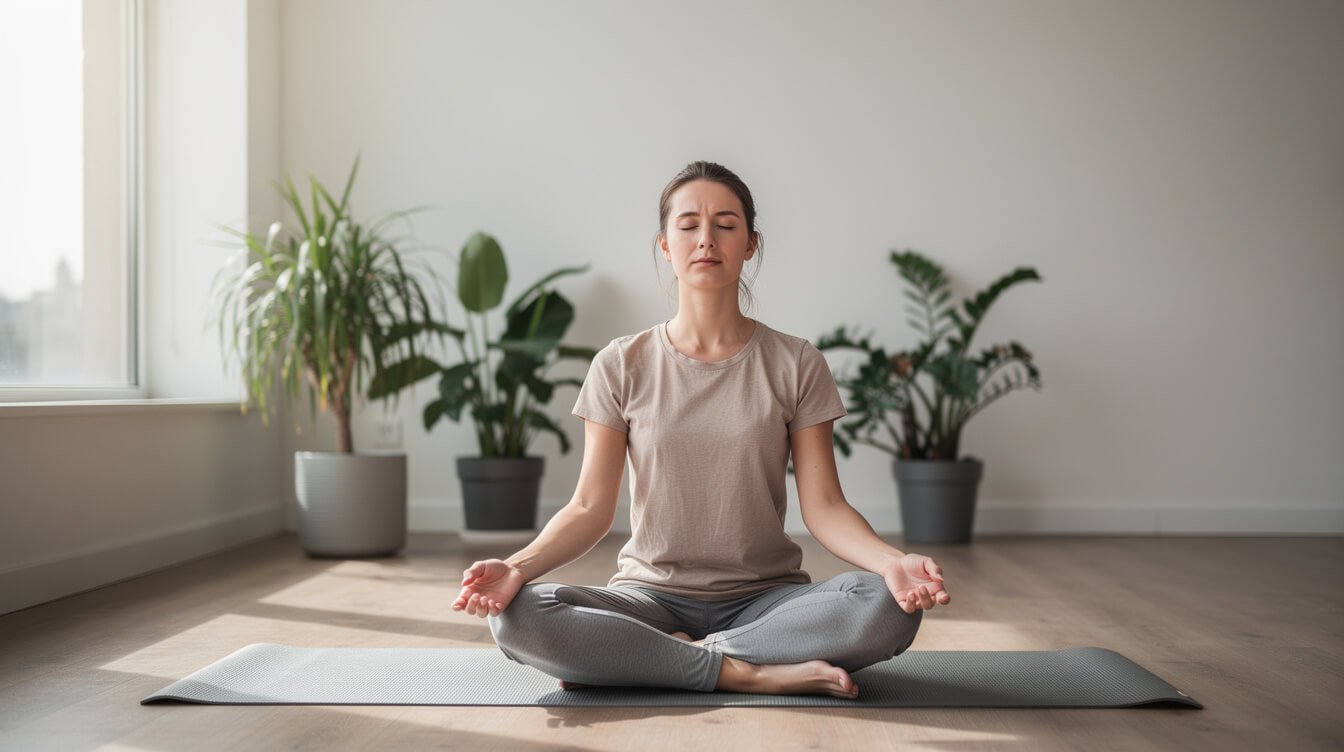
Breathing is the fastest, most accessible way to influence your nervous system directly. Unlike heart rate or digestion, breath is the one autonomic function you can consciously control — making it a powerful bridge between your voluntary and involuntary nervous systems.
1. Physiological Sigh (The 2-Minute Reset)
Research from Stanford University, published in Cell Reports Medicine (2023), found that the physiological sigh — a double inhale through the nose followed by a long exhale through the mouth — was more effective at reducing stress and improving mood than meditation or other breathwork techniques.
How to practice: Take a quick inhale through your nose, then immediately take a second, shorter “sip” of air through your nose (this fully inflates the alveoli in your lungs). Then exhale slowly through your mouth for 6–8 seconds. Repeat 3–5 times. The extended exhale activates the parasympathetic nervous system and may lower cortisol within minutes.
2. Box Breathing (4-4-4-4)
Used by Navy SEALs and first responders, box breathing creates a rhythmic pattern that signals safety to your nervous system. Inhale for 4 counts, hold for 4 counts, exhale for 4 counts, hold for 4 counts. A 2017 study in Frontiers in Human Neuroscience found that structured slow breathing significantly reduced cortisol and increased parasympathetic activity.
3. Extended Exhale Breathing (4-7-8)
Developed by Dr. Andrew Weil, this technique emphasizes the exhale — the phase that activates your vagus nerve and triggers relaxation. Inhale for 4 counts, hold for 7 counts, exhale for 8 counts. The extended exhale is key: it stimulates the parasympathetic response more powerfully than equal-length breathing.
4. Diaphragmatic (Belly) Breathing
Place one hand on your chest and one on your belly. Breathe deeply so your belly rises while your chest stays relatively still. Research in Frontiers in Human Neuroscience (2017) showed that diaphragmatic breathing reduced cortisol levels and improved sustained attention in participants who practiced for 8 weeks.
Quick tip: Start with just 5 minutes of any breathing technique once daily. Studies suggest that even brief, consistent breathwork practice may shift your baseline nervous system state over 4–6 weeks.
Movement-Based Nervous System Regulation Techniques

Your nervous system does not just live in your brain — it extends throughout your entire body. Movement is one of the most effective ways to discharge stored stress energy and signal to your body that it is safe.
5. Gentle Yoga and Somatic Stretching
A meta-analysis published in Brain Plasticity (2019) found that yoga significantly improved autonomic regulation, increased heart rate variability (HRV), and reduced anxiety markers across multiple populations. The key is gentle, mindful movement — not intense power yoga.
Focus on poses that open the chest, hips, and shoulders, where tension from stress tends to accumulate. Child’s pose, cat-cow, gentle twists, and supported forward folds are especially calming. Try to coordinate your breath with each movement for maximum nervous system benefit.
6. Walking in Nature (Shinrin-yoku)
Sometimes the simplest nervous system regulation techniques are the most powerful. A study in Environmental Health and Preventive Medicine found that forest bathing (shinrin-yoku) significantly reduced cortisol, blood pressure, and sympathetic nerve activity compared to urban walking. Even a 20-minute walk in a green space may help.
The combination of gentle bilateral movement, fresh air, and natural visual stimulation creates what researchers call “soft fascination” — a state that allows your nervous system to rest and recover. For more on the benefits of daily walking, explore our guide to walking for health benefits.
7. Somatic Shaking (TRE)
Trauma Release Exercises (TRE), developed by Dr. David Berceli, use intentional tremoring to help the body discharge stored stress and tension. Animals naturally shake after a threatening experience — a neurological reset that humans have largely learned to suppress.
To try it: Stand with feet hip-width apart, slightly bend your knees, and allow your legs to tremble. You can induce the shake by holding a wall squat until your legs begin to shake on their own, then lying down and letting the tremoring spread through your body for 10–15 minutes. Many practitioners report feeling a sense of deep calm afterward.
Vagus Nerve Activation Techniques for Nervous System Regulation

The vagus nerve is the longest cranial nerve in your body, running from your brainstem through your face, throat, heart, lungs, and gut. It is the primary pathway of the parasympathetic nervous system — essentially the “brake pedal” for your stress response. Higher vagal tone is associated with better emotional regulation, lower inflammation, and improved resilience to stress.
8. Cold Water Exposure
Splashing cold water on your face or immersing yourself in cold water activates the mammalian dive reflex — an ancient survival mechanism that immediately slows heart rate and redirects blood to vital organs. A study published in the International Journal of Circumpolar Health (2023) found that regular cold exposure increased parasympathetic activity and improved stress resilience over time.
Start simple: splash cold water on your face for 30 seconds, or end your shower with 30–60 seconds of cold water. The face immersion is particularly effective because the trigeminal nerve receptors around your eyes and cheeks have a direct line to the vagus nerve.
9. Humming, Singing, and Gargling
Your vagus nerve passes through your throat, which means any activity that vibrates the vocal cords directly stimulates it. Humming, singing, chanting “Om,” or even vigorous gargling can activate the parasympathetic response. This is why many traditional practices — from chanting in meditation to hymn singing in religious services — have a naturally calming effect that goes beyond the spiritual or psychological.
Try humming a familiar tune for 2–3 minutes while placing your hand on your throat to feel the vibration. You may notice a wave of calm settling through your body. For more on how sound vibration may support wellness, see our guide to healing frequencies.
10. Ear Massage (Auricular Vagus Nerve Stimulation)
A small but accessible branch of the vagus nerve — the auricular branch — runs through your outer ear. Gently massaging the outer rim of your ear (the tragus and concha area) may stimulate parasympathetic activity. Research in Neuroscience and Biobehavioral Reviews has shown that transcutaneous auricular vagus nerve stimulation (taVNS) may improve mood, reduce anxiety, and enhance autonomic function.
The at-home version is simple: gently rub and massage your outer ears for 1–2 minutes, paying attention to the inner curve and the small flap in front of your ear canal. It is subtle but can be done anywhere — during meetings, while commuting, or before bed.
Nutrition and Lifestyle Factors That Support Nervous System Regulation

What you eat, how you sleep, and your daily habits all influence how well your nervous system can regulate itself. Think of these as the foundation that makes your active regulation techniques more effective.
Anti-Inflammatory Nutrition
Chronic inflammation is both a cause and a consequence of nervous system dysregulation. The vagus nerve plays a key role in the inflammatory reflex — detecting inflammation in the body and signaling the brain to reduce it. Supporting this pathway through nutrition may enhance your body’s natural regulation capacity.
Focus on foods rich in omega-3 fatty acids (fatty fish, walnuts, flaxseed), polyphenols (berries, dark leafy greens, green tea), and fermented foods that support gut-brain communication. A 2021 Stanford study published in Cell found that eating fermented foods for 10 weeks significantly increased microbiome diversity and decreased inflammatory markers — both of which support parasympathetic function.
Sleep as Nervous System Recovery
Sleep is when your parasympathetic system takes over completely, allowing deep cellular repair and nervous system recalibration. A study in PLOS ONE (2019) found that poor sleep quality was directly associated with reduced heart rate variability (HRV) — one of the best biomarkers of nervous system regulation capacity.
Prioritize 7–9 hours of quality sleep. Create a consistent wind-down routine: dim lights 1–2 hours before bed, avoid screens, and practice one of the breathing techniques from Section 2 as you lie down. Your nervous system needs this recovery time to consolidate the regulation gains you make during the day.
Reducing Stimulant Overload
Caffeine, alcohol, excessive screen time, and constant news consumption all push your sympathetic nervous system into higher activity. You do not need to eliminate these entirely, but being mindful about timing and quantity matters. Consider stopping caffeine by noon, taking regular screen breaks, and creating “stimulus-free” windows in your day where your nervous system can simply rest.
Earthing and Nature Contact
Direct physical contact with the earth — walking barefoot on grass, soil, or sand — may support nervous system regulation through electron transfer from the earth’s surface. A review published in Explore (2020) found that earthing improved HRV, reduced cortisol, and supported parasympathetic activity. Even 20 minutes of barefoot contact with natural ground may help shift your nervous system toward the rest-and-digest state.
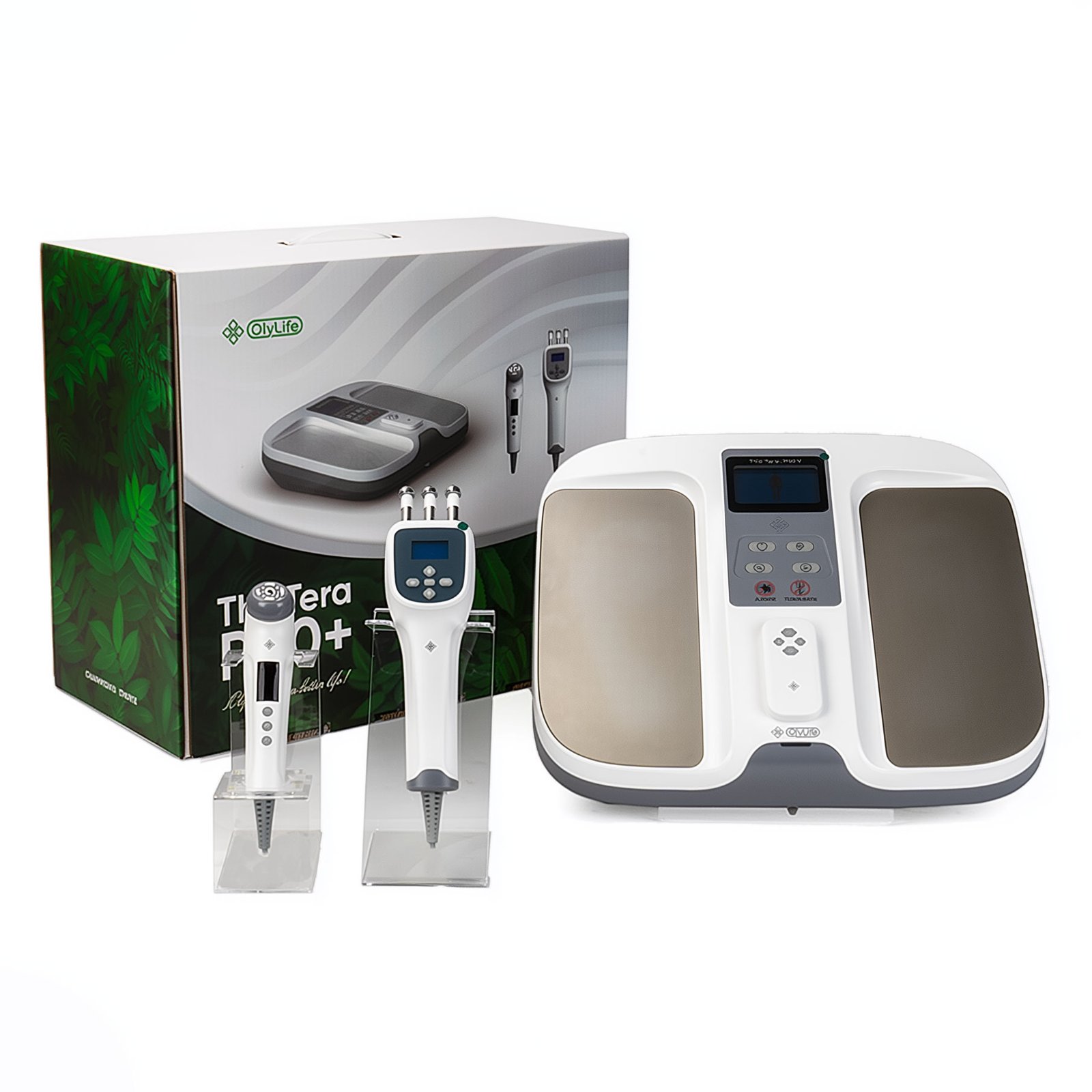
For those exploring technology-assisted wellness, pulsed electromagnetic field (PEMF) therapy at low frequencies (1–10 Hz) has been studied for its potential to support parasympathetic activation, mimicking the earth’s natural Schumann resonance frequencies. The OlyLife Tera-P90+ combines PEMF and terahertz technology in a portable format that may complement your daily nervous system regulation practice.
Support Your Nervous System Naturally
The OlyLife Tera-P90+ combines PEMF and terahertz frequency technology to help support relaxation, recovery, and parasympathetic balance — right from home.
🎁 Get a Free Wellness Gift
Enter your name and email below to receive a special wellness gift from OlyLife — absolutely free!
Building a Daily Nervous System Regulation Routine

Knowing techniques is one thing — integrating them into your life is where real transformation happens. The goal is not to add another stressful obligation to your day, but to weave small regulation moments into what you already do.
Morning Activation (5–10 Minutes)
Start your day by setting your nervous system’s tone before stress has a chance to take over:
- Cold face splash (30 seconds) — activates the dive reflex and wakes up your vagus nerve
- 3–5 physiological sighs (1 minute) — clears any residual sleep-state cortisol
- Gentle stretching or yoga flow (5 minutes) — signals to your body that it is safe to move and explore
- Barefoot time outdoors (2–3 minutes if possible) — combine earthing with morning light exposure for circadian rhythm support
Midday Reset (2–3 Minutes)
Stress tends to accumulate through the day. A brief midday reset can prevent sympathetic build-up:
- Box breathing (4 rounds, about 1 minute)
- Ear massage (1 minute) — stimulate the auricular vagus nerve
- Brief walk outside (even 5 minutes) — bilateral movement plus natural light
Evening Wind-Down (10–15 Minutes)
Prepare your nervous system for deep, restorative sleep:
- Humming or singing (2 minutes) — vagus nerve stimulation
- Gentle somatic stretching (5–7 minutes) — focus on hip openers, gentle twists, and forward folds
- 4-7-8 breathing in bed (3–5 rounds) — the extended exhale pattern is ideal for transitioning into sleep
Weekly Deeper Practices
Once or twice a week, dedicate 20–30 minutes to a deeper regulation practice:
- A full yoga or tai chi session
- A zone 2 cardio walk or swim (gentle enough to maintain conversation)
- A somatic shaking session (TRE)
- A sound healing or meditation practice using healing frequencies
- A session with PEMF technology — learn more about how PEMF therapy works
Tracking Your Progress
How do you know if your nervous system regulation is improving? Look for these indicators over 4–12 weeks of consistent practice:
- Falling asleep more easily and waking feeling rested
- Less emotional reactivity to minor stressors
- Improved digestion and fewer gut-related symptoms
- Better focus and mental clarity
- Reduced muscle tension and fewer headaches
- Feeling “like yourself” more often
If you use a wearable fitness tracker, monitor your HRV trend over time — rising HRV generally indicates improved vagal tone and better nervous system flexibility.
Frequently Asked Questions About Nervous System Regulation Techniques

How long does it take to regulate a dysregulated nervous system?
Most people notice initial shifts within 1–2 weeks of consistent daily practice — better sleep, less reactivity, and moments of deeper calm. More significant changes in baseline nervous system tone typically emerge over 4–12 weeks. The timeline depends on the severity of dysregulation, consistency of practice, and whether underlying factors (trauma, chronic illness, high-stress environment) are also being addressed.
What is the fastest way to calm your nervous system in the moment?
The physiological sigh (double inhale through the nose, long exhale through the mouth) is backed by Stanford research as the fastest evidence-based calming technique. It can shift your nervous system state in under 60 seconds. Splashing cold water on your face is another rapid option. For more immediate techniques, see our full guide to how to calm your nervous system.
Can nervous system dysregulation cause physical health problems?
Yes. Chronic sympathetic activation is associated with increased inflammation, digestive issues, cardiovascular strain, weakened immunity, and metabolic disruption. Research in Psychosomatic Medicine has linked poor autonomic regulation to higher risks of hypertension, irritable bowel syndrome, chronic fatigue, and autoimmune conditions. Regulation techniques may help address the nervous system component of these issues alongside medical care.
Is nervous system regulation the same as stress management?
Not exactly. Stress management often focuses on cognitive strategies — changing how you think about stress. Nervous system regulation works at the body level, directly influencing the autonomic nervous system through bottom-up techniques like breathwork, movement, and sensory input. The most effective approach combines both: cognitive reframing alongside somatic regulation practices.
Can you regulate your nervous system through exercise?
Absolutely. Regular moderate exercise — especially low-impact cardio, yoga, swimming, and walking — improves vagal tone and autonomic flexibility over time. The key is choosing exercise intensity that matches your current capacity. If you are highly dysregulated, gentle movement like walking or restorative yoga may be more effective than intense workouts, which can temporarily increase sympathetic activation. Research from the American Heart Association recommends at least 150 minutes of moderate activity per week.
Does gut health affect nervous system regulation?
Yes, significantly. The gut-brain connection operates largely through the vagus nerve — about 80% of vagal fibers carry information from the gut to the brain. An imbalanced microbiome can send inflammatory signals that keep your nervous system in a heightened state. Supporting gut health through diverse plant foods, fermented foods, and reducing ultra-processed foods may improve vagal tone and overall nervous system regulation. Watch for signs of poor gut health as a clue to nervous system issues.
What role does PEMF therapy play in nervous system regulation?
Pulsed electromagnetic field (PEMF) therapy at low frequencies (1–10 Hz) may support parasympathetic activation by mimicking the earth’s natural electromagnetic frequencies and the brain’s relaxation-state frequencies (delta and theta waves). Research suggests that PEMF exposure at these frequencies may improve HRV, reduce cortisol, and promote deeper sleep — all indicators of improved nervous system regulation. Learn more about the science in our PEMF therapy guide and explore portable PEMF devices for home use.
Can children benefit from nervous system regulation techniques?
Yes. Children’s nervous systems are still developing, making them highly responsive to regulation practices. Simple techniques like belly breathing, humming, gentle movement, and outdoor play are natural nervous system regulators for children. Teaching these skills early may support emotional resilience, focus, and healthy stress responses throughout life.
Final Thoughts: Your Nervous System Is Listening
Every nervous system regulation technique in this guide sends the same fundamental message to your body: you are safe. Whether it is the extended exhale of a physiological sigh, the gentle vibration of humming through your vagus nerve, or the simple act of placing your bare feet on the earth — each practice helps your autonomic nervous system recalibrate toward balance.
The most important thing is not which technique you choose, but that you practice consistently. Even 5 minutes of daily breathwork may begin shifting your baseline nervous system state within weeks. Start with the technique that feels most natural to you, build it into an existing habit, and expand from there.
Your nervous system adapted to become dysregulated — and with patience and practice, it can adapt back. The techniques are simple. The science supports them. And your body is already wired to heal.
For more ways to support your body’s natural healing capacity, explore our guides to breathwork for stress relief, earthing benefits, and infrared light therapy.