
Bioresonance Therapy: Your Complete Guide to Frequency-Based Wellness
If you’ve ever wondered whether the body has its own invisible language — one spoken through electromagnetic frequencies — you’re not alone. Bioresonance therapy is a fascinating approach to wellness that works with these natural frequencies, and it’s gaining attention from health-conscious individuals around the world. Whether you’re exploring it for the first time or looking for a deeper understanding, this guide covers everything you need to know about bioresonance therapy, how it connects to other frequency-based modalities like PEMF and terahertz, and how you might bring frequency wellness into your daily life.
At its core, bioresonance therapy invites us to consider something both ancient and cutting-edge: that our bodies are not just biochemical systems, but also bioelectrical ones — and that supporting our natural frequencies may be one of the most gentle, holistic paths to wellness available today.
What Is Bioresonance Therapy?

Bioresonance therapy is a non-invasive approach to wellness that uses electromagnetic frequency signals to assess and support the body’s natural balance. The foundational idea is elegantly simple: every cell, tissue, and organ in your body emits subtle electromagnetic frequencies. When you’re healthy and in balance, these frequencies are harmonious — like instruments playing in tune.
When stress, environmental toxins, poor nutrition, or chronic illness disrupts this harmony, your body’s frequencies may shift out of their natural patterns. Bioresonance therapy aims to detect these disruptions and gently encourage the body back toward its optimal frequency state.
Think of it like tuning a musical instrument. A guitar string that’s slightly out of tune doesn’t need to be replaced — it simply needs a careful adjustment to restore its natural resonance. Bioresonance therapy applies a similar philosophy to the body, working with your cells’ own electromagnetic signatures rather than introducing external chemicals or invasive procedures.
During a typical session, electrodes are placed on the skin (usually on the hands, feet, or specific acupuncture points). These sensors read the body’s electromagnetic signals and relay them to a bioresonance device. The device then analyzes these frequencies — identifying patterns that may suggest imbalance — and sends corrective frequency signals back to the body. The process is painless, relaxing, and typically takes between 30 and 60 minutes.
What makes bioresonance therapy particularly appealing to those interested in holistic healing approaches is its gentle, whole-body philosophy. Rather than targeting isolated symptoms, it works with the body’s own intelligence to encourage self-regulation and natural balance.
A Brief History of Frequency-Based Healing

The idea that frequencies can influence health isn’t new — it stretches back thousands of years. Ancient Egyptians used sound and vibration in healing temples. Traditional Chinese Medicine has long recognized the flow of qi (vital energy) through meridians. Ayurvedic practitioners in India understood the body as a field of vibrating energy long before modern science could measure it.
The modern chapter of frequency-based healing began in earnest during the 20th century. In the 1920s and 1930s, American scientist Royal Raymond Rife pioneered research into the idea that specific electromagnetic frequencies could affect microorganisms and support cellular health. While his work remains debated, it planted important seeds for future frequency-based therapies.
Bioresonance therapy as we know it today was developed in 1977 by German physician Franz Morell and electronics engineer Erich Rasche. Working together, they created the first MORA device (named from the first two letters of their surnames). Their hypothesis was straightforward yet revolutionary: if the body emits electromagnetic frequencies, then reading and modifying those frequencies could support healing.
From this foundation, the field branched in several exciting directions. Electromagnetic healing research expanded throughout the 1980s and 1990s, leading to the development of PEMF (Pulsed Electromagnetic Field) therapy devices and, more recently, terahertz frequency technology. Today, these modalities form what many wellness practitioners call the “frequency wellness family” — a collection of approaches that all share the core belief that supporting the body’s electromagnetic environment may support overall wellbeing.
This evolution from ancient energy healing traditions to modern frequency technology represents one of the most fascinating bridges between traditional wisdom and contemporary science — and it’s a bridge that continues to grow stronger as research advances.
How Does Bioresonance Therapy Work?
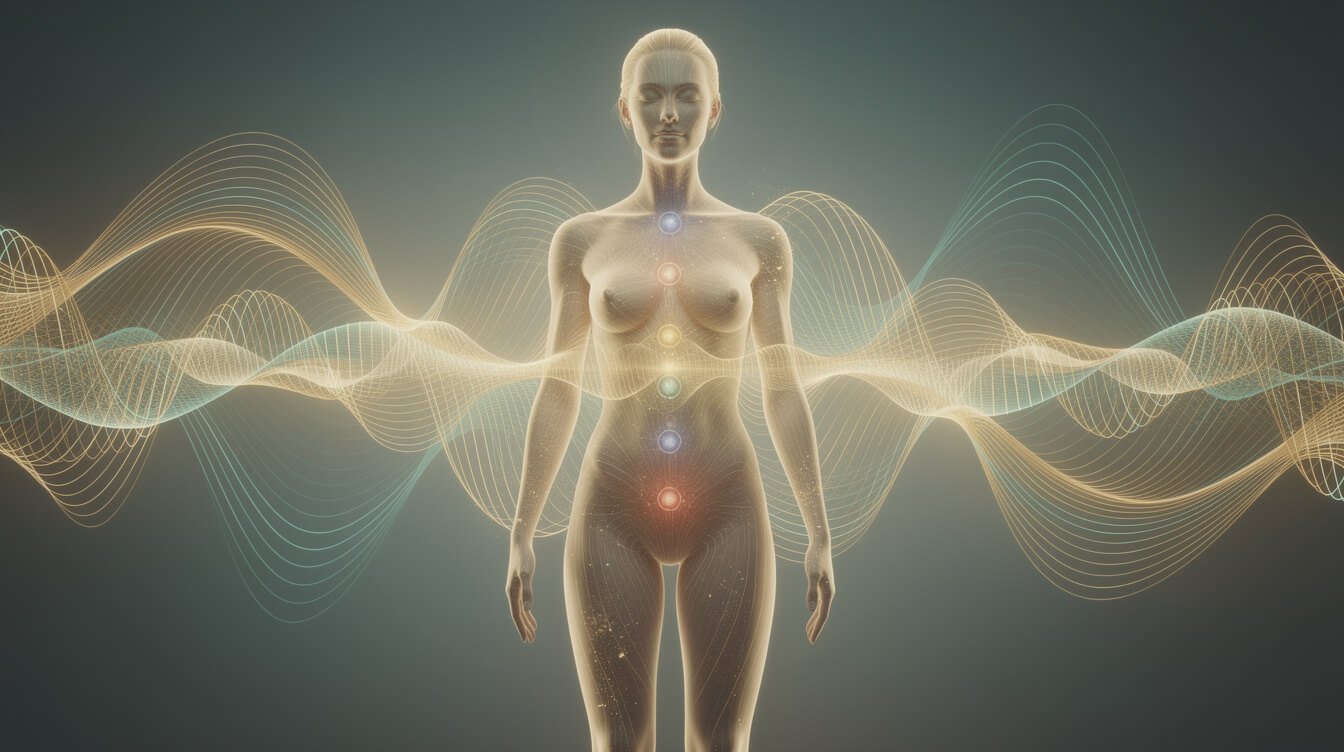
Understanding how bioresonance therapy works requires a small but fascinating dive into the bioelectrical nature of the human body. Your cells aren’t just chemical factories — they’re also tiny electrical generators. Every cell membrane maintains an electrical charge (called the membrane potential), your nervous system runs on electrical impulses, and your heart’s rhythm is governed by its own electrical conduction system.
Bioresonance therapy works by interacting with these bioelectrical signals through a three-step process:
Step 1: Reading Your Body’s Frequencies
Electrodes placed on the skin pick up the weak electromagnetic signals emitted by your cells and tissues. These signals are amplified and sent to the bioresonance device for analysis. The device maps out a frequency profile — essentially a snapshot of your body’s current electromagnetic state.
Step 2: Analyzing Harmonious vs. Disharmonious Patterns
The device’s software distinguishes between frequencies that are within a healthy range (“harmonious”) and those that suggest imbalance or stress (“disharmonious”). Disharmonious patterns may indicate areas where the body is struggling — perhaps from toxin exposure, chronic inflammation, emotional stress, or other factors.
Step 3: Sending Corrective Frequencies
Based on the analysis, the device generates corrective frequency signals and sends them back through the electrodes. The harmonious frequencies are amplified and reinforced, while the disharmonious ones are inverted (a process similar to noise-canceling technology in headphones). The goal is to support the body’s own self-regulatory mechanisms and encourage a return to balanced function.
The most widely used bioresonance devices include the MORA (the original design), the BICOM, and various modern iterations. While these are typically found in clinical settings, the underlying principle — that electromagnetic frequency support may benefit the body — has also informed the development of at-home devices, including PEMF therapy mats and terahertz frequency wands.
It’s worth noting that bioresonance therapy is considered a complementary approach. It’s designed to work alongside — not replace — conventional medical care. Many practitioners recommend it as part of a broader wellness strategy that includes good nutrition, adequate sleep, stress management, and regular movement.
Bioresonance Therapy, PEMF, and Terahertz: The Frequency Wellness Family

One of the most exciting developments in modern wellness is the growing recognition that bioresonance therapy doesn’t exist in isolation. It belongs to a broader family of frequency-based wellness approaches — each with its own unique mechanism, but all sharing the core principle that electromagnetic frequencies may support the body’s natural healing processes.
Bioresonance Therapy
As we’ve explored, bioresonance reads the body’s existing frequencies and sends corrective signals back. Think of it as a conversation with your cells — listening first, then responding with supportive frequency adjustments. It’s primarily used in clinical settings with specialized devices.
PEMF (Pulsed Electromagnetic Field) Therapy
PEMF therapy delivers specific electromagnetic pulses to the body at controlled frequencies and intensities. Rather than reading and responding to existing signals (like bioresonance), PEMF proactively bathes the body’s tissues in therapeutic electromagnetic fields. Research suggests PEMF may support cellular repair, improve circulation, reduce inflammation, and promote relaxation. PEMF devices range from clinical-grade equipment to accessible at-home devices like therapy mats and handheld units.
Terahertz Frequency Therapy
Terahertz frequencies occupy a unique band of the electromagnetic spectrum — sitting between infrared light and microwave radiation. This frequency range is particularly intriguing because it closely matches the natural vibrational frequencies of many biological molecules. Terahertz therapy uses these frequencies to gently stimulate cellular activity, and emerging research suggests it may support circulation, cellular vitality, and the body’s natural detoxification processes.
What makes this family of therapies so compelling is their complementary nature. Many wellness enthusiasts find that combining approaches — perhaps using a terahertz and PEMF device at home for daily frequency support, while visiting a practitioner for periodic bioresonance assessments — creates a more comprehensive approach to frequency wellness than any single modality alone.
The common thread? All three approaches work gently and non-invasively with the body’s own electromagnetic environment. They don’t force change — they support it, respecting the body’s innate wisdom and capacity for self-regulation.
What Research Says About Bioresonance Therapy

When exploring any wellness modality, it’s important to understand what the evidence actually shows — and to be honest about where the research stands. Bioresonance therapy occupies an interesting space: it has a growing body of preliminary research that shows promise, while the scientific community calls for larger, more rigorous studies.
Here’s what the current research landscape looks like:
Depression and Mental Wellness
A notable 2022 study published in the Journal of Medicine and Life (indexed in PubMed Central) examined bioresonance therapy as a treatment for mild and moderate depression. The randomized controlled trial compared bioresonance outcomes against SSRI medication and found statistically significant improvements in the bioresonance group. While the study size was limited, it represents one of the more rigorous investigations into bioresonance therapy’s potential for emotional wellness.
Smoking Cessation
Several studies have explored bioresonance therapy as a support for quitting smoking. A 2014 randomized controlled trial published in Tobacco Induced Diseases found that participants receiving bioresonance therapy had significantly higher quit rates compared to a placebo group after one week and one month of follow-up. These findings suggest bioresonance may support individuals working to break addictive patterns.
Allergies and Sensitivities
Some practitioners use bioresonance therapy to help identify and address environmental sensitivities. While clinical evidence in this area is still developing, anecdotal reports from practitioners and clients suggest that bioresonance may help some individuals better understand their body’s reactions to specific substances.
The Broader Frequency Therapy Evidence Base
When we look beyond bioresonance specifically to the broader frequency wellness family, the evidence base becomes more substantial. PEMF therapy, in particular, has been the subject of hundreds of studies and is FDA-cleared for specific applications including bone fracture healing and treatment-resistant depression. Research on therapeutic frequencies continues to expand across multiple disciplines.
What does this mean for you? Bioresonance therapy shows genuine promise, and the broader science of frequency-based wellness is advancing rapidly. As with any emerging field, it’s wise to approach it with informed curiosity — open to the possibilities while recognizing that more research will continue to clarify exactly how and when bioresonance therapy may be most beneficial.
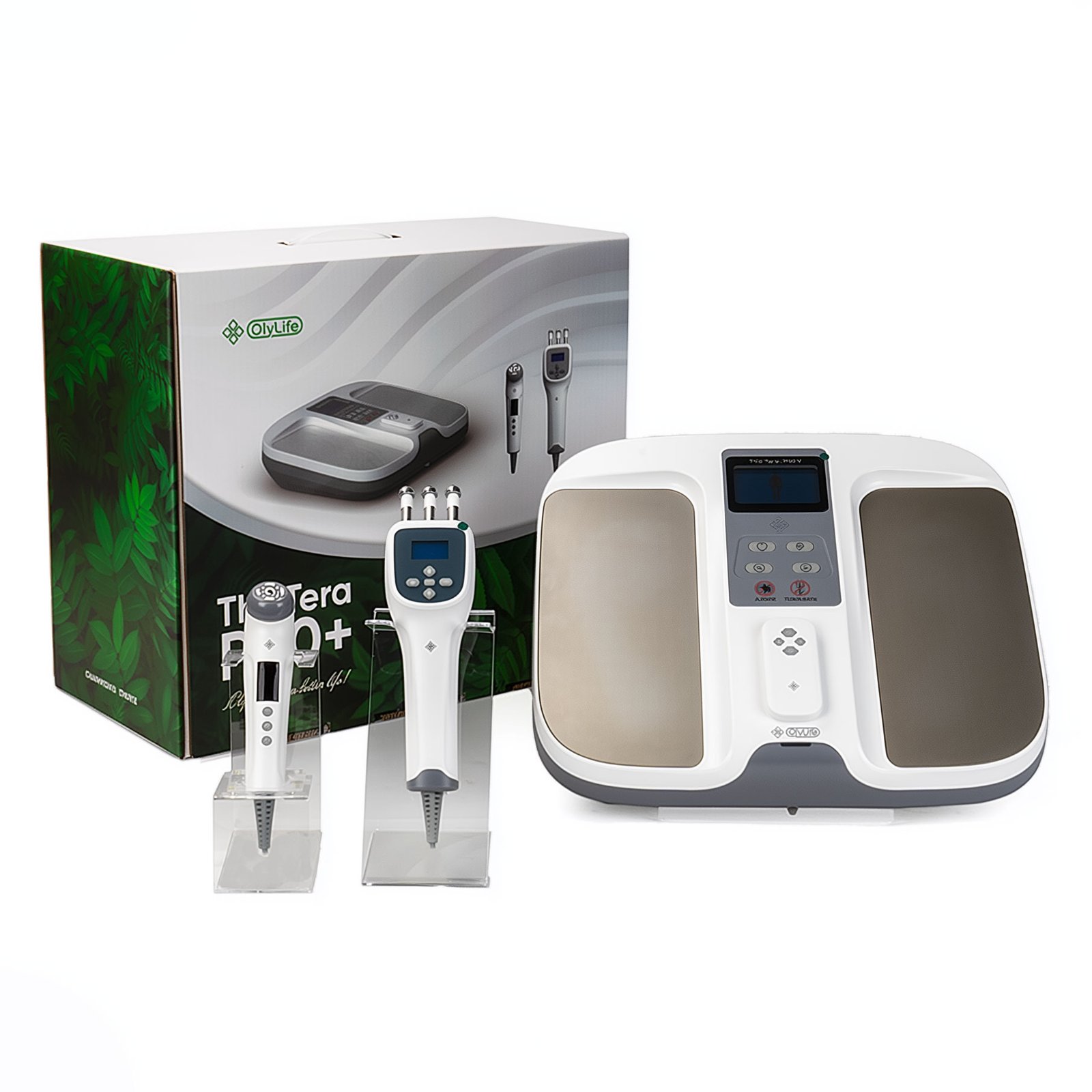
Experience Frequency Wellness at Home
The OlyLife Tera-P90+ combines PEMF and terahertz frequency technology in one smart therapy system — bringing the power of frequency wellness into your daily routine.
🎁 Get a Free Wellness Gift
Enter your name and email below to receive a special wellness gift from OlyLife — absolutely free!
Conditions and Wellness Goals Bioresonance Therapy May Support

While bioresonance therapy should never replace professional medical care, many people explore it as a complementary approach for a variety of wellness concerns. Based on practitioner reports and the available research, here are the areas where bioresonance therapy has shown the most interest and preliminary evidence:
Stress and Emotional Balance
Chronic stress disrupts virtually every system in the body, including its electromagnetic harmony. Bioresonance therapy may help support the nervous system’s natural stress-response mechanisms, potentially promoting a deeper sense of calm and emotional equilibrium. If you’re already exploring natural approaches to better rest and stress management, bioresonance may be a worthwhile addition to your wellness toolkit.
Digestive Comfort
Some practitioners use bioresonance to assess and support digestive function, particularly in cases where conventional testing has been inconclusive. The “mystery symptoms” phenomenon — where individuals feel unwell despite normal lab results — is one area where bioresonance practitioners report meaningful results.
Environmental Sensitivities
From food sensitivities to environmental triggers, bioresonance therapy is frequently used to help individuals identify substances that may be contributing to discomfort. While not a diagnostic tool in the medical sense, it may offer additional insights for those navigating complex sensitivity patterns.
Chronic Fatigue and Low Energy
When fatigue persists despite adequate sleep and nutrition, it may reflect deeper energetic imbalances. Bioresonance therapy’s whole-body frequency assessment approach allows practitioners to look for patterns that conventional testing might miss — including electromagnetic disruptions that could be contributing to persistent tiredness.
Pain and Inflammation
Preliminary observations suggest that frequency-based therapies may help support the body’s natural anti-inflammatory processes. Many individuals who explore bioresonance for pain management also find value in complementary approaches like natural remedies for inflammation and frequency-based devices designed for at-home use.
Skin Health
Some studies have examined bioresonance therapy for conditions like eczema and psoriasis, with early results showing potential for supporting skin health when used alongside conventional treatments.
The key takeaway? Bioresonance therapy may be most valuable as part of an integrative wellness approach — one that combines frequency-based support with healthy nutrition, regular movement, stress management, and professional medical guidance when needed.
What to Expect and How to Bring Frequency Wellness Home

What a Bioresonance Session Feels Like
If you’re considering trying bioresonance therapy, knowing what to expect can help you feel comfortable and prepared. A typical session takes place in a calm, relaxing clinical environment. You’ll sit or recline comfortably while the practitioner places small electrodes on your hands, feet, or specific points on your body.
Most people report the session itself as deeply relaxing — similar to a gentle meditation. You might feel subtle warmth, light tingling, or simply a sense of deep calm. Many clients say they feel “lighter” or more balanced after their first session, though practitioners typically recommend a series of 3 to 5 sessions to experience the full potential benefits.
Before your session, practitioners generally recommend staying well-hydrated, avoiding alcohol, and getting adequate rest. After the session, drinking plenty of water supports the body’s natural detoxification processes, and many practitioners suggest a period of gentle rest.
Bringing Frequency Wellness Into Your Daily Routine
One of the most empowering trends in modern wellness is the shift toward accessible, at-home frequency therapy. While traditional bioresonance assessment typically requires a clinical setting, complementary frequency wellness devices — particularly PEMF and terahertz devices — allow you to incorporate frequency support into your everyday routine.
Here are some ways to create a simple frequency wellness ritual at home:
- Morning frequency session: Start your day with a 15-20 minute PEMF or terahertz session to support circulation and set a calm, energized tone for the day. Pair it with grounding exercises or breathwork for a complete morning ritual.
- Post-exercise recovery: Use a frequency device after workouts to support muscle recovery and reduce post-exercise tension.
- Evening wind-down: A gentle frequency session before bed may support relaxation and help prepare your body for restful sleep.
- Mindful integration: Keep a simple wellness journal to track how you feel before and after sessions. Over time, these observations help you personalize your frequency wellness practice.
The beauty of modern frequency wellness devices is their simplicity. Unlike clinical bioresonance equipment, which requires professional training, at-home PEMF and terahertz devices are designed to be intuitive and user-friendly — making daily frequency support as simple as brewing your morning tea.
Safety, Contraindications, and Honest Limitations
Bioresonance therapy is generally considered very safe, with minimal reported side effects. However, transparency about limitations builds trust, so here’s what you should know:
Contraindications: Bioresonance and frequency-based therapies are generally not recommended for individuals with pacemakers or other implanted electronic medical devices, those who are pregnant, or individuals with active bleeding disorders. If you have any serious medical condition, always consult your healthcare provider before beginning any new wellness practice.
Honest limitations: While bioresonance therapy shows genuine promise, it’s important to understand that it is considered a complementary therapy — not a replacement for conventional medical diagnosis or treatment. The research base is growing but still developing. Reputable practitioners will never claim that bioresonance can cure disease, and you should be cautious of any provider who makes such claims.
The most responsible approach to frequency wellness is an integrative one: use bioresonance and related therapies to complement good nutrition, regular movement, adequate sleep, stress management, and professional medical care.
Frequently Asked Questions About Bioresonance Therapy

How much does bioresonance therapy cost?
Session costs vary by location and practitioner but typically range from $75 to $250 per session. Many practitioners offer initial consultation packages of 3-5 sessions at a reduced per-session rate. At-home frequency wellness devices represent a larger upfront investment but eliminate ongoing session costs.
How many sessions do I need before I notice results?
Many people report feeling more relaxed after their first session, but practitioners typically recommend 3 to 5 sessions for a more complete assessment of potential benefits. Some individuals with chronic concerns may benefit from longer treatment plans.
What is the difference between bioresonance and PEMF therapy?
Bioresonance reads the body’s existing electromagnetic frequencies and sends corrective signals back — it’s a two-way conversation. PEMF therapy delivers specific therapeutic electromagnetic pulses to support cellular function. Both work with the body’s electromagnetic environment, but their mechanisms differ. Many wellness enthusiasts find value in both approaches.
Can I combine bioresonance with my current medications?
Bioresonance is non-invasive and doesn’t involve ingesting any substances, so it typically doesn’t interfere with medications. However, always inform your bioresonance practitioner about any medications you’re taking, and consult your doctor before adding any new therapy to your wellness routine.
Is bioresonance therapy safe for children and older adults?
Bioresonance is generally considered safe for all age groups. Its non-invasive nature makes it particularly appealing for individuals who prefer gentle wellness approaches. As always, consult a healthcare provider for specific guidance.
Can I do frequency therapy at home?
While traditional bioresonance assessment requires clinical equipment, many complementary frequency therapies — including PEMF and terahertz therapy — are available as user-friendly at-home devices. These allow you to incorporate frequency wellness support into your daily routine.
Final Thoughts: Listening to Your Body’s Natural Frequencies
Bioresonance therapy invites us to consider something beautiful: that beneath the hustle of daily life, your body is constantly communicating — through frequencies, rhythms, and electromagnetic patterns that are as natural as your heartbeat. Supporting this invisible language of wellness may be one of the gentlest, most empowering steps you can take for your health.
Whether you’re drawn to bioresonance therapy, PEMF, terahertz frequency support, or a combination of approaches, the journey into frequency wellness starts with curiosity and a willingness to listen to what your body needs. Combined with nourishing nutrition, mindful movement, adequate rest, and the guidance of trusted healthcare providers, frequency-based wellness offers a fascinating and hopeful path toward whole-body balance.
Your body already speaks the language of frequency. Perhaps it’s time to start listening. 🌿