If you have spent any time exploring natural wellness, you have probably come across frequency healing devices — a growing category of tools that use sound, vibration, pulsed electromagnetic fields, or light to support relaxation, rest, and everyday balance. From pocket-sized tuning tools to full-body mats and handheld wands, the choices can feel overwhelming, and the marketing claims even more so.
This complete guide cuts through the noise. We will explain what frequency healing devices actually are, how the main types work, the benefits people genuinely seek from them, and — most importantly — how to choose one wisely without falling for hype. Along the way, we will be honest about where the science is strong, where it is still emerging, and how to stay safe. Think of this as the practical, no-nonsense resource we wish existed when we first started asking these questions.
What Are Frequency Healing Devices?

At their simplest, frequency healing devices are tools designed to deliver a specific, repeating form of energy — a sound tone, a mechanical vibration, an electromagnetic pulse, or a band of light — to the body or its surrounding space. The shared idea is that everything in the physical world, including our cells, tissues, and nervous system, is in constant motion and responds to rhythmic input. By introducing a steady, gentle frequency, these devices aim to encourage the body toward a calmer, more balanced state.
It helps to separate the concept from the marketing. Some frequencies interact with the body through well-documented physics: sound waves move air and tissue, electromagnetic fields induce tiny electrical changes, and light penetrates skin to a measurable depth. Other claims — that a single “magic” number can cure disease — are not supported by evidence and are worth treating with healthy skepticism. A good frequency device is a wellness tool that may support relaxation and comfort, not a medical treatment that replaces professional care.
You will find these tools across a wide spectrum of price and sophistication. If you want a broader primer on the underlying idea before diving into hardware, our guide to frequency healing and vibration therapy is a helpful companion piece, and the 7 healing frequencies explained covers the sound side in depth.
How Frequency Healing Devices Work

Different devices rely on different mechanisms, but a few core principles show up again and again. Understanding them makes it far easier to judge whether a product is credible.
Resonance and entrainment
Resonance is the tendency of one vibrating system to influence another. Entrainment is the related idea that a steady external rhythm can gently nudge the body’s own rhythms — brainwaves, breathing, or heart rate — to fall into step with it. This is the principle behind sound-based tools and brainwave audio. Research on binaural beats, for example, suggests that certain audio frequencies can measurably shift brainwave patterns and support a more relaxed, focused state.
Electromagnetic induction
Pulsed electromagnetic field (PEMF) devices work through induction: a coil generates a low-level magnetic pulse that passes through tissue and creates tiny electrical shifts at the cellular level. Researchers believe this may influence how cells exchange ions and support healthy circulation. You can read more in our detailed guide to PEMF therapy benefits.
Warmth, light, and mechanical vibration
Some devices add gentle heat or infrared light, which can feel soothing and support local blood flow, while others deliver physical vibration you can feel through a mat or cushion. Terahertz-based tools combine warmth with a high-frequency band of energy — our overview of what terahertz therapy is explains that spectrum in plain language. The common thread is that a consistent, rhythmic input gives the nervous system a cue to shift out of “fight or flight” and toward rest.
The nervous system connection
Much of what people describe as “feeling better” after a session comes down to the autonomic nervous system — the automatic control center that switches between the alert, sympathetic “fight or flight” state and the restful, parasympathetic “rest and digest” state. Modern life keeps many of us tilted toward the alert side, and that chronic activation shows up as tension, poor sleep, and a racing mind.
A gentle, predictable frequency — whether a warm pulse, a steady tone, or a soft vibration — offers the body a signal of safety. That cue can help nudge the system back toward its parasympathetic balance, which is why so many device sessions feel calming even when the physical input is subtle. It also explains why these tools pair so well with practices that support the same shift, such as our guide to natural energy healing. The device is not forcing anything; it is inviting a state your body already knows how to reach.
The Main Types of Frequency Healing Devices
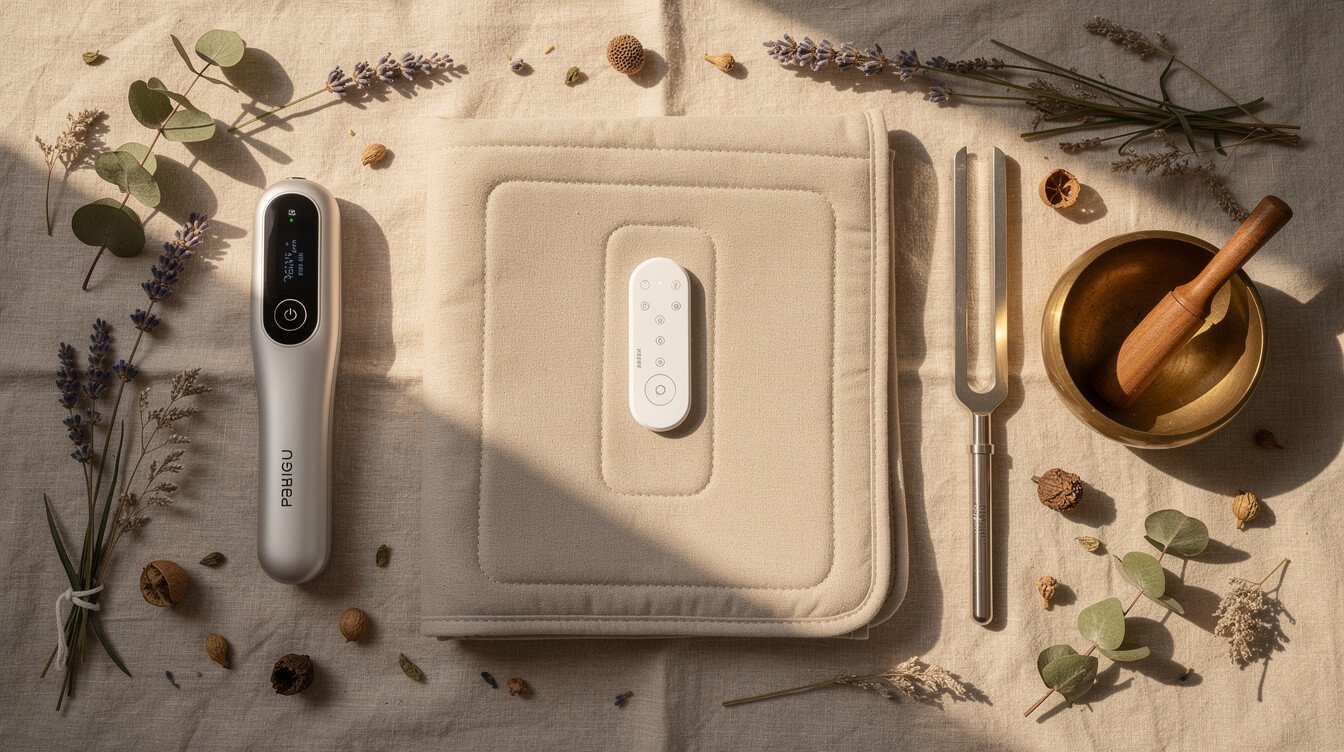
Rather than sort products by brand, it is far more useful to organize frequency healing devices by modality — the kind of energy they deliver. Here are the categories you are most likely to encounter, each with its own strengths.
PEMF devices (mats, pads, and wearables)
PEMF tools range from full-body mats to small targeted pads and portable wearables. They are among the most researched frequency devices, with studies exploring their role in circulation, recovery, and comfort. Mats suit whole-body relaxation, while pads target a specific area. See our guides to PEMF mat benefits and PEMF mats for pain relief.
Terahertz devices (wands)
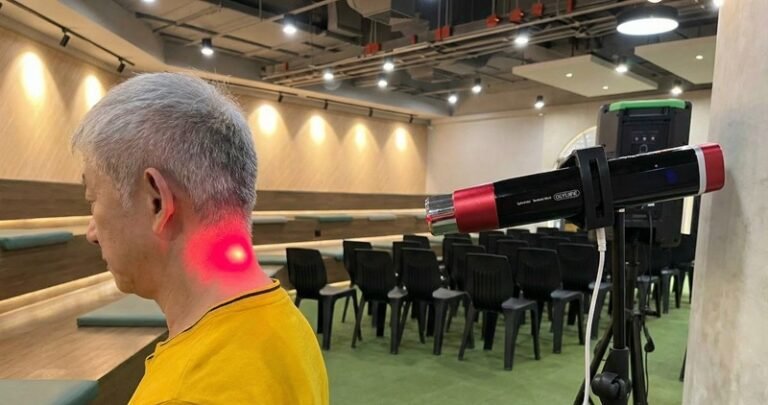
Terahertz wands combine warmth, air flow, and a high-frequency energy band in a handheld tool you can direct to specific areas. They are popular for their soothing heat and portability. Our complete terahertz wand guide and terahertz for muscle recovery cover this modality, and terahertz stones explores the passive, non-device version.
Sound and vibroacoustic tools
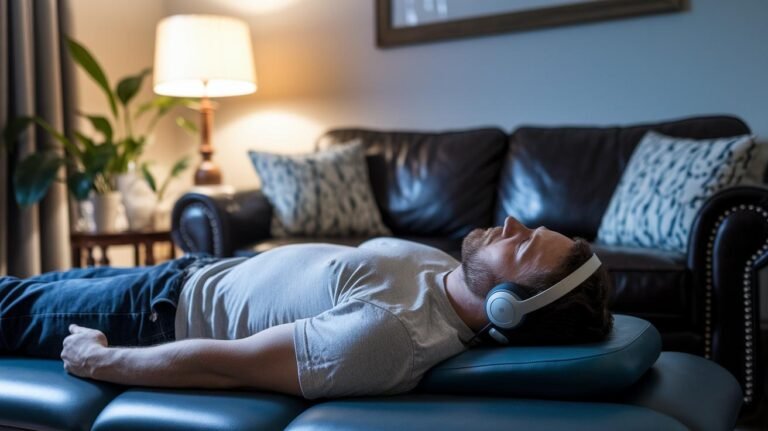
This family includes tuning forks, singing bowls, breath-powered tone instruments, brainwave audio apps, and vibroacoustic mats or beds that turn music into physical vibration. They are the most accessible entry point and shine for relaxation and sleep routines. Our guide to sound healing frequency goes deeper here.
Light-based devices
Red and near-infrared light devices deliver specific wavelengths (a form of frequency) that penetrate the skin. They are typically used for skin appearance and recovery — see red light therapy at home.
Rife and bioresonance devices
These generate a wide range of adjustable frequencies and have a devoted following. Be aware, though, that the independent evidence here is thin and the claims are often the most exaggerated in the category — approach with extra scrutiny.
To make the differences easy to compare at a glance, here is how the main modalities stack up:
| Modality | Form factor | Best for | Evidence base |
|---|---|---|---|
| PEMF | Mats, pads, wearables | Whole-body relaxation, circulation, recovery | Strong and growing |
| Terahertz | Handheld wands | Targeted warmth, comfort, portability | Emerging |
| Sound / vibroacoustic | Forks, bowls, apps, mats | Relaxation, sleep, focus | Moderate (entrainment) |
| Light (red / near-infrared) | Panels, masks, wands | Skin appearance, local recovery | Moderate and growing |
| Rife / bioresonance | Generators, plates | Experimentation by enthusiasts | Weak / unproven |
Notice that no single modality “wins” outright — each has a sweet spot. This is exactly why matching the tool to your goal matters more than chasing the device with the flashiest marketing, and why some people gravitate toward combination systems that fold two modalities into one.
Benefits People Seek from Frequency Healing Devices

People reach for frequency healing devices for a handful of recurring, everyday reasons. It is worth framing these honestly: these are wellness experiences that may support how you feel, not guaranteed medical outcomes.
- Relaxation and stress relief. A steady rhythm, gentle warmth, or calming tone can help the nervous system downshift. This is the most commonly reported benefit and aligns with what we know about grounding and calming practices.
- Better sleep routines. Many people use a device as part of a wind-down ritual, pairing it with dim lights and slow breathing to signal the body that it is time to rest.
- Recovery and comfort. Athletes and active people often turn to PEMF and terahertz tools to support circulation and ease everyday muscular tension after exertion.
- Focus and mental calm. Brainwave audio and sound tools are popular for creating a settled, attentive state during work or meditation.
- A sense of ritual and connection. There is real value in a few minutes of intentional, screen-free calm — something these devices naturally encourage.
Notice the pattern: the strongest, most consistent benefit across every modality is relaxation. If a device helps you carve out calm, restorative moments in a busy life, that alone can be meaningful for overall wellbeing.
🎁 Get a Free Wellness Gift
Enter your name and email below to receive a special wellness gift from OlyLife — absolutely free!
How to Choose the Right Frequency Healing Device
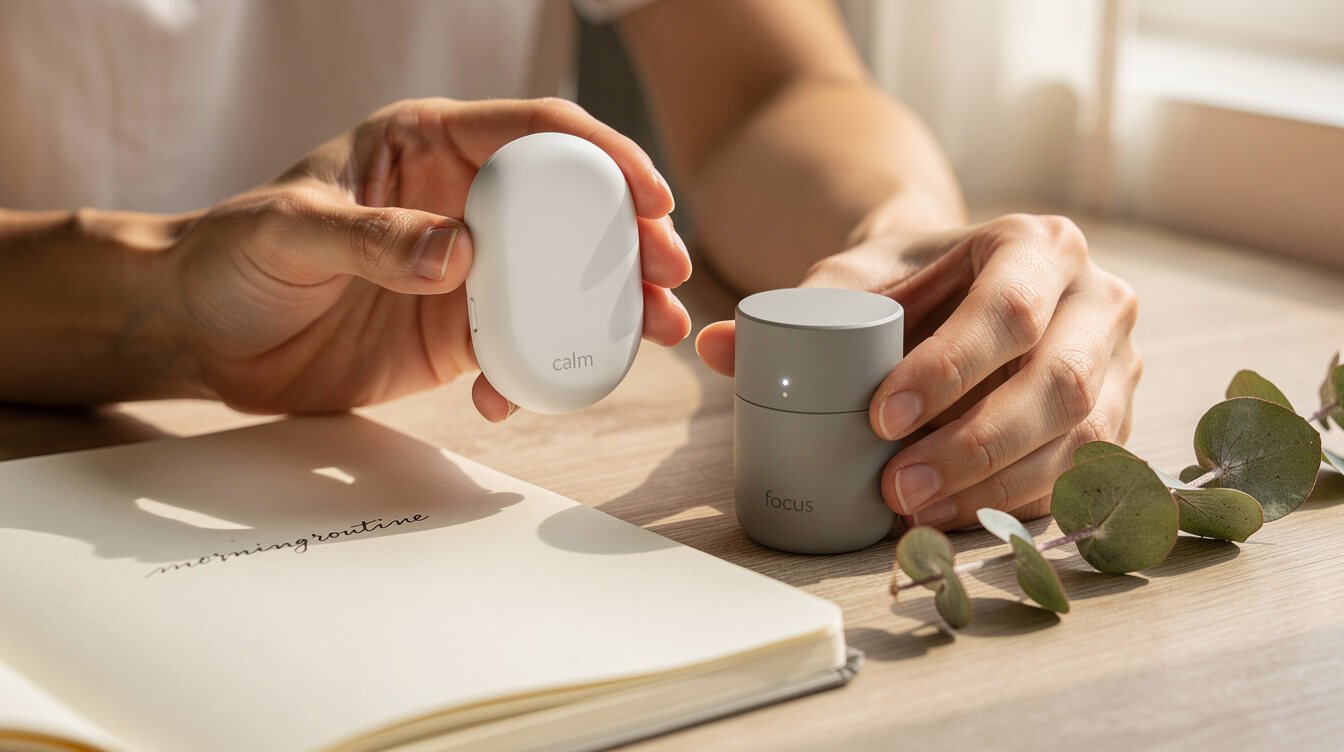
With so many options, choosing well comes down to matching the tool to your goal and vetting quality. Here is a practical framework.
1. Start with your main goal
Relaxation and sleep? A sound tool or gentle vibroacoustic mat is a natural fit. Whole-body recovery and circulation? Look at PEMF mats. Targeted comfort and soothing warmth you can direct anywhere? A terahertz or PEMF handheld makes sense. Let the goal narrow the field before you compare brands.
2. Whole-body vs targeted
Mats and beds cover large areas and suit full-body relaxation; wands, pads, and wearables focus on one spot and are easier to travel with. Many people end up wanting one of each over time.
3. Check evidence and transparency
Favor modalities with a real research base (PEMF, red light, sound entrainment) and companies that publish clear specifications — frequency ranges, intensity, materials, and certifications. Vague products that hide their specs behind grand promises deserve caution.
4. Watch for red flags
Walk away from any device marketed as a cure for serious disease, anything that discourages you from seeing a doctor, and “miracle frequency” claims with no verifiable detail. Honest brands describe their tools as wellness support, not treatment.
If you are drawn to a versatile, all-in-one option, the OlyLife THz Tera-P90+ is worth a look — it combines PEMF and terahertz technology with soothing warmth in a single handheld system, so you are not buying several separate devices to cover different needs.
5. Consider your budget honestly
Entry-level sound tools cost very little, quality PEMF and terahertz systems represent a more serious investment, and premium vibroacoustic beds sit at the top. Set a realistic range, then choose the best-built device you can afford rather than the one with the loudest claims.
Safety, Evidence, and What to Watch For
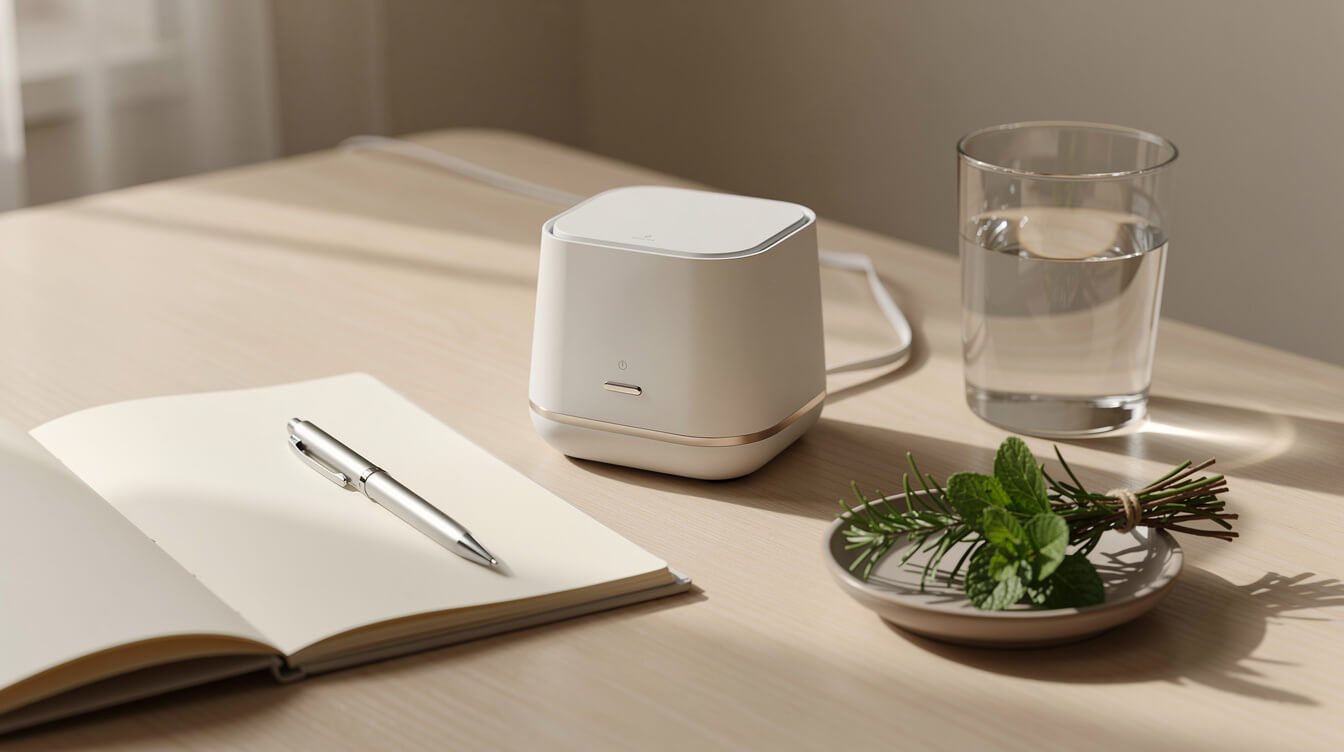
Most frequency healing devices are gentle and well tolerated, but a few sensible precautions apply — especially with electromagnetic tools.
Talk to your doctor first if you have a pacemaker or other implanted electronic device, are pregnant, have epilepsy or a seizure disorder, or have a condition affecting bleeding. These are standard cautions for PEMF and similar technologies, and a quick professional check is always the responsible first step.
On the evidence: be a discerning reader. PEMF has a meaningful body of research, much of it on clinical-grade equipment; sound entrainment and red light also have supportive studies; Rife and bioresonance remain largely unproven. Look for language like “may support” and “research suggests” rather than guarantees — reputable sources, including our own content, deliberately avoid medical claims. When a study is cited, notice whether it involved the actual home device or a very different clinical setup, because the two are not interchangeable.
Getting the most from your device
Once you have chosen a tool, a little intention goes a long way. Set aside a consistent time — many people find that a short session in the evening pairs naturally with winding down for sleep, while others prefer a midday reset. Create a calm environment: dim the lights, silence notifications, and let the session double as a few minutes of genuine stillness. Combine your device with slow, extended-exhale breathing to deepen the relaxation response, and keep a simple note of how you feel before and after so you can judge, honestly, whether it is earning its place in your routine.
Give any new tool a fair trial of a few weeks rather than expecting an instant transformation. Wellness benefits tend to build quietly with consistency, much like the gains from regular movement or better sleep hygiene. If after a genuine trial a device is not adding value for you, that is useful information too — there is no obligation to keep using something simply because you bought it.
Finally, remember that a device is one part of a bigger picture. It works best alongside good sleep, movement, nourishing food, and stress management — not as a substitute for them. Used that way, a frequency tool becomes a pleasant, supportive ritual rather than a false promise.
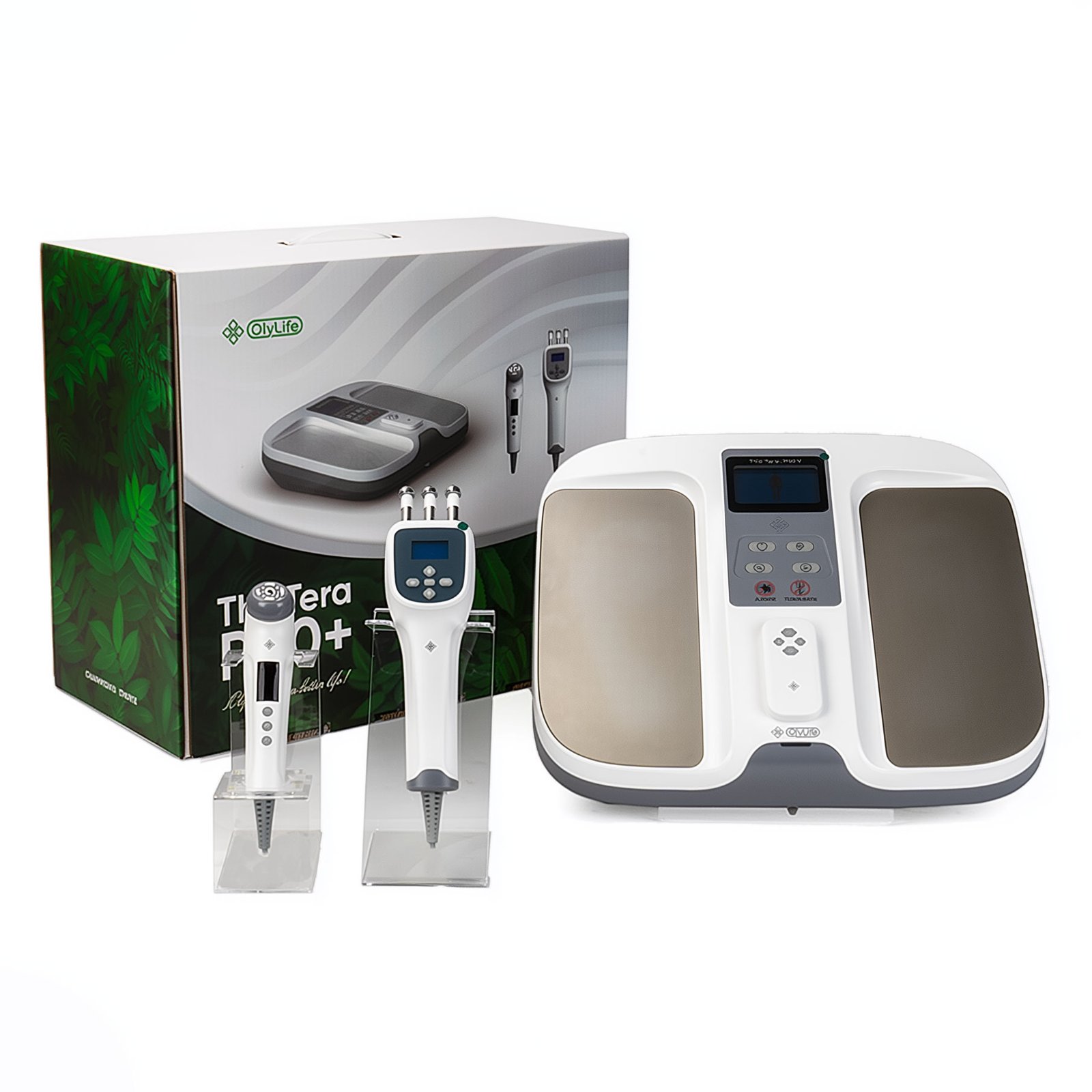
One Device, Two Proven Modalities
The OlyLife THz Tera-P90+ brings PEMF, terahertz energy, and soothing warmth together in one handheld system — a simple way to explore frequency wellness at home without juggling multiple gadgets.
Frequently Asked Questions About Frequency Healing Devices
Do frequency healing devices actually work?
It depends on the modality and the goal. For relaxation and stress relief, many people find real, noticeable benefit, and modalities like PEMF, red light, and sound entrainment have supportive research. They are best understood as wellness tools that may support how you feel — not medical cures.
Which type is best for a beginner?
A simple sound tool or a well-made PEMF mat is a friendly starting point. Both are gentle, easy to use, and great for building a daily relaxation ritual. From there you can explore targeted tools like terahertz wands.
Are frequency healing devices safe?
For most healthy adults, yes, when used as directed. The main cautions apply to electromagnetic tools: check with your doctor first if you have an implanted device such as a pacemaker, are pregnant, or have epilepsy or a bleeding condition.
How often should I use one?
Consistency matters more than long sessions. Short, regular sessions — often 15 to 30 minutes as directed by your device — tend to be more sustainable and satisfying than occasional marathon use.
Can one device do everything?
No single tool covers every use, but combination systems get close. A device that pairs PEMF with terahertz warmth, for instance, covers relaxation, comfort, and recovery in one, which is why all-in-one systems appeal to people who want simplicity.
Final Thoughts
Frequency healing devices are not magic, and the best brands will never pretend they are. What they offer is something quieter and genuinely valuable: a simple, repeatable way to invite calm, warmth, and rest into your day. When you match the modality to your goal, favor transparent and well-researched tools, and keep your expectations grounded, these devices can become a lovely part of a balanced wellness routine.
Start with your main goal, choose quality over hype, and let the tool support — not replace — the fundamentals of good sleep, movement, and nourishment. Approached that way, frequency wellness becomes less about chasing a miracle and more about tending, gently and consistently, to how you feel. 🌿