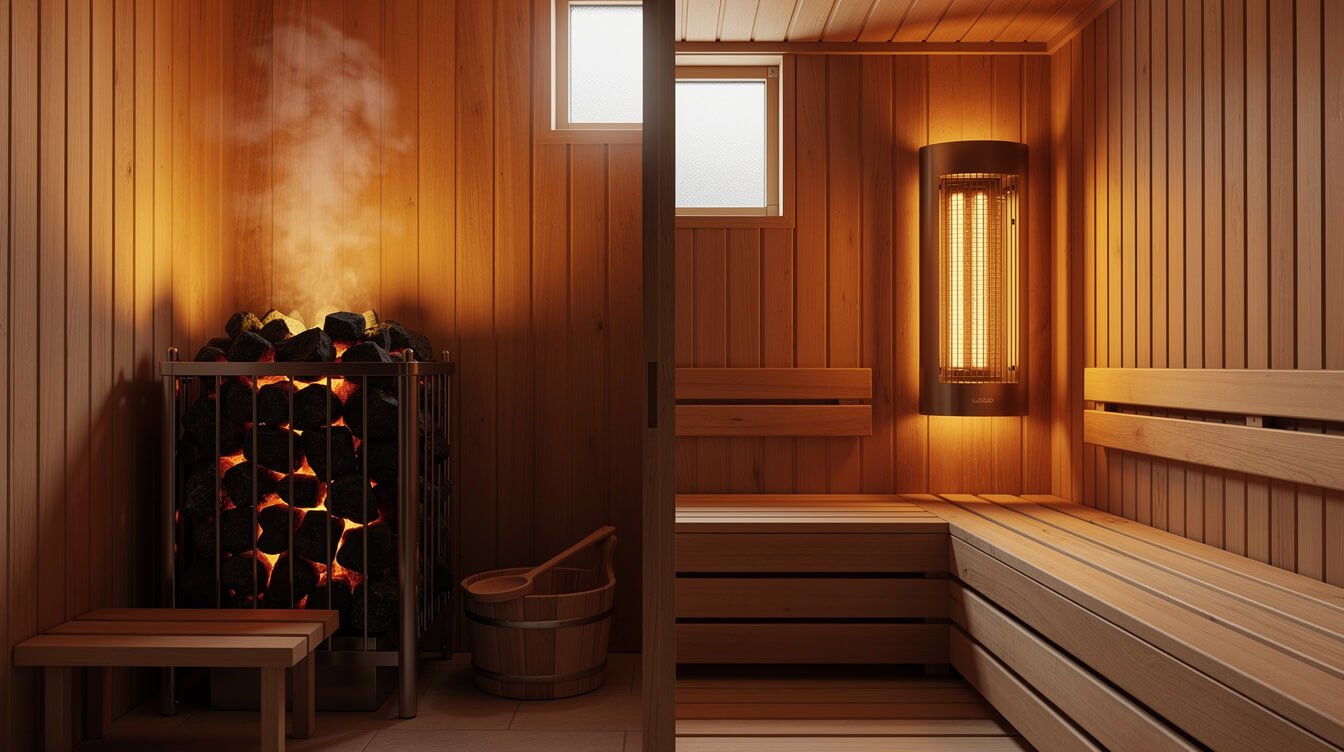
Infrared Sauna vs Traditional Sauna: Which Is Right for You?
If you have started shopping for at-home heat therapy, you have almost certainly run into the same crossroads everyone does: infrared sauna vs traditional sauna. Both wrap you in warmth, both leave you glowing and relaxed, and both have devoted fans who swear their format is the “real” one. But they heat your body in fundamentally different ways, they come with different research behind them, and they suit different goals, budgets, and living spaces.
This guide cuts through the marketing on both sides. We will look at how each sauna actually works, what the science genuinely supports (and what it does not), and how to match the right format to your priorities — whether that is heart health, sore muscles, deep relaxation, or simply a heat you can comfortably sit in. By the end, you will know exactly which sauna deserves a place in your wellness routine.
Infrared Sauna vs Traditional Sauna: The Core Difference
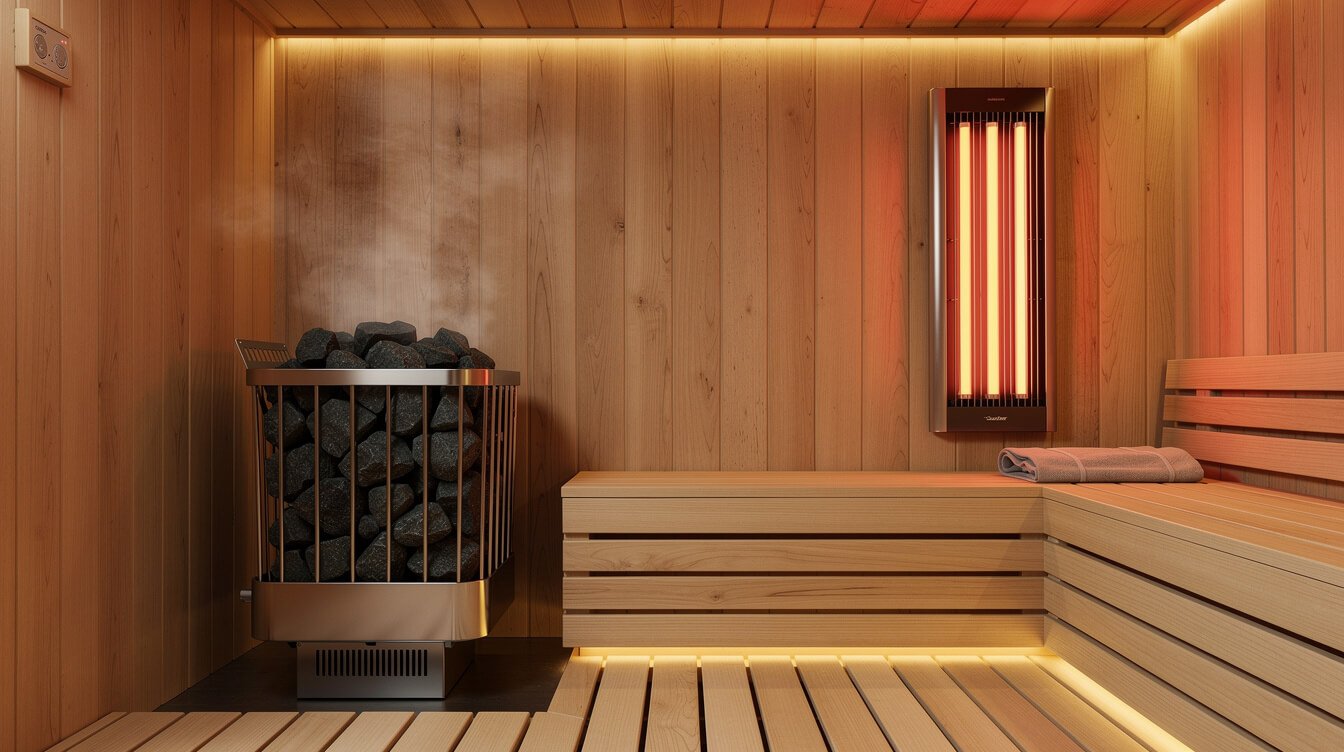
The single biggest difference between an infrared sauna and a traditional sauna is the heat source — and everything else flows from that one distinction.
A traditional sauna (often called a Finnish-style sauna) heats the air around you. An electric, wood, or gas heater warms a bed of rocks, the rocks radiate heat into the room, and that hot air raises your skin and core temperature. Pour water over the rocks and you get a burst of steam — the classic “löyly” experience. Traditional saunas run hot, typically 150–195°F (65–90°C), and some climb even higher.
An infrared sauna skips the hot-air step. Instead of heating the room, infrared heating panels emit invisible light on the electromagnetic spectrum that your body absorbs directly as gentle warmth — much the way the sun warms your skin on a cool day. Because the air itself stays cooler, infrared saunas feel far milder, usually operating between 113–140°F (45–60°C). Remarkably, the highest temperature in a typical infrared cabin is still lower than the lowest setting of most traditional saunas.
That gap in temperature is why the two experiences feel so different in the body, even though both leave you sweating. If you have explored other radiant-heat wellness tools, you will notice the parallel with our guide to the benefits of infrared light therapy, which uses similar wavelengths for a targeted effect.
Here is the quick side-by-side before we dig into the details:
| Feature | Infrared Sauna | Traditional Sauna |
|---|---|---|
| Heat source | Infrared panels warm the body directly | Heater and rocks warm the air |
| Typical temperature | 113–140°F (45–60°C) | 150–195°F (65–90°C) |
| Feel | Milder, penetrating warmth | Intense, enveloping heat + optional steam |
| Warm-up time | 10–15 minutes | 30–45 minutes |
| Strongest research | Newer clinical trials (heart failure, fatigue, pain) | Long-term longevity & cardiovascular cohorts |
| Best for | Comfort, recovery, heat-sensitive users | Longevity habit, steam ritual, intense-heat lovers |
| Space & cost | Compact, often lower cost to run | Larger footprint, higher energy use |
How Each Sauna Heats Your Body
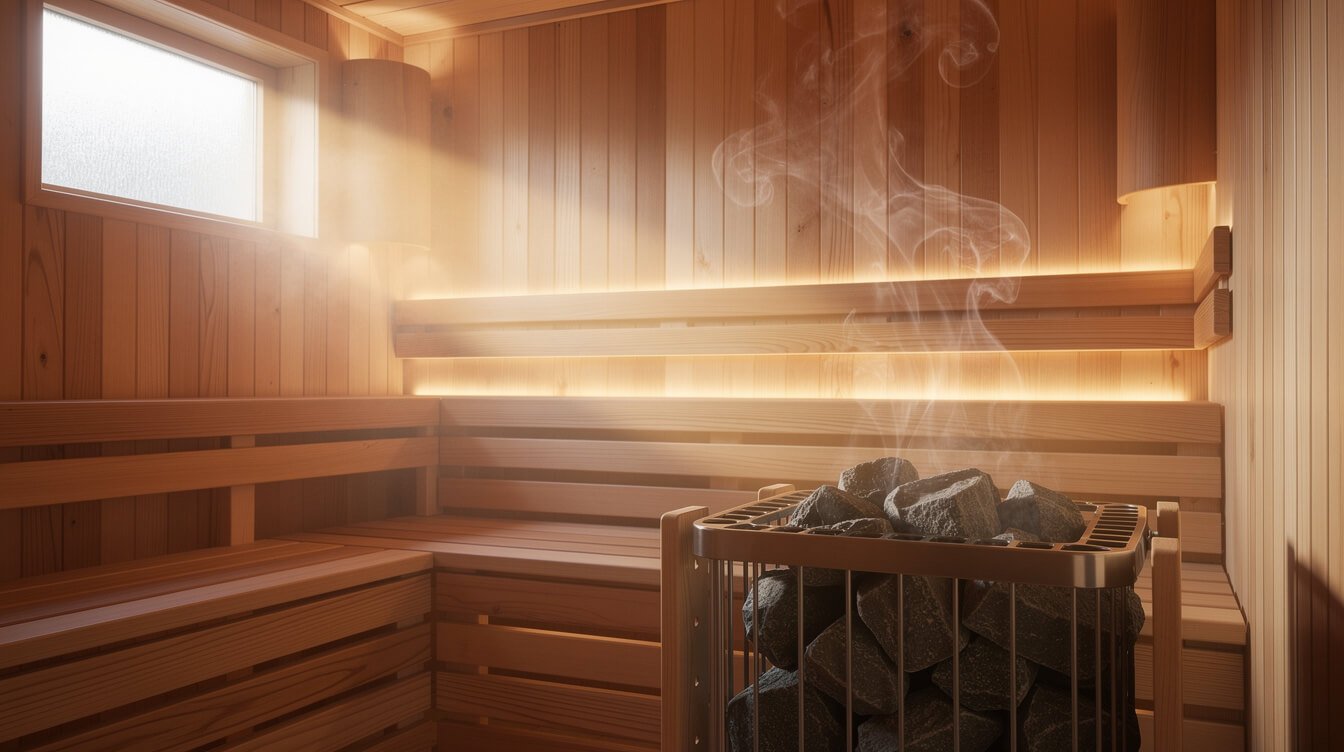
Understanding the heating mechanism helps explain why people describe the two saunas so differently — and why one might suit you better.
Traditional saunas: heat from the outside in
In a traditional sauna, you are essentially sitting in a very hot room. The intense ambient air heats your skin first, and your core temperature rises as your body works to shed that heat. The high temperature and optional steam create a powerful, enveloping sensation and a heavy sweat within minutes. For many people, that intensity is the whole appeal — it feels unmistakably like a “real” sauna.
Infrared saunas: heat from the inside out
Infrared panels warm your body directly rather than the air, so you can reach a deep, sustained sweat at a much gentler ambient temperature. Because the heat penetrates rather than surrounds, sessions feel more tolerable for people who find high-heat rooms stifling or lightheaded-inducing.
Infrared saunas also come in different wavelength types — near-, mid-, and far-infrared. Far-infrared is the most common because it produces a comfortable, gradual warmth; near-infrared penetrates a little differently and is sometimes marketed for skin and cellular benefits. Many premium cabins combine wavelengths. This is the same family of physics that powers devices like the terahertz therapy systems we cover elsewhere — targeted, body-absorbed energy rather than brute-force hot air.
What the Research Actually Shows

Here is where honesty matters, because the marketing on both sides tends to overreach. The two formats do not have equal evidence — they have different evidence, and knowing which is which helps you set realistic expectations.
Traditional saunas: the deeper longevity data
The most impressive long-term research comes from traditional Finnish saunas. Large observational studies — most famously the Finnish KIHD cohort — have linked frequent sauna bathing (about 4–7 times per week) to markedly lower rates of fatal cardiovascular events, sudden cardiac death, and even dementia, compared with once-weekly use. It is important to read these carefully: they are observational, so they show strong associations rather than proof of cause. People who sauna daily may also share other healthy habits. Still, the consistency and size of this body of work is why traditional saunas carry the strongest longevity story.
Infrared saunas: the newer clinical trials
Infrared saunas are younger on the research timeline, but they have earned genuine clinical trial evidence in specific populations. A standardized far-infrared protocol developed in Japan (known as Waon therapy, delivered around 140°F/60°C) has produced repeatable improvements in randomized studies of chronic heart failure, chronic fatigue, and fibromyalgia, with measurable changes in blood pressure and blood-vessel function. Many of these studies are small, so research suggests promise rather than delivering the last word.
The shared truth
Crucially, the core mechanism — raising core temperature, gently loading the cardiovascular system, widening blood vessels, and triggering protective heat-shock proteins — is largely format-agnostic. Both saunas drive the same heat-stress response; they simply arrive there by different routes. For pain specifically, heat of either kind is a time-honored tool, as we explore in our overview of natural therapy for pain.
How to read sauna claims without getting misled
When you see a bold health headline about either format, run it through three quick questions. First, which sauna was studied? Findings from high-heat Finnish bathing do not automatically transfer to a mild infrared cabin, and vice versa. Second, was it a trial or an observation? Randomized trials can suggest cause; large cohort studies show association and are shaped by lifestyle. Third, how big was the study? Many infrared results come from small groups and deserve cautious optimism rather than certainty. This simple habit keeps your expectations honest — and it is the same evidence-first lens we apply across our guides, from red light therapy at home to frequency healing devices.
Benefits Head-to-Head: Which Sauna Wins for Your Goal
Rather than crowning one universal winner, it is smarter to match the sauna to what you actually want. Here is how they compare goal by goal.
For heart health and longevity
Edge to traditional. The deepest, longest-running cardiovascular data comes from high-heat Finnish bathing. If cardiovascular support and a long, habitual routine are your main drivers, traditional heat has the track record.
For sore muscles, joints, and recovery
Edge to infrared. The gentle, penetrating warmth is comfortable to sit in longer and is popular for easing tension and stiffness. We break this down fully in our companion guide to the infrared sauna for muscle recovery.
For relaxation, stress, and sleep
A tie — pick your comfort. Both formats calm the nervous system and can support better rest; the best one is the one that relaxes you. Pair either with the habits in our sleep hygiene tips and stress relief relaxation techniques for a bigger effect.
For sweating and “detox”
A common myth deserves a caveat here: sweat is primarily how your body cools itself, and your liver and kidneys do the real detoxifying — a point we unpack in does sweating really remove toxins. Traditional saunas typically produce a heavier sweat thanks to higher heat, but “more sweat” does not equal “more toxins removed.”
For skin and complexion
A gentle edge to infrared, though both help. Any sauna boosts circulation to the skin and encourages a healthy flush, and the milder infrared environment is easy to use often. Just keep expectations grounded — a glowing post-sauna complexion is largely improved blood flow and hydration, not a cure for skin conditions.
For heat sensitivity and tolerance
Edge to infrared. If high heat makes you dizzy or you simply cannot last long in a hot room, the lower ambient temperature of infrared is far more approachable.
If you love the idea of penetrating, body-absorbed warmth but do not have the space or budget for a full cabin, a targeted device can deliver focused far-infrared and PEMF energy to the areas that need it most. The OlyLife THz Tera-P90+ combines terahertz and pulsed electromagnetic technology in a portable form, making it a practical alternative for anyone who wants radiant-heat benefits without installing a sauna.
🎁 Get a Free Wellness Gift
Enter your name and email below to receive a special wellness gift from OlyLife — absolutely free!
Comfort, Cost, and Space: Practical Considerations
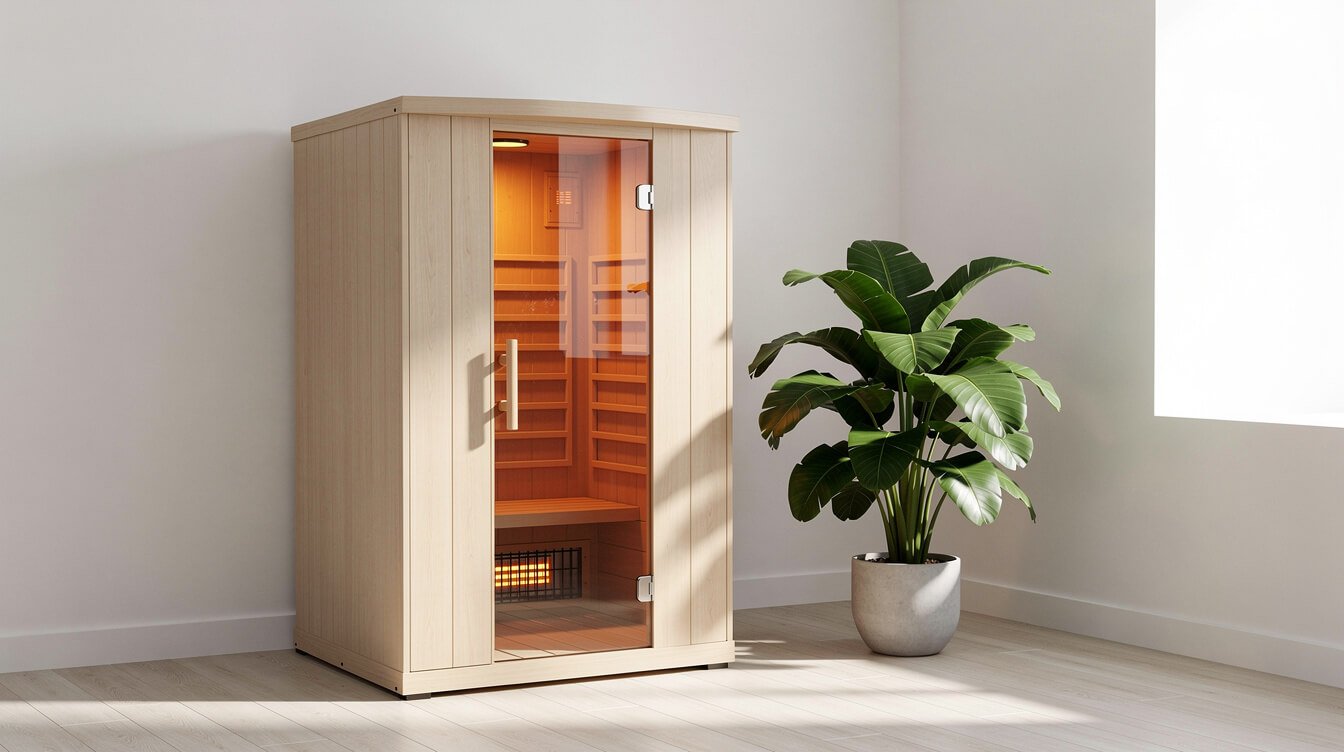
The “better” sauna is often decided by real-world logistics, not physiology. Weigh these before you buy.
- Comfort: Infrared feels milder and is easier to sit in for 30–45 minutes. Traditional heat is more intense and, for fans, more satisfying — but it can feel overwhelming.
- Warm-up time: Infrared cabins are usually ready in 10–15 minutes. Traditional saunas often need 30–45 minutes to reach full temperature, using more energy in the process.
- Session length: Because infrared runs cooler, you generally stay in longer to accumulate a comparable heat dose.
- Installation and space: Compact infrared cabins fit in a spare corner and often run on a standard household outlet. Traditional saunas — especially wood-fired — may need more space, ventilation, and electrical work.
- Cost and energy: Infrared units are frequently cheaper to buy and run; high-heat traditional saunas can cost more upfront and to power.
- The experience: Traditional saunas offer steam and that classic ritual feel. Infrared offers a modern, low-key, everyday-friendly session.
Whichever you choose, think of it as one pillar in a broader routine. Heat pairs naturally with practices like lymphatic drainage, dry brushing, and grounding for a well-rounded reset.
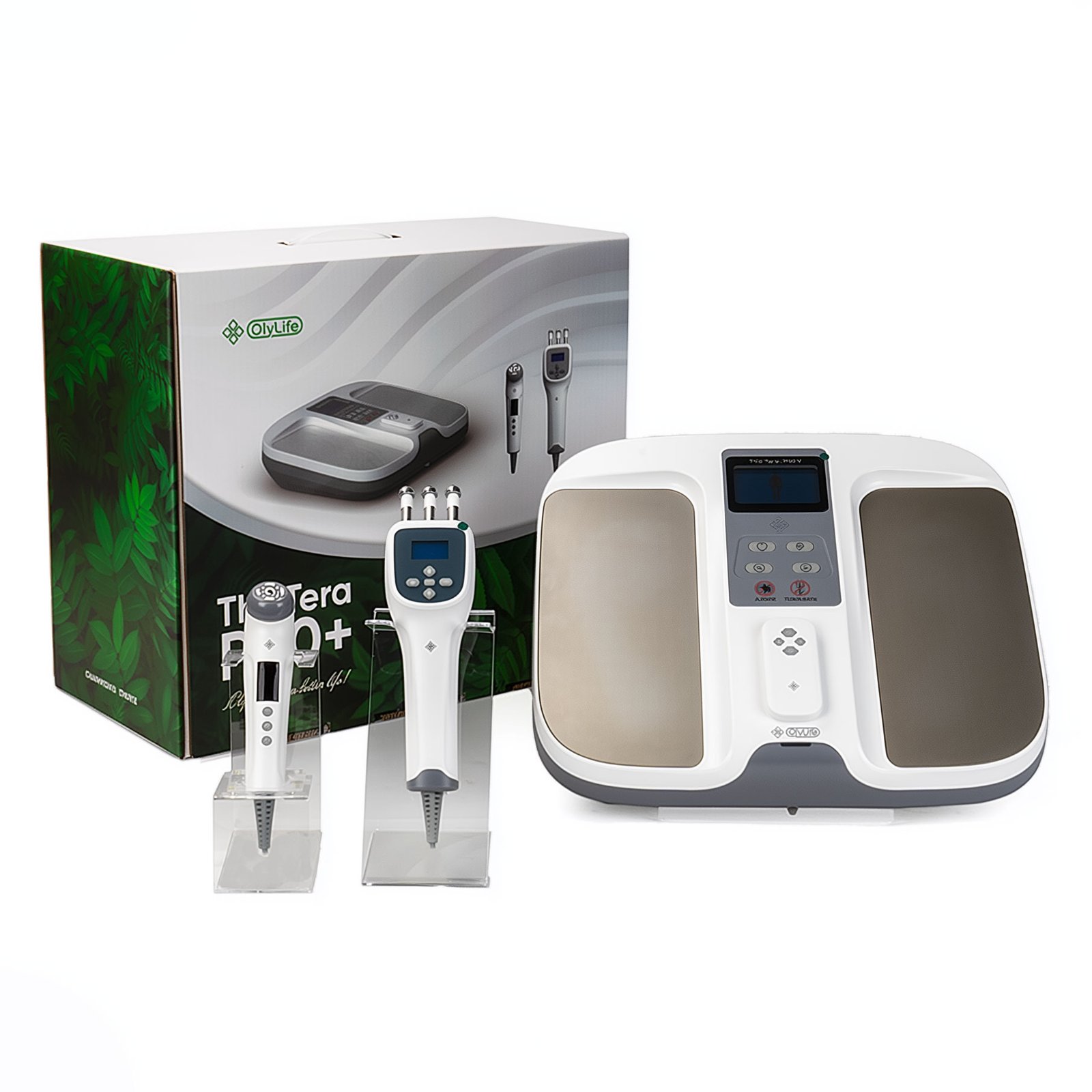
Radiant Heat Without the Cabin
No room for a sauna? The OlyLife THz Tera-P90+ delivers targeted far-infrared, terahertz, and PEMF energy in a portable device — warmth where you want it, on your schedule.
Safety and How to Use Either Sauna Well

Both saunas are generally well tolerated by healthy adults, but the same core precautions apply to each — because both raise your core temperature and can lead to overheating or dehydration if you overdo it.
- Hydrate before and after. You lose fluid through sweat in either format, so drink water and skip alcohol before a session.
- Start short. Begin with 10–15 minutes and build up as you learn your tolerance. Infrared lets you sit longer; traditional heat may cap you sooner.
- Listen to your body. Dizziness, nausea, or a racing heart are signals to step out and cool down.
- Cool down gradually and rest before standing up quickly.
Some people should check with a healthcare professional first, including anyone who is pregnant, has cardiovascular disease or low blood pressure, or takes medications affecting heat regulation. If you have an implanted electronic device, ask your provider before using any electromagnetic-based wellness tool. Heat is a supportive practice, not a treatment — none of these benefits are medical guarantees, and a sauna is not a substitute for care from your doctor.
Build a Simple Weekly Sauna Routine
Once you have chosen a format, a light structure helps you get consistent — and consistency, not intensity, is what pays off. Here is an easy starting framework that works for either sauna:
- Frequency: Begin with 2–3 sessions per week. As your tolerance grows, you can work toward 4 or more, which is where the strongest research associations appear.
- Timing: Many people love a sauna in the evening to unwind, since gentle heat can ease tension before bed. If you exercise, a post-workout session pairs well with recovery.
- Duration: Aim for 15–30 minutes. In an infrared cabin you will likely stay toward the longer end; in a hot traditional sauna you may cap out sooner — and that is completely fine.
- Pair it wisely: Follow heat with water, a few slow breaths, and a calm wind-down. Stacking it with other supportive habits — a magnesium-rich evening, mobility work, or the routines in our guide to supporting your body’s natural reset — compounds the sense of recovery.
The goal is not to chase a punishing heat dose. It is to build a warm, repeatable ritual you genuinely look forward to — the kind of habit that quietly supports circulation, relaxation, and resilience week after week.
Infrared Sauna vs Traditional Sauna: Frequently Asked Questions
Is an infrared sauna or traditional sauna better?
Neither is universally better in the infrared sauna vs traditional sauna debate. Traditional saunas have the deeper longevity and cardiovascular research; infrared saunas are gentler, more comfortable, and easier to install. The best sauna is the one you will actually use consistently.
Which sauna makes you sweat more?
Traditional saunas usually produce a heavier sweat because they run hotter. But more sweat does not mean more “detox” — sweating is mainly temperature regulation, and your liver and kidneys handle detoxification.
Are infrared saunas safe for people who cannot handle high heat?
Often, yes. Because infrared saunas operate at a much lower ambient temperature (around 113–140°F), many people who feel faint in a hot traditional room find infrared far more tolerable. Start short and hydrate regardless.
How often should you use a sauna?
Research on traditional saunas suggests benefits scale with frequency, with the strongest associations at around 4–7 sessions per week. Start with 2–3 sessions and build gradually as your tolerance allows.
Do infrared saunas help with sore muscles?
Many people use them for exactly that. The deep, comfortable warmth is popular for easing tension and supporting recovery — see our dedicated guide to the infrared sauna for muscle recovery for the details.
Can I get infrared benefits without buying a whole sauna?
Yes. Targeted devices that combine far-infrared, terahertz, and PEMF therapy can deliver body-absorbed warmth to specific areas without the space or cost of a full cabin.
Final Thoughts: Choosing Between Infrared and Traditional Saunas
In the end, the infrared sauna vs traditional sauna decision is less about which format is objectively superior and more about which one fits your goals and your life. Choose a traditional sauna if you love intense, steamy heat and want the format with the deepest longevity research. Choose an infrared sauna if you prefer a gentler, more comfortable warmth, want an easier install, or find high heat hard to tolerate.
Whichever you land on, consistency is the real secret. A sauna you enjoy and use four times a week will always outperform the “perfect” sauna gathering dust. And if a full cabin is not in the cards right now, remember that portable radiant-heat tools can bring much of the same warmth into your routine — no renovation required. Warm up, hydrate, breathe, and let the heat do its quiet work. 🌿