Infrared Sauna Red Light Therapy: Benefits, Science & How to Combine Them
Picture this: you settle onto a warm cedar bench, the gentle heat of an infrared sauna wrapping around you, while a panel of deep red light glows beside you. It feels like the ultimate wellness ritual, and it’s easy to see why infrared sauna red light therapy has become one of the most talked-about combinations in home wellness. But what is actually happening in your body, what does the research really say, and do you need an expensive all-in-one cabin to get the benefits?
Most of what you’ll read about this topic is written by companies that sell saunas. We don’t. So in this guide we’ll walk you through the difference between heat and light, the evidence (including where it’s thin), how to combine the two safely, and the three realistic ways to bring both into your routine. Whether you’re a curious beginner or already sauna-obsessed, you’ll come away knowing exactly what you’re paying for and how to get the most out of every session. 🌿
What Is Infrared Sauna Red Light Therapy?

Infrared sauna red light therapy simply means using two different wellness tools together, in the same space or the same session:
- An infrared sauna, which uses infrared heaters (usually carbon or ceramic panels) to warm your body directly rather than heating the air around you. Cabins typically run at roughly 120–150°F, noticeably gentler than a traditional Finnish sauna at 170–195°F.
- Red light therapy, also called photobiomodulation (PBM), which uses LEDs that emit specific wavelengths of visible red light (about 620–700 nm) and invisible near-infrared light (about 800–880 nm) at a measurable intensity.
Here’s the part that trips most people up: both involve “infrared,” and both may glow red, but they are not the same thing. An infrared sauna is fundamentally a heat therapy. Red light therapy is fundamentally a light therapy. One works mainly by raising your body temperature; the other works mainly by delivering photons to your cells at a particular dose.
That distinction matters, because it explains why combining them can make sense (they work through different pathways) and why some “red light saunas” deliver far less than their marketing suggests (more on that in the dose section below).
Why the combination has become so popular
Wellness lovers are drawn to “stacking” habits that fit into one block of time. A sauna session already asks you to sit still for 15–30 minutes, which happens to be a natural window for a red light session too. Sauna makers have noticed, and many now sell cabins with built-in LED panels, while panel brands sell “sauna-rated” lights you can add to an existing cabin.
If you’re brand new to sauna bathing, our guide to infrared sauna vs traditional sauna is a helpful place to start before you add light to the mix.
Heat vs. Light: How Each Modality Works
To understand what you gain by pairing them, it helps to look at each tool on its own terms.
How infrared sauna heat works
Most infrared saunas use far-infrared heaters, which emit long wavelengths you feel as warmth rather than see. That radiant warmth raises your skin and core temperature, and your body responds the way it does to any heat exposure: your heart rate rises, blood vessels near the skin widen, and you begin to sweat as your body works to cool itself. Researchers are interested in heat’s potential to trigger heat shock proteins, molecules that help cells cope with stress, and in the “workout-like” cardiovascular response a sauna session creates. We cover this in depth in our article on far infrared.
How red light therapy works
Red and near-infrared light work through a different route. The leading hypothesis is that these wavelengths are absorbed by an enzyme in your mitochondria called cytochrome c oxidase. Research suggests this may support cellular energy (ATP) production and influence signaling molecules such as nitric oxide. Red wavelengths are absorbed mostly in the skin, while near-infrared wavelengths travel deeper into soft tissue. Importantly, therapeutic red light doesn’t rely on heat at all; a good panel feels only mildly warm.
For a deeper look at the light side, see our guides to infrared therapy light and near-infrared light therapy.
Side-by-side comparison
| Infrared Sauna | Red Light Therapy | |
|---|---|---|
| Primary mechanism | Heat (thermal stress) | Light absorption (photochemical) |
| Typical wavelengths | Mostly far-infrared (felt as warmth) | Red ~630–670 nm; near-infrared ~810–850 nm |
| What you feel | Deep warmth, sweating, raised heart rate | Gentle glow, little or no heat |
| Typical session | 15–30 minutes | 5–20 minutes, depending on device and distance |
| What matters most | Temperature, duration, hydration | Wavelength, irradiance (intensity), distance, time |
| Where research is strongest | Relaxation, heat-based cardiovascular response, muscle soreness | Skin appearance, localized muscle and joint support |
Because they work through such different mechanisms, heat and light don’t really “compete.” That’s the core argument for combining them, and it’s a reasonable one, as long as you’re realistic about what each can do.
Infrared Sauna Red Light Therapy Benefits: What Research Suggests

Here’s where we’ll be more candid than most sauna brochures. There is meaningful research on saunas and meaningful research on red light therapy. There is very little research on combining them in the same session. So the honest framing is: each tool has its own evidence, and the combination is a plausible stack rather than a proven one.
What the sauna research supports
- Relaxation and stress relief. Regular sauna bathing is consistently associated with feeling calmer and more relaxed, and many people find it supports their wind-down routine.
- Cardiovascular “exercise-like” response. Large Finnish population studies have linked frequent sauna use with healthier long-term heart outcomes. Keep in mind these were mostly traditional saunas and the studies are observational, so they show association, not cause and effect.
- Post-workout recovery. Small studies suggest infrared sauna sessions may support the feeling of recovery after exercise. We dig into this in infrared sauna for muscle recovery.
What the red light research supports
- Skin appearance. Controlled studies suggest red and near-infrared light may support collagen density and improve the look of fine lines and skin texture over several weeks of consistent use.
- Muscle performance and soreness. Research reviews suggest photobiomodulation applied before or after exercise may support muscle performance and reduce soreness, though results vary by protocol.
- Joint comfort. Some clinical research, often using targeted lasers or high-intensity LEDs, suggests light therapy may support joint comfort, particularly in the knees.
What is plausible but not yet demonstrated
- That doing both at the same time produces greater benefits than doing them separately.
- That the low-intensity red bulbs built into many saunas deliver the same effects seen in red light studies.
- Claims of dramatic “detox,” weight loss, or disease treatment. Sweat is mostly water and electrolytes; your liver and kidneys do the heavy lifting of detoxification. (We explain this in our honest guide to a full body cleanse detox.)
The takeaway: infrared sauna red light therapy may support relaxation, recovery, and skin health because each part has its own body of research. Treat the combination as a convenient, enjoyable ritual rather than a cure for anything.
Chromotherapy Bulbs vs. Therapeutic Panels: The Dose Question

This is the single most important thing to understand before you spend money, and it’s the part most product pages gloss over.
Not all red light is “red light therapy”
Many saunas include chromotherapy lighting, colored LED strips or bulbs (often including red) designed to set a mood. They can make a session feel lovely, but they’re usually far too weak to match the intensity used in red light therapy research. A dim red glow on the ceiling is ambiance, not a therapeutic dose.
Therapeutic red light depends on four variables working together:
- Wavelength. Look for published wavelengths in the well-studied ranges, commonly 630–670 nm (red) and 810–850 nm (near-infrared).
- Irradiance. This is the light intensity reaching your skin, measured in mW/cm². Reputable brands publish third-party irradiance readings at specific distances, not just a single headline number.
- Distance. Intensity drops quickly as you move away from a panel. A panel that’s strong at 6 inches may be weak at 3 feet, which is roughly where you’d be sitting in many sauna cabins.
- Time. Dose builds over minutes, but more isn’t always better. Research describes a biphasic dose response: too little does little, and too much may blunt the effect.
The heat problem for LEDs
LEDs and their electronics don’t love heat. Inside a hot sauna, a standard panel can lose output, shorten its lifespan, or even become a safety concern. If you plan to use light inside a heated cabin, choose a panel that’s explicitly sauna-rated by its manufacturer, and follow their mounting and temperature guidance exactly. Never put a regular panel in a sauna on the assumption that it will be fine.
If you’d rather sidestep the issue entirely, you can always use your panel outside the sauna, right before or after your heat session. We’ll show you how next.
🎁 Get a Free Wellness Gift
Enter your name and email below to receive a special wellness gift from OlyLife — absolutely free!
How to Combine Infrared Sauna Red Light Therapy: A Simple Session Plan
There’s no research-confirmed “best order,” so think of these as sensible, comfortable starting points that you can adjust based on how your body feels.
Option 1: Light first, then heat (great for beginners)
- Start with clean, dry skin with no lotions or sunscreen, which can reflect or block light.
- Do 8–12 minutes in front of your panel at the manufacturer’s recommended distance, wearing eye protection.
- Drink a glass of water, then enjoy 15–20 minutes of infrared sauna heat.
- Cool down gradually, rehydrate, and rest for a few minutes before carrying on with your day.
Option 2: Light during heat (sauna-rated panels only)
- Preheat your sauna to a moderate temperature.
- Sit at the panel’s specified distance for the first 10–15 minutes of your session, then shift position or turn the panel off for the rest of the heat.
- Keep total sauna time to 20–30 minutes, and step out sooner if you feel dizzy or overheated.
Option 3: Heat first, then light (a relaxing evening ritual)
Some people prefer to finish with a calm light session after the sauna, once their heart rate has settled. Towel off thoroughly first, since a layer of sweat can scatter light. Keep the room dim and quiet, and let it become part of your natural sleep routine.
How often?
Most people do well with 2–4 combined sessions per week, building up slowly over the first few weeks. Consistency matters more than intensity. A gentle routine you enjoy will serve you better than an aggressive one you dread.
Your quick checklist
- ✔ Hydrate before, during, and after
- ✔ Bare, clean skin for light sessions
- ✔ Eye protection for bright or near-infrared panels
- ✔ No alcohol before or during heat
- ✔ Listen to your body and stop if you feel unwell
Three Ways to Get Both at Home (and What Each Costs You)
Here’s the question nobody selling a combo cabin wants you to ask: do you actually need one? There are three realistic paths, and the right one depends on your space, budget, and goals.
Path 1: Add a sauna-rated panel to a sauna you already own
If you already have an infrared sauna, a sauna-rated red light panel is usually the most cost-effective upgrade. You keep the cabin you love and add light where it matters. Check the panel’s verified irradiance at the distance you’ll actually sit.
Path 2: A standalone panel used outside the sauna
No sauna at home? A quality standalone panel lets you enjoy red light therapy anywhere, with no heat-rating worries, while you use a gym or spa sauna for the heat. This also gives you more control over distance and dose. Our guide to red light therapy at home walks through setup.
Path 3: An all-in-one combo cabin
Combo cabins are the most convenient, and the most expensive, option. If you go this route, ask the seller for third-party irradiance data for the built-in LEDs at seated distance, the exact wavelengths, the warranty on the light components, and low-EMF documentation for the heaters. If they can only offer vague claims like “full spectrum healing light,” treat that as a red flag.
Questions to ask before you buy anything
- Is it chromotherapy (mood lighting) or therapeutic photobiomodulation?
- What are the published wavelengths and irradiance at real-world distances?
- Is the panel rated for sauna heat and humidity?
- What are the heater type, EMF levels, and safety certifications?
- Does the warranty cover both the heaters and the LEDs?
Heat and light are just two members of a growing family of at-home energy wellness tools. If you’re curious about the next step beyond them, the OlyLife THz Tera-P90+ brings PEMF and terahertz technology together in one portable, targeted device. It’s a different approach, but it’s popular with people who enjoy building a thoughtful recovery ritual at home. You can learn more about how PEMF may support recovery in our article on PEMF recovery.
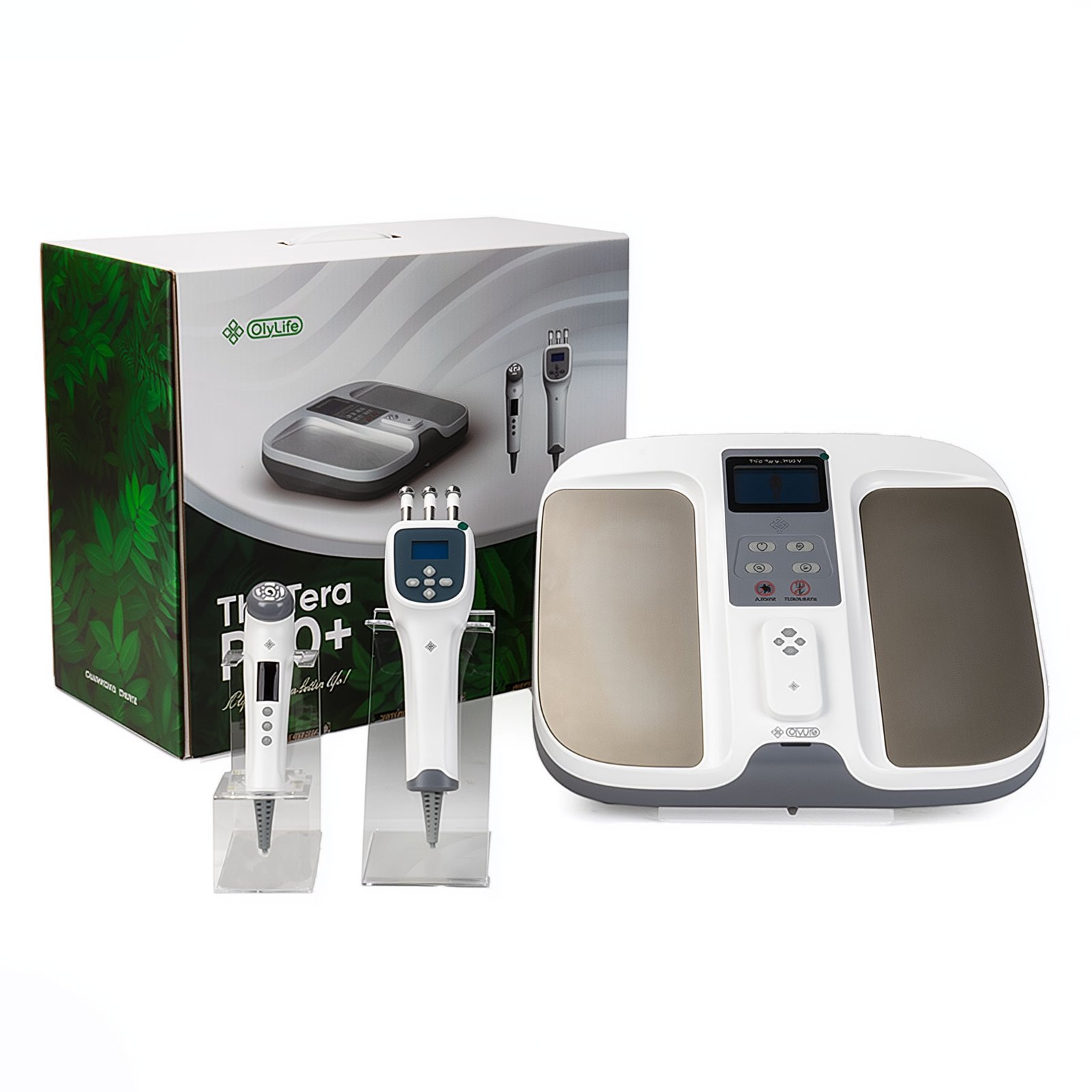
Explore At-Home Energy Wellness Beyond Heat and Light
The OlyLife THz Tera-P90+ combines PEMF and terahertz technology in one portable, targeted device, a thoughtful addition to your recovery and relaxation ritual. 🌿
Safety: Who Should Be Careful
Both tools are generally well tolerated by healthy adults, but “natural” doesn’t mean “for everyone.” Please check with your healthcare provider before starting if any of these apply to you.
Heat-related cautions
- Pregnancy, or trying to conceive (heat can temporarily affect sperm quality)
- Heart conditions, low or uncontrolled blood pressure, or a history of fainting
- Medications that affect sweating, heart rate, blood pressure, or hydration
- Recent illness, fever, or dehydration
- Implanted medical devices or metal implants (check the manufacturer’s guidance)
Light-related cautions
- Eyes: bright LEDs can be uncomfortable, and near-infrared light is invisible, so you won’t instinctively look away. Wear the goggles provided or approved eye protection.
- Photosensitivity: some medications (certain antibiotics, retinoids, and some herbal supplements such as St. John’s wort) can increase light sensitivity.
- Skin conditions that are triggered by light or heat, or any suspicious skin lesion, should be checked by a professional first.
Start low and slow, stay hydrated, and remember that feeling dizzy, nauseated, or unusually unwell is a clear sign to stop. Your comfort is the best guide you have.
Frequently Asked Questions About Infrared Sauna Red Light Therapy

Is red light therapy the same as an infrared sauna?
No. An infrared sauna is a heat therapy that warms your body with mostly far-infrared wavelengths. Red light therapy uses specific red and near-infrared wavelengths at a measured intensity, and it works through light absorption rather than heat.
Can you do red light therapy and an infrared sauna at the same time?
Yes, if your panel is rated for sauna heat and you sit at the distance the manufacturer specifies. Otherwise, do your light session right before or after the sauna; it’s just as practical.
Should I do red light before or after the sauna?
Research hasn’t settled on an ideal order. Many people prefer light first on cool, dry skin, then heat. Others enjoy light afterward as a calming finish. Choose whichever fits your routine and feels best.
Is the red light in my sauna doing anything?
It depends. Decorative chromotherapy lights are usually too weak to match red light therapy research. If your sauna came with a dedicated therapy panel, ask the maker for irradiance figures at your seated distance.
How long should a combined session be?
A comfortable starting point is 8–12 minutes of light plus 15–20 minutes of heat, building gradually. Keep total sauna time under about 30 minutes.
How often can I use infrared sauna red light therapy?
Two to four times per week is a common, sustainable rhythm for most healthy adults. Consistency over weeks matters more than long, intense sessions.
Does infrared sauna red light therapy help with weight loss or detox?
Sweating can cause temporary water-weight loss, but neither tool is a proven fat-loss or detox method. Your liver and kidneys handle detoxification. Think of this pairing as support for relaxation, recovery, and skin health, alongside sleep, movement, and good food.
Final Thoughts
Infrared sauna red light therapy is a genuinely appealing pairing: soothing heat for your whole body, and targeted light that research suggests may support your skin and muscles. The two work through different pathways, which is exactly why they can sit comfortably side by side in one relaxing ritual.
The key is to be a savvy consumer. Know the difference between mood lighting and therapeutic light, ask for real irradiance numbers, choose sauna-rated gear if you’re combining them in the heat, and remember that a simple standalone panel plus a sauna you already enjoy can deliver most of what a pricey combo cabin offers.
Most of all, keep it gentle and consistent. Wellness isn’t about extreme protocols. It’s about small, nourishing habits you return to week after week. If you’d like to keep exploring, our guide to the benefits of infrared sauna is a lovely next read. ✨
This article is for educational purposes only and is not medical advice. Please consult a qualified healthcare professional before starting any new wellness practice, especially if you are pregnant, have a medical condition, or take medication.