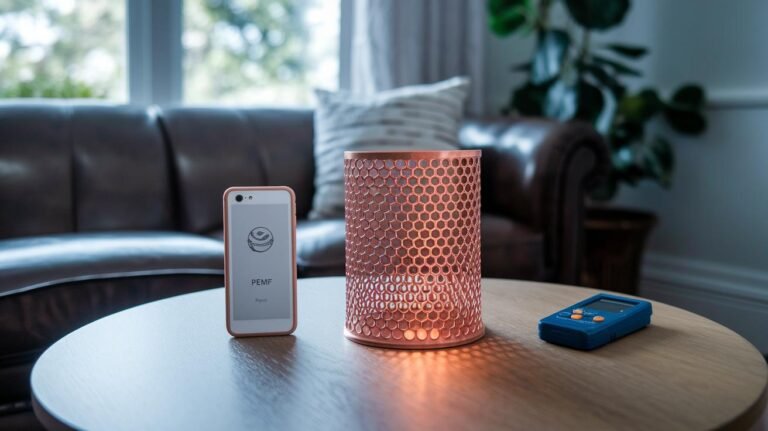
PEMF Recovery: How PEMF Therapy May Support Muscle and Athletic Recovery
Every serious training plan has a quiet secret: the real progress happens after the workout, not during it. Recovery is when tired muscles repair, inflammation settles, and your body adapts to the stress you asked of it. That is exactly why PEMF recovery — using pulsed electromagnetic field (PEMF) therapy to support the body’s natural repair processes — has become such a talked-about tool among athletes, weekend warriors, and anyone who simply wants to bounce back faster.
But how much of the excitement is real, and how much is marketing? In this evidence-informed guide you’ll learn what PEMF recovery actually is, the biological reasons it may help, what current research does (and doesn’t) show, how to use it sensibly at home, and who should be cautious. No hype, no medical promises — just a clear, honest look at where PEMF fits in a smart recovery routine.
What Is PEMF Recovery?

PEMF recovery refers to the practice of applying low-frequency pulsed electromagnetic fields to the body to support rest, repair, and readiness after physical exertion. PEMF devices send gentle, rhythmic electromagnetic pulses that pass painlessly through skin and tissue. The idea is not to force anything, but to encourage the cellular environment that your body already uses to heal.
PEMF itself is not new. The technology has been studied for decades, and the U.S. FDA first cleared PEMF for helping repair non-union bone fractures back in 1979. From those clinical roots, interest has expanded into circulation, inflammation, and — more recently — sport and exercise recovery. If you’re new to the underlying technology, our guide to PEMF therapy benefits walks through the fundamentals before you focus on the recovery angle here.
It helps to think of PEMF as one member of a wider family of frequency-based wellness tools. It sits alongside modalities like terahertz therapy, red light therapy at home, and other frequency healing devices. Each works differently, and PEMF’s particular strength is that it can reach deep into tissue without heat or pressure.
Why focus on recovery at all? Because training is a stress, and fitness is built during the repair that follows. When recovery lags behind training load, progress stalls, soreness lingers, and the risk of overuse climbs. Anything that gently nudges the body toward better repair — better sleep, smart nutrition, and possibly supportive tools like PEMF — can help you train more consistently, which is the real engine of long-term results.
How PEMF May Support Recovery: The Mechanisms
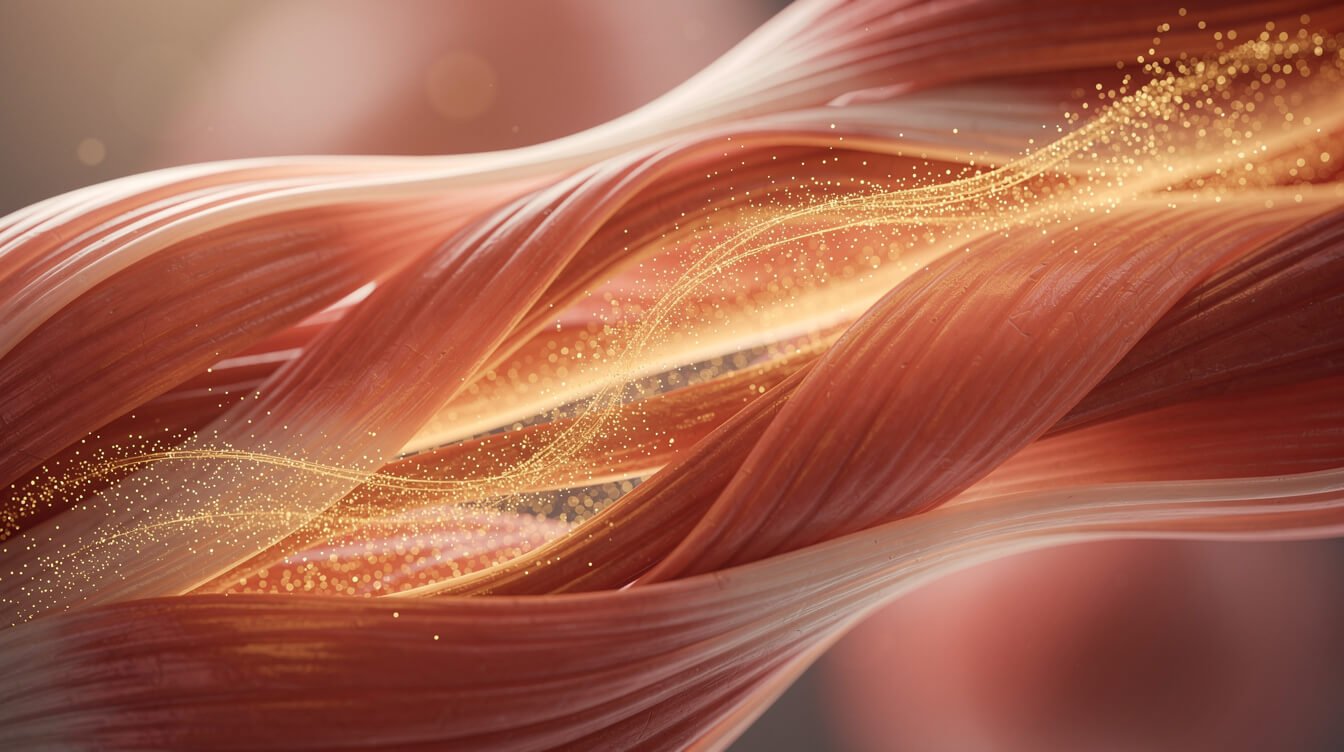
To understand why researchers are curious about PEMF for recovery, it helps to look at what the pulses may do at the cellular level. These are proposed mechanisms — areas where research suggests plausible activity rather than guaranteed outcomes.
- Improved microcirculation and oxygenation. Studies suggest PEMF may enhance capillary blood flow and tissue oxygenation, which is central to clearing metabolic by-products and delivering the nutrients repair depends on.
- Modulation of inflammation. Some research indicates PEMF may influence gene expression tied to the removal of reactive oxygen species and the resolution of chronic inflammation — the same inflammatory response that drives post-exercise soreness.
- Cellular repair signaling. Laboratory work on human skeletal muscle cells suggests PEMF may support the proteins involved in responding to cellular damage and oxidative stress, without harming the cells.
- Nervous-system down-shift. Recovery isn’t only muscular. A calmer, more parasympathetic state helps the body repair, which is why stress relief and relaxation techniques and quality sleep matter alongside any device.
Notice the careful language: may, suggests, plausible. That’s intentional. The mechanisms are biologically reasonable and supported by early evidence, but a promising mechanism is a starting point, not proof of a real-world benefit. That’s why the research section matters so much.
Two further threads are worth noting. First, PEMF has shown a modulatory effect on the microvasculature, potentially encouraging the small-vessel remodeling (angiogenesis) that keeps working tissue well supplied. Second, because the pulses are painless and generate no heat, PEMF can be applied to areas that are too sore or too sensitive for pressure-based recovery like deep massage or foam rolling. That gentleness is part of the appeal for people managing tender muscles or irritable joints.
What the Research Says About PEMF for Recovery
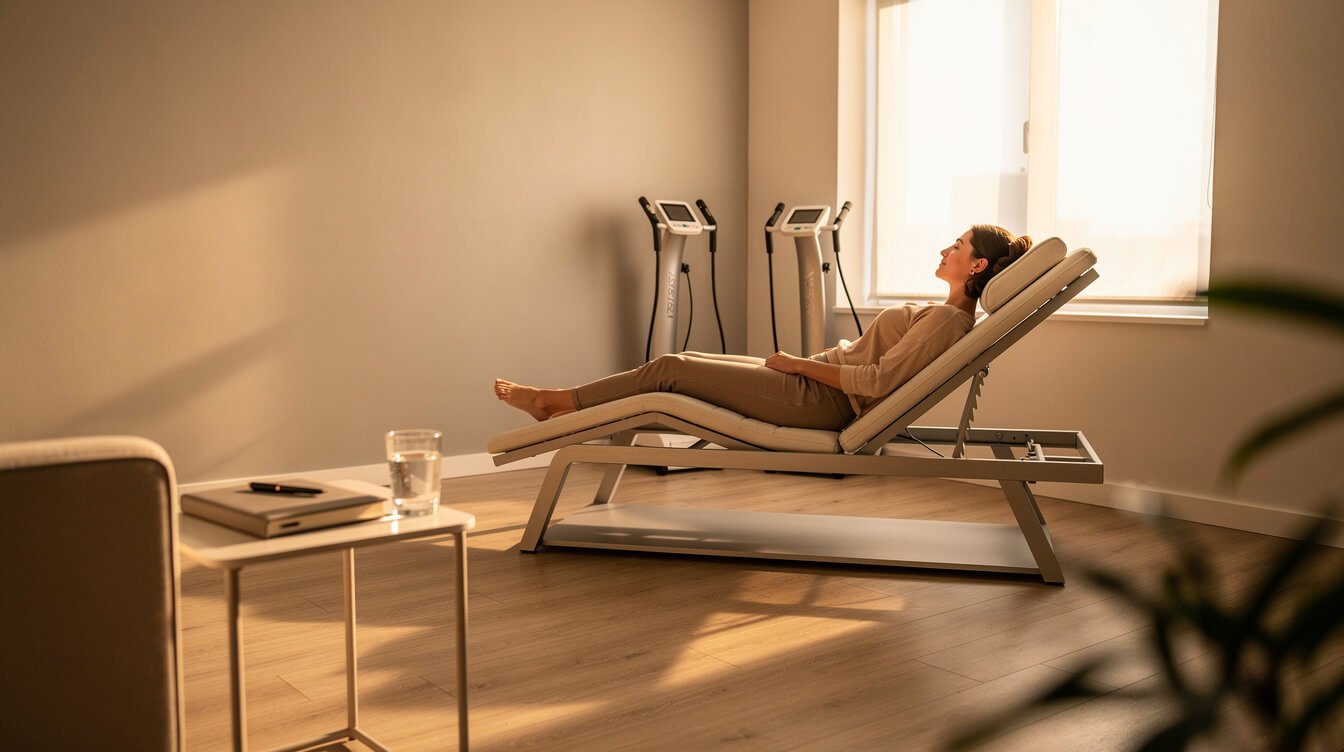
Here’s an honest snapshot of the evidence on PEMF recovery, sorted by how strong the support currently is.
Where the evidence is most encouraging: perceived soreness
The most consistent finding is that PEMF may reduce perceived muscle soreness. In a 2014 study published in Physical Therapy in Sport, just ten minutes of PEMF applied to the biceps after training reduced the severity of delayed-onset muscle soreness (DOMS) in the following days and improved measures of neuromuscular recovery. A 2025 study on recovery from fatiguing exercise echoed this: the PEMF group was the only one to show consistent reductions in muscle soreness across the days that followed.
Where results are mixed: performance and power
When it comes to hard performance numbers — maximal strength, vertical jump, peak power — the picture is less clear. That same 2025 study found no statistically significant differences between the PEMF group and comparison groups on most performance outcomes, although PEMF trended toward better peak-power recovery at 24, 48, and 72 hours. In plain terms: people often felt better, but the objective performance gains were modest and not conclusive.
Where the foundation is strongest: bone and tissue healing
PEMF’s best-established use is bone healing, where it holds FDA clearance for non-union fractures. A 2024 review in Frontiers in Sports and Active Living summarized the biological rationale for PEMF as an exercise adjunct — better oxygenation, circulation, and inflammation control — while emphasizing that high-quality trials specifically on athletic recovery are still limited.
The honest bottom line
PEMF for recovery is promising but not proven. The strongest signal is for how recovered you feel — less soreness, easier movement — which genuinely matters for training consistency. The weakest signal is for dramatic performance boosts. Anyone promising guaranteed faster gains is getting ahead of the science. For a broader view of evidence-based options, see our guide to natural therapy for pain.
A quick habit helps you read PEMF claims critically: ask which outcome was measured (how you feel versus measurable performance), how big the study was, and whether it was controlled against a sham. Much of the strongest marketing leans on small studies or on how people feel, which is real and valuable — but not the same as proven performance enhancement. Holding both truths at once keeps your expectations sensible.
PEMF Recovery for Athletes and Everyday Active People

You don’t have to be a competitive athlete to be interested in PEMF recovery. Here’s how it may fit different scenarios.
- After hard or unfamiliar workouts. When DOMS is likely — a new program, a long run, a heavy lifting day — PEMF may help take the edge off soreness so you can keep moving.
- During heavy training blocks. When sessions stack up faster than you can fully recover, tools that support circulation and relaxation may help you tolerate the load. This is where PEMF pairs well with infrared sauna for muscle recovery and gentle mobility work.
- Around minor aches and overuse. For everyday joint and muscle niggles, some people combine PEMF with other approaches such as PEMF therapy for osteoarthritis routines or a PEMF mat for pain relief.
- For general well-being and rest. Even if you’re not chasing performance, the relaxation and circulation angle appeals to anyone who wants to feel less stiff and sleep more soundly.
Recovery is never one thing. PEMF works best as part of a bigger picture that includes sleep, nutrition, hydration, and movement. Techniques like lymphatic drainage and grounding can complement it, and no device replaces the basics.
PEMF vs Other Popular Recovery Tools
PEMF doesn’t exist in a vacuum. Understanding how it compares to other recovery methods helps you build a routine that fits your goals rather than chasing every trend.
- PEMF vs cold therapy (ice baths). Cold immersion is well known for blunting soreness and inflammation immediately after exercise, though it may slightly interfere with long-term muscle adaptation if overused. PEMF takes a gentler, warmth-neutral approach that aims to support — not suppress — the body’s repair signaling.
- PEMF vs heat and infrared. Heat-based recovery, including an infrared sauna or far infrared therapy, boosts circulation through warmth. PEMF may support circulation without raising tissue temperature, which makes the two easy to combine.
- PEMF vs red light therapy. Red light therapy works through light absorbed near the skin’s surface, while PEMF penetrates deeper as an electromagnetic field. They target recovery through different doorways, so many enthusiasts use both.
- PEMF vs massage and manual therapy. Massage physically manipulates tissue and can feel wonderful, but it requires pressure that isn’t always comfortable on acutely sore areas. PEMF is hands-off and passive, making it easy to use daily.
The takeaway isn’t that one tool wins. It’s that PEMF is a flexible, low-effort layer that plays nicely with almost everything else in a thoughtful recovery stack. If you want to compare the wider category, our guide to frequency healing devices maps out how these modalities relate.
🎁 Get a Free Wellness Gift
Enter your name and email below to receive a special wellness gift from OlyLife — absolutely free!
How to Use PEMF for Recovery at Home

If you want to try PEMF recovery, a sensible, consistent approach beats an aggressive one. General guidance from common device use looks like this — always follow your specific device’s manual:
- Favor lower frequencies for recovery and rest. Gentle, low-intensity settings are typically used for relaxation and recovery rather than stimulation.
- Keep sessions modest. Many recovery protocols in the research used short applications — often in the range of 10 to 30 minutes — targeted to the worked area.
- Time it around training. Using PEMF after a workout, or in the evening as you wind down, fits naturally into a recovery rhythm.
- Be consistent. As with most wellness tools, occasional use is unlikely to do much. Regular, patient use is where people tend to notice a difference.
- Pair it with sleep. Nothing amplifies recovery like rest. Combine PEMF with solid sleep hygiene and consider magnesium for sleep if rest is your weak link.
A simple weekly rhythm might look like this: a short PEMF session on your two hardest training days (used afterward, targeting the muscles you worked), one relaxed evening session on a rest day to support wind-down, and a flexible extra session whenever soreness flares. Keep a light note of how you feel over a few weeks — recovery is personal, and tracking beats guessing.
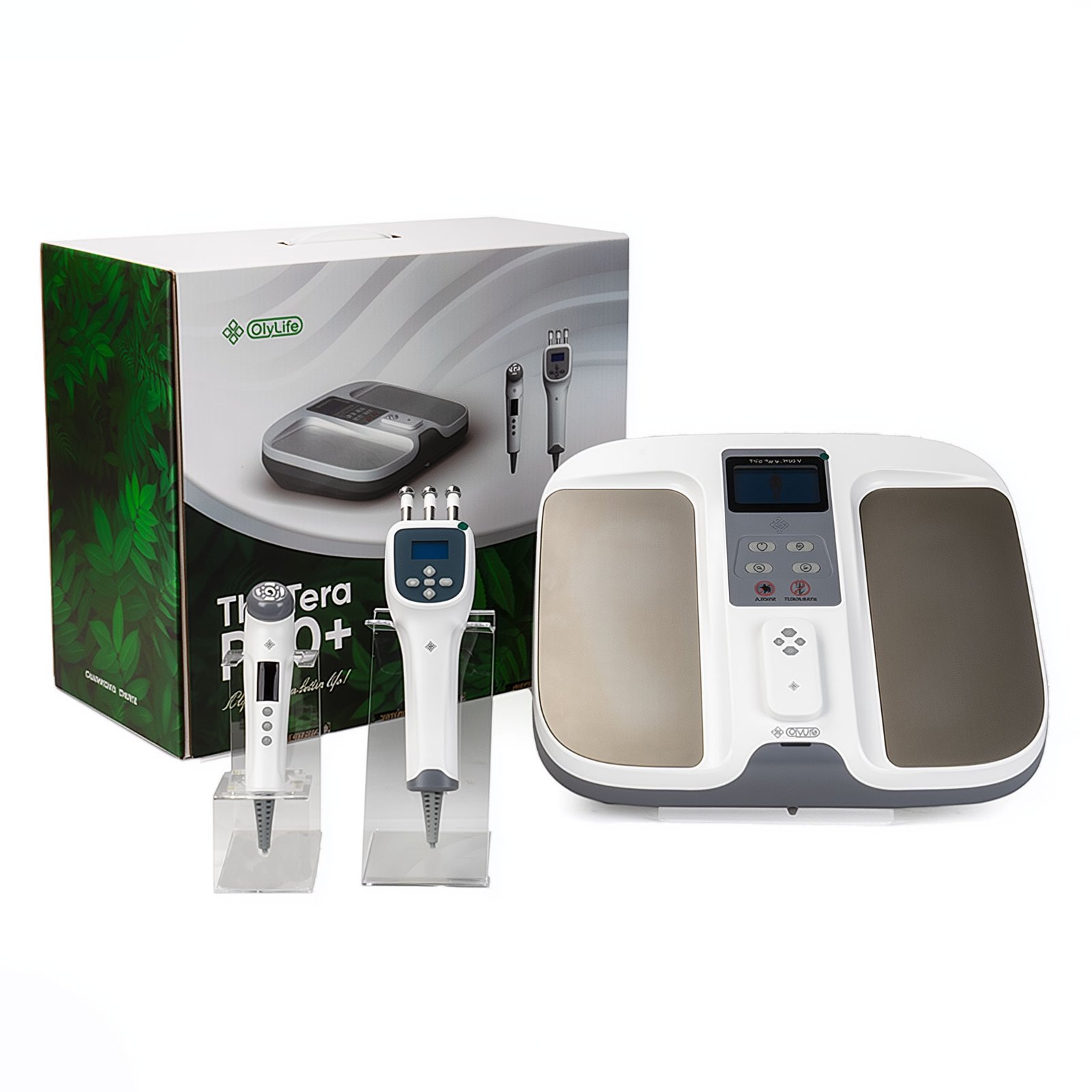
If you’re shopping for a device, look for one that pairs PEMF with complementary technologies rather than a single trick. The OlyLife THz Tera-P90+, for example, is a smart PEMF and terahertz therapy system designed for at-home use — a convenient way to bring a recovery-focused routine into your own space between training sessions. If you’re comparing formats, our overview of terahertz wands and terahertz devices for muscle recovery can help you decide.
Bring PEMF Recovery Home
The OlyLife THz Tera-P90+ combines smart PEMF and terahertz therapy in one at-home system — an easy way to build a calm, consistent recovery routine between workouts.
Safety, Contraindications, and Who Should Be Cautious

PEMF is generally considered low-risk and non-invasive for most healthy adults, but it is not for everyone. Please treat the following as general information, not medical advice, and speak with a qualified healthcare professional before starting — especially if any of these apply to you.
- Implanted electronic devices. PEMF should not be used over pacemakers, defibrillators, cochlear implants, or intrathecal pumps, as electromagnetic fields could interfere with them. This is the most important precaution.
- Pregnancy. Safety during pregnancy has not been established, and most manufacturers advise against use.
- Active cancer. Anyone with active cancer should consult their specialist first.
- Seizure or bleeding disorders. Those with epilepsy or bleeding disorders should seek medical guidance before use.
- Organ transplant recipients. Caution is advised due to immune-related medication.
PEMF is a supportive tool, not a treatment for injury or disease. If you have significant pain, a suspected injury, or symptoms that don’t improve, see a healthcare professional rather than relying on a device. Used sensibly and within its limits, though, PEMF can be a comfortable, drug-free addition to a recovery routine — much like other natural remedies for pain relief.
Frequently Asked Questions About PEMF Recovery
Does PEMF really speed up muscle recovery?
Research suggests PEMF may reduce perceived muscle soreness and support the body’s natural repair processes, but evidence for dramatic performance gains is limited and mixed. It’s best seen as a helpful support, not a guaranteed shortcut.
How often should I use PEMF for recovery?
Consistency matters more than intensity. Many people use short sessions after training or in the evening, following their device’s guidance. Regular use tends to be more meaningful than occasional long sessions.
Is PEMF recovery safe?
For most healthy adults it’s considered low-risk and non-invasive. However, it should be avoided by people with pacemakers or other implanted electronic devices, during pregnancy, and by those with certain conditions unless cleared by a doctor.
Can I combine PEMF with other recovery methods?
Yes. PEMF is often combined with sleep, hydration, gentle movement, heat, and other modalities. It layers naturally with approaches like PEMF mat routines and relaxation practices.
How long before I notice results from PEMF recovery?
This varies from person to person. Some notice a calmer, less-sore feeling fairly quickly, while others need a few weeks of consistent use before they can tell whether it’s helping. Because recovery has many moving parts, it’s wise to change one thing at a time and give it a fair trial before judging.
How is PEMF different from other frequency therapies?
PEMF uses pulsed electromagnetic fields that penetrate deep into tissue without heat, while other tools like red light or terahertz work through different pathways. Many devices, including combined systems, pair more than one technology for a broader recovery approach.
Final Thoughts
Recovery is where your hard work pays off, and PEMF recovery offers a gentle, non-invasive way to support that process. The honest takeaway is balanced: the evidence is most encouraging for reduced soreness and a greater sense of readiness, more modest for raw performance gains, and strongest of all for PEMF’s long-established role in tissue and bone healing.
Used consistently and safely — alongside good sleep, sensible training, and the recovery basics — PEMF can be a welcome part of your routine. Start gently, listen to your body, check the safety guidance, and let recovery become the quiet advantage that keeps you moving well for years to come. To keep exploring, dive into our related guides on PEMF mats, far infrared, and the full range of PEMF benefits.