Infrared Sauna Blanket: Benefits, Safety and How to Choose One
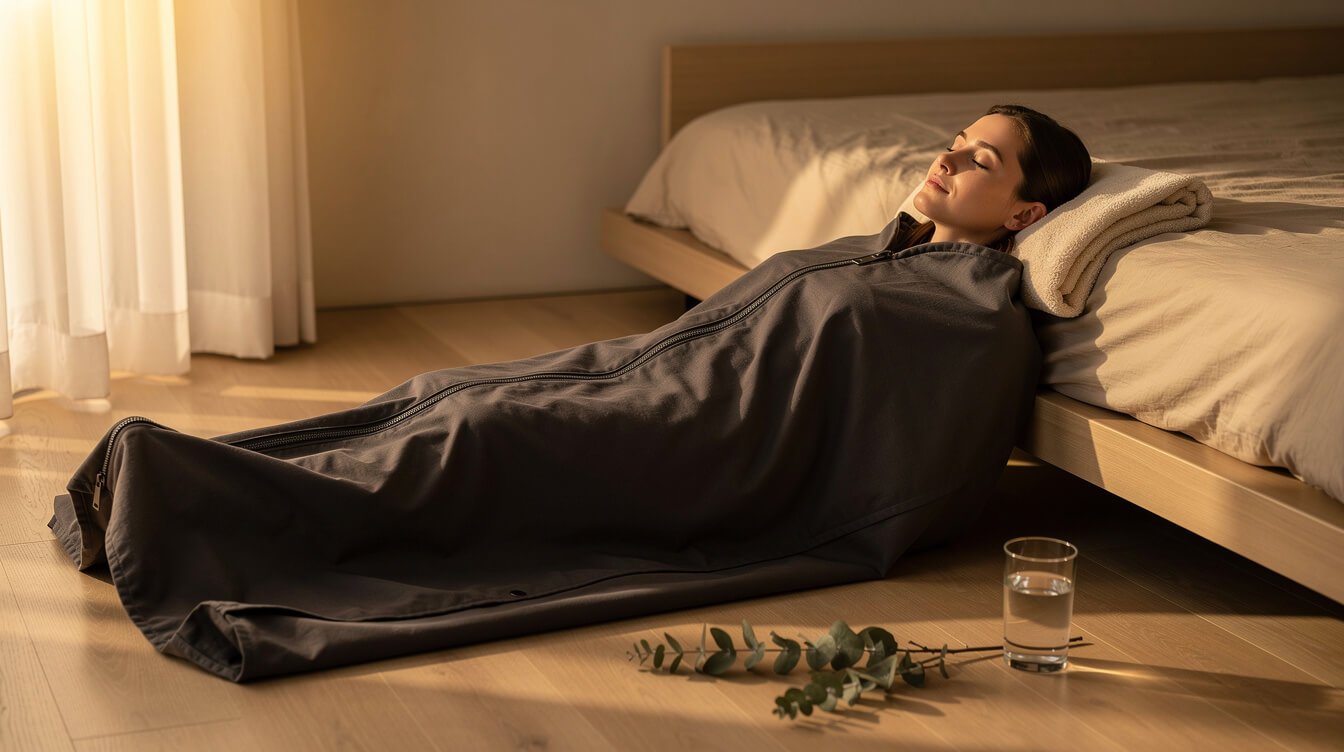
As the evenings get cooler, few things sound better than sinking into deep, enveloping warmth at the end of a long day. That’s a big part of why the infrared sauna blanket has gone from niche gadget to one of the most searched home wellness tools. It promises sauna-style heat in a sleeping-bag shape you can roll out on your bedroom floor, with no cabin, no gym membership, and no spa booking.
But scroll through the reviews and you’ll find two very different stories. Some people swear their sauna blanket is the best part of their week. Others call it a sweaty, claustrophobic “torture device.” And many product pages make big promises about detox, weight loss, and calorie burning that the research simply doesn’t back up.
This guide gives you the honest middle ground. You’ll learn what an infrared sauna blanket actually is, how it differs from a traditional or infrared sauna cabin, what research suggests about regular heat sessions, which popular claims are myths, how to use one safely as a beginner, who should skip it, and what to look for if you decide to buy one.
What Is an Infrared Sauna Blanket?
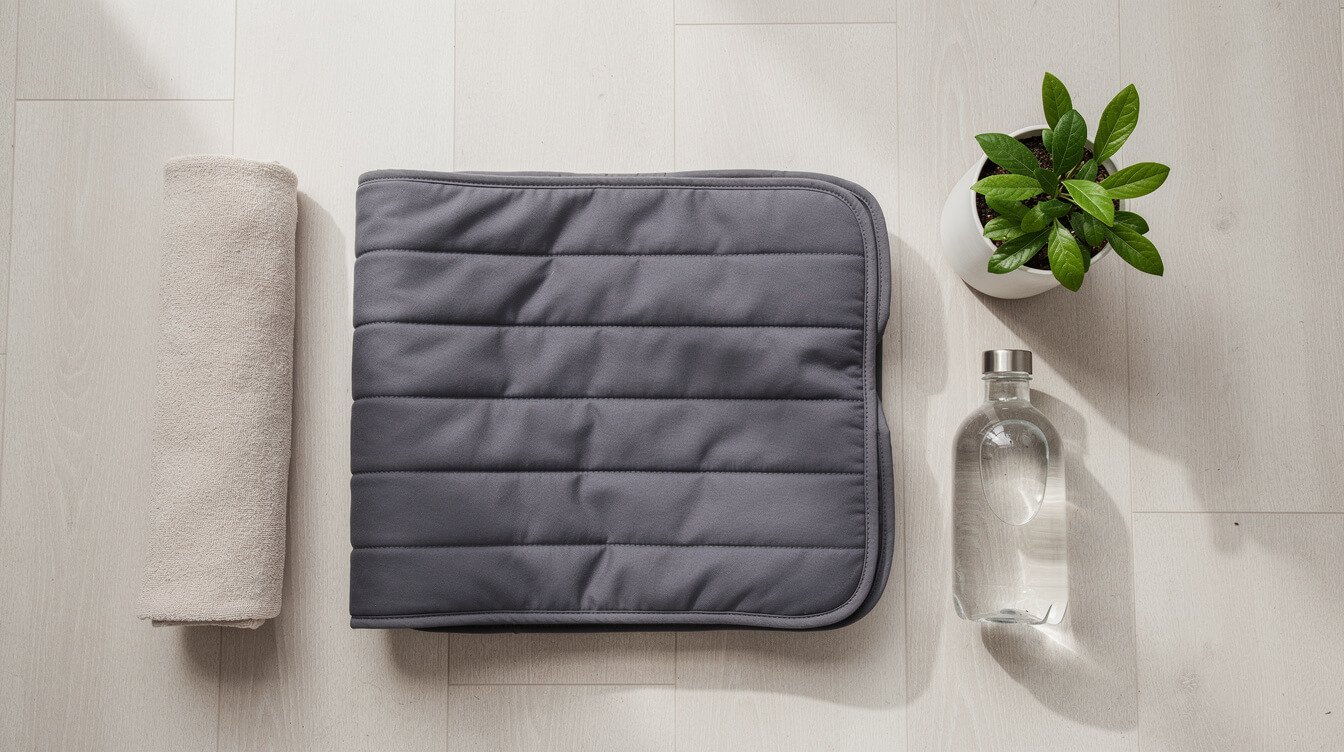
An infrared sauna blanket is a padded, insulated wrap that zips or folds around your body from the shoulders down while your head stays outside. Thin heating elements (usually carbon fiber) are woven between the layers. When you switch it on, the blanket warms up and gives off far-infrared energy, the same gentle radiant warmth you feel from sunshine on your skin or from a warm stone. If you’d like the science behind that term, our guide to far infrared explains it in plain language.
Most blankets plug into a wall outlet and come with a small controller that lets you pick a temperature setting and a timer. Many list settings that range from roughly 100°F up to around 160–180°F at the heating surface. That’s the temperature of the elements, not your body, but it gives you a sense of how warm things get once you’re zipped in.
People reach for them for a few simple reasons:
- Space: a blanket folds into a closet or under a bed, while a cabin needs a dedicated corner of your home.
- Cost: most blankets sell for roughly $150 to $700, compared with several thousand dollars for a home sauna cabin.
- Convenience: no trips to the gym or spa, and a session can fit between dinner and bedtime.
- Portability: lighter models are sold as “portable infrared sauna blankets” that travel in a car trunk or even a large suitcase.
What a blanket is not is a medical device. Nearly all models are sold as general wellness or relaxation products. Keep that in mind whenever a listing starts to sound like a prescription.
How an Infrared Sauna Blanket Works (and How It Differs From a Sauna)

A traditional Finnish sauna heats the air around you, often to 160–195°F, and your body warms up from that hot air. An infrared sauna cabin works differently: it warms the air less (typically about 120–140°F) and relies more on radiant infrared heat that warms your skin directly. We compare those two in detail in infrared sauna vs traditional sauna.
An infrared sauna blanket takes the radiant idea and wraps it tightly around you. That close fit changes the experience in a few important ways:
The heat is trapped close to your skin
In a cabin, sweat can evaporate into the room, which is how your body naturally cools itself. Inside a blanket, there is very little air space. Sweat pools against your skin and clothing, and the air inside becomes hot and humid. That’s why many people find a 30-minute blanket session feels more intense than the temperature number suggests.
Your head stays out
Because your head and face are outside the blanket, you breathe room-temperature air. Many people find that more comfortable than breathing hot cabin air. The trade-off is that your body is fully enclosed, so you can’t easily shift position, stretch out, or cool a limb.
You’re lying down the whole time
You’ll be flat on your back on the floor, a mat, or a firm surface. That’s relaxing, but it also means getting up afterward needs to be slow and careful, especially if you feel light-headed.
| Feature | Infrared sauna blanket | Infrared sauna cabin | Traditional (Finnish) sauna |
|---|---|---|---|
| How it heats | Radiant far-infrared, wrapped closely around the body | Radiant infrared panels plus warm air | Hot air (and steam if you add water to stones) |
| Typical air temperature | Hot and humid inside the wrap; settings often 100–180°F at the surface | About 120–140°F | About 160–195°F |
| Head position | Outside, breathing room air | Inside the cabin | Inside the cabin |
| Space needed | A floor or bed area; folds away | A dedicated corner, usually 1–4 people | A dedicated room or outdoor building |
| Typical cost | About $150–$700 | Several thousand dollars | Several thousand dollars and up |
| Research base | Very little on blankets themselves | Growing, mostly small studies | The largest body of research, including long-term population studies |
That last row matters more than any other, so let’s look at it closely.
Infrared Sauna Blanket Benefits: What Research Suggests

Here’s the honest headline: almost all the research people quote for infrared sauna blanket benefits was done on sauna cabins, not blankets. As of this writing, we couldn’t find published controlled trials on sauna blankets themselves. So the most accurate way to think about blanket benefits is: “regular heat sessions may support these things, and a blanket is one way to get a heat session.”
Even the shopping roundups admit this. In a widely read Cosmopolitan buying guide, a Duke University pain specialist noted that sauna blankets are said to help with relaxation, circulation, and muscle soreness, but that “the scientific evidence supporting these claims is limited.”
What the sauna research shows
- A 2018 systematic review by Hussain and Cohen (Evidence-Based Complementary and Alternative Medicine) gathered 40 clinical studies of regular dry sauna bathing with 3,855 participants. Most studies reported beneficial effects, with outcomes including blood pressure, heart function, pain, and fatigue. But only 13 were randomized controlled trials, and most had fewer than 40 people. The authors concluded that saunas have potential health benefits and that better-quality research is needed.
- The Finnish heart study (Laukkanen and colleagues, JAMA Internal Medicine, 2015) followed 2,315 middle-aged men for about two decades. Men who used a sauna four to seven times a week had a lower risk of sudden cardiac death than men who went once a week. This is an observational study of traditional Finnish saunas, so it shows an association, not proof that saunas caused the difference.
- Japanese “Waon” therapy uses a far-infrared dry sauna at about 140°F followed by a rest period wrapped in towels. It has been studied in people with heart and circulation conditions, but always under medical supervision in a clinic, which is very different from a home blanket session.
- Muscle comfort and recovery are among the most common reasons people use heat. Our guide to infrared sauna for muscle recovery covers what small studies suggest about post-workout warmth.
How strong is the evidence?
| Claimed benefit | What research suggests | Applies to blankets? |
|---|---|---|
| Relaxation and stress relief | Consistently reported; warmth calms many people | Likely, if you find the enclosure comfortable |
| Muscle comfort after exercise | Small studies on saunas and heat wraps are encouraging | Plausible; not directly studied |
| Heart and circulation | Promising long-term associations for traditional saunas | Unknown; different heat profile and frequency |
| Better sleep | Many people report it; evening warmth followed by cooling may help wind-down | Plausible as part of a bedtime routine |
| Skin glow | Temporary flushing from increased blood flow | Yes, but it’s short-lived |
| “Detox” | Sweat removes very little; liver and kidneys do the real work | Overstated |
| Weight loss or big calorie burn | Scale drops are mostly water | Overstated |
If you’d like a deeper look at what cabin sessions may offer, read our full guide to the benefits of infrared sauna. If you’re curious about combining heat with light, our post on infrared sauna and red light therapy explains how they differ.
Sweat, Detox and Calories: Separating Myths From Reality

Sauna blanket marketing leans heavily on three ideas: that you’ll “sweat out toxins,” that you’ll burn hundreds of calories, and that you’ll lose weight. Each one has a grain of truth wrapped in a lot of exaggeration.
Myth 1: “Sweat out the toxins”
Sweat is mostly water with some salt, plus tiny amounts of other substances. Small studies have detected trace amounts of metals and environmental chemicals in sweat, but the quantities are very small compared with what your liver and kidneys clear every day. Your body already has a sophisticated detox system, and sweating isn’t its main route. We unpack this in our myth-busting post on whether sweating removes toxins and in our honest guide to a full body cleanse detox.
Myth 2: “Burn 600 calories in a session”
Your heart rate rises in the heat, and your body does use a little extra energy to cool itself. But claims of hundreds of calories per session are not supported by good research, and a raised heart rate from heat is not the same as exercise. A blanket session can be a lovely complement to movement. It isn’t a replacement for it.
Myth 3: “Lose two pounds overnight”
The number on the scale may drop after a session, but that’s water you sweated out. It comes back as soon as you rehydrate, and it should come back. Treating fluid loss as fat loss can lead people to skip water, which is exactly the wrong move in the heat.
What’s real
The genuine pleasures are simpler: deep warmth, muscles that feel looser, a calm mind, and a ritual that signals “the day is done.” Those are worth having on their own, without any exaggerated promises attached.
How to Use an Infrared Sauna Blanket Safely: A Beginner’s Routine
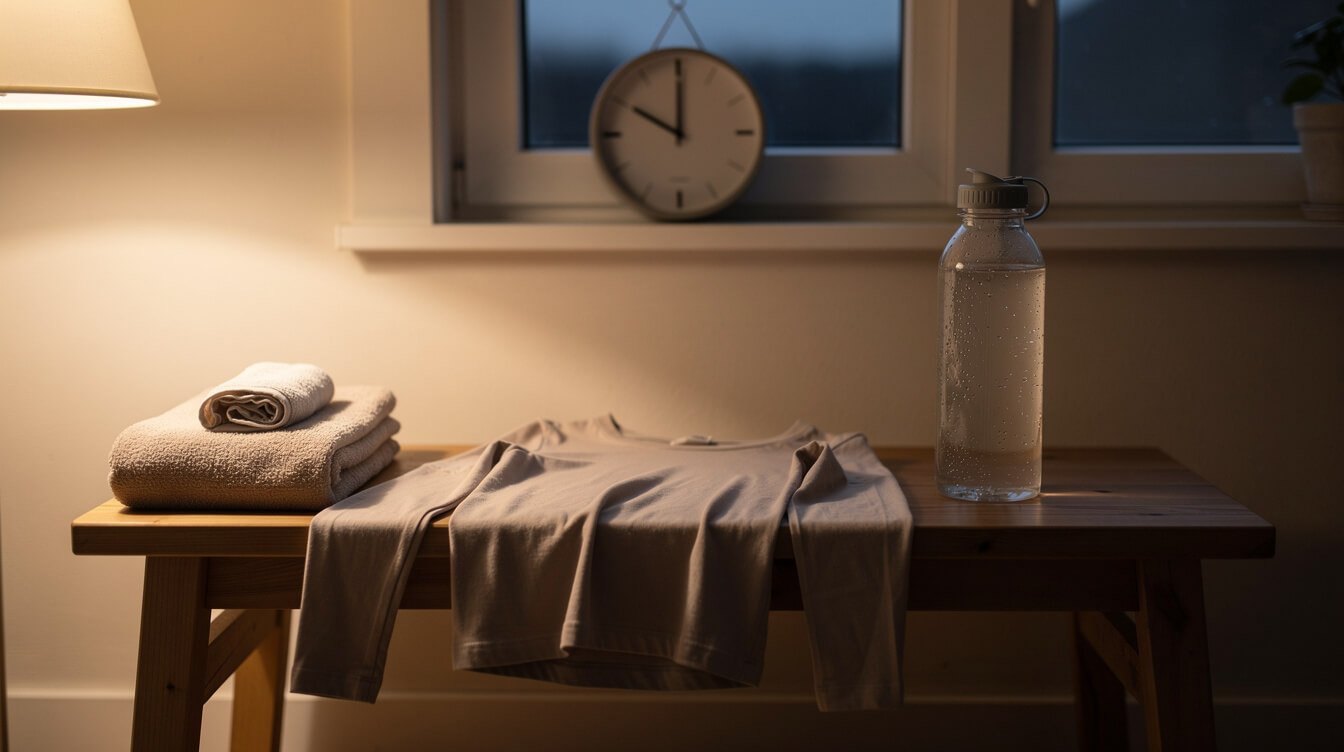
The most common beginner mistake is going too hot for too long. Start low and short, and build up only if you feel good. Here’s a gentle routine for healthy adults:
- Hydrate first. Drink a glass of water in the hour before your session, and keep a full bottle within reach.
- Dress for sweat. Wear loose, long-sleeved cotton clothing and socks. A layer between your skin and the blanket protects you from hot spots and keeps the inside cleaner. Lay a towel inside if your model allows.
- Preheat on a low setting. Let the blanket warm up for 5 to 10 minutes on a lower setting before you get in.
- Keep the first sessions short. Start with 15 to 20 minutes. Over a few weeks you can work up to 30 minutes, and some people go up to 45, if they feel comfortable.
- Stay awake and set a timer. Use the built-in timer and an extra phone alarm. Never fall asleep inside a heated blanket.
- Breathe and settle. Slow breathing, a podcast, or quiet music makes the time pass easily. If you start to feel uncomfortable, unzip and get out.
- Get up slowly. Unzip, sit up for a minute, then stand. Light-headedness is common right after heat.
- Cool down and rehydrate. Drink water (add a pinch of electrolytes after longer sessions), then take a lukewarm shower.
- Clean the blanket. Wipe the interior with a damp cloth or the cleaner the maker recommends, and leave it open to air-dry before folding.
How often? Many people enjoy one to three sessions a week. Start with one, notice how you sleep and feel the next day, and adjust from there. More isn’t automatically better.
Evening sessions can fit beautifully into a wind-down routine. Warming up and then cooling down mirrors the natural temperature drop your body goes through before sleep, the same idea behind a warm bath before bed. For more sleep-friendly habits, see our guide on how to improve sleep quality naturally.
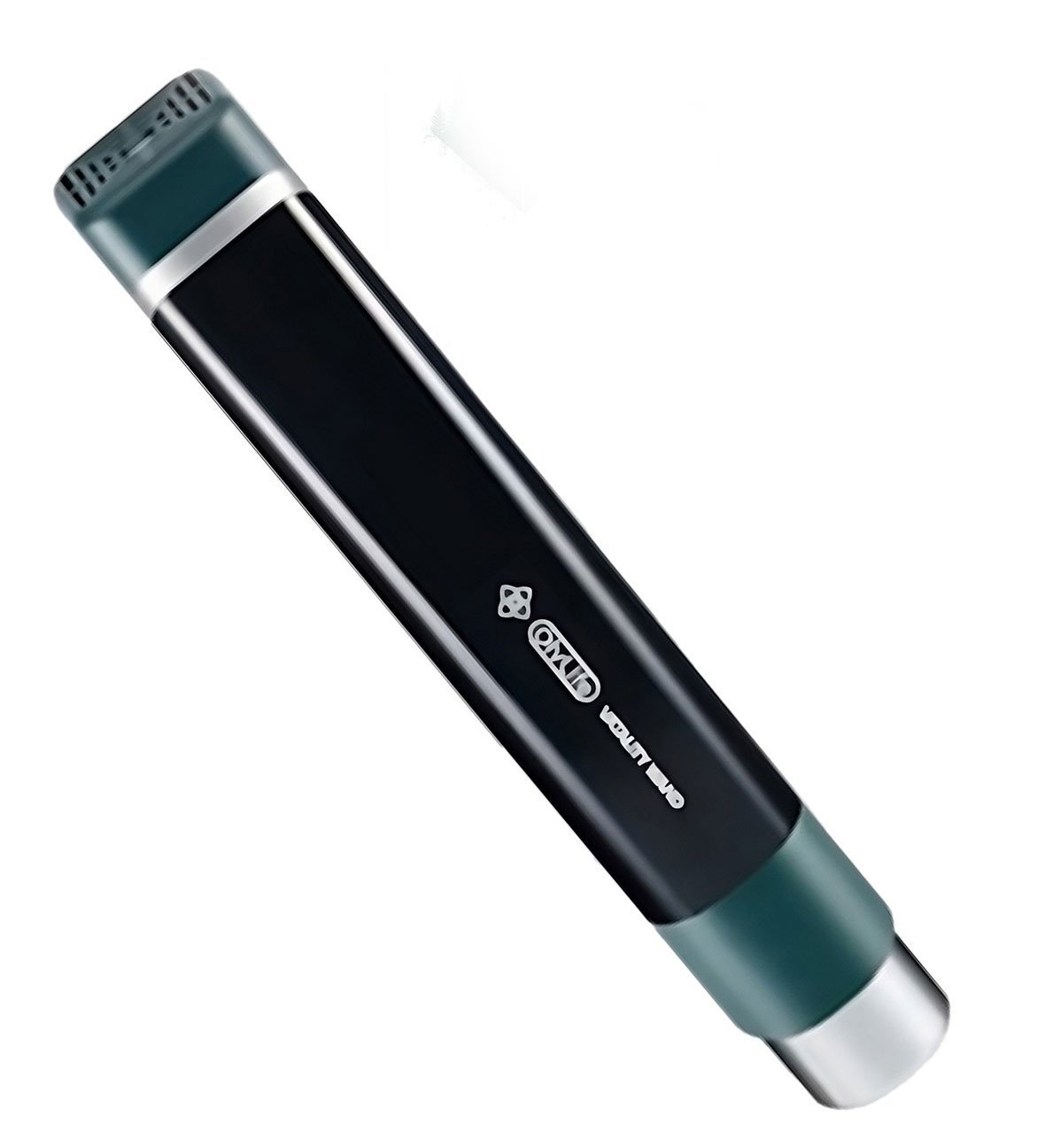
Not every evening calls for full-body heat. On nights when you just want a few minutes of soothing warmth on tight shoulders or your lower back, a handheld option can be easier. The OlyLife Vitality Wand has warm and cool air modes for a short, targeted self-care moment without zipping into anything.
🎁 Get a Free Wellness Gift
Enter your name and email below to receive a special wellness gift from OlyLife — absolutely free!
Who Should Skip a Sauna Blanket or Check With a Doctor First

Heat puts real demands on your heart, blood vessels, and fluid balance. That’s part of why it can feel so good, and it’s also why some people should be careful. Talk with a healthcare provider before using an infrared sauna blanket if any of these apply to you:
- Pregnancy, or if you’re trying to conceive.
- Heart conditions, including heart failure, a recent heart attack, arrhythmias, or chest pain.
- Very low or poorly controlled blood pressure, or a history of fainting.
- Diabetes with nerve damage (neuropathy), or any condition that reduces feeling in your skin, because you may not notice a burn.
- Multiple sclerosis or other heat-sensitive conditions.
- Kidney disease, or if you’ve been told to limit fluids.
- Medications that affect sweating, heart rate, or blood pressure, such as diuretics, beta-blockers, and some antihistamines and antidepressants.
- Fever, illness, or a recent injury with swelling. Wait until you’ve recovered.
- Older adults and anyone under 18 should get personal advice first. Children should not use sauna blankets.
A note for men planning a family
A small 2013 study in Human Reproduction (Garolla and colleagues) followed 10 healthy men who used a Finnish sauna regularly for three months. Their sperm count and motility dropped during that time and returned to normal within about six months after they stopped. The effect was reversible, but if you’re trying to conceive, it’s sensible to take a break from regular heat sessions.
Never combine heat with alcohol
Alcohol increases dehydration and lowers your ability to notice that you’re overheating. Skip the blanket after drinks.
Stop immediately if you notice
- Dizziness, nausea, or a headache that’s getting worse
- A racing or pounding heartbeat
- Chills, goosebumps, or suddenly stopping sweating while still hot
- Confusion, extreme fatigue, or muscle cramps
- Burning, stinging, or red patches on your skin
Get out, cool down, and sip water. Confusion, fainting, or a very high body temperature can signal heat stroke, which is a medical emergency, so call 911 or your local emergency number.
One more long-term skin note: repeated heat on the same spot can cause a lace-like brown rash called erythema ab igne (“toasted skin”). It’s most often linked to laptops and heating pads, and we cover it in our infrared heating mat guide. Clothing layers, moderate settings, and sensible session times help prevent it.
How to Choose an Infrared Sauna Blanket: An 8-Point Checklist
Sauna blankets can look almost identical in photos, but the details make a real difference to comfort, safety, and how long the blanket lasts. Use this checklist when comparing options:
- Electrical safety certification. Look for a recognized safety mark (such as ETL or UL in the US, or CE/UKCA in Europe) on the blanket and controller. Avoid unbranded listings with no certification details.
- Automatic shut-off and a timer. These should be non-negotiable. A blanket that keeps heating if you doze off is a burn risk.
- Clear temperature settings. Several levels, with the lowest genuinely gentle. Be wary of listings that only advertise the maximum.
- Fit and length. Check the zipped dimensions against your height and build. Too tight feels claustrophobic, and too loose wastes heat.
- Easy-clean interior. A wipeable, waterproof inner layer (often PU leather) and the option of a washable liner make hygiene far easier.
- Honest EMF information. Like most electrical devices, heated blankets give off low-level electromagnetic fields. If that matters to you, choose a brand that publishes measured readings rather than just saying “low EMF.”
- Realistic claims. “Supports relaxation” is reasonable. “Burns 600 calories,” “flushes toxins,” or “cures” anything are red flags about the company, not proof of a better product.
- Warranty and return policy. Heating elements and zippers take a lot of wear. Look for at least a one-year warranty and a clear process for defects.
What about crystal, clay, charcoal, or gemstone layers? Some premium blankets include them. They can feel nice and add weight, but there isn’t good evidence that they change your results. Treat them as a comfort choice, not a health upgrade.
Portable infrared sauna blankets trade some padding and size for lighter weight. They’re handy if you travel or move between homes, but check that the controller, cable, and safety features are just as solid as on full-size models.
Warmth Without the Full Wrap 🌿
Not every evening calls for a 30-minute heat session. The OlyLife Vitality Wand is a handheld wellness device with warm and cool air modes, made for short, targeted self-care moments on shoulders, neck, or lower back. It’s a relaxation companion, not a medical treatment.
Infrared Sauna Blanket FAQ
Are infrared sauna blankets safe?
For most healthy adults who stay hydrated, keep sessions moderate, and use a certified blanket with an auto shut-off, they’re generally considered low risk. The main risks are overheating, dehydration, dizziness, and skin burns. People with heart conditions, pregnancy, neuropathy, or heat-sensitive conditions should check with a doctor first.
How long should I stay in a sauna blanket?
Beginners should start with 15 to 20 minutes on a lower setting. Many regular users settle around 30 to 45 minutes. Always get out sooner if you feel unwell.
How often can I use an infrared sauna blanket?
One to three times a week is a comfortable rhythm for most people. Some use one more often, but give your body time to adapt and pay attention to your hydration, sleep, and energy.
Do sauna blankets help you lose weight?
Not in a meaningful way. Most of the weight you lose after a session is water, and it returns when you rehydrate. A blanket can fit into a healthy routine, but movement, sleep, and nutrition matter much more for weight.
Is an infrared sauna blanket as good as an infrared sauna?
They’re different experiences. A blanket is cheaper, smaller, and keeps your head out, but it traps heat and sweat close to your body. A cabin lets you sit up, move, and cool more naturally. Most of the published research is on cabins and traditional saunas, not blankets.
Can I use a sauna blanket after a workout?
Yes, many people enjoy one after exercise, but wait until your breathing and heart rate settle, and rehydrate before you get in. Don’t stack a hard workout and a long, hot session on a day when you’re already dehydrated.
Can I sleep in a sauna blanket?
No. Never fall asleep in a heated blanket. Use the timer, set a backup alarm, and get out when the session ends.
Should I wear clothes in a sauna blanket?
Yes. Loose, long-sleeved cotton clothing and socks protect your skin from hot spots, absorb sweat, and keep the blanket cleaner.
Final Thoughts
An infrared sauna blanket can be a cozy, affordable way to bring heat sessions into your home, especially if you don’t have space or budget for a sauna cabin. The research on regular sauna use is genuinely encouraging, but it was mostly done in cabins, so it’s fair to think of a blanket as a relaxing ritual that may support how you feel, not a shortcut to detox or weight loss.
If you try one, keep it simple: choose a certified blanket with an auto shut-off, wear cotton layers, drink water, start with short, gentle sessions, and get out the moment something feels off. And if you have a heart condition, are pregnant, or take medications that affect heat tolerance, have a quick conversation with your doctor first.
Warmth is one of the oldest comforts there is. Used wisely, it can be a lovely way to close the day. 🌿 For a wider look at heat-based wellness, explore our guides to lymphatic drainage benefits and why a little healthy stress can make you stronger.
This article is for educational purposes only and is not medical advice. Infrared sauna blankets are not intended to diagnose, treat, cure, or prevent any disease. Talk to a qualified healthcare provider before starting heat therapy if you are pregnant, have a health condition, or take regular medication.