Herbal Tea for Relaxing: 7 Calming Teas, What Research Suggests, and a 15-Minute Evening Ritual
The day is finally done, but your mind hasn’t gotten the memo. Your shoulders are still up near your ears, your thoughts are replaying a conversation from this afternoon, and scrolling isn’t helping. This is exactly the moment when a warm mug of herbal tea for relaxing can become one of the kindest, simplest habits in your evening.
Most “best calming tea” lists give you 10 or 20 herbs, call every one of them “proven,” and stop there. They rarely mention that most of the encouraging studies used concentrated capsules or extracts rather than a tea bag. They rarely help you pick the right tea for your kind of tension, and a few safety notes almost never make the cut.
This guide is the honest, practical version. You’ll learn why a warm cup may help you unwind in the first place, how to match a tea to the way stress shows up for you, what research suggests about seven calming herbs, how to brew them so they actually taste good, and a simple 15-minute evening ritual to tie it all together. We’ll also cover who should be careful, and when it’s time to look beyond the teapot. 🌿
Herbal Tea for Relaxing: Why a Warm Cup Helps You Unwind
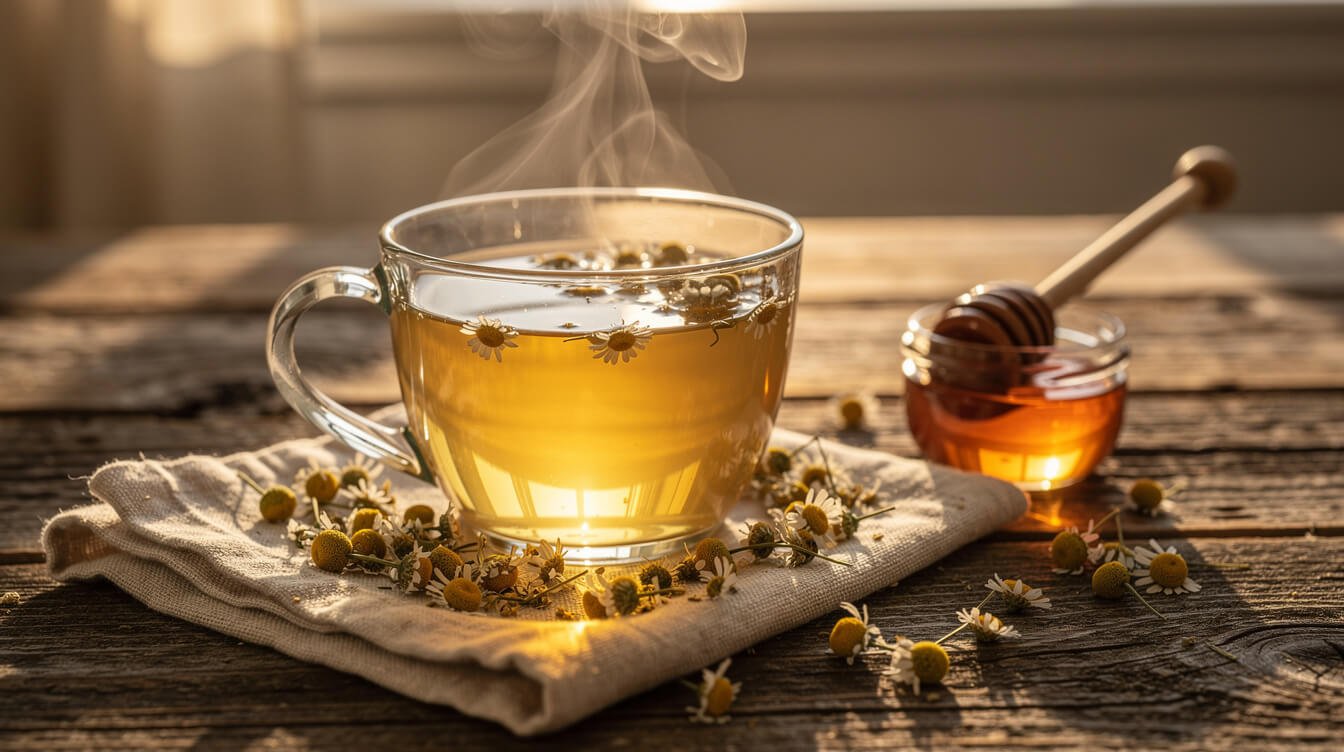
When people say a cup of tea “calms them down,” they’re usually describing several things happening at once. Some come from the herb itself, but a surprising amount comes from the ritual around it. Understanding both helps you get more out of every cup.
1. The pause itself
Making tea forces you to stop. You fill the kettle, wait for it to boil, steep the leaves, and wait again while the cup cools enough to sip. Those few minutes are a built-in break from screens, to-do lists, and rushing. For many people, the pause is the real gift. It’s a small, repeatable signal to your nervous system that the “doing” part of the day is over.
2. Warmth, aroma, and slow breathing
Holding a warm mug, breathing in fragrant steam, and taking slow sips naturally lengthens your breath. Slower breathing, especially with a longer exhale, is one of the most reliable ways to nudge the body toward its “rest and digest” mode. In one month-long study, just five minutes a day of a breathing practice built around long, slow exhales improved mood more than the same amount of mindfulness meditation (Balban 2023). Your tea break can quietly double as a breathing break.
3. What’s in (and not in) the cup
Many traditional calming herbs, like chamomile, lemon balm, lavender, and passionflower, contain plant compounds that researchers are studying for their possible effects on the brain’s calming pathways. Just as important, true herbal teas are naturally caffeine-free. Swapping an afternoon coffee or black tea for an herbal one removes a stimulant that can keep you wired well into the evening. In a sleep lab study, a moderate dose of caffeine taken even six hours before bed still measurably disrupted sleep (Drake 2013).
Interestingly, research on “regular” tea points in the same direction. In a six-week trial of 75 healthy men, those who drank black tea showed lower cortisol and felt more relaxed after a stressful task than those who drank a caffeine-matched placebo (Steptoe 2007). Black tea still contains caffeine, though, so it’s best enjoyed earlier in the day. In the evening, caffeine-free herbs are the gentler choice.
The honest caveat: tea vs. extracts
Here’s what most tea lists skip. Many of the best-known studies on calming herbs used standardized extracts or capsules, often at doses far stronger than a typical tea bag. A cup of tea is gentler, more variable, and less studied. That doesn’t make tea useless. A few trials did test the tea itself, and we’ll point those out. It just means a cup of herbal tea for relaxing is best thought of as a soothing support for your routine, not a treatment for anxiety or insomnia.
Match Your Tea to How Tension Shows Up for You
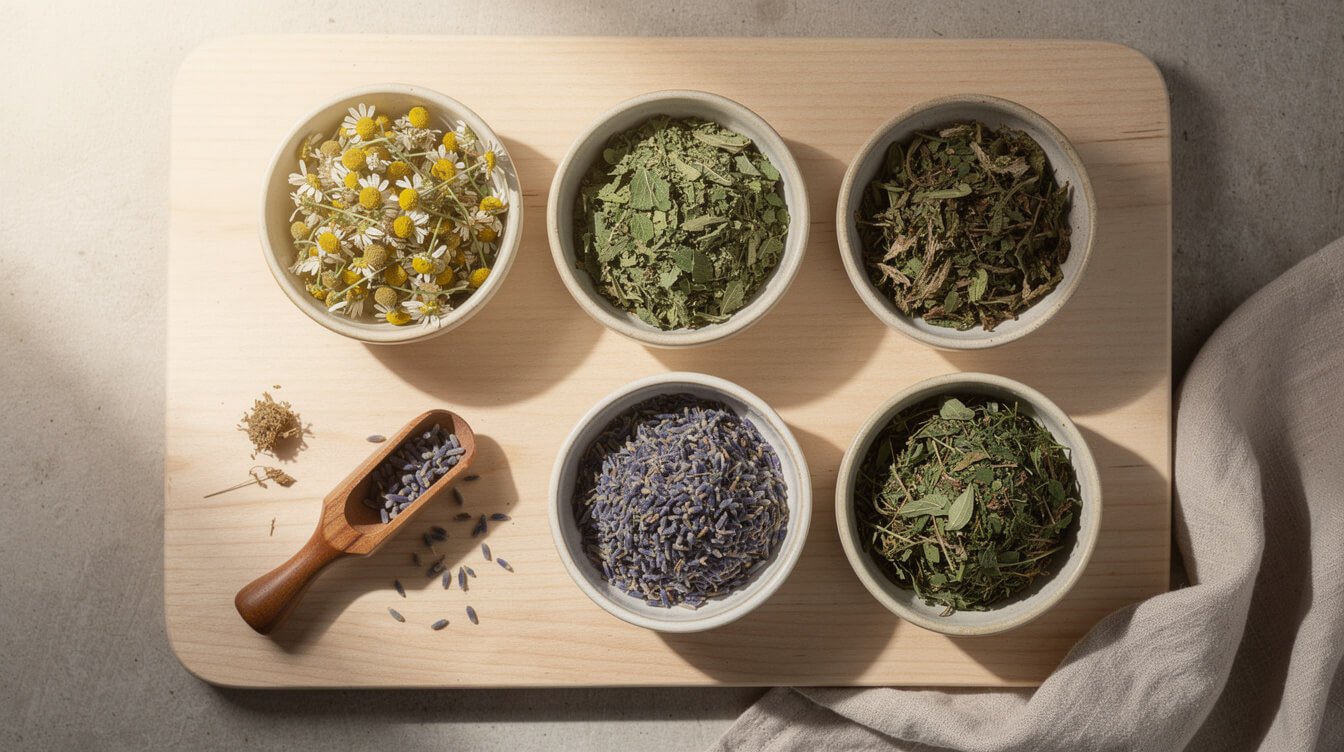
Stress doesn’t look the same for everyone. For one person it’s a racing mind at 10 p.m. For another it’s a tight jaw and knotted shoulders, or a frazzled, scattered feeling in the middle of a busy afternoon. Different herbs have different traditional strengths, so choosing an herbal tea for relaxing that fits your pattern can make your cup feel more effective.
| How tension shows up | Teas to try first | Best time |
|---|---|---|
| Racing thoughts, can’t switch off | Lemon balm, passionflower | Early evening |
| Tense body, unsettled stomach after dinner | Chamomile, chamomile + lemon balm blend | After dinner |
| Heavy, low mood on dark winter evenings | Lavender (lightly), lemon balm | Early evening |
| Frazzled and scattered during the day, but need to stay sharp | Holy basil (tulsi), rooibos | Morning to mid-afternoon |
| Tired but wired at bedtime | Chamomile, passionflower, a small amount of valerian | 60–90 minutes before bed |
| Just want a cozy, caffeine-free ritual | Rooibos, chamomile | Any time |
Think of this table as a starting point, not a rulebook. Your taste buds matter too. A tea you genuinely enjoy is a tea you’ll actually make, and consistency is where a calming ritual really earns its keep.
If your tension tends to settle in your gut, our guide to herbal tea for digestion covers the herbs most often used for an unsettled stomach. If evening heartburn is part of the picture, see herbal tea for heartburn before you reach for mint.
7 Herbal Teas for Relaxing, and What Research Suggests About Each
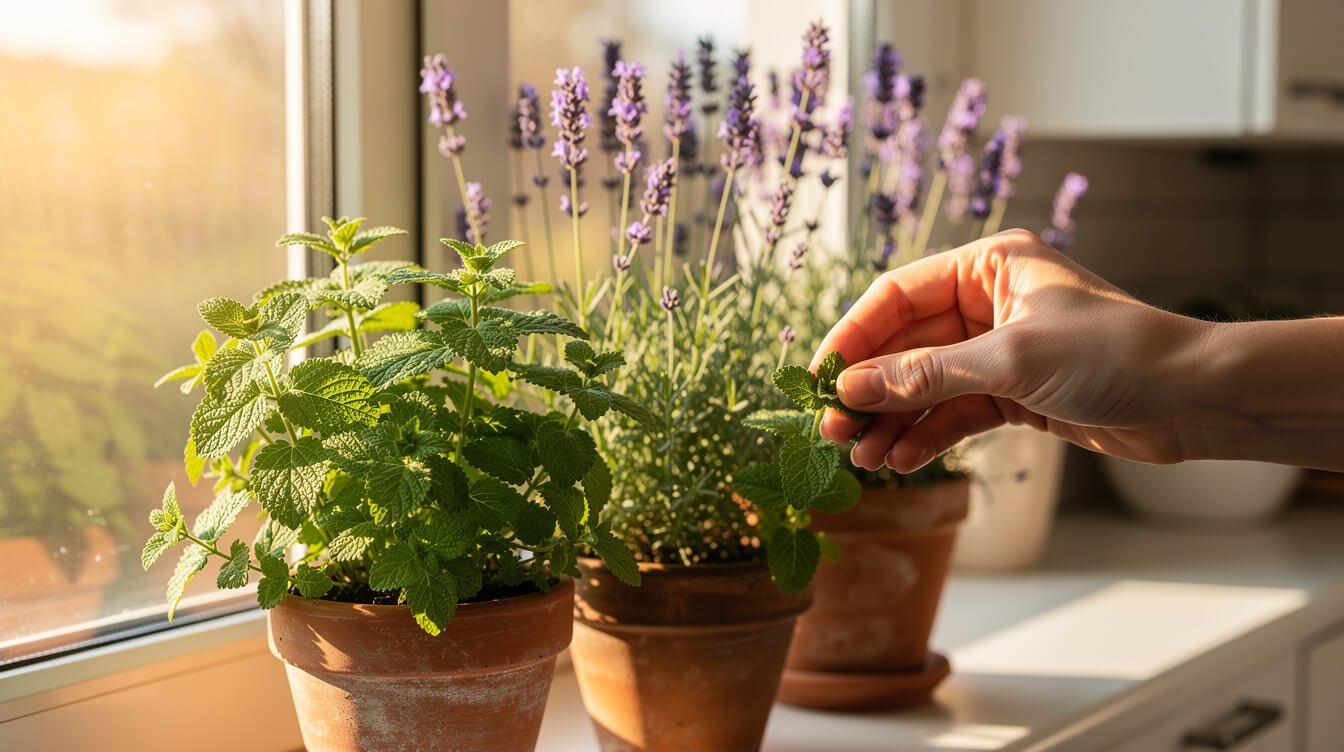
Here are seven of the most popular calming herbs, what each is traditionally used for, and an honest look at the evidence. We’ve noted whether studies used the tea itself or a concentrated extract, because that difference matters.
1. Chamomile: the classic bedtime cup
Chamomile (Matricaria chamomilla) has been used for centuries as a gentle evening drink for calm and digestion. It has a soft, apple-like flavor that most people enjoy right away.
What research suggests: In a trial with the tea itself, 80 new mothers with poor sleep drank chamomile tea daily for two weeks. They reported fewer sleep problems linked to physical symptoms and fewer symptoms of depression than the control group, but the difference had faded by four weeks after they stopped (Chang 2016). Studies of chamomile extract found modest calming effects in people with generalized anxiety (Amsterdam 2009; Mao 2016) and better sleep quality in older adults (Adib-Hajbaghery 2017). A 2019 meta-analysis of 12 trials found improved sleep quality, but no clear effect on anxiety when the three anxiety studies were pooled, and little evidence for insomnia (Hieu 2019). In a small trial of adults with chronic insomnia, chamomile extract didn’t significantly change sleep diary measures (Zick 2011).
Bottom line: A lovely, gentle choice for winding down and for sleep quality. It isn’t a fix for insomnia.
2. Lemon balm: for a busy, buzzing mind
Lemon balm (Melissa officinalis) is a member of the mint family with a bright, lemony scent. It has traditionally been used to “gladden the heart” and calm a restless mind. We’ve given it a full lemon balm spotlight if you’d like to grow your own.
What research suggests: In a small lab study, 18 healthy volunteers who took a single 600 mg dose of lemon balm extract felt calmer during a stressful computer task (Kennedy 2004). In an open-label pilot, 20 stressed volunteers taking a lemon balm extract for 15 days reported less anxiety and better sleep, but there was no placebo group (Cases 2011). Promising, but early, and based on extracts rather than tea.
Bottom line: A cheerful, uplifting calm that’s well suited to early evenings. Unlike peppermint, it doesn’t carry the same reputation for triggering heartburn.
3. Lavender: soothing aroma, used lightly
Lavender (Lavandula angustifolia) is best known as a scent, but the dried buds also make a floral tea. Use a light hand, because too much tastes soapy.
What research suggests: In two small trials of lavender tea itself, 60 older adults drinking 2 g of lavender tea twice daily for two weeks reported lower anxiety and depression scores (Bazrafshan 2020). In another, 80 new mothers who paused to smell their lavender tea before drinking it each day for two weeks reported less fatigue and depression, though the benefit faded by four weeks (Chen 2015). The strongest lavender evidence comes from a specific capsule of lavender oil (Silexan), which performed similarly to a prescription anti-anxiety medication in one trial (Woelk 2010). A 2019 review found oral lavender oil effective for anxiety overall, while noting many studies had a high risk of bias (Donelli 2019).
Bottom line: A pleasant, aromatic addition to a blend. Never swallow lavender essential oil on its own. The capsules in studies are a specially prepared product.
4. Passionflower: the one tested as a bedtime tea
Passionflower (Passiflora incarnata) is a climbing vine traditionally used in the Americas and Europe for restlessness and sleeplessness. The tea is mild and grassy, so it’s usually blended.
What research suggests: Passionflower is one of the few calming herbs studied as a tea. In a placebo-controlled trial, 41 healthy young adults drank one cup of passionflower tea each evening for a week and rated their sleep quality as better than on the placebo tea (Ngan 2011). In a small pilot of 36 people with generalized anxiety, a passionflower extract worked about as well as a prescription anti-anxiety drug over four weeks, with fewer problems at work, but the study was too small to be conclusive (Akhondzadeh 2001).
Bottom line: A good pick for “tired but wired” evenings, especially in a blend with chamomile.
5. Holy basil (tulsi): an adaptogen for daytime stress
Holy basil, or tulsi (Ocimum tenuiflorum), is revered in Ayurvedic tradition and is considered an adaptogen, an herb traditionally used to help the body adapt to stress. It’s peppery and warming, and lovely with a little ginger. Learn more in our guide to adaptogenic herbs.
What research suggests: In an eight-week trial, 100 stressed adults taking 125 mg of a holy basil extract twice daily reported lower perceived stress and better sleep than placebo, along with lower cortisol (Lopresti 2022). A systematic review of 24 human studies reported generally favorable effects on stress, mood, and metabolic markers, but called for better studies on dose and form (Jamshidi 2017).
Bottom line: Better as a calm-but-clear daytime cup than a knockout bedtime tea.
6. Valerian: strong-smelling, mixed evidence
Valerian root (Valeriana officinalis) is one of the oldest herbal sleep aids, with a famously earthy, “old socks” aroma. Most people prefer it in small amounts in a blend.
What research suggests: A meta-analysis of 16 studies (1,093 people) found valerian roughly doubled the chance of people reporting better sleep, but most studies had methodological problems and there were signs of publication bias (Bent 2006). A later meta-analysis of 18 trials found the same subjective improvement but no measurable difference in how quickly people fell asleep (Fernández-San-Martín 2010).
Bottom line: Some people swear by it, and the evidence is mixed. Because it may cause next-morning grogginess, save it for nights when you don’t need to drive early, and don’t combine it with alcohol or sleep medication.
7. Rooibos: the cozy, caffeine-free base
Rooibos, or “red bush” tea from South Africa, is naturally caffeine-free with a sweet, honeyed, slightly vanilla taste. There’s very little research on rooibos and relaxation specifically, so we won’t pretend otherwise.
Bottom line: Its real value is as a satisfying swap for an evening black tea or coffee. It gives you the comforting “proper cup of tea” ritual without the caffeine, and it pairs beautifully with chamomile or a pinch of lavender.
At a glance: the evidence
| Herb | Traditionally used for | Tested as tea? | Evidence snapshot |
|---|---|---|---|
| Chamomile | Calm, sleep, digestion | Yes (small trial) | Modest; best for sleep quality |
| Lemon balm | Restless mind, mood | No (extracts) | Early but promising |
| Lavender | Anxiety, low mood | Yes (small trials) | Strongest for oil capsules |
| Passionflower | Restlessness, sleep | Yes (small trial) | Small but encouraging |
| Holy basil | Daily stress (adaptogen) | No (extracts) | Encouraging, needs more |
| Valerian | Sleep | Rarely | Mixed; subjective only |
| Rooibos | Caffeine-free comfort | n/a | Little relaxation research |
What about peppermint? It’s refreshing and often listed as calming, but it’s better as an after-lunch pick-me-up than an evening relaxer for anyone prone to reflux, because it may relax the valve at the top of the stomach.
How to Brew a Relaxing Herbal Tea Blend That Actually Tastes Good
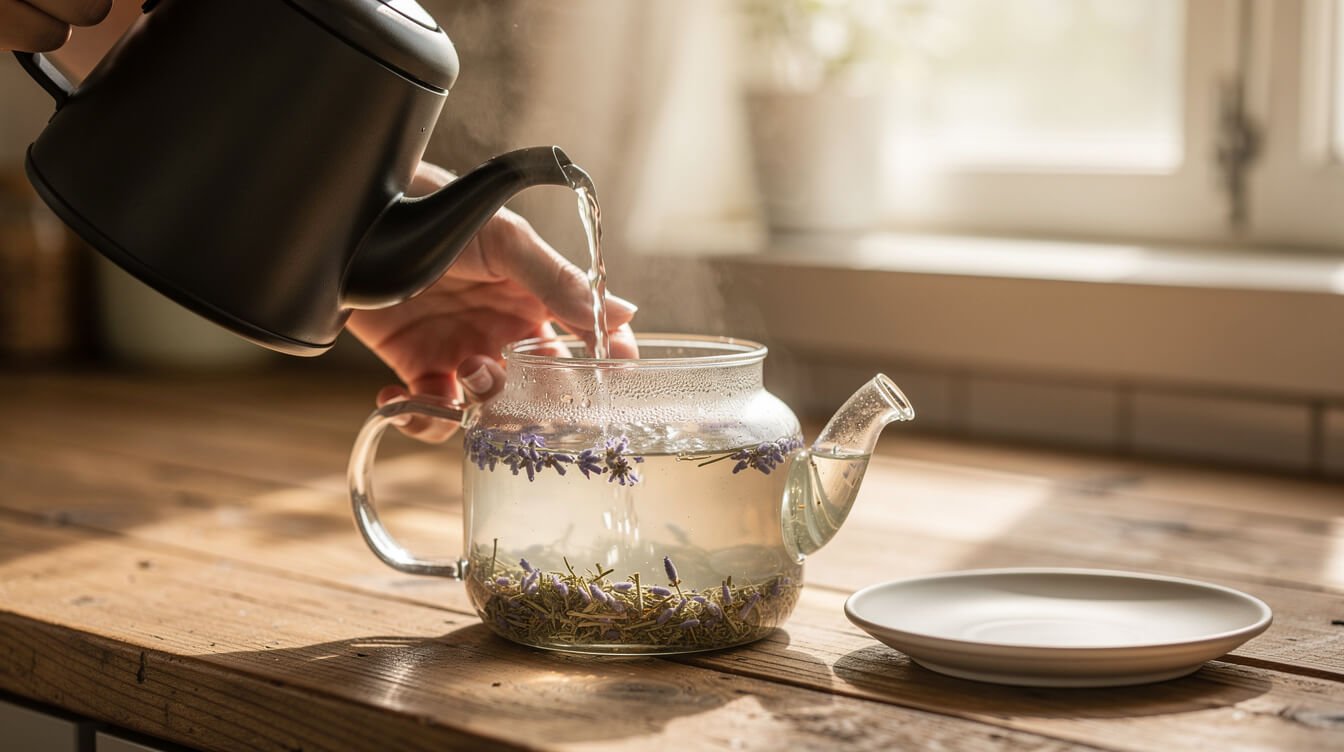
A weak, watery cup is disappointing, and a bitter, over-brewed one isn’t much better. A few simple techniques make a big difference to both the flavor of your herbal tea for relaxing and the amount of plant compounds that end up in your mug.
The basics
- Use enough herb. Aim for about 1–2 teaspoons of dried herb (or 1–2 tea bags) per 8 oz cup. Many herbal tea bags are lighter than you’d think. Using two is perfectly fine.
- Use freshly boiled water. Unlike green tea, most herbal teas like water just off the boil.
- Cover your cup. Put a saucer or lid over your mug while it steeps. Chamomile, lemon balm, and lavender contain fragrant oils that otherwise drift away with the steam. Let the drops on the saucer fall back into your cup.
- Steep longer than you would black tea. 5–10 minutes for flowers and leaves. Roots like valerian benefit from 10–15 minutes, or a gentle 10-minute simmer.
- Let it cool a little. Sip when it’s comfortably warm rather than scalding. Very hot drinks above about 65°C (149°F) are best avoided as a habit.
- Use lavender sparingly. A pinch (¼ teaspoon) is plenty. More can taste like soap.
Three relaxing blends to try at home
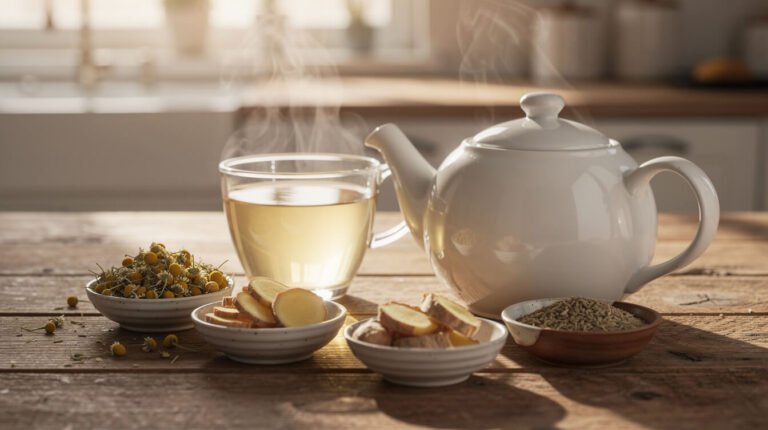
Evening Exhale (for winding down after dinner): 1 teaspoon chamomile + 1 teaspoon lemon balm + a small pinch of lavender. Steep covered for 7 minutes. Add a little honey if you like.
Quiet Mind (for racing thoughts): 1 teaspoon lemon balm + 1 teaspoon passionflower + a thin slice of fresh ginger or a strip of orange peel. Steep covered for 8 minutes.
Steady Afternoon (calm but clear): 1 teaspoon tulsi + 1 teaspoon rooibos + a cinnamon stick. Steep 6–8 minutes. Great as a 3 p.m. swap for coffee.
Loose leaf or tea bags?
Both work. Loose-leaf herbs give you more control over strength and often taste fresher, while good-quality bags are convenient for work or travel. Whichever you choose, buy from a brand that lists the botanical name and country of origin, and store herbs in an airtight jar away from light and heat. Dried herbs lose aroma within months, so smaller, fresher batches are better than a giant bag that sits for a year.
A 15-Minute Evening Tea Ritual for Better Wind-Downs
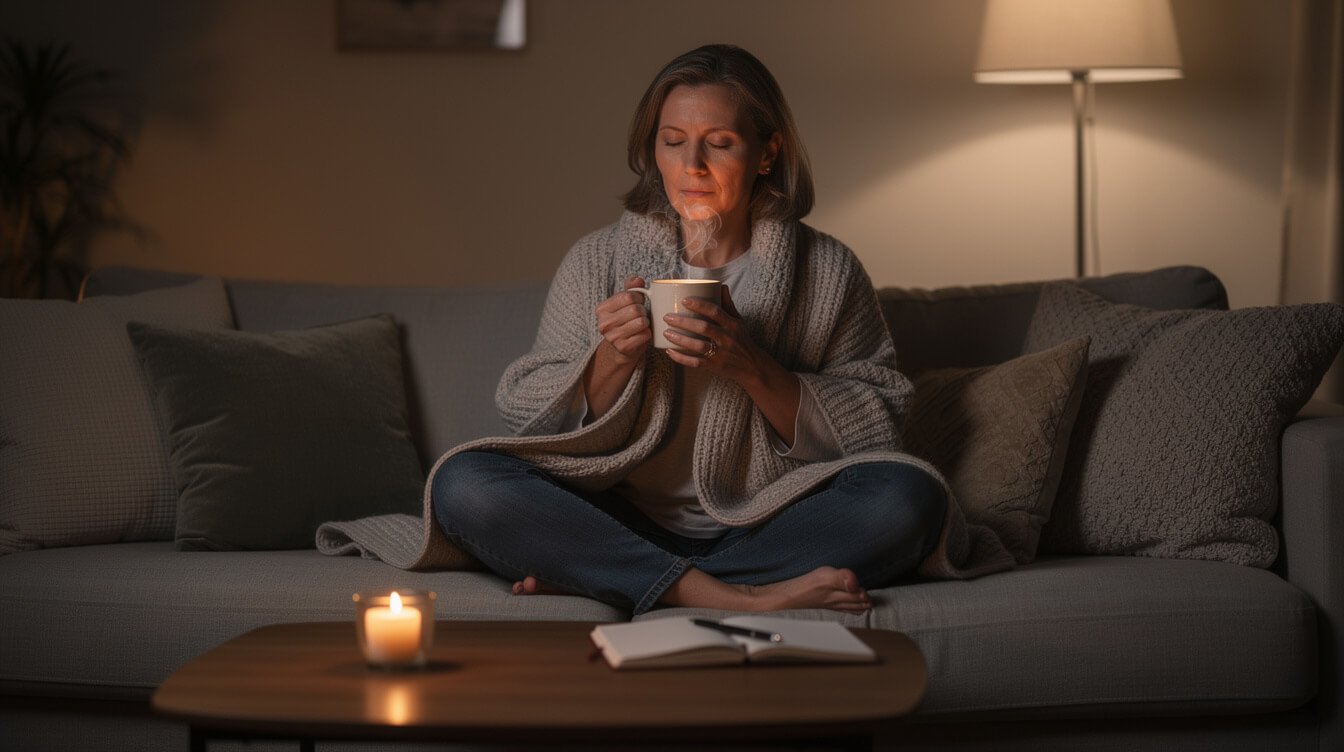
An herbal tea for relaxing becomes far more powerful when it’s part of a predictable routine. Your body loves cues. Do the same few steps at roughly the same time each night, and over a week or two, simply putting the kettle on can start to feel like a signal to soften.
Step 1: Set your “last caffeine” time (before the ritual even starts)
The best relaxing tea in the world has a hard time competing with a 4 p.m. latte. Try to make your last caffeinated drink of the day at least six hours before bed, and remember that green tea, black tea, matcha, chai, yerba mate, cola, and chocolate all count.
Step 2: Brew with intention (5 minutes)
About 60–90 minutes before bed, dim a few lights and put the kettle on. Choose your tea based on how you feel tonight. Use your matcher table above. While it steeps, put your phone on charge in another room or switch it to night mode.
Step 3: Sip and breathe (5 minutes)
Sit somewhere comfortable. Hold the warm mug in both hands and breathe in the aroma. Try this simple pattern: inhale through your nose for a count of four, then exhale slowly through your mouth for a count of six to eight, as if you’re cooling your tea. Repeat for a few rounds between sips. If you’d like more techniques, our breathwork for stress relief guide has several gentle options.
Step 4: Unload your mind (3 minutes)
Jot down anything still buzzing around your head: tomorrow’s tasks, a worry, or three small things that went well today. Getting thoughts onto paper can make them feel less urgent at 2 a.m.
Step 5: Release your body (2 minutes)
Finish with a short body scan or a few slow neck and shoulder rolls. Some people enjoy adding a warm shower or bath around this time, which may help you fall asleep faster when it’s one to two hours before bed (Haghayegh 2019). Others like to use the OlyLife Vitality Wand on their shoulders, upper back, or feet as part of their nightly wind-down. It’s designed to deliver terahertz and PEMF frequencies for general relaxation and wellbeing. It’s not intended to diagnose or treat anxiety, insomnia, or any condition, and isn’t suitable for anyone with a pacemaker or other implanted electronic device.
A note on timing
Finish your tea at least an hour before you turn out the light. Any drink close to bedtime can mean a middle-of-the-night bathroom trip, which is the opposite of restful. If that’s a problem for you, a half-cup brewed a little stronger works well.
For a complete evening plan, pair this ritual with our sleep hygiene tips, the stress relief relaxation techniques guide, or our warm evening bath spotlight.
Add a Little Extra Calm to Your Nightly Ritual ✨
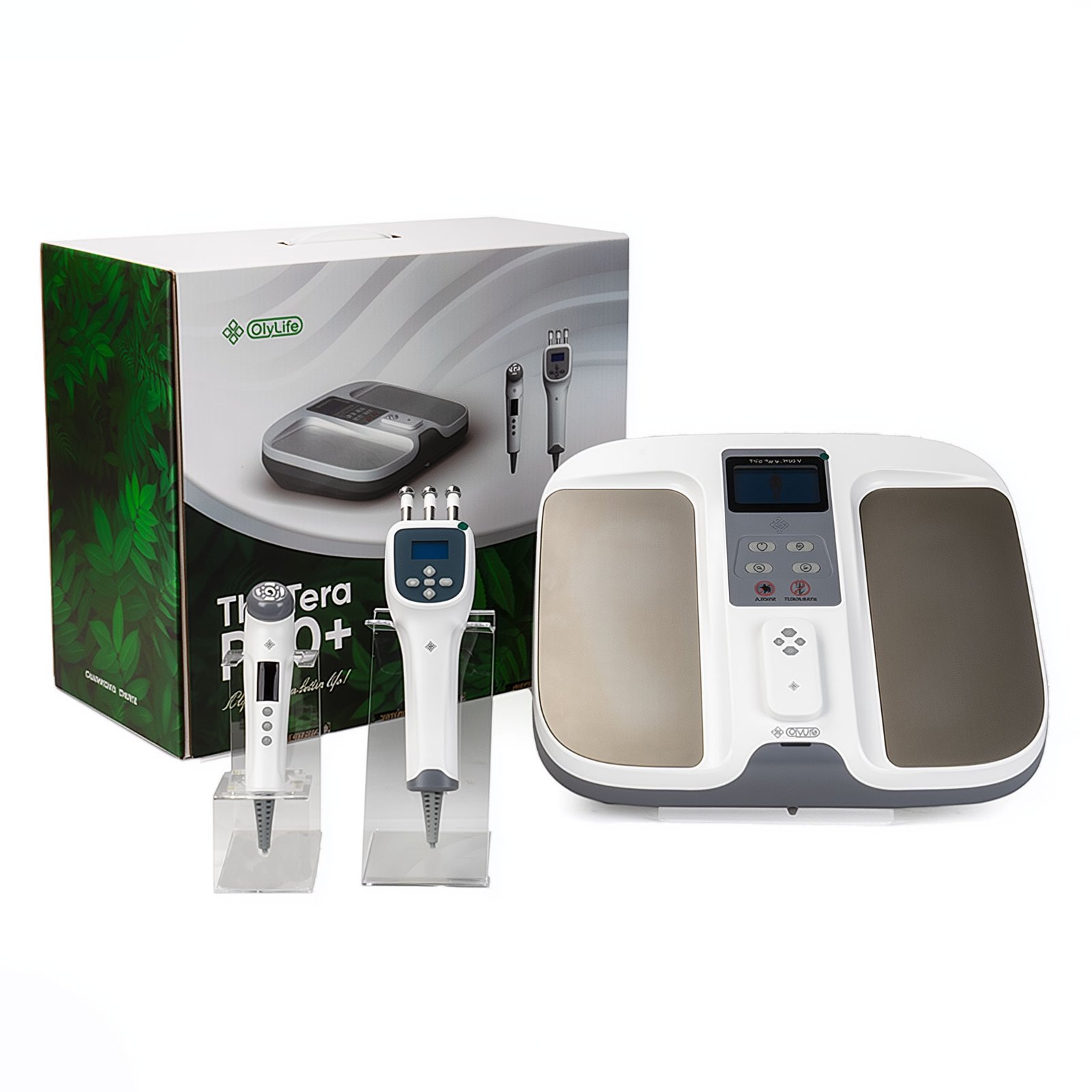
Pair your evening cup with the OlyLife THz Tera-P90+, a PEMF and terahertz wellness system that many customers use as a quiet, relaxing part of their wind-down. It’s intended to support relaxation and general wellbeing, not to diagnose or treat anxiety, insomnia, or any other condition. Not suitable for anyone with a pacemaker or implanted electronic device, so please check with your doctor if in doubt.
🎁 Get a Free Wellness Gift
Enter your name and email below to receive a special wellness gift from OlyLife — absolutely free!
Who Should Be Careful With Calming Herbal Teas
“Natural” doesn’t automatically mean “safe for everyone.” For most healthy adults, a cup or two of these herbal teas a day is generally well tolerated. But a few groups should check with a doctor or pharmacist first.
- If you take sedatives, sleep medication, anti-anxiety medication, or antidepressants. Calming herbs, especially valerian and passionflower, may add to the drowsy effects of these medicines. The same goes for alcohol. Don’t use herbal teas to replace or taper prescribed medication on your own.
- If you take blood thinners. Chamomile has been reported to interact with warfarin. In one published case, a 70-year-old woman on warfarin developed serious internal bleeding after using chamomile tea and lotion (Segal 2006). If you’re on an anticoagulant, ask your care team before drinking chamomile regularly.
- If you have ragweed or daisy-family allergies. Chamomile belongs to the same plant family as ragweed, mugwort, and chrysanthemums. Allergic reactions are uncommon, but serious ones have been reported in people with pollen allergies (Subiza 1989). Try a small amount first, or choose a non-daisy herb like lemon balm or rooibos.
- If you’re pregnant, trying to conceive, or breastfeeding. Safety data is limited for most calming herbs, and some, including holy basil, valerian, and passionflower, are commonly advised against in pregnancy. Talk to your midwife or doctor before using them regularly.
- If you have a thyroid condition or diabetes. Lemon balm has a traditional caution around thyroid medication, and holy basil may affect blood sugar. These are worth a quick check with your doctor if you take related medication.
- Before surgery. Stop calming herbs about two weeks before a planned operation unless your surgeon says otherwise, because they may interact with anesthesia.
- Check blend labels. Some “relaxation” or “sleep” blends include licorice, which can raise blood pressure with regular use, or St. John’s wort, which interacts with many medications, including birth control pills.
- Children. Ask your pediatrician before giving herbal teas to young children, and keep amounts small and mild.
When tea isn’t enough
Herbal tea for relaxing is a lovely support, but it isn’t a treatment. Please reach out to a healthcare provider if anxiety or worry is getting in the way of work, relationships, or daily life, if low mood lasts more than two weeks, or if you have trouble sleeping at least three nights a week for three months or longer. For chronic insomnia, a structured program called cognitive behavioral therapy for insomnia (CBT-I) is the recommended first-line approach (Qaseem 2016). If you ever feel unsafe or in crisis, contact your local emergency number or a crisis line right away. In the US, you can call or text 988.
For a broader look at non-tea options, see our guides to natural remedies for anxiety and natural sleep remedies.
Herbal Tea for Relaxing: Frequently Asked Questions
What is the most relaxing herbal tea?
There isn’t a single winner for everyone. Chamomile is the most popular all-rounder and has some evidence for sleep quality. Lemon balm suits a racing mind, and passionflower is one of the few herbs tested as a bedtime tea. If you’re new to herbal tea for relaxing, a chamomile and lemon balm blend is a lovely, gentle place to start.
Can I drink relaxing herbal tea every night?
For most healthy adults, a cup of chamomile, lemon balm, rooibos, or a gentle blend each evening is generally considered fine. Some herbalists suggest rotating stronger herbs like valerian rather than using them nightly for months. If you take medication or have a health condition, check with your doctor first.
How long does it take for calming tea to work?
The immediate effect comes mostly from the ritual: the warmth, aroma, and pause help many people feel calmer within minutes. Herb-specific effects in studies were usually measured over one to eight weeks of regular use, so consistency matters more than any single cup.
Is herbal tea good for anxiety?
Some calming herbs, especially chamomile, lavender, and passionflower, show encouraging early research for anxiety symptoms, mostly in extract or capsule form. A soothing tea may support a calmer routine, but it isn’t a treatment for an anxiety disorder. If anxiety is persistent or affects your daily life, please talk with a healthcare provider.
Which teas should I avoid at night?
Skip anything with caffeine in the evening: black tea, green tea, white tea, oolong, matcha, chai, and yerba mate. Even “decaf” teas contain small amounts of caffeine. If you’re prone to heartburn, peppermint and spearmint may also be worth avoiding late at night.
Does chamomile tea make you sleepy?
Chamomile isn’t a sedative in the way sleep medication is, and research on insomnia is limited. Many people find it helps them feel relaxed and ready for bed, and studies suggest it may support sleep quality. It’s best thought of as a gentle nudge, not a knockout.
Is it okay to add honey or milk?
Yes. A small spoonful of honey pairs beautifully with chamomile and lemon balm, and a splash of milk works well with rooibos. Just keep sweeteners modest, especially in the evening.
Final Thoughts: A Calmer Evening, One Cup at a Time
There’s something quietly powerful about a nightly ritual that asks so little of you. A kettle, a handful of dried flowers or leaves, and ten unhurried minutes. Herbal tea for relaxing won’t erase a stressful day, but it can give you a dependable moment to exhale, slow your breathing, and let your body know it’s safe to rest.
Start simple. Pick one tea that suits how tension shows up for you, maybe chamomile for a tense body or lemon balm for a busy mind. Brew it properly, covered and for long enough. Set a caffeine cutoff, and build the 15-minute ritual around your cup. Give it two weeks and notice how you feel. If stress or sleep problems persist, reach out to a healthcare provider. You deserve support that goes beyond the teapot too.
Tonight, put the kettle on, choose your herb, and give yourself permission to do nothing but sip and breathe for a few minutes. You’ve earned it. ✨
This article is for general educational purposes and is not medical advice. Herbal teas are not a substitute for diagnosis or treatment of anxiety, insomnia, depression, or any other condition. If you are pregnant or breastfeeding, take medication, have a health condition, or use a pacemaker or other implanted medical device, please check with your healthcare provider before trying new herbs, supplements, or wellness devices.
References
- Adib-Hajbaghery M, Mousavi SN. The effects of chamomile extract on sleep quality among elderly people: a clinical trial. Complement Ther Med. 2017. PMID 29154054
- Akhondzadeh S, Naghavi HR, Vazirian M, et al. Passionflower in the treatment of generalized anxiety: a pilot double-blind randomized controlled trial with oxazepam. J Clin Pharm Ther. 2001. PMID 11679026
- Amsterdam JD, Li Y, Soeller I, et al. A randomized, double-blind, placebo-controlled trial of oral Matricaria recutita (chamomile) extract therapy for generalized anxiety disorder. J Clin Psychopharmacol. 2009. PMID 19593179
- Balban MY, Neri E, Kogon MM, et al. Brief structured respiration practices enhance mood and reduce physiological arousal. Cell Rep Med. 2023. PMID 36630953
- Bazrafshan MR, Jokar M, Shokrpour N, Delam H. The effect of lavender herbal tea on the anxiety and depression of the elderly: a randomized clinical trial. Complement Ther Med. 2020. PMID 32444033
- Bent S, Padula A, Moore D, et al. Valerian for sleep: a systematic review and meta-analysis. Am J Med. 2006. PMID 17145239
- Cases J, Ibarra A, Feuillère N, et al. Pilot trial of Melissa officinalis L. leaf extract in the treatment of volunteers suffering from mild-to-moderate anxiety disorders and sleep disturbances. Med J Nutrition Metab. 2011. PMID 22207903
- Chang SM, Chen CH. Effects of an intervention with drinking chamomile tea on sleep quality and depression in sleep disturbed postnatal women: a randomized controlled trial. J Adv Nurs. 2016. PMID 26483209
- Chen SL, Chen CH. Effects of lavender tea on fatigue, depression, and maternal-infant attachment in sleep-disturbed postnatal women. Worldviews Evid Based Nurs. 2015. PMID 26523950
- Donelli D, Antonelli M, Bellinazzi C, et al. Effects of lavender on anxiety: a systematic review and meta-analysis. Phytomedicine. 2019. PMID 31655395
- Drake C, Roehrs T, Shambroom J, Roth T. Caffeine effects on sleep taken 0, 3, or 6 hours before going to bed. J Clin Sleep Med. 2013. PMID 24235903
- Fernández-San-Martín MI, Masa-Font R, Palacios-Soler L, et al. Effectiveness of valerian on insomnia: a meta-analysis of randomized placebo-controlled trials. Sleep Med. 2010. PMID 20347389
- Haghayegh S, Khoshnevis S, Smolensky MH, et al. Before-bedtime passive body heating by warm shower or bath to improve sleep: a systematic review and meta-analysis. Sleep Med Rev. 2019. PMID 31102877
- Hieu TH, Dibas M, Surya Dila KA, et al. Therapeutic efficacy and safety of chamomile for state anxiety, generalized anxiety disorder, insomnia, and sleep quality: a systematic review and meta-analysis. Phytother Res. 2019. PMID 31006899
- Jamshidi N, Cohen MM. The clinical efficacy and safety of tulsi in humans: a systematic review of the literature. Evid Based Complement Alternat Med. 2017. PMID 28400848
- Kennedy DO, Little W, Scholey AB. Attenuation of laboratory-induced stress in humans after acute administration of Melissa officinalis (lemon balm). Psychosom Med. 2004. PMID 15272110
- Lopresti AL, Smith SJ, Metse AP, Drummond PD. A randomized, double-blind, placebo-controlled trial investigating the effects of an Ocimum tenuiflorum (holy basil) extract on stress, mood, and sleep in adults experiencing stress. Front Nutr. 2022. PMID 36185698
- Mao JJ, Xie SX, Keefe JR, et al. Long-term chamomile (Matricaria chamomilla L.) treatment for generalized anxiety disorder: a randomized clinical trial. Phytomedicine. 2016. PMID 27912875
- Ngan A, Conduit R. A double-blind, placebo-controlled investigation of the effects of Passiflora incarnata (passionflower) herbal tea on subjective sleep quality. Phytother Res. 2011. PMID 21294203
- Qaseem A, Kansagara D, Forciea MA, et al. Management of chronic insomnia disorder in adults: a clinical practice guideline from the American College of Physicians. Ann Intern Med. 2016. PMID 27136449
- Segal R, Pilote L. Warfarin interaction with Matricaria chamomilla. CMAJ. 2006. PMID 16636327
- Steptoe A, Gibson EL, Vuononvirta R, et al. The effects of tea on psychophysiological stress responsivity and post-stress recovery: a randomised double-blind trial. Psychopharmacology (Berl). 2007. PMID 17013636
- Subiza J, Subiza JL, Hinojosa M, et al. Anaphylactic reaction after the ingestion of chamomile tea: a study of cross-reactivity with other composite pollens. J Allergy Clin Immunol. 1989. PMID 2674263
- Woelk H, Schläfke S. A multi-center, double-blind, randomised study of the lavender oil preparation Silexan in comparison to lorazepam for generalized anxiety disorder. Phytomedicine. 2010. PMID 19962288
- Zick SM, Wright BD, Sen A, Arnedt JT. Preliminary examination of the efficacy and safety of a standardized chamomile extract for chronic primary insomnia: a randomized placebo-controlled pilot trial. BMC Complement Altern Med. 2011. PMID 21939549