How to Prevent Restless Legs: A Trigger Audit, an Evening Routine, and When to See a Doctor
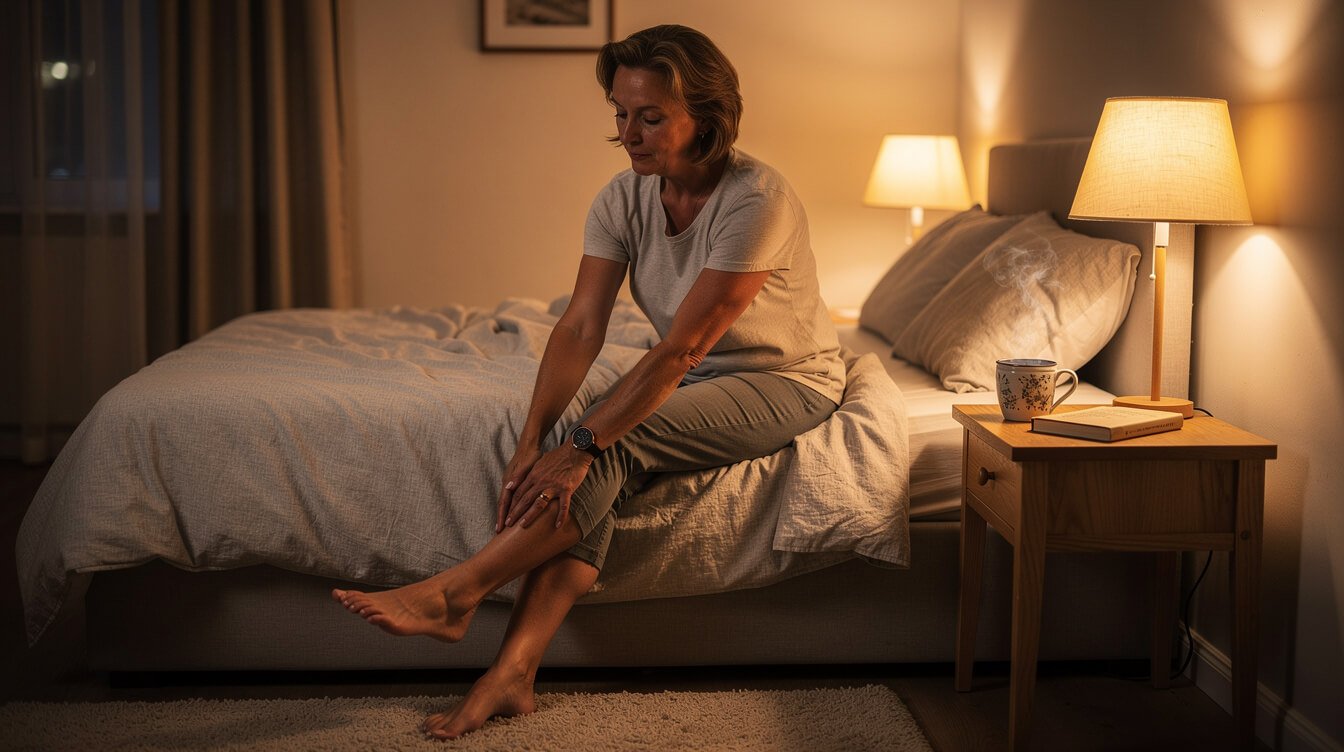
It usually starts just as the house goes quiet. You settle into bed or sink into the sofa, and a creeping, fizzing, can’t-sit-still feeling builds in your legs until you have to get up and move. If you’re searching for how to prevent restless legs, you’ve probably already tried shaking it off, pacing the hallway at midnight and wondering why your body won’t let you rest.
Here’s the honest starting point: you can’t always prevent restless legs syndrome (RLS) itself, because genetics and brain iron handling play a big part. But you can often prevent the flare-ups. Research suggests that a short list of triggers, daytime habits, evening rituals and one overlooked blood test can make a real difference to how many nights RLS takes from you.
This guide walks you through all of it: what prevention really means, a two-week trigger audit, the daytime habits with the best evidence behind them, a calming evening routine, what research says about iron and magnesium, how to handle long car rides and flights, and when it’s time to bring in your doctor. It’s written as a gentle companion to your care, not a replacement for it.
How to Prevent Restless Legs: What “Prevention” Really Means
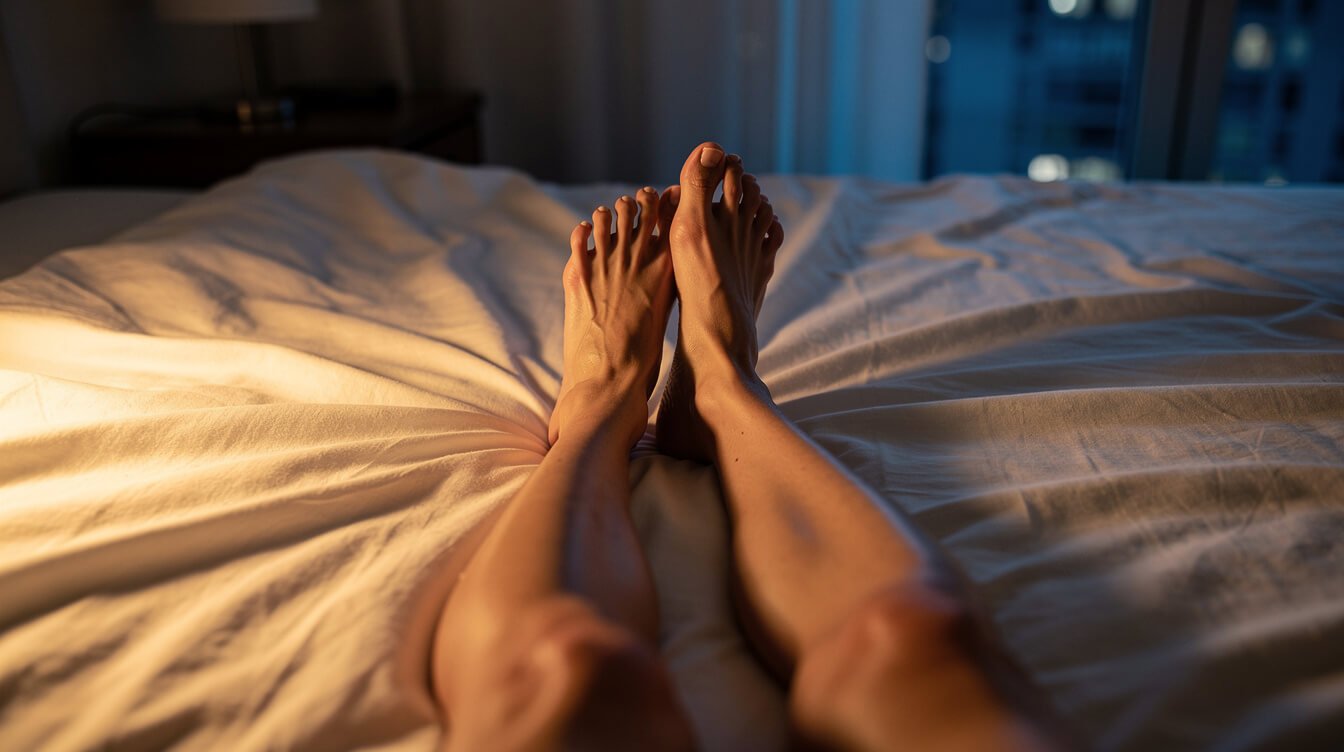
Restless legs syndrome, also called Willis-Ekbom disease, is a neurological sensory-movement condition. It isn’t a muscle problem or a circulation problem, and it isn’t “just nerves.” People describe the feeling as crawling, pulling, itching, throbbing or fizzing deep inside the legs, sometimes the arms, along with a strong urge to move.
Doctors use five features to recognize it:
- An urge to move the legs, usually with uncomfortable sensations.
- It starts or gets worse at rest, when you’re sitting or lying down.
- Movement brings relief, at least while you keep moving.
- It’s worse in the evening or at night.
- Something else doesn’t explain it, such as leg cramps, arthritis or swelling.
RLS is far more common than most people realize. In the REST general population study of more than 15,000 adults, 7.2% reported RLS symptoms in the past year, and 2.7% had symptoms at least twice a week that were moderately or severely distressing. Of that more troubled group, 81% had discussed their symptoms with a primary care doctor, yet only 6.2% had been given an RLS diagnosis (Allen et al., 2005). If you’ve felt dismissed, you’re not imagining it.
Prevent the condition vs. prevent the flare
Cleveland Clinic states plainly that there’s no known way to prevent RLS itself. That’s true for the primary (often inherited) form, which tends to start before age 45 and runs in families. But two things are well within reach:
- Preventing secondary triggers. Low iron, certain medicines, untreated sleep apnea, alcohol and sleep loss can all make RLS appear or worsen.
- Preventing nightly flare-ups. RLS has a clear daily rhythm. In a small lab study, both sensations and leg movements peaked between midnight and 1:00 a.m. and were lowest in the mid-morning, and a night of sleep deprivation tended to make things worse (Trenkwalder et al., 1999). That rhythm gives you a predictable window to plan around.
So when we talk about how to prevent restless legs, we mean lowering how often and how strongly symptoms show up. That shift in goal matters, because it turns a frustrating all-or-nothing search into a series of small experiments you can actually run.
Step 1: Run a Two-Week Trigger Audit

In its 2025 clinical practice guideline, the American Academy of Sleep Medicine (AASM) says the first step in managing RLS should be addressing exacerbating factors: alcohol, caffeine, certain medicines (antihistamines, serotonergic and antidopaminergic drugs) and untreated obstructive sleep apnea (Winkelman et al., 2025). It’s practical, low-cost and often overlooked.
The usual suspects
- Sedating antihistamines. Diphenhydramine and similar ingredients hide in many “PM” pain relievers, night-time cold remedies and over-the-counter sleep aids. Many people with RLS notice these make their legs worse, which is a cruel twist when you took them to sleep.
- Some antidepressants. A systematic review found that new or worse RLS after starting an antidepressant is uncommon, but mirtazapine may carry a higher rate, and bupropion may actually reduce symptoms in the short term (Kolla et al., 2018). Never stop or switch a prescription on your own. Bring the question to your prescriber.
- Anti-nausea and some antipsychotic medicines that block dopamine.
- Alcohol, especially in the evening.
- Caffeine from coffee, tea, cola, energy drinks and chocolate.
- Short or irregular sleep, which tends to feed the next night’s symptoms.
- Snoring, gasping or waking unrefreshed, possible signs of sleep apnea worth raising with your doctor.
An honest note about caffeine and alcohol
The evidence here is more nuanced than most articles admit. In a large prospective study of more than 55,000 US health professionals, caffeine intake wasn’t linked to developing RLS, and light drinking was associated with slightly lower risk (Batool-Anwar et al., 2016). That doesn’t mean a nightcap helps. It means that triggers are personal: plenty of people with RLS notice that an evening glass of wine or an afternoon coffee clearly worsens their night, and others notice nothing. The only way to know is to test it on yourself.
How to run the audit
For two weeks, keep a simple log on your nightstand. Each morning, jot down:
| What to note | Example |
|---|---|
| Symptom score last night (0–10) and start time | 6/10, started 9:40 p.m. on the sofa |
| Caffeine (what and when) | 2 coffees, last at 2 p.m. |
| Alcohol (what and when) | 1 glass of wine at 8 p.m. |
| Medicines and supplements, including over-the-counter | Night-time cold tablet |
| Movement that day | 30-minute walk at lunch |
| Sleep: bedtime, wake time, how rested | 11:30 p.m. to 6:30 a.m., groggy |
After two weeks, patterns usually jump out. Then change one thing at a time for another week or two, so you know what actually helped. The RLS Foundation recommends bringing a diary like this to appointments too, along with a complete list of your medicines and supplements.
Daytime Habits: How to Prevent Restless Legs Before Evening Arrives

What you do in daylight shapes how your legs behave at night. Three habits stand out in the research.
1. Move regularly, but not hard and late
In one of the few randomized trials on exercise and RLS, adults who followed a 12-week program of aerobic exercise plus lower-body resistance training three days a week had significantly better RLS severity scores than a control group (Aukerman et al., 2006). The study was small (23 people finished), but the direction matches what sleep specialists see in practice. Mayo Clinic adds a sensible caveat: overdoing it or exercising late in the day may make symptoms worse.
A gentle target: a brisk walk most days, plus two or three short sessions of simple leg strengthening such as sit-to-stands, calf raises and step-ups. Our guide to gentle habits for your feet and legs has a few easy moves to borrow.
2. Try a gentle yoga practice
In a small exploratory randomized trial of adults with moderate to severe RLS, a 12-week yoga program reduced RLS symptoms and severity more than an educational film program, along with greater improvements in perceived stress and mood (Innes et al., 2020). It’s early evidence, but yoga is low-risk, combines stretching with slow breathing and is easy to do at home in 15 to 30 minutes.
3. Stack your healthy-lifestyle factors
The large cohort study mentioned above found that people with a normal weight who were physically active and didn’t smoke had a lower risk of developing RLS over 4 to 6 years. People with all four factors the researchers counted (which, notably, included light drinking) had about 33% lower odds than those with none (Batool-Anwar et al., 2016). It’s observational, so it can’t prove cause and effect, but these are habits that support almost every part of your wellbeing anyway.
4. Protect your sleep window
Because sleep loss tends to worsen RLS, a steady routine is a quiet form of prevention. Aim for a consistent bedtime and wake time, even on weekends (here’s why a steady wake time matters), and at least seven hours in bed. The NHS also suggests skipping daytime naps, a heavy late meal and screens right before bed. For a broader toolkit, see our guide to natural sleep remedies.
How to Stop Restless Legs at Night: A Calming Evening Routine

If symptoms tend to arrive at the same time each evening, give your body something to do before that window rather than waiting for the fizzing to start. Here’s a 30-minute routine built from the self-care steps Mayo Clinic, the NHS, Harvard Health and the RLS Foundation all recommend.
The 30-minute wind-down
- Warm bath or shower (10–15 minutes). Soak in comfortably warm water, roughly an hour or two before bed. Mayo Clinic notes that warm baths and massage can relax the muscles, and a review of warm-water studies found that a warm bath or shower of at least 10 minutes, taken 1 to 2 hours before bed, was linked to falling asleep faster (Haghayegh et al., 2019). Some people find a cool or alternating approach works better for their legs, so experiment.
- Stretch slowly (5–8 minutes). Hold each stretch for about 30 seconds and breathe out slowly:
- Calf stretch: hands on a wall, one foot back, heel down.
- Hamstring stretch: sit on the bed with one leg straight and hinge gently forward.
- Front-of-thigh stretch: stand holding a chair, bend one knee and hold the ankle behind you.
- Hip flexor stretch: half-kneel on a cushion and shift your weight forward.
- Self-massage (5 minutes). Use firm, slow strokes from ankle to knee, then knee to hip. Our foot massage guide includes a simple pressure scale and who should be careful.
- Warmth or coolness on the legs. A heating pad on a low setting or a cool pack wrapped in a towel. Never sleep with a heating pad on, and skip heat if you have reduced sensation in your feet.
- Engage your mind. RLS often eases when your brain is busy. Try a crossword, knitting, a puzzle, a card game or a good conversation instead of passive scrolling.
- Set up the room. Keep the bedroom slightly cool, dark and quiet, and go to bed when you’re genuinely sleepy rather than lying awake waiting for symptoms.
Many readers like to fold a quiet, screen-free ritual into this hour. If you’re curious about wellness technology, the OlyLife Vitality Wand is designed for gentle at-home sessions and can be a calming part of an evening wind-down. To be clear, it isn’t a treatment for restless legs syndrome, and it doesn’t replace the steps above or your doctor’s advice.
When symptoms strike in the moment
- Get up and walk for a few minutes, then return to bed when the urge settles.
- Use counter-stimulation: rub, tap or firmly squeeze the calves, or press the soles of your feet into the floor.
- Change position, such as sitting up with legs extended or lying on your side with a pillow between your knees.
- Distract your brain with a short, absorbing task.
What about devices?
A few non-drug devices have research behind them, but they’re specific tools rather than general gadgets. In a randomized, sham-controlled trial of 35 people, wearing pneumatic compression devices for at least an hour before the usual onset of symptoms improved RLS severity scores more than sham devices (Lettieri & Eliasson, 2009). A newer prescription device that stimulates the peroneal nerve near the knee (tonic motor activation) helped 45% of people with medication-resistant RLS versus 16% with a sham device after four weeks (Bogan et al., 2023), and the AASM now conditionally suggests it. These are options to discuss with a sleep specialist, especially if you have other conditions affecting your legs.
Iron, Magnesium and Restless Legs: What the Evidence Says

Nutrition questions come up more than any others with RLS. Here’s where the evidence actually stands.
Iron: the most important check
If you only take one step toward learning how to prevent restless legs, make it this one. Research suggests that low iron in the brain plays a central role in RLS, even when blood tests look “normal” by general standards. That’s why the AASM guideline says clinicians should regularly check iron studies, including ferritin and transferrin saturation, in everyone with clinically significant RLS, ideally in the morning after avoiding iron-containing supplements and foods for 24 hours (Winkelman et al., 2025).
Here’s the part many people miss: the iron thresholds for RLS are higher than for the general population. Consensus guidance suggests considering iron treatment in adults with RLS when ferritin is 75 ng/mL or below or transferrin saturation is under 20% (Allen et al., 2018; Winkelman et al., 2025). A result your lab flags as “normal” can still be worth discussing.
Please don’t start iron supplements on your own. Too much iron can be harmful, some people absorb it poorly, and the right form (oral or intravenous) depends on your numbers. Ask your doctor to test first, then decide together.
Food still matters as everyday support. Iron-rich choices include lentils, beans, spinach and dark leafy greens, pumpkin seeds, and lean red meat or poultry if you eat them. Pairing plant sources with vitamin C (citrus, peppers, berries) helps absorption, and having tea or coffee between meals rather than with them may help too.
Magnesium for restless legs: promising folklore, thin evidence
Magnesium for restless legs syndrome is one of the most searched remedies, partly because it’s often recommended for leg cramps. But a systematic review found only one randomized placebo-controlled trial, which showed no significant effect and may have been too small, plus a handful of case reports. The authors couldn’t conclude whether magnesium helps RLS at all (Marshall et al., 2019).
So the honest answer is: it might help some people, but no one knows yet. If you want to try it, talk to your doctor first, especially if you have kidney disease or take other medicines. Food sources such as nuts, seeds, beans and leafy greens are a gentle place to start. Our guides to magnesium for sleep and magnesium benefits go deeper into forms and safety.
Other nutrients
You may see vitamin D, B vitamins or folate suggested online. Evidence is limited, and these are best tested and supplemented with guidance, not guessed at. Folate needs can be higher in pregnancy, which is one more reason to involve your care team if you’re expecting.
🎁 Get a Free Wellness Gift
Enter your name and email below to receive a special wellness gift from OlyLife — absolutely free!
Long Car Rides, Flights and Other Sit-Still Moments

Because RLS flares with rest, long stretches of sitting can be hard: road trips, flights, concerts, the movies, even holiday dinners. Knowing how to prevent restless legs on the go makes those moments far less daunting.
- Choose your seat. An aisle seat on planes and trains, or the end of a row at the theater, makes it easy to stand without fuss.
- Schedule movement breaks. On road trips, plan a short walk every hour or two. On flights, stand and stretch your calves in the aisle when the seatbelt sign is off.
- Do seated “leg moves.” Ankle circles, heel raises, toe raises and gently pressing your feet into the floor can buy you time.
- Book flights with the rhythm in mind. If evenings are your worst time, morning departures may be gentler.
- Bring a mental task. A puzzle book, audiobook or handheld game keeps your brain engaged.
- Check your travel kit. Many motion-sickness and allergy tablets contain sedating antihistamines. Ask a pharmacist for an option less likely to aggravate RLS.
- Go easy on in-flight alcohol and caffeine if your audit flagged them.
Make Your Evenings a Little Calmer 🌿
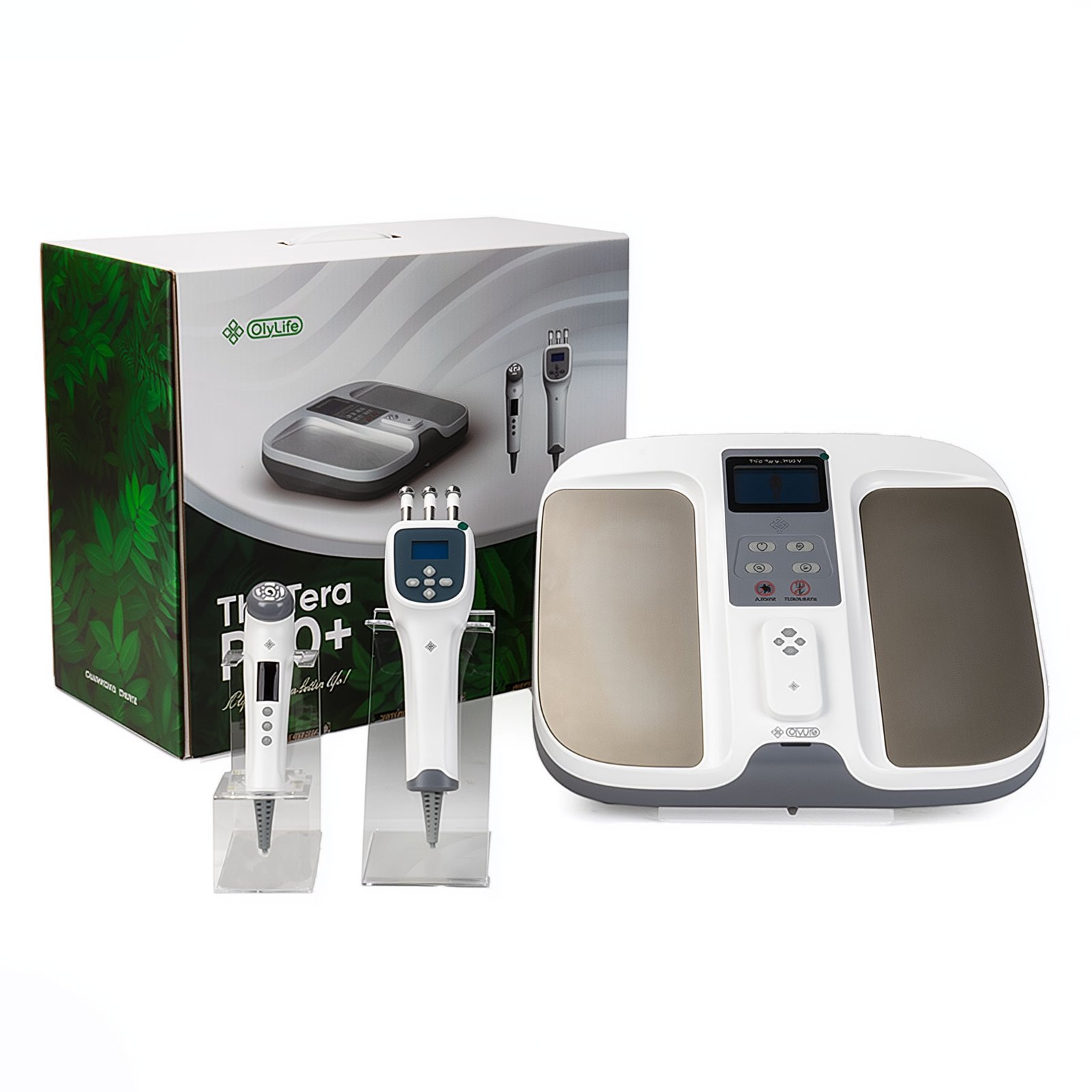
If a quiet evening ritual helps you unwind, the OlyLife THz Tera-P90+ is designed to deliver focused PEMF and terahertz frequencies during relaxing at-home sessions. Many customers enjoy it as part of their wind-down before bed. It’s intended to support relaxation and general wellbeing. It isn’t a treatment for restless legs syndrome or any other condition, so please keep your doctor in the loop.
When to See a Doctor About Restless Legs

Lifestyle steps are the right place to start, but they aren’t the whole story. The NHS suggests seeing a doctor if RLS is stopping you from sleeping, affecting your mental health, or hasn’t improved with self-care. We’d add a few more reasons:
- Symptoms happen two or more nights a week.
- You feel exhausted, low or foggy during the day.
- You’re pregnant, have kidney disease, diabetes or neuropathy, or have had iron deficiency or heavy periods.
- Symptoms started after a new medicine.
- Symptoms are spreading to your arms or starting earlier in the day.
What to bring
Your two-week diary, a complete list of medicines and supplements (including over-the-counter sleep aids and cold remedies) and your questions. Ask specifically for ferritin and transferrin saturation if they haven’t been checked recently.
What treatment looks like today
Treatment has changed in recent years. The 2025 AASM guideline strongly recommends gabapentin, gabapentin enacarbil, pregabalin and, for people with appropriate iron levels, intravenous ferric carboxymaltose. It now suggests against the standard use of dopamine-type medicines such as pramipexole, ropinirole and rotigotine (Winkelman et al., 2025). These older medicines can cause augmentation, where symptoms gradually get worse, start earlier in the day or spread to the arms. If you take one of these and have noticed that pattern, don’t stop it abruptly. Talk to your prescriber about next steps.
Lookalikes worth ruling out
| Condition | How it often feels different from RLS |
|---|---|
| Night-time leg cramps | A sudden, painful, hard knot in the calf or foot that stretching releases. Not an urge to move. |
| Peripheral neuropathy | Numbness, burning or pins and needles, often in the feet, that doesn’t ease with movement and isn’t tied to evening rest. |
| Peripheral artery disease | Calf pain when walking that eases with rest, the opposite pattern to RLS. See our guide to signs of poor circulation in feet. |
| Positional discomfort | Eases with a simple change of position rather than repeated movement. |
| Medication-related restlessness | An inner restlessness of the whole body, often soon after starting certain medicines. |
Frequently Asked Questions About Restless Legs
What is the fastest way to stop restless legs at night?
Get up and walk for a few minutes, stretch your calves and hamstrings, then try firm self-massage or counter-pressure and a mentally absorbing task. For many people, that combination settles an episode. If you need it most nights, focus on prevention (the trigger audit, iron testing and the evening routine) and talk to your doctor.
Does magnesium help restless legs?
It might for some people, but the research is too thin to say. A 2019 systematic review found one small placebo-controlled trial with no significant effect. Ask your doctor before supplementing, especially if you have kidney concerns.
Why are restless legs worse at night?
RLS follows a circadian rhythm. In lab studies, symptoms peak around midnight to 1:00 a.m. and are lowest in the mid-morning. Being still in the evening adds a second trigger, which is why bedtime is often the hardest time.
Can restless legs go away on their own?
Sometimes. When RLS is linked to a temporary cause such as pregnancy or low iron, it often improves once that cause is addressed (pregnancy-related RLS usually eases after giving birth). Primary RLS tends to be long-term, but symptoms can wax and wane, and many people manage it well.
Do compression socks help restless legs?
The trial evidence is for pneumatic compression devices, not everyday socks, and socks haven’t been well studied for RLS. Compression also isn’t safe for everyone, particularly people with poor arterial circulation, so check with your doctor first.
Is tonic water a good remedy for restless legs?
It’s a popular folk remedy because tonic water contains quinine, but there’s no good evidence it helps RLS. The US FDA has warned against using quinine medicines for leg cramps because of serious side effects. It’s best to skip it and focus on better-supported steps.
Final Thoughts: Small Steps, Calmer Nights
Restless legs can make you feel like your own body is working against you at the very moment you need rest. The encouraging news is that you have more influence than it seems. Start with the two-week trigger audit, ask your doctor to check ferritin and transferrin saturation, build gentle movement into your days and give your evenings a predictable, soothing shape.
You don’t need to do everything at once. Pick one change this week, notice what happens, and build from there. Learning how to prevent restless legs is less about one magic fix and more about stacking small, kind habits until quieter nights become the norm. And if self-care isn’t enough, that isn’t a failure. It’s a sign to bring in a specialist, because effective options exist. 🌿
This article is for general wellness education and isn’t medical advice. Please talk with your healthcare provider about any symptoms, supplements or changes to your medicines.
References
- Allen RP, et al. Restless legs syndrome prevalence and impact: REST general population study. Arch Intern Med. 2005;165(11):1286-1292. PMID: 15956009.
- Allen RP, et al. Evidence-based and consensus clinical practice guidelines for the iron treatment of restless legs syndrome/Willis-Ekbom disease in adults and children: an IRLSSG task force report. Sleep Med. 2018;41:27-44. PMID: 29425576.
- Aukerman MM, et al. Exercise and restless legs syndrome: a randomized controlled trial. J Am Board Fam Med. 2006;19(5):487-493. PMID: 16951298.
- Batool-Anwar S, et al. Lifestyle factors and risk of restless legs syndrome: prospective cohort study. J Clin Sleep Med. 2016;12(2):187-194. PMID: 26446243.
- Bogan RK, et al. Efficacy and safety of tonic motor activation (TOMAC) for medication-refractory restless legs syndrome: a randomized clinical trial. Sleep. 2023;46(10):zsad190. PMID: 37458698.
- Haghayegh S, et al. Before-bedtime passive body heating by warm shower or bath to improve sleep: a systematic review and meta-analysis. Sleep Med Rev. 2019;46:124-135. PMID: 31102877.
- Innes KE, et al. Effects of a 12-week yoga versus a 12-week educational film intervention on symptoms of restless legs syndrome and related outcomes: an exploratory randomized controlled trial. J Clin Sleep Med. 2020;16(1):107-119. PMID: 31957638.
- Kolla BP, Mansukhani MP, Bostwick JM. The influence of antidepressants on restless legs syndrome and periodic limb movements: a systematic review. Sleep Med Rev. 2018;38:131-140. PMID: 28822709.
- Lettieri CJ, Eliasson AH. Pneumatic compression devices are an effective therapy for restless legs syndrome: a prospective, randomized, double-blinded, sham-controlled trial. Chest. 2009;135(1):74-80. PMID: 19017878.
- Marshall NS, et al. Magnesium supplementation for the treatment of restless legs syndrome and periodic limb movement disorder: a systematic review. Sleep Med Rev. 2019;48:101218. PMID: 31678660.
- Trenkwalder C, et al. Circadian rhythm of periodic limb movements and sensory symptoms of restless legs syndrome. Mov Disord. 1999;14(1):102-110. PMID: 9918351.
- Winkelman JW, et al. Treatment of restless legs syndrome and periodic limb movement disorder: an American Academy of Sleep Medicine clinical practice guideline. J Clin Sleep Med. 2025;21(1):137-152. PMID: 39324694.