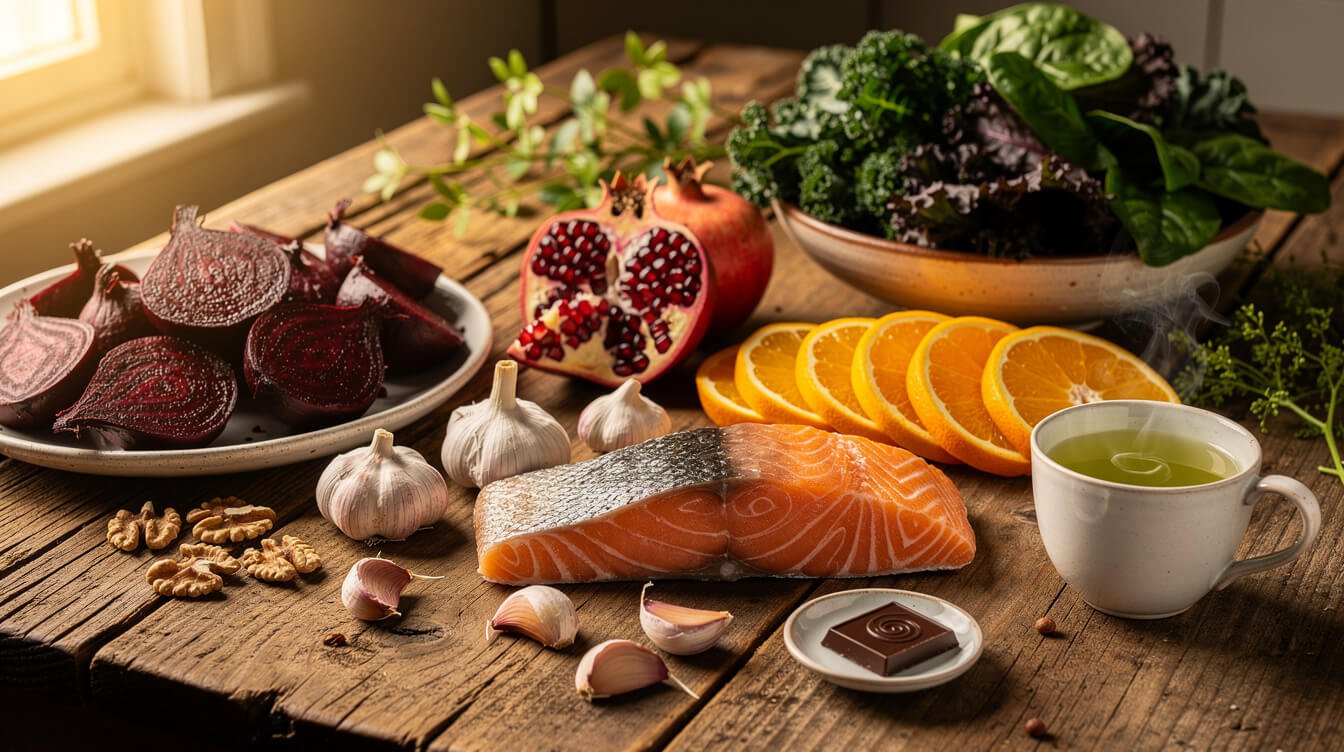
Foods to Increase Circulation: 12 Evidence-Graded Picks, How Much to Eat, and Who Should Be Careful
Cold feet on winter evenings. Legs that feel heavy after a long day of sitting. A doctor who mentions your blood pressure is “creeping up.” It’s natural to wonder whether what’s on your plate could help, and a quick search for foods to increase circulation brings up dozens of lists: beets, cayenne, garlic, dark chocolate, turmeric, pomegranate, and more.
The trouble is that most of those lists treat every food the same. A spice with one small study sits next to a vegetable backed by dozens of trials, and none of them tell you how much to eat, how long it takes, or who should be careful. Some even recommend piling on leafy greens without mentioning that this can matter a great deal if you take the blood thinner warfarin.
This guide does it differently. We’ll look at what “better circulation” actually means in your body, then grade the most-recommended foods by the strength of the research behind them. We’ll also explain the surprising role your mouth bacteria play, show you the eating patterns that seem to matter more than any single “superfood,” walk through a simple circulation-friendly day on a plate, and cover who needs to take extra care. It’s warm, practical, evidence-informed eating, not a miracle cure.
A gentle note before we begin: food may support healthy blood vessels, but it doesn’t treat circulation problems. If you have cold, numb, discolored, or painful feet, leg pain when you walk, or sores that won’t heal, please get checked. Our guide to poor circulation in feet explains the signs and when to see a doctor.
How Food Can Support Circulation (and What “Better Circulation” Really Means)

“Circulation” covers a lot of ground. Your heart pumps blood out through arteries, tiny capillaries deliver oxygen to your tissues, and veins carry blood back. When nutrition researchers talk about foods that improve circulation, they usually measure a few specific things:
- Endothelial function. The endothelium is the thin inner lining of your blood vessels. A healthy lining releases nitric oxide, a gas that signals the surrounding muscle to relax so the vessel can widen when more blood flow is needed. Researchers often test this with flow-mediated dilation (FMD): an ultrasound measures how much the main artery in your upper arm widens after a blood-pressure cuff is released. Higher FMD generally means a more responsive, healthier vessel lining.
- Blood pressure. Relaxed, flexible arteries generally mean lower pressure. Blood pressure is the most-studied outcome in nutrition trials, and it’s one of the strongest predictors of long-term heart and vessel health.
- Arterial stiffness. Arteries naturally stiffen with age. Some trials measure how fast a pressure wave travels along them (pulse wave velocity), and slower is better.
- Long-term outcomes. The ultimate question is whether an eating pattern lowers the risk of heart attack, stroke, and peripheral artery disease over years. Fewer studies can answer this, because it takes large groups of people and a lot of time.
Here’s the honest picture. Many foods produce small, measurable improvements in FMD or blood pressure in short trials lasting a few hours to a few months. Those changes are real, but modest, and they are not the same as “unclogging” an artery or curing poor circulation. Where food seems to shine is in the long game. Eating patterns rich in vegetables, fruit, nuts, olive oil, fish, and tea, and lower in salt, are linked with healthier blood vessels over decades.
A large 2025 review in the American Journal of Clinical Nutrition pulled together 133 randomized trials that tested whole foods or eating patterns for at least four weeks. Fruits, vegetables, soy, nuts and seeds, cocoa, tea, and the Mediterranean diet all improved FMD. Tea showed the biggest single-food effect (about 3.2 percentage points), and the Mediterranean diet showed about 2.3 points. The authors rated the certainty of that evidence as moderate to low, which is a fair summary of nutrition science in general: encouraging, consistent in direction, and still being refined.
The main ways food may help
- Nitrate → nitric oxide. Leafy greens and beets are rich in inorganic nitrate, which your body can convert into nitric oxide (more on this below, because your mouth plays a surprising role).
- Flavanols and other polyphenols. Cocoa, tea, citrus, berries, and pomegranate contain plant compounds that appear to help the vessel lining make and use nitric oxide.
- Omega-3 fats. The fats in oily fish are linked with modest improvements in vessel function and blood pressure.
- Potassium in, sodium out. Potassium-rich foods and less salt help your vessels and kidneys keep blood pressure in a healthy range.
Foods to Increase Circulation, Graded by the Evidence
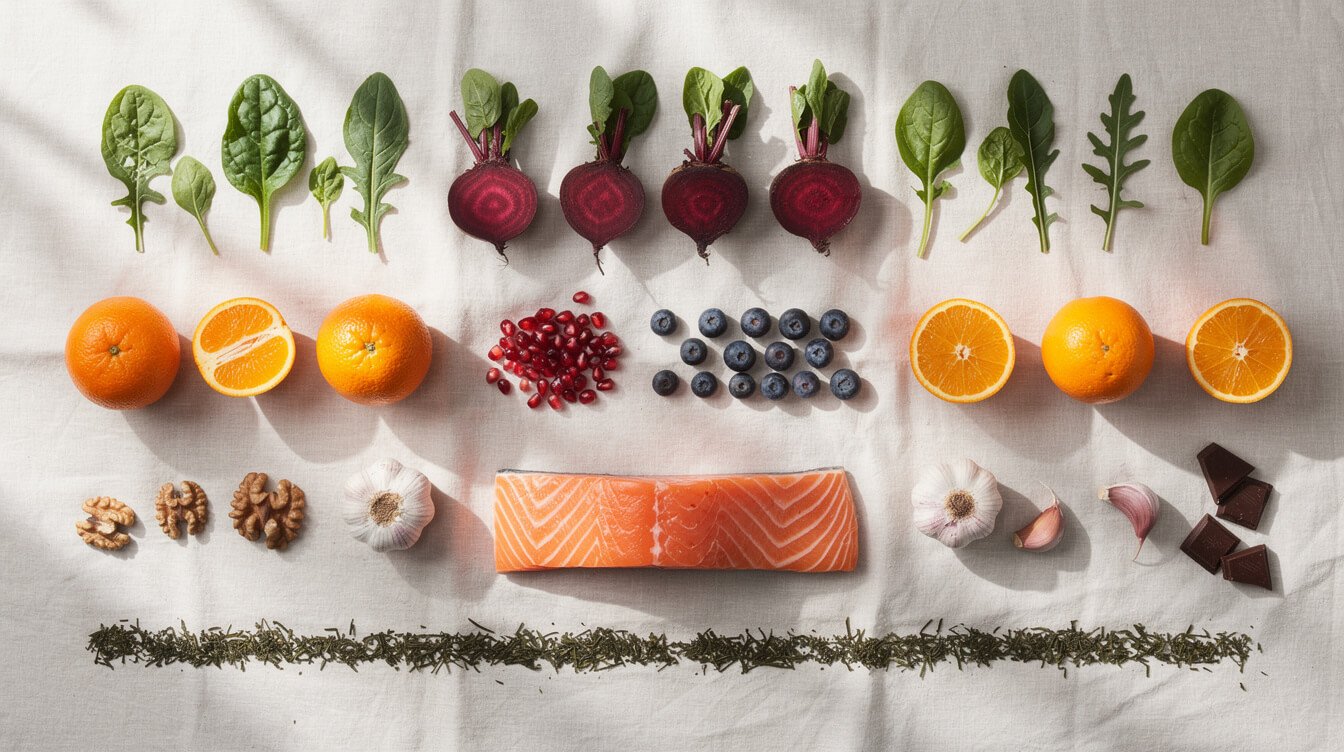
Below are the foods to increase circulation that appear most often on popular lists, sorted by how strong the human research is. “Strong” here means several randomized trials pooled in meta-analyses with consistent results. “Moderate” means real trials with promising but smaller or less consistent effects. “Thin” means mostly lab, animal, or a handful of small supplement studies. The serving ideas are everyday food amounts, not medical doses.
| Food | Key compounds | What research suggests | Evidence | Everyday serving idea |
|---|---|---|---|---|
| Leafy greens (spinach, arugula, lettuce, chard) | Nitrate, potassium, folate | Nitrate trials lower blood pressure and improve FMD; higher vegetable-nitrate intake is linked with lower heart and PAD risk | Strong | About 1 cup raw (½ cup cooked) daily |
| Beets and beet juice | Nitrate | Consistent short-term blood pressure drops; one 4-week trial in hypertension showed sustained effects | Strong (mostly juice) | A few slices of roasted beet, or a small glass of juice now and then |
| Cocoa and dark chocolate | Flavanols (epicatechin) | Improves FMD; small blood pressure effect (~2 mmHg); a large trial didn’t significantly cut total cardiovascular events | Strong for FMD, modest overall | 1–2 squares of 70%+ dark chocolate, or unsweetened natural cocoa in oats or warm milk |
| Tea (green and black) | Catechins, flavonoids | 2–3 cups a day linked with better FMD in trials | Strong for FMD | 2–3 cups, earlier in the day if caffeine affects your sleep |
| Oily fish (salmon, sardines, mackerel) | Omega-3 EPA and DHA | Modest FMD and blood pressure improvements, larger in people with untreated high blood pressure | Strong, modest size | 2 servings a week |
| Potassium-rich foods (beans, potatoes, bananas, yogurt, greens) | Potassium | Lowers blood pressure in people with hypertension | Strong | Several servings of produce and beans daily |
| Citrus (oranges, grapefruit, lemons) | Hesperidin, vitamin C | Orange juice lowered diastolic pressure and improved small-vessel response after meals in one trial | Moderate | 1 whole orange a day |
| Pomegranate | Polyphenols (punicalagins, anthocyanins) | Juice lowered blood pressure in a meta-analysis of 8 trials | Moderate | A handful of arils on salads or yogurt |
| Garlic | Allicin and sulfur compounds | Lowers blood pressure, mostly in trials using supplements such as aged garlic extract | Moderate (supplements) | Generous cooking garlic, 1–2 cloves daily |
| Nuts, seeds, and extra-virgin olive oil | Unsaturated fats, polyphenols, arginine | Better FMD; part of the Mediterranean pattern linked with fewer cardiovascular events | Moderate to strong | A small handful of nuts; olive oil as your main cooking fat |
| Berries, onions, tomatoes | Anthocyanins, quercetin, lycopene | Promising small trials; fruits and vegetables as groups improve FMD | Moderate (as part of produce) | Fill half your plate with produce |
| Cayenne, ginger, cinnamon, turmeric | Capsaicin, gingerols, cinnamaldehyde, curcumin | Mostly lab, animal, or small supplement studies; little direct evidence for circulation from food amounts | Thin | Enjoy for flavor and warmth, not as a treatment |
Leafy greens and beets: the nitrate powerhouses
If you only change one thing, make it a daily serving of leafy greens. Arugula, spinach, lettuce, chard, and beet greens are among the richest sources of dietary nitrate, and nitrate has the most consistent research of any food compound for blood flow. A 2018 meta-analysis in Nutrition Reviews found that inorganic nitrate lowered systolic blood pressure by about 4.8 mmHg, improved FMD, reduced arterial stiffness, and reduced how readily platelets clump together.
The long-term picture is encouraging too. In the Danish Diet, Cancer, and Health Study, which followed 53,150 adults for 23 years, people with a moderate vegetable-nitrate intake (about 60 mg a day, roughly one cup of raw leafy greens) had a 15% lower risk of cardiovascular disease than those with the lowest intake. They also had 26% fewer hospital stays for peripheral artery disease, the artery problem behind many cases of cold, painful legs and feet. The benefit plateaued at moderate intakes, so a daily cupful seems to capture most of it. This was an observational study, so it can’t prove cause and effect, but it fits well with the trial results.
Cocoa and dark chocolate: real effects, honest limits
Cocoa is one of the best-studied foods for vessel function. A classic 2006 study showed that flavanol-rich cocoa raised nitric oxide levels and improved FMD in healthy men within hours, and pinpointed a flavanol called epicatechin as a key player. A meta-analysis of 42 trials found cocoa improved FMD by about 1.3 percentage points with regular intake. In a 2015 trial of 100 healthy adults aged 35 to 60, a cocoa flavanol drink taken twice daily for a month improved FMD and lowered blood pressure by about 4 mmHg compared with a matched control drink.
Now the honest limits. A Cochrane review found the blood pressure effect across trials averages only about 2 mmHg. The large COSMOS trial gave more than 21,000 older adults a cocoa flavanol supplement (500 mg a day) for a median of 3.6 years, and it did not significantly reduce total cardiovascular events, though there was a signal toward fewer cardiovascular deaths. Most trials also used concentrated flavanol drinks or capsules, and you’d need a lot of chocolate (and a lot of sugar and calories) to match them. Chocolate is a lovely part of a circulation-friendly diet. It just isn’t a treatment.
Tips: choose dark chocolate with 70% cocoa or more, enjoy a square or two, and look for “natural” rather than “Dutch-processed” (alkalized) cocoa powder, since alkalizing tends to strip out flavanols.
Tea: a quiet, everyday helper
Tea rarely makes the headlines, but the research is surprisingly consistent. A meta-analysis of nine controlled studies found that about 500 mL of tea a day (2 to 3 cups) improved FMD by 2.6 percentage points, a relative boost of around 40% compared with placebo. In the 2025 whole-foods review, tea had the largest single-food effect on FMD. Both green and black tea count. If caffeine keeps you up, enjoy your cups before early afternoon and switch to caffeine-free options in the evening. Our guide to herbal tea for relaxing has some gentle evening ideas.
Oily fish: steady, modest support
Salmon, sardines, mackerel, herring, and trout supply the omega-3 fats EPA and DHA. A meta-analysis of 16 trials found omega-3 supplementation improved FMD by about 2.3 percentage points, and a review of 70 trials found a modest drop in blood pressure (about 1.5 mmHg overall and about 4.5 mmHg in people with untreated high blood pressure). Two servings of oily fish a week is a simple, well-supported goal. If you don’t eat fish, walnuts, chia, and flaxseed provide a plant omega-3 (ALA), though your body converts only a small amount of it to EPA and DHA. Our omega-3 FAQ covers sources in more detail.
Citrus, pomegranate, and garlic: promising, with caveats
Citrus. In a crossover trial, 24 healthy, overweight men aged 50 to 65 drank 500 mL of orange juice daily for four weeks. Their diastolic blood pressure dropped, and their small blood vessels responded better after drinking it. The effect appeared to come from hesperidin, a flavonoid concentrated in the pith and membranes. That’s a good reason to eat whole oranges, which also give you fiber and far less sugar than two big glasses of juice.
Pomegranate. A meta-analysis of eight trials found pomegranate juice lowered systolic blood pressure by about 5 mmHg. A small, widely quoted 2004 study suggested it might slow artery thickening, but it included only 10 people taking the juice, so treat it as a hint rather than proof. Arils sprinkled over salads, yogurt, or oatmeal give you the polyphenols with a little fiber.
Garlic. A meta-analysis of 20 trials found garlic lowered systolic blood pressure by about 5 mmHg overall, and by almost 9 mmHg in people with high blood pressure. Most of those trials used garlic supplements, particularly aged garlic extract, rather than kitchen garlic. Cooking with plenty of garlic is a delicious, low-risk habit, but don’t expect it to match the trial results by itself.
The “warming” spices: lovely, but thin evidence
Cayenne, ginger, cinnamon, and turmeric top many lists of circulation-boosting foods, partly because they feel warming. Capsaicin in hot peppers can briefly flush the skin, and ginger has a long traditional use as a warming herb. But direct human evidence that these spices improve circulation at kitchen amounts is limited. Most studies are in the lab, in animals, or use concentrated supplements in small groups. Enjoy them for flavor and comfort, especially in winter soups and teas, without counting on them to do the heavy lifting.
The Nitrate Story: Leafy Greens, Beets, and Your Mouth Bacteria
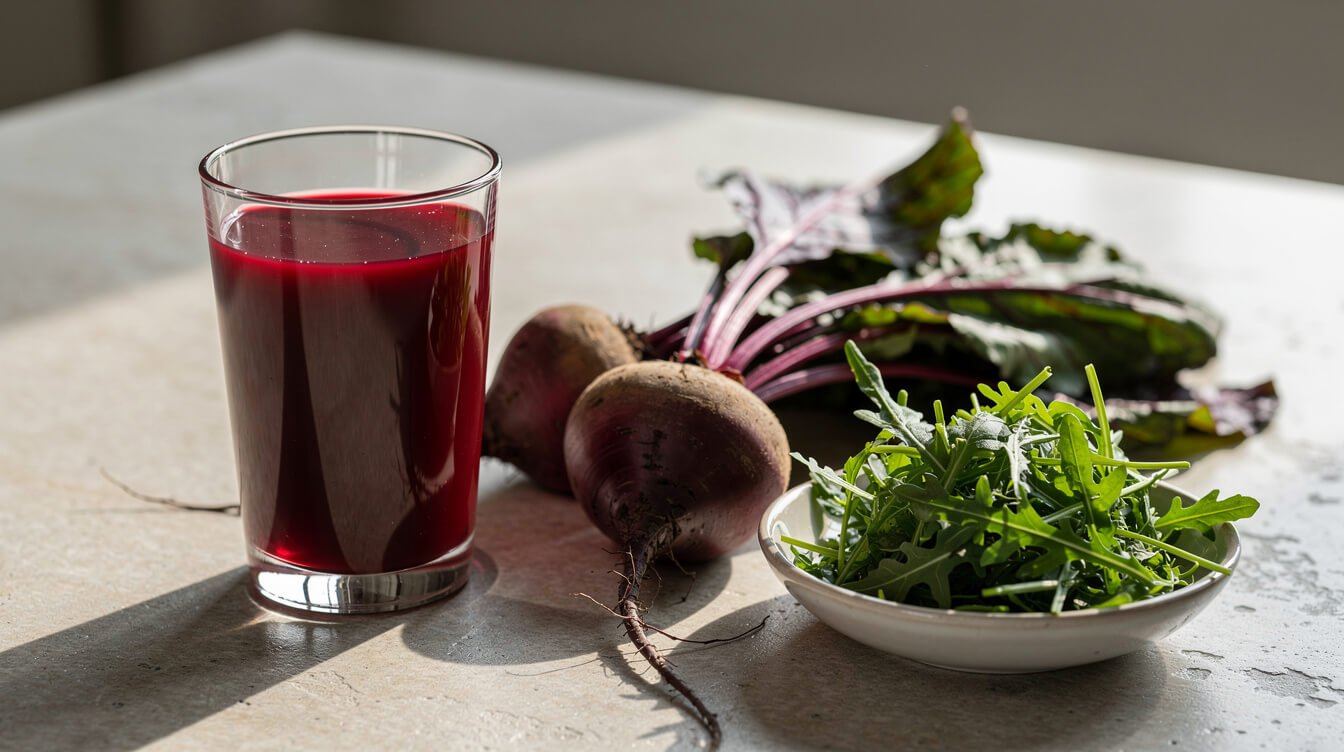
Here’s a part of the circulation story that almost no food list mentions, and it’s one of the most fascinating. When you eat nitrate-rich foods, your body can’t turn that nitrate straight into nitric oxide. It relies on a partnership with friendly bacteria living on your tongue.
- You eat beets, spinach, or arugula. The nitrate is absorbed into your bloodstream.
- Your salivary glands pull nitrate back out of your blood and concentrate it in your saliva.
- Bacteria on the back of your tongue convert nitrate into nitrite.
- You swallow, and nitrite is absorbed and converted into nitric oxide in your blood and tissues, especially where oxygen is low and the need for blood flow is high.
Researchers proved how important this pathway is. In a 2008 study, healthy volunteers drank 500 mL of beetroot juice, and their blood pressure fell by up to about 10 mmHg systolic within roughly three hours. When volunteers spat out their saliva instead of swallowing it, the rise in nitrite and the drop in blood pressure didn’t happen.
Then a 2013 study looked at the opposite situation. Nineteen healthy people used a strong antiseptic (chlorhexidine) mouthwash twice a day for a week. It cut the nitrite made in their mouths by 90% and blood nitrite by 25%, and their blood pressure rose by about 2 to 3.5 mmHg within a day.
What this means for your plate (and your bathroom shelf)
- Daily greens beat occasional “shots.” Nitrate effects build and fade over hours to days. A steady cup of greens most days fits the research better than an occasional beet juice binge.
- Beet juice works, with trade-offs. In a 2015 trial, 68 people with high blood pressure drank 250 mL of beet juice daily for four weeks. Their blood pressure fell by about 8 mmHg systolic compared with a nitrate-free version, and their vessel function improved by about 20%. But juice is concentrated, carries natural sugar, and is high in oxalate (see the safety section). Whole beets and greens are a gentler everyday choice.
- Think twice about routine antiseptic mouthwash. If your dentist has prescribed a medicated rinse, keep using it as directed. But if you use a strong antibacterial mouthwash out of habit, it’s worth asking your dentist whether you need it every day. Brushing, flossing, and regular cleanings remain the foundation of oral health.
- Don’t swap vegetables for processed meat nitrates. The nitrates and nitrites added to bacon and cured meats come packaged with salt and saturated fat, and processed meat is linked with poorer heart health. The benefits in these studies come from vegetables.
- Pink urine is harmless. Some people notice pink or red urine after eating beets. This is called beeturia, and it’s usually harmless.
Beyond Single Foods: Eating Patterns That Support Healthy Blood Flow
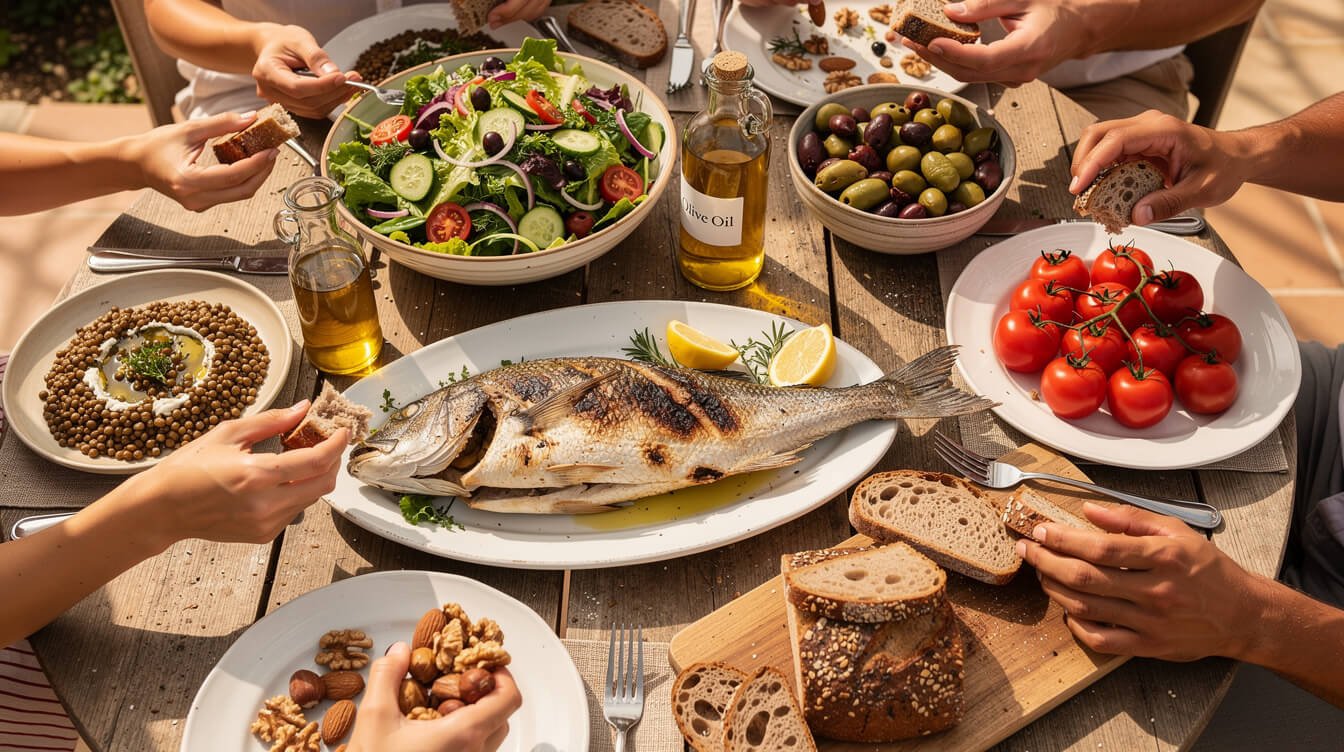
Single foods make great headlines, but the strongest evidence for long-term vessel health comes from overall eating patterns. Two stand out.
The Mediterranean pattern
Picture vegetables at every meal, fruit for dessert, beans and lentils several times a week, fish, a handful of nuts, whole grains, herbs, and extra-virgin olive oil as the main fat. In the PREDIMED trial, about 7,400 Spanish adults at high cardiovascular risk followed either a Mediterranean diet with extra olive oil or nuts, or a reduced-fat control diet. Over about five years, the Mediterranean groups had roughly 30% fewer major cardiovascular events (heart attacks, strokes, and cardiovascular deaths). The Mediterranean diet also improved FMD in the 2025 whole-foods review. If you want a structured way to start, our 21-day anti-inflammatory diet follows similar principles, and our anti-inflammatory recipes make it tasty.
The DASH pattern, and why salt matters
DASH (Dietary Approaches to Stop Hypertension) emphasizes vegetables, fruit, low-fat dairy, whole grains, beans, and nuts, with less salt, red meat, and sugar. In the DASH-Sodium trial, 412 adults ate controlled diets for a month at a time. Compared with a typical American diet high in salt, DASH with low salt lowered systolic blood pressure by about 7 mmHg in people without high blood pressure and about 11.5 mmHg in people with it.
Salt deserves its own mention, because cutting back may help your circulation as much as any “superfood” you add. A Cochrane review of 34 trials found that cutting salt by about 4.4 grams a day (a little under a teaspoon) lowered systolic blood pressure by about 4 mmHg. Most salt comes from packaged, restaurant, and processed foods rather than the salt shaker, so cooking more meals at home is one of the most powerful changes you can make.
Potassium: the quiet partner
Potassium helps your body balance sodium and relax blood vessel walls. A meta-analysis in the BMJ found that higher potassium intake lowered systolic blood pressure by about 3.5 mmHg in people with high blood pressure, with no harm to kidney function in healthy adults. Beans, lentils, potatoes and sweet potatoes, leafy greens, bananas, oranges, avocados, and yogurt are all good sources. (If you have kidney disease or take certain blood pressure medicines, read the safety section first.)
The common thread is simple, and it is why the best foods to increase circulation work best together. Plants come first, salt is lower, and fats come mostly from fish, nuts, seeds, and olive oil. No single food carries the load, but together they add up.
A Circulation-Friendly Day on a Plate
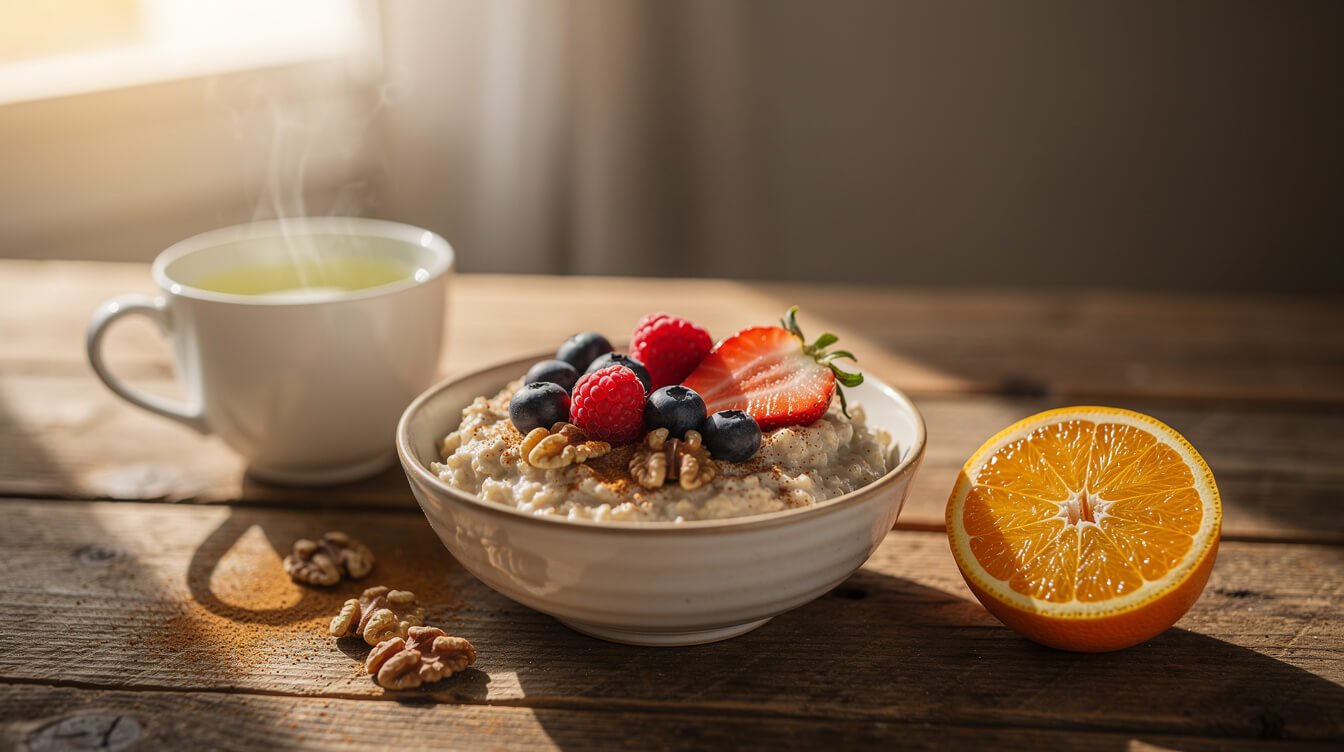
Here’s what a day built around foods to increase circulation might look like. It isn’t a strict meal plan, just a sample to show how easily these foods fit into ordinary meals.
Breakfast
- Oatmeal made with milk or a fortified plant milk, topped with berries, a tablespoon of chopped walnuts, a pinch of cinnamon, and a teaspoon of natural (non-alkalized) cocoa
- A cup of green or black tea
Mid-morning
- A whole orange and a small handful of almonds
Lunch
- A big arugula and spinach salad with roasted beets, chickpeas, pomegranate arils, sliced red onion, and an olive oil and lemon dressing
- Whole-grain bread or a small baked potato for potassium and fiber
- Another cup of tea, if you like
Dinner
- Baked salmon or sardines with garlic and herbs (or a lentil and vegetable stew on meat-free days)
- Sautéed chard or kale with garlic and olive oil
- Roasted tomatoes or a side of mixed vegetables
A small treat
- One or two squares of 70% dark chocolate, savored slowly
Your circulation-friendly shopping list
- Greens: arugula, spinach, romaine, chard, kale, beet greens
- Roots and veg: beets, onions, garlic, tomatoes, sweet potatoes
- Fruit: oranges, berries, pomegranate, bananas
- Protein: salmon, sardines, mackerel, beans, lentils, chickpeas, yogurt
- Fats and extras: extra-virgin olive oil, walnuts, almonds, flaxseed, natural cocoa, 70%+ dark chocolate, green and black tea
Make it easier: wash and dry a big tub of greens at the start of the week, roast a tray of beets on Sunday (they keep for about four days in the fridge), and keep canned sardines and beans in the pantry for easy meals. With the holidays coming, try adding a leafy green salad and a roasted beet side to your table. They’re colorful, seasonal, and quietly good for you.
🎁 Get a Free Wellness Gift
Enter your name and email below to receive a special wellness gift from OlyLife — absolutely free!
Who Should Be Careful: Medicines, Kidneys, and Food Interactions

Most foods to increase circulation are everyday whole foods and safe for nearly everyone. But a few combinations need care, and most popular lists leave them out.
- Warfarin and leafy greens. Leafy greens are rich in vitamin K, which affects how warfarin works. If you take warfarin, you don’t need to avoid greens, but you do need to keep your intake consistent from week to week and talk to your care team before making a big change. Suddenly adding a daily spinach salad could change your INR results. (Newer anticoagulants aren’t affected by vitamin K in the same way, but check with your pharmacist.)
- Grapefruit and medications. Grapefruit and its juice interact with more than 85 medications, including some statins, some blood pressure drugs, and some heart rhythm medicines, and can raise their levels in your blood. If you take regular medicines, check with your pharmacist before adding grapefruit. Oranges are a safer citrus choice for most people.
- Potassium and kidney disease. If you have chronic kidney disease, or take medicines that raise potassium (such as ACE inhibitors, ARBs, spironolactone, or potassium supplements), loading up on high-potassium foods or salt substitutes made with potassium chloride may not be safe. Ask your doctor or a dietitian what’s right for you.
- Blood pressure that’s already low. Beet juice and nitrate-rich foods can lower blood pressure. If you take blood pressure medication, or your pressure tends to run low and you feel dizzy when you stand up, go gently and keep an eye on how you feel. Nitrate-rich foods are not a replacement for prescribed medication. Never stop or change medicines on your own.
- Kidney stones. Spinach, chard, and beets are high in oxalate. If you’ve had calcium oxalate kidney stones, vary your greens (arugula, lettuce, and kale are lower in oxalate) and ask your healthcare provider about portion sizes.
- Supplements are a different story. High-dose garlic, ginger, turmeric, fish oil, and ginkgo supplements may increase bleeding risk when combined with blood thinners or before surgery. Food amounts are generally fine, but tell your doctor about any supplements you take.
- Diabetes and juices. Fruit and beet juices are concentrated sources of natural sugar. If you’re managing blood sugar, whole fruits and vegetables are the better everyday choice.
- Heartburn. Citrus, tomatoes, chocolate, garlic, onions, and peppers can trigger reflux in some people. If they bother you, lean on greens, beets, fish, oats, and nuts instead. Our guide to herbal tea for heartburn has more gentle ideas.
Above all, if you have symptoms such as leg pain when walking, foot sores that won’t heal, or feet that turn pale, blue, or cold on one side, food is not the first step. Please get checked first.
Food Works Best With Movement (and a Little Warmth)

The foods in this guide may help your blood vessels respond better, but your muscles are what really move blood around, especially in your legs. Every step squeezes your calf muscles, which pump blood from your feet back toward your heart. Walking is one of the most researched ways to support leg circulation, and even short breaks from sitting make a difference.
Here are a few ways to pair your food habits with movement:
- Take a 10-minute walk after meals. It’s a lovely way to digest, enjoy fresh air, and get your calf muscle pump working.
- Break up long sitting. Every 30 to 60 minutes, stand up, circle your ankles, or walk to refill your tea.
- Try a seated foot routine. Ankle pumps, toe curls, and heel raises take just a few minutes. Our guide on how to improve circulation in feet includes a simple 5-minute routine.
- Keep warm in cold weather. Warm socks and layers help if your fingers and toes run cold. Our guide to cold hands and feet explains why it happens and what helps.
- Don’t smoke. Smoking is one of the strongest risk factors for narrowed leg arteries. Quitting does more for your circulation than any food.
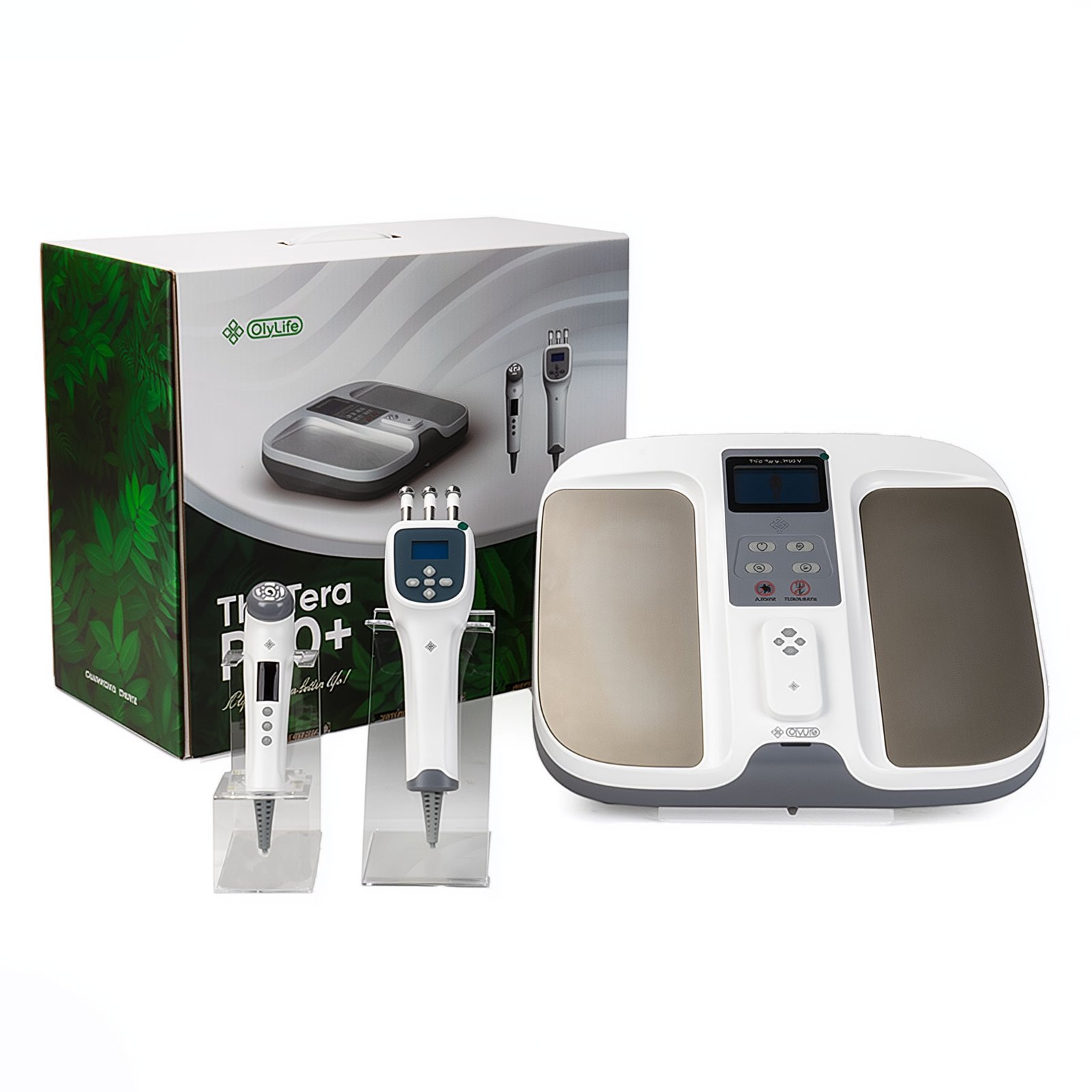
Many people also like to end the day with a calming self-care ritual, such as a warm cup of caffeine-free tea, a gentle foot rub, or a relaxing session with the OlyLife Vitality Wand, which is designed to deliver terahertz and PEMF frequencies as part of a wind-down routine. It isn’t intended to diagnose, treat, or improve circulation or any medical condition, and it doesn’t replace healthy food, movement, or medical care. If you have a pacemaker or another implanted electronic device, are pregnant, or have reduced feeling in your skin, please talk to your healthcare provider before use.
Nourish, Move, Then Unwind ✨
Good food and gentle movement are the foundation. For the quiet part of your evening, the OlyLife THz Tera-P90+ is designed to deliver focused PEMF and terahertz frequencies, and many customers enjoy it as a calming part of their self-care routine. It’s intended to support relaxation and general wellbeing, not to diagnose or treat poor circulation or any other condition. Not suitable for anyone with a pacemaker or implanted electronic device.
Frequently Asked Questions About Foods to Increase Circulation

What is the best food to increase blood circulation?
No single food is “best,” but leafy greens and beets have the strongest and most consistent research, thanks to their dietary nitrate. About a cup of raw leafy greens a day is linked with lower blood pressure and lower cardiovascular risk. Tea, cocoa, and oily fish come close behind for vessel function. Overall, the pattern of your diet matters more than any one food.
How quickly can food improve circulation?
Some effects are surprisingly fast. Beetroot juice and flavanol-rich cocoa can improve blood vessel function and lower blood pressure within a few hours in studies. But these short-term changes fade, so the benefits that matter for long-term health come from eating these foods regularly over months and years.
What foods help with blood flow to the legs and feet?
The same foods that support blood vessels everywhere: leafy greens, beets, oily fish, nuts, olive oil, fruit, tea, and cocoa, together with less salt. In the Danish study mentioned earlier, people who ate a moderate amount of nitrate-rich vegetables had 26% fewer hospital stays for peripheral artery disease. Pair them with walking, which is one of the best-studied ways to support leg circulation.
What drinks are good for circulation?
Green and black tea have the best evidence (2 to 3 cups a day). Beetroot juice works in trials but is concentrated and sugary, so enjoy it occasionally. Pomegranate and orange juice show some benefits, but whole fruit is usually a better everyday choice. Plain water keeps you hydrated, and cocoa made with natural cocoa powder and little sugar is a cozy winter option.
Is dark chocolate really good for circulation?
Cocoa flavanols do improve blood vessel function in many trials, but the blood pressure effect is small (about 2 mmHg on average), and a large trial using concentrated cocoa extract did not significantly reduce total cardiovascular events. A square or two of 70%+ dark chocolate can be part of a circulation-friendly diet. Just keep it a treat, not a treatment.
Do cayenne pepper and ginger increase circulation?
Both are traditionally used as warming spices, and capsaicin in hot peppers can briefly make your skin flush and feel warm. However, there’s little direct human evidence that they improve circulation at normal kitchen amounts. Enjoy them for flavor, but rely on the better-studied foods above.
Do bananas help circulation?
Bananas are a good source of potassium, which helps balance sodium and is linked with lower blood pressure in people with hypertension. They’re one helpful piece of the puzzle, alongside beans, potatoes, leafy greens, and yogurt. If you have kidney disease or take medicines that raise potassium, check with your doctor first.
Can food fix poor circulation or blocked arteries?
No. A healthy diet may support blood vessel health and help manage risk factors such as blood pressure and cholesterol, but it can’t clear blocked arteries or treat conditions like peripheral artery disease on its own. If you have symptoms of poor circulation, please see a healthcare provider. Food works best as part of a bigger plan that may include movement, not smoking, and any treatment your doctor recommends.
Final Thoughts: Small Plates, Steady Habits
The best foods to increase circulation aren’t exotic or expensive. They’re the everyday basics: a daily bowl of leafy greens, beets now and then, a few cups of tea, oily fish twice a week, a handful of nuts, a whole orange, olive oil in the pan, and a little dark chocolate to savor. Cutting back on salt and eating more potassium-rich foods quietly does a lot of good too.
What matters most is consistency, not perfection. Short-term studies show your blood vessels respond within hours. Long-term studies suggest those small daily choices add up over years. Pair your plate with regular walks, keep warm, and look after your oral health too, since even the bacteria on your tongue play a part.
Start with just one change this week, maybe a cup of greens at lunch or a second cup of tea in the morning. Let it become a habit, then add another. Your circulation will thank you for the steady care. 🌿
Curious about your feet in particular? Read our companion guides on poor circulation in feet (signs and causes) and how to improve circulation in feet (habits and a 5-minute routine). For more seasonal eating ideas, see our guide to foods that support your immune system.
This article is for general information only and is not medical advice. It isn’t a substitute for diagnosis or treatment by a qualified healthcare provider. If you take warfarin or other blood thinners, blood pressure or heart medications, have kidney disease or a history of kidney stones, or have symptoms of poor circulation, please talk to your healthcare provider before making significant changes to your diet.
References
- Trinquet NM, et al. The effects of whole foods and dietary patterns on flow-mediated dilation: a systematic review and meta-analysis of randomized controlled trials. Am J Clin Nutr. 2025;122(5):1204-1232. PMID 40972869
- Jackson JK, Patterson AJ, MacDonald-Wicks LK, Oldmeadow C, McEvoy MA. The role of inorganic nitrate and nitrite in cardiovascular disease risk factors: a systematic review and meta-analysis of human evidence. Nutr Rev. 2018;76(5):348-371. PMID 29506204
- Siervo M, Lara J, Ogbonmwan I, Mathers JC. Inorganic nitrate and beetroot juice supplementation reduces blood pressure in adults: a systematic review and meta-analysis. J Nutr. 2013;143(6):818-826. PMID 23596162
- Bondonno CP, Dalgaard F, Blekkenhorst LC, et al. Vegetable nitrate intake, blood pressure and incident cardiovascular disease: Danish Diet, Cancer, and Health Study. Eur J Epidemiol. 2021;36(8):813-825. PMID 33884541
- Webb AJ, Patel N, Loukogeorgakis S, et al. Acute blood pressure lowering, vasoprotective, and antiplatelet properties of dietary nitrate via bioconversion to nitrite. Hypertension. 2008;51(3):784-790. PMID 18250365
- Kapil V, Haydar SM, Pearl V, et al. Physiological role for nitrate-reducing oral bacteria in blood pressure control. Free Radic Biol Med. 2013;55:93-100. PMID 23183324
- Kapil V, Khambata RS, Robertson A, Caulfield MJ, Ahluwalia A. Dietary nitrate provides sustained blood pressure lowering in hypertensive patients: a randomized, phase 2, double-blind, placebo-controlled study. Hypertension. 2015;65(2):320-327. PMID 25421976
- Schroeter H, Heiss C, Balzer J, et al. (-)-Epicatechin mediates beneficial effects of flavanol-rich cocoa on vascular function in humans. Proc Natl Acad Sci U S A. 2006;103(4):1024-1029. PMID 16418281
- Hooper L, Kay C, Abdelhamid A, et al. Effects of chocolate, cocoa, and flavan-3-ols on cardiovascular health: a systematic review and meta-analysis of randomized trials. Am J Clin Nutr. 2012;95(3):740-751. PMID 22301923
- Sansone R, Rodriguez-Mateos A, Heuel J, et al. Cocoa flavanol intake improves endothelial function and Framingham Risk Score in healthy men and women. Br J Nutr. 2015;114(8):1246-1255. PMID 26348767
- Ried K, Fakler P, Stocks NP. Effect of cocoa on blood pressure. Cochrane Database Syst Rev. 2017;4:CD008893. PMID 28439881
- Sesso HD, Manson JE, Aragaki AK, et al. Effect of cocoa flavanol supplementation for the prevention of cardiovascular disease events: the COSMOS randomized clinical trial. Am J Clin Nutr. 2022;115(6):1490-1500. PMID 35294962
- Ras RT, Zock PL, Draijer R. Tea consumption enhances endothelial-dependent vasodilation; a meta-analysis. PLoS One. 2011;6(3):e16974. PMID 21394199
- Wang Q, Liang X, Wang L, et al. Effect of omega-3 fatty acids supplementation on endothelial function: a meta-analysis of randomized controlled trials. Atherosclerosis. 2012;221(2):536-543. PMID 22317966
- Miller PE, Van Elswyk M, Alexander DD. Long-chain omega-3 fatty acids eicosapentaenoic acid and docosahexaenoic acid and blood pressure: a meta-analysis of randomized controlled trials. Am J Hypertens. 2014;27(7):885-896. PMID 24610882
- Morand C, Dubray C, Milenkovic D, et al. Hesperidin contributes to the vascular protective effects of orange juice: a randomized crossover study in healthy volunteers. Am J Clin Nutr. 2011;93(1):73-80. PMID 21068346
- Sahebkar A, Ferri C, Giorgini P, et al. Effects of pomegranate juice on blood pressure: a systematic review and meta-analysis of randomized controlled trials. Pharmacol Res. 2017;115:149-161. PMID 27888156
- Aviram M, Rosenblat M, Gaitini D, et al. Pomegranate juice consumption for 3 years by patients with carotid artery stenosis reduces common carotid intima-media thickness, blood pressure and LDL oxidation. Clin Nutr. 2004;23(3):423-433. PMID 15158307
- Ried K. Garlic lowers blood pressure in hypertensive individuals, regulates serum cholesterol, and stimulates immunity: an updated meta-analysis and review. J Nutr. 2016;146(2):389S-396S. PMID 26764326
- Estruch R, Ros E, Salas-Salvadó J, et al. Primary prevention of cardiovascular disease with a Mediterranean diet supplemented with extra-virgin olive oil or nuts. N Engl J Med. 2018;378(25):e34. PMID 29897866
- Sacks FM, Svetkey LP, Vollmer WM, et al. Effects on blood pressure of reduced dietary sodium and the Dietary Approaches to Stop Hypertension (DASH) diet. N Engl J Med. 2001;344(1):3-10. PMID 11136953
- He FJ, Li J, MacGregor GA. Effect of longer term modest salt reduction on blood pressure: Cochrane systematic review and meta-analysis of randomised trials. BMJ. 2013;346:f1325. PMID 23558162
- Aburto NJ, Hanson S, Gutierrez H, et al. Effect of increased potassium intake on cardiovascular risk factors and disease: systematic review and meta-analyses. BMJ. 2013;346:f1378. PMID 23558164
- Bailey DG, Dresser G, Arnold JMO. Grapefruit-medication interactions: forbidden fruit or avoidable consequences? CMAJ. 2013;185(4):309-316. PMID 23184849
- National Institutes of Health, Office of Dietary Supplements. Vitamin K: Fact Sheet for Health Professionals. ods.od.nih.gov
- National Institutes of Health, Office of Dietary Supplements. Potassium: Fact Sheet for Health Professionals. ods.od.nih.gov