Chapped Lips Remedies: 12 Gentle Fixes, What Dermatologists Suggest, and a Simple Day-and-Night Routine
It starts with a little tightness when you step outside. By evening your lips feel rough, and by the next morning there’s a crack in the corner that stings every time you sip your coffee. If you’re looking for chapped lips remedies that are gentle, simple, and actually backed by what dermatologists recommend, you’re in good company. Dry, cracked lips are one of the most common small discomforts of winter.
The good news is that most chapped lips respond well to a few consistent habits. The less obvious news is that some of the most popular fixes, like minty balms, lip licking, and vigorous scrubs, can quietly make things worse.
In this guide, you’ll learn why lips chap so easily, 12 remedies dermatologists broadly agree on, which lip balm ingredients soothe and which ones sting, an honest look at home remedies for chapped lips (coconut oil, honey, aloe and more), a simple day-and-night routine, the hidden reasons lips stay chapped, and the signs that it’s time to see a dermatologist. Think of it as a warm, practical guide to lip remedies for chapped lips that you can start tonight.
Why Lips Chap So Easily (and Why Winter Makes It Worse)
Your lips aren’t just a softer version of the skin on your cheeks. They’re a unique transition zone between the skin of your face and the moist lining of your mouth, and that makes them unusually vulnerable to dry air.
Lips have a weaker barrier than the rest of your face
The red part of the lips, called the vermilion, has a very thin outer layer and no oil glands. It can’t produce its own protective oils the way the rest of your skin does. A study of 303 women measured in winter found that water loss through the lips was almost three times higher than through the cheek, while surface hydration was only about one-third of the cheek’s (Kobayashi and Tagami, 2004). The researchers concluded that the cells on the lip surface don’t fully mature into the tough, flattened layer that protects other skin, which leaves lips with a poor barrier and a limited ability to hold water.
In plain terms, your lips are always leaking moisture faster than the skin around them, and they have no built-in way to replace it.
Cold, wind, and indoor heating stack the odds
Winter adds three pressures at once. Cold outdoor air holds very little water, wind speeds up evaporation, and indoor heating drops the humidity inside your home. A large review of the research on climate and skin concluded that low humidity and low temperatures both weaken the skin’s barrier function and make skin more reactive to irritants (Engebretsen et al., 2016). Lips, with their thin barrier and no oil glands, feel it first.
The lip-licking loop
When lips feel dry, licking them is almost a reflex. Saliva brings brief relief, but it evaporates quickly and takes more moisture with it. It also contains digestive enzymes that can irritate thin skin. Dermatologists describe this as a self-perpetuating cycle that can lead to lip-licking dermatitis, a red, scaly ring around the mouth (Fonseca et al., 2020). Breaking the loop is one of the most effective things you can do.
If your skin feels drier everywhere this time of year, our FAQ on dry winter skin covers the same barrier basics for the rest of your body.
12 Chapped Lips Remedies Dermatologists Agree On
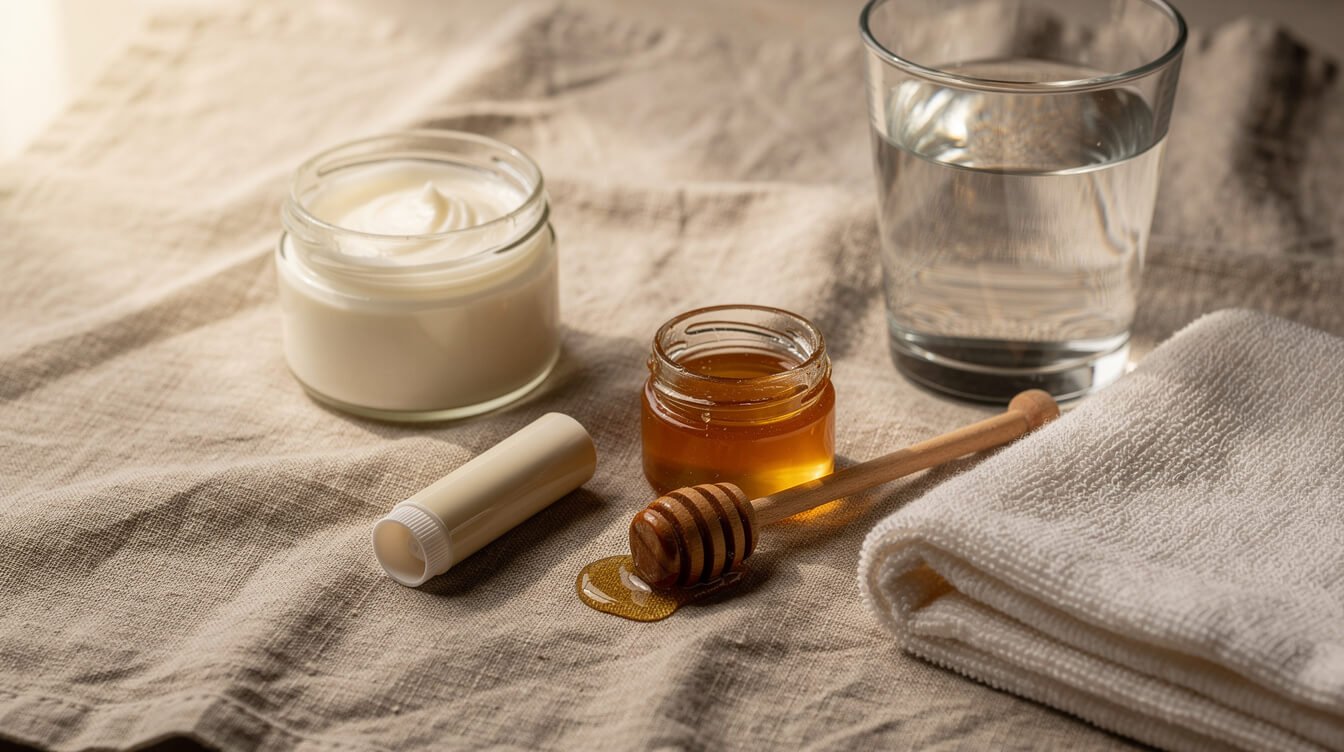
Dermatology groups such as the American Academy of Dermatology (AAD) and major clinics give remarkably consistent advice. Here are the 12 chapped lips remedies that come up again and again, from the most important to the nice-to-have.
1. Switch to a bland, fragrance-free lip balm
The single biggest change for most people is swapping a flavored or tingly balm for a plain one. The AAD notes that burning, stinging, or tingling is not a sign a product is “working.” It means the product is irritating your lips. Look for “fragrance-free” and “hypoallergenic” on the label.
2. Use a thick ointment when lips are cracked
For very dry or split lips, a thick ointment like white petroleum jelly tends to outperform waxy sticks. Ointments seal in water longer than waxes or oils. Interestingly, a lab study found that petrolatum doesn’t just sit on top of the skin like plastic wrap. It moves into the outer layer and helped the skin’s barrier recover faster after it was disrupted (Ghadially et al., 1992).
3. Apply little and often
Thin lips lose water quickly, so one coat in the morning isn’t enough. Apply balm first thing in the morning, after meals and drinks, every couple of hours during the day, and right before bed.
4. Seal before you sleep
Night is when lips do their best repair, and it’s also when many of us breathe through our mouths. A generous layer of ointment at bedtime is one of the simplest and most effective habits.
5. Wear SPF 30+ lip protection outdoors, even in winter
Lips burn more easily than you might expect, especially when they’re already chapped, and snow reflects UV light. The AAD suggests a lip balm with SPF 30 or higher that uses zinc oxide or titanium dioxide, reapplied about every two hours while you’re outside.
6. Stop licking, biting, and picking
Each lick restarts the drying cycle, and peeling off flakes can open small wounds that slow healing. When you notice the urge, reach for your balm instead. Over time, the balm becomes the new habit.
7. Run a humidifier, especially in the bedroom
Adding moisture to the air may support your lips and skin overnight. Indoor humidity of roughly 30 to 50 percent is a comfortable target for most homes. Our tip on checking your indoor humidity explains how to measure it with an inexpensive hygrometer.
8. Stay well hydrated
Drinking water won’t fix chapped lips on its own, because the lip barrier is the main issue. But dehydration makes everything drier, so steady fluids through the day are part of the picture.
9. Cover up in cold wind
A scarf or neck gaiter pulled up over your mouth on very cold or windy days protects your lips the same way gloves protect your hands.
10. Keep metal and objects away from your lips
Pens, paperclips, and jewelry held between the lips can irritate already sensitive skin. It’s a small habit, but dermatologists mention it often.
11. Breathe through your nose when you can
Mouth breathing, especially at night or when you’re congested, dries your lips with every breath. If a stuffy nose is the cause, gentle saline rinses or steam may help you breathe more comfortably. Our sinus acupressure guide shares a few traditional points many people find calming during cold season.
12. Give it two to three weeks
With consistent care, the AAD notes that most chapped lips improve noticeably within two to three weeks. If yours don’t, that’s a useful signal to look for a hidden cause (more on that below).
| Remedy | How strong is the support? | Best for |
|---|---|---|
| Fragrance-free balm, applied often | Strong (consistent dermatology guidance) | Everyday prevention and mild chapping |
| Thick ointment (petrolatum) at night | Strong (guidance plus barrier research) | Cracked, sore, or split lips |
| SPF 30+ lip balm outdoors | Strong | Sun, snow, and wind exposure |
| Stopping lip licking | Strong | Red ring around the mouth, constant dryness |
| Bedroom humidifier | Moderate | Heated homes, mouth breathers |
| Drinking enough water | Supportive (helps, but rarely the whole fix) | Everyone, especially in dry heat |
| Scarf over mouth | Common sense | Cold, windy days |
The Lip Balm Ingredient Guide: What Soothes and What Stings
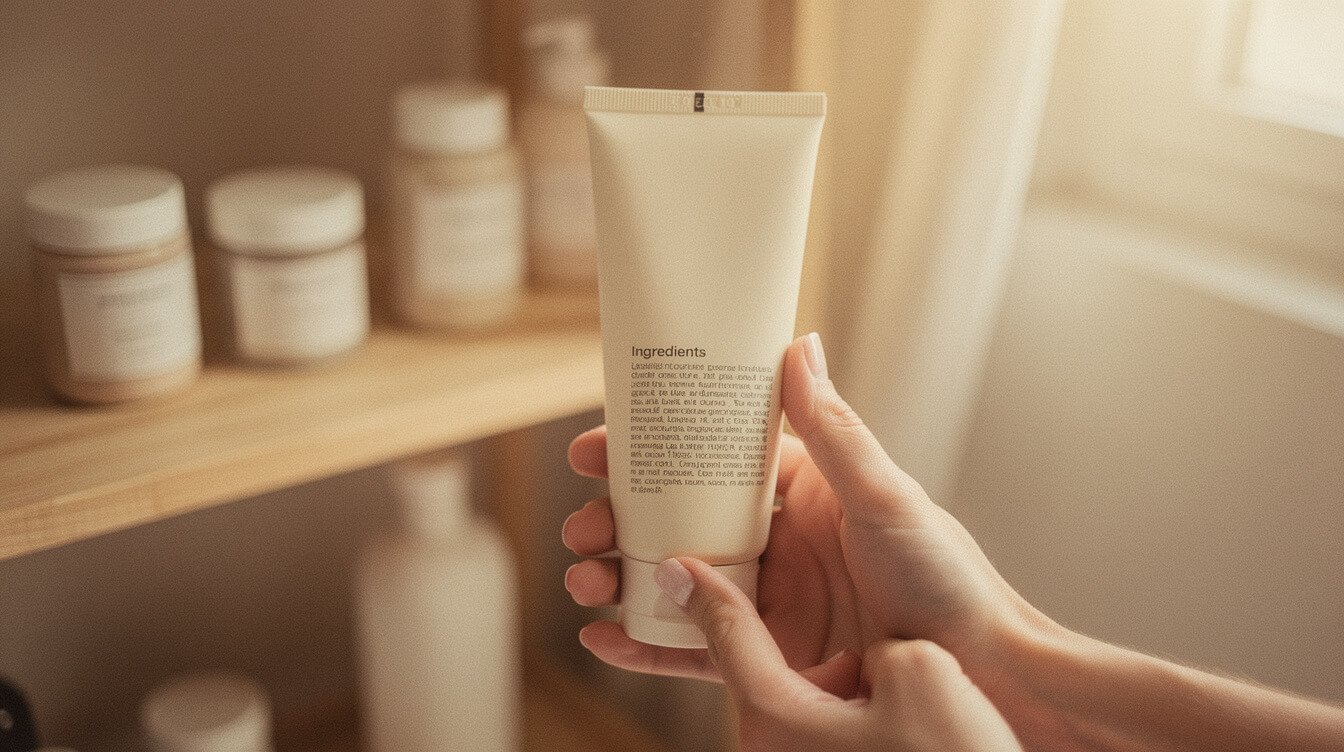
Walk down any pharmacy aisle and you’ll find dozens of lip products. Many contain the very ingredients that keep chapped lips from healing. Reading the label for 30 seconds can save you weeks of frustration.
Ingredients that tend to help
Moisturizers work in three main ways. Occlusives form a seal that slows water loss. Emollients smooth and soften rough flakes. Humectants draw water into the skin. For lips, occlusives and emollients usually do the heavy lifting.
- White petrolatum (petroleum jelly): a classic occlusive and one of the most widely recommended options for cracked lips.
- Dimethicone: a silicone that forms a breathable, smooth layer over cracks.
- Ceramides: lipids that are naturally part of the skin barrier.
- Shea butter, castor seed oil, hemp seed oil, and mineral oil: soothing emollients that soften dry lips.
- Zinc oxide or titanium dioxide: mineral sun filters for daytime protection.
Ingredients to pause while your lips are chapped
The AAD lists several ingredients to avoid while lips are healing, because they can irritate thin, cracked skin:
- Camphor, menthol, eucalyptus, and phenol: they create a cooling tingle that feels like relief but can dry and irritate.
- Flavorings: cinnamon, citrus, mint, and peppermint can be especially irritating. They also tempt you to lick your lips.
- Fragrance: one of the most common causes of lip allergy.
- Salicylic acid: an exfoliant that can be too harsh on broken skin.
- Lanolin and propyl gallate: helpful for many people, but known allergens for some.
- Octinoxate and oxybenzone: chemical sunscreen filters that can irritate sensitive lips. Mineral filters are usually gentler.
What allergy testing tells us
Contact allergy to lip products is more common than many people realize. In North American patch-testing data, among patients whose only rash was on the lips, about 38 percent were diagnosed with allergic contact cheilitis. Fragrance mix, balsam of Peru (a fragrance and flavor ingredient), and nickel were the most common relevant allergens, and lipsticks and cosmetics were frequent sources (Zug et al., 2008). A later analysis of the same network found that lip involvement among people referred for patch testing rose from 2.7 percent in 2001–2002 to 7.8 percent in 2017–2018 (Silverberg et al., 2023).
Even “natural” ingredients can be culprits. A small case series described four people whose lip rash was traced to peppermint oil in a lip balm that also contained propolis, lanolin, coconut oil, almond oil, and vitamin E (Tran et al., 2010). Natural doesn’t always mean gentle.
A simple rule of thumb: if a lip product burns, stings, or tingles when you put it on, stop using it. A good healing balm should feel boring.
Home Remedies for Chapped Lips, Honestly Graded
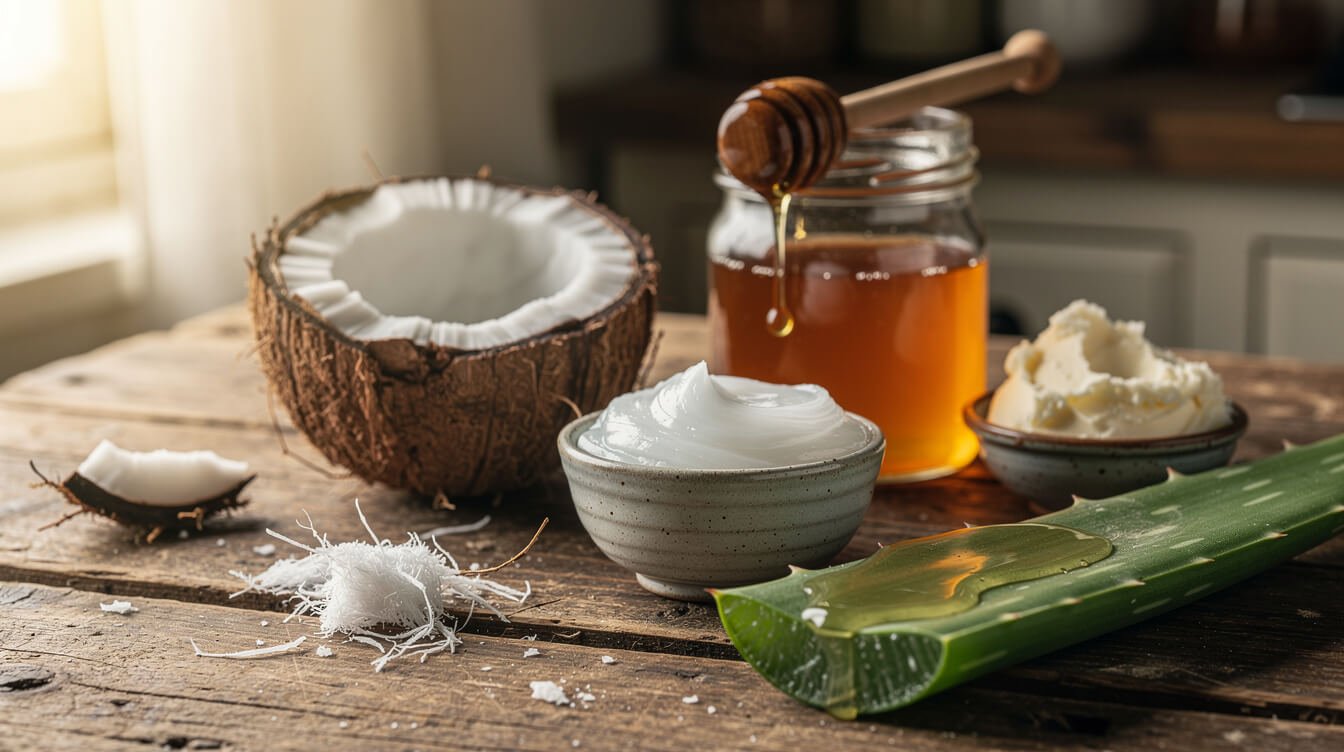
Kitchen remedies are popular, and some are lovely. But it helps to know which ones have a reasonable basis and which are mostly tradition. Here’s an honest look at the most common home remedies for chapped lips.
Coconut oil: pleasant, with limited lip-specific evidence
Coconut oil is a soft emollient that has been traditionally used as a moisturizer in tropical regions for centuries. Lab research suggests virgin coconut oil may have anti-inflammatory and barrier-supporting properties in skin cells (Varma et al., 2018), but that work was done in cell cultures, not on human lips. It’s a reasonable, gentle option for mild dryness. On its own, it melts and wears off quickly, so you may want to layer an ointment on top at night.
Honey: traditionally used, but not for everyone
Honey has a long history as a skin-soothing remedy, and it has well-documented properties in wound care settings. There’s no good research on honey for chapped lips specifically, though. It’s also sticky and sweet, which can make you lick your lips more. If you’re allergic to bee products or pollen, skip honey and propolis-based balms altogether.
Aloe vera: soothing for sun-touched lips
Aloe gel feels cooling and is traditionally used for sun-exposed skin. It’s fine as a gentle layer, but it doesn’t seal in moisture well. Follow it with a balm. If you use fresh aloe from a plant, patch test first, since the latex near the leaf skin can irritate some people.
Shea butter and plant butters: a good everyday choice
Shea butter appears on the AAD’s list of helpful ingredients. It’s rich, soft, and many people enjoy it as a daytime balm. People with nut allergies can usually tolerate refined shea, but if you have a known sensitivity, check with your doctor.
Sugar scrubs: go gently, or skip them while lips are cracked
This is where advice online disagrees. Some sites recommend a sugar-and-honey scrub, while others warn against exfoliating at all. Here’s a balanced middle ground: don’t scrub lips that are cracked, bleeding, or sore. Rubbing broken skin can slow healing. Once your lips are healed and simply a little flaky, a soft, damp washcloth used gently after a shower is usually enough. Let the balm do the softening.
What to skip
Avoid toothpaste, rubbing alcohol, lemon juice, cinnamon “plumping” mixes, and undiluted essential oils on your lips. They can irritate thin skin and turn simple chapping into contact dermatitis.
| Home remedy | Honest grade | How to use it well |
|---|---|---|
| Petroleum jelly | Strong | Thick layer at night and on cracks |
| Shea butter | Good | Daytime balm, reapply often |
| Coconut oil | Fair (pleasant, limited lip research) | Mild dryness, seal with ointment at night |
| Aloe vera gel | Fair | Sun-exposed lips, followed by a balm |
| Honey | Thin (tradition, no lip studies) | Short mask only, skip if allergic to bee products |
| Sugar scrub | Use caution | Only on healed, flaky lips, never on cracks |
A Simple Day-and-Night Routine for Chapped Lips
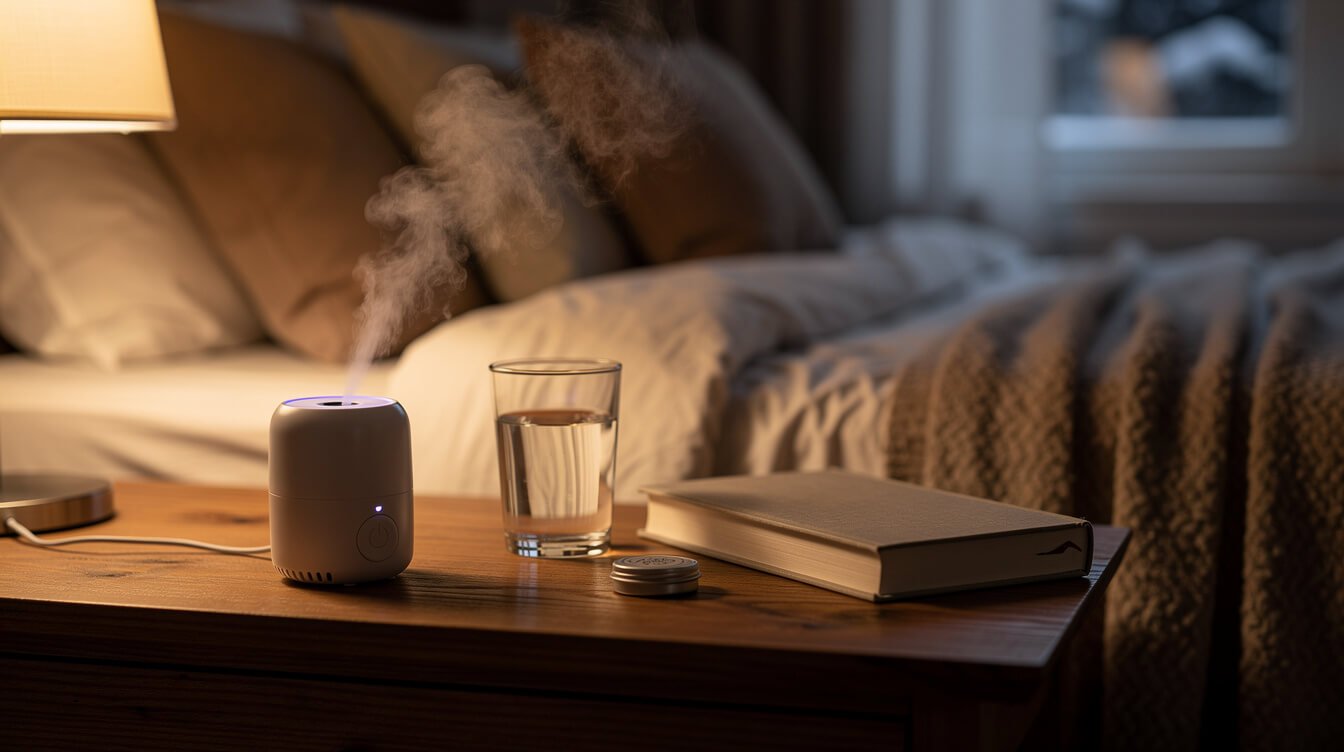
The best chapped lips remedies are the ones you’ll actually do. This routine takes less than two minutes a day in total and fits into habits you already have.
Morning (30 seconds)
- After brushing your teeth, rinse your mouth area with lukewarm water and pat dry. Toothpaste residue on the lips can irritate.
- Apply a fragrance-free balm. If you’re heading outside, choose one with SPF 30+ and zinc oxide or titanium dioxide.
- If you wear lipstick, put the balm on first and choose a creamy formula over a long-wear matte one while your lips heal.
During the day (a few seconds, several times)
- Reapply after eating and drinking, and every couple of hours. Keep one balm in your bag, one at your desk, and one by the bed. A plain balm is also a staple in our cold-season comfort kit.
- Outdoors, reapply SPF lip balm about every two hours and pull your scarf up on cold, windy days.
- Sip water steadily. A warm mug of caffeine-free herbal tea counts too. Our guide to herbal tea for relaxing has a few cozy options for winter afternoons.
Evening (1 minute)
- Turn on the bedroom humidifier an hour before bed.
- Apply a generous layer of white petroleum jelly or a thick ointment. It’s sometimes called “lip slugging.”
- If you tend to wake with dry lips, notice whether you’re breathing through your mouth at night, and mention it to your doctor if it happens often.
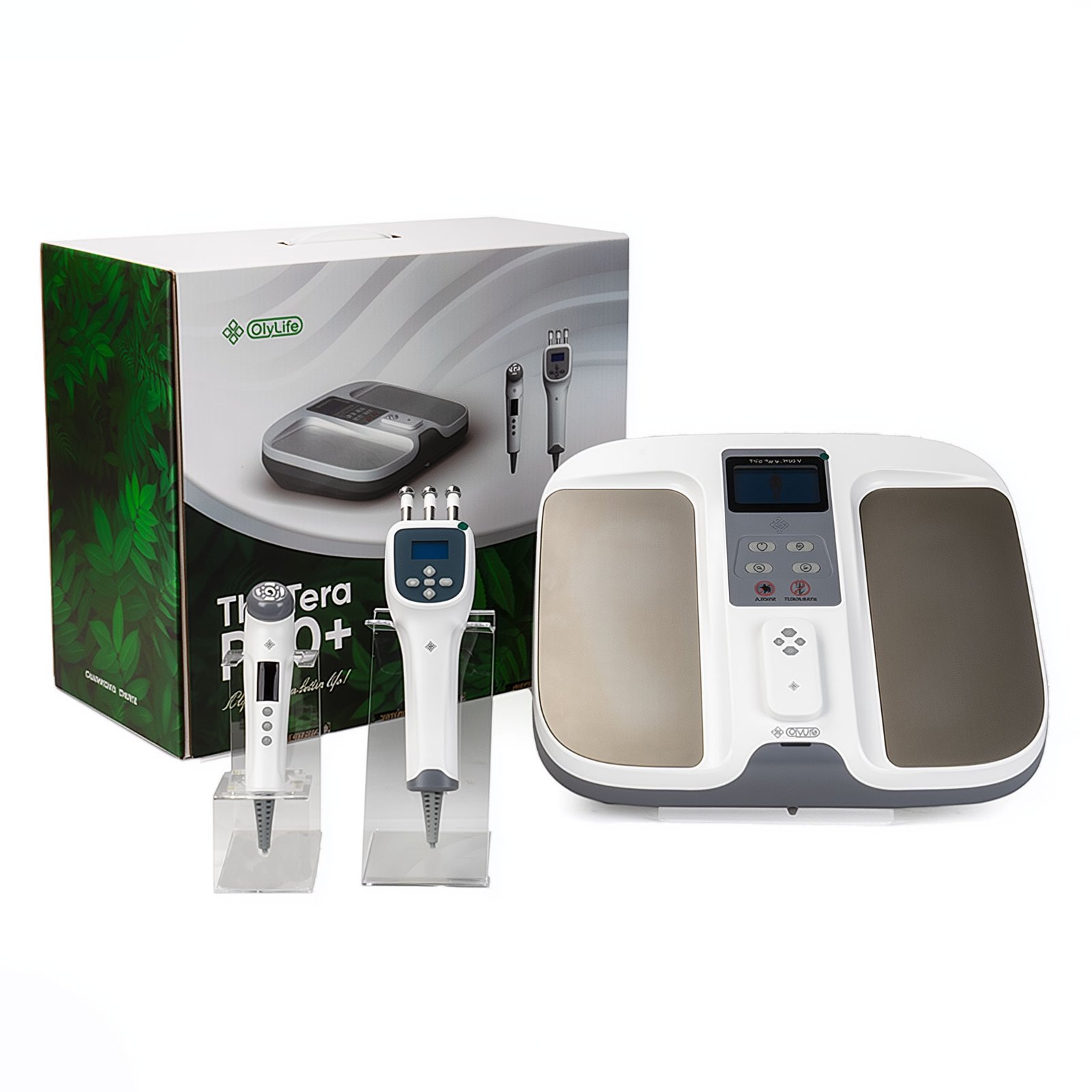
Evenings are also a lovely time to slow down in general. Many people pair their lip care with a small wind-down ritual: dimming the lights, a cup of tea, a few minutes of quiet. If self-care tools are part of that ritual for you, the OlyLife Vitality Wand is a handheld device designed to deliver terahertz and PEMF frequencies, and many people enjoy it as part of a calm evening routine. It’s a general wellness tool, not a treatment for lips or any skin condition, so keep your balm and humidifier as the main event.
Make Room for Rest This Winter 🌿
Caring for yourself in winter is about small, steady rituals. The OlyLife THz Tera-P90+ is designed to deliver focused PEMF and terahertz frequencies, and many customers enjoy it as a quiet, restful part of their daily self-care. It’s intended to support relaxation and general wellbeing, not to diagnose or treat any condition.
🎁 Get a Free Wellness Gift
Enter your name and email below to receive a special wellness gift from OlyLife — absolutely free!
Why Your Lips Stay Chapped: 8 Hidden Causes

If you’ve been faithful with balm for a few weeks and your lips are still rough, something else may be keeping them irritated. These are the most common hidden causes.
1. Your lip product is the problem
As the patch-testing data above shows, fragrance, flavorings, and some preservatives and sunscreen filters can cause an allergic or irritant reaction that looks just like ordinary chapping. Try a two-week “boring balm” reset with a single plain ointment.
2. Toothpaste and mouthwash
Flavorings like cinnamon and mint, and foaming agents in some toothpastes, can irritate the lips and the skin around the mouth. If your lips are worst at the corners or along the edges, try a plainer toothpaste for a few weeks.
3. Lip licking that’s become a habit
It often happens without noticing: while reading, driving, or concentrating. A red, dry ring around the lips is a clue. Keeping a balm within reach is the gentlest way to retrain the habit.
4. Mouth breathing and congestion
Colds, allergies, a deviated septum, or sleeping with your mouth open can all dry your lips night after night. CPAP masks that leak air can do the same. Talk to your doctor if nighttime mouth breathing is frequent.
5. Medications
Dry lips are a very common side effect of oral retinoids such as isotretinoin for acne, and they can also occur with some other medicines, including certain diuretics, some chemotherapy drugs, and high doses of vitamin A. Never stop a prescribed medicine on your own. Ask your prescriber or pharmacist what lip care they recommend.
6. Low levels of certain nutrients
Low levels of B vitamins (especially riboflavin), iron, or zinc can show up as cracks at the corners of the mouth or sore lips. This is less common than the everyday causes above, and it’s best confirmed with a simple blood test rather than guessed at. Our guide to foods that build immune system support covers many of the same nutrient-rich foods.
7. Sun exposure you didn’t notice
Winter sports, bright snow, and long walks can deliver more UV to your lips than you’d think. Persistent dryness and scaling on the lower lip in particular deserves attention (see the next section).
8. Skin and health conditions
Eczema, thyroid conditions, some autoimmune and digestive conditions, and dehydration from illness can all contribute to dry, sore lips. If chapping comes with other new symptoms, check in with your healthcare provider.
Chapped Lips or Something Else? When to See a Dermatologist
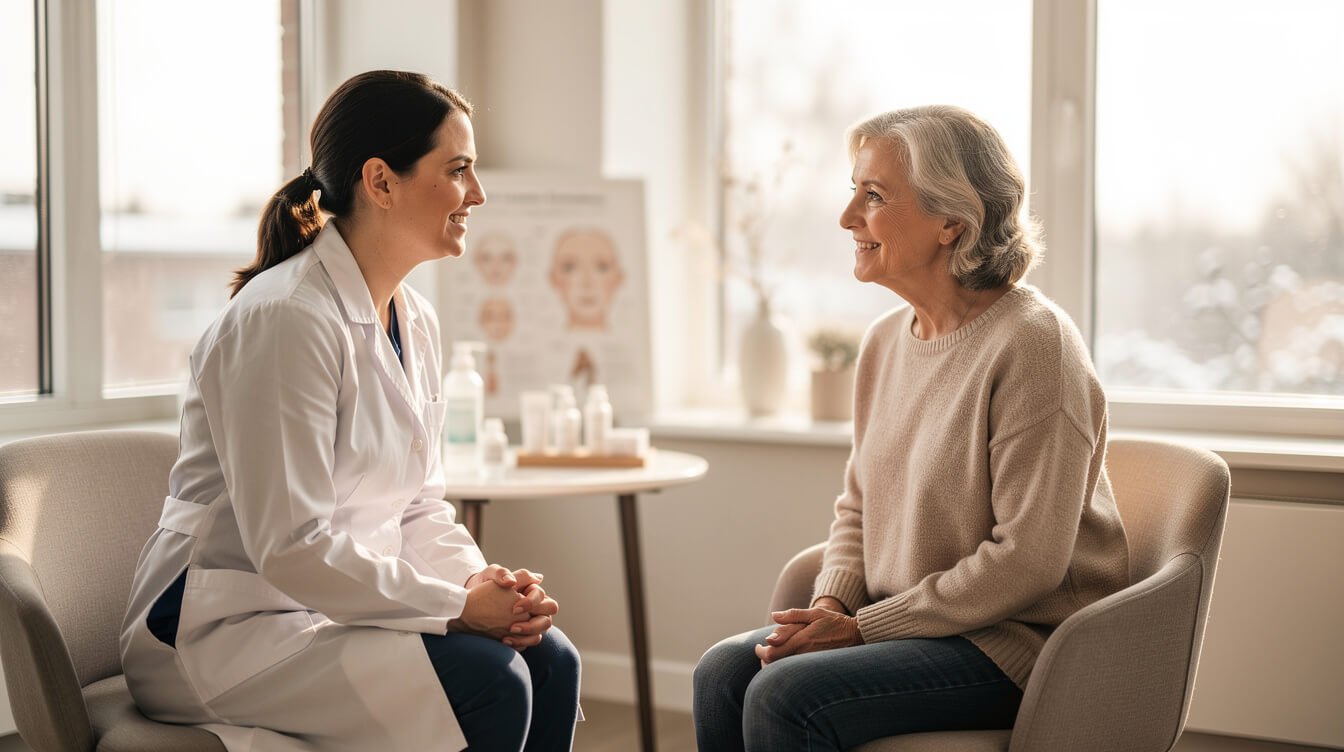
Most chapped lips are a simple, seasonal nuisance. But a few conditions can look similar and deserve a professional opinion. This section isn’t for self-diagnosis. It’s to help you know when to make an appointment.
| What you notice | What it might be | What to do |
|---|---|---|
| Red, cracked, sometimes moist corners of the mouth | Angular cheilitis, which can involve irritation, yeast, or bacteria (Park et al., 2011) | See a doctor if it doesn’t improve within a week or two of gentle care |
| Itchy, red, or swollen lips after a new product | Allergic contact cheilitis | Stop the product and ask a dermatologist about patch testing |
| Tingling, then small clustered blisters | A cold sore (herpes labialis) | Talk to a doctor or pharmacist early. Don’t share balms or cups |
| A rough, scaly, or blurry-edged patch on the lower lip that won’t heal | Possibly actinic cheilitis (sun damage) | See a dermatologist promptly |
| Constant peeling that keeps coming back | Possibly exfoliative cheilitis or lip-licking dermatitis | A dermatologist can help find the trigger |
Why sun protection matters more than you think
Two pieces of research make a strong case for SPF lip balm. In a controlled lab study of 38 people with a history of cold sores, 71 percent developed a cold sore after their lips were exposed to UV light with a placebo balm, while none developed one when a sunscreen was applied first (Rooney et al., 1991). And actinic cheilitis, a sun-damage condition most common on the lower lip, is considered a precancerous change. Reviews estimate that 10 to 30 percent of cases may progress if left untreated, which is why early evaluation matters (Vasilovici et al., 2022).
See a dermatologist or doctor if you notice:
- Chapped lips that don’t improve after two to three weeks of consistent care
- A sore, lump, scaly patch, or ulcer that doesn’t heal, especially on the lower lip
- Swelling, pus, crusting, or spreading redness, which can be signs of infection
- Significant swelling of the lips or face, or trouble breathing after using a product (seek urgent care)
- Cracking at the corners of the mouth that keeps returning
- Dry lips together with other new symptoms like fatigue, unusual thirst, or weight changes
Frequently Asked Questions About Chapped Lips Remedies

What is the fastest way to heal chapped lips?
Switch to a plain, fragrance-free ointment, apply it often during the day and thickly at night, stop licking your lips, and run a humidifier while you sleep. Many people feel a difference within a few days, and the AAD notes most chapped lips improve noticeably within two to three weeks.
Is Vaseline good for chapped lips?
Yes. White petroleum jelly is one of the most widely recommended options for dry, cracked lips. It’s inexpensive, fragrance-free, and very effective at sealing in moisture. It doesn’t contain sunscreen, so use an SPF lip balm during the day when you’re outside.
Can you get addicted to lip balm?
There’s no evidence that lip balm causes a true physical addiction. What feels like “addiction” is usually one of two things: a balm with irritating ingredients (like menthol or fragrance) that keeps your lips mildly inflamed, or a simple habit. Switching to a bland ointment usually breaks the cycle.
Does drinking water help chapped lips?
Staying hydrated supports your skin overall, but water alone rarely fixes chapped lips, because the main problem is the lip barrier losing moisture to dry air. Think of water as part of the plan, alongside balm, a humidifier, and dropping the lip-licking habit.
Is coconut oil good for chapped lips?
It’s a pleasant, gentle emollient for mild dryness, and many people enjoy it. Research on coconut oil for lips specifically is limited, and it wears off quickly, so seal it with a thicker ointment at night.
Should I exfoliate chapped lips?
Not while they’re cracked, bleeding, or sore. Scrubbing broken skin can slow healing. Once your lips have healed and are just slightly flaky, a soft damp washcloth used gently is usually enough.
Why are my lips chapped even though I use lip balm all the time?
Your balm may contain an irritant or allergen, you may be licking your lips without noticing, or something like mouth breathing, a medication, or a skin condition may be involved. Try a two-week reset with a single plain ointment. If there’s no improvement, see a dermatologist.
Why do my lips get chapped when I have a cold?
A blocked nose makes you breathe through your mouth, especially at night, which dries your lips quickly. Frequent nose-wiping and lip-licking add to it. Extra balm at bedtime and a humidifier can make cold season more comfortable.
Final Thoughts: Small Habits, Softer Lips
Your lips work hard all winter with very little natural protection. The most effective chapped lips remedies aren’t complicated or expensive. They’re a plain balm you actually like, a thick layer at night, SPF when you’re outside, a little extra moisture in the air, and the patience to let go of the lip-licking habit.
Start tonight with one small step: set a balm by your bed and turn on a humidifier. Give it two to three weeks of steady care, and if your lips still aren’t comfortable, treat that as helpful information and check in with a dermatologist.
Wishing you a cozy, comfortable winter. 🌿
This article is for general educational purposes only and is not medical advice. Please talk with a qualified healthcare provider or dermatologist about persistent lip symptoms, sores that don’t heal, or reactions to products, and before changing any prescribed medication.
References
- American Academy of Dermatology. 7 dermatologists’ tips for healing dry, chapped lips. aad.org.
- Engebretsen KA, et al. The effect of environmental humidity and temperature on skin barrier function and dermatitis. Journal of the European Academy of Dermatology and Venereology. 2016. PMID: 26449379.
- Fonseca A, Jacob SE, Sindle A. Art of prevention: Practical interventions in lip-licking dermatitis. International Journal of Women’s Dermatology. 2020. PMID: 33898702.
- Ghadially R, Halkier-Sorensen L, Elias PM. Effects of petrolatum on stratum corneum structure and function. Journal of the American Academy of Dermatology. 1992. PMID: 1564142.
- Kobayashi H, Tagami H. Functional properties of the surface of the vermilion border of the lips are distinct from those of the facial skin. British Journal of Dermatology. 2004. PMID: 15030342.
- Park KK, Brodell RT, Helms SE. Angular cheilitis, part 1: local etiologies. Cutis. 2011. PMID: 21838086.
- Rooney JF, et al. Prevention of ultraviolet-light-induced herpes labialis by sunscreen. Lancet. 1991. PMID: 1683420.
- Silverberg JI, et al. Prevalence and trend of allergen sensitization in patients with cheilitis referred for patch testing, North American Contact Dermatitis Group data, 2001–2018. Contact Dermatitis. 2023. PMID: 36502370.
- Tran A, Pratt M, DeKoven J. Acute allergic contact dermatitis of the lips from peppermint oil in a lip balm. Dermatitis. 2010. PMID: 20233551.
- Varma SR, et al. In vitro anti-inflammatory and skin protective properties of virgin coconut oil. Journal of Traditional and Complementary Medicine. 2018. PMID: 30671361.
- Vasilovici A, et al. Actinic cheilitis: from risk factors to therapy. Frontiers in Medicine. 2022. PMID: 35242781.
- Zug KA, et al. Patch-testing North American lip dermatitis patients: data from the North American Contact Dermatitis Group, 2001 to 2004. Dermatitis. 2008. PMID: 18674455.