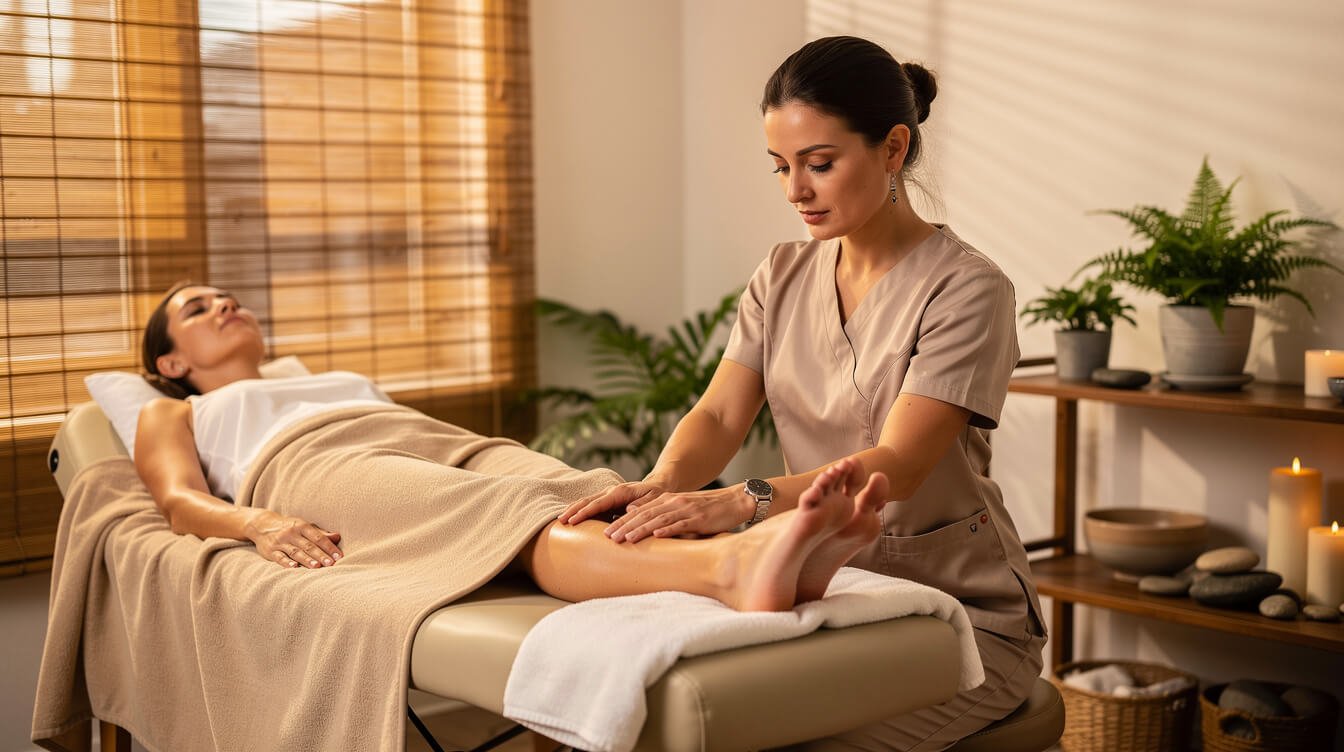
Reflexology Benefits: Your Complete Guide to Natural Healing Through Your Feet
What if one of the most powerful natural wellness tools was something you carry with you everywhere — your own two feet? Reflexology benefits extend far beyond a simple foot massage. This ancient healing practice works with specific pressure points on your feet that correspond to organs, glands, and systems throughout your entire body — offering a gentle yet surprisingly effective path to whole-body wellness.
Whether you’re dealing with everyday stress, struggling with sleep, or simply looking for a natural way to support your body’s healing processes, reflexology may offer exactly the kind of holistic support you’ve been searching for. In this complete guide, we’ll explore the science behind reflexology, walk you through its most well-documented benefits, and even show you how to practice simple techniques at home.
What Is Reflexology and How Does It Work?
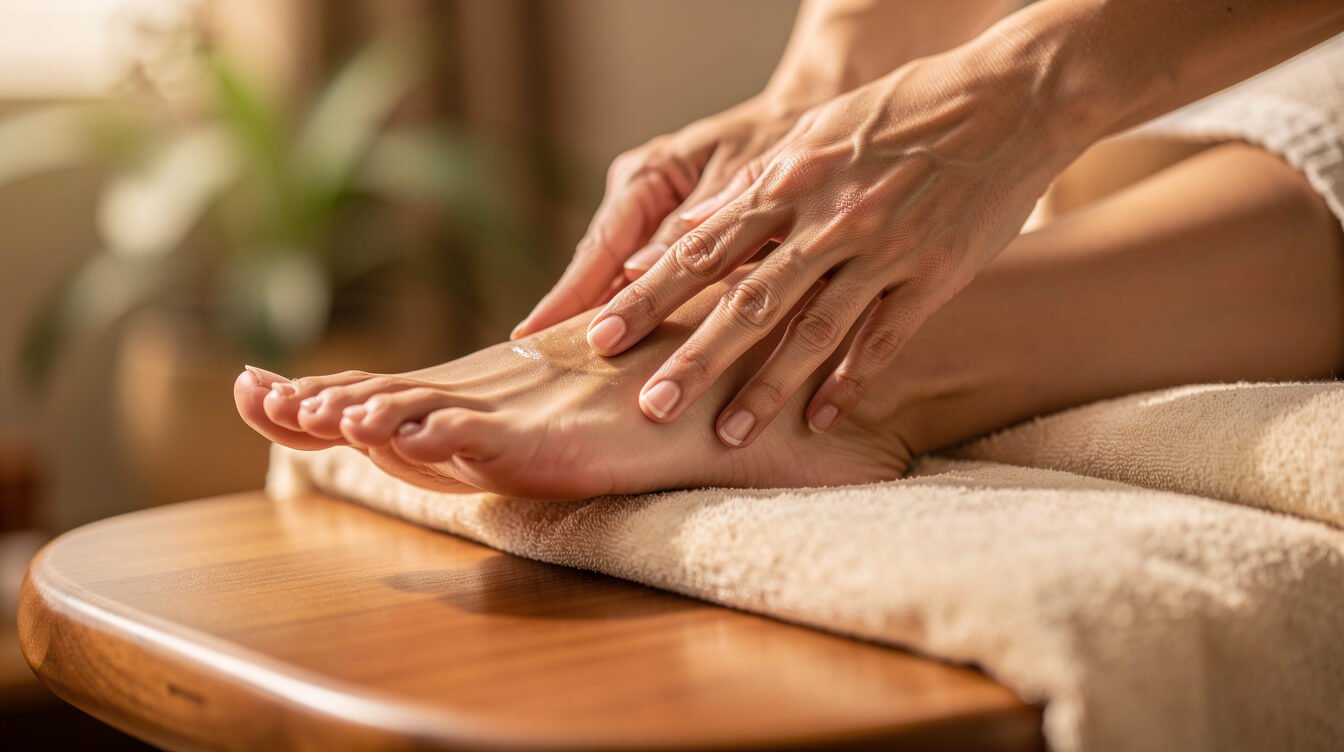
Reflexology is a therapeutic practice rooted in traditional Chinese medicine (TCM) that involves applying targeted pressure to specific points on the feet, hands, and ears. Unlike a standard massage that works primarily on muscles, reflexology operates on the principle that these pressure points — called reflexes — are connected to every organ and system in your body through energy pathways.
The practice has ancient roots stretching back thousands of years. Evidence of foot therapy appears in Egyptian tomb paintings dating to around 2330 BCE, and similar practices existed in ancient China, India, and among indigenous peoples worldwide. Modern reflexology was formalized in the early twentieth century by Dr. William Fitzgerald, who developed “zone therapy,” and later refined by Eunice Ingham in the 1930s, who mapped the specific reflex points we use today.
The Science Behind the Practice
So how does pressing on your feet affect your whole body? Several theories help explain the mechanism:
- Nerve stimulation theory: Your feet contain over 7,000 nerve endings. Applying pressure to specific points may send signals through the peripheral nervous system to the brain, triggering relaxation responses and encouraging the body’s natural healing mechanisms.
- Energy pathway theory (TCM): Traditional Chinese medicine teaches that vital energy — or qi — flows through meridians in the body. When this energy becomes blocked, illness may follow. Reflexology aims to clear these blockages and restore balanced energy flow.
- Gate control theory: Pressure applied to the feet may help “close the gate” on pain signals traveling to the brain, similar to how rubbing a bumped elbow can reduce the sensation of pain.
- Circulatory improvement: The targeted pressure techniques used in reflexology may help improve blood flow and lymphatic drainage, supporting the body’s natural detoxification processes.
A comprehensive review published in the Journal of Traditional and Complementary Medicine (2022) analyzed multiple randomized controlled trials and found that foot reflexology demonstrated measurable positive effects on anxiety, fatigue, pain perception, and quality of life — particularly in individuals managing chronic health conditions (Cai et al., 2022).
7 Evidence-Based Reflexology Benefits You Should Know
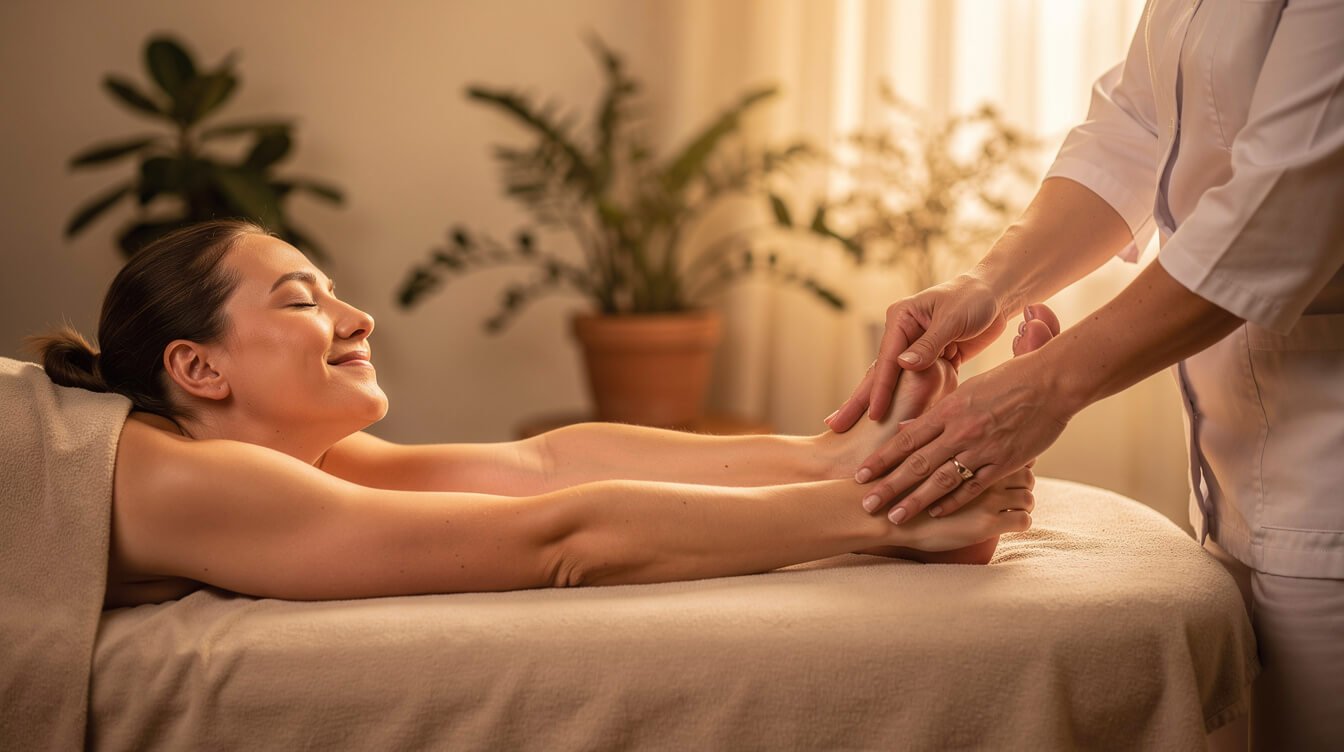
While reflexology is considered a complementary therapy — meaning it works alongside conventional medical care rather than replacing it — a growing body of research supports several meaningful reflexology benefits for both physical and emotional wellbeing.
1. Stress and Anxiety Reduction
Perhaps the most well-documented benefit of reflexology is its ability to help reduce stress and anxiety. A systematic review by Embong et al. (2015) published in the Journal of Traditional and Complementary Medicine found that reflexology significantly reduced anxiety levels across multiple clinical studies. The mechanism likely involves activation of the parasympathetic nervous system — your body’s “rest and digest” mode — which helps counteract the chronic stress response that so many of us live with daily.
If you’re interested in other natural approaches to calming your nervous system, our guide to nervous system regulation techniques offers additional science-backed methods you can combine with reflexology.
2. Pain Relief and Management
Research suggests that reflexology may help manage various types of pain. A study published in Complementary Therapies in Clinical Practice (2019) found that reflexology significantly reduced pain intensity in patients with chronic lower back pain compared to standard care alone. Other studies have shown promising results for headache and migraine relief, post-surgical pain, and pain associated with conditions like arthritis and fibromyalgia.
The gate control theory of pain offers one explanation: by stimulating nerve fibers in the feet, reflexology may interrupt pain signals before they reach the brain. Additionally, the deep relaxation reflexology promotes can help release muscle tension that often accompanies chronic pain.
3. Improved Sleep Quality
Struggling with sleep? Reflexology may help. A randomized controlled trial published in the Iranian Journal of Nursing and Midwifery Research (2020) demonstrated that participants who received reflexology treatments experienced significantly improved sleep quality compared to the control group. The researchers attributed this to reflexology’s effect on reducing cortisol levels and promoting parasympathetic nervous system activity — essentially helping the body shift from its alert “fight or flight” state into a calmer state more conducive to restful sleep.
For a comprehensive approach to better rest, you might also explore our guide to natural sleep remedies that pairs beautifully with reflexology practice.
4. Better Circulation and Lymphatic Flow
The targeted pressure techniques used in reflexology may help improve blood circulation throughout the body. Better circulation means more efficient delivery of oxygen and nutrients to cells, faster removal of metabolic waste products, and improved overall cellular function. This circulatory benefit is particularly relevant for people who spend long hours sitting or standing, as poor circulation in the extremities is a common concern.
Reflexology also appears to support lymphatic flow — your body’s natural drainage and immune-support system. When combined with other practices that support lymphatic health, such as lymphatic drainage techniques, reflexology may help your body’s natural detoxification pathways work more efficiently.
5. Digestive System Support
Specific reflex points on the arch and midsection of the foot correspond to digestive organs including the stomach, intestines, liver, and pancreas. Practitioners report that working these areas may help ease symptoms of bloating, constipation, and general digestive discomfort. While large-scale clinical trials are still limited, a pilot study in the European Journal of Integrative Medicine showed that reflexology helped improve digestive symptoms in participants with irritable bowel syndrome (IBS).
The stress-reduction benefits of reflexology also play a role here, as the gut-brain connection means that lower stress levels often translate to better digestive function. If gut health is a priority for you, our complete guide to fermented foods for gut health offers complementary dietary strategies.
6. Enhanced Nerve Function
As we age, nerve endings in the extremities can become less sensitive. Reflexology stimulates over 7,000 nerve endings in each foot, which may help maintain and even improve nerve function over time. Research published in Complementary Therapies in Medicine (2018) found that reflexology improved peripheral neuropathy symptoms in participants with type 2 diabetes — a condition where nerve damage is a common and serious concern.
7. Immune System Support
Preliminary research suggests that reflexology may help support immune function. A study in the Journal of Alternative and Complementary Medicine found that reflexology sessions were associated with increased natural killer cell activity — a key marker of immune system strength. While more research is needed, the combination of reduced stress, improved circulation, and better sleep that reflexology provides creates favorable conditions for a well-functioning immune system.
Understanding the Reflexology Foot Map
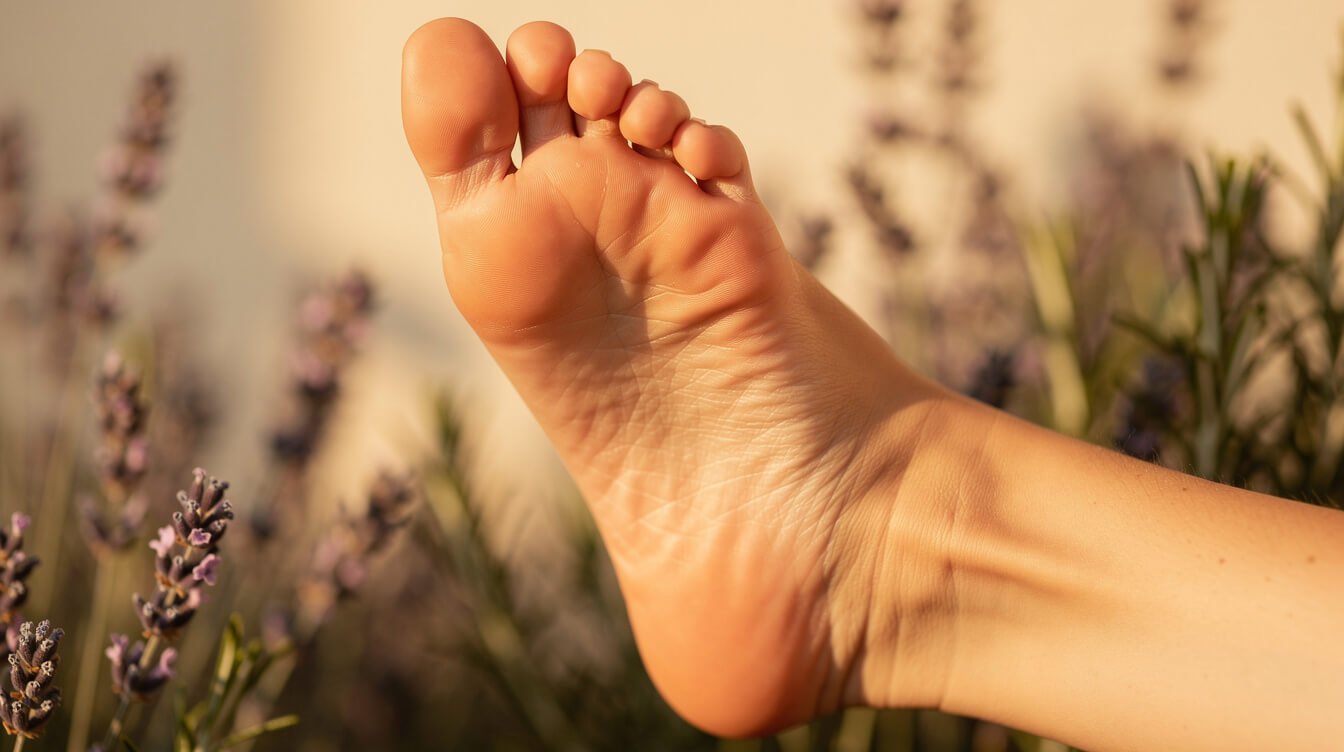
One of the most fascinating aspects of reflexology is the detailed map of the foot that practitioners use. Each zone of your foot corresponds to specific organs and body systems. Understanding this map helps you appreciate how reflexology benefits reach far beyond the feet themselves.
The Five Zones
The reflexology foot map divides each foot into five longitudinal zones, running from the tips of the toes to the heel. These zones correspond to the five zones of the body on the same side — so the right foot maps to the right side of the body, and the left foot to the left side.
Key Reflex Areas
- Toes: Head, brain, sinuses, eyes, and ears. The big toe specifically corresponds to the brain and the pituitary gland — your body’s master hormone regulator.
- Ball of the foot: Chest, lungs, heart, thyroid, and shoulders. The solar plexus point — located in the center of the ball of the foot — is one of the most important points for stress relief.
- Arch of the foot: Digestive organs including the stomach, pancreas, kidneys, liver (right foot), spleen (left foot), and small intestine.
- Heel: Lower back, sciatic nerve, pelvis, and reproductive organs. Many people find that heel pressure helps with lower back discomfort.
- Inner edge: The spine runs along the inner edge of each foot, from the big toe (cervical spine) down to the heel (tailbone).
- Outer edge: Shoulders, arms, hips, knees, and lower extremities.
Good to know: Tenderness or sensitivity at a specific reflex point may indicate that the corresponding organ or body area could benefit from additional support. Reflexologists view this as valuable feedback from your body about areas that may need attention.
How to Practice Self-Reflexology at Home
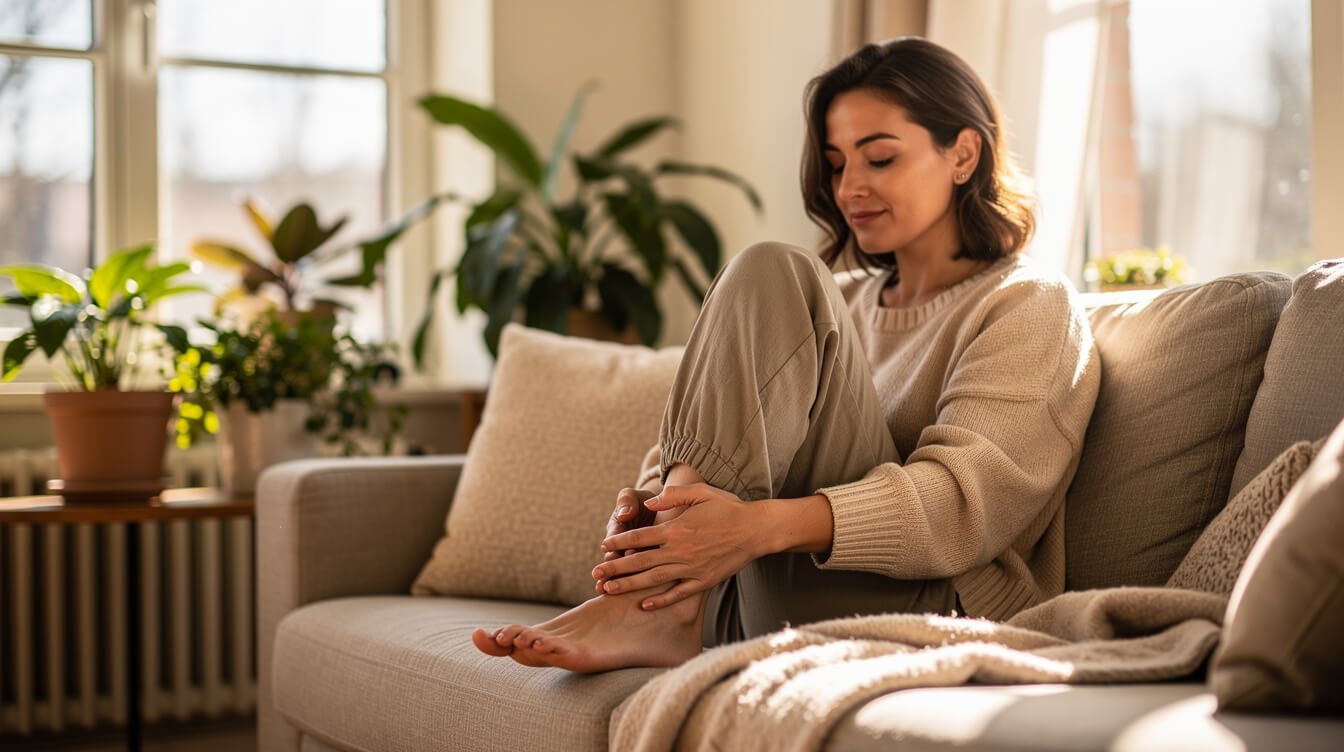
While professional reflexology sessions offer the most comprehensive experience, you can enjoy many reflexology benefits at home with simple self-practice techniques. Here’s a beginner-friendly guide to get you started.
Getting Started
Find a comfortable seated position — on a couch or chair where you can easily reach your feet. You might want to apply a small amount of natural lotion or oil to help your thumbs and fingers glide smoothly. Start with clean, warm feet (a warm foot soak beforehand is a lovely addition). Plan for about 15 to 20 minutes per session.
5 Essential Self-Reflexology Techniques
- Solar plexus press (stress relief): Find the center of the ball of your foot — right where the pad meets the arch. Press firmly with your thumb and hold for 5 to 10 seconds while taking a deep breath. Release slowly. Repeat 5 times on each foot. This is considered one of the most powerful relaxation points in reflexology.
- Toe walking (head and sinuses): Using your thumb, “walk” along the base of each toe with small, caterpillar-like movements. Apply firm but gentle pressure. Work from the base of the big toe across to the little toe. This technique targets sinus congestion, headaches, and mental clarity.
- Arch roll (digestive support): Using your thumb, make slow circular motions across the entire arch of your foot. Work from the ball of the foot down toward the heel, covering the stomach, intestine, and kidney reflex areas. Spend extra time on any tender spots.
- Heel squeeze (lower back and pelvis): Cup your heel with both hands and apply steady, firm pressure with your thumbs while slowly rotating the heel. This targets the lower back and sciatic nerve reflex points — particularly helpful if you sit for long periods.
- Spine line sweep (whole-body balance): Using your thumb, trace along the inner edge of your foot from the base of the big toe (neck area) all the way down to the heel (tailbone). Apply steady pressure in one smooth motion. Repeat 5 to 7 times. This helps promote balance and alignment throughout the body.
Tips for Better Results
- Practice consistently — even 10 minutes three times a week may yield noticeable benefits over time
- Drink plenty of water after your session to support your body’s natural detoxification processes
- Pay attention to tender areas — they’re giving you valuable feedback about which body systems may need support
- Combine with deep breathing or grounding exercises for enhanced relaxation
- Consider pairing self-reflexology with complementary therapies for a more comprehensive wellness approach
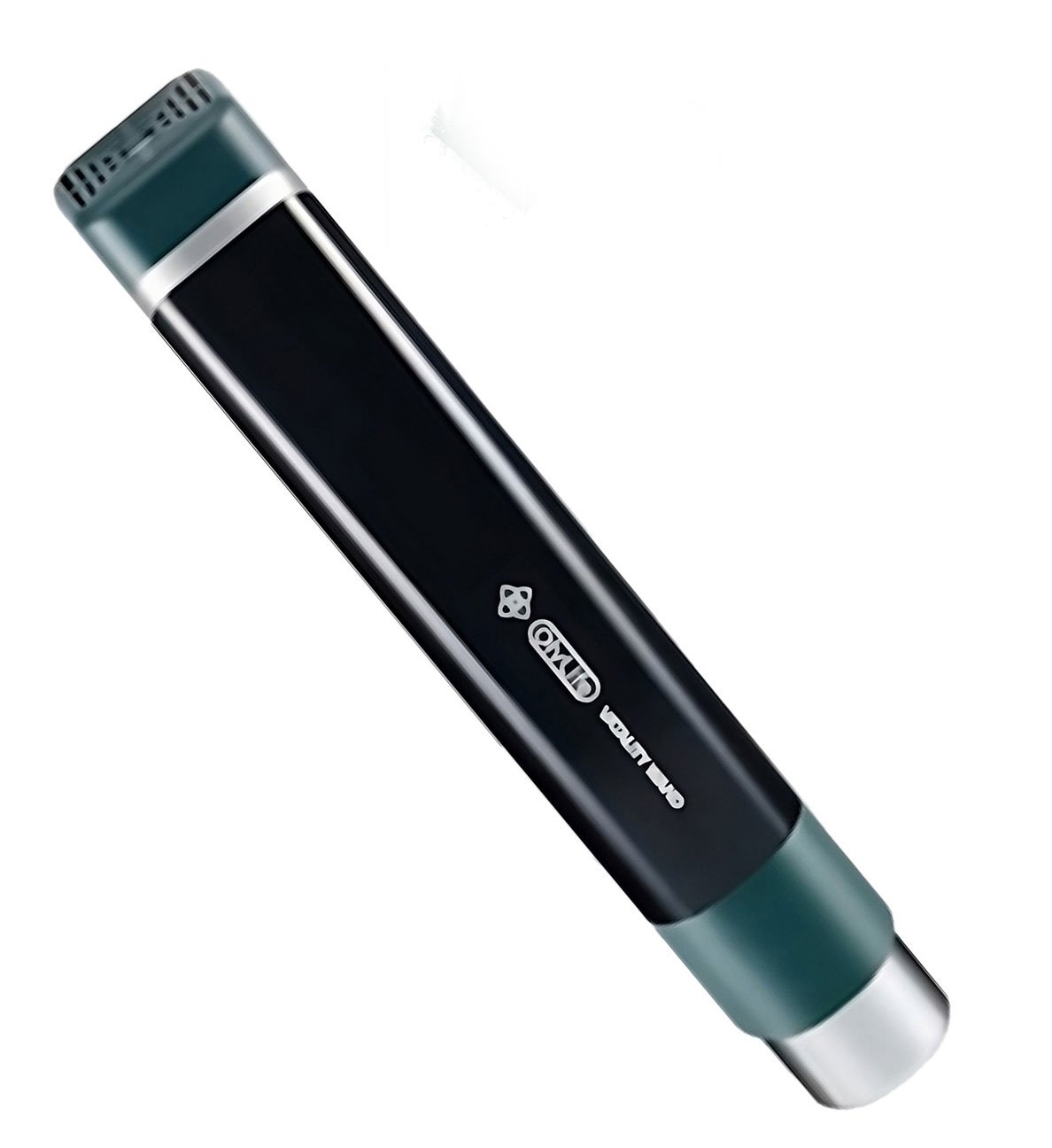
For those looking to enhance their self-care routine even further, the OlyLife Vitality Wand combines terahertz and PEMF technology to target specific energy pathways — a modern complement to reflexology’s ancient wisdom of working with the body’s natural pressure points and energy systems.
🎁 Get a Free Wellness Gift
Enter your name and email below to receive a special wellness gift from OlyLife — absolutely free!
Reflexology and Complementary Natural Therapies
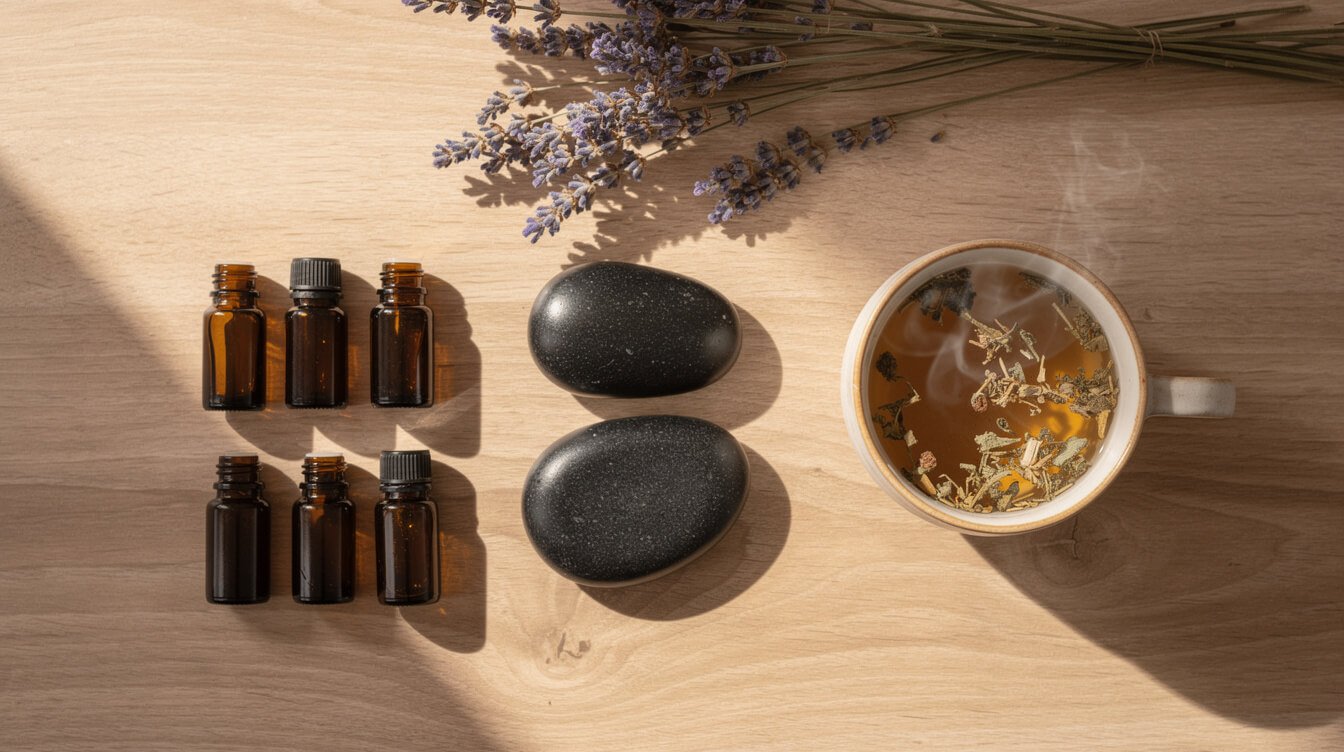
One of the beautiful things about reflexology is how naturally it pairs with other holistic wellness practices. When combined thoughtfully, these complementary approaches may amplify each other’s benefits, creating a more comprehensive wellness experience.
Reflexology and PEMF Therapy
Pulsed Electromagnetic Field (PEMF) therapy and reflexology share a common goal: supporting the body’s natural healing processes through non-invasive energy-based techniques. While reflexology works with pressure and meridian pathways, PEMF therapy uses electromagnetic pulses to support cellular function, circulation, and recovery. Many holistic wellness practitioners recommend combining the two — for example, a reflexology session followed by PEMF therapy — as a way to address wellness from multiple angles simultaneously.
Reflexology and Grounding (Earthing)
Grounding — the practice of connecting physically with the earth’s natural electrical charge — shares reflexology’s focus on the feet as a gateway to whole-body wellness. Research published in the Journal of Environmental and Public Health (2012) suggests that grounding may reduce inflammation, improve sleep, and decrease stress — benefits that closely mirror those of reflexology. Practicing grounding exercises outdoors before a self-reflexology session at home creates a natural wellness ritual that honors both ancient wisdom and modern understanding.
Reflexology and Aromatherapy
Adding essential oils to your reflexology practice can enhance the sensory experience and provide additional therapeutic benefits. Lavender oil promotes relaxation during a stress-relief session, peppermint oil may heighten alertness during an energizing session, and eucalyptus oil can support respiratory reflex points. Simply add a drop or two to your carrier oil or lotion before beginning your self-reflexology practice.
Reflexology and Anti-Inflammatory Nutrition
The anti-inflammatory diet and reflexology work beautifully together. While reflexology helps improve circulation and reduce systemic tension from the outside in, anti-inflammatory foods — like turmeric, fatty fish, and leafy greens — support your body’s healing processes from the inside out. Together, they create a comprehensive approach to managing inflammation and supporting overall vitality.
Support Your Wellness Journey with Modern Energy Therapy
The OlyLife Vitality Wand combines terahertz and PEMF technology to target energy pathways throughout your body — a modern complement to reflexology’s ancient healing wisdom.
Frequently Asked Questions About Reflexology Benefits
Whether you’re new to reflexology or considering adding it to your existing wellness routine, these are the questions people ask most often about reflexology benefits and practice.
How often should you get reflexology?
For general wellness maintenance, most reflexologists recommend one session per week or every two weeks. If you’re addressing a specific concern — such as chronic stress, sleep issues, or pain management — you may benefit from more frequent sessions initially (two to three times per week), tapering to a maintenance schedule as symptoms improve. For self-reflexology at home, even 10 to 15 minutes three to four times per week can yield meaningful benefits over time.
Is reflexology safe during pregnancy?
Most reflexologists advise caution during the first trimester, as certain reflex points — particularly those related to the uterus and ovaries — may stimulate contractions. After the first trimester, reflexology performed by a trained practitioner experienced in prenatal care is generally considered safe and may even help with common pregnancy discomforts like swelling, back pain, and nausea. Always consult your healthcare provider before beginning any new therapy during pregnancy.
What is the difference between reflexology and foot massage?
While both feel wonderful, they work quite differently. A foot massage primarily targets the muscles, tendons, and soft tissues of the foot itself, aiming to relieve localized tension and improve foot comfort. Reflexology, on the other hand, uses specific thumb-and-finger pressure techniques on mapped reflex points that correspond to organs and systems throughout the entire body. The goal of reflexology extends well beyond foot comfort — it aims to promote balance and healing across all body systems.
Can reflexology help with headaches and migraines?
Research suggests it may. A study published in Alternative Therapies in Health and Medicine found that reflexology helped reduce migraine frequency and intensity in participants over a three-month period. The key reflex points for headache relief are located on the toes (particularly the big toe), the base of the toes, and the solar plexus point on the ball of the foot. Many people report noticeable relief even from a single self-reflexology session targeting these areas.
Who should avoid reflexology?
While reflexology is generally safe for most adults, certain individuals should exercise caution or consult a healthcare provider first. This includes people with foot fractures, unhealed wounds, active gout, deep vein thrombosis (DVT), or severe circulatory problems. If you have diabetes, work with a practitioner experienced in treating diabetic patients, as foot sensitivity and skin integrity may be concerns. Reflexology is not a substitute for medical treatment — it’s a complementary practice that works alongside conventional care.
How long does it take to feel reflexology benefits?
Many people notice immediate effects after their first session — particularly feelings of deep relaxation, improved mood, and reduced tension. For more specific benefits like better sleep, reduced pain, or improved digestion, most practitioners suggest allowing four to six weeks of regular sessions to observe meaningful changes. Consistency matters more than intensity, which is why establishing a regular self-reflexology practice at home can be so valuable for long-term wellness.
Final Thoughts: Making Reflexology Part of Your Wellness Journey
The beauty of reflexology lies in its simplicity and accessibility. You don’t need expensive equipment, a gym membership, or years of training to begin experiencing its benefits. Your feet — with their 7,000-plus nerve endings and intricate map of reflex points — are always with you, always ready to help you reconnect with your body’s natural capacity for healing and balance.
Whether you choose to visit a professional reflexologist, begin a simple self-reflexology practice at home, or combine reflexology with other holistic wellness approaches, you’re taking a meaningful step toward supporting your body, mind, and spirit through gentle, natural means.
Start small — try the solar plexus press tonight before bed, or spend five minutes working the toe reflex points the next time you’re watching your favorite show. Your feet have been carrying you through life every single day. It’s time to give something back. 🌿