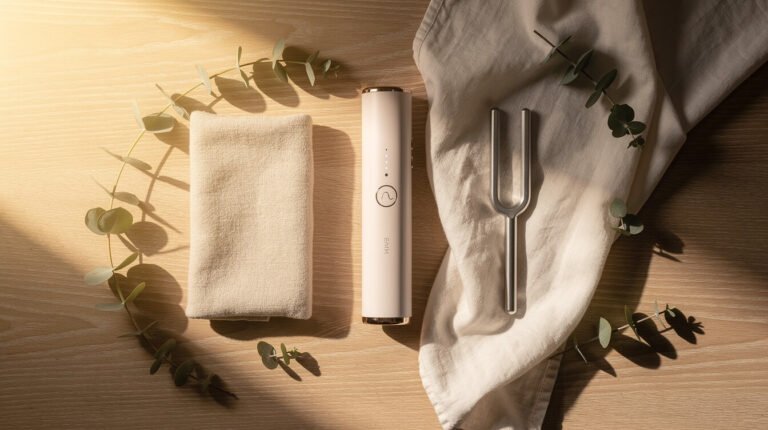
If stiff, aching joints have become part of your daily routine, you are far from alone — osteoarthritis is one of the most common causes of joint pain in the world, affecting nearly one in five adults. Many people searching for gentler alternatives to daily painkillers come across PEMF therapy for osteoarthritis, a drug-free approach that uses low-level pulsed electromagnetic fields to support the body’s own comfort and repair processes. But does it actually help, and how do you use it wisely?
In this evidence-informed guide, we’ll walk through what osteoarthritis is, how PEMF may work at the cellular level, what current research suggests (honestly — the good and the uncertain), how the therapy is used for different joints, and how to approach it safely at home. Our goal is simple: to help you make a calm, well-informed decision about whether this gentle technology deserves a place in your wellness routine. 🌿
Understanding Osteoarthritis: Why Your Joints Ache

Osteoarthritis (OA) is often described as “wear and tear” arthritis, but that phrase only tells part of the story. OA develops when the smooth cartilage that cushions the ends of your bones gradually breaks down. As that cushioning thins, bones begin to rub more closely together, and the whole joint — including the surrounding bone, lining, and soft tissue — becomes involved. The result is the familiar trio of pain, stiffness, and reduced range of motion, often worse in the morning or after periods of rest.
It helps to know that OA is not purely mechanical. Low-grade inflammation plays a meaningful role. The joint lining (the synovium) can become irritated and release inflammatory messengers that amplify pain and slow the tissue’s natural maintenance. This is why two people with similar X-rays can experience very different levels of discomfort — the inflammatory and nervous-system components matter as much as the visible cartilage changes.
Common risk factors
- Age: Prevalence rises significantly after 50 as cartilage renewal slows.
- Joint history: Previous injuries, surgeries, or years of repetitive strain accelerate changes.
- Body weight: Extra load on weight-bearing joints like knees and hips increases stress.
- Genetics and hormones: Family history and post-menopausal hormonal shifts can raise risk, which is part of why women are affected more often.
Because OA is chronic and progressive, most people manage it rather than “cure” it. That management is where gentle, supportive approaches — from movement and nutrition to therapies like PEMF — can play a helpful role alongside guidance from your healthcare provider. For a broader look at drug-free options, our guide to natural therapy for pain offers a helpful starting map.
What Is PEMF Therapy, and How Might It Help Osteoarthritis?
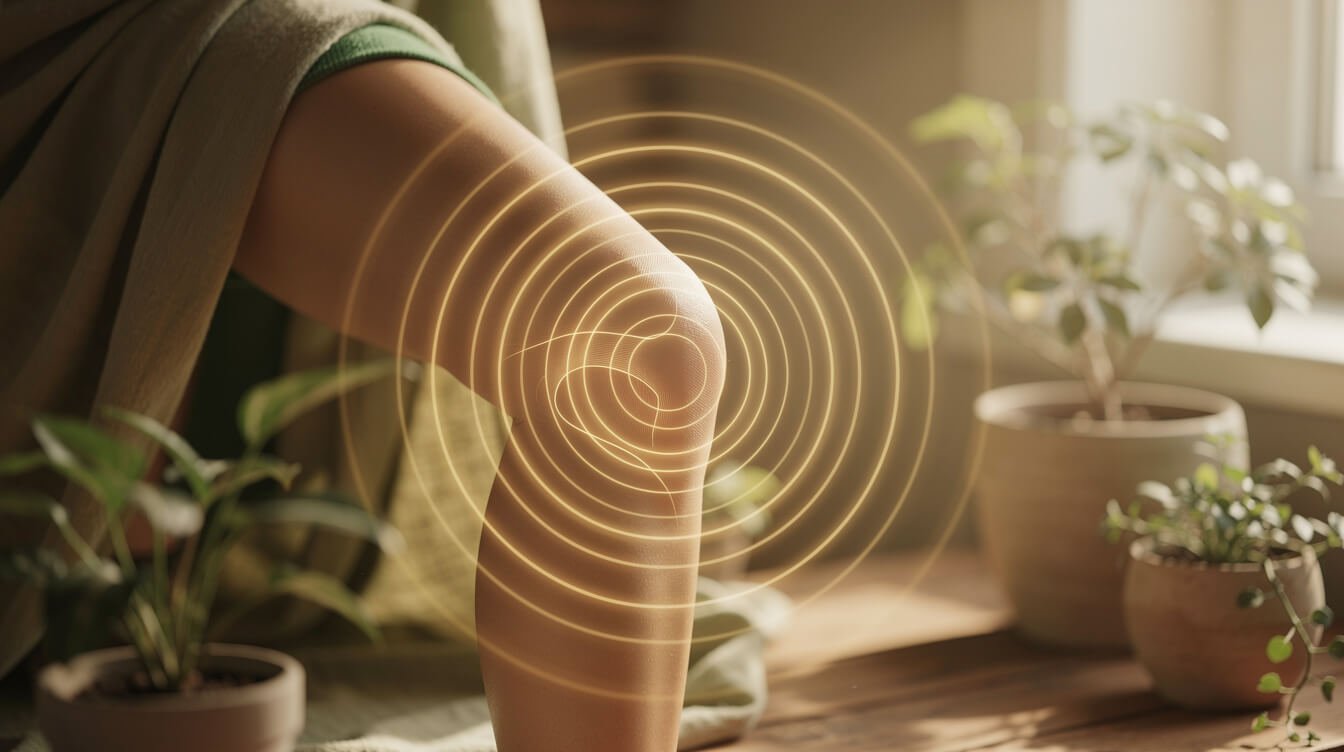
Pulsed electromagnetic field (PEMF) therapy sends painless, low-energy magnetic pulses through the skin and into the tissue beneath. You feel little to nothing during a session — there is no heat or electrical shock — yet those gentle pulses are thought to interact with your cells in subtle ways. A helpful mental image is that of a tiny “battery charger” for tired cells, nudging them back toward healthy activity.
Researchers exploring PEMF therapy for osteoarthritis have proposed several overlapping mechanisms. None of these should be read as a promise of results, but they explain why scientists remain interested in the approach:
- Calming inflammatory signals: Laboratory studies suggest PEMF may help lower pro-inflammatory messengers such as interleukin-1 (IL-1), which are linked to joint pain and cartilage breakdown.
- Supporting repair signals: Some research points to increased activity of growth factors like TGF-β that are involved in cartilage cell health.
- Encouraging circulation: Better local blood flow brings oxygen and nutrients to tissues while helping carry away metabolic waste.
- Influencing cell membrane behavior: PEMF may affect the electrical charge across cell membranes and the movement of ions like calcium, which cells use for communication and repair.
If you want a deeper dive into the underlying science across all applications, our complete guide to PEMF therapy benefits and our explainer on PEMF mat benefits unpack the biophysics in plain language. The key takeaway for OA specifically: PEMF is being studied as a way to support comfort and the joint environment, not to regrow a joint or replace medical care.
What the Research Suggests About PEMF Therapy for Osteoarthritis

Here is where honesty matters most. The evidence for PEMF and osteoarthritis is encouraging but mixed, and knee OA is the most-studied area by far. Several randomized, placebo-controlled trials and systematic reviews have reported that PEMF may reduce pain and improve physical function in people with knee osteoarthritis, with some studies noting meaningful pain reduction over a course of several weeks. Reviews of the wider literature on electromagnetic fields and OA have reached broadly similar, cautiously positive conclusions.
At the same time, respected medical sources urge appropriate caution. As Cleveland Clinic notes, researchers are still studying PEMF, and there isn’t definitive proof it works for everyone — some benefit may reflect a placebo response. One knee-OA study famously found that people felt their knees functioned better even though their measured symptoms were largely unchanged. Because pain and stiffness are subjective and hard to measure precisely, results vary between studies and between individuals.
How to read the evidence sensibly
- Strongest signal: knee osteoarthritis, where multiple trials suggest possible pain and function benefits.
- Promising but thinner: hip, hand, and spine OA, where fewer high-quality studies exist.
- Important caveat: study devices, frequencies, and session lengths vary widely, so results don’t automatically transfer to every at-home gadget.
The responsible summary: research suggests PEMF may support comfort and mobility for some people with osteoarthritis, particularly of the knee, while more rigorous, standardized studies are still needed. It is best viewed as a complementary tool — something that may work alongside movement, nutrition, and your provider’s advice, not instead of them. For the inflammation side of the equation, you may also find our overview of natural remedies for inflammation useful.
It’s also worth understanding why the studies disagree. Trials use different devices, magnetic field strengths, pulse frequencies, session lengths, and treatment durations — so a positive result with one clinical system doesn’t automatically apply to a different at-home unit. Outcome measures differ too: some track a pain score, others measure stiffness, walking speed, or self-reported function. When you read a bold claim online, it helps to ask three quiet questions: which joint was studied, how long did people use it, and was it compared against a genuine placebo? That habit will serve you well far beyond PEMF.
PEMF for Different Osteoarthritic Joints

Osteoarthritis doesn’t behave the same way in every joint, and how you apply PEMF often depends on which joint is involved. Here’s how people typically approach the most common areas.
Knees
The knee is the most researched joint for PEMF and OA, and it’s well-suited to flat pads, wraps, or targeted applicators because it sits close to the surface. Many people combine gentle sessions with quadriceps-strengthening and low-impact movement to support the joint from multiple angles. Our guide to low-impact cardio for beginners pairs naturally with knee care.
Hips
Hip joints sit deeper in the body, so whole-body mats or larger applicators are often preferred to reach the area. Consistency and comfortable positioning matter here, since it can be harder to target a deep joint precisely.
Hands and fingers
Hand OA responds well to small, focused applicators or wands that can be moved gently across the knuckles and wrist. Because these joints are small and superficial, short, frequent sessions are common.
Spine and neck
For spinal OA, larger mats that support the whole back are typical. Always prioritize comfort and neutral posture, and check with your provider given the proximity to the spinal cord.
Because OlyLife focuses on integrated frequency wellness rather than single-joint pads, many readers ask which device suits a whole-body, multi-joint routine. Our OlyLife THz Tera-P90+ Smart PEMF and Terahertz Therapy System combines pulsed electromagnetic fields with gentle terahertz warmth in one device — a flexible option if your osteoarthritis affects more than one area. If you’re weighing modalities, our comparison of terahertz therapy vs PEMF therapy explains how the two approaches differ and complement each other.
How to Use PEMF Therapy for Osteoarthritis at Home

If you and your provider decide PEMF is worth trying, a thoughtful routine helps you get the most from it while keeping expectations realistic. These are general, commonly-used guidelines — always follow your specific device’s manual.
- Frequency settings: Lower frequencies (often in the single digits up to around 30 Hz) are commonly used for relaxation and recovery. Many devices offer OA- or joint-focused presets.
- Session length: Sessions of roughly 20–30 minutes are typical, once or twice daily depending on the device and your comfort.
- Positioning: Place the applicator so the affected joint sits within the field. For deeper joints like hips, whole-body mats help ensure coverage.
- Consistency: PEMF is not usually a one-and-done fix. Most people who notice benefits do so after several weeks of regular use, so patience and routine matter.
- Pair it wisely: Gentle movement, warmth, and an anti-inflammatory eating pattern can complement your sessions.
A simple sample routine
Everyone’s needs differ, but a gentle framework can make the habit stick. Many people find a rhythm like this comfortable: a short morning session of about 20 minutes on the most affected joint to ease overnight stiffness, light movement or a walk during the day, and an evening session paired with relaxation to wind down. Warmth beforehand can help you settle, and keeping a brief comfort-and-mobility journal makes it easier to notice whether the routine is genuinely helping over a few weeks.
Think of PEMF as one supportive habit within a bigger picture. Regular walking for health, an anti-inflammatory way of eating, and calming rituals like grounding can all reinforce joint comfort. For joint-specific pain, some readers also explore our guide to the PEMF mat for pain relief.
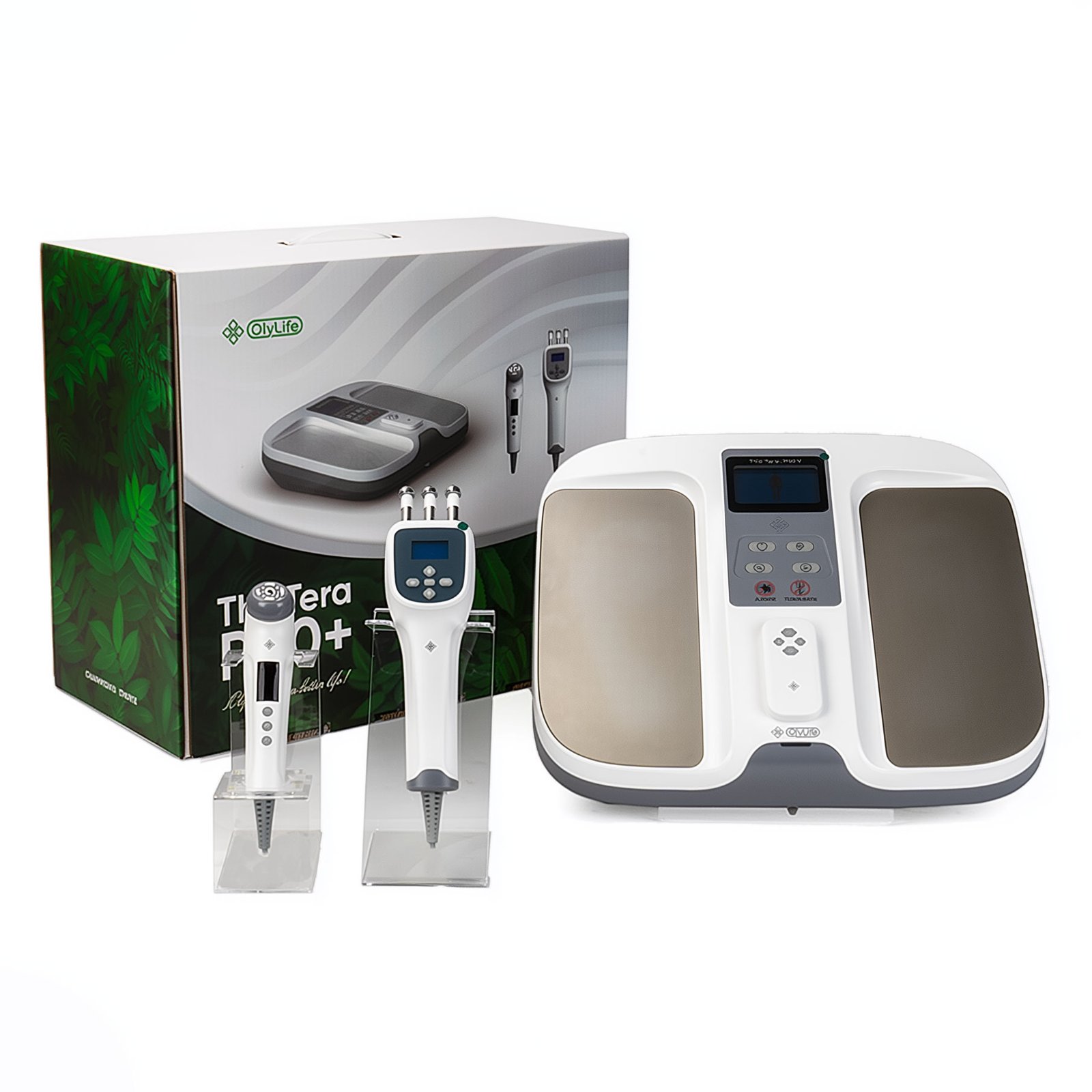
Gentle, Whole-Body Frequency Wellness
The OlyLife THz Tera-P90+ blends PEMF and soothing terahertz warmth in one smart system — a flexible way to support comfort across knees, hips, hands, and more as part of your daily routine.
🎁 Get a Free Wellness Gift
Enter your name and email below to receive a special wellness gift from OlyLife — absolutely free!
Safety, Precautions, and When to See a Doctor

PEMF is generally considered safe and non-invasive for most healthy adults, using energy levels well below industrial exposure limits. Side effects are uncommon and usually mild, such as temporary lightheadedness. Still, some people should be cautious or avoid it entirely without medical clearance.
Who should check with a provider first
- People with implanted electronic devices such as pacemakers, defibrillators, or insulin pumps — magnetic fields can interfere with them.
- Anyone who is pregnant, since PEMF has not been well studied in pregnancy.
- People with active cancer, especially near the treatment area, without oncology guidance.
- Those with bleeding disorders, epilepsy, or who have recent metal implants near the site.
Red flags that need medical attention
PEMF is a wellness support, not a substitute for diagnosis and care. See a healthcare professional promptly if you experience a hot, red, or visibly swollen joint, sudden severe pain, a joint that gives way or locks, fever alongside joint pain, or symptoms that steadily worsen despite home care. These can signal problems that need proper evaluation.
It’s also wise to loop in your provider before buying an at-home device, as Cleveland Clinic recommends — they can help you set realistic expectations and make sure PEMF fits safely with your other treatments. If you’re exploring several supportive options, our roundups of natural remedies for pain relief and red light therapy at home can round out your toolkit.
How PEMF Fits Into a Complete Osteoarthritis Plan
No single therapy carries the full weight of managing osteoarthritis, and PEMF works best as one supportive thread woven into a broader, well-rounded plan. The most resilient routines tend to combine gentle movement, joint-friendly nutrition, stress care, and targeted comfort tools — each reinforcing the others.
- Move often, gently: Motion nourishes cartilage and keeps surrounding muscles strong. Low-impact options such as swimming, cycling, and walking protect joints while building support.
- Eat to calm inflammation: A colorful, whole-food pattern rich in vegetables, omega-3 fats, and spices may help. Many readers add turmeric for its traditionally valued, research-studied compounds.
- Mind the nervous system: Chronic pain and stress feed each other. Relaxation practices can quiet that loop and change how intensely pain is felt — an angle we explore in our guide to natural pain relief.
- Layer supportive technologies: Some people combine PEMF with other frequency-wellness tools. Our overview of frequency healing devices and our terahertz wand guide explain how these approaches can sit side by side.
The beauty of this layered approach is that even on days when one habit slips, the others keep working. Consistency across the whole plan — rather than perfection in any one part — is what tends to move the needle on long-term joint comfort.
Frequently Asked Questions
Does PEMF therapy really work for osteoarthritis?
Research suggests PEMF may reduce pain and improve function for some people with osteoarthritis, especially of the knee, though results are mixed and some benefit may be placebo. It’s best seen as a complementary support rather than a guaranteed treatment.
How long before I might notice a difference?
PEMF is typically a gradual, cumulative approach. Many people who report benefits do so after several weeks of consistent daily or twice-daily sessions rather than after a single use.
Is PEMF therapy safe to use at home?
For most healthy adults it’s considered safe and painless. However, people with pacemakers or other implanted electronics, those who are pregnant, or anyone with active cancer, epilepsy, or bleeding disorders should get medical clearance first.
Can PEMF replace my arthritis medication?
No. PEMF should not replace prescribed treatment. Never stop or change medication without talking to your provider; PEMF may be used alongside your existing care, not instead of it.
What’s the difference between PEMF and terahertz therapy?
PEMF uses pulsed magnetic fields, while terahertz therapy uses gentle terahertz-band energy and warmth. Some devices, like the OlyLife Tera-P90+, combine both. Our terahertz vs PEMF comparison explains the distinction in detail.
Which joints respond best to PEMF?
The knee has the most supporting research. Hips, hands, and the spine can also be targeted, but with fewer high-quality studies. Deeper joints usually call for larger mats or whole-body applicators.
Final Thoughts: A Gentle, Informed Approach
Living with osteoarthritis often means building a personal toolkit of small, supportive habits that add up. PEMF therapy is one such tool that research suggests may help ease pain and support joint comfort for some people — gently, without drugs, and as a complement to movement, nutrition, and professional care. The honest picture is that the evidence is promising, especially for the knee, while more standardized research is still underway.
If you approach PEMF with realistic expectations, use it consistently, keep your provider in the loop, and pair it with the broader lifestyle steps that keep joints happy, you give yourself the best chance of feeling more mobile and at ease in your body. Here’s to taking one calm, informed step at a time toward greater comfort. ✨