Natural Relief of Joint Pain: What Research Suggests Really Helps
Stiff knees on the stairs in the morning, fingers that ache when you open a jar, a hip that complains after a long drive. Joint discomfort is one of the most common reasons adults look for gentler, everyday support. If you’ve been searching for natural relief of joint pain, you’ve probably found two very different kinds of advice. Some is careful and evidence-based. A lot of it is a long list of supplements that promise to “rebuild cartilage.”
This guide sorts one from the other. We’ll look at what’s going on inside an achy joint, which natural approaches have the strongest research behind them (the answer may surprise you), what the evidence really says about popular supplements, and how to build a simple, realistic routine you can stick with. Everything here is about supporting your body’s comfort and mobility, and it works best alongside, not instead of, care from a qualified healthcare provider.
Natural Relief of Joint Pain Starts With Knowing Your Joints
“Joint pain” is a symptom, not a diagnosis. Different causes respond to different approaches, so the most useful first step is understanding which kind of discomfort you’re most likely dealing with.
Wear-and-tear (osteoarthritis)
Osteoarthritis (OA) is the most common type. It involves gradual changes in the cartilage and bone of a joint, most often in the knees, hips, hands and lower spine. It tends to feel worse after activity or at the end of the day. Morning stiffness usually eases within about 30 minutes of moving around. OA affects more than 30 million adults in the US, and it’s where most of the research on natural, lifestyle-based approaches has been done.
Inflammatory joint conditions
Rheumatoid arthritis, psoriatic arthritis, gout and similar conditions are driven by the immune system or by crystal deposits. Clues include morning stiffness that lasts longer than an hour, warm and swollen joints, the same joints affected on both sides of the body, or sudden intense pain in a single joint (often the big toe, in gout). These conditions need a proper diagnosis, because early medical treatment can protect the joint over the long term. Lifestyle habits can still support you, but they belong next to medical care.
Overuse and soft-tissue strain
Some “joint” pain actually comes from the tendons, ligaments and muscles around a joint. Think of a sore shoulder after painting a ceiling or an aching knee after a jump in running mileage. This type often improves with rest, gradual reloading and better movement habits.
When to see a doctor promptly: a joint that is hot, red and swollen; joint pain with fever or feeling unwell; sudden severe pain or swelling; pain after a fall or injury; a joint that looks deformed or can’t bear weight; or stiffness and swelling that keep coming back. Natural approaches are not a substitute for checking these out.
For a broader look at pain beyond the joints, our guide to natural therapy for pain covers back, nerve and muscle discomfort too.
Movement: The Most Researched Natural Relief of Joint Pain
Here’s the surprise: the approach with the strongest evidence isn’t a pill, an oil or a gadget. It’s movement. When it’s painful to move, resting seems like the obvious choice. But research consistently suggests that the right kind of regular activity is one of the most effective natural ways to ease joint discomfort and keep joints working.
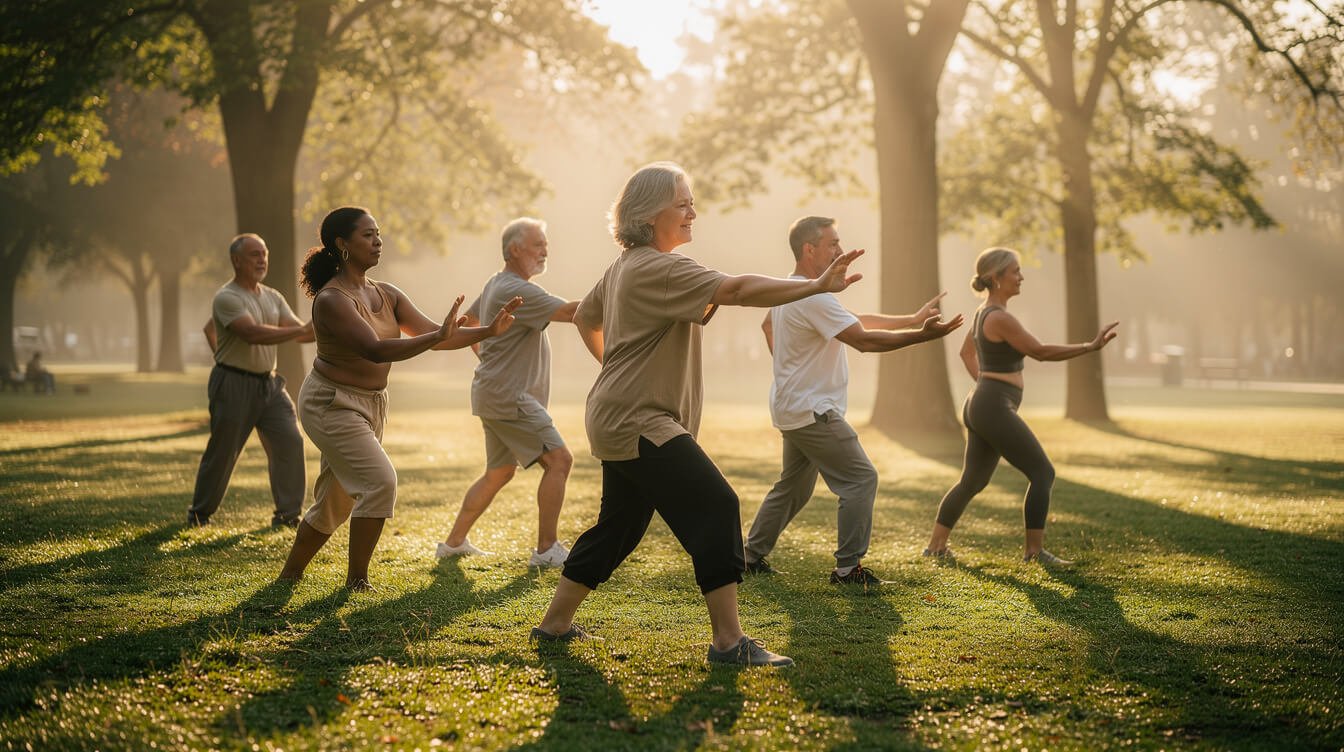
The 2019 American College of Rheumatology and Arthritis Foundation guideline for hand, hip and knee osteoarthritis strongly recommends exercise as a core part of care. It also strongly recommends tai chi for knee and hip OA, plus self-management programs that teach people practical skills for living with arthritis. The CDC similarly notes that physical activity may reduce pain, improve function and delay limitations for people with arthritis.
Why movement may help
- Cartilage feeds on motion. Cartilage has no direct blood supply. Gentle loading and unloading helps move fluid and nutrients through it.
- Stronger muscles share the load. Strong thigh muscles, for example, may absorb force that would otherwise go through the knee.
- Movement calms the pain system. Regular activity may reduce sensitivity in the nervous system and lift mood, both of which shape how pain feels.
Tai chi: gentle, and backed by research
In a 2016 trial published in Annals of Internal Medicine, researchers at Tufts Medical Center randomly assigned 204 adults with knee osteoarthritis to either twice-weekly group tai chi or standard physical therapy for 12 weeks. Both groups improved similarly in pain and physical function, and the benefits lasted through the one-year follow-up. The tai chi group also saw greater improvements in mood and quality of life. Tai chi’s slow, weight-shifting movements build strength, balance and body awareness without pounding the joints.
A joint-friendly movement mix
- Low-impact cardio: walking, cycling, swimming or water aerobics. The CDC suggests working toward 150 minutes a week, broken into small chunks such as 10–30 minutes a day. If that feels like too much, start where you are. Even small amounts may help.
- Strength training, 2–3 times a week: sit-to-stands from a chair, wall push-ups, resistance-band rows, glute bridges. Strong hips and thighs support knees. Strong forearms and grip muscles support hands.
- Range of motion and mobility: gentle daily circles and stretches for each joint, especially first thing in the morning.
- Mind-body movement: tai chi, qigong or gentle yoga, which combine movement with breath and relaxation.
The “two-hour rule”: some soreness during activity is normal. A useful guide many physical therapists share is this: if your joint pain is noticeably worse two hours after exercise than before you started, scale back next time. Don’t stop altogether. Adjust the amount instead.
If you’re recovering from heavy training as well as managing achy joints, our guide to PEMF recovery explores how some people add gentle at-home tools to their recovery routine.
Lighten the Load: Weight, Pacing and Joint-Friendly Habits
Your knees and hips carry far more than your body weight with every step. That’s why small changes in load can add up to meaningful relief for weight-bearing joints.
In a well-known study from Wake Forest University, published in Arthritis & Rheumatism in 2005, researchers followed 142 older adults with knee osteoarthritis who were overweight. They found that every pound of weight lost was linked to about a four-pound reduction in the load on the knee with each step. Over a mile of walking, that’s thousands of pounds less pressure. The CDC notes that even losing 5% of body weight may help reduce arthritis-related pain and disability for people with overweight.
You don’t need a dramatic diet to start. Gentle, sustainable shifts toward whole foods, more vegetables, and fewer ultra-processed snacks and sugary drinks tend to support both a healthy weight and lower inflammation (more on food in the next section).
Everyday joint-protection habits
- Pace, don’t push. Alternate heavier tasks with lighter ones, and break big jobs (gardening, cleaning) into shorter sessions with rest in between.
- Change position often. Joints stiffen when held still. Set a reminder to stand up and move every 30–45 minutes during desk work or long drives.
- Use bigger joints and both hands. Carry bags on your forearm or shoulder rather than gripping with your fingers. Slide heavy items instead of lifting them.
- Supportive footwear. Cushioned, stable shoes can make walking more comfortable for knees and hips.
- Helpful aids aren’t “giving up.” The ACR guideline strongly recommends a cane for knee or hip OA when needed, and braces for some knee and thumb-base problems. Jar openers, padded handles and raised seats also reduce strain on sore joints.
Anti-Inflammatory Eating and What the Supplement Research Says

Food won’t “cure” arthritis, but what you eat every day shapes inflammation and body weight, two big influences on joint comfort. Research suggests that a Mediterranean-style pattern may support joint health. That means plenty of vegetables, fruit, legumes, whole grains, olive oil, nuts, and fish a couple of times a week. A typical Western diet, high in refined carbohydrates, sugar and processed meats, has been linked to worse knee osteoarthritis symptoms over time.
Simple places to start:
- Swap one processed snack a day for a handful of walnuts or a piece of fruit.
- Add oily fish (salmon, sardines, mackerel) twice a week.
- Cook with extra-virgin olive oil and season generously with herbs, ginger and turmeric.
- Fill half your plate with colorful vegetables.
For a structured plan, our 21-day anti-inflammatory diet walks you through meals step by step, and these anti-inflammatory breakfast foods make mornings easy.
Supplements: an honest evidence check
Supplements are where joint advice gets the most hype. Here is how some of the most popular options stack up, based on current research and the 2019 ACR/Arthritis Foundation osteoarthritis guideline:
| Supplement | What research suggests | Worth knowing |
|---|---|---|
| Turmeric / curcumin | Several small trials and meta-analyses suggest it may modestly ease knee OA discomfort. Study quality is mixed. | Poorly absorbed on its own. Rare liver-injury reports with concentrated extracts. May interact with blood thinners. |
| Ginger | Some trials show small improvements in OA pain. | Can upset the stomach. Use caution with blood thinners. |
| Boswellia (Indian frankincense) | Small, promising studies in knee OA. | Product quality and dosing vary widely. |
| Omega-3 fish oil | Some evidence for easing tender joints in rheumatoid arthritis. The ACR guideline recommends against it for osteoarthritis. | Getting omega-3s from food is a solid everyday choice. |
| Glucosamine | Large, high-quality trials largely show no meaningful benefit over placebo. The ACR guideline strongly recommends against it for knee, hip and hand OA. | One of the most-marketed joint supplements, with some of the weakest evidence. |
| Vitamin D | Not recommended specifically for OA pain in the ACR guideline. | Still important for overall bone health if you’re low. Ask your provider about testing. |
If you’d like to explore turmeric in the kitchen first, our turmeric herbal spotlight shares gentle, food-first ways to enjoy it. Always check with a doctor or pharmacist before starting a supplement, especially if you take medication, are pregnant, or have liver or kidney concerns.
🎁 Get a Free Wellness Gift
Enter your name and email below to receive a special wellness gift from OlyLife — absolutely free!
Warmth, Cold and Soothing Comfort at Home

Sometimes the simplest tools are the most comforting. Heat and cold are low-cost, low-risk options for natural relief of joint pain, and the ACR guideline conditionally recommends thermal therapies as part of OA care.
When to choose warmth
Warmth tends to suit stiff, achy joints, especially in the morning or before activity. It may relax surrounding muscles and support circulation. Try a warm shower or bath, a warm (not hot) wheat bag or heating pad for 15–20 minutes, or paraffin or warm-water soaks for stiff hands. Use a cloth layer between your skin and the heat source. Avoid sleeping on heating pads, and take extra care if you have reduced sensation, such as from diabetes.
When to choose cold
Cold tends to suit a joint that feels warm, puffy or freshly irritated, for example after overdoing a hike. Wrap an ice pack or a bag of frozen peas in a thin towel and apply for 10–15 minutes. Many people find alternating warmth (before activity) and cool (after) works well.
Gentle massage and at-home wellness tools
Light massage around (not directly pressing into) a sore joint may ease muscle tension and help you feel more relaxed. Some people also explore at-home tools such as infrared light, which our guide to pain relief infrared light therapy covers in depth, or pulsed electromagnetic field (PEMF) devices. Research on PEMF for knee osteoarthritis is still developing, and our article on PEMF therapy for osteoarthritis summarizes what studies suggest so far.
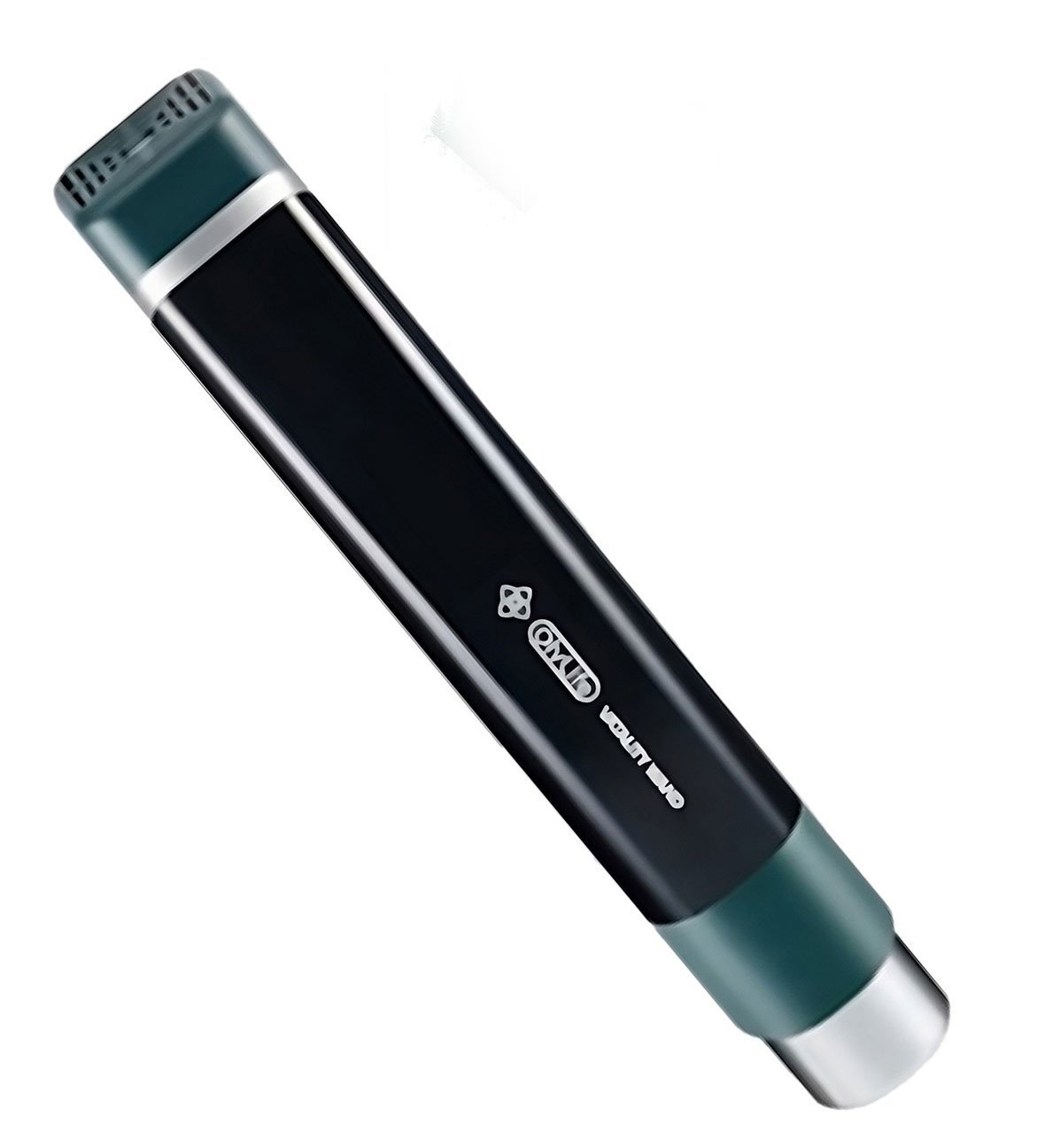
If you enjoy a calming evening self-care ritual, the OlyLife THz Tera-P90+ combines PEMF and terahertz settings with a handheld massager, and pairs nicely with the botanical OptiRelax body gel for a smooth, soothing glide. Think of tools like these as a comforting addition to the foundations above, not a replacement for movement or medical care.
A Handheld Moment of Comfort for Knees, Hands and Shoulders 🌿
The OlyLife Vitality Wand pairs terahertz and PEMF settings with warm and cool air modes in a lightweight handheld design, so it’s easy to fold into your evening wind-down ritual alongside movement, warmth and rest.
Sleep, Stress and a Simple Daily Routine for Happier Joints
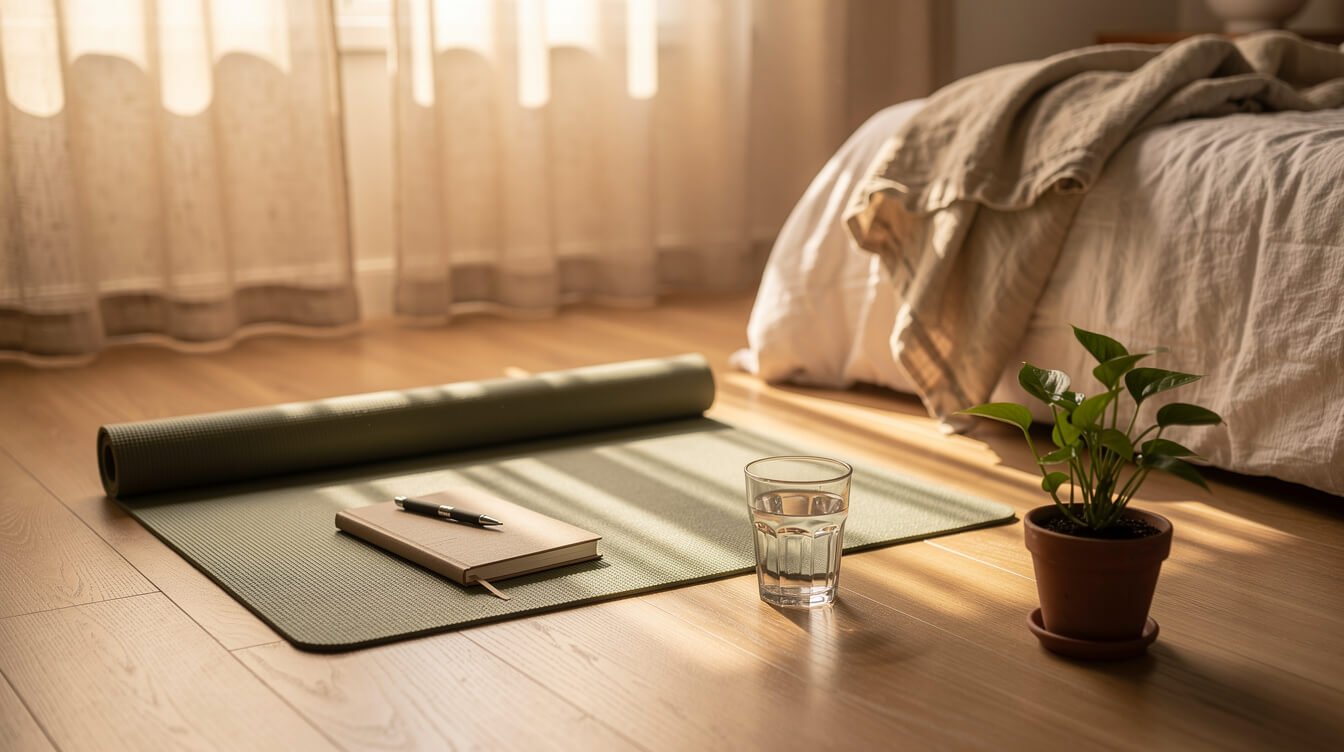
Pain and sleep influence each other. A night of poor sleep can make the same joint feel noticeably sorer the next day, and achy joints can make it harder to sleep. Stress works in a similar loop, keeping muscles tense and the nervous system on high alert. Caring for both is a real part of natural relief of joint pain.
- Protect your sleep: keep a regular bedtime, keep your room cool and dark, and try a pillow between your knees or under them to ease hip and knee pressure.
- Breathe slowly: a few minutes of slow breathing, with a longer exhale than inhale, may help calm the stress response.
- Stay connected: group classes, walking buddies and arthritis self-management workshops make it easier to keep going, and they’re good for mood too.
Our guide on how to improve sleep quality naturally has more ideas for restful nights.
A sample joint-care day
- Morning (10 minutes): a warm shower, then gentle range-of-motion circles for neck, shoulders, wrists, fingers, hips, knees and ankles.
- Breakfast: oats with walnuts and berries, or eggs with greens and olive oil.
- Midday (20–30 minutes): a brisk walk, bike ride or swim at a pace where you can still talk.
- Through the day: stand and move every 30–45 minutes. Use joint-friendly carrying and gripping habits.
- Late afternoon (15 minutes, 2–3 days a week): simple strength moves such as sit-to-stands, bridges and band rows.
- Evening: warmth or a gentle massage for stiff spots, a calming wind-down and a consistent bedtime.
Keep a simple journal for two or three weeks: what you did, how you slept and how your joints felt. Patterns become clear quickly, and the notes are helpful to share with your healthcare provider.
Natural Relief of Joint Pain: Frequently Asked Questions

What is the fastest natural relief of joint pain?
For quick comfort, warmth (for stiffness) or cold (for a warm, puffy joint) applied for 10–20 minutes is simple and low-risk. Gentle movement often helps stiffness ease within minutes. Longer-lasting relief usually comes from consistent exercise, a healthy weight and good sleep over weeks rather than days.
Is walking good for joint pain?
For most people with osteoarthritis, yes. Walking is one of the most accessible forms of activity that research suggests may reduce pain and improve function. Start with short, comfortable walks on flat ground in supportive shoes, then build up gradually.
Should I rest a painful joint?
Short rest can help after a flare or an obvious overuse injury. Long periods of rest, though, tend to weaken muscles and increase stiffness. Aim for “relative rest”: ease off the activity that aggravates the joint while keeping the rest of your body moving.
Do joint supplements like glucosamine work?
The evidence for glucosamine is weak, and the 2019 ACR/Arthritis Foundation guideline strongly recommends against it for osteoarthritis. Turmeric, ginger and boswellia have some modest, promising research, but quality varies. Talk to a pharmacist or doctor before starting any supplement.
Can diet really affect my joints?
Research suggests it can, mainly through body weight and inflammation. A Mediterranean-style diet rich in vegetables, olive oil, legumes and fish may support joint comfort, while diets high in sugar and processed foods have been linked to worse symptoms.
Does cold weather make joint pain worse?
Many people say so, though studies are mixed. Whatever the cause, staying warm, layering up and keeping active indoors on cold days can help you feel more comfortable.
When should I see a doctor about joint pain?
See a healthcare provider if a joint is hot, red or very swollen, if you have fever, if pain follows an injury, if stiffness lasts more than an hour each morning, or if pain keeps returning or limits your daily life. Early diagnosis matters, especially for inflammatory conditions.
Final Thoughts: Small, Steady Steps for Happier Joints
Natural relief of joint pain is rarely about one magic remedy. The most reliable path is surprisingly ordinary: move a little every day, build strength gently, lighten the load on your joints, eat in a way that calms inflammation, use warmth and cold wisely, and protect your sleep. These steps support each other, and together they can make a real difference to how your joints feel and how freely you move through your days.
Be patient and kind with yourself. Start with one or two changes, perhaps a daily 10-minute walk and a warm morning stretch, and build from there. Keep your healthcare provider in the loop, especially if something feels different or worse. For more ways to care for your whole self, explore our complete guide to holistic wellness. 🌿
This article is for educational purposes only and isn’t medical advice. It is not intended to diagnose, treat, cure or prevent any disease. Please consult a qualified healthcare provider before making changes to your exercise, diet or supplement routine, especially if you have a medical condition or take medication.